Unlock the Power of a Personalized Diet Plan: Transform Your Body and Life

Are you tired of feeling like you’re stuck in a rut with your diet? Do you struggle to lose weight, boost your energy, or simply feel like you’re fueling your body with the right foods? You’re not alone. With the overwhelming amount of diet information available, it can be daunting to know where to start. But, what if you could create a personalized diet plan that caters to your unique needs, preferences, and lifestyle? In this comprehensive guide, we’ll explore the world of diet planning, providing you with valuable insights, actionable tips, and expert advice to help you unlock the power of a tailored diet plan.

Understanding Your Dietary Needs

Before we dive into the nitty-gritty of creating a diet plan, it’s essential to understand your dietary needs. This involves considering your age, sex, weight, height, activity level, and any dietary restrictions or preferences you may have. For instance, if you’re a vegan or vegetarian, your diet plan will need to be tailored to ensure you’re getting enough protein, iron, and other essential nutrients. If you’re an athlete or engage in regular physical activity, your diet plan will need to be designed to support your energy needs and aid in muscle recovery.

To get started, take some time to reflect on your eating habits, lifestyle, and health goals. Ask yourself:

  • What are my dietary goals? (e.g., weight loss, improved blood sugar control, increased energy)
  • What are my dietary restrictions or preferences? (e.g., gluten-free, dairy-free, vegan)
  • What is my activity level? (e.g., sedentary, moderately active, highly active)
  • What are my health concerns or medical conditions? (e.g., diabetes, high blood pressure, food allergies)
  • By understanding your unique dietary needs, you’ll be able to create a personalized diet plan that addresses your specific requirements and sets you up for success.

    Creating a Balanced Diet Plan

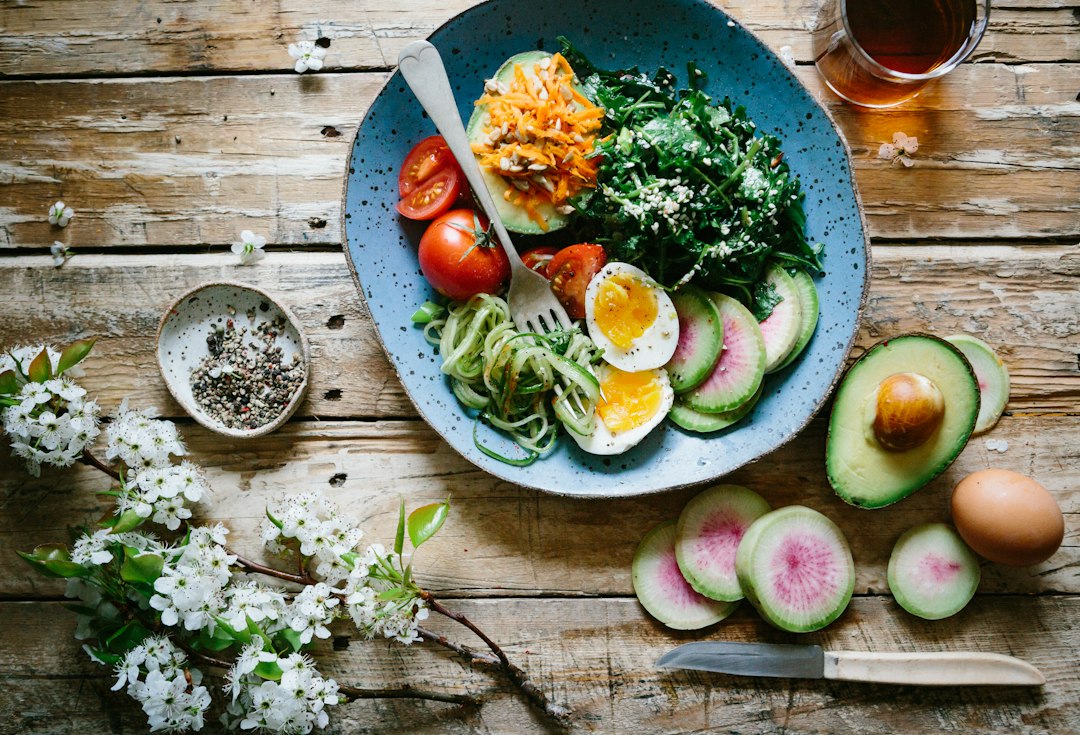
    A well-balanced diet plan is the foundation of a healthy and sustainable eating approach. It should include a variety of whole, unprocessed foods, such as fruits, vegetables, whole grains, lean proteins, and healthy fats. Aim to include a rainbow of colors on your plate to ensure you’re getting a broad range of vitamins and minerals.

    Here are some tips to help you create a balanced diet plan:

  • Eat a variety of fruits and vegetables: Aim for at least 5 servings a day, including dark leafy greens, citrus fruits, and berries.
  • Incorporate whole grains: Choose whole grains, such as brown rice, quinoa, and whole-wheat bread, instead of refined or processed grains.
  • Include lean protein sources: Opt for lean protein sources, such as poultry, fish, beans, and lentils, to support muscle growth and repair.
  • Healthy fats are essential: Nuts, seeds, avocados, and olive oil are all great sources of healthy fats that support heart health and satisfaction.
  • Stay hydrated: Drink plenty of water throughout the day, aiming for at least 8 cups (64 ounces) daily.
  • In addition to including a variety of whole foods, it’s also important to be mindful of portion sizes and meal frequency. Aim to eat three main meals and one or two snacks per day, spacing out your meals to maintain stable energy levels and support weight management.

    Meal Planning and Preparation

    Meal planning and preparation are essential components of a successful diet plan. By taking the time to plan and prepare your meals, you’ll be able to save time, reduce food waste, and ensure you’re eating a balanced and nutritious diet.

    Here are some tips to help you meal plan and prepare like a pro:

  • Plan your meals in advance: Take some time each week to plan out your meals, considering your schedule, dietary needs, and ingredient availability.
  • Make a grocery list: Write down the ingredients you need to buy and stick to your list to avoid impulse purchases.
  • Prepare meals in bulk: Cook large batches of grains, proteins, and vegetables to use throughout the week.
  • Use a slow cooker or instant pot: These kitchen tools can help you prepare healthy meals quickly and easily, even on busy days.
  • Keep healthy snacks on hand: Stock your pantry and fridge with healthy snack options, such as nuts, fruits, and carrot sticks with hummus.
  • By meal planning and preparing in advance, you’ll be able to save time, reduce stress, and ensure you’re eating a healthy and balanced diet.

    Overcoming Common Diet Plan Challenges

    Sticking to a diet plan can be challenging, especially when faced with tempting foods, emotional eating, or social pressures. Here are some common diet plan challenges and tips to help you overcome them:

  • Emotional eating: Identify your emotional triggers and find healthy ways to cope, such as meditation, exercise, or talking to a friend.
  • Social pressures: Plan ahead for social events, choosing healthy options or bringing a dish to share.
  • Cravings: Find healthy alternatives to your favorite treats, such as fruit or dark chocolate.
  • Lack of motivation: Find a diet buddy or accountability partner to support and motivate you.
  • Plateaus: Mix up your diet plan, trying new foods and recipes to keep things interesting and prevent boredom.
  • By being aware of these common challenges and having strategies in place to overcome them, you’ll be better equipped to stick to your diet plan and achieve your health and wellness goals.

    Conclusion and Key Takeaways

    Creating a personalized diet plan is a powerful way to take control of your health and wellness. By understanding your dietary needs, creating a balanced diet plan, meal planning and preparing, and overcoming common challenges, you’ll be well on your way to achieving your goals.

    Here are the key takeaways from this comprehensive guide:

  • Understand your dietary needs: Consider your age, sex, weight, height, activity level, and dietary restrictions or preferences.
  • Create a balanced diet plan: Include a variety of whole, unprocessed foods, such as fruits, vegetables, whole grains, lean proteins, and healthy fats.
  • Meal plan and prepare: Plan your meals in advance, make a grocery list, and prepare meals in bulk to save time and ensure a healthy diet.
  • Overcome common challenges: Identify your emotional triggers, find healthy alternatives to tempting foods, and find a diet buddy or accountability partner to support and motivate you.

By following these tips and staying committed to your diet plan, you’ll be able to unlock the power of a personalized diet plan and transform your body and life. Remember, a diet plan is not a one-size-fits-all approach; it’s a tailored plan that caters to your unique needs and preferences. So, take the first step today, and start your journey towards a healthier, happier you.

Unlock the Power of a Personalized Diet Plan: Transform Your Body and Mind

Are you tired of feeling sluggish, tired, and unmotivated? Do you struggle with weight loss or weight gain, despite trying countless diets and exercise routines? The truth is, a one-size-fits-all approach to nutrition and wellness simply doesn’t work. That’s why creating a personalized diet plan is the key to unlocking your full potential and achieving the body and health you’ve always desired. In this comprehensive guide, we’ll explore the world of diet planning, providing you with valuable insights, actionable tips, and expert advice to help you succeed on your journey to optimal health.

Understanding Your Nutritional Needs

Before we dive into the nitty-gritty of diet planning, it’s essential to understand your unique nutritional needs. This involves considering several factors, including your age, sex, body type, lifestyle, and health goals. For instance, if you’re an athlete or engage in regular physical activity, your body requires more protein to support muscle growth and repair. On the other hand, if you’re trying to manage a health condition like diabetes or high blood pressure, your diet plan should focus on specific nutrient-dense foods that help regulate blood sugar and blood pressure levels.

To get started, take some time to reflect on your eating habits, lifestyle, and health objectives. Ask yourself:

  • What are my health and wellness goals?
  • What is my current diet like, and what changes do I need to make?
  • Do I have any food allergies or sensitivities?
  • How much time do I have available for meal planning and preparation?
  • By answering these questions, you’ll gain a deeper understanding of your nutritional needs and be better equipped to create a personalized diet plan that suits your unique requirements.

    Creating a Balanced and Sustainable Diet Plan

    A well-crafted diet plan should be balanced, sustainable, and enjoyable. This means incorporating a variety of whole, nutrient-dense foods, including fruits, vegetables, whole grains, lean proteins, and healthy fats. Aim to include a rainbow of colors on your plate to ensure you’re getting a broad range of vitamins and minerals. Some of the best foods for a balanced diet include:

  • Leafy greens like spinach, kale, and collard greens
  • Berries, citrus fruits, and apples
  • Whole grains like quinoa, brown rice, and whole-wheat bread
  • Lean proteins like chicken, fish, and tofu
  • Healthy fats like avocado, nuts, and seeds
  • In addition to incorporating these foods, it’s also important to limit your intake of processed and sugary foods, which can have negative effects on your overall health and wellbeing. Some of the worst offenders include:

  • Sugary drinks like soda and sports drinks
  • Refined grains like white bread and sugary cereals
  • Processed meats like hot dogs and sausages
  • Fried foods and foods high in saturated and trans fats
  • By focusing on whole, nutrient-dense foods and limiting your intake of processed and sugary foods, you’ll be well on your way to creating a balanced and sustainable diet plan that supports your overall health and wellbeing.

    Meal Planning and Preparation Strategies

    Meal planning and preparation are essential components of a successful diet plan. By taking the time to plan and prepare your meals, you’ll be able to save time, money, and stress, while also ensuring that you’re getting the nutrients your body needs. Here are some tips and strategies to help you get started:

  • Plan your meals around seasonal and locally sourced ingredients to ensure freshness and flavor
  • Cook in bulk and portion out individual meals to save time and reduce food waste
  • Incorporate a variety of cooking methods, such as grilling, roasting, and sautéing, to add texture and interest to your meals
  • Use a meal planning app or calendar to stay organized and on track
  • Prep healthy snacks, such as fruits, nuts, and energy balls, to curb cravings and support weight loss
  • Some popular meal planning and preparation strategies include:

  • Batch cooking: cooking large quantities of a single ingredient or meal to use throughout the week
  • Meal prepping: preparing individual meals or components of meals in advance
  • Slow cooking: using a slow cooker to prepare meals that simmer and cook over a long period of time
  • One-pot wonders: cooking meals that can be prepared in a single pot or pan, such as stir-fries and skillet dinners
  • By incorporating these strategies into your diet plan, you’ll be able to save time, reduce stress, and enjoy healthy, delicious meals that support your overall health and wellbeing.

    Overcoming Challenges and Staying Motivated

    Sticking to a diet plan can be challenging, especially when faced with tempting foods, social pressures, and emotional eating. However, by overcoming these challenges and staying motivated, you’ll be able to achieve your health and wellness goals and maintain a healthy, balanced lifestyle. Here are some tips and strategies to help you stay on track:

  • Set realistic and achievable goals, and celebrate your successes along the way
  • Find healthy ways to cope with stress and emotions, such as exercise, meditation, or journaling
  • Surround yourself with supportive people who encourage and motivate you
  • Track your progress and monitor your results, using tools like food diaries or mobile apps
  • Reward yourself with non-food related treats, such as a massage or a new workout outfit
  • Some popular motivation and accountability strategies include:

  • Accountability partner: finding a friend or family member to share your goals and progress with
  • Support groups: joining a community of like-minded individuals who share your health and wellness goals
  • Health coaching: working with a certified health coach to create a personalized diet plan and provide ongoing support and guidance
  • Mobile apps: using apps like MyFitnessPal or Habitica to track your progress and stay motivated
  • By incorporating these strategies into your diet plan, you’ll be able to overcome challenges, stay motivated, and achieve your health and wellness goals.

    Conclusion and Key Takeaways

    Creating a personalized diet plan is a powerful tool for transforming your body and mind. By understanding your unique nutritional needs, creating a balanced and sustainable diet plan, and incorporating meal planning and preparation strategies, you’ll be well on your way to achieving optimal health and wellbeing. Remember to stay motivated and overcome challenges by setting realistic goals, finding healthy ways to cope with stress and emotions, and surrounding yourself with supportive people.

    Key takeaways from this comprehensive guide include:

  • A personalized diet plan should be tailored to your unique nutritional needs and health goals
  • Incorporating a variety of whole, nutrient-dense foods is essential for a balanced and sustainable diet
  • Meal planning and preparation strategies, such as batch cooking and meal prepping, can save time and reduce stress
  • Overcoming challenges and staying motivated requires setting realistic goals, finding healthy ways to cope with stress and emotions, and surrounding yourself with supportive people
  • Tracking your progress and monitoring your results is essential for achieving your health and wellness goals

By following these key takeaways and incorporating the strategies and tips outlined in this guide, you’ll be able to unlock the power of a personalized diet plan and transform your body and mind. Remember to be patient, stay motivated, and celebrate your successes along the way. With time and dedication, you’ll be able to achieve the health and wellbeing you’ve always desired.

Unlock the Power of a Personalized Diet Plan: Transform Your Body and Revitalize Your Health

Are you tired of feeling sluggish, run down, and stuck in a rut? Do you struggle to shed those unwanted pounds, despite trying every fad diet under the sun? The truth is, a one-size-fits-all approach to dieting just doesn’t work. What you need is a personalized diet plan that takes into account your unique needs, lifestyle, and goals. In this comprehensive guide, we’ll delve into the world of customized nutrition, exploring the benefits, types, and essential components of a successful diet plan. Get ready to unlock the power of a tailored diet and transform your body and revitalize your health.

Understanding the Importance of a Personalized Diet Plan

A personalized diet plan is more than just a list of foods to eat and avoid. It’s a holistic approach to nutrition that considers your individual characteristics, such as your age, sex, body type, and health status. By taking these factors into account, a customized diet plan can help you achieve your specific goals, whether it’s weight loss, improved energy, or enhanced overall well-being. But what makes a personalized diet plan so effective? The answer lies in its ability to address the unique nutritional needs of your body. For instance, a diet plan that’s high in protein and low in carbs may be perfect for a bodybuilder, but it may not be suitable for someone with kidney disease. By tailoring your diet to your specific needs, you can ensure that you’re getting the right balance of nutrients to support optimal health.

When it comes to creating a personalized diet plan, there are several factors to consider. These include:

  • Macronutrient balance: The ratio of carbohydrates, protein, and fat in your diet can have a significant impact on your overall health and weight management. A balanced diet that includes a mix of complex carbs, lean protein, and healthy fats can help you feel full, satisfied, and energized.
  • Micronutrient intake: Vitamins and minerals are essential for maintaining optimal health, and a personalized diet plan can help ensure that you’re getting enough of these vital nutrients. For example, if you’re vegan or vegetarian, you may need to pay special attention to your vitamin B12 intake, as this nutrient is primarily found in animal products.
  • Food allergies and intolerances: If you have a food allergy or intolerance, it’s essential to avoid trigger foods and find suitable alternatives. A personalized diet plan can help you identify potential allergens and develop a plan to manage your symptoms.
  • Types of Diet Plans: Finding the Right Fit for You

    With so many diet plans on the market, it can be overwhelming to choose the right one. Here are some popular types of diet plans, each with its unique benefits and drawbacks:

  • Keto diet: A high-fat, low-carb diet that’s perfect for those who want to lose weight quickly and improve their blood sugar control. However, the keto diet may not be suitable for everyone, particularly those with certain medical conditions or dietary restrictions.
  • Vegan diet: A plant-based diet that’s ideal for those who want to improve their overall health, reduce their environmental impact, and promote animal welfare. However, a vegan diet can be low in certain nutrients, such as vitamin B12 and omega-3 fatty acids, so it’s essential to plan carefully.
  • Low-carb diet: A diet that restricts carbohydrate intake, which can help with weight loss and improve blood sugar control. However, a low-carb diet may not be suitable for athletes or individuals who require a high amount of energy to fuel their daily activities.
  • Mediterranean diet: A balanced diet that emphasizes whole grains, fruits, vegetables, and healthy fats, which can help reduce the risk of chronic diseases, such as heart disease and diabetes.
  • When choosing a diet plan, it’s essential to consider your lifestyle, preferences, and health goals. You may also want to consult with a healthcare professional or registered dietitian to determine the best approach for your individual needs.

    Creating a Successful Diet Plan: Essential Components

    A successful diet plan is more than just a list of foods to eat and avoid. It’s a comprehensive approach to nutrition that includes several essential components, such as:

  • Meal planning: Planning your meals in advance can help you stay on track, ensure that you’re getting the right balance of nutrients, and save time and money. Consider using a meal planning app or website to help you stay organized.
  • Portion control: Eating the right portion sizes can help you maintain a healthy weight, manage your blood sugar levels, and reduce your risk of chronic diseases. Use a food scale or measuring cups to help you gauge your portion sizes.
  • Hydration: Drinking enough water is essential for maintaining optimal health, as it can help regulate your appetite, boost your energy levels, and support your overall well-being. Aim to drink at least eight glasses of water per day.
  • Physical activity: Regular exercise can help you maintain a healthy weight, improve your overall health, and enhance your mental well-being. Aim to engage in at least 150 minutes of moderate-intensity exercise per week.
  • By incorporating these essential components into your diet plan, you can set yourself up for success and achieve your health and wellness goals.

    Overcoming Common Challenges and Staying Motivated

    Sticking to a diet plan can be challenging, especially when faced with temptation, emotional eating, or plateaus. Here are some tips to help you overcome common challenges and stay motivated:

  • Set realistic goals: Setting achievable goals can help you stay motivated and focused on your progress. Break down your long-term goals into smaller, manageable milestones, and celebrate your successes along the way.
  • Find healthy alternatives: If you’re craving a particular food, try finding a healthier alternative. For example, if you love pizza, try making a cauliflower crust pizza at home using fresh ingredients.
  • Get support: Share your goals with a friend or family member and ask for their support. Having a support system can help you stay accountable and motivated, especially during tough times.
  • Track your progress: Keeping a food diary or using a mobile app to track your progress can help you stay on track and identify areas for improvement. Take progress photos, measurements, and track your weight loss to see how far you’ve come.
  • By overcoming common challenges and staying motivated, you can achieve your health and wellness goals and maintain a healthy, balanced lifestyle.

    Conclusion: Unlocking the Power of a Personalized Diet Plan

    A personalized diet plan is a powerful tool for transforming your body and revitalizing your health. By understanding the importance of a customized approach to nutrition, exploring different types of diet plans, and incorporating essential components, you can achieve your health and wellness goals. Remember to stay motivated, overcome common challenges, and celebrate your successes along the way. With the right mindset and support, you can unlock the power of a personalized diet plan and live a healthier, happier life.

    Key takeaways:

  • A personalized diet plan is a customized approach to nutrition that takes into account your unique needs, lifestyle, and goals.
  • Different types of diet plans, such as keto, vegan, and low-carb, can be effective for different individuals, depending on their needs and preferences.
  • Essential components of a successful diet plan include meal planning, portion control, hydration, and physical activity.
  • Overcoming common challenges and staying motivated is crucial for achieving and maintaining a healthy, balanced lifestyle.
  • A personalized diet plan can help you achieve your health and wellness goals, improve your overall health, and enhance your mental well-being.

Unlock the Power of a Personalized Diet Plan: Transform Your Body and Mind

Are you tired of feeling sluggish, bloated, and stuck in a weight loss rut? Do you dream of having a lean, energetic, and vibrant body that radiates confidence and health? The key to achieving your wellness goals lies in a tailored diet plan that addresses your unique needs, preferences, and lifestyle. In this comprehensive guide, we’ll delve into the world of personalized nutrition, exploring the benefits, principles, and strategies for creating a diet plan that works for you.

Understanding Your Nutritional Needs

Before we dive into the nitty-gritty of diet planning, it’s essential to understand your nutritional needs. A well-crafted diet plan takes into account your age, sex, weight, height, activity level, and health goals. For instance, a person looking to lose weight may require a calorie-deficient diet, while an athlete may need a high-protein diet to support muscle growth and recovery. To determine your nutritional needs, consider the following factors:

  • Daily caloric intake: Calculate your basal metabolic rate (BMR) and daily activity level to determine your ideal caloric intake.
  • Macronutrient balance: Aim for a balanced mix of carbohydrates, protein, and healthy fats to support energy production, muscle growth, and overall health.
  • Micronutrient intake: Ensure you’re getting enough vitamins, minerals, and antioxidants to support immune function, bone health, and cognitive function.
  • A personalized diet plan can help you identify areas for improvement and provide a clear roadmap for achieving your health goals. By understanding your nutritional needs, you’ll be better equipped to make informed food choices and create a diet plan that works in harmony with your body.

    Creating a Sustainable Diet Plan

    A sustainable diet plan is one that is easy to follow, enjoyable, and tailored to your lifestyle. Here are some tips for creating a diet plan that you’ll love:

  • Set realistic goals: Aim for gradual, sustainable weight loss or health improvements, rather than trying to achieve unrealistic expectations.
  • Keep it simple: Focus on whole, unprocessed foods, and avoid complicated recipes or restrictive dieting.
  • Make it enjoyable: Incorporate your favorite foods and flavors into your diet plan, and don’t be afraid to indulge in moderation.
  • Stay hydrated: Drink plenty of water throughout the day, and limit sugary drinks and caffeine.
  • A well-crafted diet plan should also take into account your dietary preferences and restrictions. Whether you’re a vegan, gluten-free, or keto enthusiast, there are plenty of delicious and nutritious options available. Some popular diet plans include:

  • Mediterranean diet: Emphasizes whole grains, fruits, vegetables, lean protein, and healthy fats.
  • Keto diet: Focuses on high-fat, low-carbohydrate foods to promote weight loss and improved blood sugar control.
  • Plant-based diet: Centers around whole, plant-based foods, with an emphasis on fruits, vegetables, and legumes.
  • Overcoming Common Dieting Challenges

    Sticking to a diet plan can be challenging, especially when faced with tempting foods, emotional eating, or social pressures. Here are some strategies for overcoming common dieting challenges:

  • Stay accountable: Share your diet plan with a friend or family member, and consider joining a weight loss support group for motivation and guidance.
  • Plan ahead: Meal prep, grocery shopping, and cooking in bulk can help you stay on track and avoid last-minute takeout or fast food.
  • Be kind to yourself: Don’t beat yourself up over slip-ups or setbacks – simply acknowledge the mistake and get back on track.
  • Find healthy alternatives: Satisfy your cravings with healthier options, such as air-popped popcorn instead of chips or fruit-based desserts instead of sugary treats.
  • Additionally, don’t underestimate the importance of self-care and stress management in your diet plan. Chronic stress can lead to overeating, poor food choices, and a range of negative health effects. Consider incorporating stress-reducing activities, such as meditation, yoga, or deep breathing exercises, into your daily routine.

    Putting it All Together: Tips for Success

    Creating a personalized diet plan requires patience, dedication, and a willingness to learn and adapt. Here are some final tips for success:

  • Seek professional guidance: Consult with a registered dietitian or healthcare professional to create a tailored diet plan that addresses your unique needs and goals.
  • Track your progress: Use a food diary, mobile app, or spreadsheet to track your eating habits, physical activity, and progress towards your health goals.
  • Stay flexible: Be open to adjusting your diet plan as needed, and don’t be afraid to try new foods, recipes, or approaches.
  • Celebrate milestones: Reward yourself for reaching milestones, such as completing a challenging workout or reaching a weight loss goal.
  • In conclusion, a personalized diet plan is a powerful tool for transforming your body and mind. By understanding your nutritional needs, creating a sustainable diet plan, overcoming common dieting challenges, and staying committed to your goals, you can achieve a leaner, healthier, and more vibrant you. Remember to stay flexible, seek support when needed, and celebrate your successes along the way. With patience, dedication, and the right guidance, you can unlock the power of a personalized diet plan and start living your best life today.

    Key takeaways:

  • A personalized diet plan addresses your unique nutritional needs, preferences, and lifestyle.
  • Understanding your daily caloric intake, macronutrient balance, and micronutrient intake is essential for creating an effective diet plan.
  • A sustainable diet plan should be easy to follow, enjoyable, and tailored to your lifestyle.
  • Overcoming common dieting challenges requires accountability, planning, self-care, and stress management.
  • Seeking professional guidance, tracking your progress, and staying flexible are key to success in your diet plan journey.