Unlocking the Power of Nature: 5 Proven Ways to Boost Your Health and Wellbeing

As we navigate the complexities of modern life, it’s easy to get caught up in the hustle and bustle and forget about the simple, yet powerful ways to maintain our health and wellbeing. With the constant barrage of processed foods, environmental toxins, and stress, it’s no wonder that many of us are seeking a more natural approach to staying healthy. The good news is that nature has provided us with an abundance of tools to promote health, energy, and vitality. From the food we eat to the air we breathe, incorporating natural elements into our daily lives can have a profound impact on our overall wellbeing. In this article, we’ll delve into the world of natural health and explore five proven ways to boost your health and wellbeing, using the power of nature.

Embracing the Healing Power of Nutrition

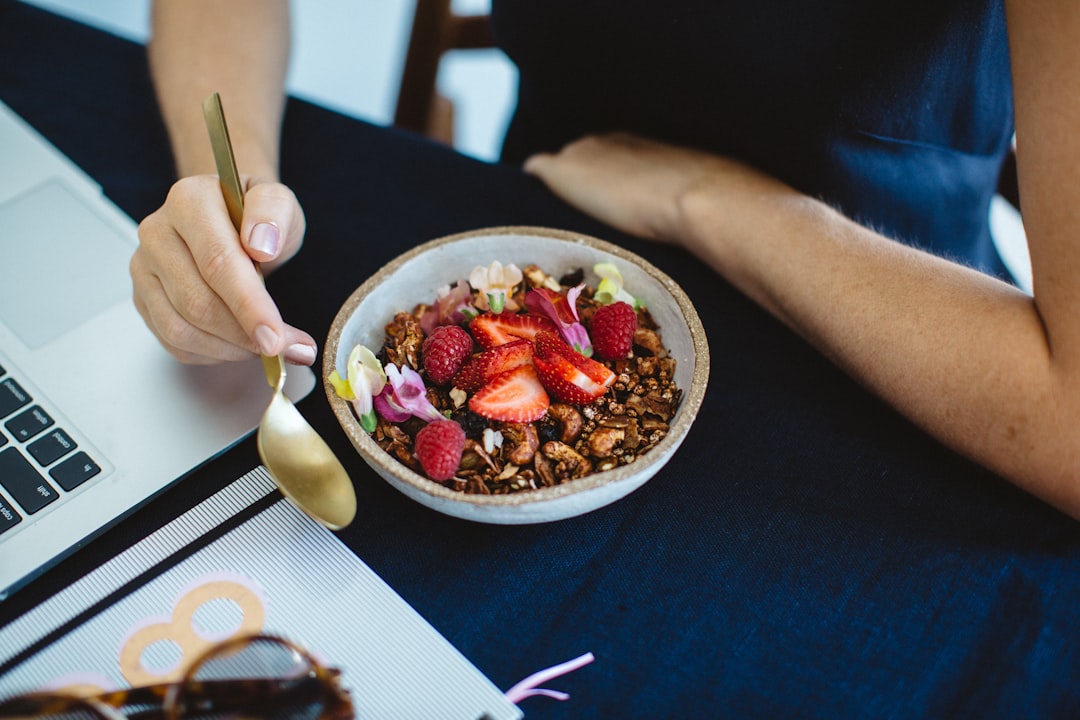
When it comes to maintaining optimal health, nutrition plays a critical role. The food we eat provides our bodies with the necessary fuel to function, and a diet rich in whole, nutrient-dense foods can work wonders for our overall wellbeing. Eating a balanced diet that includes plenty of fruits, vegetables, whole grains, and lean proteins can help to support healthy digestion, boost energy levels, and even support mental health. Some of the key nutrients to focus on include omega-3 fatty acids, vitamin D, and antioxidants, which can be found in foods such as salmon, spinach, and berries. By incorporating these foods into our diet, we can help to reduce inflammation, support healthy cell growth, and even reduce the risk of chronic diseases such as heart disease and diabetes.

In addition to focusing on whole foods, it’s also important to be mindful of the foods that can have a negative impact on our health. Processed and packaged foods, which are often high in sugar, salt, and unhealthy fats, can lead to a range of health problems, including obesity, insulin resistance, and digestive issues. By limiting our intake of these foods and instead opting for whole, nutrient-dense options, we can help to support optimal health and wellbeing. Some simple tips for incorporating more whole foods into our diet include meal planning, grocery shopping the perimeter of the store, and cooking at home using fresh, seasonal ingredients.

Harnessing the Power of Herbal Remedies

Herbal remedies have been used for centuries to promote health and wellbeing, and many of these natural remedies are still widely used today. From soothing digestive issues with peppermint tea to reducing stress and anxiety with chamomile, herbal remedies offer a gentle, non-invasive way to support our health. Some of the most popular herbal remedies include turmeric, which has potent anti-inflammatory properties, ginger, which can help to soothe digestive issues, and echinacea, which can help to boost the immune system. By incorporating these herbal remedies into our daily routine, we can help to support optimal health and wellbeing, and even reduce our reliance on pharmaceuticals.

In addition to using herbal remedies as a treatment for specific health issues, many herbs can also be used as a preventative measure. For example, drinking green tea regularly has been shown to have a range of health benefits, including reducing the risk of heart disease and certain types of cancer. Similarly, taking a daily probiotic supplement, which contains live bacteria and yeasts, can help to support healthy digestion and boost the immune system. By incorporating these herbal remedies into our daily routine, we can help to support optimal health and wellbeing, and even reduce our risk of chronic diseases.

Tapping into the Benefits of Mind-Body Therapies

In addition to nutrition and herbal remedies, mind-body therapies can also play a critical role in maintaining optimal health and wellbeing. Techniques such as meditation, yoga, and deep breathing can help to reduce stress and anxiety, promote relaxation, and even support healthy sleep patterns. By incorporating these mind-body therapies into our daily routine, we can help to support optimal health and wellbeing, and even reduce our risk of chronic diseases such as heart disease and depression.

One of the most powerful mind-body therapies is meditation, which has been shown to have a range of health benefits, including reducing stress and anxiety, improving sleep quality, and even boosting the immune system. By taking just a few minutes each day to sit quietly, focus on our breath, and let go of distractions, we can help to calm our minds, reduce stress and anxiety, and promote overall wellbeing. Another powerful mind-body therapy is yoga, which combines physical movement with deep breathing and meditation techniques to promote relaxation, reduce stress, and even support healthy weight management.

Getting Back to Nature: The Importance of Outdoor Activity

In today’s technology-driven world, it’s easy to get caught up in the hustle and bustle of daily life and forget about the importance of spending time outdoors. However, getting back to nature can have a profound impact on our health and wellbeing, from reducing stress and anxiety to boosting mood and energy levels. By incorporating outdoor activities such as walking, hiking, or gardening into our daily routine, we can help to support optimal health and wellbeing, and even reduce our risk of chronic diseases such as heart disease and obesity.

In addition to the physical health benefits of outdoor activity, spending time in nature can also have a profound impact on our mental health and wellbeing. Being in nature has been shown to reduce symptoms of anxiety and depression, improve mood, and even support healthy sleep patterns. By taking a walk in the park, spending time in a garden, or simply sitting outside and enjoying the fresh air, we can help to calm our minds, reduce stress and anxiety, and promote overall wellbeing.

Conclusion: Unlocking the Power of Nature for Optimal Health and Wellbeing

In conclusion, incorporating natural elements into our daily lives can have a profound impact on our health and wellbeing. From the food we eat to the air we breathe, nature has provided us with an abundance of tools to promote health, energy, and vitality. By embracing the healing power of nutrition, harnessing the power of herbal remedies, tapping into the benefits of mind-body therapies, and getting back to nature, we can help to support optimal health and wellbeing, and even reduce our risk of chronic diseases. Some key takeaways from this article include:

  • Eating a balanced diet that includes plenty of whole, nutrient-dense foods can help to support healthy digestion, boost energy levels, and even support mental health.
  • Herbal remedies such as turmeric, ginger, and echinacea can be used to promote health and wellbeing, and even reduce our reliance on pharmaceuticals.
  • Mind-body therapies such as meditation, yoga, and deep breathing can help to reduce stress and anxiety, promote relaxation, and even support healthy sleep patterns.
  • Getting back to nature and incorporating outdoor activities into our daily routine can help to support optimal health and wellbeing, and even reduce our risk of chronic diseases.

By incorporating these natural elements into our daily lives, we can help to unlock the power of nature and promote optimal health and wellbeing. So why not start today? Take a walk in the park, try a new herbal remedy, or simply sit outside and enjoy the fresh air. Your body – and mind – will thank you.

Unlock the Secrets to a Healthy Life: A Comprehensive Guide to Wellness

Are you tired of feeling sluggish, run down, and exhausted all the time? Do you dream of waking up every morning with boundless energy, a clear mind, and a healthy body? You’re not alone. In today’s fast-paced world, it’s easy to get caught up in the hustle and bustle of daily life and neglect our health. But what if you could take control of your well-being and unlock the secrets to a healthy life? In this comprehensive guide, we’ll explore the essential tips and strategies to help you achieve optimal health and wellness.

Nutrition: The Foundation of Good Health

A healthy diet is the cornerstone of overall wellness. The food we eat provides our bodies with the necessary fuel to function properly, and a balanced diet can help prevent chronic diseases like heart disease, diabetes, and certain types of cancer. So, what does a healthy diet look like? Here are some key takeaways:

  • Eat a variety of whole foods: Focus on consuming whole, unprocessed foods like fruits, vegetables, whole grains, lean proteins, and healthy fats. These foods provide essential vitamins, minerals, and antioxidants that support overall health.
  • Hydrate adequately: Drinking enough water is crucial for maintaining proper bodily functions, including digestion, circulation, and temperature regulation. Aim to drink at least eight glasses of water per day.
  • Limit processed and sugary foods: Processed and sugary foods are high in empty calories, added sugars, and unhealthy fats. Try to limit your intake of these foods and opt for healthier alternatives instead.
  • Physical Activity: The Key to a Healthy Body

    Regular physical activity is essential for maintaining a healthy body and mind. Exercise can help you manage weight, reduce the risk of chronic diseases, and improve mental health. Here are some tips to get you moving:

  • Find an activity you enjoy: Engage in physical activities that bring you joy, whether it’s walking, running, swimming, or dancing. This will help you stick to a regular exercise routine and make it a sustainable part of your lifestyle.
  • Aim for at least 150 minutes of moderate-intensity exercise per week: The American Heart Association recommends at least 150 minutes of moderate-intensity exercise per week. You can break this down into 30 minutes per day, five days a week.
  • Incorporate strength training and high-intensity interval training (HIIT): Strength training and HIIT can help you build muscle, boost metabolism, and improve overall fitness. Aim to incorporate these types of exercises into your routine at least two to three times per week.
  • Stress Management: The Secret to a Healthy Mind

    Chronic stress can have a significant impact on both physical and mental health. When we experience stress, our bodies release stress hormones like cortisol, which can lead to anxiety, depression, and a weakened immune system. Here are some effective stress management techniques:

  • Practice mindfulness and meditation: Mindfulness and meditation can help you stay present, focused, and calm. Try incorporating these practices into your daily routine, even if it’s just for a few minutes per day.
  • Get enough sleep: Adequate sleep is essential for managing stress and supporting overall health. Aim for 7-9 hours of sleep per night and establish a consistent sleep schedule.
  • Connect with nature: Spending time in nature can help reduce stress levels, improve mood, and boost overall well-being. Try to spend at least 30 minutes per day outdoors, whether it’s walking, hiking, or simply sitting in a park.
  • Conclusion: Taking Control of Your Health

    Achieving optimal health and wellness requires a holistic approach that incorporates nutrition, physical activity, stress management, and self-care. By following the tips and strategies outlined in this guide, you can take control of your health and unlock the secrets to a healthy life. Remember, small changes can add up over time, so start with small, achievable goals and build upon them. With patience, persistence, and the right mindset, you can achieve optimal health and wellness and live a happy, healthy, and fulfilling life. Key takeaways include:

  • Eating a balanced diet that includes a variety of whole foods
  • Engaging in regular physical activity, including strength training and HIIT
  • Practicing stress management techniques like mindfulness, meditation, and spending time in nature
  • Getting enough sleep and establishing a consistent sleep schedule
  • Staying hydrated and limiting processed and sugary foods

By incorporating these tips into your daily routine, you’ll be well on your way to achieving optimal health and wellness. So, what are you waiting for? Take the first step towards a healthier, happier you today.

Unlock the Secrets to a Healthy Lifestyle: Your Ultimate Guide to Wellness

Are you tired of feeling sluggish, run down, and stuck in a rut? Do you dream of having boundless energy, a glowing complexion, and a strong, resilient body? The good news is that achieving optimal health and wellness is within your reach. By incorporating simple, yet powerful habits into your daily routine, you can transform your life and unlock the secrets to a healthy, happy, and fulfilling existence. In this comprehensive guide, we’ll delve into the world of wellness, exploring the latest research, expert advice, and actionable tips to help you stay healthy, thrive, and live your best life.

Understanding the Foundations of Health

Before we dive into the nitty-gritty of healthy habits, it’s essential to understand the fundamental building blocks of wellness. A healthy lifestyle is built on three core pillars: nutrition, physical activity, and mental well-being. A balanced diet provides your body with the necessary fuel to function optimally, while regular exercise helps maintain a healthy weight, boost energy levels, and strengthen your immune system. Meanwhile, mental well-being is crucial for managing stress, regulating emotions, and cultivating a positive mindset. By focusing on these three areas, you’ll be well on your way to establishing a solid foundation for overall health and wellness.

When it comes to nutrition, the key is to focus on whole, unprocessed foods like fruits, vegetables, whole grains, lean proteins, and healthy fats. Aim to include a variety of colors on your plate to ensure you’re getting a broad range of essential vitamins and minerals. Some of the top healthy foods to incorporate into your diet include leafy greens like kale and spinach, berries, nuts and seeds, fatty fish like salmon, and sweet potatoes. On the other hand, try to limit your intake of sugary drinks, refined carbohydrates, and saturated fats, which can have a detrimental impact on your health. By making informed choices about the food you eat, you can significantly reduce your risk of chronic diseases like heart disease, diabetes, and certain types of cancer.

Creating a Fitness Routine That Works for You

Regular physical activity is a critical component of a healthy lifestyle, and it’s essential to find a fitness routine that you enjoy and can stick to in the long term. The good news is that you don’t need to be a gym enthusiast or an avid athlete to reap the benefits of exercise. Simple activities like brisk walking, jogging, cycling, or swimming can be fantastic ways to get your heart rate up, boost your mood, and improve your overall fitness. If you’re new to exercise or struggling to stay motivated, consider finding a workout buddy or joining a fitness class to help keep you accountable and inspired.

In addition to cardio exercises, incorporating strength training and high-intensity interval training (HIIT) into your routine can be incredibly beneficial for building lean muscle, increasing metabolism, and enhancing overall physical function. Some of the best exercises for beginners include bodyweight exercises like push-ups, squats, and lunges, as well as resistance band exercises and kettlebell workouts. Remember to start slowly, listen to your body, and gradually increase the intensity and duration of your workouts as you become more comfortable and confident.

Managing Stress and Cultivating Mental Well-being

In today’s fast-paced, often chaotic world, managing stress and prioritizing mental well-being is more important than ever. Chronic stress can have a devastating impact on your physical and emotional health, leading to anxiety, depression, and a weakened immune system. Fortunately, there are many effective strategies for managing stress and cultivating a positive mindset. One of the most powerful tools is mindfulness meditation, which involves focusing your attention on the present moment, without judgment or distraction. Regular mindfulness practice can help reduce stress and anxiety, improve sleep quality, and increase feelings of happiness and well-being.

Other essential techniques for managing stress include deep breathing exercises, yoga, and journaling. By taking a few minutes each day to breathe deeply, stretch, and reflect on your thoughts and emotions, you can calm your mind, soothe your body, and regain a sense of balance and control. It’s also crucial to prioritize self-care, making time for activities that bring you joy, relaxation, and fulfillment, such as reading, listening to music, or spending time with loved ones. By nurturing your mental and emotional well-being, you’ll be better equipped to handle life’s challenges, build resilience, and thrive in the face of adversity.

Staying Healthy in a Busy World

In today’s fast-paced, often overwhelming world, it can be challenging to prioritize health and wellness. With work, family, and social commitments competing for our attention, it’s easy to let healthy habits fall by the wayside. However, by incorporating simple, convenient strategies into your daily routine, you can stay healthy, even on the busiest of days. One of the most effective ways to do this is by meal prepping, which involves preparing healthy meals and snacks in advance, using containers, bags, and other convenient storage solutions. This can save you time, reduce food waste, and ensure that you’re fueling your body with nutritious, wholesome foods, even when you’re on-the-go.

Another essential tip for staying healthy in a busy world is to stay hydrated, drinking plenty of water throughout the day. Aim to drink at least eight glasses of water per day, and consider investing in a refillable water bottle to make it easy to stay hydrated on-the-go. Additionally, try to get enough sleep, aiming for 7-9 hours of restful sleep per night, and prioritize relaxation and stress-reduction techniques, such as meditation, deep breathing, or yoga, to help manage stress and maintain a healthy work-life balance.

In conclusion, achieving optimal health and wellness is a journey, not a destination. By focusing on the three core pillars of nutrition, physical activity, and mental well-being, you can establish a solid foundation for overall health and wellness. Remember to stay hydrated, listen to your body, and prioritize self-care, making time for activities that bring you joy, relaxation, and fulfillment. With the right mindset, strategies, and support, you can unlock the secrets to a healthy, happy, and fulfilling life, and thrive in all areas of your existence. So, take the first step today, and start your journey towards a healthier, happier you. Key takeaways include:

  • Focus on whole, unprocessed foods, and limit sugary drinks, refined carbohydrates, and saturated fats
  • Incorporate regular physical activity, such as cardio, strength training, and HIIT, into your routine
  • Prioritize mental well-being, using techniques like mindfulness meditation, deep breathing, and journaling to manage stress and cultivate a positive mindset
  • Stay hydrated, drink plenty of water, and prioritize relaxation and stress-reduction techniques
  • Make time for self-care, and prioritize activities that bring you joy, relaxation, and fulfillment.

Unlock the Secrets to a Healthy Lifestyle: Your Ultimate Guide to Wellness

Are you tired of feeling sluggish, run down, and stuck in a rut? Do you dream of having boundless energy, a strong immune system, and a vibrant glow? The good news is that achieving optimal health and wellness is within your reach. By incorporating simple yet powerful habits into your daily routine, you can transform your body, mind, and spirit. In this comprehensive guide, we’ll dive into the essential strategies for staying healthy, from nutrition and exercise to stress management and self-care. Get ready to unlock the secrets to a healthy lifestyle and start thriving from the inside out.

Nutrition: The Foundation of Health

When it comes to building a strong foundation for health, nutrition plays a starring role. The food we eat provides our bodies with the necessary fuel to function, repair, and grow. A well-balanced diet rich in whole foods, fruits, vegetables, whole grains, lean proteins, and healthy fats is essential for maintaining optimal health. But what does a healthy diet look like, and how can you make sustainable changes to your eating habits? Here are some actionable tips to get you started:

  • Eat a rainbow: Focus on consuming a variety of colorful fruits and vegetables to ensure you’re getting a broad range of vitamins, minerals, and antioxidants.
  • Hydrate adequately: Aim to drink at least eight glasses of water per day to help flush out toxins, boost energy, and support digestion.
  • Incorporate healthy fats: Nuts, seeds, avocados, and olive oil are all great sources of healthy fats that support heart health, satisfy hunger, and promote glowing skin.
  • Limit processed foods: Try to avoid or minimize your intake of processed and packaged foods, which are often high in sugar, salt, and unhealthy fats.
  • Cook at home: Preparing meals at home using fresh ingredients allows you to control the quality of your food, reduce food waste, and save money.
  • In addition to making healthy food choices, it’s also important to be mindful of your eating habits. Practicing mindful eating, savoring your food, and eating slowly can help you develop a healthier relationship with food and reduce stress around mealtime. By focusing on whole, nutrient-dense foods and adopting healthy eating habits, you’ll be well on your way to building a strong foundation for overall health and wellness.

    Exercise: The Key to Physical and Mental Wellbeing

    Regular exercise is a crucial component of a healthy lifestyle, offering a multitude of benefits for both physical and mental wellbeing. Not only can exercise help you maintain a healthy weight, improve sleep quality, and boost energy levels, but it can also reduce stress, anxiety, and depression. So, how can you get moving and make exercise a sustainable part of your routine? Here are some tips to get you started:

  • Find an activity you enjoy: Whether it’s walking, running, swimming, or dancing, choose an exercise that brings you joy and makes you feel alive.
  • Start small: Begin with short, manageable sessions and gradually increase the duration and intensity as you become more comfortable.
  • Schedule it in: Treat exercise as a non-negotiable part of your daily routine, just like brushing your teeth or taking a shower.
  • Mix it up: Vary your workouts to avoid plateaus, prevent overuse injuries, and keep things interesting.
  • Make it social: Exercise with a friend, family member, or personal trainer to stay motivated, accountable, and supported.
  • In addition to physical exercise, it’s also essential to prioritize mental wellbeing. This can include practices like meditation, yoga, or deep breathing exercises, which can help reduce stress, improve focus, and enhance overall mental clarity. By incorporating regular exercise and mental wellbeing practices into your daily routine, you’ll be better equipped to handle life’s challenges, build resilience, and cultivate a deeper sense of purpose and fulfillment.

    Stress Management: The Secret to Emotional Balance

    In today’s fast-paced world, stress is an inevitable part of life. However, chronic stress can have a devastating impact on both physical and mental health, leading to anxiety, depression, and a weakened immune system. So, how can you manage stress and maintain emotional balance in the face of adversity? Here are some valuable strategies to help you cope:

  • Practice self-care: Make time for activities that bring you joy, relaxation, and rejuvenation, such as reading, taking a bath, or listening to music.
  • Get enough sleep: Aim for 7-9 hours of sleep per night to help regulate stress hormones, repair tissues, and support immune function.
  • Connect with nature: Spend time outdoors, whether it’s walking, hiking, or simply sitting in a park or garden, to reduce stress and boost mood.
  • Seek social support: Surround yourself with positive, supportive people who can offer emotional support, guidance, and encouragement.
  • Try relaxation techniques: Explore stress-reducing practices like meditation, yoga, or deep breathing exercises to calm your mind and soothe your body.
  • In addition to these strategies, it’s also essential to prioritize emotional intelligence and self-awareness. This can involve recognizing your emotional triggers, practicing self-compassion, and developing healthy coping mechanisms. By learning to manage stress and maintain emotional balance, you’ll be better equipped to navigate life’s challenges, build strong relationships, and cultivate a deeper sense of purpose and fulfillment.

    Mindfulness and Self-Care: The Path to Inner Peace

    In today’s busy, often chaotic world, it’s easy to get caught up in the hustle and bustle of daily life and forget to prioritize our own needs. However, neglecting our own wellbeing can have serious consequences, from burnout and exhaustion to decreased productivity and creativity. So, how can you cultivate mindfulness and prioritize self-care in your daily life? Here are some valuable tips to get you started:

  • Practice mindfulness meditation: Take a few minutes each day to focus on your breath, calm your mind, and connect with your body.
  • Schedule self-care: Treat self-care as a non-negotiable part of your daily routine, whether it’s reading, taking a walk, or enjoying a relaxing bath.
  • Set boundaries: Learn to say “no” to things that drain your energy and say “yes” to activities that nourish your mind, body, and spirit.
  • Connect with your values: Reflect on your core values and priorities, and align your actions and decisions with what truly matters to you.
  • Practice gratitude: Focus on the things you’re thankful for, no matter how small they may seem, to cultivate a positive and appreciative mindset.
  • By incorporating mindfulness and self-care into your daily routine, you’ll be better equipped to navigate life’s challenges, build resilience, and cultivate a deeper sense of purpose and fulfillment. Remember, taking care of yourself is not selfish – it’s essential to living a happy, healthy, and meaningful life.

    Conclusion: Key Takeaways for a Healthy Lifestyle

    Achieving optimal health and wellness is a journey, not a destination. By incorporating simple yet powerful habits into your daily routine, you can transform your body, mind, and spirit. Here are the key takeaways to remember:

  • Focus on whole, nutrient-dense foods to build a strong foundation for health and wellbeing.
  • Incorporate regular exercise to boost energy, improve mood, and support physical and mental health.
  • Prioritize stress management through self-care, relaxation techniques, and emotional intelligence.
  • Cultivate mindfulness and self-care to connect with your values, set boundaries, and nurture your mind, body, and spirit.

Remember, small changes can add up over time. Start with one or two habits and gradually build upon them. Be patient, kind, and compassionate with yourself as you navigate your journey to optimal health and wellness. With consistency, persistence, and the right mindset, you can unlock the secrets to a healthy lifestyle and start thriving from the inside out.