Nurturing Your Mind, Body, and Soul: The Ultimate Guide to Creating a Self-Care Routine

In today’s fast-paced world, it’s easy to get caught up in the hustle and bustle of daily life and forget to take care of one of the most important things: ourselves. With the constant demands of work, social media, and personal responsibilities, it’s no wonder that many of us are feeling burnt out, stressed, and exhausted. But what if you could find a way to recharge, refocus, and prioritize your well-being? Enter the self-care routine, a powerful tool that can help you cultivate a deeper sense of self-love, self-acceptance, and overall wellness. In this comprehensive guide, we’ll explore the ins and outs of self-care, and provide you with actionable tips and strategies to create a personalized routine that nourishes your mind, body, and soul.

Understanding the Importance of Self-Care

Before we dive into the nitty-gritty of creating a self-care routine, it’s essential to understand why self-care is so crucial in the first place. Self-care is not just a luxury or a indulgence; it’s a necessity for maintaining good mental and physical health. When we neglect our self-care, we can experience a range of negative effects, including increased stress and anxiety, decreased productivity, and a weakened immune system. On the other hand, prioritizing self-care can have a profound impact on our overall well-being, from improving our mood and energy levels to enhancing our relationships and overall quality of life. By making self-care a non-negotiable part of our daily routine, we can better navigate life’s challenges, build resilience, and cultivate a deeper sense of purpose and fulfillment.

So, what exactly is self-care? Self-care encompasses a wide range of activities and practices that promote physical, emotional, and mental well-being. This can include everything from exercise and meditation to spending time in nature, reading, and socializing with loved ones. The key is to identify what activities bring you joy, calmness, and a sense of fulfillment, and make them a regular part of your routine. By doing so, you can create a self-care practice that is tailored to your unique needs, preferences, and lifestyle.

Building a Morning Self-Care Routine

One of the most effective ways to prioritize self-care is to start your day off on the right foot with a morning self-care routine. This can be as simple as taking a few minutes each morning to meditate, practice deep breathing exercises, or enjoy a warm cup of tea or coffee. By incorporating self-care into your morning routine, you can set a positive tone for the rest of the day, boost your energy levels, and enhance your mental clarity and focus. Here are some additional ideas for building a morning self-care routine:

  • Start with a 10-minute meditation session, using a guided app or simply focusing on your breath
  • Take a short walk outside, or do a few jumping jacks to get your blood flowing
  • Practice some gentle stretches, or do a quick yoga routine
  • Write in a journal, reflecting on your goals, gratitudes, and intentions for the day
  • Enjoy a healthy breakfast, savoring each bite and nourishing your body
  • Remember, the key is to keep it simple and sustainable. Experiment with different activities and find what works best for you. By making self-care a non-negotiable part of your morning routine, you can set yourself up for success, and create a positive foundation for the rest of the day.

    Creating an Evening Self-Care Routine

    While morning self-care is essential, it’s equally important to prioritize self-care in the evening, as you wind down and prepare for bed. This can be a great opportunity to relax, unwind, and recharge, after a long day. Here are some ideas for creating an evening self-care routine:

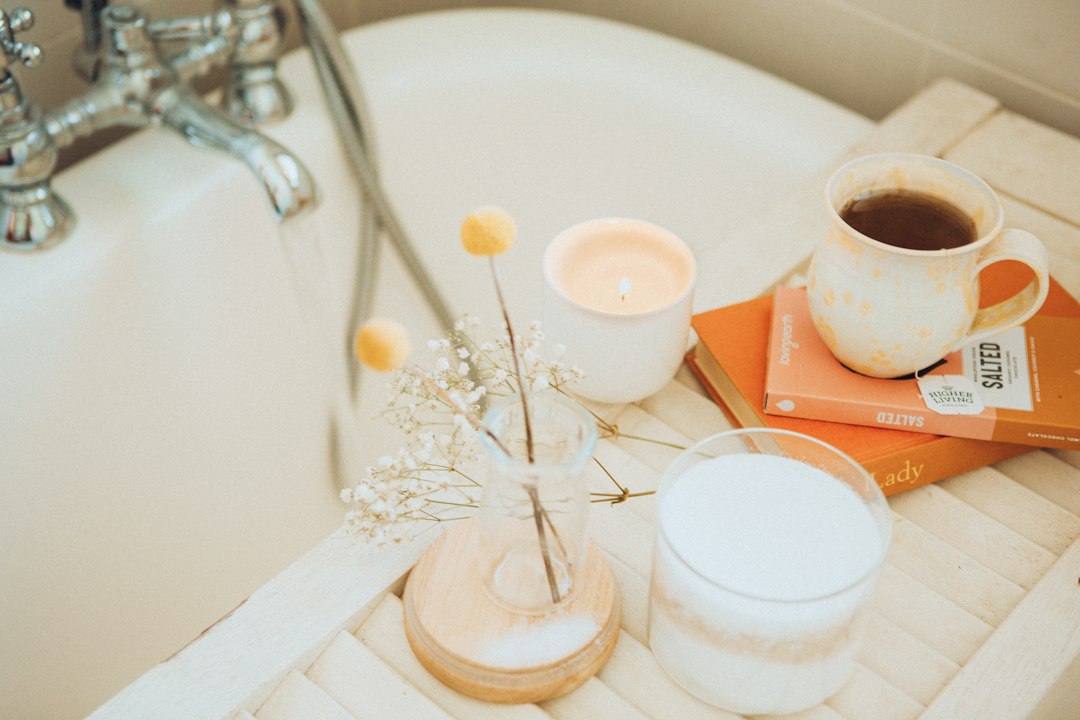
  • Take a warm bath, adding some calming essential oils like lavender or chamomile
  • Practice some gentle stretches, or do a few yoga poses to release tension
  • Read a book, or listen to calming music, allowing yourself to unwind and relax
  • Write in a journal, reflecting on your experiences, insights, and gratitudes from the day
  • Enjoy a cup of herbal tea, or a warm glass of milk, as you settle in for the night
  • By incorporating self-care into your evening routine, you can calm your mind and body, prepare for a restful night’s sleep, and wake up feeling refreshed, renewed, and revitalized. Remember, self-care is not a one-size-fits-all approach; it’s about finding what works best for you, and making it a consistent part of your daily routine.

    Prioritizing Self-Care in a Busy Schedule

    One of the biggest challenges to prioritizing self-care is finding the time, especially when life gets busy. Between work, family, and social responsibilities, it’s easy to let self-care fall by the wayside. But here’s the thing: self-care is not a luxury; it’s a necessity. By prioritizing self-care, you can actually become more productive, focused, and effective in all areas of your life. Here are some tips for prioritizing self-care, even when life gets busy:

  • Schedule self-care into your calendar, just as you would any other appointment or commitment
  • Start small, with short, manageable self-care activities, like taking a few deep breaths, or going for a short walk
  • Use your commute, or other downtime, to practice self-care, such as listening to a podcast, or doing some stretching exercises
  • Learn to say no, and set healthy boundaries, to protect your time and energy
  • Make self-care a non-negotiable part of your daily routine, just like brushing your teeth, or taking a shower
  • By prioritizing self-care, you can create a sense of balance, harmony, and well-being in your life, even when things get busy. Remember, self-care is not selfish; it’s essential. By taking care of yourself, you can become a more compassionate, productive, and fulfilled person, with more energy, joy, and love to share with others.

    Conclusion and Key Takeaways

    Creating a self-care routine is a powerful way to prioritize your well-being, cultivate a deeper sense of self-love and self-acceptance, and enhance your overall quality of life. By incorporating self-care into your daily routine, you can reduce stress and anxiety, boost your mood and energy levels, and become a more resilient, focused, and fulfilled person. Here are the key takeaways from this guide:

  • Self-care is not a luxury; it’s a necessity for maintaining good mental and physical health
  • Start small, with short, manageable self-care activities, and build from there
  • Prioritize self-care in the morning, and evening, to set a positive tone for the day, and wind down at night
  • Schedule self-care into your calendar, just as you would any other appointment or commitment
  • Make self-care a non-negotiable part of your daily routine, just like brushing your teeth, or taking a shower

By following these tips, and making self-care a priority, you can create a more balanced, harmonious, and fulfilling life. Remember, self-care is a journey, not a destination; it’s about cultivating a deeper sense of self-love, self-acceptance, and compassion, and making it a consistent part of your daily routine. So, take the first step today, and start nurturing your mind, body, and soul. Your future self will thank you.

Nurturing Your Mind, Body, and Soul: The Ultimate Guide to Creating a Self-Care Routine

In today’s fast-paced world, it’s easy to get caught up in the hustle and bustle of daily life and forget to take care of one of the most important people: yourself. With the constant demands of work, social media, and personal responsibilities, it’s no wonder that many of us are feeling burnt out, stressed, and exhausted. But what if you could find a way to recharge, refocus, and rejuvenate your mind, body, and soul? Enter the world of self-care routines, a powerful tool that can help you achieve a better work-life balance, improve your mental health, and increase your overall sense of well-being.

What is Self-Care and Why is it Important?

Self-care is not just a buzzword or a trend; it’s a vital practice that involves taking intentional steps to care for your physical, emotional, and mental health. It’s about recognizing that you are worthy of love, care, and attention, and making conscious choices to prioritize your own needs. By incorporating self-care into your daily routine, you can experience a range of benefits, including reduced stress and anxiety, improved sleep, and increased energy levels. Self-care is not selfish; it’s essential. By taking care of yourself, you’ll become a better partner, friend, parent, and employee, and you’ll be more resilient in the face of life’s challenges.

So, what does a self-care routine look like? It’s not just about pampering yourself with face masks and massages (although, let’s be real, those things are amazing too). A self-care routine is a personalized plan that takes into account your unique needs, preferences, and lifestyle. It might include activities like exercise, meditation, journaling, or spending time in nature. It might also involve setting boundaries, prioritizing sleep, and engaging in hobbies that bring you joy. The key is to experiment and find what works for you, and to make self-care a non-negotiable part of your daily routine.

Creating a Self-Care Routine that Works for You

So, how do you create a self-care routine that works for you? Here are some tips to get you started:

  • Start small: Don’t try to overhaul your entire routine at once. Start with one or two self-care activities and gradually add more as you become more comfortable with the practice.
  • Listen to your body: Pay attention to your physical and emotional needs. If you’re feeling tired, take a nap. If you’re feeling stressed, try some deep breathing exercises.
  • Schedule it in: Treat self-care as a non-negotiable part of your daily routine, just like brushing your teeth or taking a shower. Set reminders, put it in your calendar, and make it happen.
  • Be kind to yourself: Remember that self-care is not a one-size-fits-all approach. Be gentle with yourself, and don’t be too hard on yourself if you miss a day or two.
  • Make it enjoyable: Self-care should be enjoyable, not a chore. Experiment with different activities until you find what brings you joy and relaxation.
  • Some popular self-care activities include:

  • Exercise: Whether it’s yoga, walking, or weightlifting, exercise is a great way to release endorphins and improve your mood.
  • Meditation and mindfulness: Take a few minutes each day to focus on your breath, calm your mind, and connect with your body.
  • Journaling: Write down your thoughts, feelings, and gratitudes to process your emotions and gain clarity.
  • Spending time in nature: Take a walk, have a picnic, or simply sit outside and soak up some sunshine.
  • Creative pursuits: Engage in activities that bring you joy, whether it’s painting, drawing, writing, or playing music.
  • Overcoming Obstacles and Making Self-Care a Habit

    One of the biggest obstacles to creating a self-care routine is finding the time. With busy schedules and competing demands, it can be challenging to prioritize self-care. But here’s the thing: self-care is not a luxury, it’s a necessity. By taking care of yourself, you’ll become more productive, focused, and efficient, and you’ll be better able to manage the demands of daily life.

    So, how do you overcome the obstacle of time? Here are some tips:

  • Wake up earlier: Start your day with a self-care activity, whether it’s meditation, journaling, or a quick workout.
  • Use your commute: Listen to a podcast, audiobook, or guided meditation on your way to work.
  • Take breaks: Take short breaks throughout the day to stretch, move your body, or practice deep breathing exercises.
  • Prioritize sleep: Get enough sleep each night to help your body and mind recharge.
  • Say no: Learn to say no to non-essential commitments and prioritize your own needs.
  • Another obstacle to self-care is mindset. Many of us struggle with feelings of guilt, shame, or selfishness when it comes to prioritizing our own needs. But here’s the thing: self-care is not selfish, it’s essential. By taking care of yourself, you’ll become a better, more compassionate, and more resilient person, and you’ll be more able to show up for others in your life.

    Conclusion and Key Takeaways

    Creating a self-care routine is a powerful way to nurture your mind, body, and soul, and to achieve a better work-life balance. By prioritizing your own needs, you’ll become more resilient, focused, and productive, and you’ll be better able to manage the demands of daily life. Remember, self-care is not a one-size-fits-all approach; it’s a personalized plan that takes into account your unique needs, preferences, and lifestyle.

    Here are the key takeaways from this guide:

  • Self-care is essential: Prioritize your own needs and make self-care a non-negotiable part of your daily routine.
  • Start small: Begin with one or two self-care activities and gradually add more as you become more comfortable with the practice.
  • Listen to your body: Pay attention to your physical and emotional needs, and take care of yourself accordingly.
  • Schedule it in: Treat self-care as a non-negotiable part of your daily routine, just like brushing your teeth or taking a shower.
  • Be kind to yourself: Remember that self-care is not a one-size-fits-all approach, and be gentle with yourself as you experiment and find what works for you.

By incorporating self-care into your daily routine, you’ll experience a range of benefits, from reduced stress and anxiety to improved sleep and increased energy levels. So, take the first step today, and start nurturing your mind, body, and soul. Your future self will thank you.

Nurturing Your Mind, Body, and Soul: The Ultimate Guide to Creating a Self-Care Routine

In today’s fast-paced world, it’s easy to get caught up in the hustle and bustle of daily life and neglect one of the most important aspects of our well-being: self-care. With the constant demands of work, social media, and personal responsibilities, it’s no wonder that many of us feel burnt out, stressed, and exhausted. But what if you could wake up every morning feeling refreshed, revitalized, and ready to take on the day? The key to unlocking this sense of wellness lies in creating a self-care routine that nourishes your mind, body, and soul. In this comprehensive guide, we’ll explore the importance of self-care, provide tips and tricks for creating a personalized routine, and discuss the benefits of prioritizing your own well-being.

Understanding the Importance of Self-Care

Self-care is not just a luxury, it’s a necessity. When we take care of ourselves, we’re better equipped to handle the challenges of everyday life, from managing stress and anxiety to building strong relationships and achieving our goals. Self-care is not just about pampering ourselves with spa treatments and decadent desserts (although, let’s be real, those things are lovely too!). It’s about making intentional choices that promote our physical, emotional, and mental well-being. By prioritizing self-care, we can:

  • Improve our mental health and resilience
  • Boost our energy levels and physical health
  • Enhance our creativity, productivity, and focus
  • Cultivate meaningful relationships and connections
  • Increase our overall sense of happiness and fulfillment
  • So, how can you start incorporating self-care into your daily routine? It’s simpler than you think. Start by identifying your self-care needs and preferences. What activities make you feel relaxed and rejuvenated? What are your favorite ways to unwind and de-stress? Do you enjoy reading, taking long baths, or practicing yoga? Make a list of your self-care non-negotiables and start scheduling them into your daily or weekly routine.

    Creating a Personalized Self-Care Routine

    Creating a self-care routine that works for you is all about experimentation and exploration. It’s essential to try out different activities, habits, and practices to see what resonates with you and what doesn’t. Here are some ideas to get you started:

  • Morning routines: Start your day with a consistent morning routine that sets the tone for self-care. This could include meditation, journaling, or a quick workout.
  • Mindfulness practices: Incorporate mindfulness into your daily routine with activities like deep breathing, yoga, or guided meditation.
  • Self-care Sundays: Set aside one day a week for self-care and relaxation. Take a long bath, read a book, or enjoy a relaxing walk in nature.
  • Digital detox: Establish boundaries around your technology use and take regular breaks from social media and other digital distractions.
  • Creative expression: Engage in creative activities that bring you joy, such as painting, writing, or playing music.
  • Remember, self-care is not a one-size-fits-all approach. What works for someone else may not work for you, and that’s okay. The key is to find activities and habits that make you feel good, both physically and emotionally. Don’t be afraid to try new things and adjust your routine as needed.

    Nourishing Your Body and Soul

    Self-care is not just about mental and emotional well-being; it’s also about taking care of our physical health. When we nourish our bodies with whole, nutritious foods, regular exercise, and sufficient sleep, we’re better equipped to handle the demands of daily life. Here are some tips for nourishing your body and soul:

  • Healthy eating: Focus on whole, unprocessed foods like fruits, vegetables, whole grains, and lean proteins. Avoid sugary drinks, fast food, and processed snacks.
  • Exercise and movement: Find physical activities that you enjoy, whether it’s walking, running, swimming, or dancing. Aim for at least 30 minutes of moderate-intensity exercise per day.
  • Sleep and relaxation: Prioritize getting enough sleep each night (7-9 hours for most adults) and establish a relaxing bedtime routine to signal to your body that it’s time to wind down.
  • Boundary setting: Learn to say no to things that drain your energy and say yes to things that nourish your mind, body, and soul.
  • By prioritizing your physical health and well-being, you’ll be better equipped to handle the challenges of everyday life and cultivate a deeper sense of self-care and self-love.

    Overcoming Obstacles and Staying Consistent

    One of the biggest challenges to creating a self-care routine is staying consistent. It’s easy to get started, but it’s harder to keep going when life gets in the way. Here are some tips for overcoming obstacles and staying on track:

  • Start small: Don’t try to overhaul your entire routine at once. Start with small, manageable changes and build from there.
  • Schedule it in: Treat self-care as a non-negotiable part of your daily or weekly routine, just like brushing your teeth or taking a shower.
  • Find accountability: Share your self-care goals and routine with a friend or family member and ask them to hold you accountable.
  • Be kind to yourself: Remember that it’s okay to miss a day or two (or three, or four…). Don’t beat yourself up over it – simply acknowledge the setback and get back on track.

By being consistent and patient, you can create a self-care routine that becomes an integral part of your daily life. And when you do, you’ll be amazed at the transformative power of self-care.

In conclusion, creating a self-care routine is a journey, not a destination. It’s about nurturing your mind, body, and soul with intentional choices and habits that promote your overall well-being. By prioritizing self-care, you can improve your mental health, boost your energy levels, and cultivate a deeper sense of happiness and fulfillment. Remember to be patient, kind, and compassionate with yourself as you explore the world of self-care. With time and practice, you’ll find a routine that works for you and helps you thrive in all areas of your life. So, take a deep breath, grab a cup of your favorite tea, and start your self-care journey today. Your mind, body, and soul will thank you.

Nourish Your Mind, Body, and Soul: The Ultimate Guide to Creating a Self-Care Routine

Are you tired of feeling burnt out, stressed, and exhausted? Do you struggle to find time for yourself amidst the chaos of daily life? If so, you’re not alone. In today’s fast-paced world, it’s easy to neglect our own well-being, but neglecting self-care can have serious consequences on our mental, physical, and emotional health. That’s why it’s essential to prioritize self-care and make it a non-negotiable part of our daily routine. In this comprehensive guide, we’ll explore the importance of self-care, provide actionable tips and tricks, and help you create a personalized self-care routine that nourishes your mind, body, and soul.

Understanding the Importance of Self-Care

Self-care is not just a luxury, it’s a necessity. It’s about taking intentional steps to care for your physical, emotional, and mental well-being. When we prioritize self-care, we’re better equipped to handle life’s challenges, build resilience, and improve our overall quality of life. Self-care is not selfish; it’s essential. By incorporating self-care into our daily routine, we can:

  • Reduce stress and anxiety
  • Improve sleep quality
  • Boost mood and energy levels
  • Enhance creativity and productivity
  • Strengthen relationships and communication skills
  • Self-care is not a one-size-fits-all approach. What works for one person may not work for another. That’s why it’s crucial to experiment and find what works best for you. Whether it’s reading a book, taking a relaxing bath, or practicing yoga, self-care is about making time for activities that bring you joy, calmness, and a sense of fulfillment.

    Creating a Morning Self-Care Routine

    Starting your day with a consistent self-care routine can set the tone for a positive and productive day. A morning self-care routine can help you:

  • Increase energy and alertness
  • Improve mental clarity and focus
  • Enhance creativity and motivation
  • Boost mood and reduce stress
  • Here are some simple and effective morning self-care routines to get you started:

  • Mindfulness meditation: Start with just 5-10 minutes of mindfulness meditation to calm your mind and set intentions for the day.
  • Journaling: Write down your thoughts, goals, and gratitudes to process your emotions and gain clarity.
  • Exercise: Engage in some form of physical activity, such as yoga, stretching, or a brisk walk, to get your blood flowing and energy levels up.
  • Healthy breakfast: Fuel your body with a nutritious breakfast that includes plenty of fruits, vegetables, whole grains, and lean protein.
  • Hydration: Drink plenty of water throughout the day to stay hydrated and focused.
  • Building a Nighttime Self-Care Routine

    A consistent nighttime self-care routine can help you unwind, relax, and prepare for a restful night’s sleep. A nighttime self-care routine can help you:

  • Reduce stress and anxiety
  • Improve sleep quality
  • Enhance relaxation and calmness
  • Prepare for a restful night’s sleep
  • Here are some simple and effective nighttime self-care routines to get you started:

  • Digital detox: Avoid screens for at least an hour before bedtime to reduce blue light exposure and promote relaxation.
  • Reading: Get lost in a book or magazine to calm your mind and escape reality.
  • Aromatherapy: Use essential oils such as lavender or chamomile to promote relaxation and calmness.
  • Warm bath: Soak in a warm bath with Epsom salts or essential oils to relax your muscles and calm your mind.
  • Gratitude practice: Reflect on your day and write down things you’re grateful for to cultivate a positive mindset.
  • Incorporating Self-Care into Your Daily Life

    Self-care is not just limited to morning and nighttime routines. It’s about incorporating self-care into your daily life, even in the midst of chaos. Here are some simple and effective ways to incorporate self-care into your daily life:

  • Take breaks: Take short breaks throughout the day to stretch, move your body, or practice deep breathing exercises.
  • Practice self-compassion: Treat yourself with kindness, understanding, and patience, just as you would a close friend.
  • Prioritize activities: Make time for activities that bring you joy and fulfillment, whether it’s reading, hiking, or cooking.
  • Set boundaries: Learn to say no to things that drain your energy and say yes to things that nourish your mind, body, and soul.
  • Seek support: Surround yourself with people who support and uplift you, and don’t be afraid to ask for help when you need it.
  • Conclusion and Key Takeaways

    Creating a self-care routine is not a one-time task; it’s a continuous process that requires intention, commitment, and patience. By incorporating self-care into your daily life, you can improve your mental, physical, and emotional well-being, build resilience, and enhance your overall quality of life. Remember, self-care is not selfish; it’s essential. Here are the key takeaways to get you started:

  • Start small: Begin with simple self-care routines and gradually build up to more complex activities.
  • Experiment and find what works: Try different self-care activities and find what works best for you.
  • Make self-care a non-negotiable part of your daily routine: Prioritize self-care and make it a habit.
  • Be patient and kind to yourself: Treat yourself with kindness, understanding, and patience, just as you would a close friend.
  • Seek support: Surround yourself with people who support and uplift you, and don’t be afraid to ask for help when you need it.

By following these tips and incorporating self-care into your daily life, you can nourish your mind, body, and soul, and live a happier, healthier, and more fulfilling life. Remember, self-care is a journey, not a destination. It’s time to prioritize your well-being and make self-care a non-negotiable part of your daily routine.

Nurturing Your Mind, Body, and Soul: The Ultimate Guide to Creating a Self-Care Routine

In today’s fast-paced world, it’s easy to get caught up in the hustle and bustle of daily life and forget to take care of the most important person – you. With the constant demands of work, social media, and personal responsibilities, it’s no wonder that many of us are feeling burnt out, stressed, and overwhelmed. But what if you could find a way to recharge, refocus, and rediscover your sense of purpose and well-being? Enter the world of self-care, a powerful practice that can transform your life from the inside out. In this comprehensive guide, we’ll delve into the world of self-care routines, exploring the what, why, and how of creating a personalized practice that nourishes your mind, body, and soul.

Understanding the Importance of Self-Care

Before we dive into the nitty-gritty of creating a self-care routine, it’s essential to understand why self-care is so crucial in today’s world. Self-care is not just a luxury; it’s a necessity. When we take care of ourselves, we’re better equipped to handle life’s challenges, build stronger relationships, and achieve our goals. Self-care is not just about pampering ourselves; it’s about recognizing our worth, respecting our boundaries, and prioritizing our well-being. By incorporating self-care into our daily lives, we can experience a range of benefits, including reduced stress and anxiety, improved mood, increased energy, and enhanced overall health.

Building Your Self-Care Routine

So, how do you create a self-care routine that works for you? The key is to start small and be intentional. Begin by identifying your self-care needs and priorities. What activities make you feel relaxed, happy, and fulfilled? Do you enjoy reading, taking long baths, or practicing yoga? Make a list of your favorite self-care activities and start incorporating them into your daily or weekly routine. Here are some tips to get you started:

  • Start with short, manageable sessions: Begin with 10-15 minute self-care sessions and gradually increase the duration as you become more comfortable with the practice.
  • Schedule self-care into your calendar: Treat self-care as a non-negotiable appointment and schedule it into your daily or weekly planner.
  • Be flexible: Life can be unpredictable, and it’s essential to be flexible with your self-care routine. Don’t be too hard on yourself if you miss a session or two – simply get back on track and keep moving forward.
  • Experiment with different activities: Self-care is not a one-size-fits-all approach. Experiment with different activities, such as meditation, journaling, or spending time in nature, to find what works best for you.
  • Self-Care for Mind, Body, and Soul

    A well-rounded self-care routine should nurture your mind, body, and soul. Here are some ideas to get you started:

  • Mind: Practice mindfulness meditation, engage in creative activities like painting or writing, or try cognitive behavioral therapy to rewire your thoughts and emotions.
  • Body: Incorporate physical activity, such as walking, running, or yoga, into your daily routine. Prioritize sleep, nutrition, and hydration to fuel your body.
  • Soul: Connect with nature, practice gratitude, or engage in spiritual practices like prayer or meditation to nourish your soul.
  • Overcoming Self-Care Obstacles

    Despite the many benefits of self-care, it’s common to encounter obstacles that can derail our best intentions. Here are some common self-care obstacles and how to overcome them:

  • Lack of time: Start small and prioritize self-care into your daily routine, even if it’s just a few minutes a day.
  • Self-care guilt: Remember that self-care is not selfish; it’s essential. You can’t pour from an empty cup, so prioritize your own needs and take care of yourself first.
  • Financial constraints: Self-care doesn’t have to break the bank. Explore free or low-cost self-care activities, such as walking, journaling, or practicing deep breathing exercises.
  • In conclusion, creating a self-care routine is a powerful way to nurture your mind, body, and soul. By prioritizing self-care, you can experience a range of benefits, from reduced stress and anxiety to improved mood and overall health. Remember to start small, be intentional, and flexible, and don’t be afraid to experiment with different activities to find what works best for you. With consistent practice and patience, you can develop a self-care routine that transforms your life from the inside out. Key takeaways include:

  • Self-care is not a luxury; it’s a necessity.
  • Start small and be intentional with your self-care practice.
  • Prioritize self-care into your daily or weekly routine.
  • Experiment with different activities to find what works best for you.
  • Don’t be too hard on yourself – self-care is a journey, not a destination.

By embracing self-care and making it a non-negotiable part of your daily routine, you can unlock a more fulfilling, joyful, and purpose-driven life. So, take the first step today and start nurturing your mind, body, and soul – you deserve it.

Unlock the Power of Self-Care: A Comprehensive Guide to Transforming Your Life

Are you tired of feeling drained, stressed, and overwhelmed? Do you struggle to find time for yourself amidst the chaos of daily life? You’re not alone. In today’s fast-paced world, it’s easy to prioritize others’ needs over our own, leaving us feeling depleted and burnt out. But what if you could transform your life by incorporating a simple yet powerful practice into your daily routine? Enter self-care, the ultimate game-changer for achieving physical, emotional, and mental well-being. In this comprehensive guide, we’ll delve into the world of self-care, exploring its benefits, types, and practical tips to help you create a personalized routine that nourishes your mind, body, and soul.

Understanding the Importance of Self-Care

Self-care is not just a trendy buzzword; it’s a vital aspect of maintaining our overall health and happiness. When we neglect our own needs, we become more susceptible to stress, anxiety, and depression. By prioritizing self-care, we can improve our mental health, boost our mood, and increase our resilience to life’s challenges. Self-care is not selfish; it’s essential. By taking care of ourselves, we become better equipped to care for others, perform at our best, and live a more fulfilling life. Whether you’re looking to reduce stress, improve your relationships, or simply feel more energized and focused, self-care is the key.

So, what exactly is self-care? Self-care encompasses a wide range of activities that promote physical, emotional, and mental well-being. This can include everything from exercise and meditation to spending time in nature, reading, and socializing. The beauty of self-care lies in its flexibility; there’s no one-size-fits-all approach. What works for one person may not work for another, which is why it’s essential to experiment and find the activities that bring you joy and relaxation. Some popular self-care practices include:

  • Mindfulness and meditation
  • Yoga and tai chi
  • Journaling and writing
  • Spending time in nature
  • Creative pursuits like painting, drawing, or playing music
  • Socializing with loved ones
  • Getting enough sleep and practicing good sleep hygiene
  • Creating a Personalized Self-Care Routine

    Now that we’ve explored the importance of self-care, it’s time to create a personalized routine that works for you. The key is to start small and be consistent. Begin by identifying your self-care goals and priorities. What do you want to achieve through self-care? Do you want to reduce stress, improve your mood, or increase your energy levels? Once you have a clear idea of your goals, you can start exploring different self-care activities and scheduling them into your daily or weekly routine.

    Here are some tips for creating a personalized self-care routine:

  • Start small: Begin with one or two self-care activities and gradually add more as you become more comfortable with the practice.
  • Be consistent: Aim to practice self-care at the same time every day or week to make it a habit.
  • Listen to your body: Pay attention to your physical and emotional needs, and adjust your self-care routine accordingly.
  • Make it enjoyable: Choose self-care activities that bring you joy and make you feel good.
  • Be flexible: Don’t be too hard on yourself if you miss a self-care session or two. Simply get back on track and keep moving forward.
  • Some popular self-care routines include:

  • Morning meditation and journaling
  • Evening yoga and reading
  • Weekly walks in nature
  • Monthly spa days or massages
  • Quarterly creative retreats or workshops
  • Overcoming Self-Care Obstacles and Challenges

    While self-care is essential for our well-being, it’s not always easy to prioritize. Many of us face obstacles and challenges that prevent us from practicing self-care, such as lack of time, energy, or motivation. So, how can we overcome these challenges and make self-care a non-negotiable part of our lives?

    Here are some tips for overcoming self-care obstacles:

  • Schedule self-care into your calendar: Treat self-care as a non-negotiable appointment and schedule it into your daily or weekly planner.
  • Find self-care activities that fit your lifestyle: If you’re short on time, try incorporating self-care activities into your daily routine, such as taking a few deep breaths during your morning commute or practicing gratitude during your lunch break.
  • Make self-care a habit: Consistency is key when it comes to self-care. Try to practice self-care at the same time every day or week to make it a habit.
  • Seek support: Share your self-care goals with a friend or family member and ask them to hold you accountable.
  • Be kind to yourself: Remember that self-care is not a luxury, it’s a necessity. Don’t be too hard on yourself if you miss a self-care session or two. Simply get back on track and keep moving forward.
  • Taking Your Self-Care to the Next Level

    Once you’ve established a consistent self-care routine, it’s time to take your self-care to the next level. This can involve exploring new self-care activities, deepening your practice, and making self-care a more intentional and mindful part of your life. Here are some tips for taking your self-care to the next level:

  • Experiment with new self-care activities: Try new self-care activities, such as sound healing, aromatherapy, or energy work, to find what works best for you.
  • Deepen your practice: Once you’ve found self-care activities that work for you, try to deepen your practice by incorporating more mindfulness, intention, and awareness.
  • Make self-care a ritual: Create a self-care ritual, such as lighting a candle, playing soothing music, or using a specific essential oil, to signal to your mind and body that it’s time for self-care.
  • Practice self-compassion: Treat yourself with kindness, understanding, and patience, just as you would a close friend.
  • Seek out self-care community: Connect with like-minded individuals who share your passion for self-care and wellness.
  • In conclusion, self-care is a powerful tool for transforming our lives and achieving physical, emotional, and mental well-being. By prioritizing self-care, we can reduce stress, improve our mood, and increase our resilience to life’s challenges. Remember, self-care is not selfish; it’s essential. By incorporating self-care into our daily routine, we can become better equipped to care for others, perform at our best, and live a more fulfilling life. So, take the first step today and start creating a personalized self-care routine that nourishes your mind, body, and soul. With consistent practice and patience, you can unlock the power of self-care and transform your life from the inside out.

    Key takeaways:

  • Self-care is essential for maintaining physical, emotional, and mental well-being.
  • Self-care encompasses a wide range of activities that promote relaxation, stress relief, and overall health.
  • Creating a personalized self-care routine involves identifying your goals, exploring different self-care activities, and scheduling them into your daily or weekly routine.
  • Overcoming self-care obstacles and challenges requires scheduling self-care into your calendar, finding self-care activities that fit your lifestyle, and seeking support.
  • Taking your self-care to the next level involves experimenting with new self-care activities, deepening your practice, and making self-care a more intentional and mindful part of your life.

By following these tips and making self-care a non-negotiable part of your life, you can experience the transformative power of self-care and live a more happy, healthy, and fulfilling life. So, what are you waiting for? Start your self-care journey today and discover the incredible benefits that await you.

Unlock the Power of Self-Care: A Comprehensive Guide to Transforming Your Life

Are you tired of feeling drained, stressed, and overwhelmed? Do you struggle to find time for yourself in a world that seems to be constantly demanding more? If so, you’re not alone. In today’s fast-paced society, it’s easy to get caught up in the hustle and bustle of daily life and neglect one of the most important things: our own well-being. But what if you could take control of your health, happiness, and overall quality of life by incorporating a simple yet powerful practice into your daily routine? Enter self-care, the secret to unlocking a more balanced, joyful, and fulfilling life.

What is Self-Care and Why is it Important?

Self-care is not just a buzzword or a trend; it’s a vital practice that involves intentionally taking care of your physical, emotional, and mental health. It’s about recognizing that you are worth investing time, effort, and resources into, and making conscious choices to prioritize your own well-being. Self-care is not selfish; it’s essential. By prioritizing self-care, you can improve your relationships, increase your productivity, and enhance your overall quality of life. In fact, research has shown that self-care can have a positive impact on both physical and mental health, reducing stress, anxiety, and depression, while also boosting mood, energy, and resilience.

So, what does self-care look like in practice? It can be as simple as taking a few deep breaths, going for a walk, or enjoying a warm bath. It can also involve more intentional practices like meditation, yoga, or journaling. The key is to find what works for you and make it a regular part of your routine. Whether you’re a busy professional, a stay-at-home parent, or simply someone looking to improve your overall well-being, self-care is an accessible and effective way to take control of your health and happiness.

Creating a Self-Care Routine that Works for You

So, how do you get started with self-care? The first step is to identify what self-care means to you and what activities bring you joy and relaxation. Do you love reading, listening to music, or spending time in nature? Make a list of things that make you feel good and start incorporating them into your daily or weekly routine. It’s also important to be realistic and start small. You don’t need to set aside an hour a day for self-care; even a few minutes a day can make a big difference.

Some popular self-care activities include:

  • Exercise: Whether it’s a brisk walk, a yoga class, or a trip to the gym, physical activity can help reduce stress and boost mood.
  • Mindfulness: Practices like meditation, deep breathing, and mindfulness can help calm the mind and reduce anxiety.
  • Creative expression: Engaging in creative activities like painting, writing, or photography can be a great way to express yourself and tap into your imagination.
  • Social connection: Spending time with loved ones, joining a club or group, or volunteering can help you feel more connected and supported.
  • Remember, self-care is not a one-size-fits-all approach. What works for someone else may not work for you, and that’s okay. The key is to experiment, be patient, and find what works best for your unique needs and lifestyle.

    Overcoming Obstacles and Making Self-Care a Priority

    One of the biggest obstacles to self-care is finding the time and energy to prioritize it. With busy schedules, demanding workloads, and endless responsibilities, it’s easy to push self-care to the bottom of the list. But the truth is, self-care is not a luxury; it’s a necessity. By prioritizing self-care, you’ll actually have more energy, motivation, and focus to tackle your daily tasks and responsibilities.

    So, how do you make self-care a priority? Here are a few tips:

  • Schedule it in: Treat self-care as a non-negotiable part of your daily or weekly routine, just like brushing your teeth or taking a shower.
  • Start small: Begin with tiny, manageable self-care practices, like taking a few deep breaths or enjoying a cup of tea, and gradually build up to more significant activities.
  • Be kind to yourself: Remember that self-care is not a reward for productivity or achievement; it’s a fundamental aspect of being human. Be gentle with yourself, and don’t beat yourself up if you miss a day or two.
  • Self-Care and Mental Health: Breaking the Stigma

    Self-care is not just about feeling good; it’s also about taking care of your mental health. In a world where mental illness is still stigmatized and misunderstood, it’s more important than ever to prioritize self-care and seek help when needed. Whether you’re struggling with anxiety, depression, or simply feeling overwhelmed, self-care can be a powerful tool in your mental health journey.

    By prioritizing self-care, you can:

  • Reduce symptoms of anxiety and depression
  • Improve your mood and overall sense of well-being
  • Increase your resilience and ability to cope with stress
  • Enhance your self-awareness and self-acceptance
  • Remember, self-care is not a replacement for professional help or therapy. If you’re struggling with your mental health, it’s essential to seek support from a qualified mental health professional.

    Conclusion: Unlocking the Power of Self-Care

    In conclusion, self-care is not just a trend or a luxury; it’s a vital practice that can transform your life in profound ways. By prioritizing self-care, you can improve your physical and mental health, increase your productivity and focus, and enhance your overall quality of life. Whether you’re a busy professional, a stay-at-home parent, or simply someone looking to improve your well-being, self-care is an accessible and effective way to take control of your health and happiness.

    Key takeaways:

  • Self-care is not selfish; it’s essential for your physical, emotional, and mental health.
  • Start small and be realistic when creating a self-care routine.
  • Prioritize self-care by scheduling it in and being kind to yourself.
  • Self-care is not a replacement for professional help or therapy; seek support if you’re struggling with your mental health.
  • Self-care can have a positive impact on both physical and mental health, reducing stress, anxiety, and depression, while also boosting mood, energy, and resilience.

By incorporating self-care into your daily routine, you can unlock a more balanced, joyful, and fulfilling life. So, take the first step today, and start prioritizing your own well-being. Your body, mind, and spirit will thank you.

Nurturing Your Mind, Body, and Soul: The Ultimate Guide to Creating a Self-Care Routine

In today’s fast-paced world, it’s easy to get caught up in the hustle and bustle of daily life and forget to take care of one of the most important things: ourselves. Self-care is not just a luxury, but a necessity for maintaining our physical, emotional, and mental well-being. By incorporating a self-care routine into our daily lives, we can improve our mood, increase our energy levels, and even boost our productivity. But what exactly is self-care, and how can we create a routine that works for us? In this comprehensive guide, we’ll explore the world of self-care and provide you with practical tips and tricks for creating a routine that nourishes your mind, body, and soul.

What is Self-Care and Why is it Important?

Self-care is the practice of taking intentional actions to care for our physical, emotional, and mental health. It’s about making conscious choices to prioritize our well-being and engage in activities that bring us joy, relaxation, and fulfillment. Self-care is not just about pampering ourselves with spa treatments or expensive products; it’s about creating a holistic approach to health and wellness that addresses our unique needs and circumstances. By prioritizing self-care, we can experience a range of benefits, including reduced stress and anxiety, improved sleep quality, and increased self-awareness and self-acceptance.

So, why is self-care so important? In today’s society, we’re often encouraged to put others first and prioritize our work and responsibilities over our own needs. While it’s noble to be selfless and supportive of others, neglecting our own self-care can have serious consequences for our health and well-being. When we don’t take care of ourselves, we can become burnt out, exhausted, and depleted, leading to decreased productivity, creativity, and overall satisfaction with life. By making self-care a priority, we can maintain our physical and mental health, build resilience and coping skills, and cultivate a more positive and compassionate relationship with ourselves and others.

Creating a Self-Care Routine: Tips and Tricks

Creating a self-care routine can seem daunting, especially if you’re new to the concept of self-care. But don’t worry, it’s easier than you think! Here are some tips and tricks for creating a self-care routine that works for you:

  • Start small: Begin with one or two self-care activities per day, such as taking a few deep breaths, practicing gratitude, or enjoying a cup of tea. As you become more comfortable with the practice of self-care, you can gradually add more activities to your routine.
  • Listen to your body: Pay attention to your physical and emotional needs, and engage in activities that bring you comfort and relaxation. If you’re feeling stressed and anxious, try practicing yoga, meditation, or progressive muscle relaxation. If you’re feeling tired and sluggish, try taking a warm bath, getting a massage, or practicing gentle stretches.
  • Make it a habit: Incorporate self-care into your daily routine, just like brushing your teeth or taking a shower. Try to perform your self-care activities at the same time each day, so it becomes a consistent and automatic part of your daily schedule.
  • Be flexible: Remember that self-care is not a one-size-fits-all approach. Be willing to try new activities and adjust your routine as needed. If you find that a particular activity is no longer serving you, don’t be afraid to let it go and try something new.
  • Some popular self-care activities include:

  • Mindfulness and meditation: Practice mindfulness meditation, guided meditation, or simply take a few moments each day to focus on your breath and calm your mind.
  • Exercise and physical activity: Engage in physical activities that bring you joy, such as walking, running, swimming, or dancing.
  • Creative expression: Explore your creative side through activities like painting, drawing, writing, or playing music.
  • Social connection: Nurture your relationships with loved ones, friends, and community by scheduling regular check-ins, outings, and social activities.
  • Nature and outdoor activities: Spend time in nature, whether it’s walking in a park, hiking in the woods, or simply sitting in a garden or on a balcony with plants.
  • Overcoming Obstacles and Maintaining Motivation

    One of the biggest challenges to creating a self-care routine is overcoming obstacles and maintaining motivation. Here are some tips for staying on track:

  • Schedule it in: Treat self-care as a non-negotiable part of your daily schedule, just like work or other important appointments.
  • Find accountability: Share your self-care goals and routine with a friend or family member and ask them to hold you accountable.
  • Track your progress: Keep a self-care journal or use a mobile app to track your activities and progress.
  • Reward yourself: Celebrate your self-care successes and milestones with rewards, such as a relaxing bath, a good book, or a fun activity.
  • Be kind to yourself: Remember that self-care is a journey, not a destination. Don’t be too hard on yourself if you miss a day or two, but instead, gently encourage yourself to get back on track.
  • Some common obstacles to self-care include:

  • Lack of time: Remember that self-care doesn’t have to take a lot of time. Even small moments of self-care, such as taking a few deep breaths or practicing gratitude, can be beneficial.
  • Lack of motivation: Find activities that bring you joy and make self-care a pleasurable experience.
  • Self-care guilt: Remember that self-care is not selfish, but rather essential for maintaining your overall health and well-being.
  • Conclusion and Key Takeaways

    Creating a self-care routine is a powerful way to nurture your mind, body, and soul. By incorporating intentional self-care activities into your daily life, you can experience a range of benefits, including reduced stress and anxiety, improved sleep quality, and increased self-awareness and self-acceptance. Remember to start small, listen to your body, and make self-care a habit. Don’t be afraid to try new activities and adjust your routine as needed, and be kind to yourself when obstacles arise.

    Key takeaways from this guide include:

  • Self-care is a holistic approach to health and wellness that addresses our physical, emotional, and mental needs.
  • Creating a self-care routine can be simple and flexible, and can include a range of activities such as mindfulness, exercise, creative expression, social connection, and nature and outdoor activities.
  • Overcoming obstacles and maintaining motivation is crucial for sustaining a self-care routine, and can be achieved through scheduling, accountability, tracking progress, rewarding yourself, and being kind to yourself.
  • Self-care is not a luxury, but a necessity for maintaining our overall health and well-being, and is essential for building resilience, coping skills, and a positive and compassionate relationship with ourselves and others.

By incorporating self-care into your daily life, you can experience a profound impact on your overall health and well-being. So why not start today? Take a few moments to reflect on your self-care needs and goals, and begin creating a routine that nourishes your mind, body, and soul. Remember, self-care is a journey, not a destination, and every small step counts.

Unlock the Power of Self-Care: A Comprehensive Guide to Transforming Your Life

Are you tired of feeling burnt out, stressed, and exhausted? Do you struggle to find time for yourself amidst the chaos of daily life? You’re not alone. In today’s fast-paced world, it’s easy to neglect our own well-being, but neglecting self-care can have serious consequences on our mental and physical health. That’s why it’s essential to prioritize self-care and make it a non-negotiable part of our daily routine. In this article, we’ll delve into the world of self-care, exploring its benefits, and providing you with a step-by-step guide to creating a self-care routine that works for you.

What is Self-Care and Why is it Important?

Self-care is the practice of taking care of one’s physical, emotional, and mental health. It involves engaging in activities that promote relaxation, reduce stress, and increase overall well-being. Self-care is not a luxury, but a necessity, as it helps us to recharge, refocus, and become more resilient in the face of challenges. By prioritizing self-care, we can improve our mood, boost our energy levels, and enhance our overall quality of life. Some of the key benefits of self-care include reduced stress and anxiety, improved sleep, increased self-awareness, and a stronger immune system.

Creating a Self-Care Routine: A Step-by-Step Guide

Creating a self-care routine can seem daunting, but it doesn’t have to be. Here are some simple steps to help you get started:

  • Identify your self-care needs: Take some time to reflect on what you need to feel relaxed, happy, and fulfilled. Do you enjoy reading, taking long baths, or practicing yoga? Make a list of activities that bring you joy and help you unwind.
  • Set realistic goals: Start small by setting achievable goals, such as dedicating 10-15 minutes each day to self-care. As you become more comfortable with your routine, you can gradually increase the time and frequency.
  • Make self-care a habit: Incorporate self-care into your daily routine, just like brushing your teeth or taking a shower. Consistency is key to making self-care a sustainable habit.
  • Experiment and find what works for you: Try out different self-care activities and see what works best for you. You might be surprised at what you enjoy and what helps you relax.
  • Some popular self-care activities include meditation, deep breathing exercises, journaling, and spending time in nature. You can also explore other activities like painting, drawing, or playing music. The most important thing is to find what works for you and make it a part of your daily routine.

    Self-Care for Different Areas of Your Life

    Self-care is not just about relaxing and reducing stress; it’s also about taking care of different areas of your life. Here are some tips for practicing self-care in different areas:

  • Physical self-care: Take care of your physical health by eating a balanced diet, exercising regularly, and getting enough sleep. You can also engage in activities like massage, acupuncture, or physical therapy to help manage pain and improve mobility.
  • Emotional self-care: Practice emotional self-care by acknowledging and validating your emotions. Engage in activities that help you process and release emotions, such as journaling, talking to a friend, or seeking therapy.
  • Mental self-care: Take care of your mental health by practicing mindfulness, meditation, or deep breathing exercises. You can also engage in activities that challenge your mind, such as reading, puzzles, or learning a new skill.
  • Spiritual self-care: Practice spiritual self-care by connecting with your values, beliefs, and sense of purpose. Engage in activities that help you feel more connected to yourself and the world around you, such as prayer, meditation, or spending time in nature.
  • Overcoming Obstacles and Making Self-Care a Priority

    One of the biggest obstacles to practicing self-care is finding the time and motivation to do so. Here are some tips for overcoming common obstacles:

  • Start small: Don’t try to overhaul your entire routine at once. Start with small, manageable changes, and gradually build up to more significant self-care practices.
  • Schedule self-care: Treat self-care as a non-negotiable part of your daily routine, just like work or other important appointments. Schedule self-care into your calendar and commit to it.
  • Find self-care buddies: Share your self-care goals with friends or family members and ask them to hold you accountable. Having a support system can make it easier to stay motivated and engaged.
  • Be kind to yourself: Remember that self-care is not a one-size-fits-all approach. Be patient and kind to yourself as you explore different activities and find what works best for you.
  • In conclusion, self-care is a powerful tool for transforming your life and improving your overall well-being. By prioritizing self-care and making it a non-negotiable part of your daily routine, you can reduce stress and anxiety, improve your mood, and increase your energy levels. Remember to start small, be patient, and find what works best for you. With consistency and commitment, you can unlock the power of self-care and live a happier, healthier, and more fulfilling life.

    Key takeaways:

  • Self-care is essential for maintaining good physical, emotional, and mental health.
  • Creating a self-care routine involves identifying your needs, setting realistic goals, and making self-care a habit.
  • Self-care is not just about relaxation; it’s also about taking care of different areas of your life, including physical, emotional, mental, and spiritual well-being.
  • Overcoming obstacles and making self-care a priority requires starting small, scheduling self-care, finding self-care buddies, and being kind to yourself.

By incorporating these tips and strategies into your daily routine, you can unlock the power of self-care and transform your life for the better. So why wait? Start your self-care journey today and discover a happier, healthier, and more fulfilling you.