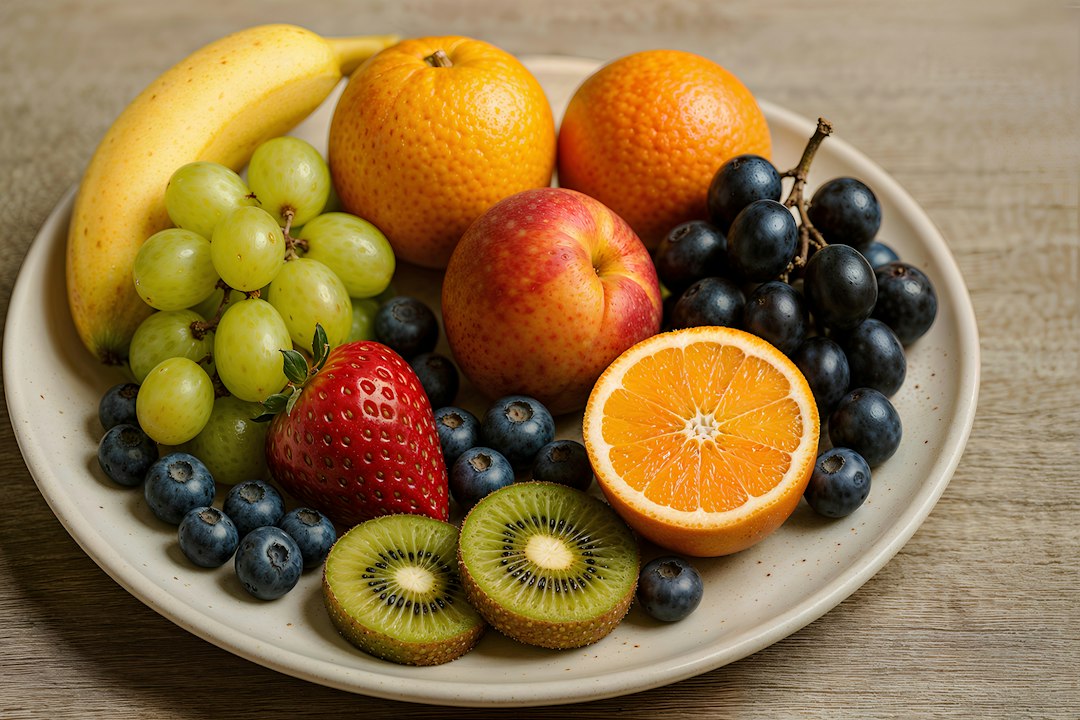
Title: Power Up Your Defenses: The Ultimate Guide to Immunity‑Boosting Foods

—

Introduction – Why Your Plate Might Be the Best Vaccine

Imagine your body as a bustling city. The streets are your blood vessels, the neighborhoods are organs, and the police force—your immune system—keeps everything running smoothly, fending off invaders like viruses, bacteria, and even the occasional stress‑induced “rioter.”

Now picture a city that runs on fresh, nutrient‑rich fuel versus one that runs on processed junk. Which one do you think would have a stronger, more responsive police force? The answer is obvious: the city with the better diet.

In today’s fast‑paced world, we’re bombarded with quick‑fix meals, sugary snacks, and endless caffeine. While these may give you a momentary energy spike, they do little for the long‑term health of your immune system. On the flip side, a thoughtful selection of immunity‑boosting foods can give your body the vitamins, minerals, antioxidants, and phytonutrients it needs to stay resilient, recover faster, and even reduce the severity of illnesses.

In this 2,000‑word deep dive, we’ll explore the science behind the foods that supercharge your immune defenses, break down practical ways to incorporate them into everyday meals, and give you a ready‑to‑use grocery checklist. Whether you’re a busy professional, a parent juggling school runs, or a fitness enthusiast, this guide will arm you with actionable nutrition strategies to keep your immune system in top shape—naturally.

—

1. Vitamin‑C Powerhouses: The Classic Immune Boosters

1.1 Why Vitamin C Matters

Vitamin C (ascorbic acid) is perhaps the most well‑known immune‑supporting vitamin. It plays several critical roles:

  • White‑blood‑cell function: Enhances the production and performance of neutrophils, lymphocytes, and phagocytes—cells that hunt down pathogens.
  • Antioxidant shield: Neutralizes free radicals, reducing oxidative stress that can impair immune response.
  • Skin barrier: Supports collagen synthesis, strengthening the skin’s first line of defense against microbes.
  • Research consistently shows that people with higher vitamin‑C intake experience fewer and less severe colds, especially during periods of high physical stress (e.g., marathon training).

    1.2 Top Vitamin‑C Rich Foods (and How to Eat Them)

    | Food | Vitamin C (mg per 100 g) | Quick Prep Tips |
    |——|————————–|—————–|
    | Red bell peppers | 190 | Slice raw for salads, or toss into stir‑fry (add at the end to preserve nutrients). |
    | Kiwi | 93 | Eat whole, blend into a morning smoothie, or top Greek yogurt. |
    | Strawberries | 59 | Freeze for a cool snack, or mix into oatmeal. |
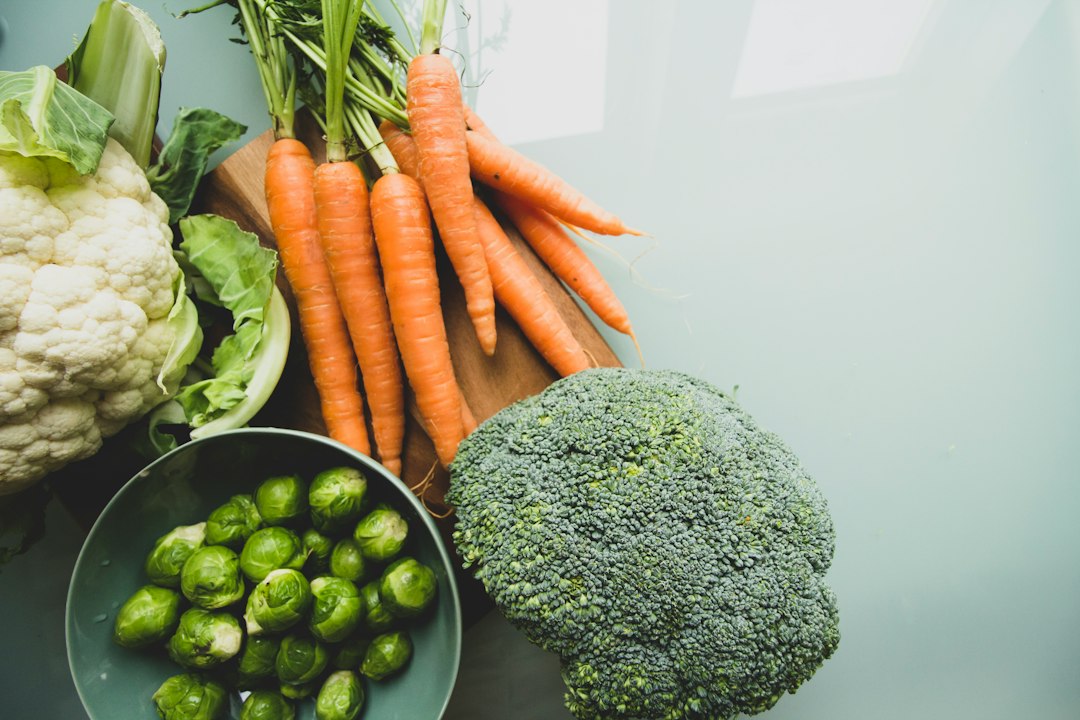
    | Broccoli | 89 | Steam lightly (3‑4 min) to retain vitamin C, then drizzle with olive oil. |
    | Oranges & mandarins | 53 | Peel and snack, or squeeze fresh juice (no added sugar). |
    | Papaya | 62 | Cube and add to fruit salads, or blend into a tropical shake. |

    Actionable tip: Aim for 2–3 servings of vitamin‑C rich foods daily. A simple “rainbow plate” at lunch—red bell pepper strips, a kiwi half, and a side of broccoli—covers the requirement without extra effort.

    1.3 Boosting Vitamin C Absorption

    Vitamin C is water‑soluble, meaning it can be lost in cooking water. To preserve it:

  • Steam, not boil: Short, gentle steam retains up to 90 % of the vitamin.
  • Eat raw when possible: Raw bell peppers and berries keep the nutrient intact.
  • Pair with iron‑rich foods: Vitamin C enhances non‑heme iron absorption (e.g., spinach + citrus dressing).
  • —

    2. The Zinc Zone: Minerals That Mobilize Immunity

    2.1 Zinc’s Role in Immune Health

    Zinc is a trace mineral that often flies under the radar, yet it’s a critical co‑factor for over 300 enzymes involved in DNA synthesis, cell division, and immune regulation. Key functions include:

  • Lymphocyte development: Essential for the maturation of T‑cells, which coordinate immune responses.
  • Antiviral activity: Zinc can directly inhibit the replication of certain viruses (including rhinoviruses).
  • Barrier integrity: Supports skin and mucosal membranes, preventing pathogen entry.
  • Deficiency—even mild—has been linked to increased susceptibility to infections, slower wound healing, and chronic inflammation.

    2.2 Zinc‑Rich Foods and Everyday Integration

    | Food | Zinc (mg per 100 g) | Serving Ideas |
    |——|———————|—————|
    | Oysters (cooked) | 78 | Enjoy as a starter; a handful provides > 500 % of daily value (DV). |
    | Beef (lean, cooked) | 5.0 | Add sliced steak to salads or stir‑fry. |
    | Pumpkin seeds | 7.8 | Sprinkle on oatmeal, yogurt, or blend into pesto. |
    | Chickpeas (cooked) | 1.5 | Toss into a grain bowl, or blend into hummus. |
    | Cashews | 5.6 | Snack raw, or use in creamy sauces. |
    | Greek yogurt (plain) | 0.5 | Pair with fruit for a zinc‑boosted breakfast. |

    Actionable tip: Incorporate one zinc‑rich food per meal. For example, a breakfast smoothie with pumpkin seed butter, a lunch salad topped with grilled beef strips, and a dinner featuring sautéed shrimp (another excellent source of zinc).

    2.3 Enhancing Zinc Bioavailability

    Zinc absorption can be hindered by phytates (found in whole grains, legumes, and nuts). To maximize uptake:

  • Soak & sprout: Soaking beans or grains for 8–12 hours reduces phytate levels.
  • Ferment: Fermented foods like tempeh have lower phytate content.
  • Pair with protein: Animal proteins provide a zinc‑friendly matrix, improving absorption.
  • —

    3. Antioxidant Allies: The Role of Polyphenols & Flavonoids

    3.1 What Are Polyphenols?

    Polyphenols are plant‑derived compounds that act as potent antioxidants. They neutralize free radicals, modulate inflammatory pathways, and even influence gut microbiota—all of which impact immune function.

    Key polyphenol groups include:

  • Flavonoids (e.g., quercetin, catechins)
  • Phenolic acids (e.g., caffeic acid)
  • Stilbenes (e.g., resveratrol)
  • 3.2 Top Polyphenol‑Packed Foods

    | Food | Main Polyphenol | How to Use |
    |——|—————–|————|
    | Green tea | Catechins (EGCG) | Brew 2–3 cups daily; add lemon for extra vitamin C. |
    | Dark chocolate (≥70 % cacao) | Flavanols | Enjoy a 1‑oz square as an afternoon treat. |
    | Blueberries | Anthocyanins | Add to cereals, smoothies, or eat fresh. |
    | Turmeric | Curcumin | Stir into soups, golden milk, or roasted vegetables. |
    | Red grapes | Resveratrol | Snack raw or freeze for a cool bite. |
    | Apples (with skin) | Quercetin | Slice for a portable snack; pair with nut butter. |

    Actionable tip: Create a “polyphenol rotation” each week: Monday‑green tea, Tuesday‑blueberries, Wednesday‑turmeric‑rich curry, Thursday‑dark chocolate, Friday‑apple slices, Saturday‑red grapes, Sunday‑green tea again. This keeps your palate excited and ensures a broad spectrum of antioxidants.

    3.3 Maximizing Antioxidant Power

  • Combine with healthy fats: Fat‑soluble polyphenols (like curcumin) absorb better with a dash of olive oil or coconut milk.
  • Avoid over‑cooking: High heat can degrade delicate flavonoids; opt for gentle sautéing or raw consumption when possible.
  • Mind the sugar: Pairing fruit with excessive added sugar can blunt antioxidant benefits. Choose natural sweeteners or none at all.
  • —

    4. Probiotic & Prebiotic Pairings: Gut Health as Immune Architecture

    4.1 The Gut‑Immune Connection

    Approximately 70 % of the immune system resides in the gastrointestinal tract. A balanced gut microbiome trains immune cells, produces short‑chain fatty acids (SCFAs) that reduce inflammation, and creates a barrier against pathogenic bacteria.

    Probiotics (live beneficial bacteria) and prebiotics (fibers that feed those bacteria) together form the cornerstone of gut‑immune synergy.

    4.2 Probiotic‑Rich Foods to Stock

    | Food | Probiotic Strains | Serving Suggestion |
    |——|——————-|——————–|
    | Yogurt (live‑culture) | Lactobacillus, Bifidobacterium | 1 cup with berries for breakfast. |
    | Kefir | Diverse yeasts & bacteria | 250 ml as a mid‑day drink. |
    | Sauerkraut | Lactobacillus plantarum | 2 tbsp as a sandwich topping. |
    | Kimchi | Leuconostoc, Lactobacillus | ¼ cup as a side dish. |
    | Miso | Tetragenococcus halophilus | Use 1 tbsp in soups or marinades. |
    | Tempeh | Rhizopus oligosporus (fermented soy) | Grill slices for salads. |

    4.3 Prebiotic Powerhouses

    | Food | Prebiotic Fiber (g per 100 g) | How to Incorporate |
    |——|——————————-|——————–|
    | Garlic | 3.0 | Mince into sauces, stir‑fry, or roast whole heads. |
    | Onion | 1.7 | Caramelize for burgers, add raw to salads. |
    | Banana (slightly green) | 2.6 | Slice on toast or blend into smoothies. |
    | Jerusalem artichoke | 17.0 | Roast cubes, mash like potatoes. |
    | Chicory root (in coffee) | 41.0 | Brew as a caffeine‑free coffee substitute. |
    | Whole oats | 2.5 | Cook oatmeal; add nuts and fruit. |

    Actionable tip: Build a “gut‑boosting combo” at each meal: probiotic yogurt + prebiotic banana for breakfast; kimchi + brown rice + roasted garlic for lunch; miso soup + sautéed onions for dinner. This pairing ensures a continuous feed‑forward loop for beneficial bacteria.

    4.4 Practical Gut‑Health Routine

    1. Morning: 1 cup kefir + a handful of blueberries (probiotic + antioxidant).
    2. Mid‑day: Salad with mixed greens, sliced apple, walnuts, and a drizzle of miso‑tahini dressing (prebiotic + probiotic).
    3. Evening: Warm turmeric‑golden milk with a splash of honey (anti‑inflammatory) and a small square of dark chocolate (antioxidant).

    —

    5. Hydration & Micronutrient Synergy: The Unsung Heroes

    5.1 Water – The Transporter of Immunity

    While not a “food,” adequate hydration is essential for lymph fluid circulation, toxin removal, and optimal cellular function. Dehydration can impair mucosal barriers and reduce the efficiency of white blood cells.

    Goal: 2.7 L (women) to 3.7 L (men) of total water per day, including beverages and water‑rich foods.

    5.2 Micronutrient Pairings for Maximum Impact

    | Micronutrient | Food Source | Synergistic Pair |
    |—————|————-|——————|
    | Vitamin D | Fatty fish (salmon), fortified milk | Pair with omega‑3 rich foods (e.g., walnuts) for anti‑inflammatory boost. |
    | Selenium | Brazil nuts, sunflower seeds | Combine with vitamin E (almonds) to protect cell membranes. |
    | Vitamin E | Sunflower seeds, almonds | Pair with vitamin C (citrus) to recycle antioxidant capacity. |
    | Beta‑carotene (pro‑vitamin A) | Sweet potatoes, carrots | Add a squeeze of lemon (vitamin C) to improve absorption. |

    Actionable tip: Create a “micronutrient match‑up” snack box for the office: a handful of Brazil nuts (selenium) + a few dried apricots (beta‑carotene) + a small orange wedge (vitamin C). This triple‑hit supports immune resilience in a portable format.
    5.3 Herbal Immune Enhancers

  • Elderberry syrup: Rich in anthocyanins; traditionally used to shorten flu duration.
  • Astragalus root tea: An adaptogenic herb that may increase interferon production.
  • Garlic capsules: Concentrated allic

Title: Supercharge Your Defenses – The Ultimate Guide to Immunity‑Boosting Foods

—

Introduction: Why Your Plate Is the First Line of Defense

Imagine your immune system as a highly trained security team—always on patrol, ready to spot and neutralize intruders. Just like any elite squad, it needs the right gear, constant training, and regular maintenance to perform at its peak. In the world of health, food is that gear. The nutrients you consume act as ammunition, communication tools, and repair kits for the cells that keep you healthy.

In recent years, headlines about “immune‑boosting foods” have exploded, but the buzz can be overwhelming. Which foods truly make a difference? How much should you eat? And how can you weave these power‑houses into a realistic, tasty everyday diet?

This guide cuts through the hype and delivers actionable, science‑backed information on the best foods for strengthening your immune system. From vitamin‑C‑rich citrus to gut‑nurturing fermented delights, you’ll walk away with a clear roadmap for building an immune‑boosting diet that fits your lifestyle—and your taste buds.

—

1. Vitamin C Powerhouses: The Classic Immune‑Boosters

Why Vitamin C Matters

Vitamin C (ascorbic acid) is the poster child of immunity. It supports:

  • White‑blood‑cell function – helps neutrophils and lymphocytes identify and destroy pathogens.
  • Antioxidant protection – neutralizes free radicals that can damage immune cells.
  • Collagen synthesis – maintains the integrity of skin and mucosal barriers, the body’s first physical line of defense.
  • A deficiency can increase susceptibility to infections, especially respiratory illnesses.

    Top Vitamin C Sources (and How to Use Them)

    | Food | Approx. Vitamin C per Serving | Quick Action Tip |
    |——|——————————|——————|
    | Acerola cherry (raw) | 1,678 mg per 100 g | Blend ½ cup frozen acerola into a morning smoothie. |
    | Guava (raw) | 228 mg per 100 g | Slice fresh guava as a snack or add to a fruit salad. |
    | Red bell pepper (raw) | 190 mg per 100 g | Toss diced peppers into salads, stir‑fries, or omelets. |
    | Kiwi (raw) | 93 mg per 100 g | Top Greek yogurt with sliced kiwi for a probiotic‑plus‑vitamin C combo. |
    | Strawberries (raw) | 59 mg per 100 g | Blend into a chilled soup or drizzle over oatmeal. |
    | Oranges (raw) | 53 mg per 100 g | Classic: sip fresh orange juice or eat a whole orange for fiber. |

    > Pro tip: Vitamin C is water‑soluble and sensitive to heat. To retain the most benefit, enjoy these foods raw or lightly cooked (e.g., quick‑steam bell peppers for 2‑3 minutes).

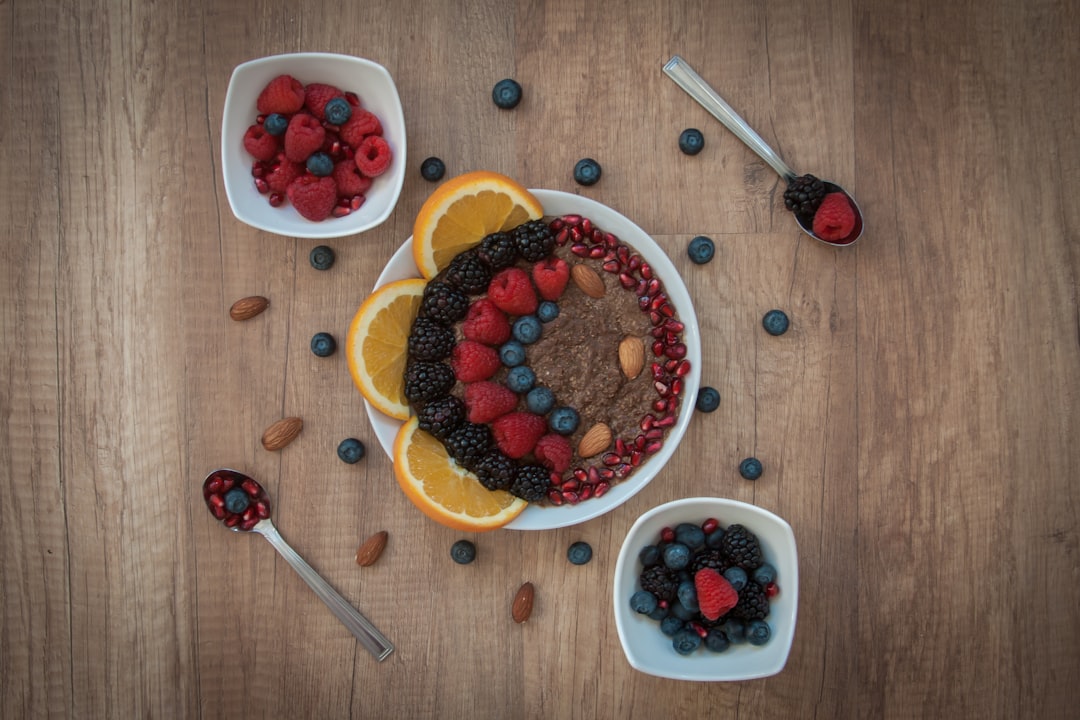
    Actionable Meal Idea: Citrus‑Berry Breakfast Bowl

    1. Base: ½ cup rolled oats cooked in almond milk.
    2. Toppings: Sliced kiwi, a handful of fresh strawberries, and a drizzle of orange‑zest-infused honey.
    3. Boost: Sprinkle 1 tbsp chia seeds (omega‑3s for added anti‑inflammatory power).

    This bowl delivers ~120 mg of vitamin C—about 130 % of the daily value—plus fiber and antioxidants to keep your gut and immune system humming.

    —

    2. Antioxidant‑Rich Foods: Guarding Cells From Damage

    The Antioxidant Arsenal

    Beyond vitamin C, a broad spectrum of antioxidants works together to protect immune cells from oxidative stress. Key players include:

  • Beta‑carotene & other carotenoids (found in orange and deep‑green veggies).
  • Flavonoids (in berries, tea, and dark chocolate).
  • Polyphenols (in turmeric, grapes, and nuts).
  • Selenium (a mineral that fuels antioxidant enzymes).
  • When oxidative stress overwhelms the body, it can impair the immune response, making you more vulnerable to infection.

    Must‑Eat Antioxidant Foods

    | Food | Primary Antioxidant(s) | Serving Suggestion |
    |——|————————|——————–|
    | Sweet potatoes | Beta‑carotene | Roast wedges with olive oil and rosemary. |
    | Spinach & kale | Lutein, zeaxanthin, vitamin E | Sauté with garlic for a quick side. |
    | Blueberries | Anthocyanins | Toss into cereal or blend into a protein shake. |
    | Green tea | EGCG (epigallocatechin gallate) | Sip 2–3 cups daily; add lemon for vitamin C synergy. |
    | Turmeric | Curcumin | Whisk into golden milk or soups; pair with black pepper for absorption. |
    | Brazil nuts | Selenium | Keep a handful (≈6 nuts) as a snack; meets 100 % of selenium RDA. |

    Practical Ways to Maximize Antioxidant Intake

    1. Color‑First Shopping: Choose produce that covers the rainbow—red, orange, yellow, green, blue/purple. Each hue signals a different antioxidant profile.
    2. Combine Fat‑Soluble Antioxidants with Healthy Fats: Carotenoids are better absorbed when paired with a little oil. Drizzle avocado oil over roasted carrots or add a few slices of avocado to a kale salad.
    3. Mind the Cooking Method: Light steaming preserves most antioxidants; deep‑frying destroys them. If you love the flavor of roasted veggies, keep the temperature ≤ 425 °F and limit cooking time to 20‑25 minutes.

    Actionable Recipe: Turmeric‑Spiced Sweet Potato & Black Bean Power Bowl

  • Ingredients: 1 medium sweet potato (cubed), 1 cup canned black beans (rinsed), 1 tbsp olive oil, ½ tsp ground turmeric, pinch of black pepper, 2 cups baby spinach, ¼ avocado (sliced), 1 tbsp pumpkin seeds.
  • Directions:
  • 1. Toss sweet potato cubes with oil, turmeric, and pepper. Roast at 400 °F for 20 minutes.
    2. Warm black beans in a saucepan with a splash of water.
    3. Assemble bowl: base of spinach, topped with roasted sweet potato, beans, avocado, and pumpkin seeds.

  • Why It Works: Sweet potatoes supply beta‑carotene; turmeric adds curcumin; black beans provide zinc and protein; pumpkin seeds contribute selenium and healthy fats.
  • —

    3. Probiotic & Fermented Foods: The Gut‑Immune Connection

    Gut Health = Immune Health

    Approximately 70 % of the immune system resides in the gut. The intestinal lining houses a massive network of immune cells that constantly sample microbes. A balanced gut microbiome teaches these cells to differentiate friend from foe, reducing unnecessary inflammation and enhancing pathogen defense.

    Probiotics (live beneficial bacteria) and prebiotics (fibrous foods that feed them) are the dynamic duo that keeps this ecosystem thriving.

    Star Probiotic Foods

    | Food | Key Strains | Serving Idea |
    |——|————-|————–|
    | Yogurt (plain, live‑culture) | Lactobacillus spp., Bifidobacterium spp. | Mix with berries and a drizzle of honey. |
    | Kefir | Diverse lactobacilli & yeasts | Use as a base for smoothies. |
    | Sauerkraut | Lactobacillus plantarum | Add a spoonful to a turkey sandwich. |
    | Kimchi | Leuconostoc, Lactobacillus | Serve as a side with grilled fish. |
    | Miso | Tetragenococcus spp. | Whisk into miso soup or a vinaigrette. |
    | Tempeh | Rhizopus mold (fermented soy) | Marinate and grill for a protein‑rich entrée. |

    Prebiotic Powerhouses

  • Garlic & onions – inulin fibers.
  • Jerusalem artichoke – chicory root (high in fructooligosaccharides).
  • Bananas (slightly green) – resistant starch.
  • Whole oats & barley – β‑glucan.
  • Legumes – galactooligosaccharides.
  • Putting It Together: A Daily Gut‑Boosting Blueprint

    | Time | Food | Reason |
    |——|——|——–|
    | Morning | ½ cup kefir + ½ cup sliced banana | Probiotic + prebiotic resistant starch. |
    | Mid‑day | Mixed greens salad with ¼ cup sauerkraut, sliced radish, and a drizzle of olive‑oil‑lemon dressing | Live cultures + fiber. |
    | Snack | Handful of raw almonds + a small piece of dark chocolate (≥ 70 % cacao) | Prebiotic fiber + polyphenols. |
    | Dinner | Stir‑fried tempeh with broccoli, garlic, and ginger over quinoa | Fermented protein + prebiotic garlic + antioxidant broccoli. |
    | Evening | Warm cup of ginger‑turmeric tea (add a splash of kefir if you like) | Anti‑inflammatory compounds + optional probiotic boost. |

    Quick Action Tip

    If you’re new to fermented foods, start with a modest serving (1‑2 tbsp) and gradually increase to avoid temporary digestive upset. Pair with a fiber‑rich meal to smooth the transition.

    —

    4. Zinc, Selenium, and Vitamin D: Micronutrients That Supercharge Immunity

    Zinc – The Immune Cell Coordinator

    Zinc is essential for:

  • DNA synthesis in rapidly dividing immune cells.
  • Cytokine production (signaling proteins).
  • Maintaining skin and mucosal barriers.
  • A mild zinc deficiency can lengthen the duration of colds.

    Top Zinc Sources

    | Food | Zinc per Serving | Serving Suggestion |
    |——|——————|——————–|
    | Oysters (cooked) | 74 mg per 100 g (≈ 500 % DV) | 3‑4 oysters as an appetizer. |
    | Pumpkin seeds | 7.8 mg per ¼ cup | Sprinkle on salads or yogurt. |
    | Lean beef | 5 mg per 100 g | Grill a steak or stir‑fry strips. |
    | Chickpeas | 1.3 mg per ½ cup cooked | Add to soups or hummus. |
    | Cashews | 1.6 mg per ¼ cup | Snack on unsalted cashews. |

    Selenium – The Antioxidant Enabler

    Selenium fuels glutathione peroxidase, an enzyme that neutralizes harmful peroxides. Adequate selenium improves the body’s ability to fight viral infections.

    Key Selenium Foods

    | Food | Selenium per Serving | Serving Idea |
    |——|———————-|————–|
    | Brazil nuts | 191 µg per 2 nuts (≈ 350 % DV) | Keep a small container at your desk. |
    | Sunflower seeds | 27 µg per ¼ cup | Toss into grain bowls. |
    | Tuna (canned in water) | 92 µg per 100 g | Mix with avocado for a quick salad. |
    | Eggs | 15 µg per large egg | Soft‑boil and add to toast. |

    Vitamin D – The Seasonal Immune Modulator

    Vitamin D receptors are present on almost all immune cells. Sufficient levels help:

  • Regulate innate immunity (first‑line defense).
  • Modulate adaptive immunity (prevent over‑reaction).

Sunlight is the primary source, but dietary options are valuable—especially in winter.

Vitamin D‑Rich Foods

| Food | Vitamin D per Serving | Serving Idea |
|——|———————–|————–|
| Fatty fish (salmon, mackerel) | 570 IU per 100 g | Grill with lemon and herbs. |
| Mushrooms (UV‑exposed) | 400 IU per 100 g | Sauté with garlic as a side. |
| Fortified plant milks | 100 IU per cup | Use in smoothies or coffee. |
| Egg yolk | 41 IU per large egg | Add to a veggie scramble. |

Practical Integration Checklist

Title: Power Up Your Defenses: The Ultimate Guide to Immunity‑Boosting Foods

—

Introduction – Why Your Plate Is the First Line of Defense

Imagine your immune system as a highly trained security team, constantly patrolling your body for intruders—viruses, bacteria, and even stressful stressors. Just like any elite squad, they need the right equipment, regular training, and proper nutrition to stay sharp. That’s where immunity‑boosting foods come in.

In today’s fast‑paced world, we’re bombarded with processed snacks, endless screen time, and unpredictable stress. The good news? You have a simple, delicious, and scientifically backed weapon right at your fingertips: the foods you eat every day.

In this comprehensive, 2,000‑word guide we’ll explore the top categories of immune‑supporting ingredients, explain the science behind them, and give you actionable, everyday strategies to turn your kitchen into a powerhouse of health. Whether you’re a busy professional, a parent juggling meals, or a wellness enthusiast, these tips will help you build a resilient immune system—naturally.

—

1. Vitamin‑C Rich Foods: The Classic Immune Hero

1.1 Why Vitamin C Matters

Vitamin C (ascorbic acid) is the poster child of immunity. It fuels the production of white blood cells, strengthens the skin’s barrier (your first line of defense), and acts as a potent antioxidant that neutralizes harmful free radicals. Research shows that regular intake of vitamin‑C‑rich foods can reduce the duration of common colds and enhance the activity of natural killer cells—key players in fighting infections.

1.2 Top Vitamin‑C Powerhouses

| Food | Vitamin C (mg per 100 g) | Quick Use Tip |
|——|————————–|—————|
| Red bell pepper | 190 | Slice into salads or toss in stir‑fries |
| Kiwi | 93 | Blend into a morning smoothie |
| Strawberries | 59 | Top oatmeal or yogurt |
| Oranges | 53 | Fresh juice or snack wedges |
| Broccoli | 89 | Steam lightly to preserve nutrients |
| Brussels sprouts | 85 | Roast with olive oil and garlic |

1.3 Actionable Strategies

1. Morning Boost: Start your day with a citrus‑fruit smoothie—blend an orange, a handful of strawberries, a scoop of Greek yogurt, and a splash of almond milk. You’ll get a quick 150‑plus mg of vitamin C in one glass.
2. Snack Smart: Keep a fruit bowl on your desk. A peeled kiwi or a few mandarin segments are portable, mess‑free, and deliver a vitamin‑C punch.
3. Colorful Plates: Aim for at least two different colors of vitamin‑C foods at lunch and dinner. The more colorful your plate, the broader the nutrient spectrum.

SEO Keywords: vitamin C foods, immunity boosting foods, immune system, natural antioxidants, vitamin C benefits

—

2. Zinc‑Loaded Foods: The Unsung Immune Regulators

2.1 Zinc’s Role in Immune Health

Zinc is a trace mineral essential for immune cell development, signaling, and function. It helps the body produce interferon, a protein that blocks viral replication, and supports the activity of macrophages—cells that engulf and destroy pathogens. Even a modest deficiency can impair immunity, making you more susceptible to infections.

2.2 Best Sources of Zinc

| Food | Zinc (mg per 100 g) | How to Incorporate |
|——|——————–|——————–|
| Oysters | 78 | Grill with lemon for a gourmet appetizer |
| Pumpkin seeds | 7.8 | Sprinkle over salads or blend into pesto |
| Chickpeas (cooked) | 1.5 | Add to soups, stews, or hummus |
| Beef (lean) | 5.0 | Stir‑fry with veggies for a quick dinner |
| Greek yogurt | 0.5 | Use as a base for parfaits |
| Dark chocolate (70%+) | 3.3 | Enjoy a 1‑ounce piece as an after‑dinner treat |

2.3 Practical Tips to Maximize Zinc

  • Combine with Vitamin C: Pair zinc‑rich foods with vitamin‑C sources (e.g., a chickpea salad with red bell pepper) to improve zinc absorption.
  • Mind the Phytates: Whole grains and legumes contain phytates that can bind zinc. Soak beans overnight or sprout seeds to reduce phytate levels and enhance bioavailability.
  • Snack Upgrade: Swap out salty chips for a handful of roasted pumpkin seeds seasoned with smoked paprika—crunchy, satisfying, and immune‑supportive.
  • SEO Keywords: zinc foods, zinc immune system, foods that boost immunity, zinc deficiency, zinc rich diet

    —

    3. Probiotic‑Rich Fermented Foods: Feeding Your Gut‑Brain‑Immune Axis

    3.1 The Gut‑Immune Connection

    Did you know that about 70% of your immune cells reside in the gut? The intestinal lining houses a bustling community of beneficial bacteria (the microbiome) that trains immune cells, regulates inflammation, and produces short‑chain fatty acids (SCFAs) that protect against pathogens. Probiotic foods introduce live, beneficial microbes that strengthen this gut‑immune partnership.

    3.2 Star Fermented Foods

    | Food | Key Probiotic Strains | Serving Idea |
    |——|———————-|————–|
    | Yogurt (plain, live cultures) | Lactobacillus bulgaricus, Streptococcus thermophilus | Breakfast parfait with berries and nuts |
    | Kefir | Lactobacillus kefiri, Bifidobacterium | Smoothie base or chilled drink |
    | Sauerkraut (raw) | Leuconostoc spp., Lactobacillus plantarum | Side dish on sandwiches or tacos |
    | Kimchi | Lactobacillus kimchii, Leuconostoc mesenteroides | Add to fried rice or serve with grilled fish |
    | Miso (unpasteurized) | Tetragenococcus halophilus | Miso soup or glaze for roasted veggies |
    | Kombucha (unfiltered) | Diverse yeasts & bacteria | Refreshing low‑sugar beverage |

    3.3 How to Incorporate Probiotics Daily

    1. Breakfast Boost: Swap regular milk for plain kefir in your cereal or oatmeal. Add a drizzle of honey and a sprinkle of cinnamon for flavor.
    2. Snack Swap: Keep a small container of raw sauerkraut in the fridge. Pair a few spoonfuls with whole‑grain crackers for a crunchy, tangy snack.
    3. Meal Enhancer: Use miso paste to create a quick broth for vegetables. The gentle heat preserves live cultures while delivering umami richness.
    4. DIY Ferment: Try a simple kimchi recipe—cabbage, radish, garlic, ginger, and Korean chili flakes. Ferment for 3‑5 days and enjoy a probiotic punch with every bite.

    SEO Keywords: probiotic foods, fermented foods for immunity, gut health, immune system, best foods for gut health

    —

    4. Antioxidant‑Packed Herbs & Spices: Small Doses, Big Defense

    4.1 Why Antioxidants Matter

    Free radicals are unstable molecules generated by stress, pollution, and even normal metabolism. When they accumulate, they cause oxidative stress, weakening immune cells and promoting inflammation. Antioxidants neutralize free radicals, protecting cells and supporting a balanced immune response.

    4.2 Top Immune‑Boosting Herbs & Spices

    | Herb/Spice | Key Antioxidant(s) | Immune Benefits |
    |————|——————-|—————–|
    | Turmeric (curcumin) | Curcumin | Anti‑inflammatory, enhances antibody response |
    | Garlic (allicin) | Allicin | Stimulates macrophages, antiviral properties |
    | Ginger (gingerol) | Gingerol | Reduces inflammation, supports respiratory health |
    | Cinnamon (cinnamaldehyde) | Cinnamaldehyde | Antimicrobial, stabilizes blood sugar |
    | Oregano (carvacrol) | Carvacrol | Potent antibacterial and antiviral |
    | Green tea (EGCG) | Epigallocatechin gallate | Boosts T‑cell function, antioxidant |

    4.3 Easy Ways to Use Them

  • Golden Milk: Warm almond milk with ½ tsp turmeric, a pinch of black pepper (enhances curcumin absorption), and a dash of cinnamon. Sweeten with honey for a soothing bedtime drink.
  • Garlic‑Lemon Dressing: Whisk together minced garlic, fresh lemon juice, olive oil, and a teaspoon of oregano. Drizzle over salads or roasted veggies.
  • Ginger‑Tea Boost: Simmer fresh ginger slices in water for 10 minutes, add a splash of lemon, and sip throughout the day.
  • Spice‑Infused Oatmeal: Stir cinnamon and a pinch of nutmeg into cooked oats; top with berries and a spoonful of almond butter.
  • SEO Keywords: antioxidant foods, herbs for immunity, spices that boost immune system, anti-inflammatory foods, natural immune boosters

    —

    5. Whole‑Food Plant Power: Fiber, Phytonutrients, and Immune Resilience

    5.1 The Plant‑Based Immunity Advantage

    A diet rich in whole, minimally processed plant foods supplies fiber, vitamins, minerals, and phytonutrients that collectively fortify the immune system. Fiber feeds beneficial gut bacteria, producing SCFAs that modulate inflammation. Meanwhile, phytonutrients like flavonoids and carotenoids act as antioxidants and signaling molecules for immune cells.

    5.2 Must‑Eat Plant Groups

    | Group | Representative Foods | Immune‑Supporting Compounds |
    |——-|———————-|—————————–|
    | Dark leafy greens | Kale, spinach, Swiss chard | Vitamin K, lutein, beta‑carotene |
    | Cruciferous veg | Broccoli, cauliflower, bok choy | Sulforaphane, glucosinolates |
    | Berries | Blueberries, acai, goji | Anthocyanins, vitamin C |
    | Nuts & seeds | Almonds, walnuts, chia, flax | Vitamin E, omega‑3 fatty acids |
    | Legumes | Lentils, black beans, peas | Folate, plant protein, zinc |
    | Whole grains | Quinoa, oats, brown rice | Beta‑glucan fiber, B‑vitamins |

    5.3 Practical Plant‑Forward Meal Ideas

  • Rainbow Bowl: Start with a base of quinoa, add steamed broccoli, sautéed kale, roasted sweet potatoes, and a handful of blueberries. Top with pumpkin seeds and a drizzle of tahini‑lemon dressing.
  • Hearty Bean Soup: Simmer lentils, carrots, celery, tomatoes, and spinach with garlic and herbs. Finish with a squeeze of lime and a sprinkle of chopped cilantro.
  • Snack Stack: Spread almond butter on whole‑grain toast, top with sliced strawberries and a dusting of cinnamon.
  • Smoothie Power: Blend kale, frozen mixed berries, Greek yogurt, flaxseed, and a splash of orange juice for a nutrient‑dense drink.
  • SEO Keywords: plant based immunity, immune boosting foods, fiber and immunity, whole foods for immune system, best foods for immune health

    —

    Conclusion – Your Daily Blueprint for a Stronger Immune System

    Building an immune‑resilient body isn’t about a single miracle food; it’s about a balanced, colorful plate that supplies vitamins, minerals, antioxidants, and probiotics consistently. Here are the key takeaways to turn the science into habit:

    1. Load up on vitamin C – aim for at least two servings of citrus, berries, or bell peppers daily.
    2. Don’t forget zinc – incorporate oysters, pumpkin seeds, or lean meat a few times a week.
    3. Feed your gut – include probiotic foods like yogurt, kefir, sauerkraut, or kimchi in every meal.
    4. Spice it up – use turmeric, garlic, ginger, and cinnamon to add antioxidant firepower.
    5. Embrace whole‑food plants – prioritize leafy greens, cruciferous veg, berries, nuts, seeds, legumes, and whole grains for fiber and phytonutrients.

    Action Plan:

  • Morning: Vitamin‑C smoothie + kefir.
  • Lunch: Rainbow bowl with zinc‑rich pumpkin seeds and probiotic sauerkraut on the side.
  • Snack: Raw almonds + a piece of dark chocolate (70%+).
  • Dinner: Turmeric‑ginger stir‑fry with lean beef (or tofu) and a

Title: Power Up Your Defenses: The Ultimate Guide to Immunity‑Boosting Foods

—

Introduction – Why Your Plate Is the First Line of Defense

Imagine your immune system as a high‑tech security team, constantly patrolling your body for intruders. Just like any elite squad, it needs the right training, equipment, and fuel to stay sharp. While vaccines and good hygiene are essential, the food you eat daily provides the raw materials that keep those immune “guards” on alert.

In today’s fast‑paced world, it’s easy to reach for convenience foods that leave your immune system running on empty. The good news? Nature has stocked the pantry with a colorful arsenal of immunity‑boosting foods that are both delicious and easy to incorporate into everyday meals. In this 2,000‑word deep dive, we’ll explore the science behind nutrition and immunity, reveal the top foods that supercharge your defenses, and give you practical, actionable steps to turn your kitchen into a health‑boosting hub.

—

1. The Science of Immunity: How Nutrition Fuels Your Body’s Defense System

1.1 What Is the Immune System, Really?

Your immune system is a complex network of cells, tissues, and organs—including white blood cells, the spleen, thymus, and bone marrow—that work together to recognize and neutralize harmful pathogens (viruses, bacteria, fungi) and abnormal cells. Think of it as a layered fortress:

1. Physical barriers – skin and mucous membranes.
2. Innate immunity – the rapid, non‑specific response (e.g., neutrophils, natural killer cells).
3. Adaptive immunity – the slower, highly specific response (B‑cells, T‑cells) that “remembers” past invaders.

1.2 Why Food Matters

Every component of this fortress needs building blocks:

| Nutrient | Primary Immune Role | Key Food Sources |
|———-|——————–|——————|
| Vitamin C | Enhances white‑blood‑cell function, antioxidant protection | Citrus fruits, kiwi, bell peppers |
| Vitamin D | Modulates innate and adaptive immunity, reduces inflammation | Fatty fish, fortified dairy, sunlight |
| Zinc | Supports T‑cell development, wound healing | Pumpkin seeds, oysters, chickpeas |
| Vitamin A (beta‑carotene) | Maintains mucosal surfaces, antibody production | Sweet potatoes, carrots, leafy greens |
| Selenium | Antioxidant enzyme (glutathione peroxidase) activity | Brazil nuts, sunflower seeds |
| Probiotics & Prebiotics | Balance gut microbiome, which educates immune cells | Yogurt, kimchi, garlic, onions |

When you consistently eat a diet rich in these nutrients, you give your immune cells the fuel they need to patrol efficiently, respond quickly, and recover faster after an infection.

1.3 The Gut–Immune Connection

Did you know that 70% of your immune system lives in the gut? The intestinal lining houses gut‑associated lymphoid tissue (GALT), a massive immune organ that samples everything you eat. A diverse, balanced gut microbiome—cultivated by fiber‑rich foods and fermented goodies—helps:

  • Train immune cells to distinguish friend from foe.
  • Produce short‑chain fatty acids (SCFAs) that reduce inflammation.
  • Strengthen the gut barrier, preventing “leaky gut” and systemic immune activation.
  • In short, feeding your gut the right foods is a direct shortcut to a stronger, more resilient immune system.

    —

    2. Top Immunity‑Boosting Foods You Should Be Eating Every Day

    Below is a curated list of supercharged foods backed by scientific research. Each entry includes the key immune‑supporting nutrients, why they matter, and quick ways to add them to your diet.

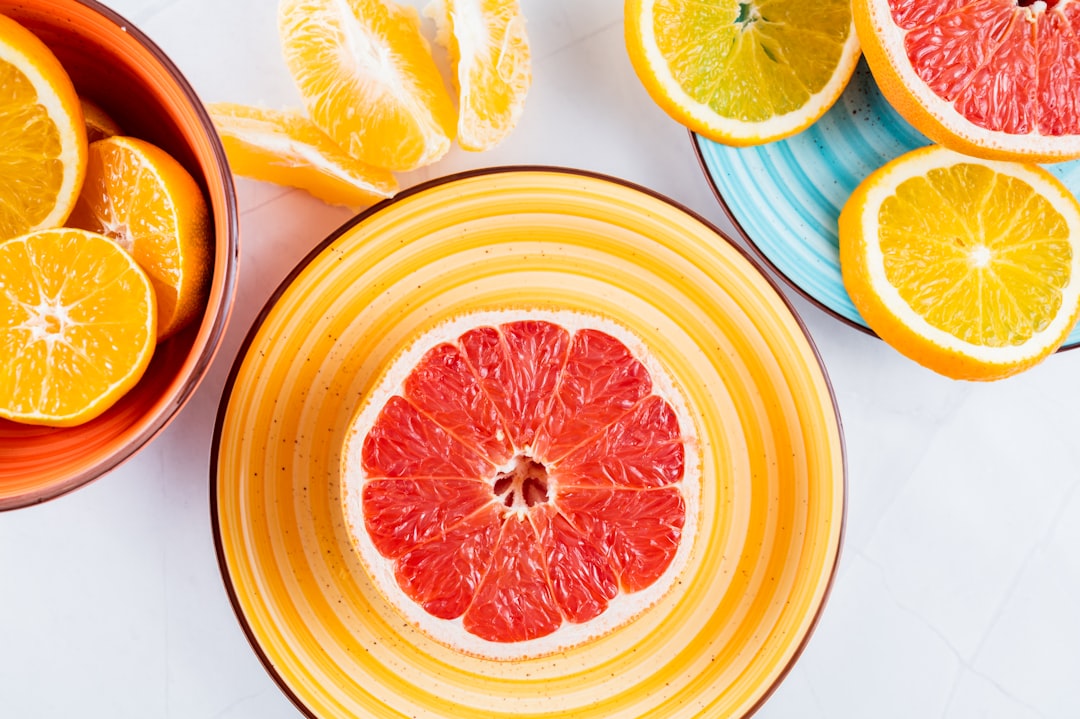
    2.1 Citrus Fruits & Vitamin C Powerhouses

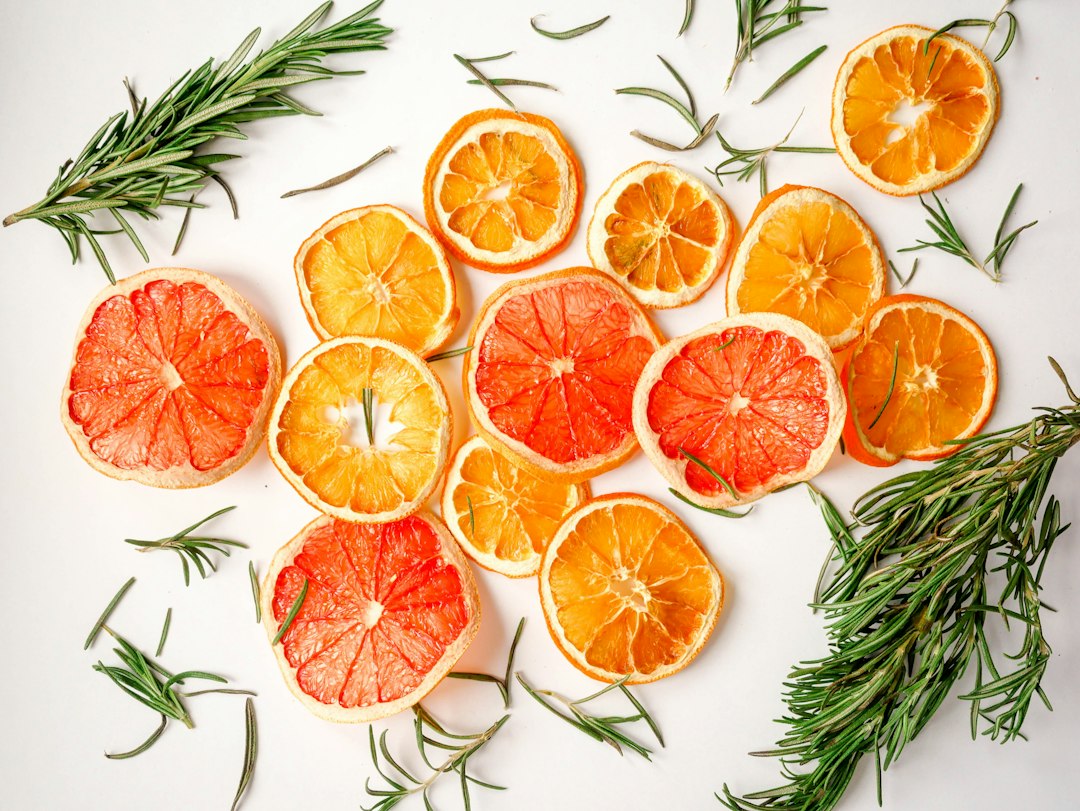
    Why they work: Vitamin C is a potent antioxidant that protects immune cells from oxidative stress and enhances the production and function of white blood cells. It also helps regenerate other antioxidants, like vitamin E, creating a protective cycle.

    Best picks: Oranges, grapefruits, lemons, limes, tangerines, and camu camu (a tropical fruit with up to 30× the vitamin C of an orange).

    How to use:

  • Morning boost: Squeeze fresh lemon or orange juice into warm water.
  • Snack: Keep a bowl of peeled orange segments on the counter.
  • Salad zing: Add grapefruit slices to a spinach‑and‑avocado salad.
  • 2.2 Berries – Tiny Antioxidant Bombs

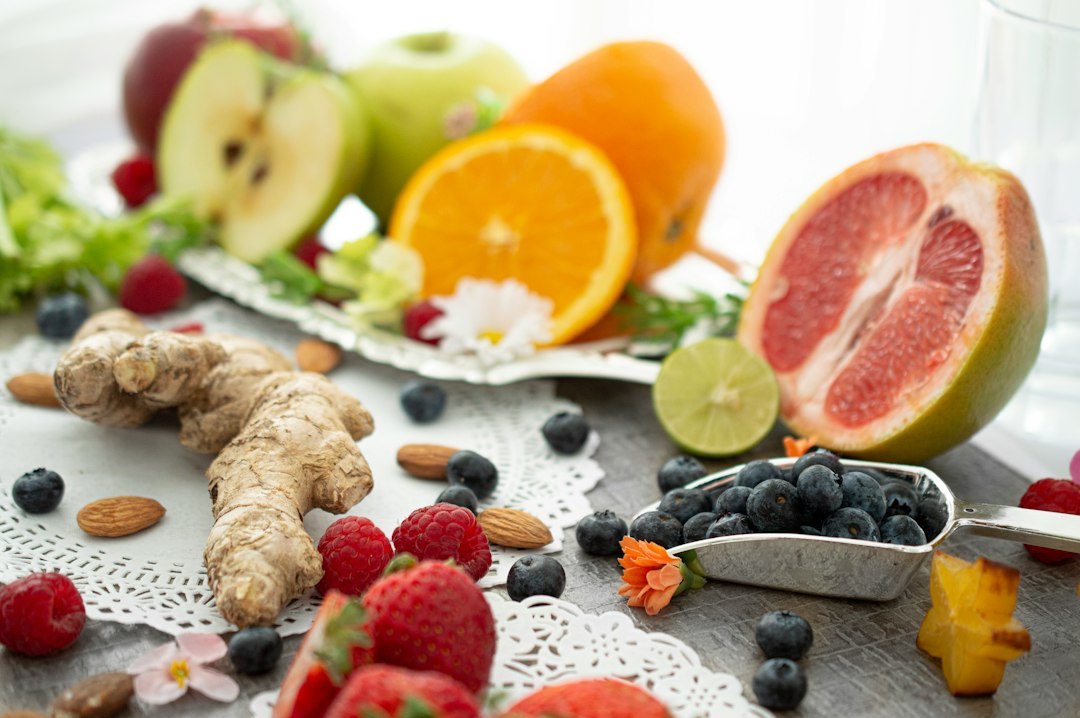
    Why they work: Blueberries, strawberries, raspberries, and blackberries are loaded with flavonoids (especially anthocyanins) and vitamin C. These compounds modulate inflammation, support the gut microbiome, and improve the function of natural killer cells.

    How to use:

  • Smoothie starter: Blend a handful of mixed berries with Greek yogurt and a splash of almond milk.
  • Yogurt topping: Sprinkle fresh or frozen berries over probiotic‑rich yogurt for a double immune punch.
  • Baking swap: Replace sugary desserts with a berry crumble sweetened with a drizzle of honey.
  • 2.3 Leafy Greens & Cruciferous Vegetables

    Why they work: Dark leafy greens (kale, spinach, Swiss chard) and crucifers (broccoli, Brussels sprouts, cauliflower) deliver vitamins A, C, K, folate, and minerals like iron and calcium. Cruciferous veggies also contain sulforaphane, a compound that stimulates the production of detoxifying enzymes and boosts the activity of immune cells.

    How to use:

  • Sautéed side: Lightly steam broccoli, then toss with garlic, olive oil, and a squeeze of lemon.
  • Green power bowl: Combine kale, quinoa, roasted sweet potato, and a tahini‑lemon dressing.
  • Soup base: Blend cooked cauliflower and carrots into a creamy, immune‑rich soup.
  • 2.4 Nuts, Seeds & Healthy Fats

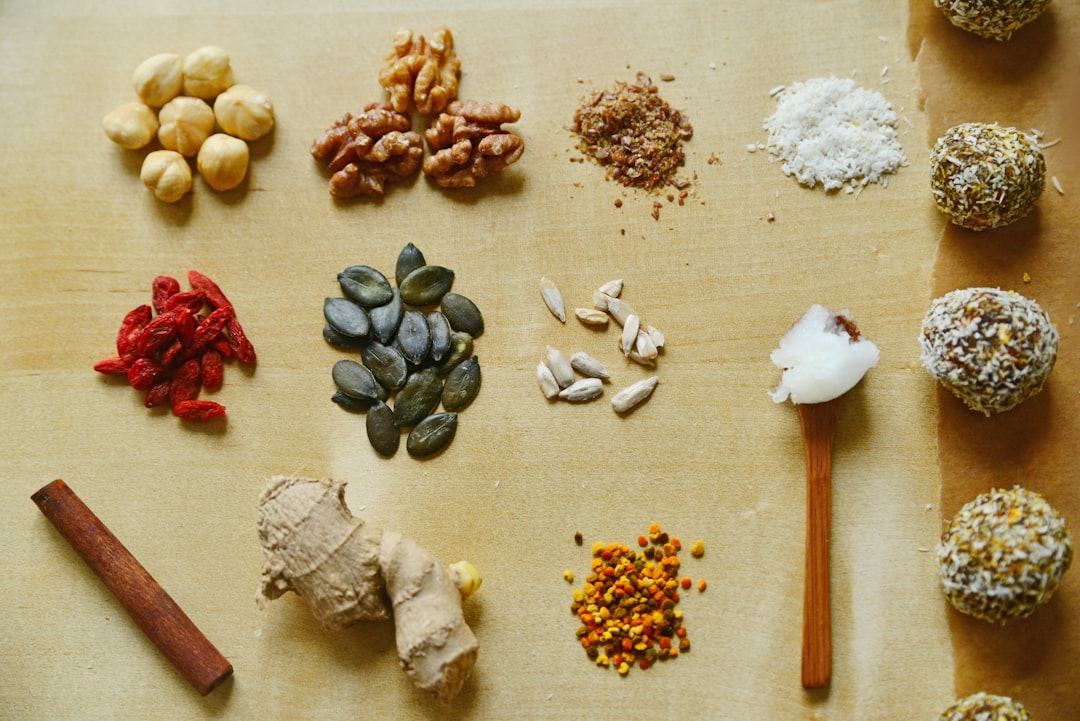
    Why they work: Almonds, walnuts, pumpkin seeds, and especially Brazil nuts are rich in vitamin E, zinc, selenium, and omega‑3 fatty acids. Vitamin E stabilizes cell membranes, while omega‑3s reduce inflammatory cytokines, keeping the immune response balanced rather than over‑reactive.

    How to use:

  • Trail mix: Combine raw almonds, pumpkin seeds, dried cranberries, and a few dark‑chocolate chips.
  • Salad crunch: Sprinkle toasted walnuts or sliced almonds over mixed greens.
  • Snack swap: Replace chips with a handful of Brazil nuts (just 2–3 per day meet daily selenium needs).
  • 2.5 Fermented Foods & Probiotic Power

    Why they work: Fermented foods like kimchi, sauerkraut, kefir, yogurt, miso, and tempeh deliver live beneficial bacteria that enrich the gut microbiome. A thriving microbiome trains immune cells, produces SCFAs, and blocks pathogenic microbes from colonizing.

    How to use:

  • Breakfast bowl: Top oatmeal with kefir, sliced banana, and a sprinkle of chia seeds.
  • Side dish: Add a small serving of kimchi or sauerkraut to any main course.
  • Smoothie boost: Blend a tablespoon of miso or a splash of kombucha into fruit smoothies for a savory twist.
  • 2.6 Spices & Herbs with Immunomodulatory Effects

    Why they work: Certain spices—turmeric (curcumin), ginger, garlic, and oregano—have anti‑inflammatory and antimicrobial properties. Curcumin, for instance, activates the Nrf2 pathway, enhancing the body’s antioxidant response.

    How to use:

  • Golden milk: Warm almond milk with turmeric, ginger, black pepper, and honey.
  • Stir‑fry: Toss garlic and ginger into any vegetable or protein stir‑fry.
  • Seasoning: Use oregano or thyme as a finishing herb on roasted veggies.
  • 2.7 Hydration & Immune Health

    While not a “food,” staying hydrated supports lymphatic flow, which transports immune cells throughout the body. Aim for 8–10 cups of water daily, and consider herbal teas (e.g., echinacea, green tea) that provide additional antioxidants.

    —

    3. Turning Theory into Practice: How to Build an Immune‑Boosting Meal Plan

    3.1 The 80/20 Plate Rule

  • 80% vegetables & fruits (colorful, varied, preferably raw or lightly cooked).
  • 20% protein & healthy fats (lean meats, fish, legumes, nuts, seeds).
  • This simple visual cue helps you automatically hit a high intake of vitamins, minerals, and fiber without counting calories.

    3.2 Sample One‑Day Menu

    | Meal | Ingredients (Key Immune Boosters) | Quick Prep Tips |
    |——|———————————–|—————–|
    | Breakfast | Greek yogurt + mixed berries + 2 Brazil nuts + drizzle of honey | Assemble in a bowl; let the nuts soften for 5 min. |
    | Mid‑Morning Snack | Orange slices + a handful of pumpkin seeds | Pre‑portion into a reusable container. |
    | Lunch | Quinoa salad with kale, roasted sweet potato, chickpeas, avocado, lemon‑tahini dressing | Roast sweet potatoes the night before; toss salad together at work. |
    | Afternoon Snack | Kombucha (8 oz) + a small piece of dark chocolate (70%+ cacao) | Keep kombucha chilled in the fridge; enjoy with a book. |
    | Dinner | Baked salmon (rich in vitamin D & omega‑3) + steamed broccoli + garlic‑ginger sautéed carrots | Use pre‑marinated salmon; steam broccoli in 3 min. |
    | Evening Wind‑Down | Golden milk (turmeric, ginger, almond milk) | Heat milk, whisk in spices, sip slowly. |

    3.3 Meal‑Prep Hacks for Busy Lifestyles

    1. Batch‑cook veggies: Roast a tray of mixed cruciferous vegetables (broccoli, cauliflower, Brussels sprouts) with olive oil, salt, and pepper. Store in airtight containers for up to 4 days.
    2. Pre‑portion nuts & seeds: Use silicone muffin cups or small jars to portion 1‑ounce servings—no guesswork needed.
    3. Freeze fruit for smoothies: Wash, slice, and freeze berries, mango, or pineapple. Blend straight from the freezer for a thick, nutrient‑dense shake.
    4. DIY probiotic jars: Keep a jar of sauerkraut or kimchi in the fridge; a tablespoon a day is enough to feed your gut.

    3.4 Grocery List Cheat Sheet

    | Category | Items (choose 2–3 each) |
    |———-|————————–|
    | Citrus & Vitamin C | Oranges, lemons, grapefruits, kiwi |
    | Berries | Blueberries, strawberries, raspberries |
    | Leafy Greens | Kale, spinach, Swiss chard |
    | Cruciferous | Broccoli, Brussels sprouts, cauliflower |
    | Nuts & Seeds | Brazil nuts, almonds, pumpkin seeds |
    | Fermented | Yogurt (plain), kefir, kimchi, sauerkraut |
    | Protein | Salmon, sardines, lentils, chickpeas |
    | Spices | Turmeric, ginger, garlic, oregano |
    | Beverages | Green tea, herbal teas, coconut water |

    —

    4. Lifestyle Amplifiers: Boosting Immunity Beyond the Plate

    4.1 Sleep – The Silent Immune Regenerator

    Aim for 7–9 hours of quality sleep per night. During deep sleep, the body releases cytokines (immune‑signaling proteins) and produces growth hormone, both essential for tissue repair and immune cell proliferation. Tips:

  • Keep a consistent bedtime schedule—even on weekends.
  • Dim lights an hour before bed; avoid screens or use blue‑light filters.
  • Create a cool, dark, quiet bedroom environment.
  • 4.2 Stress Management

    Chronic stress elevates cortisol, which suppresses immune function. Incorporate stress‑relief practices such as:

  • Mindful breathing (4‑7‑8 technique) for 5 minutes daily.
  • Moderate exercise—30 minutes of brisk walking, yoga, or cycling.
  • Social connection—even a quick video call can lower stress hormones.

4.3 Physical Activity – Immune‑Enhancing Exercise

Regular moderate exercise increases circulation of immune cells, improves vaccine efficacy, and reduces inflammation.

Title: 15 Immunity‑Boosting Foods You Need on Your Plate Right Now

—

Introduction: Why Your Plate Is the First Line of Defense

Imagine your immune system as a highly trained security team—always on standby, ready to spot and neutralize intruders. But even the best security crew can’t work at full capacity if they’re running on empty. The fuel they need? The nutrients you get from the foods you eat every day.

In recent years, “immunity‑boosting foods” have moved from health‑trend buzzword to a staple conversation in kitchens worldwide. Whether you’re battling a seasonal cold, recovering from an illness, or simply aiming to keep your body resilient, the right diet can make a measurable difference. In this 2,000‑word guide we’ll dive deep into the science‑backed foods that genuinely support your immune system, share practical ways to incorporate them into meals, and give you a roadmap to a stronger, healthier you.

Let’s unlock the pantry and discover the nutritional powerhouses that keep your immune defenses sharp.

—

1. Vitamin‑Packed Powerhouses: The Classic Immune Builders

1.1. Citrus Fruits – The Vitamin C Titans

Why they matter: Vitamin C is a potent antioxidant that protects immune cells from oxidative stress and enhances the production of white blood cells, the body’s frontline fighters.

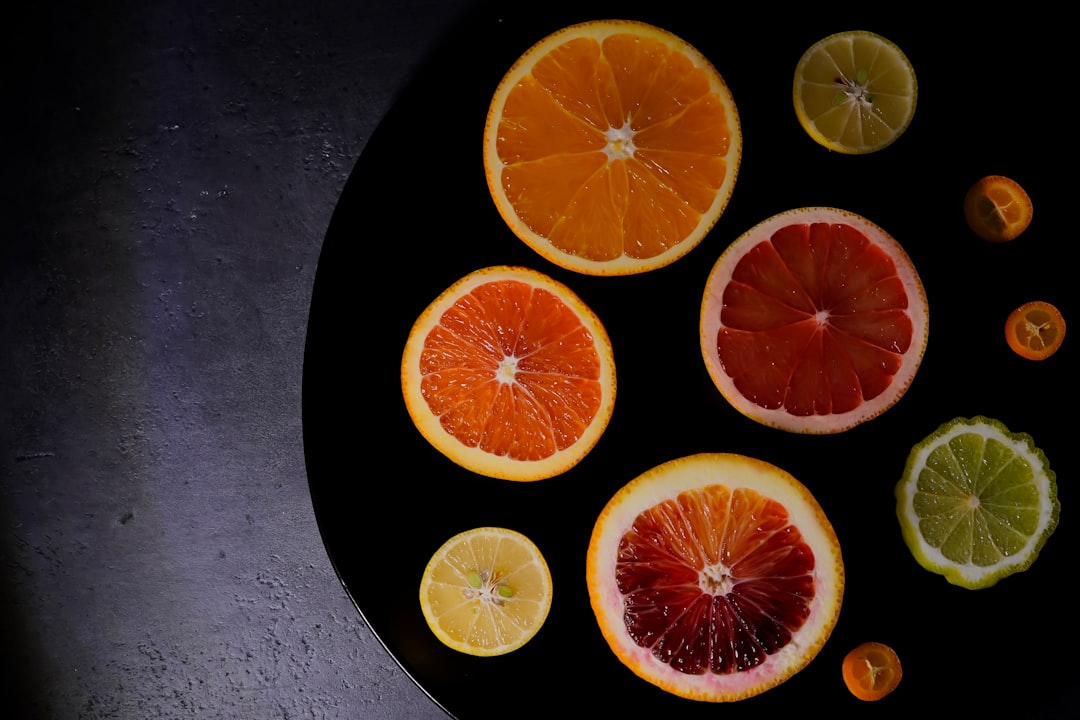
Top picks: Oranges, grapefruits, lemons, limes, tangerines, and even less‑common varieties like kumquats and blood oranges.

Actionable tip:

  • Morning immunity boost: Squeeze fresh lemon or orange juice into a glass of warm water and sip it on an empty stomach.
  • Snack hack: Keep a bowl of segmented citrus on the counter; a quick bite provides 70–100 mg of vitamin C, covering 80 % of the daily value.
  • 1.2. Berries – Tiny, Antioxidant‑Rich Warriors

    Why they matter: Blueberries, strawberries, raspberries, and blackberries are loaded with flavonoids (especially anthocyanins) that modulate inflammation and improve the function of immune cells.

    Actionable tip:

  • Smoothie shield: Blend a cup of mixed berries with Greek yogurt, a splash of almond milk, and a drizzle of honey for a probiotic‑rich, vitamin‑C‑packed breakfast.
  • Freezer-friendly: Freeze extra berries in portion‑size bags; they keep for months and are perfect for quick smoothies or oatmeal toppings.
  • 1.3. Red and Orange Vegetables – The Beta‑Carotene Boost

    Why they matter: Carrots, sweet potatoes, pumpkin, and red bell peppers are rich in beta‑carotene, a precursor to vitamin A that maintains the integrity of skin and mucosal cells—your body’s first physical barrier against pathogens.

    Actionable tip:

  • Roasted veggie medley: Toss cubed sweet potatoes, carrots, and red bell peppers with olive oil, rosemary, and a pinch of sea salt. Roast at 425 °F for 25 minutes for a caramelized side dish that delivers 300–400 % of the daily vitamin A requirement per serving.
  • 1.4. Dark Leafy Greens – The Folate and Iron Duo

    Why they matter: Kale, spinach, Swiss chard, and collard greens supply folate (vitamin B9) and iron, both essential for the proliferation of immune cells and the production of hemoglobin, which transports oxygen to them.

    Actionable tip:

  • Power salad: Massage fresh spinach with a tablespoon of olive oil and a squeeze of lemon, then top with sliced avocado, toasted pumpkin seeds, and a sprinkle of feta. This combination maximizes iron absorption (thanks to vitamin C from lemon).
  • Quick Recap: Vitamin‑C‑rich foods (citrus, berries), beta‑carotene sources (red/orange veg), and folate‑rich greens form the foundation of an immunity‑boosting diet.

    —

    2. Mineral‑Rich Allies: Zinc, Selenium, and Magnesium

    2.1. Zinc – The Immune Cell Coordinator

    Why it matters: Zinc is critical for the development and communication of immune cells, especially T‑lymphocytes and natural killer cells. Even a mild deficiency can impair your body’s ability to fight off viruses.

    Top sources: Oysters (the ultimate zinc source), beef, pumpkin seeds, chickpeas, and cashews.

    Actionable tip:

  • Zinc‑packed snack: Roast a handful of pumpkin seeds with a dash of smoked paprika. A ¼‑cup serving supplies about 2.5 mg of zinc—roughly 23 % of the adult daily value.
  • 2.2. Selenium – The Antioxidant Shield

    Why it matters: Selenium works with the antioxidant enzyme glutathione peroxidase to reduce oxidative damage during infections.

    Top sources: Brazil nuts (just 1–2 nuts meet the daily requirement), sunflower seeds, brown rice, and mushrooms.

    Actionable tip:

  • Brazil nut boost: Keep a small container of unsalted Brazil nuts at your desk. Eating two nuts a day delivers 200 µg of selenium, covering 360 % of the recommended intake.
  • 2.3. Magnesium – The Calming Mineral

    Why it matters: Magnesium supports the production of antibodies and helps regulate the inflammatory response, preventing an over‑reactive immune system.

    Top sources: Almonds, quinoa, black beans, and dark chocolate (≥70 % cacao).

    Actionable tip:

  • Evening magnesium treat: Mix a tablespoon of almond butter into a cup of warm oat milk, sprinkle with cocoa powder, and enjoy before bedtime for a calming, immunity‑supporting drink.
  • 2.4. Iron – The Oxygen Carrier

    Why it matters: Iron is essential for the formation of hemoglobin, which transports oxygen to immune cells. Low iron can lead to fatigue and weakened defenses.

    Top sources: Lean beef, lentils, fortified cereals, and tofu.

    Actionable tip:

  • Iron‑rich stir‑fry: Sauté sliced beef or tofu with broccoli, bell peppers, and a splash of soy sauce. Pair with a side of quinoa for a complete iron‑and‑protein meal.
  • Key Takeaway: A balanced intake of zinc, selenium, magnesium, and iron—found in nuts, seeds, legumes, and lean proteins—provides the mineral scaffolding your immune system needs to operate efficiently.

    —

    3. Gut Health Guardians: Probiotics, Prebiotics, and Fermented Foods

    3.1. The Gut–Immune Connection

    Did you know that about 70 % of your immune cells reside in the gut-associated lymphoid tissue (GALT)? A healthy microbiome trains these cells, teaches them to differentiate friend from foe, and produces short‑chain fatty acids that reduce inflammation.

    3.2. Probiotic Powerhouses

    Top foods: Yogurt (with live cultures), kefir, sauerkraut, kimchi, miso, and tempeh.

    Actionable tip:

  • Morning probiotic bowl: Combine a cup of plain kefir with sliced banana, a sprinkle of chia seeds, and a drizzle of honey. This simple bowl delivers 10–12 billion CFUs of beneficial bacteria and a dose of calcium.
  • 3.3. Prebiotic Fiber – Feeding the Good Bacteria

    Top foods: Garlic, onions, leeks, asparagus, bananas (especially slightly green), and chicory root.

    Actionable tip:

  • Flavorful base: Start soups and stews with a sauté of diced onion, garlic, and leeks. This not only builds flavor but also supplies inulin—a potent prebiotic fiber that fuels beneficial gut microbes.
  • 3.4. Fermented Favorites

    Why they matter: Fermentation not only preserves foods but also enhances the bioavailability of vitamins (especially B‑complex) and creates unique bioactive compounds that modulate immunity.

    Actionable tip:

  • DIY sauerkraut: Shred half a head of cabbage, massage with 1 % salt (≈1 tablespoon), pack tightly into a jar, and let ferment at room temperature for 5–7 days. The result is a crunchy, probiotic‑rich side that can be added to salads, tacos, or grain bowls.
  • 3.5. Combining Pro‑ and Pre‑biotics – The Synbiotic Effect

    Strategy: Pair probiotic foods with prebiotic ingredients in the same meal for synergistic benefits.

    Example meal: A bowl of miso soup (probiotic) loaded with sliced shiitake mushrooms, chopped scallions, and a side of roasted sweet potato wedges (prebiotic).

    Takeaway: Prioritizing gut‑friendly foods not only supports digestion but also equips your immune system with a robust, well‑trained army of cells.

    —

    4. Herbs, Spices, and Super Drinks: Nature’s Immune Enhancers

    4.1. Turmeric – The Golden Anti‑Inflammatory

    Active compound: Curcumin, which modulates NF‑κB, a key regulator of inflammatory pathways.

    Actionable tip:

  • Golden latte: Warm 1 cup of almond milk, whisk in ½ teaspoon turmeric, a pinch of black pepper (enhances curcumin absorption), a dash of cinnamon, and honey to taste. Drink daily for a soothing, anti‑inflammatory boost.
  • 4.2. Garlic – The Allicin Weapon

    Why it matters: Allicin, released when garlic is crushed, has antimicrobial and immune‑stimulating properties.

    Actionable tip:

  • Garlic‑infused oil: Lightly crush 3–4 cloves, let sit for 10 minutes, then sauté with olive oil before adding vegetables or proteins. This maximizes allicin formation while keeping the flavor mild.
  • 4.3. Ginger – The Warmth of Immunity

    Benefits: Ginger contains gingerol, which supports lymphatic drainage and reduces inflammation.

    Actionable tip:

  • Immunity tea: Simmer sliced fresh ginger (2 inches) in 2 cups of water for 10 minutes, add a splash of lemon juice and honey, and sip throughout the day.
  • 4.4. Green Tea – The Catechin‑Rich Defender

    Key nutrients: Epigallocatechin gallate (EGCG) has antiviral properties and supports T‑cell function.

    Actionable tip:

  • Morning brew: Replace coffee with a cup of brewed green tea (steep 2–3 minutes to avoid bitterness). Add a slice of lemon for extra vitamin C.
  • 4.5. Vitamin‑D‑Rich Foods & Sunlight

    Why it matters: Vitamin D modulates innate and adaptive immunity, and deficiency is linked to increased susceptibility to infections.

    Sources: Fatty fish (salmon, mackerel, sardines), fortified plant milks, egg yolks, and mushrooms exposed to UV light.

    Actionable tip:

  • Weekly fish night: Grill a 4‑ounce salmon fillet, drizzle with lemon‑herb vinaigrette, and serve with quinoa and steamed broccoli. This meal provides 400–600 IU of vitamin D, covering roughly 50–75 % of the daily recommendation for most adults.
  • 4.6. Hydration – The Unsung Hero

    Impact on immunity: Adequate water supports lymphatic flow, which transports immune cells throughout the body.

    Actionable tip:

  • Infused water: Add cucumber slices, mint leaves, and a splash of lime to a pitcher of water. Drink 8–10 cups daily, and you’ll stay hydrated while enjoying a subtle flavor boost.

Bottom line: Small, consistent additions of immune‑supporting herbs, spices, and drinks can dramatically amplify the protective effects of your overall diet.

—

5. Putting It All Together: Sample 7‑Day Immune‑Boosting Meal Plan

| Day | Breakfast | Lunch | Dinner | Snack |
|—–|———–|——-|——–|——-|
| Mon | Greek yogurt parfait with mixed berries, honey, and chia seeds | Quinoa salad with kale, roasted red peppers, pumpkin seeds, and lemon‑tahini dressing | Baked salmon with turmeric‑garlic rub, sweet‑potato mash, and steamed broccoli | Brazil nuts (2) |
| Tue | Oatmeal topped with sliced banana, cinnamon, and almond butter | Lentil soup with carrots, onions, and a side of sauerkraut | Stir‑fried tofu, bell peppers, and snap peas over brown rice | Kefir (1 cup) |
| Wed | Green smoothie (spinach, kiwi, orange, ginger, almond milk) | Turkey and avocado wrap with whole‑grain tortilla, side of mixed greens | Beef chili with black

Title: Power Up Your Defenses: The Ultimate Guide to Immunity‑Boosting Foods

—

Introduction – Why Your Plate Is the First Line of Defense

Imagine your immune system as a well‑trained army, constantly patrolling for invaders. Now picture the food you eat as the supply depot that equips those soldiers with weapons, armor, and stamina. When the depot is stocked with the right nutrients, your body can mount a faster, stronger response to viruses, bacteria, and everyday stressors. When it’s running on empty, even the toughest defenses can falter.

In 2024, the conversation around “immune health” is louder than ever—not because a single super‑food can make you invincible, but because a balanced, nutrient‑dense diet can support the complex network of cells, proteins, and microbes that keep you well. This guide dives deep into the science, showcases the top immunity‑boosting foods, and gives you practical, tasty ways to turn every meal into a shield‑builder.

Grab a notebook, because by the end you’ll have a personalized roadmap to fortify your body from the inside out—without relying on gimmicks or expensive supplements.

—

1. The Science of Immunity: How Nutrition Shapes Your Defense System

1.1. What the Immune System Actually Does

Your immune system isn’t a single organ; it’s a sprawling, collaborative network that includes white blood cells, antibodies, the gut microbiome, the spleen, lymph nodes, and even your skin. Its primary jobs are:

| Function | Key Players | How Nutrition Helps |
|———-|————-|———————-|
| Recognition – spotting pathogens | Dendritic cells, macrophages | Vitamin C and zinc improve cell signaling |
| Response – destroying invaders | T‑cells, B‑cells, NK cells | Vitamin D regulates T‑cell activity |
| Memory – faster future response | Memory B‑cells, T‑cells | Selenium supports antibody production |
| Regulation – preventing over‑reaction | Regulatory T‑cells, cytokines | Omega‑3 fatty acids modulate inflammation |

When any of these components are nutrient‑deficient, the whole system can become sluggish or misdirected, leading to increased infection risk or chronic inflammation.

1.2. Micronutrients That Matter Most

| Micronutrient | Primary Immune Role | Food Sources |
|—————|———————|————–|
| Vitamin C | Antioxidant, supports white‑blood‑cell function | Citrus, strawberries, bell peppers |
| Vitamin D | Modulates innate and adaptive immunity | Fatty fish, fortified dairy, sunlight |
| Zinc | Crucial for lymphocyte development | Oysters, pumpkin seeds, chickpeas |
| Selenium | Antioxidant enzyme co‑factor | Brazil nuts, tuna, brown rice |
| Vitamin A | Maintains mucosal barriers (skin, gut) | Sweet potatoes, carrots, kale |
| Vitamin E | Protects cell membranes from oxidative damage | Almonds, sunflower seeds, spinach |
| Omega‑3 fatty acids | Anti‑inflammatory, enhance immune cell membranes | Salmon, chia seeds, walnuts |
| Iron | Supports proliferation of immune cells | Lean red meat, lentils, spinach |

A deficiency in even one of these can weaken the “army” at the front lines. That’s why a varied diet—rich in colorful fruits, leafy greens, lean proteins, and healthy fats—is the most reliable way to keep your immune arsenal fully stocked.

1.3. The Gut–Immune Connection

About 70 % of the body’s immune cells reside in the gut‑associated lymphoid tissue (GALT). The trillions of friendly microbes (the microbiome) train these cells to distinguish friend from foe. Prebiotic fibers (found in onions, garlic, bananas, and whole grains) feed beneficial bacteria, while probiotic foods (yogurt, kefir, kimchi) introduce live cultures that can enhance gut barrier integrity. A balanced gut microbiome translates into a more responsive, less inflammatory immune system—making gut‑friendly foods a cornerstone of any immunity‑boosting plan.

—

2. Top Immunity‑Boosting Foods: Nature’s Arsenal

Below is a curated list of foods that consistently score high in scientific studies for supporting immune health. Each entry includes the key nutrients, why they matter, and a quick tip for maximizing their benefits.

2.1. Citrus Fruits – The Vitamin C Powerhouses

Why they work: Vitamin C is a potent antioxidant that protects immune cells from oxidative stress and stimulates the production of interferon, a protein that helps fight viruses.

Best choices: Oranges, grapefruits, lemons, limes, tangerines, and the often‑overlooked kumquats.

Action tip: Pair citrus with a source of healthy fat (e.g., a drizzle of olive oil on an orange salad) to improve the absorption of fat‑soluble compounds like carotenoids that coexist in the fruit.

2.2. Berries – Antioxidant‑Rich Mini‑Explosions

Why they work: Blueberries, strawberries, raspberries, and blackberries are packed with flavonoids (especially anthocyanins) that reduce inflammation and support the activity of natural killer (NK) cells.

Action tip: Blend a handful of mixed berries into a morning smoothie with Greek yogurt for a probiotic‑plus‑antioxidant boost.

2.3. Leafy Greens – Vitamin A, C, K, and Folate

Why they work: Kale, spinach, Swiss chard, and collard greens deliver a cocktail of vitamins A, C, and K, plus folate—essential for DNA synthesis in rapidly dividing immune cells.

Action tip: Lightly sauté greens with garlic and a splash of lemon juice. The heat breaks down cell walls, making nutrients more bioavailable, while garlic adds its own immune‑supporting allicin.

2.4. Cruciferous Vegetables – Sulforaphane Superstars

Why they work: Broccoli, cauliflower, Brussels sprouts, and bok choy contain sulforaphane, a compound that stimulates the production of phase‑2 detoxification enzymes and boosts the activity of white blood cells.

Action tip: Lightly steam crucifers for 3‑4 minutes, then toss with toasted sesame seeds and a dash of tamari. Over‑cooking destroys sulforaphane; a brief steam retains it.

2.5. Garlic & Onions – Allicin‑Rich Alliums

Why they work: When crushed or chopped, alliums produce allicin, a sulfur compound that enhances the activity of macrophages and lymphocytes.

Action tip: Add minced garlic to soups, stir‑fries, or homemade vinaigrettes. Let the garlic rest for 10 minutes after chopping before heating to maximize allicin formation.

2.6. Fermented Foods – Probiotic Power

Why they work: Yogurt, kefir, sauerkraut, kimchi, miso, and kombucha introduce live cultures that diversify the gut microbiome, reinforcing the gut‑immune barrier.

Action tip: Keep a small bowl of kimchi on the side of your plate for a tangy, probiotic‑rich garnish on rice bowls, tacos, or salads.

2.7. Nuts & Seeds – Zinc, Selenium, and Vitamin E

Why they work: Almonds, sunflower seeds, pumpkin seeds, and especially Brazil nuts provide zinc, selenium, and vitamin E—minerals that protect immune cells from oxidative damage and support antibody production.

Action tip: Snack on a handful of mixed nuts and seeds daily, or sprinkle them over oatmeal for added crunch and nutrition.

2.8. Fatty Fish – Omega‑3 Fatty Acids

Why they work: EPA and DHA from salmon, mackerel, sardines, and trout reduce inflammatory cytokine production and improve the fluidity of immune‑cell membranes, enhancing their function.

Action tip: Aim for two 3‑ounce servings per week. Grill with a rosemary‑lemon rub for extra antioxidant benefits.

2.9. Mushrooms – Vitamin D and Beta‑Glucans

Why they work: Certain mushrooms (shiitake, maitake, reishi) contain beta‑glucans that activate macrophages and natural killer cells. Sun‑exposed mushrooms also provide vitamin D, a critical regulator of immune response.

Action tip: Sauté sliced shiitake with a splash of soy sauce and ginger for a quick immune‑boosting side dish.

2.10. Legumes – Plant‑Based Protein and Iron

Why they work: Lentils, chickpeas, and black beans supply iron, zinc, and folate, supporting the proliferation of immune cells and oxygen transport.

Action tip: Cook a big batch of lentil soup with carrots, celery, and turmeric (a natural anti‑inflammatory) for a nutrient‑dense, make‑ahead meal.

—

3. Building an Immune‑Friendly Meal Plan – From Breakfast to Dinner

3.1. Breakfast: Start the Day with a Vitamin‑Packed Power Bowl

Sample recipe – Citrus‑Berry Yogurt Parfait

| Ingredient | Amount | Immune Benefit |
|————|——–|—————-|
| Greek yogurt (plain, 2% fat) | 1 cup | Probiotic cultures |
| Mixed berries (blue, strawberry, raspberry) | ½ cup | Antioxidants, flavonoids |
| Orange segments | ½ cup | Vitamin C |
| Chia seeds | 1 tbsp | Omega‑3, fiber |
| Almond slivers | 1 tbsp | Vitamin E, healthy fat |
| Honey (optional) | 1 tsp | Antimicrobial compounds |

How to assemble: Layer yogurt, berries, orange, and chia seeds in a glass. Top with almonds and a drizzle of honey. The combination delivers probiotics, vitamin C, antioxidants, and healthy fats—all within 10 minutes.

3.2. Lunch: Gut‑Friendly, Colorful Salads

Sample recipe – Mediterranean Immune Salad

  • Base: Baby spinach and arugula (vitamins A & K, folate)
  • Protein: Grilled salmon (omega‑3, vitamin D)
  • Fiber & Prebiotics: Sliced cucumber, cherry tomatoes, red onion (onion’s allicin)
  • Healthy Fats: Avocado slices (vitamin E, monounsaturated fats)
  • Boosters: A handful of toasted pumpkin seeds (zinc) and a spoonful of fermented kimchi (probiotics)
  • Dressing: Lemon‑olive‑oil vinaigrette (vitamin C + healthy fat)
  • Why it works: This lunch hits every major immune‑supporting nutrient category—protein, omega‑3s, antioxidants, pre‑ and probiotics—while staying low in refined carbs, which can cause inflammation.

    3.3. Snack: Quick, Portable Immunity Boosters

  • Option 1: A banana with a tablespoon of almond butter (potassium, vitamin E)
  • Option 2: Trail mix of Brazil nuts, dried apricots, and dark chocolate chips (selenium, vitamin A, flavonoids)
  • Both snacks keep blood sugar stable and supply a steady stream of micronutrients between meals.

    3.4. Dinner: Warm, Healing Bowls

    Sample recipe – Turmeric‑Ginger Chicken & Quinoa Stew

  • Protein: Free‑range chicken thighs (iron, zinc)
  • Whole Grain: Quinoa (complete protein, magnesium)
  • Veggies: Carrots, kale, and mushrooms (beta‑glucans, vitamin A)
  • Spices: Turmeric and ginger (anti‑inflammatory, boost antibody response)
  • Broth: Homemade bone broth (collagen for gut lining)
  • Cooking tip: Simmer the stew for at least 30 minutes; the slow cooking releases minerals from bone broth and enhances the bioavailability of turmeric’s curcumin when paired with a pinch of black pepper.

    3.5. Evening Ritual: Soothing Immune‑Supportive Beverages

  • Golden Milk: Warm almond milk with turmeric, cinnamon, a dash of black pepper, and a drizzle of honey.
  • Herbal Tea: Green tea or rooibos with a slice of lemon (vitamin C) and a sprig of fresh mint (antimicrobial).

These drinks hydrate, provide antioxidants, and signal the body to wind down—critical for restorative sleep, which is itself a pillar of immune health.

—

4. Lifestyle Strategies to Maximize the Benefits of Immune‑Boosting Foods

4.1. Hydration – The Unsung Hero

Water carries nutrients to cells and flushes out toxins. Dehydration impairs lymph circulation, limiting the transport of immune cells. Aim for at least

Title: Power Up Your Defenses: The Ultimate Guide to Immunity‑Boosting Foods

—

Introduction – Why Your Plate Is the First Line of Defense

Imagine your immune system as a high‑tech security team, constantly patrolling for intruders like viruses, bacteria, and stress‑induced “hackers.” Just as a security team needs the right tools, training, and backup, your body relies on a steady supply of nutrients to keep those defenses sharp. The good news? You already have a pantry full of natural, cost‑effective weapons—immunity‑boosting foods—that can help you stay resilient year‑round.

In this comprehensive guide, we’ll break down the science behind immunity, spotlight the top foods that supercharge your immune response, and give you practical, everyday strategies to turn every meal into a protective shield. Whether you’re a busy professional, a parent juggling school lunches, or a fitness enthusiast, you’ll walk away with a clear action plan to nourish your immune system from the inside out.

—

1. Understanding Immunity: How Nutrition Fuels Your Body’s Defense System

1.1 The Immune System in a Nutshell

Your immune system is a sophisticated network of cells, tissues, and organs that work together to identify and eliminate harmful invaders. It consists of two main branches:

| Branch | Primary Role | Key Players |
|——–|————–|————-|
| Innate immunity | First‑line, rapid response | Skin, mucous membranes, phagocytes, natural killer cells |
| Adaptive immunity | Targeted, memory‑based response | B‑cells (antibodies), T‑cells (cell‑mediated) |

Both branches need micronutrients (vitamins, minerals) and macronutrients (protein, healthy fats) to function optimally. A deficiency in even a single nutrient can blunt the immune response, making you more susceptible to infections and slower to recover.

1.2 The Nutrient‑Immune Connection

| Nutrient | Immune Role | Food Sources |
|———-|————-|————–|
| Vitamin C | Antioxidant, supports white‑blood‑cell function | Citrus, strawberries, bell peppers |
| Vitamin D | Modulates innate immunity, reduces inflammation | Fatty fish, fortified dairy, sunlight |
| Zinc | Crucial for T‑cell development, antiviral activity | Oysters, pumpkin seeds, legumes |
| Vitamin A (beta‑carotene) | Maintains mucosal barriers, enhances antibody production | Sweet potatoes, carrots, kale |
| Selenium | Antioxidant enzyme (glutathione peroxidase) | Brazil nuts, brown rice, turkey |
| Omega‑3 fatty acids | Anti‑inflammatory, improves cell membrane fluidity | Salmon, chia seeds, walnuts |
| Probiotics & prebiotics | Gut microbiome health, which regulates 70% of immunity | Yogurt, kefir, garlic, onions |

Understanding which nutrients do what helps you design meals that target specific immune pathways rather than relying on a vague “eat healthy” mantra.

1.3 Gut Health: The Hidden Immune Powerhouse

Approximately 70% of the body’s immune cells reside in the gut-associated lymphoid tissue (GALT). A balanced microbiome—populated by beneficial bacteria like Lactobacillus and Bifidobacterium—helps:

  • Train immune cells to distinguish friend from foe
  • Produce short‑chain fatty acids (SCFAs) that reduce inflammation
  • Strengthen the intestinal barrier, preventing “leaky gut”
  • Bottom line: Incorporating probiotic foods (fermented dairy, kimchi, tempeh) and prebiotic fibers (onions, bananas, whole grains) is essential for a robust immune system.

    —

    2. Top Immunity‑Boosting Superfoods (and Why They Work)

    Below is a curated list of the most potent immunity‑boosting foods, each paired with its key bioactive compounds and practical ways to include them in your daily menu.

    2.1 Citrus Fruits – Vitamin C Powerhouses

    Why they matter: Vitamin C is a water‑soluble antioxidant that protects immune cells from oxidative stress and enhances the production of interferon, a protein that combats viral infections.

    Best picks: Oranges, grapefruits, lemons, limes, and tangerines.

    How to use:

  • Start your day with a fresh‑squeezed orange juice (no added sugar).
  • Toss lemon zest into salads, soups, or marinades.
  • Snack on a citrus fruit between meals for a quick vitamin C boost.
  • 2.2 Berries – Antioxidant‑Rich Mini‑Explosions

    Why they matter: Blueberries, strawberries, and blackberries are loaded with flavonoids (especially anthocyanins) that modulate immune signaling pathways and reduce inflammation.

    How to use:

  • Blend a mixed‑berry smoothie with Greek yogurt and a spoonful of chia seeds.
  • Add frozen berries to oatmeal or overnight chia pudding.
  • Sprinkle fresh berries over a protein‑rich pancake for breakfast.
  • 2.3 Fatty Fish – Omega‑3 and Vitamin D Duo

    Why they matter: EPA and DHA (the long‑chain omega‑3s) dampen excessive inflammatory responses, while vitamin D enhances pathogen‑killing activity of immune cells.

    Best picks: Wild‑caught salmon, sardines, mackerel, and trout.

    How to use:

  • Grill salmon fillets with a drizzle of olive oil, lemon, and dill—serve over quinoa.
  • Toss canned sardines into a Mediterranean salad with olives and feta.
  • Incorporate fish oil capsules (if you’re not a fan of fish) after consulting a healthcare professional.
  • 2.4 Nuts & Seeds – Micronutrient Dense Snacks

    Why they matter: Almonds, walnuts, pumpkin seeds, and especially Brazil nuts provide zinc, selenium, vitamin E, and healthy fats—all crucial for immune cell integrity.

    How to use:

  • Keep a handful of mixed nuts on your desk for a mid‑afternoon snack.
  • Sprinkle pumpkin seeds on roasted vegetables or salads.
  • Use almond butter as a spread on whole‑grain toast topped with banana slices.
  • 2.5 Cruciferous Vegetables – Sulforaphane & Fiber

    Why they matter: Broccoli, Brussels sprouts, kale, and cauliflower contain sulforaphane, a compound that stimulates the production of antioxidant enzymes and supports detoxification pathways.

    How to use:

  • Steam broccoli florets and drizzle with a tahini‑lemon dressing.
  • Roast Brussels sprouts with garlic and a splash of balsamic vinegar.
  • Add kale to smoothies, soups, or sauté it with olive oil and chili flakes.
  • 2.6 Garlic & Onions – Natural Antimicrobials

    Why they matter: Allicin (from garlic) and quercetin (from onions) exhibit antiviral, antibacterial, and anti‑inflammatory properties.

    How to use:

  • Sauté garlic with ginger and add to stir‑fries or soups.
  • Caramelize onions as a base for sauces, stews, or pizza toppings.
  • Make a garlic‑infused olive oil dip for whole‑grain crackers.
  • 2.7 Fermented Foods – Probiotic Power

    Why they matter: Yogurt, kefir, kimchi, sauerkraut, and miso introduce live cultures that diversify gut microbiota, directly influencing systemic immunity.

    How to use:

  • Enjoy a cup of kefir with a sprinkle of cinnamon for breakfast.
  • Add a side of kimchi to rice bowls or tacos.
  • Mix plain Greek yogurt with honey and berries for a protein‑rich snack.
  • 2.8 Dark Chocolate – Flavonoid‑Rich Treat

    Why they matter: High‑cocoa dark chocolate (70%+ cacao) provides flavonoids that improve blood flow to immune cells and reduce inflammation.

    How to use:

  • Melt dark chocolate and drizzle over fruit or nuts.
  • Incorporate a few squares into a post‑workout recovery shake.
  • —

    3. Building an Immune‑Friendly Meal Plan: Practical Strategies for Everyday Life

    3.1 The “Rainbow Plate” Rule

    Aim to fill half your plate with colorful vegetables and fruits. Each color signals a different phytonutrient profile:

    | Color | Key Nutrients | Example Foods |
    |——-|—————|—————|
    | Red | Lycopene, Vitamin C | Tomatoes, red bell peppers, strawberries |
    | Orange/Yellow | Beta‑carotene, Vitamin C | Carrots, sweet potatoes, mango |
    | Green | Folate, Vitamin K, antioxidants | Spinach, broccoli, kiwi |
    | Blue/Purple | Anthocyanins, Vitamin E | Blueberries, eggplant, grapes |
    | White/Brown | Allicin, potassium | Garlic, mushrooms, cauliflower |

    Action tip: Prep a weekly veggie medley (e.g., roasted carrots, bell peppers, and Brussels sprouts) and store it in the fridge for quick assembly.

    3.2 Protein Power: Choose Wisely

    Protein supplies the amino acids needed for antibody production and immune cell replication. Opt for:

  • Lean animal proteins (chicken breast, turkey, eggs) – rich in zinc and B‑vitamins.
  • Plant‑based proteins (lentils, chickpeas, quinoa) – contain fiber and phytonutrients.
  • Meal idea: Quinoa‑black bean bowl with grilled salmon, avocado, and a squeeze of lime. This combo delivers omega‑3s, zinc, vitamin C, and plant protein in one dish.

    3.3 Healthy Fats for Cell Membrane Health

    Cell membranes are composed of phospholipids; omega‑3s keep them fluid, allowing immune receptors to function properly. Include:

  • Extra‑virgin olive oil – drizzle over salads or use for low‑heat cooking.
  • Avocado – slice onto toast or blend into smoothies.
  • Nuts & seeds – as described earlier.
  • 3.4 Timing & Frequency: Small, Frequent Meals

    Large, infrequent meals can cause spikes in blood sugar, which may temporarily suppress immune function. Aim for 5–6 smaller meals (including snacks) spaced every 3–4 hours to maintain steady nutrient availability.

    Sample schedule:

    | Time | Meal | Immunity‑Boosting Component |
    |——|——|—————————–|
    | 7:30 am | Breakfast | Oatmeal topped with blueberries, walnuts, and a splash of fortified almond milk (Vitamin D, calcium) |
    | 10:00 am | Snack | Greek yogurt with honey and sliced kiwi (Vitamin C, probiotics) |
    | 12:30 pm | Lunch | Mixed greens with grilled chicken, orange segments, pumpkin seeds, and olive‑oil vinaigrette |
    | 3:00 pm | Snack | A handful of Brazil nuts + a piece of dark chocolate (selenium, flavonoids) |
    | 6:30 pm | Dinner | Baked salmon, quinoa, steamed broccoli, and a side of kimchi |
    | 9:00 pm | Light snack (optional) | Warm turmeric‑ginger milk (anti‑inflammatory) |

    3.5 Hydration – The Unsung Hero

    Adequate water supports lymphatic circulation, which transports immune cells throughout the body. Aim for 2.5–3 L of fluids daily, incorporating:

  • Herbal teas (e.g., echinacea, elderberry) for added immune‑supportive compounds.
  • Infused water with cucumber, lemon, or mint for flavor without added sugar.
  • —

    4. Lifestyle Hacks to Maximize Nutrient Absorption

    4.1 Pair Fat‑Soluble Vitamins with Healthy Fats

    Vitamins A, D, E, and K require dietary fat for optimal absorption. Example: Add a teaspoon of olive oil to a kale salad or cook carrots with a dab of butter to unlock beta‑carotene.

    4.2 Cook Smart – Preserve Nutrients

  • Steaming retains up to 90% of vitamin C in broccoli, compared to boiling (which can leach up to 50%).
  • Quick stir‑frying (high heat, short time) preserves antioxidants in bell peppers and garlic.
  • Avoid over‑cooking leafy greens; a brief sauté keeps vitamin K and folate intact

Title: Power Up Your Defenses: The Ultimate Guide to Immunity‑Boosting Foods

—

Introduction – Why Your Plate Is the First Line of Defense

Imagine your immune system as a high‑tech security team, constantly patrolling for intruders—viruses, bacteria, and even the occasional stress‑induced “hack.” Just like any elite squad, it needs the right gear, training, and fuel to stay sharp. That fuel? The foods you eat every day.

In a world where colds, flu, and seasonal allergies feel like unwelcome house guests, immunity‑boosting foods have become more than a trendy buzzword—they’re a practical, science‑backed strategy for staying healthy. Whether you’re a busy professional juggling meetings, a parent trying to keep the whole family thriving, or a fitness enthusiast looking for that extra edge, the right nutrients can help your body fend off illness, recover faster, and maintain optimal energy levels.

In this comprehensive, 2,000‑word guide we’ll explore the powerhouse nutrients, the super‑foods that deliver them, and actionable ways to weave these immunity‑boosting ingredients into your everyday meals. Ready to turn your kitchen into a health‑fortress? Let’s dive in.

—

1. The Core Nutrients: Vitamins, Minerals, and Antioxidants Your Immune System Craves

Before we talk about specific foods, it’s essential to understand what the immune system actually needs to function at its peak. Think of these nutrients as the “ammo” that immune cells use to identify, attack, and neutralize pathogens.

1.1 Vitamin C – The Classic Defender

  • Why it matters: Vitamin C is a potent antioxidant that protects immune cells from oxidative stress and supports the production of white blood cells.
  • Daily target: 75 mg for women, 90 mg for men (the RDA). Most adults can meet this with just one serving of citrus or a handful of berries.
  • Actionable tip: Add a splash of fresh lemon juice to your water, blend a morning smoothie with kiwi and orange, or snack on red bell pepper strips throughout the day.
  • 1.2 Vitamin D – The Immunomodulator

  • Why it matters: Vitamin D receptors are present on many immune cells, and adequate levels help regulate the body’s inflammatory response. Low vitamin D is linked with higher susceptibility to respiratory infections.
  • Daily target: 600–800 IU (International Units) for most adults; many experts recommend 1,000–2,000 IU if you get limited sun exposure.
  • Actionable tip: Incorporate fortified foods such as low‑fat milk, plant‑based milks, or eggs. If you live in a northern climate, consider a vitamin D supplement after consulting your doctor.
  • 1.3 Zinc – The Cellular Coordinator

  • Why it matters: Zinc is essential for the development of immune cells and acts as a signaling molecule that tells immune cells when to multiply.
  • Daily target: 8 mg for women, 11 mg for men.
  • Actionable tip: Sprinkle pumpkin seeds on salads, enjoy a handful of cashews as a snack, or add lentils to soups for a plant‑based zinc boost.
  • 1.4 Selenium – The Antioxidant Ally

  • Why it matters: Selenium works with antioxidant enzymes to reduce inflammation and supports the production of antibodies.
  • Daily target: 55 µg for adults.
  • Actionable tip: Include Brazil nuts (just 1–2 nuts a day can meet your requirement), or add brown rice and whole‑grain breads to your meals.
  • 1.5 Omega‑3 Fatty Acids – The Inflammation Controllers

  • Why it matters: EPA and DHA (found in fatty fish) help modulate the inflammatory response, which is crucial for preventing an overactive immune reaction.
  • Weekly target: Two servings of fatty fish (salmon, mackerel, sardines) or a daily tablespoon of chia/flaxseed for plant‑based omega‑3s.
  • Actionable tip: Grill a salmon fillet for dinner twice a week, or toss a tablespoon of ground flaxseed into oatmeal or smoothies.
  • > Quick Reference:
    > – Vitamin C: citrus, strawberries, bell peppers
    > – Vitamin D: fortified dairy/plant milks, fatty fish, sunlight
    > – Zinc: pumpkin seeds, chickpeas, beef
    > – Selenium: Brazil nuts, whole grains, turkey
    > – Omega‑3: salmon, walnuts, chia seeds

    Understanding these core nutrients sets the stage for the next sections, where we’ll dive into the foods that deliver them in delicious, easy‑to‑prepare forms.

    —

    2. Superfood Staples: Everyday Foods That Supercharge Immunity

    Now that you know which nutrients matter, let’s explore the immunity‑boosting foods that pack them in abundance. These items are versatile, affordable, and can be incorporated into almost any cuisine.

    2.1 Citrus Fruits – The Bright, Tangy Vitamin C Powerhouses

  • Top picks: Oranges, grapefruits, lemons, limes, tangerines.
  • How they help: Besides vitamin C, citrus fruits contain flavonoids like hesperidin, which have anti‑viral properties.
  • Actionable ideas:
  • 1. Morning boost: Start your day with a warm glass of lemon water to hydrate and awaken digestion.
    2. Snack hack: Keep a pre‑peeled orange or a small container of grapefruit segments at your desk.
    3. Salad sparkle: Toss a citrus vinaigrette over mixed greens and avocado for a refreshing lunch.

    2.2 Berries – Antioxidant‑Rich Mini Marvels

  • Top picks: Blueberries, strawberries, raspberries, blackberries.
  • How they help: Berries are loaded with anthocyanins, a type of antioxidant that protects immune cells from oxidative damage.
  • Actionable ideas:
  • 1. Smoothie starter: Blend frozen berries with Greek yogurt, a splash of almond milk, and a drizzle of honey for a probiotic‑rich, immunity‑supporting breakfast.
    2. Yogurt parfait: Layer plain Greek yogurt, fresh berries, and a sprinkle of granola for a snack that also fuels gut health.
    3. Baking boost: Add a cup of mashed berries to muffins or pancakes for a nutrient‑dense twist.

    2.3 Leafy Greens – The Vitamin‑Dense Green Giants

  • Top picks: Spinach, kale, Swiss chard, collard greens.
  • How they help: Greens deliver vitamin A, vitamin C, folate, and iron—all essential for the production and function of white blood cells.
  • Actionable ideas:
  • 1. Sautéed side: Lightly sauté kale with garlic and olive oil for a quick, flavorful side dish.
    2. Green smoothies: Blend spinach with banana, pineapple, and a scoop of protein powder for a nutrient‑dense post‑workout drink.
    3. Soup base: Add chopped collard greens to chicken or bean soups for an extra immune boost.

    2.4 Garlic & Onion – Nature’s Antimicrobial Duo

  • Why they help: Allicin (in garlic) and quercetin (in onions) have proven antimicrobial and anti‑inflammatory effects.
  • Actionable ideas:
  • 1. Daily oil: Infuse olive oil with crushed garlic and use it as a base for stir‑fries or salad dressings.
    2. Roasted veggies: Toss carrots, sweet potatoes, and onions with a drizzle of olive oil, roast, and serve as a hearty side.
    3. Immune broth: Simmer garlic, onion, ginger, and turmeric in bone broth for a soothing, immunity‑enhancing sip.

    2.5 Turmeric & Ginger – The Warm, Anti‑Inflammatory Powerhouses

  • Why they help: Curcumin (turmeric) and gingerol (ginger) are strong anti‑inflammatory compounds that support immune regulation.
  • Actionable ideas:
  • 1. Golden milk: Warm almond milk with turmeric, ginger, a pinch of black pepper, and honey for a bedtime immune tonic.
    2. Stir‑fry spice: Add fresh ginger and a teaspoon of turmeric powder to vegetable stir‑fry for flavor and health benefits.
    3. Tea time: Steep sliced ginger and turmeric in hot water, sweeten with a dash of maple syrup, and sip throughout the day.

    2.6 Nuts & Seeds – Crunchy Micronutrient Bombs

  • Top picks: Almonds, walnuts, pumpkin seeds, sunflower seeds, chia seeds.
  • How they help: Provide zinc, selenium, vitamin E, and healthy fats that protect cell membranes and support antibody production.
  • Actionable ideas:
  • 1. Trail mix: Combine almonds, walnuts, pumpkin seeds, and a few dried cranberries for a portable snack.
    2. Breakfast boost: Sprinkle chia seeds over oatmeal or blend them into smoothies for extra omega‑3s.
    3. Salad topping: Add a handful of toasted sunflower seeds to salads for crunch and nutrition.

    > Pro tip: To maximize nutrient absorption, pair fat‑soluble vitamins (A, D, E, K) with a source of healthy fat—think avocado on a spinach salad or a drizzle of olive oil over roasted vegetables.

    —

    3. Gut Health & Fermented Foods: The Hidden Immune Superhighway

    Did you know that roughly 70% of your immune system resides in the gut? A balanced gut microbiome acts as a first‑line defense, training immune cells, producing short‑chain fatty acids, and preventing harmful pathogens from taking hold. Fermented foods are the easiest way to feed those beneficial bacteria.

    3.1 Yogurt & Kefir – Probiotic‑Rich Dairy Powerhouses

  • What they offer: Live cultures (Lactobacillus, Bifidobacterium) that improve gut barrier function and modulate inflammation.
  • Actionable ideas:
  • 1. Morning bowl: Mix plain Greek yogurt with berries, a drizzle of honey, and a tablespoon of ground flaxseed.
    2. Smoothie base: Use kefir instead of milk for a tangy, probiotic‑packed smoothie.
    3. Dipping sauce: Blend yogurt with minced garlic, cucumber, and dill for a gut‑friendly tzatziki.

    3.2 Sauerkraut & Kimchi – Fermented Veggie Titans

  • What they offer: High levels of lactobacilli, plus vitamin C and fiber.
  • Actionable ideas:
  • 1. Side dish: Serve a small portion of kimchi alongside grilled fish or tofu for a flavorful probiotic boost.
    2. Sandwich topping: Add sauerkraut to a turkey or veggie sandwich for crunch and gut health.
    3. Stir‑fry finish: Toss a spoonful of kimchi into a vegetable stir‑fry at the end of cooking to preserve its live cultures.

    3.3 Miso & Tempeh – Fermented Soy Solutions

  • What they offer: Protein, B‑vitamins, and beneficial microbes.
  • Actionable ideas:
  • 1. Miso soup: Whisk miso paste into hot (not boiling) water with tofu, seaweed, and scallions for a soothing immune‑supporting broth.
    2. Tempeh stir‑fry: Marinate tempeh in soy sauce, ginger, and garlic, then stir‑fry with broccoli and bell peppers.
    3. Salad protein: Crumble tempeh over salads, drizzle with tahini, and sprinkle with sesame seeds.

    3.4 Kombucha – Fizzy Probiotic Drink

  • What it offers: A modest amount of live cultures and organic acids that may support digestion.
  • Actionable ideas:

1. Post‑workout refresher: Sip a small glass (4–6 oz) of kombucha after exercising for a gentle probiotic lift.
2. Mocktail base: Mix kombucha with fresh fruit juice for a low‑sugar, immune‑friendly cocktail.

> Caution: If you have a compromised immune system or are pregnant, consult a

Title: Power Up Your Defenses: The Ultimate Guide to Immunity‑Boosting Foods

—

Introduction – Why Your Plate Is the First Line of Defense

Imagine your immune system as a high‑tech security team protecting a bustling city. The more skilled the guards, the better they can spot intruders, neutralize threats, and keep everything running smoothly. But just like any elite squad, they need the right training, equipment, and fuel to stay on top of their game.

That’s where immunity‑boosting foods step in. Every bite you take delivers vitamins, minerals, antioxidants, and beneficial microbes that act as the “ammo” and “maintenance crew” for your body’s natural defense network. In a world where colds, flu, and seasonal infections are inevitable, optimizing your diet is one of the most accessible—and effective—ways to fortify your immune system without relying on pills or quick‑fix supplements.

In this comprehensive, 2,000‑word guide we’ll explore the science‑backed foods that truly boost immunity, break down the nutrients they provide, and give you actionable strategies to weave them into everyday meals. By the end, you’ll have a clear, practical roadmap to turn your kitchen into a powerhouse of natural immunity.

—

1. Vitamin & Mineral Essentials: The Building Blocks of a Strong Immune System

Your immune system runs on a precise balance of micronutrients. When you’re short on any of these, the body’s ability to produce white blood cells, antibodies, and signaling molecules (cytokines) can falter. Below are the top vitamins and minerals that act as the “command center” for immune health, along with the foods that deliver them in bioavailable form.

1.1 Vitamin C – The Classic Immune Shield

  • What it does: Vitamin C is a potent antioxidant that protects immune cells from oxidative stress and enhances the production of interferon, a protein that helps fight viral infections.
  • Top sources:
  • – Citrus fruits – oranges, grapefruits, lemons, limes
    – Berries – strawberries, blackcurrants, raspberries
    – Kiwi – one medium fruit provides 140% of the daily value (DV)
    – Bell peppers – especially red peppers (up to 190 mg per cup)
    – Broccoli & Brussels sprouts – 1 cup cooked delivers ~80 mg

    Action tip: Keep a bowl of fresh fruit on your desk or a pre‑cut veggie tray in the fridge. A quick snack of orange slices or a handful of strawberries adds a vitamin C boost without any prep time.

    1.2 Vitamin D – The Immune Modulator

  • What it does: Vitamin D helps regulate the innate and adaptive immune responses, reducing the risk of infections and autoimmune flare‑ups. Low levels are linked with higher susceptibility to respiratory illnesses.
  • Top sources:
  • – Fatty fish – salmon, mackerel, sardines (3 oz provides ~450 IU)
    – Egg yolks – especially from pasture‑raised hens
    – Mushrooms – exposed to UV light (e.g., shiitake, maitake)
    – Fortified foods – dairy, plant milks, orange juice
    – Sunlight – 10‑15 minutes of midday sun on uncovered skin 2‑3 times/week can synthesize 1,000‑2,000 IU

    Action tip: Pair a serving of grilled salmon with a side of sautéed mushrooms for a double‑dose of vitamin D at dinner. If you live in a high‑latitude region, consider a daily supplement of 1,000‑2,000 IU after consulting a healthcare professional.

    1.3 Zinc – The Antiviral Warrior

  • What it does: Zinc is essential for the development and communication of immune cells. It also directly inhibits the replication of many viruses, including the common cold virus.
  • Top sources:
  • – Oysters – the champion (up to 74 mg per 3 oz)
    – Beef & lamb – lean cuts, 3 oz provides ~5 mg
    – Pumpkin seeds – 1 oz delivers ~2.5 mg
    – Chickpeas & lentils – plant‑based options, ~1.3 mg per ½ cup cooked
    – Cashews & almonds – handy snack for a modest zinc boost

    Action tip: Sprinkle roasted pumpkin seeds over a mixed green salad or blend them into a smoothie for a crunchy, zinc‑rich topping.

    1.4 Selenium & Iron – The Unsung Heroes

  • Selenium supports the production of antioxidant enzymes that protect immune cells. Brazil nuts are a powerhouse—just 1–2 nuts meet the recommended intake.
  • Iron is crucial for the proliferation of immune cells, especially lymphocytes. Lean red meat, turkey, and spinach are excellent sources.
  • Action tip: Add a handful of Brazil nuts to your morning oatmeal and pair it with a spinach‑and‑turkey wrap for lunch to cover both selenium and iron needs.

    > Quick Checklist – Daily Micronutrient Targets for Immune Support
    > – Vitamin C: 75–90 mg (≈1 orange)
    > – Vitamin D: 600–800 IU (sunlight + fortified foods)
    > – Zinc: 8 mg (women) / 11 mg (men) (≈¼ cup pumpkin seeds)
    > – Selenium: 55 µg (≈2 Brazil nuts)

    —

    2. Antioxidant‑Rich Fruits & Vegetables: Neutralizing the Enemy Within

    Free radicals are unstable molecules that can damage cells, including those of the immune system. Antioxidants neutralize these radicals, reducing inflammation and supporting immune resilience. The most effective antioxidant‑rich foods are colorful, nutrient‑dense, and easy to incorporate into any meal plan.

    2.1 Berries – Tiny Powerhouses

  • Why they work: Berries are loaded with flavonoids (especially anthocyanins) and vitamin C, both of which enhance immune cell function and reduce oxidative stress.
  • Top picks:
  • – Blueberries – 1 cup provides ~9 g of fiber and 24 mg of vitamin C
    – Acai berries – high in polyphenols, great in smoothies
    – Goji berries – contain lycopene and beta‑carotene

    Action tip: Freeze a mix of berries and keep a “smoothie bag” in the freezer. Blend with Greek yogurt and a splash of almond milk for a quick, antioxidant‑rich breakfast.

    2.2 Leafy Greens – The Green Defense Squad

  • Why they work: Dark leafy greens such as kale, spinach, and Swiss chard deliver vitamins A, C, K, folate, and a suite of phytonutrients that support both innate and adaptive immunity.
  • How to eat them:
  • – Sautéed with garlic and olive oil for a warm side dish
    – Raw in a power salad topped with nuts, seeds, and a citrus vinaigrette
    – Blended into a green smoothie with pineapple for sweetness

    Action tip: Keep a pre‑washed bag of baby kale in the fridge. Toss it into a quick stir‑fry with tofu and bell peppers for a nutrient‑dense dinner in under 20 minutes.

    2.3 Cruciferous Vegetables – Detox & Defense

  • Why they work: Broccoli, cauliflower, Brussels sprouts, and cabbage contain sulforaphane, a compound that stimulates the production of detoxifying enzymes and boosts immune cell activity.
  • Cooking tip: Light steaming (3–5 minutes) preserves sulforaphane better than boiling.
  • Action tip: Roast Brussels sprouts with a drizzle of olive oil and a sprinkle of sea salt. Serve as a side or toss into a quinoa bowl for added crunch.

    2.4 Citrus & Tropical Fruits – Vitamin C on Steroids

  • Why they work: Beyond the classic orange, fruits like papaya, mango, and pineapple offer high vitamin C levels plus enzymes (e.g., bromelain in pineapple) that have anti‑inflammatory properties.
  • Action tip: Slice fresh papaya and drizzle with lime juice for a tropical snack that’s both refreshing and immune‑supportive.

    > Pro‑Tip: Aim for a rainbow on your plate at each meal—different colors indicate a variety of phytonutrients, each playing a unique role in immune health.

    —

    3. Probiotics & Fermented Foods: Nurturing the Gut‑Immune Connection

    Did you know that about 70% of your immune system lives in the gut? The gut‑associated lymphoid tissue (GALT) constantly samples microbes, training immune cells to respond appropriately. A balanced gut microbiome—populated by beneficial bacteria—helps keep inflammation in check, enhances nutrient absorption, and prevents harmful pathogens from taking hold.

    3.1 Yogurt & Kefir – Live Cultures in a Creamy Package

  • Key strains: Lactobacillus bulgaricus, Streptococcus thermophilus, and for kefir, additional yeasts and bacteria like Lactobacillus kefiri.
  • Benefits: Improve the ratio of good‑to‑bad bacteria, boost production of short‑chain fatty acids (SCFAs) that support immune cells, and enhance vitamin B12 synthesis.
  • Action tip: Choose plain, unsweetened Greek yogurt or kefir (cow’s or plant‑based) and add fresh berries and a drizzle of honey for a probiotic‑rich breakfast.

    3.2 Sauerkraut & Kimchi – Fermented Crucifers

  • Why they work: These fermented cabbage dishes are rich in lactobacilli, vitamin C, and fiber. The fermentation process also creates bioactive compounds that have antiviral properties.
  • Action tip: Add a tablespoon of kimchi to a bowl of rice, or use sauerkraut as a topping for a veggie burger. Even a small daily serving can make a noticeable difference in gut health.

    3.3 Miso, Tempeh, and Natto – Soy‑Based Ferments

  • Benefits: Provide both probiotics (in miso soup) and prebiotic fiber (in tempeh and natto). Natto is especially high in vitamin K2, which supports bone health and may indirectly aid immune function.
  • Action tip: Start your morning with a warm miso soup (low‑sodium) and enjoy a tempeh stir‑fry for lunch. The combination offers protein, probiotics, and prebiotic fiber—all immune‑friendly.

    3.4 Prebiotic Foods – Feeding the Good Bacteria

  • Key foods: Garlic, onions, leeks, asparagus, bananas (especially slightly green), and whole grains like oats and barley.
  • How they help: Prebiotics are non‑digestible fibers that act as food for probiotic bacteria, encouraging their growth and activity.
  • Action tip: Sauté garlic and onions as a flavor base for soups, stews, and sauces. This not only adds depth but also fuels your gut microbes.

    > Bottom Line: Pair probiotic foods (live cultures) with prebiotic foods (fibers) in the same meal for a synergistic “synbiotic” effect that maximizes immune support.

    —

    4. Herbs, Spices, and Natural Boosters: Small Additions, Big Impact

    Beyond whole foods, certain herbs and spices contain bioactive compounds that directly influence immune pathways. The good news? A pinch or two is all you need to reap the benefits.

    4.1 Garlic – The Allicin Arsenal

  • **Active compound

Title: Power Up Your Defenses: The Ultimate Guide to Immunity‑Boosting Foods

—

Introduction – Why Your Plate Is the First Line of Defense

Imagine your immune system as a high‑tech security team, constantly scanning for intruders, repairing damage, and keeping everything running smoothly. But just like any elite squad, the team needs the right gear, training, and fuel to stay on top of its game.

That “fuel” is the food you eat. From bright‑colored berries that pack a punch of antioxidants to hearty soups brimming with gut‑friendly broth, the right choices can supercharge your body’s natural defenses, shorten the duration of a cold, and even help you bounce back faster after a night of late‑night work or a stressful deadline.

In this 2,000‑word deep dive we’ll explore immunity‑boosting foods that are easy to find, simple to prepare, and scientifically backed to support a resilient immune system. Whether you’re a busy professional, a parent juggling school runs, or a fitness enthusiast looking to stay healthy year‑round, you’ll walk away with a practical grocery list, tasty recipe ideas, and a clear plan to turn every meal into a shield against illness.

—

1. The Science of a Strong Immune System – What Your Body Really Needs

Before we load up the shopping cart, let’s decode what the immune system actually looks for in food. Understanding the underlying biology makes it easier to spot the nutrients that truly matter.

1.1 Key Nutrients That Power Immunity

| Nutrient | Primary Role in Immunity | Top Food Sources |
|———-|————————–|——————|
| Vitamin C | Enhances white‑blood‑cell function, antioxidant protection, skin barrier health | Citrus fruits, strawberries, kiwi, bell peppers |
| Vitamin D | Modulates immune response, reduces inflammation, supports antimicrobial peptide production | Fatty fish, fortified dairy, sunlight‑derived synthesis |
| Zinc | Crucial for lymphocyte development, antiviral activity | Oysters, pumpkin seeds, chickpeas, beef |
| Selenium | Antioxidant enzyme (glutathione peroxidase) that protects cells from oxidative stress | Brazil nuts, tuna, sunflower seeds |
| Vitamin A (beta‑carotene) | Maintains mucosal surfaces (gut, respiratory tract) that block pathogens | Sweet potatoes, carrots, spinach |
| Omega‑3 fatty acids | Anti‑inflammatory, help regulate immune cell signaling | Salmon, mackerel, chia seeds, walnuts |
| Probiotic‑friendly fiber (prebiotics) | Feeds beneficial gut bacteria, which train immune cells | Garlic, onions, asparagus, bananas |
| Polyphenols & flavonoids | Powerful antioxidants that neutralize free radicals, support immune signaling | Berries, green tea, dark chocolate, turmeric |

1.2 Gut Health = Immune Health

Roughly 70% of the body’s immune cells reside in the gut‑associated lymphoid tissue (GALT). A balanced microbiome acts like a well‑trained intelligence unit, recognizing friendly microbes and flagging invaders. That’s why prebiotic‑rich foods (fibers that feed good bacteria) and probiotic foods (live beneficial microbes) are cornerstones of an immunity‑boosting diet.

1.3 Timing and Bioavailability

  • Fat‑soluble vitamins (A, D, E, K) are best absorbed with a small amount of healthy fat (e.g., olive oil, avocado).
  • Vitamin C is water‑soluble and best retained when foods are eaten raw or lightly cooked.
  • Minerals like zinc compete with phytates (found in raw beans and grains); soaking, sprouting, or fermenting can improve absorption.
  • With this blueprint in mind, let’s explore the food groups that deliver these nutrients in delicious, everyday forms.

    —

    2. Colorful Powerhouses: Fruits and Vegetables That Supercharge Immunity

    2.1 Citrus & Berries – Vitamin C’s Frontline Soldiers

    Why they matter: Vitamin C is a potent antioxidant that protects immune cells from oxidative damage and enhances the production of interferon, a protein that fights viral infections.

    Top picks & how to use them

    | Food | Vitamin C (mg per 100 g) | Quick Prep Ideas |
    |——|————————–|——————|
    | Oranges | 53 | Slice into a morning oatmeal or blend into a citrus‑mint smoothie |
    | Kiwi | 93 | Toss into a tropical fruit salad with pineapple and mint |
    | Strawberries | 59 | Top Greek yogurt with sliced berries and a drizzle of honey |
    | Red bell pepper | 80 | Roast with olive oil, garlic, and serve over quinoa |
    | Papaya | 62 | Blend with coconut water for a post‑workout refresher |

    Actionable tip: Aim for 2–3 servings of vitamin‑C‑rich produce daily. Pair with a handful of nuts (healthy fat) to improve absorption of other fat‑soluble nutrients in the same meal.

    2.2 Dark Leafy Greens – The Vitamin A & K Duo

    Why they matter: Beta‑carotene (converted to vitamin A) maintains the integrity of mucosal linings in the nose, throat, and gut—our first physical barrier against pathogens. Vitamin K supports immune cell signaling and bone health.

    Top picks & how to use them

    | Food | Beta‑carotene (µg) | Prep Ideas |
    |——|——————-|————|
    | Spinach | 5,626 | Sauté with garlic, add to scrambled eggs |
    | Kale | 9,990 | Blend into a green smoothie with banana and almond milk |
    | Swiss chard | 5,000 | Add to soups or stir‑fries for a color boost |
    | Collard greens | 7,500 | Slow‑cook with smoked turkey for a hearty side |

    Actionable tip: Massage raw kale with a splash of lemon juice and a pinch of sea salt before tossing into salads. The gentle abrasion breaks down cell walls, making nutrients more bioavailable.

    2.3 Cruciferous Crusaders – Sulforaphane & Antimicrobial Compounds

    Why they matter: Broccoli, cauliflower, Brussels sprouts, and cabbage contain glucosinolates that convert to sulforaphane—a compound that stimulates the body’s detox enzymes and boosts the activity of natural killer (NK) cells.

    Top picks & how to use them

    | Food | Key Compound | Quick Prep |
    |——|————–|————|
    | Broccoli florets | Sulforaphane | Steam 4‑5 min, then drizzle with tahini |
    | Brussels sprouts | Indole‑3‑carbinol | Roast with balsamic glaze |
    | Cauliflower | Glucosinolates | Mash with cauliflower, garlic, and a splash of cheese |
    | Red cabbage | Anthocyanins (antioxidants) | Shred for a vibrant slaw with apple cider vinaigrette |

    Actionable tip: Lightly steam cruciferous veggies (instead of boiling) to preserve sulforaphane. Adding a squeeze of lemon after cooking can further enhance absorption.

    2.4 Garlic & Onions – Natural Antimicrobials

    Why they matter: Allicin, the sulfur compound released when garlic is crushed, has demonstrated antiviral, antibacterial, and antifungal properties. Onions share similar sulfur‑rich compounds and also act as prebiotics.

    How to incorporate

  • Garlic‑infused oil: Gently warm minced garlic in olive oil, then drizzle over roasted vegetables.
  • Caramelized onions: Slow‑cook sliced onions with a pinch of salt; add to burgers, grain bowls, or soups for sweet depth and immune support.
  • Raw garlic: Mix a clove of minced garlic with honey and warm water for a morning “immune tonic.”
  • Actionable tip: Let crushed garlic sit for 10 minutes before cooking. This pause allows the enzyme alliinase to convert alliin into allicin, maximizing its health benefits.

    —

    3. Protein Power: Animal & Plant Sources That Fortify Defenses

    3.1 Fatty Fish – Omega‑3s for Inflammation Control

    Why they matter: EPA and DHA (the two main omega‑3s) modulate inflammatory pathways, helping the immune system stay balanced—strong enough to fight infection but not over‑reactive (which can lead to autoimmune issues).

    Top picks & serving suggestions

    | Fish | EPA/DHA (mg per 100 g) | Easy Prep |
    |——|————————|———–|
    | Salmon (wild) | 2,260 | Grill with lemon‑herb rub, serve over mixed greens |
    | Mackerel | 4,100 | Pan‑sear with soy‑ginger glaze |
    | Sardines (canned in olive oil) | 2,200 | Mash onto whole‑grain toast with avocado |
    | Herring | 1,800 | Pickle with dill for a tangy snack |

    Actionable tip: Pair fish with a source of vitamin C (e.g., a citrus salsa) to aid iron absorption from the fish and boost overall antioxidant capacity.

    3.2 Poultry & Lean Meat – Zinc & Iron Essentials

    Why they matter: Zinc is pivotal for the development and communication of immune cells, while iron is needed for the proliferation of lymphocytes. Chicken and turkey also provide high‑quality protein for tissue repair.

    Smart preparation

  • Bone broth: Simmer chicken bones for 12‑24 hours with carrots, celery, and a splash of apple cider vinegar. The resulting broth is rich in collagen, glycine, and minerals that support gut lining health.
  • Stir‑fry: Slice lean chicken breast thin, marinate in ginger‑garlic sauce, and toss with broccoli and bell peppers for a quick, immunity‑focused dinner.
  • Turkey lettuce wraps: Use ground turkey seasoned with cumin, coriander, and a dash of turmeric (anti‑inflammatory) wrapped in crisp lettuce leaves.
  • Actionable tip: Cook poultry with the skin on initially to retain moisture, then remove the skin before serving to keep saturated fat intake moderate while preserving flavor.

    3.3 Plant‑Based Protein – Legumes, Nuts, and Seeds

    Why they matter: Legumes provide zinc, iron, and a wealth of prebiotic fiber. Nuts and seeds add selenium, vitamin E, and healthy fats.

    Key foods & usage

    | Food | Highlight Nutrient | Quick Ideas |
    |——|——————-|————|
    | Lentils | Iron, folate, prebiotic fiber | Add to soups, salads, or make a lentil “bolognese” |
    | Chickpeas | Zinc, protein, resistant starch | Roast with paprika for a crunchy snack |
    | Pumpkin seeds | Zinc, magnesium | Sprinkle over oatmeal or smoothie bowls |
    | Brazil nuts | Selenium (1‑2 nuts meet daily need) | Eat a couple as an afternoon bite |
    | Almonds | Vitamin E (antioxidant) | Blend into almond butter for toast spread |

    Actionable tip: Soak beans overnight before cooking. This reduces phytate content (which can inhibit mineral absorption) and shortens cooking time, preserving nutrients.

    —

    4. Gut‑Friendly Foods – Probiotics, Prebiotics, and Fermented Favorites

    4.1 Yogurt, Kefir, and Fermented Milk – Live Cultures for a Balanced Microbiome

    Why they matter: These dairy (or non‑dairy) products deliver strains like Lactobacillus and Bifidobacterium, which compete with harmful bacteria, enhance the gut barrier, and modulate immune responses.

    Choosing the right product

  • Look for “live and active cultures” on the label.
  • Opt for low‑sugar varieties or plain versions; you can sweeten naturally with fresh fruit.
  • Consider kefir for a higher diversity of probiotic strains and a thinner consistency that works well in smoothies.
  • Simple serving ideas

  • Morning parfait: Layer plain kefir, mixed berries, and a sprinkle of chia seeds.
  • Savory dip: Mix Greek yogurt with minced garlic, dill, and a dash of lemon juice; serve with raw veggies.
  • Smoothie boost: Blend kefir with spinach, banana, and a spoonful of almond butter for a gut‑friendly breakfast.
  • 4.2 Fermented Vegetables – Sauerkraut, Kimchi, and Pickles

    Why they matter: Fermented veggies are rich in lactic acid bacteria (LAB) and also contain vitamins K2 and B12 (in some fermented foods). The natural fermentation process creates compounds that stimulate immune cells.

    How to incorporate

  • Sauerkraut: Add a few tablespoons to a baked potato or a grain bowl for tangy crunch.
  • Kimchi: Stir into fried rice, top a tofu scramble, or enjoy as a side with grilled fish.
  • Quick pickles: Slice cucumbers, carrots, and radishes; soak in a brine of water, sea salt, and a splash of apple cider vinegar for 24 hours.

Actionable tip: Start with small portions (1–2 tbsp) if you’re new to fermented foods to allow your gut to adjust to the increased probiotic load.

4.3 Prebiotic‑Rich Foods – Feeding the