Are you tired of trying fad diets that promise the world but deliver little to no results? Do you struggle to stick to a diet plan that’s not tailored to your unique needs and lifestyle? You’re not alone. With so many diet plans and programs out there, it’s easy to get overwhelmed and lose sight of what really works. But what if you could create a personalized diet plan that’s specifically designed to help you achieve your health and weight loss goals? In this comprehensive guide, we’ll explore the world of diet planning and provide you with the tools and knowledge you need to create a customized diet plan that transforms your body and life.
Understanding Your Dietary Needs
Before we dive into the nitty-gritty of creating a diet plan, it’s essential to understand your dietary needs. This includes your daily caloric intake, macronutrient balance, and any dietary restrictions or preferences you may have. For example, if you’re a vegan or vegetarian, you’ll need to ensure that your diet plan includes a sufficient amount of plant-based protein sources. Similarly, if you have a gluten intolerance or sensitivity, you’ll need to avoid gluten-containing foods. To determine your dietary needs, consider the following factors:
- Your age, sex, and weight
- Your activity level and lifestyle
- Your health goals, such as weight loss or muscle gain
- Any dietary restrictions or preferences you may have
- Your food preferences and dislikes
- Lean protein sources, such as chicken, fish, and tofu
- Complex carbohydrates, such as whole grains, fruits, and vegetables
- Healthy fats, such as nuts, seeds, and avocados
- Low-fat dairy products, such as milk, cheese, and yogurt
- Healthy snacks, such as fruits, nuts, and energy bars
- Eat a variety of foods from all food groups
- Include a source of protein at every meal
- Choose complex carbohydrates over refined or processed ones
- Healthy fats are essential for hormone production and brain function
- Stay hydrated by drinking plenty of water throughout the day
- Plan your meals for the week ahead of time
- Make a grocery list and stick to it
- Prep your meals in advance, such as cooking proteins and vegetables on the weekend
- Use a meal planning app or spreadsheet to stay organized
- Consider meal prepping with a friend or family member to make it more enjoyable
- Set realistic goals and celebrate your successes
- Find healthy ways to cope with emotional eating, such as meditation or exercise
- Surround yourself with supportive people who encourage and motivate you
- Be kind to yourself and don’t be too hard on yourself if you slip up
- Stay hydrated and get enough sleep to help regulate your appetite and metabolism
- Understand your dietary needs and create a personalized diet plan
- Include a variety of whole, unprocessed foods from all food groups
- Meal planning and prep are essential for success
- Stay hydrated, get enough sleep, and find healthy ways to cope with emotional eating
- Be kind to yourself and celebrate your successes along the way
By taking the time to understand your dietary needs, you’ll be able to create a diet plan that’s tailored to your unique requirements and sets you up for success.
Creating a Balanced Diet Plan
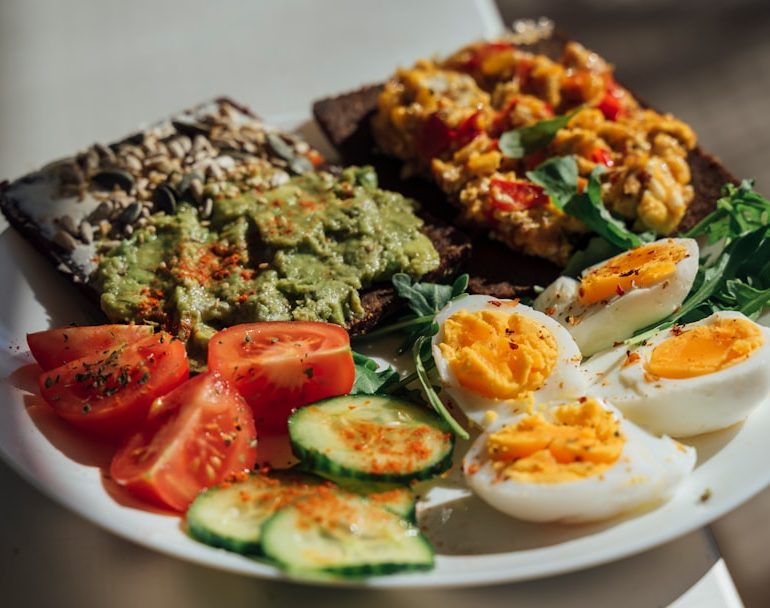
A balanced diet plan is one that includes a variety of whole, unprocessed foods from all food groups. This includes:
When creating a balanced diet plan, it’s essential to consider the following principles:
By following these principles, you’ll be able to create a balanced diet plan that provides your body with the nutrients it needs to function optimally.
Meal Planning and Prep
Meal planning and prep are essential components of any successful diet plan. By planning your meals in advance, you’ll be able to ensure that you’re getting the nutrients you need while avoiding unhealthy foods and portion sizes. Here are some tips for meal planning and prep:
By incorporating meal planning and prep into your diet plan, you’ll be able to save time, money, and stress while ensuring that you’re eating healthy, balanced meals.
Staying on Track and Overcoming Obstacles
Staying on track with your diet plan can be challenging, especially when faced with obstacles such as emotional eating, social pressures, and lack of motivation. Here are some tips for staying on track and overcoming obstacles:
By following these tips, you’ll be able to stay on track with your diet plan and overcome any obstacles that come your way.
Conclusion and Key Takeaways
Creating a personalized diet plan is a powerful way to transform your body and life. By understanding your dietary needs, creating a balanced diet plan, meal planning and prepping, and staying on track, you’ll be able to achieve your health and weight loss goals. Remember to stay flexible and make adjustments as needed, and don’t be afraid to seek support from a healthcare professional or registered dietitian. With the right mindset and tools, you can unlock the power of a personalized diet plan and start living the healthy, happy life you deserve.
Key takeaways:
By following these key takeaways and incorporating the principles outlined in this guide, you’ll be well on your way to creating a personalized diet plan that transforms your body and life. So why wait? Start your journey today and discover the power of a personalized diet plan for yourself.