Break Free from Stress: Effective Stress Management Tips for a Happier You

Are you tired of feeling like you’re drowning in a sea of stress and anxiety? Do you often find yourself wondering how to manage stress and regain control over your life? You’re not alone. Stress is an inevitable part of modern life, and it can have serious consequences on our physical and mental well-being if left unmanaged. The good news is that there are many effective stress management techniques that can help you reduce stress, boost your mood, and improve your overall quality of life. In this comprehensive guide, we’ll delve into the world of stress management and explore the best tips and strategies to help you break free from stress and live a happier, healthier life.

Understanding Stress: The Basics

Before we dive into the nitty-gritty of stress management, it’s essential to understand what stress is and how it affects our bodies. Stress is a natural response to a perceived threat or pressure, and it’s designed to help us respond to challenging situations. When we experience stress, our body’s “fight or flight” response is triggered, releasing stress hormones like cortisol and adrenaline into our system. These hormones prepare our body to either fight or flee from the perceived danger, causing a range of physical and emotional symptoms. Chronic stress, however, can have serious consequences, including anxiety, depression, digestive problems, and a weakened immune system. To manage stress effectively, it’s crucial to identify the sources of stress in your life and develop a personalized stress management plan.

Stress Management Techniques: Finding What Works for You

There are many stress management techniques out there, and what works for one person may not work for another. The key is to experiment with different techniques and find what works best for you. Here are some of the most effective stress management techniques:

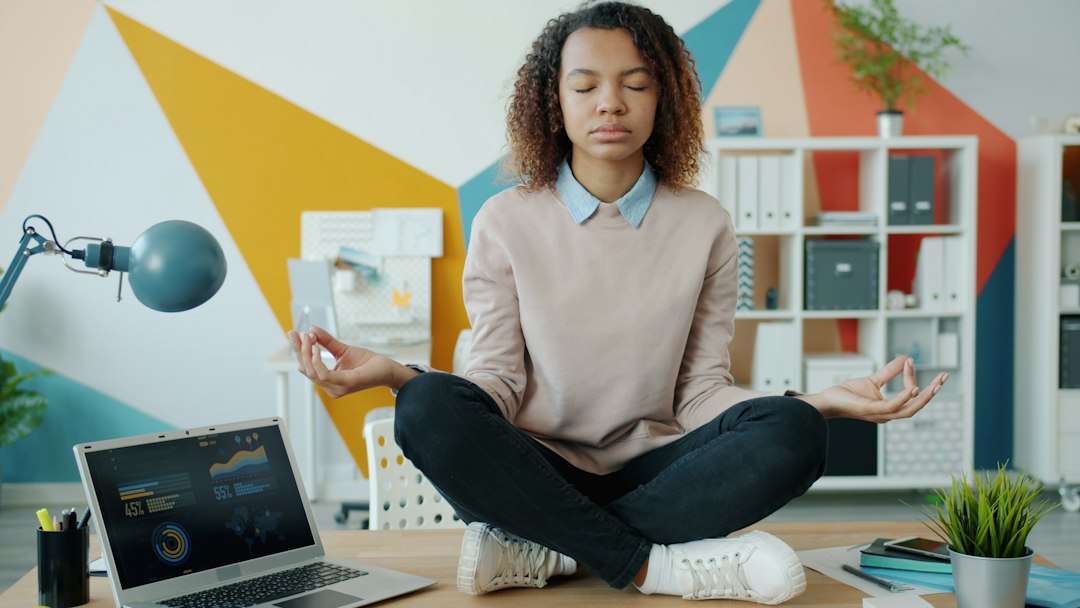
  • Mindfulness and meditation: Mindfulness and meditation are powerful tools for reducing stress and anxiety. By focusing on the present moment and letting go of worries about the past or future, you can calm your mind and reduce stress. You can start with simple mindfulness exercises like deep breathing, body scan, or guided meditation.
  • Exercise and physical activity: Regular exercise is a great way to reduce stress and improve your mood. Exercise releases endorphins, also known as “feel-good” hormones, which can help alleviate stress and anxiety. Find an physical activity that you enjoy, whether it’s walking, running, swimming, or dancing, and make it a regular part of your routine.
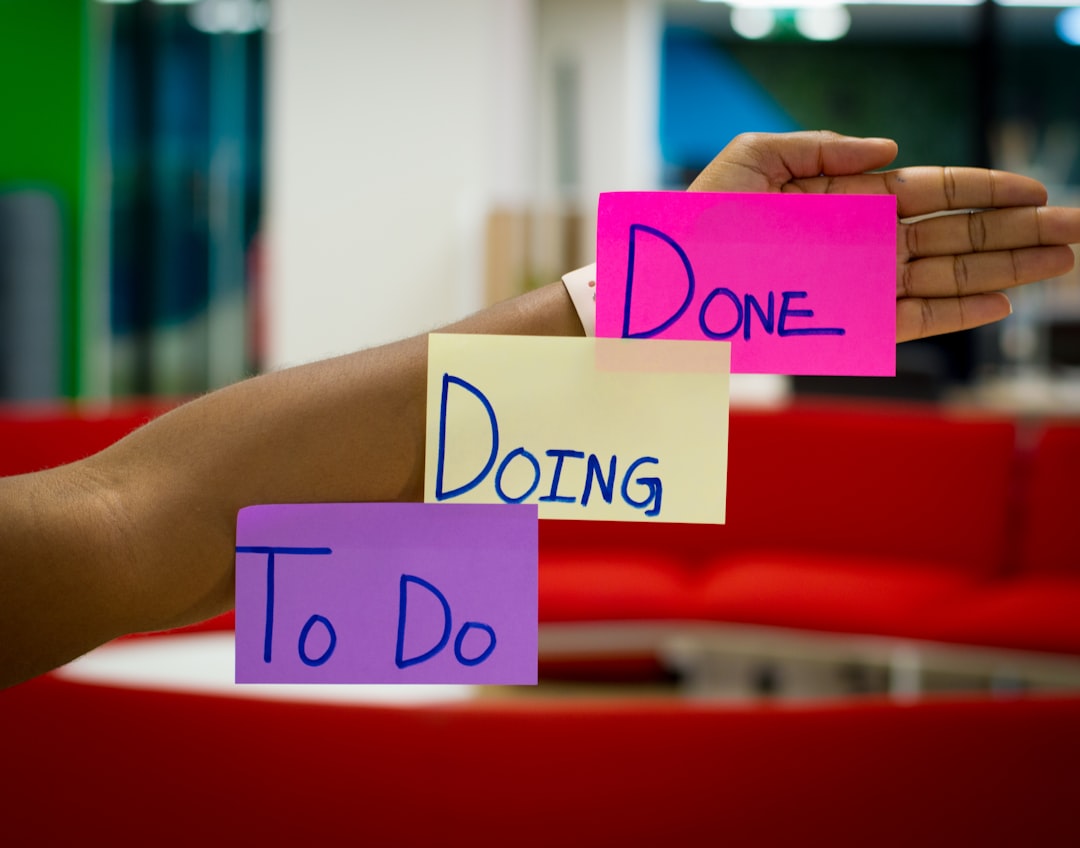
  • Time management and prioritization: Poor time management and lack of prioritization can be significant sources of stress. By learning to manage your time effectively and prioritize your tasks, you can reduce stress and feel more in control of your life. Use tools like to-do lists, calendars, and planners to stay organized and focused.
  • Social support and connection: Social support and connection are essential for stress management. Surround yourself with positive, supportive people who can help you cope with stress and anxiety. Don’t be afraid to reach out to friends, family, or a therapist when you need help.
  • Lifestyle Changes for Stress Reduction

    In addition to stress management techniques, making lifestyle changes can also help reduce stress and improve your overall well-being. Here are some lifestyle changes that can help:

  • Get enough sleep: Sleep is essential for stress management, and most adults need 7-9 hours of sleep per night. Establish a consistent sleep routine, avoid caffeine and electronics before bedtime, and create a relaxing sleep environment to improve the quality of your sleep.
  • Eat a healthy diet: A healthy diet rich in whole foods, fruits, vegetables, and omega-3 fatty acids can help reduce stress and anxiety. Avoid sugary and processed foods that can exacerbate stress and inflammation.
  • Take breaks and practice self-care: Taking regular breaks and practicing self-care is essential for stress management. Make time for activities that bring you joy and relaxation, whether it’s reading, listening to music, or taking a relaxing bath.
  • Limit technology use: Excessive technology use can be a significant source of stress, especially if you’re constantly connected to work or social media. Set boundaries around your technology use, and make time for digital detox and relaxation.
  • Overcoming Stress and Building Resilience

    Overcoming stress and building resilience requires a long-term commitment to stress management and self-care. Here are some tips to help you build resilience and overcome stress:

  • Practice gratitude and positive thinking: Focus on the positive aspects of your life, and practice gratitude by keeping a gratitude journal or sharing your gratitude with others.
  • Develop a growth mindset: View challenges as opportunities for growth and development, rather than threats to your well-being.
  • Learn to say no and set boundaries: Set healthy boundaries with others to protect your time and energy, and learn to say no to requests that drain your resources.
  • Seek professional help: If you’re struggling with chronic stress, anxiety, or depression, don’t hesitate to seek professional help. A therapist or counselor can provide you with personalized guidance and support to help you manage stress and improve your mental health.
  • In conclusion, stress management is a journey that requires patience, self-awareness, and a commitment to self-care. By understanding the sources of stress in your life, developing a personalized stress management plan, and making lifestyle changes to reduce stress, you can break free from stress and live a happier, healthier life. Remember, stress management is not a one-size-fits-all approach, and what works for one person may not work for another. Experiment with different techniques, find what works best for you, and don’t be afraid to seek help when you need it. With the right tools and support, you can overcome stress and build resilience, and live a life that’s filled with purpose, joy, and fulfillment.

    Key takeaways:

  • Identify the sources of stress in your life and develop a personalized stress management plan
  • Experiment with different stress management techniques, such as mindfulness, exercise, and time management
  • Make lifestyle changes to reduce stress, such as getting enough sleep, eating a healthy diet, and taking breaks
  • Practice gratitude, positive thinking, and self-care to build resilience and overcome stress
  • Seek professional help if you’re struggling with chronic stress, anxiety, or depression.

Mastering the Art of Stress Management: Proven Tips to Regain Control Over Your Life

Are you tired of feeling like stress is suffocating you? Do you often find yourself lying awake at night, overwhelmed by the weight of your daily responsibilities? You’re not alone. Stress has become an unwelcome companion for many of us, affecting our mental and physical well-being, relationships, and overall quality of life. The good news is that stress management is a skill that can be learned, and with the right techniques, you can break free from the grip of stress and regain control over your life. In this comprehensive guide, we’ll delve into the world of stress management, exploring the most effective tips and strategies to help you cope with stress and live a more balanced, fulfilling life.

Understanding Stress: The First Step to Managing It

Before we dive into the nitty-gritty of stress management, it’s essential to understand what stress is and how it affects our bodies. Stress is a natural response to a perceived threat or pressure, triggering the release of stress hormones like cortisol and adrenaline. While some stress can be beneficial, helping us stay focused and motivated, chronic stress can have devastating effects on our physical and mental health. Chronic stress has been linked to anxiety, depression, digestive problems, and even cardiovascular disease. To manage stress effectively, it’s crucial to identify your stress triggers and understand how stress affects you personally. Take some time to reflect on your stressors, whether it’s work-related pressure, financial worries, or personal relationships. By acknowledging the sources of your stress, you can begin to develop a personalized stress management plan.

Effective Stress Management Techniques

Fortunately, there are numerous stress management techniques that can help you alleviate stress and improve your overall well-being. Here are some of the most effective methods:

  • Mindfulness and Meditation: Mindfulness practices, such as meditation and deep breathing, can help calm your mind and reduce stress. Regular mindfulness practice has been shown to decrease cortisol levels, improve mood, and enhance cognitive function. You can start with guided meditation apps like Headspace or Calm, or try mindfulness exercises like body scan meditation or walking meditation.
  • Physical Activity: Exercise is a natural stress-reliever, releasing endorphins that boost your mood and reduce anxiety. Engage in physical activities that bring you joy, whether it’s walking, running, swimming, or dancing. Aim for at least 30 minutes of moderate-intensity exercise per day to experience the stress-reducing benefits.
  • Time Management: Poor time management can lead to increased stress levels, as you struggle to meet deadlines and juggle multiple tasks. Prioritize your tasks, set realistic goals, and use tools like calendars or to-do lists to stay organized. Learn to say “no” to non-essential commitments and take regular breaks to recharge.
  • Social Support: Surround yourself with positive, supportive people who can offer emotional support and help you cope with stress. Nurture your relationships with family and friends, and consider joining a social group or club to expand your social network.
  • Self-Care: Self-care is essential for stress management, as it helps you recharge and maintain a healthy work-life balance. Engage in activities that bring you joy, whether it’s reading, listening to music, or taking a relaxing bath. Make time for activities that promote relaxation and stress relief, such as yoga, tai chi, or massage therapy.
  • Nutrition and Lifestyle: The Role of Diet and Sleep in Stress Management

    A healthy diet and lifestyle play a crucial role in stress management, as they can either exacerbate or alleviate stress. Here are some tips to help you optimize your diet and lifestyle for stress management:

  • Eat a Balanced Diet: Focus on whole, nutrient-dense foods like fruits, vegetables, whole grains, lean proteins, and healthy fats. Avoid sugary, processed, and high-caffeine foods that can worsen stress and anxiety.
  • Stay Hydrated: Drink plenty of water throughout the day, aiming for at least eight glasses per day. Dehydration can exacerbate stress and anxiety, so make sure to prioritize hydration.
  • Get Enough Sleep: Aim for 7-9 hours of sleep per night, as sleep deprivation can significantly increase stress levels. Establish a consistent sleep routine, create a relaxing sleep environment, and avoid screens before bedtime to improve sleep quality.
  • Limit Caffeine and Alcohol: While moderate amounts of caffeine and alcohol may seem like a quick fix for stress, they can ultimately worsen stress and anxiety. Limit your intake of these substances, and avoid using them as a coping mechanism.
  • Putting it All Together: Creating a Personalized Stress Management Plan

    Now that you’ve learned about the most effective stress management techniques, it’s time to create a personalized plan that works for you. Here are some steps to help you get started:

  • Identify Your Stress Triggers: Reflect on your stressors and identify the situations, people, or events that trigger stress for you.
  • Choose Your Stress Management Techniques: Select the techniques that resonate with you the most, whether it’s mindfulness, exercise, or social support.
  • Create a Schedule: Plan out your day, week, or month, incorporating your stress management techniques and self-care activities.
  • Track Your Progress: Keep a stress journal or use a mobile app to track your stress levels, identifying what works and what doesn’t.
  • Seek Professional Help: If you’re struggling to manage stress on your own, consider seeking help from a mental health professional. They can provide you with personalized guidance, support, and therapy to help you overcome stress and anxiety.
  • In conclusion, stress management is a journey that requires patience, self-awareness, and a willingness to try new techniques. By understanding the sources of your stress, incorporating effective stress management techniques, and optimizing your diet and lifestyle, you can break free from the grip of stress and regain control over your life. Remember, stress management is not a one-size-fits-all solution; it’s essential to experiment with different techniques and find what works best for you. With the right tools and mindset, you can master the art of stress management and live a more balanced, fulfilling life. Key takeaways:

  • Identify your stress triggers and understand how stress affects you personally
  • Incorporate effective stress management techniques, such as mindfulness, exercise, and social support
  • Optimize your diet and lifestyle by eating a balanced diet, staying hydrated, and getting enough sleep
  • Create a personalized stress management plan that works for you
  • Seek professional help if you’re struggling to manage stress on your own

By following these tips and being committed to your stress management journey, you can overcome stress and anxiety, and live a happier, healthier life.

Breaking Free from the Grip of Stress: Expert-Backed Management Tips for a Happier You

Are you tired of feeling like stress is suffocating you, making it hard to breathe, think, and live your best life? You’re not alone. Stress has become an unwelcome companion for many of us, affecting not just our mental health but also our physical well-being and relationships. The good news is that there are effective ways to manage stress, and it’s time to take back control. In this comprehensive guide, we’ll delve into the world of stress management, exploring expert-backed tips and techniques to help you break free from the grip of stress and start living a happier, healthier life.

Understanding Stress: The Enemy Within

Before we dive into the nitty-gritty of stress management, it’s essential to understand what stress is and how it affects our bodies. Stress is a natural response to a perceived threat, triggering the release of hormones like cortisol and adrenaline. These hormones prepare our bodies for the “fight or flight” response, increasing heart rate, blood pressure, and energy levels. While stress can be beneficial in small doses, chronic stress can lead to anxiety, depression, digestive issues, and a weakened immune system. To manage stress effectively, it’s crucial to identify your stress triggers, whether it’s work-related pressure, financial worries, or personal relationships. Keeping a stress journal can help you pinpoint patterns and develop a personalized stress management plan.

Mindfulness and Relaxation Techniques: The Power of Calm

Mindfulness and relaxation techniques are potent tools in the fight against stress. These practices help calm the mind, slow down your heart rate, and reduce cortisol levels. Some of the most effective techniques include:

  • Meditation: Regular meditation practice can reduce stress and anxiety by teaching you to focus on the present moment. You can start with guided meditation apps like Headspace or Calm, gradually moving to independent practice.
  • Deep Breathing Exercises: Deep, slow breaths can help calm your nervous system, reducing stress and anxiety. Try the 4-7-8 technique, also known as the “relaxation breath.”
  • Yoga: This ancient practice combines physical movement with deep breathing and meditation, promoting relaxation and reducing stress. You can find yoga classes online or join a local studio.
  • Progressive Muscle Relaxation: This technique involves tensing and relaxing different muscle groups, helping you release physical tension and promote relaxation.
  • Physical Activity and Stress Relief: Get Moving, Feel Better

    Regular physical activity is a natural stress-reliever, releasing endorphins that improve your mood and reduce anxiety. Exercise doesn’t have to be intense or time-consuming; even a short walk or some light stretching can make a significant difference. Some of the best stress-reducing activities include:

  • Walking: A 30-minute walk can clear your mind, boost your mood, and reduce stress. Try incorporating walking into your daily routine, whether it’s during your lunch break or after dinner.
  • Running: Running can be a great way to release tension and improve your mood. Start with short distances and gradually increase your running time as you build endurance.
  • Swimming: Swimming is a low-impact exercise that can help reduce stress and anxiety. The repetitive motion of swimming can be meditative, promoting relaxation and calm.
  • Dance-Based Workouts: Dance-based workouts like Zumba or Hip Hop Abs can be a fun way to reduce stress and improve your mood. These workouts combine physical activity with music and social interaction, making them a great way to unwind.
  • Nutrition and Stress Management: Eat Your Way to Calm

    What you eat can significantly impact your stress levels. A balanced diet rich in whole foods, fruits, and vegetables can help regulate your mood and reduce anxiety. Some of the best stress-reducing foods include:

  • Leafy Greens: Leafy greens like spinach, kale, and collard greens are rich in folate, which helps regulate mood and reduce stress.
  • Berries: Berries like blueberries, strawberries, and raspberries are rich in antioxidants and vitamins, promoting relaxation and reducing inflammation.
  • Fatty Fish: Fatty fish like salmon, tuna, and sardines are rich in omega-3 fatty acids, which can help reduce anxiety and promote brain health.
  • Dark Chocolate: Dark chocolate contains flavonoids, which can help reduce stress and improve mood. Look for dark chocolate with at least 70% cocoa content.
  • Conclusion: Taking Back Control of Your Stress

    Stress management is a journey, not a destination. It takes time, effort, and patience to develop effective coping strategies and make lasting changes. By incorporating mindfulness, physical activity, and healthy nutrition into your daily routine, you can reduce stress and anxiety, improving your overall well-being. Remember, it’s essential to be kind to yourself and acknowledge that it’s okay to not be okay. Don’t be afraid to seek help when you need it, whether it’s from a mental health professional or a supportive friend or family member. By taking back control of your stress, you can break free from its grip and start living a happier, healthier life. Key takeaways include:

  • Identify your stress triggers and develop a personalized stress management plan
  • Incorporate mindfulness and relaxation techniques into your daily routine
  • Engage in regular physical activity to reduce stress and improve mood
  • Eat a balanced diet rich in whole foods, fruits, and vegetables
  • Be kind to yourself and seek help when you need it

By following these expert-backed tips and techniques, you can manage stress effectively, promoting a happier, healthier you.

Finding Calm in the Storm: Effective Stress Management Tips for a Healthier You

Are you tired of feeling like you’re drowning in a sea of stress and anxiety? Do you often find yourself wondering how to manage the overwhelming demands of modern life? You’re not alone. Stress has become an unwelcome companion for many of us, affecting not only our mental well-being but also our physical health and relationships. The good news is that there are many effective stress management techniques that can help you find calm in the storm and live a healthier, happier life. In this comprehensive guide, we’ll explore the best stress management tips, from mindfulness and meditation to exercise and time management, to help you take control of your stress and start living the life you deserve.

Understanding Stress and Its Impact on Our Lives

Before we dive into the stress management tips, it’s essential to understand what stress is and how it affects our bodies and minds. Stress is a natural response to a perceived threat or pressure, triggering the release of stress hormones like cortisol and adrenaline. While some stress can be beneficial, helping us stay focused and motivated, chronic stress can have severe consequences on our physical and mental health. It can lead to anxiety, depression, insomnia, digestive problems, and a weakened immune system, among other issues. Chronic stress can also affect our relationships, productivity, and overall quality of life. By acknowledging the impact of stress on our lives, we can begin to take steps towards managing it effectively.

Stress management is not a one-size-fits-all solution. What works for one person may not work for another. That’s why it’s crucial to experiment with different techniques to find what works best for you. Whether you’re dealing with work-related stress, financial stress, or personal stress, there are many stress management strategies that can help you cope. From stress-reducing activities like yoga and tai chi to stress-management apps and online resources, there are countless tools available to support you on your journey to a stress-free life.

Mindfulness and Meditation: The Power of Presence

Mindfulness and meditation are two of the most effective stress management techniques available. By cultivating mindfulness, you can learn to stay present in the moment, letting go of worries about the past or future. Meditation, in particular, has been shown to reduce stress and anxiety by activating the parasympathetic nervous system, which promotes relaxation and calmness. Regular meditation practice can also improve sleep quality, boost mood, and enhance cognitive function. If you’re new to meditation, start with short sessions, just 5-10 minutes a day, and gradually increase the duration as you become more comfortable with the practice.

In addition to meditation, mindfulness can be practiced in daily activities like eating, walking, or even doing the dishes. By focusing on the sensations, sights, and sounds around you, you can bring mindfulness into every aspect of your life. Mindfulness apps like Headspace and Calm offer guided meditations and mindfulness exercises to help you get started. You can also try mindfulness-based stress reduction (MBSR) programs, which combine mindfulness techniques with education on stress management and relaxation.

Exercise and Physical Activity: Moving Your Way to Stress Relief

Exercise is a natural stress-reliever that can help reduce anxiety and improve mood. Physical activity stimulates the release of endorphins, also known as “feel-good” hormones, which can help alleviate stress and promote relaxation. Regular exercise can also improve sleep quality, boost self-esteem, and enhance cognitive function. You don’t need to be a fitness enthusiast to reap the benefits of exercise. Simple activities like walking, jogging, or yoga can be just as effective as more intense workouts.

In addition to reducing stress, exercise can also provide a healthy distraction from daily worries and concerns. By focusing on your body and the physical sensations of movement, you can shift your attention away from stressful thoughts and emotions. Group fitness classes or workout buddies can also provide social support and accountability, making it more enjoyable and helping you stay motivated. If you’re struggling to find time for exercise, try incorporating physical activity into your daily routine, such as taking the stairs instead of the elevator or doing a few jumping jacks during commercial breaks while watching TV.

Time Management and Productivity: Taking Control of Your Schedule

Poor time management can be a significant contributor to stress, leading to feelings of overwhelm and burnout. By taking control of your schedule and prioritizing tasks, you can reduce stress and increase productivity. Start by setting clear goals and breaking them down into manageable tasks. Use a planner, calendar, or app to stay organized and on track. Learn to say “no” to non-essential commitments and delegate tasks when possible.

Effective time management also involves setting realistic expectations and avoiding perfectionism. Remember that it’s okay to make mistakes and that you can’t do everything at once. Take regular breaks to rest and recharge, and prioritize self-care activities like meditation, reading, or spending time with loved ones. By managing your time effectively, you can create space for relaxation, creativity, and enjoyment, leading to a more balanced and fulfilling life.

Conclusion: Key Takeaways for Stress Management

Stress management is a journey, not a destination. It takes time, patience, and practice to develop effective coping strategies and make lasting changes. By incorporating mindfulness, meditation, exercise, and time management into your daily routine, you can reduce stress and improve your overall well-being. Remember to be gentle with yourself, and don’t be afraid to seek support from friends, family, or mental health professionals when needed.

In conclusion, the key takeaways for stress management are:

  • Practice mindfulness and meditation to cultivate presence and reduce stress
  • Engage in regular exercise to release endorphins and improve mood
  • Prioritize time management and productivity to reduce feelings of overwhelm
  • Set realistic expectations and avoid perfectionism
  • Make self-care a priority, including activities that bring you joy and relaxation

By following these stress management tips and making them a part of your daily routine, you can find calm in the storm and live a healthier, happier life. Remember, stress management is a journey, and it’s okay to take it one step at a time. Start with small changes, be patient with yourself, and celebrate your successes along the way. With time and practice, you can develop the skills and strategies needed to manage stress and live a more balanced, fulfilling life.

Finding Calm in Chaos: Effective Stress Management Tips for a Healthier You

Are you tired of feeling like you’re drowning in a sea of stress and anxiety? Do you struggle to stay afloat in a world that seems to be constantly demanding more from you? You’re not alone. Stress has become an unfortunate companion for many of us, affecting our mental and physical health, relationships, and overall well-being. But here’s the good news: you have the power to take control of your stress levels and find peace in the midst of chaos. In this comprehensive guide, we’ll explore the best stress management tips to help you achieve a healthier, happier you.

Understanding Stress: The Silent Killer

Before we dive into the tips, it’s essential to understand what stress is and how it affects our bodies. Stress is a natural response to a perceived threat or pressure, triggering the release of hormones like cortisol and adrenaline. While some stress can be beneficial, chronic stress can lead to a range of problems, including anxiety, depression, digestive issues, and a weakened immune system. It’s crucial to recognize the signs of stress, such as headaches, fatigue, and mood swings, and take proactive steps to manage it.

Stress management is not a one-size-fits-all approach; what works for someone else might not work for you. However, there are some evidence-based techniques that can help you reduce stress and improve your overall well-being. These include mindfulness meditation, yoga, and deep breathing exercises, which can help calm your mind and body. Regular exercise, such as walking or jogging, can also help reduce stress and anxiety by releasing endorphins, also known as “feel-good” hormones.

Effective Stress Management Techniques

Now that we’ve covered the basics, let’s explore some effective stress management techniques that you can start using today. These include:

  • Time management: Poor time management can lead to increased stress levels, as you may feel overwhelmed by your workload or responsibilities. Prioritize your tasks, set realistic goals, and take regular breaks to help you stay focused and productive.
  • Grounding techniques: Grounding techniques, such as focusing on your five senses, can help you stay present and centered in the midst of chaos. Try paying attention to the sensation of your feet on the ground, the sounds around you, or the sensation of the air on your skin.
  • Journaling: Writing down your thoughts and feelings can be a powerful way to process and release stress. Try keeping a stress journal to identify patterns and triggers, and to reflect on your experiences.
  • Social support: Building a strong support network of friends, family, and colleagues can help you feel less isolated and more supported. Don’t be afraid to reach out for help when you need it, and make time for activities that bring you joy and connection.
  • In addition to these techniques, there are many stress-reducing activities that you can incorporate into your daily routine. These include reading, listening to music, or taking a relaxing bath. You can also try aromatherapy, which involves inhaling essential oils like lavender or chamomile to promote relaxation and calmness.

    Nutrition and Lifestyle: The Foundations of Stress Resilience

    What you eat and how you live can have a significant impact on your stress levels. A healthy diet rich in whole foods, fruits, and vegetables can provide your body with the nutrients it needs to cope with stress. Some stress-reducing foods include:

  • Leafy greens: Leafy greens like spinach and kale are rich in magnesium, a mineral that can help regulate stress hormones.
  • Berries: Berries like blueberries and strawberries are high in antioxidants, which can help reduce inflammation and promote relaxation.
  • Fatty fish: Fatty fish like salmon and tuna are rich in omega-3 fatty acids, which can help reduce stress and anxiety.
  • In addition to a healthy diet, regular exercise and sufficient sleep are essential for stress resilience. Aim for at least 7-8 hours of sleep per night and engage in physical activity that brings you joy, such as walking, dancing, or yoga. It’s also important to limit your exposure to screens and electronic devices before bedtime, as the blue light they emit can interfere with your sleep.

    Mindfulness and Self-Care: The Keys to Long-Term Stress Management

    Mindfulness and self-care are essential for long-term stress management. Mindfulness involves paying attention to the present moment, without judgment or distraction. You can practice mindfulness through meditation, deep breathing, or simply paying attention to your thoughts and feelings. Self-care, on the other hand, involves taking care of your physical, emotional, and mental needs. This can include activities like getting a massage, reading a book, or taking a relaxing bath.

    Some other mindfulness and self-care practices that can help reduce stress include:

  • Yoga: Yoga combines physical movement with deep breathing and meditation to promote relaxation and reduce stress.
  • Tai chi: Tai chi is a slow, flowing exercise that can help reduce stress and improve balance and flexibility.
  • Mindful walking: Mindful walking involves paying attention to your breath and the sensation of your feet on the ground as you walk.
  • In conclusion, stress management is a journey, not a destination. It takes time, effort, and patience to develop healthy habits and techniques that can help you reduce stress and improve your overall well-being. By incorporating the tips and techniques outlined in this guide, you can take the first steps towards a healthier, happier you. Remember to be kind to yourself, prioritize self-care, and seek support when you need it. With time and practice, you can find calm in chaos and live a more balanced, fulfilling life.

    Key takeaways:

  • Stress management is essential for overall health and well-being
  • Effective techniques include mindfulness, grounding, journaling, and social support
  • Nutrition and lifestyle play a significant role in stress resilience
  • Mindfulness and self-care are essential for long-term stress management
  • Remember to be patient, kind, and compassionate with yourself as you journey towards a healthier, happier you.

Finding Calm in Chaos: Effective Stress Management Tips for a Healthier You

Are you tired of feeling overwhelmed, anxious, and stressed out? Do you struggle to cope with the demands of modern life, from work and relationships to social media and financial pressures? You’re not alone. Stress has become an unwelcome companion for many of us, affecting not only our mental well-being but also our physical health. The good news is that there are many effective stress management techniques that can help you find calm in chaos and improve your overall quality of life. In this comprehensive guide, we’ll explore the best stress management tips, from mindfulness and meditation to exercise and time management, to help you take control of your stress and live a healthier, happier life.

Understanding Stress and Its Impact on Our Lives

Before we dive into the stress management tips, it’s essential to understand what stress is and how it affects our bodies and minds. Stress is a natural response to a perceived threat or pressure, triggering the release of stress hormones like cortisol and adrenaline. While some stress can be beneficial, motivating us to take action and meet deadlines, chronic stress can have severe consequences, including anxiety, depression, insomnia, and a weakened immune system. Chronic stress can also affect our relationships, work performance, and overall well-being, making it crucial to develop effective stress management strategies.

To manage stress effectively, it’s vital to identify the sources of stress in your life. Is it your job, financial worries, or relationship issues? Once you’ve pinpointed the causes of your stress, you can start working on solutions. This may involve setting boundaries at work, seeking financial advice, or communicating more effectively with your loved ones. By addressing the root causes of your stress, you can reduce your stress levels and improve your mental and physical health.

Mindfulness and Meditation: Powerful Stress-Reducing Tools

Mindfulness and meditation are two of the most effective stress management techniques, offering a range of benefits for both body and mind. Mindfulness involves being present in the moment, paying attention to your thoughts, feelings, and sensations without judgment. Meditation, on the other hand, involves focusing your mind on a specific object, thought, or activity to achieve a mentally clear and emotionally calm state. Regular mindfulness and meditation practice can help reduce stress and anxiety, improve sleep, boost mood, and enhance cognitive function.

So, how can you incorporate mindfulness and meditation into your daily routine? Start by setting aside a few minutes each day to practice mindfulness meditation, focusing on your breath, body, or a mantra. You can use guided meditation apps like Headspace or Calm to get started. As you become more comfortable with meditation, you can gradually increase the duration and frequency of your practice. Remember, the key to mindfulness and meditation is consistency and patience, so be gentle with yourself and enjoy the journey.

Exercise and Physical Activity: Natural Stress-Relievers

Exercise and physical activity are excellent stress-relievers, offering a range of benefits for both body and mind. Regular exercise can help reduce stress and anxiety, improve mood, boost energy levels, and enhance sleep quality. Exercise can also provide a healthy distraction from stressful thoughts and emotions, giving you a much-needed break from the pressures of daily life.

So, what types of exercise are best for stress relief? The good news is that any physical activity can help reduce stress, from brisk walking and jogging to yoga and swimming. The key is to find an exercise that you enjoy and that fits your lifestyle, whether it’s a morning run, a lunchtime workout, or an evening yoga class. Aim to exercise for at least 30 minutes a day, three to four times a week, and combine aerobic exercise with strength training and flexibility exercises for optimal benefits.

Time Management and Productivity: Essential Stress-Reducing Strategies

Poor time management and low productivity can be significant sources of stress, leaving you feeling overwhelmed, anxious, and frustrated. Effective time management and productivity strategies can help you prioritize tasks, manage your workload, and achieve a better work-life balance. By learning to prioritize, delegate, and manage your time more efficiently, you can reduce stress, increase productivity, and enjoy more free time.

So, how can you improve your time management and productivity? Start by setting clear goals and priorities, breaking down large tasks into smaller, manageable chunks. Use tools like to-do lists, calendars, and project management software to stay organized and focused. Learn to say “no” to non-essential tasks and delegate responsibilities when possible. Finally, take regular breaks to recharge and avoid burnout, and establish a consistent sleep schedule to ensure you’re well-rested and ready to tackle the challenges of the day.

Conclusion and Key Takeaways

Stress management is a journey, not a destination, requiring patience, self-awareness, and a willingness to try new techniques and strategies. By incorporating mindfulness, meditation, exercise, and time management into your daily routine, you can reduce stress, improve your mental and physical health, and enhance your overall quality of life. Remember, stress is a natural part of life, but it doesn’t have to control your life. By taking control of your stress, you can achieve a healthier, happier, and more balanced life.

Key takeaways:

  • Identify the sources of stress in your life and address them directly
  • Incorporate mindfulness and meditation into your daily routine
  • Exercise regularly to reduce stress and improve mood
  • Develop effective time management and productivity strategies
  • Prioritize self-care and take regular breaks to recharge
  • Seek support from friends, family, or a mental health professional when needed

By following these stress management tips and making them a part of your daily routine, you can find calm in chaos and live a healthier, happier life. Remember, stress management is a journey, and it’s okay to take it one step at a time. Start today, and discover a more balanced, more resilient, and more joyful you.