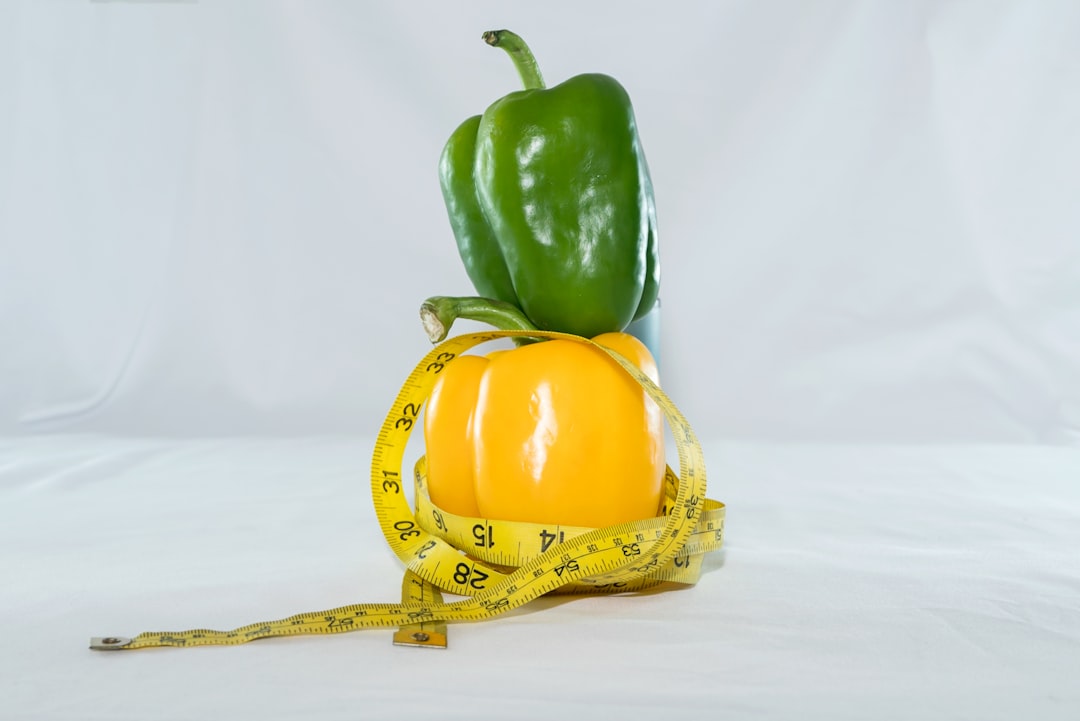
Are you tired of feeling sluggish, tired, and unmotivated? Do you struggle with digestive issues, skin problems, or low energy levels? If so, it’s time to consider a diet plan that’s tailored to your unique needs and goals. A well-crafted diet plan can be a game-changer for your overall health and wellbeing, helping you to lose weight, boost your energy, and even improve your mental clarity. In this comprehensive guide, we’ll delve into the world of diet planning, exploring the benefits, types, and essential components of a successful diet plan.
Understanding the Importance of a Diet Plan
A diet plan is not just about cutting calories or following a restrictive regimen; it’s about nourishing your body with the right foods, in the right amounts, to achieve optimal health. A personalized diet plan takes into account your lifestyle, dietary preferences, and health goals, providing a roadmap for sustainable weight loss, improved digestion, and enhanced overall wellbeing. By adopting a diet plan that’s tailored to your needs, you can expect to experience a range of benefits, including:
- Improved weight management
- Increased energy levels
- Enhanced mental clarity and focus
- Better digestion and reduced symptoms of irritable bowel syndrome (IBS)
- Healthier skin, hair, and nails
- Reduced inflammation and improved immune function
- Low-Carb Diet: This diet plan involves reducing your intake of carbohydrates, such as sugar, bread, and pasta, and increasing your consumption of protein and healthy fats. Low-carb diets can be effective for weight loss and improving blood sugar control, but may be challenging to follow long-term.
- Ketogenic Diet: The ketogenic diet is a high-fat, low-carbohydrate diet that aims to put your body into a state of ketosis, where it burns fat for energy instead of carbohydrates. This diet plan can be beneficial for weight loss, improved mental clarity, and reduced inflammation, but may require careful planning and monitoring.
- Vegan Diet: A vegan diet plan involves avoiding all animal products, including meat, dairy, and eggs, and focusing on plant-based foods such as fruits, vegetables, whole grains, and legumes. Vegan diets can be rich in fiber, vitamins, and minerals, but may require careful planning to ensure adequate protein and vitamin B12 intake.
- Intermittent Fasting: Intermittent fasting involves alternating periods of eating and fasting to promote weight loss, improved insulin sensitivity, and increased human growth hormone (HGH) production. This diet plan can be flexible and easy to follow, but may not be suitable for everyone, particularly those with a history of eating disorders.
- Macronutrient Balance: A balanced diet plan should provide the right amounts of protein, carbohydrates, and healthy fats to support optimal health and wellbeing.
- Hydration: Adequate hydration is essential for digestion, energy production, and overall health. Aim to drink at least eight glasses of water per day.
- Meal Frequency and Timing: Eating regular, balanced meals can help regulate your appetite, support weight loss, and improve blood sugar control.
- Portion Control: Practicing portion control can help you maintain a healthy weight, reduce food waste, and save money on groceries.
- Mindful Eating: Mindful eating involves paying attention to your hunger and fullness cues, eating slowly, and savoring your food. This can help you develop a healthier relationship with food and reduce stress and anxiety.
- Keep a Food Diary: Keeping a food diary can help you track your eating habits, identify patterns and triggers, and make informed decisions about your diet plan.
- Consult with a Healthcare Professional: Consulting with a healthcare professional or registered dietitian can provide valuable guidance and support as you create your diet plan.
- Start Small: Start with small, achievable changes, such as increasing your intake of fruits and vegetables or reducing your consumption of sugary drinks.
- Be Flexible: Be flexible and open to adjusting your diet plan as needed. Life is unpredictable, and it’s essential to be able to adapt to changing circumstances.
- A diet plan is a tailored approach to nutrition that supports optimal health and wellbeing
- There are many types of diet plans, each with their unique benefits and drawbacks
- Essential components of a successful diet plan include macronutrient balance, hydration, meal frequency and timing, portion control, and mindful eating
- Creating a personalized diet plan requires careful consideration of individual needs and goals
- Staying flexible, being patient, and celebrating successes are essential for long-term success.
When it comes to creating a diet plan, it’s essential to consider your individual needs and goals. For example, if you’re an athlete or engage in regular physical activity, you’ll require a diet plan that’s high in protein and complex carbohydrates to support muscle growth and recovery. On the other hand, if you’re trying to manage a health condition such as diabetes or high blood pressure, your diet plan will need to be tailored to your specific nutritional requirements.
Types of Diet Plans: Finding the Right Approach for You
With so many diet plans available, it can be overwhelming to choose the right one. Here are some popular types of diet plans, each with their unique benefits and drawbacks:
When choosing a diet plan, it’s essential to consider your lifestyle, preferences, and health goals. You may also want to consult with a healthcare professional or registered dietitian to determine the best approach for your individual needs.
Essential Components of a Successful Diet Plan
A successful diet plan should include several key components, including:
In addition to these essential components, a successful diet plan should also take into account your individual nutritional needs, such as your daily requirements for vitamins, minerals, and fiber. You may also want to consider incorporating healthy habits, such as regular physical activity, stress management, and adequate sleep, to support overall health and wellbeing.
Putting it All Together: Creating a Personalized Diet Plan
Creating a personalized diet plan requires careful consideration of your individual needs and goals. Here are some tips to help you get started:
By following these tips and incorporating the essential components of a successful diet plan, you can create a personalized diet plan that supports your unique needs and goals. Remember, a diet plan is not a one-size-fits-all solution; it’s a tailored approach to nourishing your body and achieving optimal health and wellbeing.
In conclusion, a diet plan is a powerful tool for transforming your body and mind. By understanding the importance of a diet plan, exploring the different types of diet plans, and incorporating the essential components of a successful diet plan, you can create a personalized approach to nutrition that supports your unique needs and goals. Remember to stay flexible, be patient, and celebrate your successes along the way. With the right diet plan, you can unlock the power of optimal health and wellbeing, and achieve a happier, healthier you. Key takeaways include: