—
Introduction – Why Health Care Matters More Than Ever
Imagine waking up tomorrow with a health check‑up that’s completely personalized, a prescription delivered instantly to your phone, and a doctor you can see through a video call while sipping coffee at home. It sounds like science‑fiction, yet it’s quickly becoming the new normal.
The health care landscape is undergoing a seismic shift—driven by rapid advances in medical technology, the rise of telemedicine, and an increasing focus on preventive care. For patients, providers, and policymakers alike, understanding these changes isn’t just academic; it’s essential for making informed decisions that affect our daily lives, our wallets, and our long‑term wellbeing.
In this comprehensive guide, we’ll unpack the most critical trends shaping health care today, break down actionable steps you can take to improve your own health journey, and explore how you can navigate the complex web of health insurance, patient portals, and digital health tools with confidence. Whether you’re a busy professional, a caregiver, or simply someone who wants to stay ahead of the curve, this post equips you with the knowledge and practical tips you need to thrive in today’s health‑focused world.
—
1. The Foundations of a Modern Health Care System
1.1 Understanding the Health Care Ecosystem
A modern health care system is more than hospitals and doctors—it’s an interconnected network that includes:
| Component | Role in the System | Example |
|———–|——————-|———|
| Primary Care Providers (PCPs) | First point of contact; coordinate overall health | Family physicians, nurse practitioners |
| Specialists | Diagnose and treat specific conditions | Cardiologists, dermatologists |
| Hospitals & Clinics | Offer acute and chronic care services | Community hospitals, urgent‑care centers |
| Health Insurance | Pays for services, manages risk | Private plans, Medicare, Medicaid |
| Pharmacies & Pharmaco‑logistics | Dispense medication, provide counseling | Retail chains, mail‑order pharmacies |
| Digital Health Platforms | Enable remote monitoring, virtual visits | Telemedicine apps, patient portals |
| Public Health Agencies | Track disease trends, promote population health | CDC, WHO, state health departments |
Understanding how these pieces fit together helps you navigate the system more efficiently, avoid unnecessary costs, and get the right care at the right time.
1.2 Key Health Care Terminology You Should Know
- Patient-Centered Care: An approach that respects patients’ preferences, needs, and values.
- Value‑Based Care: Reimbursement model that rewards outcomes rather than volume of services.
- Electronic Health Record (EHR): Digital version of a patient’s chart, accessible across providers.
- Health Savings Account (HSA): Tax‑advantaged account for qualified medical expenses.
- Telehealth/Telemedicine: Remote clinical services delivered via video, phone, or messaging.
- Move More, Sit Less: Aim for at least 150 minutes of moderate aerobic activity weekly. Use a smartwatch or phone app to track steps; 10,000 steps a day is a popular benchmark.
- Eat the Rainbow: Incorporate at least five different colored fruits and vegetables daily to maximize micronutrient intake.
- Sleep Smarter: Target 7–9 hours of quality sleep. A dark, cool bedroom and a consistent bedtime routine can improve sleep architecture.
- Stress Management: Practice mindfulness, deep‑breathing, or yoga for 10 minutes a day. Chronic stress is linked to hypertension and immune dysfunction.
- Convenience: No commute, reduced waiting room time.
- Access: Reaches rural patients and those with mobility challenges.
- Cost‑Effectiveness: Lower copays (often $10‑$30) compared with in‑person visits.
- Continuity: Easy follow‑up through secure messaging and remote monitoring.
- Alert you to irregular heart rhythms (AFib detection).
- Prompt early intervention for sleep apnea.
- Provide real‑time glucose trends for diabetic patients (via continuous glucose monitors).
- Premium: Monthly amount you pay to keep the policy active.
- Deductible: Amount you pay out‑of‑pocket before insurance kicks in.
- Copayment (Copay): Fixed fee per service (e.g., $20 for a primary‑care visit).
- Coinsurance: Percentage of costs you pay after the deductible is met (e.g., 20 %).
- Out‑of‑Pocket Maximum: The cap on your total annual spending; after reaching it, the insurer pays 100 % of covered services.
- Radiology AI that flags suspicious lesions on X‑rays with >95 % accuracy.
- Predictive analytics that identify patients at high risk of readmission, enabling proactive outreach.
Familiarity with these terms empowers you to ask the right questions, read your insurance statements, and make smarter health decisions.
1.3 Actionable Steps: Building Your Personal Health Care Blueprint
1. Identify Your Primary Care Provider – If you don’t already have a PCP, schedule an introductory visit. A strong relationship with a PCP is the cornerstone of coordinated care.
2. Create a Centralized Health Record – Use patient portals (e.g., MyChart, HealtheLife) to download lab results, immunization records, and medication lists. Store them in a secure cloud folder for easy access.
3. Review Your Insurance Benefits – Log into your insurer’s website, locate the “Summary of Benefits” page, and note copays, deductibles, and out‑of‑network rules. Knowing these details prevents surprise bills.
4. Set Preventive Care Goals – Mark annual screenings (blood pressure, cholesterol, mammograms) on your calendar. A reminder system (phone alerts, Google Calendar) can keep you on track.
—
2. Preventive Care – The Best Investment in Your Health
2.1 Why Prevention Beats Treatment
According to the Centers for Disease Control and Prevention (CDC), preventive services can reduce the risk of chronic disease by up to 80 % and save the U.S. health care system billions each year. Early detection not only improves outcomes but also lowers the total cost of care—a win‑win for patients and insurers alike.
2.2 Core Preventive Services You Can’t Afford to Miss
| Service | Recommended Frequency | Who Should Get It |
|———|———————–|——————-|
| Blood Pressure Screening | Every 1–2 years (or more often if elevated) | Adults 18+ |
| Cholesterol Check | Every 4–6 years (earlier if risk factors) | Adults 20+ |
| Colorectal Cancer Screening | Every 10 years (colonoscopy) or yearly (stool test) | Adults 45–75 |
| Vaccinations | Varies by vaccine | All ages (flu, COVID‑19, HPV, shingles) |
| Diabetes Screening | Every 3 years (or sooner if overweight) | Adults 35+ or high‑risk |
If you’re unsure which services apply to you, ask your PCP to conduct a “preventive care audit” during your next visit.
2.3 Lifestyle Hacks That Reinforce Prevention
2.4 Actionable Checklist: Your Preventive Care Playbook
| ✅ | Action | Deadline |
|—-|——–|———-|
| ☐ | Schedule an annual physical with your PCP | Within the next 3 months |
| ☐ | Book a colonoscopy or stool‑DNA test (if 45+) | By year‑end |
| ☐ | Update immunizations (flu, COVID‑19 booster) | Before the next flu season |
| ☐ | Set up a recurring reminder for blood work | Every 12 months |
| ☐ | Add a 30‑minute walk to your weekly routine | Starting this week |
—
3. Digital Health & Telemedicine – Your New Front‑Line Care Tools
3.1 The Rise of Telehealth
The pandemic accelerated telemedicine adoption by over 1,000 % in 2020 alone, according to the American Medical Association. Today, virtual visits are a staple for minor illnesses, mental health counseling, and chronic disease monitoring.
Benefits of Telemedicine
3.2 Choosing the Right Telehealth Platform
| Platform | Specialty Coverage | Insurance Integration | Notable Features |
|———-|——————-|———————–|——————|
| Teladoc | Primary care, dermatology, mental health | Many major insurers | 24/7 access, AI symptom checker |
| Amwell | Urgent care, pediatrics, therapy | Direct billing | Video + chat, prescription delivery |
| Doctor on Demand | Behavioral health, wellness coaching | In‑network with many plans | Integrated health coaching |
| MDLive | Chronic disease management, nutrition | Flexible payment options | Remote vitals monitoring |
When selecting a service, verify that it’s HIPAA‑compliant, supports your insurance, and offers a user‑friendly app for scheduling and record‑keeping.
3.3 Wearables & Remote Monitoring – Turning Data into Action
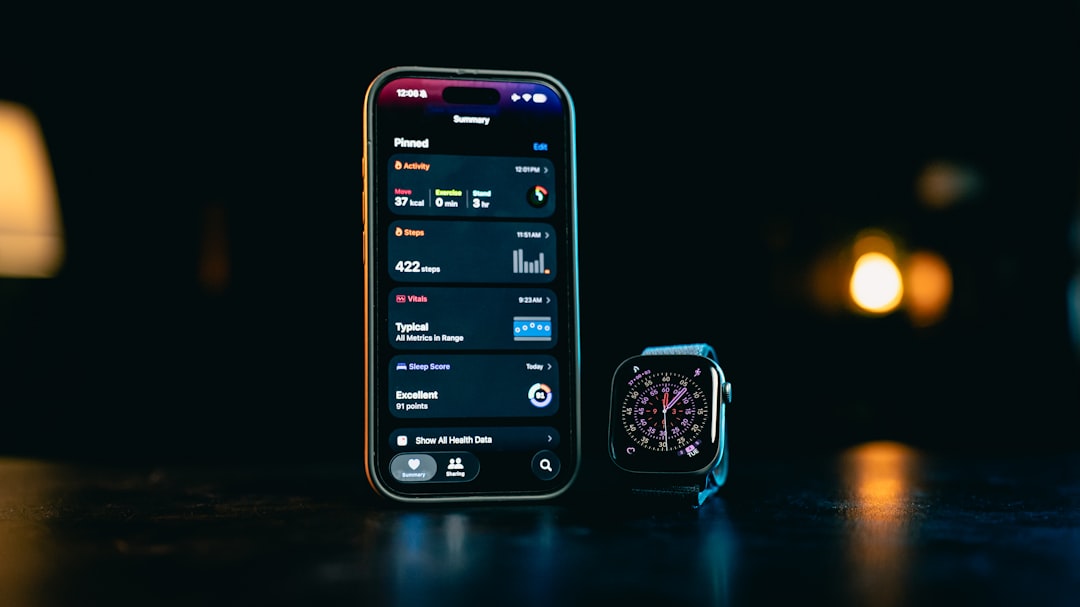
Wearable devices (e.g., Apple Watch, Fitbit, Garmin) now capture heart rate, oxygen saturation, sleep patterns, and even electrocardiograms (ECG). When paired with a health‑focused app, these data points can:
Pro Tip: Export your wearable data monthly and share the summary with your PCP. Many EHR systems allow patients to upload CSV files directly to the portal.
3.4 Action Plan: Integrating Digital Health Into Your Routine
1. Download a Trusted Telehealth App – Sign up, link your insurance, and schedule a “test” visit for a minor issue (e.g., sinus congestion) to become comfortable with the platform.
2. Pick a Wearable – If you already own a smartphone, start with the free health tracking features (Google Fit, Apple Health). Upgrade only if you need advanced metrics.
3. Set Data Review Alerts – In the wearable app, enable weekly summaries and set alerts for out‑of‑range readings (e.g., resting HR > 100 bpm).
4. Create a “Digital Health Folder” – Store screenshots, PDF reports, and telehealth visit notes in a secure, password‑protected cloud folder.
—
4. Health Insurance Demystified – Getting the Most Value From Your Plan
4.1 Core Types of Health Insurance
| Plan Type | How It Works | Ideal For |
|———–|————–|———–|
| HMO (Health Maintenance Organization) | Requires PCP referral for specialists; limited out‑of‑network coverage. | Individuals who want lower premiums and don’t mind network restrictions. |
| PPO (Preferred Provider Organization) | More flexibility; can see specialists without referral, higher out‑of‑network costs. | Those who travel often or need broader provider choice. |
| HDHP (High‑Deductible Health Plan) + HSA | Low premiums, high deductible; HSA funds grow tax‑free. | Healthy individuals who can afford higher out‑of‑pocket costs and want to save tax‑free for future care. |
| Medicare | Federal program for 65+ or certain disabled individuals. | Seniors and eligible younger adults. |
| Medicaid | State‑run program for low‑income families. | Individuals/families meeting income criteria. |
4.2 Decoding the “Medical Billing Alphabet Soup”
Understanding these components helps you compare plans more accurately than simply looking at the premium.
4.3 Strategies to Lower Your Health Care Costs
1. Leverage In‑Network Providers – Staying within the network can reduce copays by 30–70 %.
2. Use Generic Medications – Ask your pharmacist or doctor for a generic alternative; they’re typically 80–85 % cheaper.
3. Utilize Preventive Services – Most plans cover annual preventive exams at $0 cost to the patient.
4. Explore Telehealth – Virtual visits often have lower copays than in‑person appointments.
5. Maximize Your HSA – Contribute up to the annual limit ($3,850 for individuals in 2024). Use the HSA for qualified expenses like glasses, dental work, and over‑the‑counter meds.
4.4 Action Checklist: Optimize Your Insurance Coverage
| ✅ | Task | Target Date |
|—-|——|————-|
| ☐ | Review your plan’s Summary of Benefits & Coverage (SBC) | Within 2 weeks |
| ☐ | Identify in‑network primary care doctor and specialists | By next appointment |
| ☐ | Set up automatic HSA contributions (if eligible) | Starting next payroll |
| ☐ | Compare telehealth copays vs. office visit copays | Before the next sick day |
| ☐ | Schedule a medication review to switch to generics | During next pharmacy visit |
—
5. The Future of Health Care – Emerging Trends to Watch
5.1 Artificial Intelligence (AI) & Machine Learning
AI is reshaping diagnosis, treatment planning, and administrative workflows. Examples include:
What It Means for You: Faster, more accurate diagnoses and personalized treatment recommendations.
5.2 Value‑Based Care Models
Bundled