Are you tired of feeling sluggish, run down, and stuck in a rut? Do you struggle to maintain a healthy weight, or find yourself constantly battling cravings and energy crashes? If so, you’re not alone. With the countless diet trends and conflicting nutrition advice out there, it can be overwhelming to know where to start when it comes to creating a diet plan that truly works for you. But what if you could unlock the power of a balanced diet, and start achieving your health goals once and for all? In this comprehensive guide, we’ll dive into the world of nutrition, and explore the key principles and strategies for creating a personalized diet plan that will leave you feeling energized, motivated, and empowered to take control of your health.
Understanding Your Nutritional Needs
Before we dive into the nitty-gritty of diet planning, it’s essential to understand your individual nutritional needs. This starts with identifying your daily calorie requirements, which will depend on factors such as your age, sex, weight, height, and activity level. For example, if you’re a sedentary woman, your daily calorie needs may be around 1,600-2,000 calories, while an active man may require 2,400-3,000 calories or more. Additionally, you’ll want to consider your macronutrient needs, including protein, carbohydrates, and healthy fats. A general rule of thumb is to aim for 15-20% of your daily calories to come from protein, 45-65% from carbohydrates, and 20-35% from fat.
It’s also important to consider any dietary restrictions or preferences you may have, such as vegetarian, vegan, gluten-free, or low-carb. By taking the time to understand your unique nutritional needs, you’ll be able to create a diet plan that is tailored to your individual requirements, and sets you up for success in the long term. Some popular diet plans that take into account individual nutritional needs include the Mediterranean diet, the keto diet, and the paleo diet. When searching for a diet plan, be sure to look for keywords like “personalized nutrition” or “customized meal planning” to find a plan that suits your needs.
Creating a Balanced Diet Plan
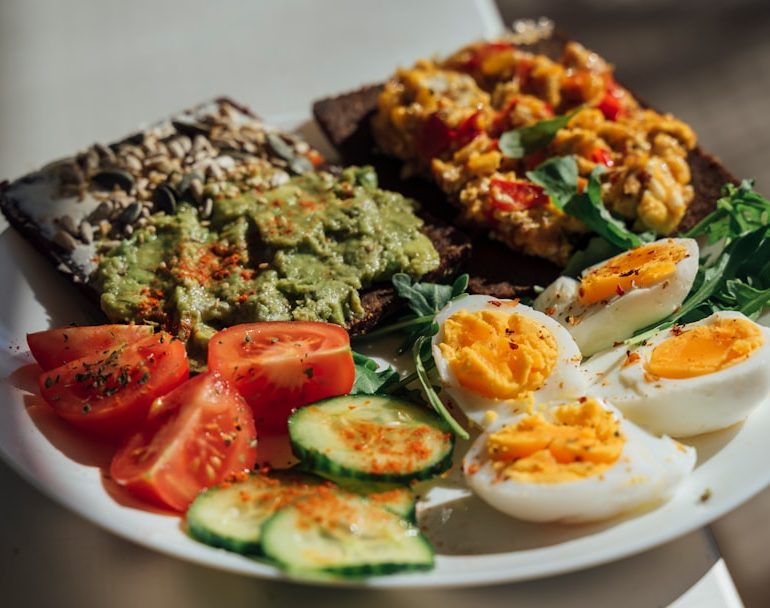
So, what does a balanced diet plan look like? At its core, a balanced diet is one that provides your body with the necessary nutrients, vitamins, and minerals to function optimally. This includes a variety of whole, unprocessed foods such as fruits, vegetables, whole grains, lean proteins, and healthy fats. Aim to include a rainbow of colors on your plate, as this will help ensure you’re getting a broad range of vitamins and minerals. Some examples of balanced meals include grilled chicken with roasted vegetables, quinoa and black bean bowls, and lentil soup with whole grain bread.
In addition to whole foods, it’s also important to stay hydrated by drinking plenty of water throughout the day. Aim for at least eight cups (64 ounces) of water per day, and consider incorporating other low-calorie beverages like unsweetened tea or black coffee. When it comes to meal planning, consider using a diet planning template or consulting with a registered dietitian to help you create a personalized plan. Some popular meal planning tools include MyFitnessPal, Lose It!, and Yummly. Be sure to search for keywords like “meal planning apps” or “diet planning software” to find the best tools for your needs.
Managing Cravings and Portion Control
One of the biggest challenges many of us face when it comes to sticking to a diet plan is managing cravings and portion control. It’s easy to get caught up in the temptation of high-calorie, high-fat, or high-sugar foods, especially when we’re feeling stressed, bored, or emotional. However, by developing a few simple strategies, you can learn to navigate these challenges and stay on track with your diet plan. One key technique is to practice mindful eating, which involves paying attention to your hunger and fullness cues, savoring your food, and eating slowly. This can help you develop a healthier relationship with food, and reduce the likelihood of overeating or making unhealthy choices.
Another strategy is to plan ahead, and have healthy snacks and meals on hand to curb cravings and prevent overeating. Consider meal prepping on the weekends, or keeping a stash of healthy snacks like nuts, seeds, or fresh fruit on hand. Some popular snacks for managing cravings include Greek yogurt with berries, hard-boiled eggs, and carrot sticks with hummus. When searching for healthy snack options, be sure to look for keywords like “healthy snack ideas” or “low-calorie snacks” to find the best options for your needs.
Maintaining Motivation and Accountability
Finally, maintaining motivation and accountability is crucial when it comes to sticking to a diet plan. This can be especially challenging when you’re feeling tired, stressed, or overwhelmed, and it’s easy to let old habits creep back in. However, by developing a few simple strategies, you can stay motivated and on track, even when the going gets tough. One key technique is to find a diet buddy or accountability partner, who can provide support, encouragement, and motivation along the way. Consider joining a weight loss group, or finding a friend or family member who shares your health goals.
Another strategy is to track your progress, and celebrate your successes along the way. This can be as simple as keeping a food diary, or using a mobile app to track your workouts and nutrition. Some popular tracking tools include MyFitnessPal, Fitbit, and Strava. Be sure to search for keywords like “weight loss tracking” or “fitness tracking apps” to find the best tools for your needs. By staying motivated and accountable, you’ll be able to overcome obstacles, and achieve your health goals in the long term.
In conclusion, creating a diet plan that works for you is a journey, not a destination. By understanding your nutritional needs, creating a balanced diet plan, managing cravings and portion control, and maintaining motivation and accountability, you can unlock the power of a balanced diet, and start achieving your health goals once and for all. Remember, it’s not about following a specific diet trend or restricting yourself from certain foods, but about developing a healthy, sustainable relationship with food, and nourishing your body with the nutrients it needs to thrive. With the right mindset, strategies, and support, you can achieve a balanced diet, and start living the healthy, vibrant life you deserve. Some key takeaways to keep in mind include:
- Understanding your individual nutritional needs, and creating a personalized diet plan
- Incorporating a variety of whole, unprocessed foods into your diet
- Practicing mindful eating, and developing healthy relationships with food
- Staying hydrated, and getting enough sleep and exercise
- Finding a diet buddy or accountability partner, and tracking your progress along the way
By following these tips, and staying committed to your health goals, you’ll be on your way to a balanced diet, and a healthier, happier you.