—
Introduction – Why Nutrition Is the Real Super‑Power We All Need
Imagine you had a remote control that could instantly boost your mood, sharpen your focus, and keep chronic illnesses at bay. Spoiler alert: you already have it, and it lives in your kitchen. Nutrition isn’t just about counting calories or following the latest fad diet; it’s the foundation of every cell, hormone, and organ in your body. Yet, despite the avalanche of information online, many of us still feel lost when it comes to making food choices that truly support our health goals.
In this post we’ll cut through the noise and give you a step‑by‑step, actionable roadmap to mastering nutrition—whether you’re aiming to lose weight, build muscle, manage a health condition, or simply feel more energetic each day. By the end, you’ll have a clear picture of what nutrients do, how to assemble balanced meals, and practical habits you can start today. Let’s dive in!
—
1. The Building Blocks of Nutrition: Macronutrients, Micronutrients, and Food Groups
1.1. What Are Macronutrients and Why Do They Matter?
- Carbohydrates – The body’s preferred fuel for the brain and high‑intensity activity. Choose complex carbs (whole grains, legumes, fruits, and vegetables) over refined sugars to keep blood glucose stable.
- Proteins – Essential for tissue repair, enzyme production, and hormone synthesis. Aim for a variety of animal (lean meat, fish, dairy, eggs) and plant sources (beans, lentils, tofu, quinoa).
- Fats – Not the enemy! Healthy fats (monounsaturated, polyunsaturated, omega‑3s) support brain health, hormone balance, and nutrient absorption. Limit saturated and trans fats.
- Vitamin D – Supports bone health and immune function; get sunlight and fortified foods or a supplement if you’re low.
- Iron – Crucial for oxygen transport; pair plant‑based iron (spinach, lentils) with vitamin C to boost absorption.
- Magnesium – Helps with muscle relaxation and sleep; found in nuts, seeds, and leafy greens.
- ½ Plate Vegetables & Fruits – Aim for 3‑5 servings per day.
- ¼ Plate Protein – Roughly 3‑4 oz per meal (size of a deck of cards).
- ¼ Plate Whole Grains – Choose fiber‑rich options for sustained energy.
- Hand Portion Guide:
- Use Smaller Plates – A 9‑inch plate tricks the brain into thinking you’re eating more, helping you naturally reduce portions.
- Calorie Deficit – Eat ~10‑15 % fewer calories than your maintenance level.
- Protein Emphasis – Aim for 1.2‑1.6 g protein per kg body weight to preserve lean mass.
- Fiber Power – 25‑30 g fiber daily slows digestion, keeping you fuller longer.
- Calorie Surplus + Strength Training – +250‑500 kcal daily, combined with progressive resistance.
- Timing Matters – Consume 20‑30 g of fast‑digesting protein (whey or soy) within 30 minutes post‑workout.
- Carb Replenishment – Pair protein with 0.5‑0.7 g carbs per kg body weight after training to restore glycogen.
- Complex Carbs + Low‑GI Foods – Stabilize blood sugar (e.g., steel‑cut oats, sweet potatoes).
- Omega‑3 Fatty Acids – DHA/EPA support neurotransmission; include fatty fish (salmon, sardines) 2‑3 times per week.
- Hydration – Even mild dehydration can cause fatigue; aim for 2‑3 L water daily, more with exercise.
- Diabetes: Focus on low‑glycemic index carbs, consistent carbohydrate timing, and plenty of fiber.
- Heart Health: Prioritize omega‑3s, soluble fiber (oats, barley), and plant sterols; limit sodium and saturated fats.
- Gut Health: Incorporate probiotic foods (kimchi, kefir, yogurt) and prebiotic fibers (onion, garlic, bananas) to nurture beneficial bacteria.
- Shop the Perimeter First – Fresh produce, meats, dairy, and breads are usually on the outer aisles.
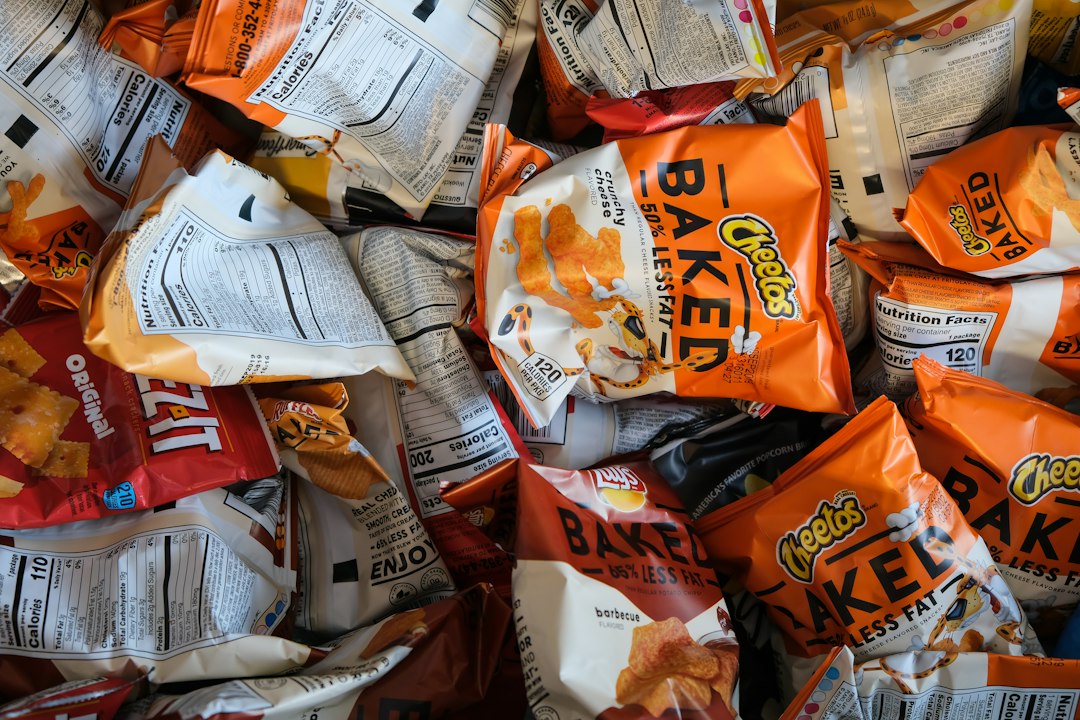
- Read Labels Quickly: Look for “<5 g added sugar,” “<1 g trans fat,” and “≥20 % DV of fiber.”
- Buy Seasonal & Frozen – Fresh, in‑season produce is cheaper and more nutrient‑dense; frozen veggies retain most nutrients and are ready to use.
- One‑Pan Roasts: Toss protein + veggies + herbs on a sheet pan, roast, and you have 3 meals in one go.
- Mason Jar Salads: Layer dressing, sturdy veggies, protein, then greens at the bottom. Shake before eating.
- Batch‑Cook Sauces: Make a large pot of tomato sauce, add lentils or ground turkey, and freeze portions for quick pasta nights.
- Protein‑First Snacks: Pair a protein source with a fiber‑rich fruit or veggie (e.g., apple slices with peanut butter, carrot sticks with hummus).
- Portion‑Controlled Packs: Pre‑measure nuts, seeds, or dried fruit into ¼‑cup bags to avoid mindless overeating.
- Hydration Check: Sometimes thirst masquerades as hunger. Keep a water bottle at your desk and sip regularly.
- Study the Menu Ahead: Look for grilled, baked, or steamed options; avoid “crispy,” “breaded,” or “creamy” descriptors.
- Customize: Ask for dressings on the side, swap fries for a side salad, or replace white rice with quinoa.
- Mindful Portioning: Restaurants often serve oversized portions; consider boxing half your meal before you start eating.
Actionable tip: Use the “30‑30‑30” rule for a balanced snack—30 g of carbs, 30 g of protein, and 30 g of healthy fat (e.g., an apple with almond butter and a boiled egg).
1.2. Micronutrients: The Tiny Giants
Vitamins (A, C, D, E, K, B‑complex) and minerals (calcium, iron, magnesium, zinc) act as co‑factors for metabolic reactions. Deficiencies can cause fatigue, weakened immunity, and long‑term health issues.
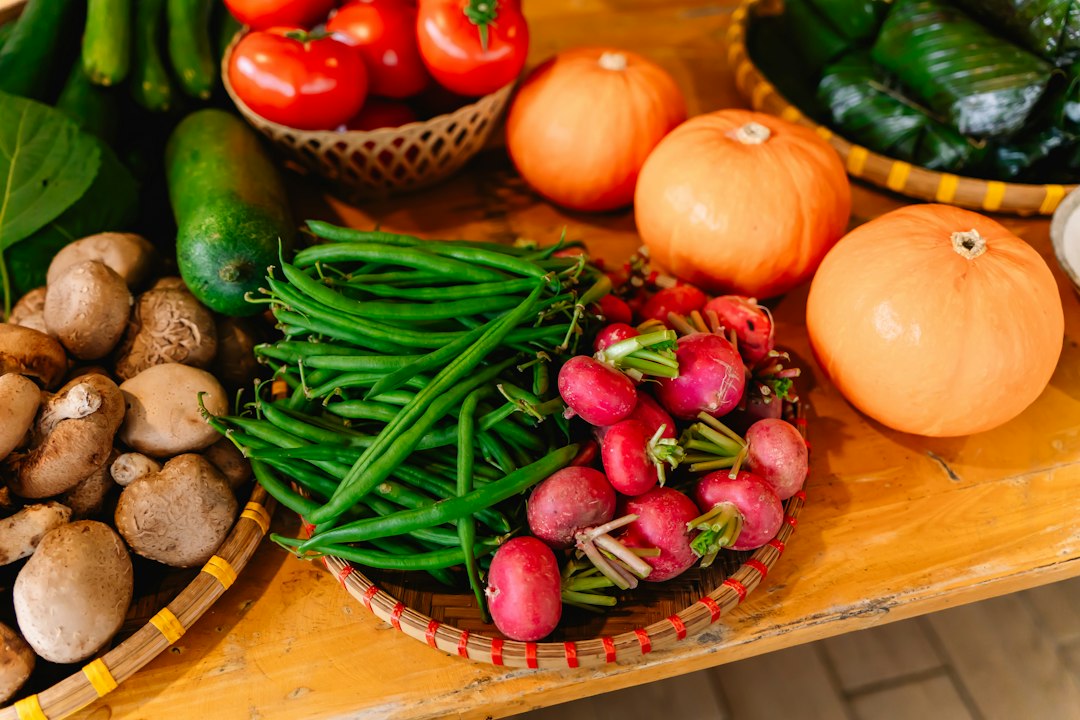
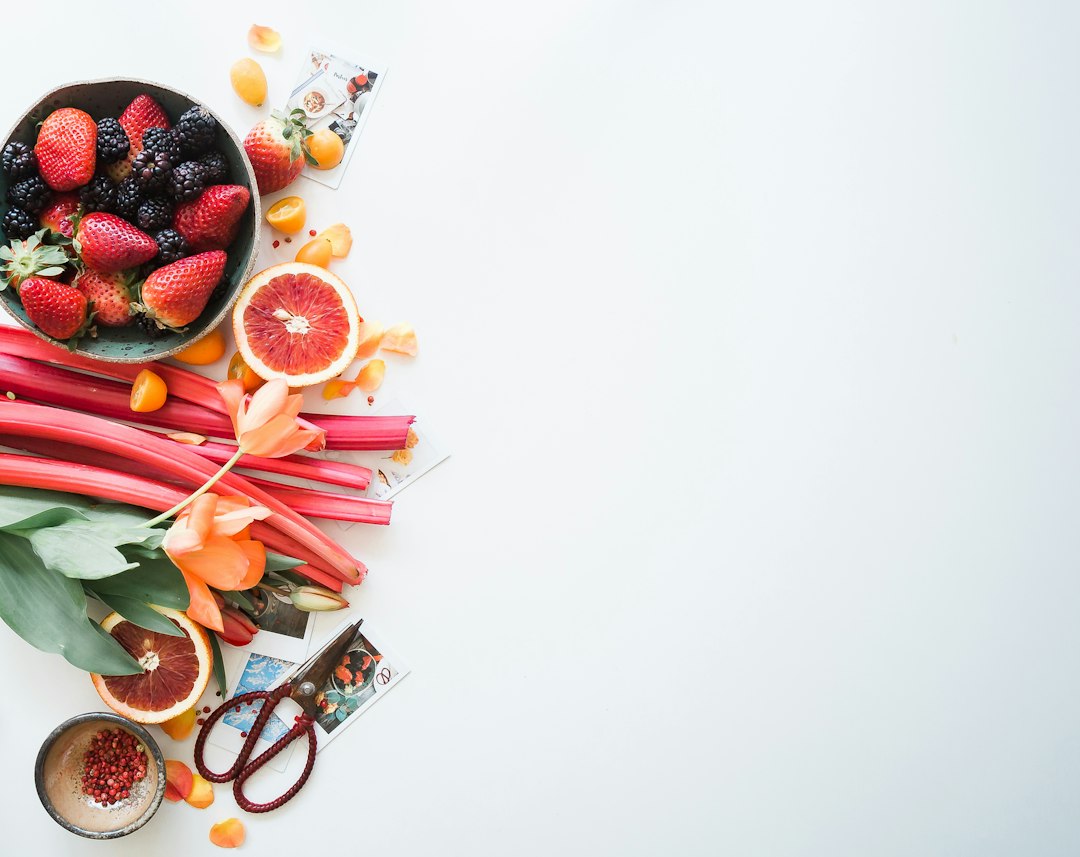
Actionable tip: Rotate “colorful plates” throughout the week—red (tomatoes, berries), orange/yellow (carrots, peppers), green (kale, broccoli), purple (eggplant, grapes), and white/brown (cauliflower, whole grains). Each color signals a different set of phytonutrients and micronutrients.
1.3. The Classic Food Groups Reimagined
| Food Group | Key Nutrients | Smart Choices |
|————|————–|—————|
| Vegetables | Fiber, vitamins A, C, K, folate | Dark leafy greens, cruciferous veg |
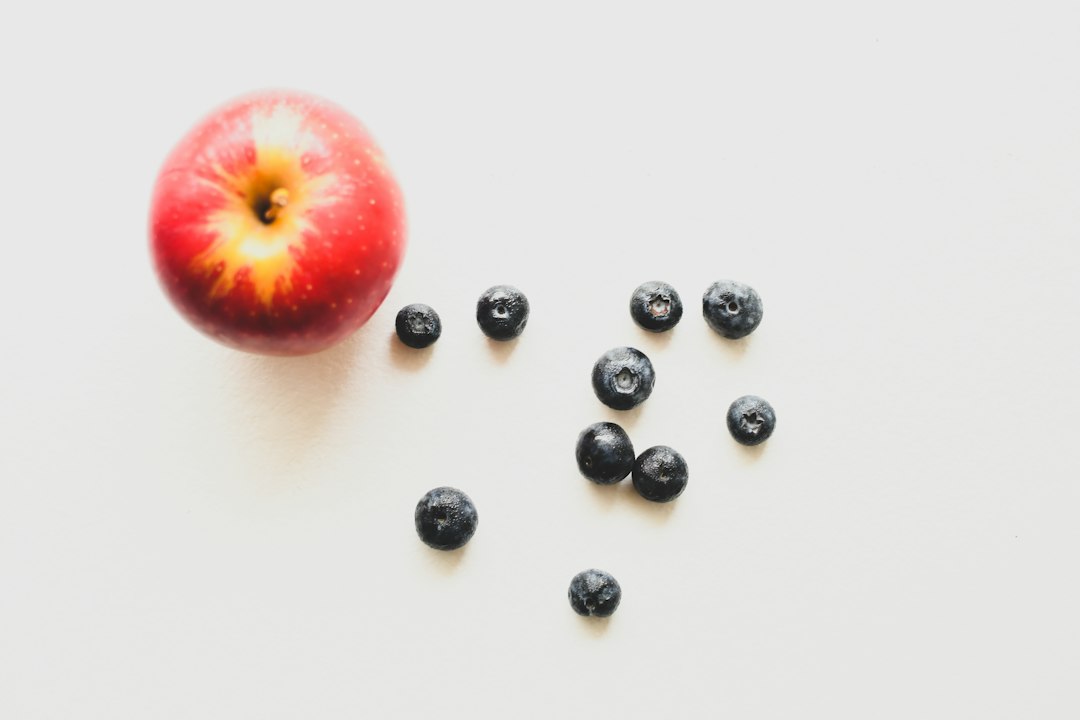
| Fruits | Antioxidants, potassium, natural sugars | Berries, citrus, apples |
| Whole Grains | Complex carbs, B‑vitamins, fiber | Quinoa, oats, brown rice |
| Protein Sources | Amino acids, iron, zinc | Legumes, fish, poultry, nuts |
| Dairy / Alternatives | Calcium, vitamin D, protein | Greek yogurt, fortified plant milks |
| Healthy Fats | Omega‑3, monounsaturated fats | Avocado, olive oil, nuts |
Actionable tip: When grocery shopping, fill half your cart with vegetables, a quarter with protein, and the remaining quarter with whole grains or healthy fats. This simple visual guide helps you automatically create a balanced diet.
—
2. Building a Balanced Plate: From Theory to Real‑World Meals
2.1. The Plate Method – A Visual Shortcut
The USDA’s MyPlate model is a quick visual cue:
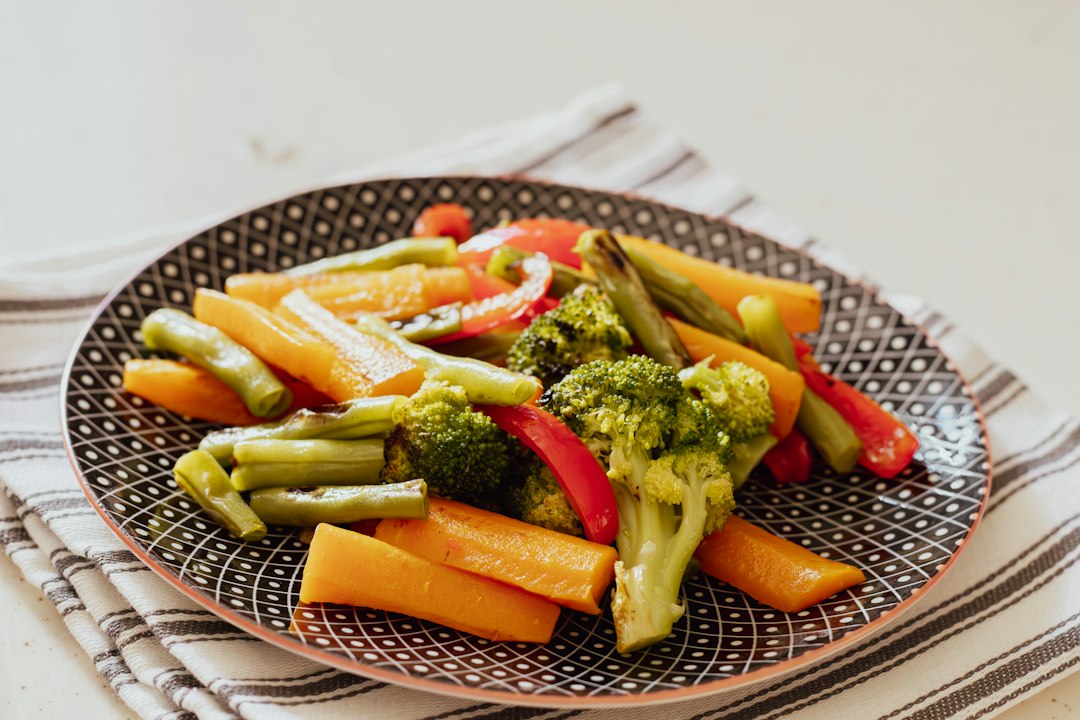
Actionable tip: Before you sit down, arrange your food on a plate (or a plate‑sized plate) following the ½‑¼‑¼ rule. If something looks out of balance, adjust portion sizes before you start eating.
2.2. Portion Control Without Counting Calories
– Palm = protein (≈3‑4 oz)
– Fist = carbs (≈½ cup cooked grains)
– Cupped Hand = healthy fats (≈1 tbsp oil or nuts)
– Two Hands = veggies (as much as you can fit)
Actionable tip: Keep a set of three plates (small, medium, large) labeled “Snack,” “Lunch,” and “Dinner.” Serve each meal on the appropriate size to keep portions in check without tedious calorie tracking.
2.3. Meal Planning for Consistency
1. Pick a Theme Day – e.g., “Meatless Monday” or “Fish Friday.” This reduces decision fatigue.
2. Batch Cook Staples – Cook a big pot of quinoa, roast a tray of mixed veggies, and grill several chicken breasts on Sunday. Store in portion‑size containers.
3. Create a Weekly Menu – Write down breakfast, lunch, dinner, and two snack options for each day. Stick to the plan, but stay flexible for social events.
Actionable tip: Use a free template (Google Sheets or a printable PDF) to map out your meals, then grocery shop with a precise list. This saves time, money, and eliminates impulse buys of processed junk.
—
3. Nutrition for Specific Goals – Tailoring Your Diet to What You Want to Achieve
3.1. Weight Management: Lose Fat, Keep Muscle
Actionable tip: Add a high‑protein snack (Greek yogurt, cottage cheese, or a protein shake) between meals to curb cravings while staying within your calorie goal.
3.2. Muscle Gain: Fuel the Growth Engine
Actionable tip: Prepare a “post‑gym shake” with 1 scoop whey protein, 1 banana, ½ cup oats, and almond milk. Blend and drink within the anabolic window.
3.3. Boosting Energy & Brain Power
Actionable tip: Start your day with a “brain‑boosting breakfast” of scrambled eggs, spinach, and a slice of whole‑grain toast topped with avocado. Add a cup of green tea for a gentle caffeine lift and antioxidants.
3.4. Managing Chronic Conditions (Diabetes, Heart Health, Gut Health)
Actionable tip: For a gut‑friendly lunch, combine a bowl of quinoa, roasted carrots, sauerkraut, and grilled tempeh. Drizzle with olive oil and lemon for flavor and extra healthy fats.
—
4. Everyday Nutrition Hacks – Making Healthy Eating Effortless
4.1. Grocery Shopping Like a Pro
Actionable tip: Create a “go‑to list” of 10 staple items (e.g., spinach, canned beans, brown rice, eggs, frozen berries, olive oil, Greek yogurt, garlic, lemon, nuts). Keep this list handy for quick trips.
4.2. Meal Prep Shortcuts
Actionable tip: Set a timer for 90 minutes on Sunday. Cook a batch of quinoa, roast a tray of mixed vegetables, grill two chicken breasts, and portion everything into reusable containers. You’ll have lunch and dinner ready for the workweek.
4.3. Smart Snacking Strategies
Actionable tip: Keep a “snack station” at home: a small bowl of mixed berries, a handful of almonds, and a cup of low‑fat Greek yogurt. When cravings hit, you’ll have a balanced option within arm’s reach.
4.4. Eating Out Without Derailing Your Plan
Actionable tip: When ordering pizza, choose a thin‑crust, load up on vegetable toppings, and add a lean protein like grilled chicken. Pair with a side salad and a vinaigrette to round out the meal.
—
5. Debunking Common Nutrition Myths
| Myth | Reality |
|——|———-|
| “Carbs make you gain weight.” | Car