Title: Power Up Your Defenses: The Ultimate Guide to Immunity‑Boosting Foods

Introduction – Why Your Plate Is the First Line of Defense

Imagine your immune system as a high‑tech security team, constantly patrolling for intruders—viruses, bacteria, and even the occasional stress‑induced “hack.” Just like any elite squad, it needs the right gear, training, and fuel to stay sharp. That fuel? The foods you eat every day.

In a world where colds, flu, and seasonal allergies feel like unwelcome house guests, immunity‑boosting foods have become more than a trendy buzzword—they’re a practical, science‑backed strategy for staying healthy. Whether you’re a busy professional juggling meetings, a parent trying to keep the whole family thriving, or a fitness enthusiast looking for that extra edge, the right nutrients can help your body fend off illness, recover faster, and maintain optimal energy levels.

In this comprehensive, 2,000‑word guide we’ll explore the powerhouse nutrients, the super‑foods that deliver them, and actionable ways to weave these immunity‑boosting ingredients into your everyday meals. Ready to turn your kitchen into a health‑fortress? Let’s dive in.

1. The Core Nutrients: Vitamins, Minerals, and Antioxidants Your Immune System Craves

Before we talk about specific foods, it’s essential to understand what the immune system actually needs to function at its peak. Think of these nutrients as the “ammo” that immune cells use to identify, attack, and neutralize pathogens.

1.1 Vitamin C – The Classic Defender

  • Why it matters: Vitamin C is a potent antioxidant that protects immune cells from oxidative stress and supports the production of white blood cells.
  • Daily target: 75 mg for women, 90 mg for men (the RDA). Most adults can meet this with just one serving of citrus or a handful of berries.
  • Actionable tip: Add a splash of fresh lemon juice to your water, blend a morning smoothie with kiwi and orange, or snack on red bell pepper strips throughout the day.
  • 1.2 Vitamin D – The Immunomodulator

  • Why it matters: Vitamin D receptors are present on many immune cells, and adequate levels help regulate the body’s inflammatory response. Low vitamin D is linked with higher susceptibility to respiratory infections.
  • Daily target: 600–800 IU (International Units) for most adults; many experts recommend 1,000–2,000 IU if you get limited sun exposure.
  • Actionable tip: Incorporate fortified foods such as low‑fat milk, plant‑based milks, or eggs. If you live in a northern climate, consider a vitamin D supplement after consulting your doctor.
  • 1.3 Zinc – The Cellular Coordinator

  • Why it matters: Zinc is essential for the development of immune cells and acts as a signaling molecule that tells immune cells when to multiply.
  • Daily target: 8 mg for women, 11 mg for men.
  • Actionable tip: Sprinkle pumpkin seeds on salads, enjoy a handful of cashews as a snack, or add lentils to soups for a plant‑based zinc boost.
  • 1.4 Selenium – The Antioxidant Ally

  • Why it matters: Selenium works with antioxidant enzymes to reduce inflammation and supports the production of antibodies.
  • Daily target: 55 µg for adults.
  • Actionable tip: Include Brazil nuts (just 1–2 nuts a day can meet your requirement), or add brown rice and whole‑grain breads to your meals.
  • 1.5 Omega‑3 Fatty Acids – The Inflammation Controllers

  • Why it matters: EPA and DHA (found in fatty fish) help modulate the inflammatory response, which is crucial for preventing an overactive immune reaction.
  • Weekly target: Two servings of fatty fish (salmon, mackerel, sardines) or a daily tablespoon of chia/flaxseed for plant‑based omega‑3s.
  • Actionable tip: Grill a salmon fillet for dinner twice a week, or toss a tablespoon of ground flaxseed into oatmeal or smoothies.
  • > Quick Reference:
    > – Vitamin C: citrus, strawberries, bell peppers
    > – Vitamin D: fortified dairy/plant milks, fatty fish, sunlight
    > – Zinc: pumpkin seeds, chickpeas, beef
    > – Selenium: Brazil nuts, whole grains, turkey
    > – Omega‑3: salmon, walnuts, chia seeds

    Understanding these core nutrients sets the stage for the next sections, where we’ll dive into the foods that deliver them in delicious, easy‑to‑prepare forms.

    2. Superfood Staples: Everyday Foods That Supercharge Immunity

    Now that you know which nutrients matter, let’s explore the immunity‑boosting foods that pack them in abundance. These items are versatile, affordable, and can be incorporated into almost any cuisine.

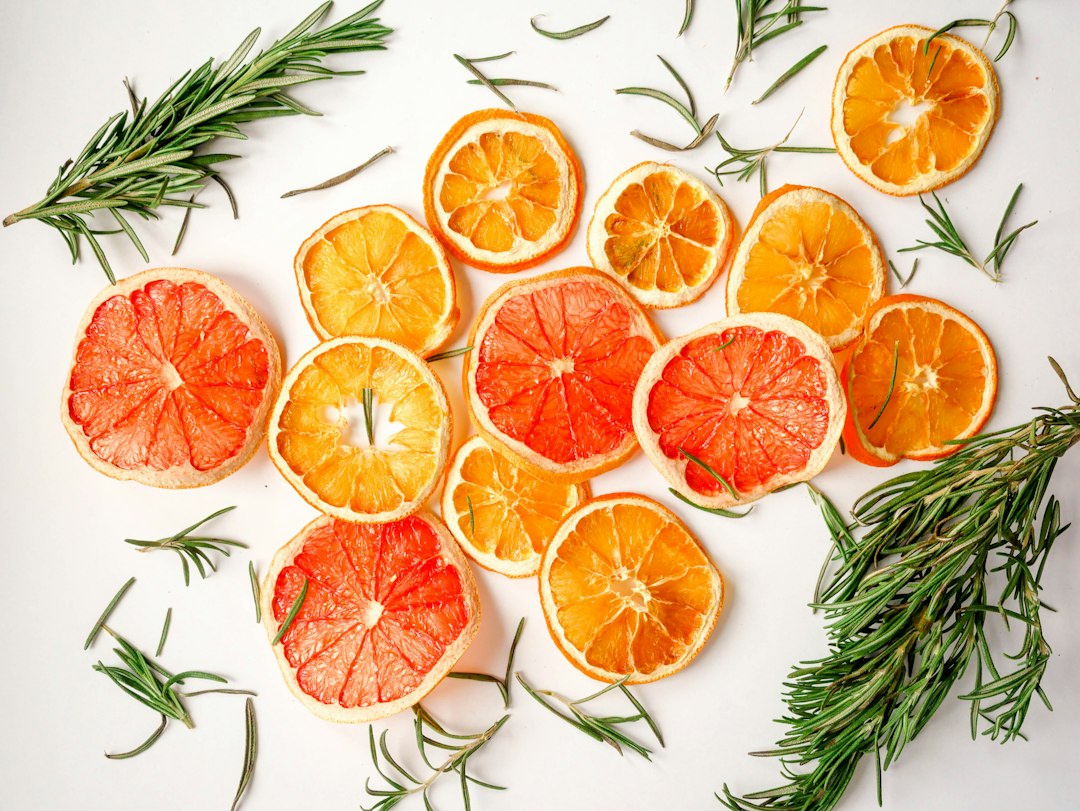
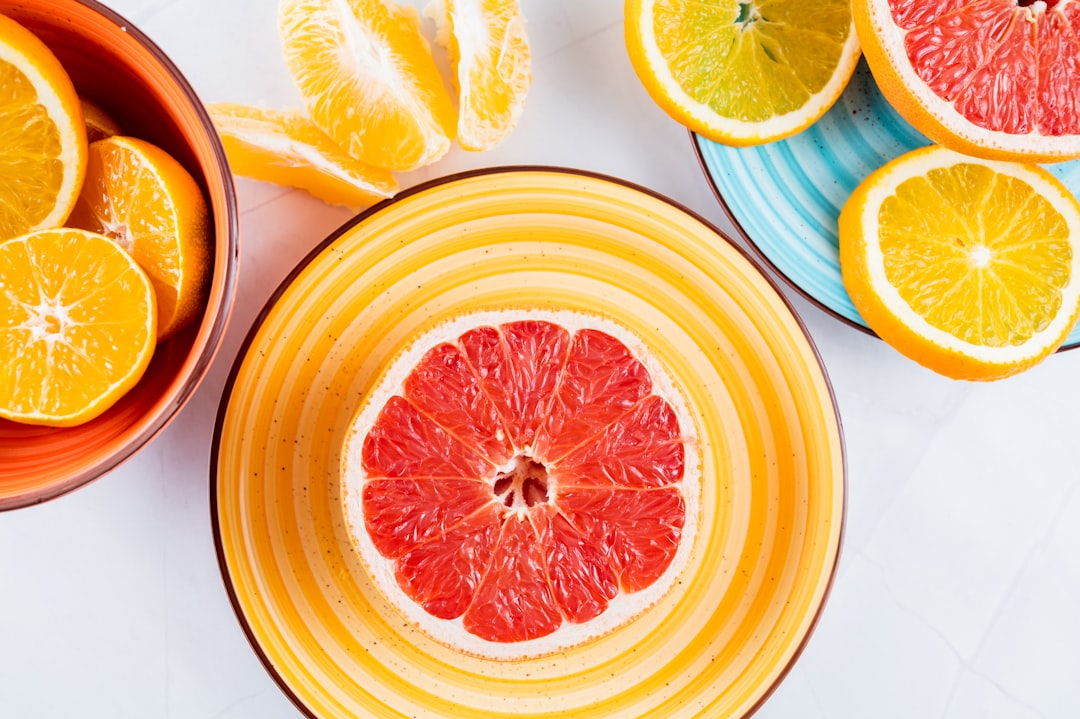
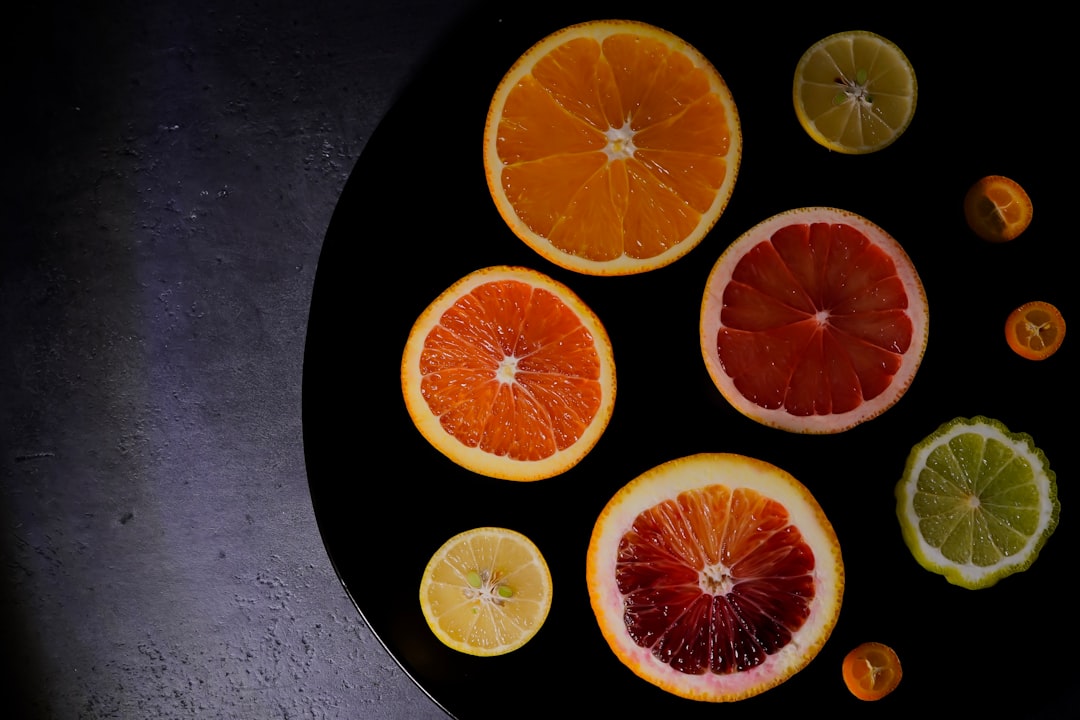
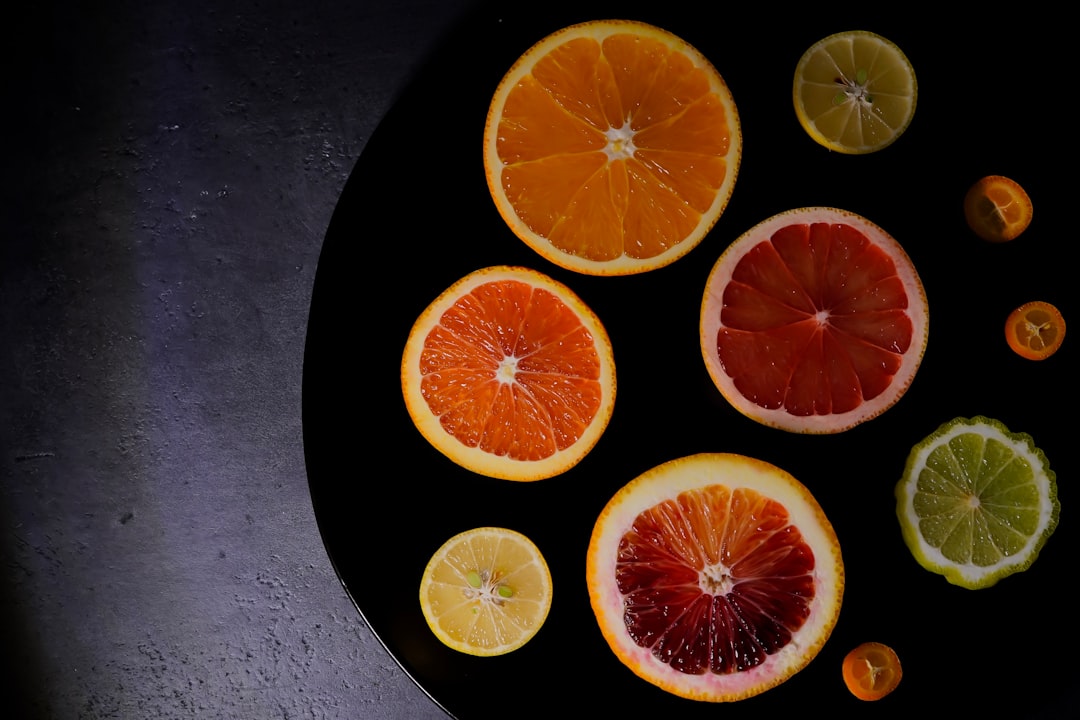
    2.1 Citrus Fruits – The Bright, Tangy Vitamin C Powerhouses

  • Top picks: Oranges, grapefruits, lemons, limes, tangerines.
  • How they help: Besides vitamin C, citrus fruits contain flavonoids like hesperidin, which have anti‑viral properties.
  • Actionable ideas:
  • 1. Morning boost: Start your day with a warm glass of lemon water to hydrate and awaken digestion.
    2. Snack hack: Keep a pre‑peeled orange or a small container of grapefruit segments at your desk.
    3. Salad sparkle: Toss a citrus vinaigrette over mixed greens and avocado for a refreshing lunch.

    2.2 Berries – Antioxidant‑Rich Mini Marvels

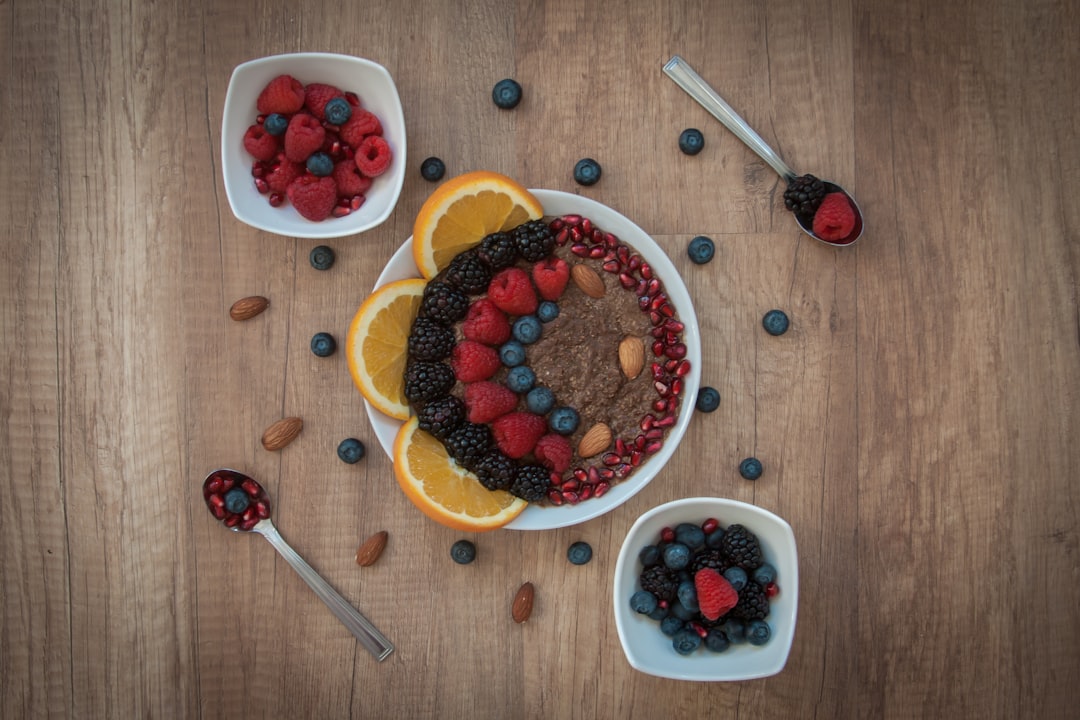
  • Top picks: Blueberries, strawberries, raspberries, blackberries.
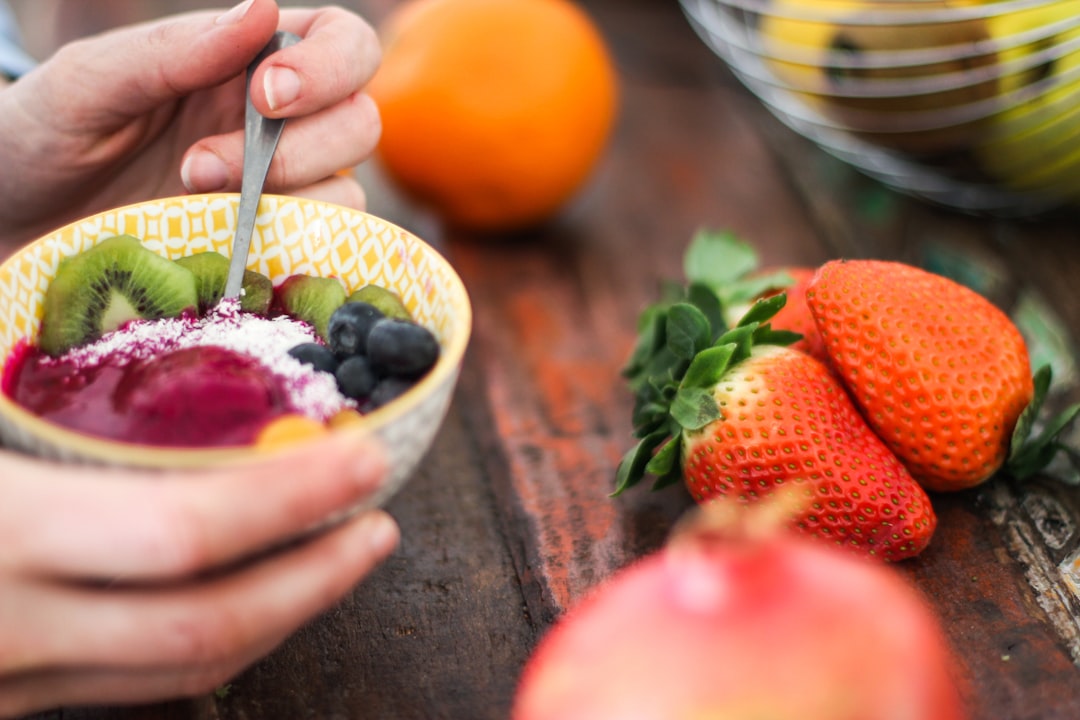
  • How they help: Berries are loaded with anthocyanins, a type of antioxidant that protects immune cells from oxidative damage.
  • Actionable ideas:
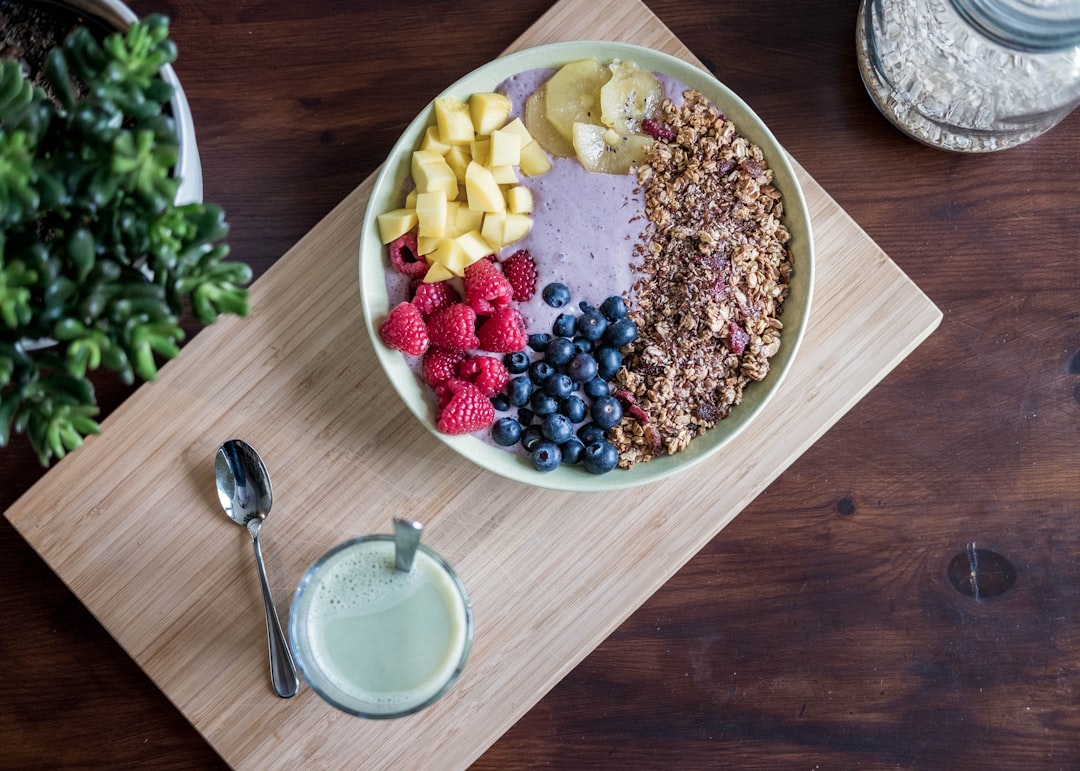
  • 1. Smoothie starter: Blend frozen berries with Greek yogurt, a splash of almond milk, and a drizzle of honey for a probiotic‑rich, immunity‑supporting breakfast.
    2. Yogurt parfait: Layer plain Greek yogurt, fresh berries, and a sprinkle of granola for a snack that also fuels gut health.
    3. Baking boost: Add a cup of mashed berries to muffins or pancakes for a nutrient‑dense twist.

    2.3 Leafy Greens – The Vitamin‑Dense Green Giants

  • Top picks: Spinach, kale, Swiss chard, collard greens.
  • How they help: Greens deliver vitamin A, vitamin C, folate, and iron—all essential for the production and function of white blood cells.
  • Actionable ideas:
  • 1. Sautéed side: Lightly sauté kale with garlic and olive oil for a quick, flavorful side dish.
    2. Green smoothies: Blend spinach with banana, pineapple, and a scoop of protein powder for a nutrient‑dense post‑workout drink.
    3. Soup base: Add chopped collard greens to chicken or bean soups for an extra immune boost.

    2.4 Garlic & Onion – Nature’s Antimicrobial Duo

  • Why they help: Allicin (in garlic) and quercetin (in onions) have proven antimicrobial and anti‑inflammatory effects.
  • Actionable ideas:
  • 1. Daily oil: Infuse olive oil with crushed garlic and use it as a base for stir‑fries or salad dressings.
    2. Roasted veggies: Toss carrots, sweet potatoes, and onions with a drizzle of olive oil, roast, and serve as a hearty side.
    3. Immune broth: Simmer garlic, onion, ginger, and turmeric in bone broth for a soothing, immunity‑enhancing sip.

    2.5 Turmeric & Ginger – The Warm, Anti‑Inflammatory Powerhouses

  • Why they help: Curcumin (turmeric) and gingerol (ginger) are strong anti‑inflammatory compounds that support immune regulation.
  • Actionable ideas:
  • 1. Golden milk: Warm almond milk with turmeric, ginger, a pinch of black pepper, and honey for a bedtime immune tonic.
    2. Stir‑fry spice: Add fresh ginger and a teaspoon of turmeric powder to vegetable stir‑fry for flavor and health benefits.
    3. Tea time: Steep sliced ginger and turmeric in hot water, sweeten with a dash of maple syrup, and sip throughout the day.

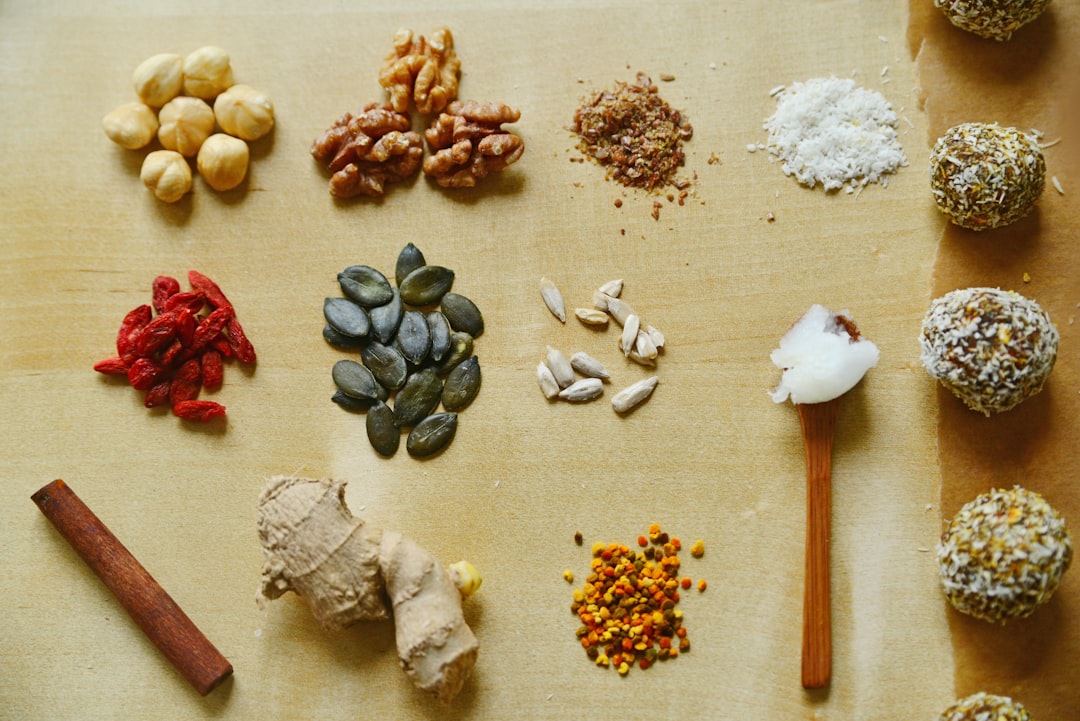
    2.6 Nuts & Seeds – Crunchy Micronutrient Bombs

  • Top picks: Almonds, walnuts, pumpkin seeds, sunflower seeds, chia seeds.
  • How they help: Provide zinc, selenium, vitamin E, and healthy fats that protect cell membranes and support antibody production.
  • Actionable ideas:
  • 1. Trail mix: Combine almonds, walnuts, pumpkin seeds, and a few dried cranberries for a portable snack.
    2. Breakfast boost: Sprinkle chia seeds over oatmeal or blend them into smoothies for extra omega‑3s.
    3. Salad topping: Add a handful of toasted sunflower seeds to salads for crunch and nutrition.

    > Pro tip: To maximize nutrient absorption, pair fat‑soluble vitamins (A, D, E, K) with a source of healthy fat—think avocado on a spinach salad or a drizzle of olive oil over roasted vegetables.

    3. Gut Health & Fermented Foods: The Hidden Immune Superhighway

    Did you know that roughly 70% of your immune system resides in the gut? A balanced gut microbiome acts as a first‑line defense, training immune cells, producing short‑chain fatty acids, and preventing harmful pathogens from taking hold. Fermented foods are the easiest way to feed those beneficial bacteria.

    3.1 Yogurt & Kefir – Probiotic‑Rich Dairy Powerhouses

  • What they offer: Live cultures (Lactobacillus, Bifidobacterium) that improve gut barrier function and modulate inflammation.
  • Actionable ideas:
  • 1. Morning bowl: Mix plain Greek yogurt with berries, a drizzle of honey, and a tablespoon of ground flaxseed.
    2. Smoothie base: Use kefir instead of milk for a tangy, probiotic‑packed smoothie.
    3. Dipping sauce: Blend yogurt with minced garlic, cucumber, and dill for a gut‑friendly tzatziki.

    3.2 Sauerkraut & Kimchi – Fermented Veggie Titans

  • What they offer: High levels of lactobacilli, plus vitamin C and fiber.
  • Actionable ideas:
  • 1. Side dish: Serve a small portion of kimchi alongside grilled fish or tofu for a flavorful probiotic boost.
    2. Sandwich topping: Add sauerkraut to a turkey or veggie sandwich for crunch and gut health.
    3. Stir‑fry finish: Toss a spoonful of kimchi into a vegetable stir‑fry at the end of cooking to preserve its live cultures.

    3.3 Miso & Tempeh – Fermented Soy Solutions

  • What they offer: Protein, B‑vitamins, and beneficial microbes.
  • Actionable ideas:
  • 1. Miso soup: Whisk miso paste into hot (not boiling) water with tofu, seaweed, and scallions for a soothing immune‑supporting broth.
    2. Tempeh stir‑fry: Marinate tempeh in soy sauce, ginger, and garlic, then stir‑fry with broccoli and bell peppers.
    3. Salad protein: Crumble tempeh over salads, drizzle with tahini, and sprinkle with sesame seeds.

    3.4 Kombucha – Fizzy Probiotic Drink

  • What it offers: A modest amount of live cultures and organic acids that may support digestion.
  • Actionable ideas:

1. Post‑workout refresher: Sip a small glass (4–6 oz) of kombucha after exercising for a gentle probiotic lift.
2. Mocktail base: Mix kombucha with fresh fruit juice for a low‑sugar, immune‑friendly cocktail.

> Caution: If you have a compromised immune system or are pregnant, consult a

Title: Power Up Your Defenses: The Ultimate Guide to Immunity‑Boosting Foods

Introduction – Why Your Plate Is the First Line of Defense

Imagine your immune system as a high‑tech security team protecting a bustling city. The more skilled the guards, the better they can spot intruders, neutralize threats, and keep everything running smoothly. But just like any elite squad, they need the right training, equipment, and fuel to stay on top of their game.

That’s where immunity‑boosting foods step in. Every bite you take delivers vitamins, minerals, antioxidants, and beneficial microbes that act as the “ammo” and “maintenance crew” for your body’s natural defense network. In a world where colds, flu, and seasonal infections are inevitable, optimizing your diet is one of the most accessible—and effective—ways to fortify your immune system without relying on pills or quick‑fix supplements.

In this comprehensive, 2,000‑word guide we’ll explore the science‑backed foods that truly boost immunity, break down the nutrients they provide, and give you actionable strategies to weave them into everyday meals. By the end, you’ll have a clear, practical roadmap to turn your kitchen into a powerhouse of natural immunity.

1. Vitamin & Mineral Essentials: The Building Blocks of a Strong Immune System

Your immune system runs on a precise balance of micronutrients. When you’re short on any of these, the body’s ability to produce white blood cells, antibodies, and signaling molecules (cytokines) can falter. Below are the top vitamins and minerals that act as the “command center” for immune health, along with the foods that deliver them in bioavailable form.

1.1 Vitamin C – The Classic Immune Shield

  • What it does: Vitamin C is a potent antioxidant that protects immune cells from oxidative stress and enhances the production of interferon, a protein that helps fight viral infections.
  • Top sources:
  • Citrus fruits – oranges, grapefruits, lemons, limes
    Berries – strawberries, blackcurrants, raspberries
    Kiwi – one medium fruit provides 140% of the daily value (DV)
    Bell peppers – especially red peppers (up to 190 mg per cup)
    Broccoli & Brussels sprouts – 1 cup cooked delivers ~80 mg

    Action tip: Keep a bowl of fresh fruit on your desk or a pre‑cut veggie tray in the fridge. A quick snack of orange slices or a handful of strawberries adds a vitamin C boost without any prep time.

    1.2 Vitamin D – The Immune Modulator

  • What it does: Vitamin D helps regulate the innate and adaptive immune responses, reducing the risk of infections and autoimmune flare‑ups. Low levels are linked with higher susceptibility to respiratory illnesses.
  • Top sources:
  • Fatty fish – salmon, mackerel, sardines (3 oz provides ~450 IU)
    Egg yolks – especially from pasture‑raised hens
    Mushrooms – exposed to UV light (e.g., shiitake, maitake)
    Fortified foods – dairy, plant milks, orange juice
    Sunlight – 10‑15 minutes of midday sun on uncovered skin 2‑3 times/week can synthesize 1,000‑2,000 IU

    Action tip: Pair a serving of grilled salmon with a side of sautéed mushrooms for a double‑dose of vitamin D at dinner. If you live in a high‑latitude region, consider a daily supplement of 1,000‑2,000 IU after consulting a healthcare professional.

    1.3 Zinc – The Antiviral Warrior

  • What it does: Zinc is essential for the development and communication of immune cells. It also directly inhibits the replication of many viruses, including the common cold virus.
  • Top sources:
  • Oysters – the champion (up to 74 mg per 3 oz)
    Beef & lamb – lean cuts, 3 oz provides ~5 mg
    Pumpkin seeds – 1 oz delivers ~2.5 mg
    Chickpeas & lentils – plant‑based options, ~1.3 mg per ½ cup cooked
    Cashews & almonds – handy snack for a modest zinc boost

    Action tip: Sprinkle roasted pumpkin seeds over a mixed green salad or blend them into a smoothie for a crunchy, zinc‑rich topping.

    1.4 Selenium & Iron – The Unsung Heroes

  • Selenium supports the production of antioxidant enzymes that protect immune cells. Brazil nuts are a powerhouse—just 1–2 nuts meet the recommended intake.
  • Iron is crucial for the proliferation of immune cells, especially lymphocytes. Lean red meat, turkey, and spinach are excellent sources.
  • Action tip: Add a handful of Brazil nuts to your morning oatmeal and pair it with a spinach‑and‑turkey wrap for lunch to cover both selenium and iron needs.

    > Quick Checklist – Daily Micronutrient Targets for Immune Support
    > – Vitamin C: 75–90 mg (≈1 orange)
    > – Vitamin D: 600–800 IU (sunlight + fortified foods)
    > – Zinc: 8 mg (women) / 11 mg (men) (≈¼ cup pumpkin seeds)
    > – Selenium: 55 µg (≈2 Brazil nuts)

    2. Antioxidant‑Rich Fruits & Vegetables: Neutralizing the Enemy Within

    Free radicals are unstable molecules that can damage cells, including those of the immune system. Antioxidants neutralize these radicals, reducing inflammation and supporting immune resilience. The most effective antioxidant‑rich foods are colorful, nutrient‑dense, and easy to incorporate into any meal plan.

    2.1 Berries – Tiny Powerhouses

  • Why they work: Berries are loaded with flavonoids (especially anthocyanins) and vitamin C, both of which enhance immune cell function and reduce oxidative stress.
  • Top picks:
  • Blueberries – 1 cup provides ~9 g of fiber and 24 mg of vitamin C
    Acai berries – high in polyphenols, great in smoothies
    Goji berries – contain lycopene and beta‑carotene

    Action tip: Freeze a mix of berries and keep a “smoothie bag” in the freezer. Blend with Greek yogurt and a splash of almond milk for a quick, antioxidant‑rich breakfast.

    2.2 Leafy Greens – The Green Defense Squad

  • Why they work: Dark leafy greens such as kale, spinach, and Swiss chard deliver vitamins A, C, K, folate, and a suite of phytonutrients that support both innate and adaptive immunity.
  • How to eat them:
  • Sautéed with garlic and olive oil for a warm side dish
    Raw in a power salad topped with nuts, seeds, and a citrus vinaigrette
    Blended into a green smoothie with pineapple for sweetness

    Action tip: Keep a pre‑washed bag of baby kale in the fridge. Toss it into a quick stir‑fry with tofu and bell peppers for a nutrient‑dense dinner in under 20 minutes.

    2.3 Cruciferous Vegetables – Detox & Defense

  • Why they work: Broccoli, cauliflower, Brussels sprouts, and cabbage contain sulforaphane, a compound that stimulates the production of detoxifying enzymes and boosts immune cell activity.
  • Cooking tip: Light steaming (3–5 minutes) preserves sulforaphane better than boiling.
  • Action tip: Roast Brussels sprouts with a drizzle of olive oil and a sprinkle of sea salt. Serve as a side or toss into a quinoa bowl for added crunch.

    2.4 Citrus & Tropical Fruits – Vitamin C on Steroids

  • Why they work: Beyond the classic orange, fruits like papaya, mango, and pineapple offer high vitamin C levels plus enzymes (e.g., bromelain in pineapple) that have anti‑inflammatory properties.
  • Action tip: Slice fresh papaya and drizzle with lime juice for a tropical snack that’s both refreshing and immune‑supportive.

    > Pro‑Tip: Aim for a rainbow on your plate at each meal—different colors indicate a variety of phytonutrients, each playing a unique role in immune health.

    3. Probiotics & Fermented Foods: Nurturing the Gut‑Immune Connection

    Did you know that about 70% of your immune system lives in the gut? The gut‑associated lymphoid tissue (GALT) constantly samples microbes, training immune cells to respond appropriately. A balanced gut microbiome—populated by beneficial bacteria—helps keep inflammation in check, enhances nutrient absorption, and prevents harmful pathogens from taking hold.

    3.1 Yogurt & Kefir – Live Cultures in a Creamy Package

  • Key strains: Lactobacillus bulgaricus, Streptococcus thermophilus, and for kefir, additional yeasts and bacteria like Lactobacillus kefiri.
  • Benefits: Improve the ratio of good‑to‑bad bacteria, boost production of short‑chain fatty acids (SCFAs) that support immune cells, and enhance vitamin B12 synthesis.
  • Action tip: Choose plain, unsweetened Greek yogurt or kefir (cow’s or plant‑based) and add fresh berries and a drizzle of honey for a probiotic‑rich breakfast.

    3.2 Sauerkraut & Kimchi – Fermented Crucifers

  • Why they work: These fermented cabbage dishes are rich in lactobacilli, vitamin C, and fiber. The fermentation process also creates bioactive compounds that have antiviral properties.
  • Action tip: Add a tablespoon of kimchi to a bowl of rice, or use sauerkraut as a topping for a veggie burger. Even a small daily serving can make a noticeable difference in gut health.

    3.3 Miso, Tempeh, and Natto – Soy‑Based Ferments

  • Benefits: Provide both probiotics (in miso soup) and prebiotic fiber (in tempeh and natto). Natto is especially high in vitamin K2, which supports bone health and may indirectly aid immune function.
  • Action tip: Start your morning with a warm miso soup (low‑sodium) and enjoy a tempeh stir‑fry for lunch. The combination offers protein, probiotics, and prebiotic fiber—all immune‑friendly.

    3.4 Prebiotic Foods – Feeding the Good Bacteria

  • Key foods: Garlic, onions, leeks, asparagus, bananas (especially slightly green), and whole grains like oats and barley.
  • How they help: Prebiotics are non‑digestible fibers that act as food for probiotic bacteria, encouraging their growth and activity.
  • Action tip: Sauté garlic and onions as a flavor base for soups, stews, and sauces. This not only adds depth but also fuels your gut microbes.

    > Bottom Line: Pair probiotic foods (live cultures) with prebiotic foods (fibers) in the same meal for a synergistic “synbiotic” effect that maximizes immune support.

    4. Herbs, Spices, and Natural Boosters: Small Additions, Big Impact

    Beyond whole foods, certain herbs and spices contain bioactive compounds that directly influence immune pathways. The good news? A pinch or two is all you need to reap the benefits.

    4.1 Garlic – The Allicin Arsenal

  • **Active compound

Title: Power Up Your Defenses: The Ultimate Guide to Immunity‑Boosting Foods

Introduction – Why Your Plate Is the First Line of Defense

Imagine your immune system as a high‑tech security team, constantly scanning for intruders, repairing damage, and keeping everything running smoothly. But just like any elite squad, the team needs the right gear, training, and fuel to stay on top of its game.

That “fuel” is the food you eat. From bright‑colored berries that pack a punch of antioxidants to hearty soups brimming with gut‑friendly broth, the right choices can supercharge your body’s natural defenses, shorten the duration of a cold, and even help you bounce back faster after a night of late‑night work or a stressful deadline.

In this 2,000‑word deep dive we’ll explore immunity‑boosting foods that are easy to find, simple to prepare, and scientifically backed to support a resilient immune system. Whether you’re a busy professional, a parent juggling school runs, or a fitness enthusiast looking to stay healthy year‑round, you’ll walk away with a practical grocery list, tasty recipe ideas, and a clear plan to turn every meal into a shield against illness.

1. The Science of a Strong Immune System – What Your Body Really Needs

Before we load up the shopping cart, let’s decode what the immune system actually looks for in food. Understanding the underlying biology makes it easier to spot the nutrients that truly matter.

1.1 Key Nutrients That Power Immunity

| Nutrient | Primary Role in Immunity | Top Food Sources |
|———-|————————–|——————|
| Vitamin C | Enhances white‑blood‑cell function, antioxidant protection, skin barrier health | Citrus fruits, strawberries, kiwi, bell peppers |
| Vitamin D | Modulates immune response, reduces inflammation, supports antimicrobial peptide production | Fatty fish, fortified dairy, sunlight‑derived synthesis |
| Zinc | Crucial for lymphocyte development, antiviral activity | Oysters, pumpkin seeds, chickpeas, beef |
| Selenium | Antioxidant enzyme (glutathione peroxidase) that protects cells from oxidative stress | Brazil nuts, tuna, sunflower seeds |
| Vitamin A (beta‑carotene) | Maintains mucosal surfaces (gut, respiratory tract) that block pathogens | Sweet potatoes, carrots, spinach |
| Omega‑3 fatty acids | Anti‑inflammatory, help regulate immune cell signaling | Salmon, mackerel, chia seeds, walnuts |
| Probiotic‑friendly fiber (prebiotics) | Feeds beneficial gut bacteria, which train immune cells | Garlic, onions, asparagus, bananas |
| Polyphenols & flavonoids | Powerful antioxidants that neutralize free radicals, support immune signaling | Berries, green tea, dark chocolate, turmeric |

1.2 Gut Health = Immune Health

Roughly 70% of the body’s immune cells reside in the gut‑associated lymphoid tissue (GALT). A balanced microbiome acts like a well‑trained intelligence unit, recognizing friendly microbes and flagging invaders. That’s why prebiotic‑rich foods (fibers that feed good bacteria) and probiotic foods (live beneficial microbes) are cornerstones of an immunity‑boosting diet.

1.3 Timing and Bioavailability

  • Fat‑soluble vitamins (A, D, E, K) are best absorbed with a small amount of healthy fat (e.g., olive oil, avocado).
  • Vitamin C is water‑soluble and best retained when foods are eaten raw or lightly cooked.
  • Minerals like zinc compete with phytates (found in raw beans and grains); soaking, sprouting, or fermenting can improve absorption.
  • With this blueprint in mind, let’s explore the food groups that deliver these nutrients in delicious, everyday forms.

    2. Colorful Powerhouses: Fruits and Vegetables That Supercharge Immunity

    2.1 Citrus & Berries – Vitamin C’s Frontline Soldiers

    Why they matter: Vitamin C is a potent antioxidant that protects immune cells from oxidative damage and enhances the production of interferon, a protein that fights viral infections.

    Top picks & how to use them

    | Food | Vitamin C (mg per 100 g) | Quick Prep Ideas |
    |——|————————–|——————|
    | Oranges | 53 | Slice into a morning oatmeal or blend into a citrus‑mint smoothie |
    | Kiwi | 93 | Toss into a tropical fruit salad with pineapple and mint |
    | Strawberries | 59 | Top Greek yogurt with sliced berries and a drizzle of honey |
    | Red bell pepper | 80 | Roast with olive oil, garlic, and serve over quinoa |
    | Papaya | 62 | Blend with coconut water for a post‑workout refresher |

    Actionable tip: Aim for 2–3 servings of vitamin‑C‑rich produce daily. Pair with a handful of nuts (healthy fat) to improve absorption of other fat‑soluble nutrients in the same meal.

    2.2 Dark Leafy Greens – The Vitamin A & K Duo

    Why they matter: Beta‑carotene (converted to vitamin A) maintains the integrity of mucosal linings in the nose, throat, and gut—our first physical barrier against pathogens. Vitamin K supports immune cell signaling and bone health.

    Top picks & how to use them

    | Food | Beta‑carotene (µg) | Prep Ideas |
    |——|——————-|————|
    | Spinach | 5,626 | Sauté with garlic, add to scrambled eggs |
    | Kale | 9,990 | Blend into a green smoothie with banana and almond milk |
    | Swiss chard | 5,000 | Add to soups or stir‑fries for a color boost |
    | Collard greens | 7,500 | Slow‑cook with smoked turkey for a hearty side |

    Actionable tip: Massage raw kale with a splash of lemon juice and a pinch of sea salt before tossing into salads. The gentle abrasion breaks down cell walls, making nutrients more bioavailable.

    2.3 Cruciferous Crusaders – Sulforaphane & Antimicrobial Compounds

    Why they matter: Broccoli, cauliflower, Brussels sprouts, and cabbage contain glucosinolates that convert to sulforaphane—a compound that stimulates the body’s detox enzymes and boosts the activity of natural killer (NK) cells.

    Top picks & how to use them

    | Food | Key Compound | Quick Prep |
    |——|————–|————|
    | Broccoli florets | Sulforaphane | Steam 4‑5 min, then drizzle with tahini |
    | Brussels sprouts | Indole‑3‑carbinol | Roast with balsamic glaze |
    | Cauliflower | Glucosinolates | Mash with cauliflower, garlic, and a splash of cheese |
    | Red cabbage | Anthocyanins (antioxidants) | Shred for a vibrant slaw with apple cider vinaigrette |

    Actionable tip: Lightly steam cruciferous veggies (instead of boiling) to preserve sulforaphane. Adding a squeeze of lemon after cooking can further enhance absorption.

    2.4 Garlic & Onions – Natural Antimicrobials

    Why they matter: Allicin, the sulfur compound released when garlic is crushed, has demonstrated antiviral, antibacterial, and antifungal properties. Onions share similar sulfur‑rich compounds and also act as prebiotics.

    How to incorporate

  • Garlic‑infused oil: Gently warm minced garlic in olive oil, then drizzle over roasted vegetables.
  • Caramelized onions: Slow‑cook sliced onions with a pinch of salt; add to burgers, grain bowls, or soups for sweet depth and immune support.
  • Raw garlic: Mix a clove of minced garlic with honey and warm water for a morning “immune tonic.”
  • Actionable tip: Let crushed garlic sit for 10 minutes before cooking. This pause allows the enzyme alliinase to convert alliin into allicin, maximizing its health benefits.

    3. Protein Power: Animal & Plant Sources That Fortify Defenses

    3.1 Fatty Fish – Omega‑3s for Inflammation Control

    Why they matter: EPA and DHA (the two main omega‑3s) modulate inflammatory pathways, helping the immune system stay balanced—strong enough to fight infection but not over‑reactive (which can lead to autoimmune issues).

    Top picks & serving suggestions

    | Fish | EPA/DHA (mg per 100 g) | Easy Prep |
    |——|————————|———–|
    | Salmon (wild) | 2,260 | Grill with lemon‑herb rub, serve over mixed greens |
    | Mackerel | 4,100 | Pan‑sear with soy‑ginger glaze |
    | Sardines (canned in olive oil) | 2,200 | Mash onto whole‑grain toast with avocado |
    | Herring | 1,800 | Pickle with dill for a tangy snack |

    Actionable tip: Pair fish with a source of vitamin C (e.g., a citrus salsa) to aid iron absorption from the fish and boost overall antioxidant capacity.

    3.2 Poultry & Lean Meat – Zinc & Iron Essentials

    Why they matter: Zinc is pivotal for the development and communication of immune cells, while iron is needed for the proliferation of lymphocytes. Chicken and turkey also provide high‑quality protein for tissue repair.

    Smart preparation

  • Bone broth: Simmer chicken bones for 12‑24 hours with carrots, celery, and a splash of apple cider vinegar. The resulting broth is rich in collagen, glycine, and minerals that support gut lining health.
  • Stir‑fry: Slice lean chicken breast thin, marinate in ginger‑garlic sauce, and toss with broccoli and bell peppers for a quick, immunity‑focused dinner.
  • Turkey lettuce wraps: Use ground turkey seasoned with cumin, coriander, and a dash of turmeric (anti‑inflammatory) wrapped in crisp lettuce leaves.
  • Actionable tip: Cook poultry with the skin on initially to retain moisture, then remove the skin before serving to keep saturated fat intake moderate while preserving flavor.

    3.3 Plant‑Based Protein – Legumes, Nuts, and Seeds

    Why they matter: Legumes provide zinc, iron, and a wealth of prebiotic fiber. Nuts and seeds add selenium, vitamin E, and healthy fats.

    Key foods & usage

    | Food | Highlight Nutrient | Quick Ideas |
    |——|——————-|————|
    | Lentils | Iron, folate, prebiotic fiber | Add to soups, salads, or make a lentil “bolognese” |
    | Chickpeas | Zinc, protein, resistant starch | Roast with paprika for a crunchy snack |
    | Pumpkin seeds | Zinc, magnesium | Sprinkle over oatmeal or smoothie bowls |
    | Brazil nuts | Selenium (1‑2 nuts meet daily need) | Eat a couple as an afternoon bite |
    | Almonds | Vitamin E (antioxidant) | Blend into almond butter for toast spread |

    Actionable tip: Soak beans overnight before cooking. This reduces phytate content (which can inhibit mineral absorption) and shortens cooking time, preserving nutrients.

    4. Gut‑Friendly Foods – Probiotics, Prebiotics, and Fermented Favorites

    4.1 Yogurt, Kefir, and Fermented Milk – Live Cultures for a Balanced Microbiome

    Why they matter: These dairy (or non‑dairy) products deliver strains like Lactobacillus and Bifidobacterium, which compete with harmful bacteria, enhance the gut barrier, and modulate immune responses.

    Choosing the right product

  • Look for “live and active cultures” on the label.
  • Opt for low‑sugar varieties or plain versions; you can sweeten naturally with fresh fruit.
  • Consider kefir for a higher diversity of probiotic strains and a thinner consistency that works well in smoothies.
  • Simple serving ideas

  • Morning parfait: Layer plain kefir, mixed berries, and a sprinkle of chia seeds.
  • Savory dip: Mix Greek yogurt with minced garlic, dill, and a dash of lemon juice; serve with raw veggies.
  • Smoothie boost: Blend kefir with spinach, banana, and a spoonful of almond butter for a gut‑friendly breakfast.
  • 4.2 Fermented Vegetables – Sauerkraut, Kimchi, and Pickles

    Why they matter: Fermented veggies are rich in lactic acid bacteria (LAB) and also contain vitamins K2 and B12 (in some fermented foods). The natural fermentation process creates compounds that stimulate immune cells.

    How to incorporate

  • Sauerkraut: Add a few tablespoons to a baked potato or a grain bowl for tangy crunch.
  • Kimchi: Stir into fried rice, top a tofu scramble, or enjoy as a side with grilled fish.
  • Quick pickles: Slice cucumbers, carrots, and radishes; soak in a brine of water, sea salt, and a splash of apple cider vinegar for 24 hours.

Actionable tip: Start with small portions (1–2 tbsp) if you’re new to fermented foods to allow your gut to adjust to the increased probiotic load.

4.3 Prebiotic‑Rich Foods – Feeding the

Unlock the Power of Immunity Boosting Foods: Your Ultimate Guide to a Healthy Defense System

As the old adage goes, “an apple a day keeps the doctor away.” But what if we told you that there’s more to boosting your immunity than just munching on a crunchy apple? In today’s fast-paced world, where stress and pollution are constant companions, it’s more important than ever to fuel your body with the right foods to keep your immune system in top shape. In this comprehensive guide, we’ll delve into the world of immunity boosting foods, exploring the science behind their benefits and providing you with a list of must-have ingredients to supercharge your health.

Introduction to Immunity Boosting Foods

Before we dive into the nitty-gritty of immunity boosting foods, let’s understand the basics of how our immune system works. The immune system is a complex network of cells, tissues, and organs that work together to defend the body against foreign invaders, such as bacteria, viruses, and other pathogens. A strong immune system is essential for maintaining overall health and preventing illnesses. However, with the rise of modern lifestyle factors like stress, poor diet, and lack of sleep, our immune systems can become compromised, making us more susceptible to illnesses.

This is where immunity boosting foods come into play. Certain foods are rich in nutrients, vitamins, and minerals that have been shown to support immune function and help fight off infections. From citrus fruits to leafy greens, and from spices to fermented foods, the list of immunity boosting foods is diverse and delicious. By incorporating these foods into your diet, you can give your immune system the boost it needs to stay healthy and strong.

Top Immunity Boosting Foods to Add to Your Diet

So, which foods should you be eating to boost your immunity? Here are some of the top contenders:

  • Citrus Fruits: Oranges, grapefruits, and lemons are all high in vitamin C, a powerful antioxidant that helps to stimulate the production of white blood cells, which fight off infections.
  • Berries: Blueberries, raspberries, and strawberries are rich in antioxidants and flavonoids, which have been shown to have anti-inflammatory properties and support immune function.
  • Leafy Greens: Spinach, kale, and collard greens are packed with vitamins A, C, and E, as well as minerals like iron and calcium, which are essential for immune system function.
  • Fermented Foods: Foods like yogurt, kimchi, and sauerkraut contain probiotics, which help to support the health of the gut microbiome, a key component of the immune system.
  • Spices and Herbs: Turmeric, ginger, and garlic have anti-inflammatory properties and have been shown to have immune-boosting effects.
  • Nuts and Seeds: Almonds, sunflower seeds, and pumpkin seeds are all rich in vitamin E and magnesium, which are essential for immune system function.
  • Fatty Fish: Fatty fish like salmon and sardines are high in omega-3 fatty acids, which have anti-inflammatory properties and support immune function.
  • How to Incorporate Immunity Boosting Foods into Your Diet

    Now that you know which foods to eat, let’s talk about how to incorporate them into your diet. Here are some tips:

  • Start with Breakfast: Begin your day with a immunity-boosting breakfast, such as a bowl of oatmeal with fresh fruit and nuts, or a smoothie made with yogurt, spinach, and berries.
  • Snack on Fresh Fruits and Veggies: Keep a bowl of fresh fruit on your kitchen counter, and snack on raw or roasted veggies throughout the day.
  • Incorporate Fermented Foods into Your Meals: Add kimchi to your stir-fries, use sauerkraut as a topping for soups and salads, and enjoy a bowl of yogurt with honey and nuts as a snack.
  • Use Herbs and Spices to Add Flavor: Add turmeric to your soups and curries, use ginger to make a refreshing tea, and sprinkle garlic on your vegetables for added flavor.
  • Make Immunity-Boosting Soups: Try making a hearty soup with vegetables, beans, and lean proteins, and add in some immunity-boosting spices and herbs for extra flavor and nutrition.
  • The Science Behind Immunity Boosting Foods

    So, how do immunity boosting foods actually work? The answer lies in the complex interplay between nutrients, vitamins, and minerals and our immune system. Here are some key ways in which immunity boosting foods support immune function:

  • Antioxidants: Foods high in antioxidants, such as berries and leafy greens, help to neutralize free radicals, which can damage cells and compromise immune function.
  • Inflammation Reduction: Foods with anti-inflammatory properties, such as turmeric and ginger, help to reduce inflammation, which can put a strain on the immune system.
  • Probiotics: Fermented foods contain probiotics, which help to support the health of the gut microbiome, a key component of the immune system.
  • Vitamin and Mineral Support: Foods rich in vitamins and minerals, such as citrus fruits and nuts, provide essential nutrients that support immune system function.
  • Conclusion and Key Takeaways

    In conclusion, immunity boosting foods are a powerful way to support your immune system and keep your body healthy and strong. By incorporating a variety of whole, nutrient-dense foods into your diet, you can give your immune system the boost it needs to fight off illnesses and stay healthy. Remember, a strong immune system is not just about avoiding illnesses, but also about maintaining overall health and well-being. So, go ahead and add some of these immunity boosting foods to your diet, and watch your health and energy levels soar.

    Key takeaways:

  • Eat a variety of whole, nutrient-dense foods to support immune function.
  • Incorporate citrus fruits, berries, leafy greens, fermented foods, spices, and herbs into your diet.
  • Use herbs and spices to add flavor and nutrition to your meals.
  • Make immunity-boosting soups and snacks to keep your immune system strong.
  • Support your gut health with probiotics and fermented foods.

By following these tips and incorporating immunity boosting foods into your diet, you’ll be well on your way to a healthier, happier you. So, what are you waiting for? Start cooking up some immunity-boosting meals and snacks today, and watch your health and energy levels thrive!

Unlock the Power of Immunity Boosting Foods: Your Path to a Healthier Life

As the old adage goes, “an apple a day keeps the doctor away.” But what if we told you that there’s more to boosting your immunity than just munching on an apple? In today’s fast-paced world, our bodies are constantly exposed to toxins, stress, and pollutants that can weaken our immune system. The good news is that incorporating immunity boosting foods into your diet can be a game-changer. In this comprehensive guide, we’ll delve into the world of nutrient-dense foods that can help supercharge your immune system, reducing the risk of illnesses and infections.

Understanding the Importance of Immunity Boosting Foods

Before we dive into the delicious world of immunity boosting foods, let’s understand why they’re so crucial for our overall health. A strong immune system is the body’s first line of defense against infections, diseases, and toxins. When our immune system is functioning optimally, it can fight off pathogens, repair damaged cells, and even prevent chronic diseases like cancer and heart disease. However, a weakened immune system can leave us vulnerable to a plethora of health issues. This is where immunity boosting foods come into play.

Foods rich in vitamins, minerals, antioxidants, and other essential nutrients can help support immune function, reducing the risk of illnesses and infections. For instance, vitamin C-rich foods like citrus fruits, bell peppers, and broccoli can help stimulate the production of white blood cells, which are vital for fighting off infections. Similarly, foods high in omega-3 fatty acids like salmon, walnuts, and chia seeds can help reduce inflammation, which can weaken the immune system.

Top Immunity Boosting Foods to Add to Your Diet

So, which foods should you be adding to your diet to give your immune system a boost? Here are some of the top immunity boosting foods that you should consider:

  • Leafy Greens: Leafy greens like spinach, kale, and collard greens are packed with vitamins A, C, and E, as well as minerals like iron and calcium. These nutrients can help support immune function, reduce inflammation, and even prevent chronic diseases.
  • Berries: Berries like blueberries, strawberries, and raspberries are rich in antioxidants, which can help protect cells from damage and reduce the risk of chronic diseases.
  • Nuts and Seeds: Nuts and seeds like almonds, sunflower seeds, and pumpkin seeds are rich in healthy fats, protein, and fiber, making them an excellent snack for supporting immune function.
  • Fatty Fish: Fatty fish like salmon, tuna, and mackerel are rich in omega-3 fatty acids, which can help reduce inflammation and support immune function.
  • Sweet Potatoes: Sweet potatoes are rich in vitamin A, which can help stimulate the production of white blood cells and support immune function.
  • Incorporating Immunity Boosting Foods into Your Diet

    Incorporating immunity boosting foods into your diet can be easier than you think. Here are some tips to get you started:

  • Start with Small Changes: Begin by adding one or two immunity boosting foods to your diet each week. This can be as simple as adding spinach to your omelets or snacking on almonds.
  • Experiment with New Recipes: Try new recipes that incorporate immunity boosting foods. For instance, you can make a delicious salmon stir-fry with leafy greens and berries.
  • Make it Fun: Involve your family and friends in the process of incorporating immunity boosting foods into your diet. You can have a cooking competition or a potluck where everyone brings a dish made with immune-boosting ingredients.
  • Be Consistent: Consistency is key when it comes to incorporating immunity boosting foods into your diet. Aim to eat a balanced diet that includes a variety of whole foods, and limit your intake of processed and sugary foods.
  • Additional Tips for Boosting Your Immunity

    In addition to incorporating immunity boosting foods into your diet, there are several other tips that can help support immune function. Here are some additional tips to keep in mind:

  • Stay Hydrated: Drinking plenty of water can help flush out toxins and support immune function. Aim to drink at least eight glasses of water a day.
  • Exercise Regularly: Exercise can help reduce stress, improve circulation, and support immune function. Aim to exercise for at least 30 minutes a day, five days a week.
  • Get Enough Sleep: Getting enough sleep is essential for immune function. Aim to get at least seven hours of sleep a night.
  • Manage Stress: Chronic stress can weaken the immune system. Try stress-reducing techniques like meditation, yoga, or deep breathing exercises to help manage stress.
  • In conclusion, incorporating immunity boosting foods into your diet can be a powerful way to support immune function and reduce the risk of illnesses and infections. By understanding the importance of immunity boosting foods, adding top immunity boosting foods to your diet, incorporating them into your meals, and following additional tips for boosting your immunity, you can take a proactive approach to protecting your health. Remember, a strong immune system is the key to a healthy and happy life. So, go ahead and unlock the power of immunity boosting foods – your body will thank you!

    Key takeaways:

  • Immunity boosting foods can help support immune function and reduce the risk of illnesses and infections.
  • Top immunity boosting foods include leafy greens, berries, nuts and seeds, fatty fish, and sweet potatoes.
  • Incorporating immunity boosting foods into your diet can be easy and fun, and can be done by starting with small changes, experimenting with new recipes, making it fun, and being consistent.
  • Additional tips for boosting your immunity include staying hydrated, exercising regularly, getting enough sleep, and managing stress.

By following these tips and incorporating immunity boosting foods into your diet, you can take a proactive approach to protecting your health and unlocking the power of a strong immune system.

Unlock the Power of Immunity Boosting Foods: A Comprehensive Guide to Supercharge Your Health

As the old adage goes, “an apple a day keeps the doctor away.” But what if you could take it a step further and incorporate a variety of immunity boosting foods into your diet to supercharge your health? With the rise of chronic diseases and pandemics, it’s more important than ever to prioritize our immune systems. The good news is that a well-crafted diet can play a significant role in keeping your immune system strong and resilient. In this comprehensive guide, we’ll delve into the world of immunity boosting foods, exploring the science behind their benefits and providing you with a list of actionable tips to start incorporating them into your daily meals.

Understanding the Immune System and Nutrition

Before we dive into the list of immunity boosting foods, it’s essential to understand the basics of the immune system and how nutrition plays a role in its functioning. The immune system is a complex network of cells, tissues, and organs that work together to protect the body against pathogens, such as bacteria, viruses, and other foreign invaders. A well-functioning immune system relies on a delicate balance of nutrients, including vitamins, minerals, and antioxidants. A diet rich in whole foods, fruits, vegetables, whole grains, and lean proteins provides the necessary building blocks for a healthy immune system.

Some of the key nutrients that support immune function include:

  • Vitamin C, found in citrus fruits, bell peppers, and leafy greens, which helps to stimulate the production of white blood cells
  • Vitamin D, found in fatty fish, egg yolks, and fortified dairy products, which regulates immune cell activity
  • Zinc, found in oysters, beef, and chicken, which supports the activation of immune cells
  • Omega-3 fatty acids, found in fatty fish, flaxseeds, and chia seeds, which reduce inflammation and promote immune cell function
  • Top Immunity Boosting Foods to Add to Your Diet

    Now that we’ve covered the basics of the immune system and nutrition, let’s explore some of the top immunity boosting foods to add to your diet. These foods are packed with vitamins, minerals, and antioxidants that can help to support immune function and reduce the risk of chronic diseases.

    1. Berries: Berries are some of the richest sources of antioxidants, including vitamin C, vitamin E, and beta-carotene. Blueberries, raspberries, and strawberries are all excellent choices to add to your diet.
    2. Leafy Greens: Leafy greens, such as spinach, kale, and collard greens, are rich in vitamin C, vitamin E, and beta-carotene. These nutrients help to support immune cell function and reduce inflammation.
    3. Fatty Fish: Fatty fish, such as salmon, tuna, and mackerel, are rich in omega-3 fatty acids, which reduce inflammation and promote immune cell function.
    4. Sweet Potatoes: Sweet potatoes are rich in vitamin A, which helps to regulate immune cell activity and reduce the risk of infections.
    5. Mushrooms: Mushrooms, such as reishi, shiitake, and chaga, have been shown to have immunomodulatory effects, meaning they can help to regulate immune cell activity and reduce inflammation.
    6. Garlic: Garlic contains compounds that have antimicrobial and antiviral properties, making it an excellent addition to your diet to support immune function.
    7. Ginger: Ginger has anti-inflammatory properties and has been shown to reduce the severity of colds and flu.
    8. Fermented Foods: Fermented foods, such as kimchi, sauerkraut, and yogurt, contain probiotics, which support the health of the gut microbiome and promote immune function.

    Incorporating Immunity Boosting Foods into Your Diet

    Incorporating immunity boosting foods into your diet can be easy and delicious. Here are some tips to get you started:

    1. Start your day with a boost: Begin your day with a glass of freshly squeezed orange juice or a bowl of oatmeal with berries and nuts.
    2. Add leafy greens to your meals: Add spinach or kale to your smoothies, salads, or sauté them with garlic as a side dish.
    3. Incorporate fatty fish into your meals: Grill or bake salmon or tuna and serve with a side of roasted vegetables.
    4. Snack on nuts and seeds: Almonds, sunflower seeds, and pumpkin seeds are all rich in vitamin E and magnesium, which support immune function.
    5. Try fermentation: Make your own kimchi or sauerkraut at home, or add fermented foods to your meals as a side dish.
    6. Drink herbal teas: Herbal teas, such as echinacea and ginger, have been shown to have immunomodulatory effects and can help to reduce the severity of colds and flu.

    Common Mistakes to Avoid and Tips for Optimal Immune Function

    While incorporating immunity boosting foods into your diet is an excellent step towards supporting immune function, there are also common mistakes to avoid. Here are some tips to keep in mind:

    1. Avoid processed and sugary foods: Processed and sugary foods can weaken the immune system and increase the risk of chronic diseases.
    2. Stay hydrated: Adequate hydration is essential for immune function, so make sure to drink plenty of water throughout the day.
    3. Exercise regularly: Regular exercise can help to reduce stress and promote immune function.
    4. Get enough sleep: Adequate sleep is essential for immune function, so aim for 7-9 hours of sleep per night.
    5. Manage stress: Chronic stress can weaken the immune system, so find healthy ways to manage stress, such as meditation or yoga.

    In conclusion, incorporating immunity boosting foods into your diet can have a significant impact on your overall health and well-being. By understanding the science behind immune function and nutrition, and incorporating a variety of whole foods, fruits, vegetables, and lean proteins into your diet, you can support immune function and reduce the risk of chronic diseases. Remember to avoid common mistakes, such as consuming processed and sugary foods, and prioritize self-care practices, such as exercise, hydration, and stress management. With these tips and tricks, you’ll be well on your way to supercharging your immune system and unlocking optimal health.

    Key takeaways:

  • Incorporate a variety of whole foods, fruits, vegetables, and lean proteins into your diet to support immune function
  • Avoid processed and sugary foods, which can weaken the immune system
  • Prioritize self-care practices, such as exercise, hydration, and stress management, to support immune function
  • Consider incorporating immunity boosting foods, such as berries, leafy greens, and fermented foods, into your diet
  • Stay hydrated, get enough sleep, and manage stress to support optimal immune function.

Unlock the Power of Immunity Boosting Foods: Your Ultimate Guide to a Healthy Defense System

As the old adage goes, “an apple a day keeps the doctor away.” But what if you could take it a step further and supercharge your immune system with a array of delicious and nutritious foods? In today’s fast-paced world, it’s easy to neglect our health, but with the rise of chronic diseases and pandemics, it’s more important than ever to prioritize our well-being. The good news is that you have the power to boost your immunity with the right foods, and we’re about to dive into the ultimate guide to get you started.

Understanding the Immune System: The Basics

Before we dive into the world of immunity boosting foods, it’s essential to understand how our immune system works. The immune system is a complex network of cells, tissues, and organs that work together to defend our body against foreign invaders, such as bacteria, viruses, and other pathogens. A healthy immune system is crucial for preventing illnesses, from the common cold to life-threatening diseases. But what happens when our immune system is compromised? A weakened immune system can leave us vulnerable to infections, autoimmune diseases, and even cancer. The good news is that a balanced diet rich in whole foods, fruits, vegetables, and other nutrient-dense foods can help support immune function and keep us healthy.

When it comes to immunity boosting foods, it’s not just about consuming a single “superfood” or taking a magic pill. Instead, it’s about creating a balanced diet that includes a variety of foods that provide essential vitamins, minerals, and antioxidants. Some of the key nutrients that support immune function include vitamin C, vitamin D, zinc, iron, and omega-3 fatty acids. These nutrients can be found in a range of foods, from citrus fruits and leafy greens to fatty fish and nuts. By incorporating these foods into your diet, you can help support your immune system and reduce the risk of illnesses.

Top Immunity Boosting Foods to Add to Your Diet

So, what are the top immunity boosting foods that you should be adding to your diet? Here are some of the most potent and delicious options to get you started:

  • Citrus Fruits: Oranges, grapefruits, and lemons are all high in vitamin C, which is essential for the production of white blood cells and the activation of immune cells.
  • Berries: Blueberries, strawberries, and raspberries are packed with antioxidants and flavonoids that help to reduce inflammation and support immune function.
  • Leafy Greens: Spinach, kale, and collard greens are rich in vitamins A, C, and E, as well as minerals like calcium and iron, which are essential for immune function.
  • Fatty Fish: Salmon, tuna, and sardines are all high in omega-3 fatty acids, which help to reduce inflammation and support the production of immune cells.
  • Nuts and Seeds: Almonds, sunflower seeds, and pumpkin seeds are all rich in vitamin E and magnesium, which help to support immune function and reduce inflammation.
  • Sweet Potatoes: These sweet and nutritious tubers are high in vitamin A, which is essential for the production of immune cells and the activation of immune function.
  • Fermented Foods: Yogurt, kimchi, and sauerkraut are all rich in probiotics, which help to support the health of the gut microbiome and boost immune function.
  • Incorporating these foods into your diet can be easy and delicious. Try adding a squeeze of fresh lemon juice to your morning water, or snacking on a handful of berries and nuts throughout the day. You can also add spinach and other leafy greens to your favorite smoothies or sauté them with garlic as a side dish. The key is to variety and experimentation to find the foods that work best for you and your taste buds.

    The Importance of Gut Health: How to Support Your Microbiome

    When it comes to immunity boosting foods, it’s not just about what you eat, but also about how you support your gut health. The gut microbiome is a complex ecosystem of trillions of microorganisms that live in your digestive tract, and it plays a crucial role in immune function. A healthy gut microbiome can help to boost your immune system, reduce inflammation, and even produce vitamins and hormones. But what happens when your gut health is compromised? A weakened gut microbiome can leave you vulnerable to illnesses, from digestive disorders to autoimmune diseases.

    So, how can you support your gut health and boost your immune system? Here are some tips to get you started:

  • Eat Fermented Foods: Fermented foods like yogurt, kimchi, and sauerkraut are rich in probiotics, which help to support the health of the gut microbiome.
  • Take a Probiotic Supplement: If you’re not getting enough fermented foods in your diet, consider taking a probiotic supplement to support your gut health.
  • Stay Hydrated: Adequate hydration is essential for maintaining a healthy gut microbiome, so make sure to drink plenty of water throughout the day.
  • Manage Stress: Chronic stress can have a negative impact on gut health, so try to manage your stress levels through exercise, meditation, or other relaxation techniques.
  • Get Enough Sleep: Adequate sleep is essential for maintaining a healthy gut microbiome, so aim for 7-8 hours of sleep per night.
  • By supporting your gut health and incorporating immunity boosting foods into your diet, you can help to boost your immune system and reduce the risk of illnesses. Remember, it’s all about creating a balanced and varied diet that includes a range of whole foods, fruits, vegetables, and other nutrient-dense foods.

    Boosting Immunity with Herbal Remedies and Supplements

    While diet and lifestyle play a crucial role in supporting immune function, there are also a range of herbal remedies and supplements that can help to boost your immune system. Here are some of the most effective options to consider:

  • Elderberry: Elderberry is a powerful antioxidant that has been shown to reduce the severity and duration of cold and flu symptoms.
  • Echinacea: Echinacea is a popular herbal remedy that has been shown to boost immune function and reduce the risk of illnesses.
  • Vitamin C: Vitamin C is essential for the production of white blood cells and the activation of immune cells, making it a crucial supplement for immune function.
  • Zinc: Zinc is an essential mineral that plays a crucial role in immune function, and supplementing with zinc can help to boost your immune system.
  • Probiotics: Probiotics are live bacteria and yeasts that are similar to the beneficial microorganisms found in your gut microbiome. Supplementing with probiotics can help to support gut health and boost immune function.
  • When it comes to herbal remedies and supplements, it’s essential to do your research and consult with a healthcare professional before adding anything new to your routine. Remember, it’s always best to get your nutrients through whole foods and a balanced diet, but supplements can be a helpful addition to your immune-boosting arsenal.

    Conclusion: Unlocking the Power of Immunity Boosting Foods

    In conclusion, boosting your immune system with food is a powerful way to take control of your health and reduce the risk of illnesses. By incorporating a range of whole foods, fruits, vegetables, and other nutrient-dense foods into your diet, you can help to support immune function and keep your body healthy. Remember, it’s not just about what you eat, but also about how you support your gut health and manage stress. By combining a balanced diet with a healthy lifestyle, you can unlock the power of immunity boosting foods and keep your body strong and resilient.

    Key takeaways:

  • Eat a balanced diet rich in whole foods, fruits, vegetables, and other nutrient-dense foods to support immune function.
  • Incorporate immunity boosting foods like citrus fruits, berries, leafy greens, and fatty fish into your diet.
  • Support your gut health by eating fermented foods, taking probiotics, and managing stress.
  • Consider herbal remedies and supplements like elderberry, echinacea, and vitamin C to boost your immune system.
  • Stay hydrated, get enough sleep, and manage stress to keep your immune system strong.

By following these tips and incorporating immunity boosting foods into your diet, you can help to boost your immune system and reduce the risk of illnesses. Remember, a healthy immune system is the key to a happy and healthy life, so start unlocking the power of immunity boosting foods today!

Unlock the Power of Immunity Boosting Foods: Your Guide to a Healthier You

As the old adage goes, “an apple a day keeps the doctor away.” But what if we told you that there’s more to immunity boosting than just apples? In today’s fast-paced world, our bodies are constantly exposed to toxins, stress, and pollutants that can weaken our immune system. A strong immune system is the backbone of overall health and wellbeing, and the good news is that you can give it a significant boost with the right foods. In this comprehensive guide, we’ll delve into the world of immunity boosting foods, exploring the science behind how they work, and providing you with a list of the top foods to add to your diet.

Understanding the Immune System and Nutrition

Before we dive into the list of immunity boosting foods, it’s essential to understand how the immune system works and how nutrition plays a crucial role in its functioning. The immune system is a complex network of cells, tissues, and organs that work together to defend the body against foreign invaders, such as bacteria, viruses, and other pathogens. A healthy diet provides the necessary building blocks for the immune system to function optimally, including vitamins, minerals, antioxidants, and other essential nutrients. A diet rich in whole foods, such as fruits, vegetables, whole grains, lean proteins, and healthy fats, can help support immune function and reduce the risk of chronic diseases.

When it comes to immunity boosting, certain nutrients stand out from the rest. Vitamin C, for instance, is a powerful antioxidant that helps to stimulate the production of white blood cells, which are vital for fighting off infections. Vitamin D, on the other hand, plays a crucial role in regulating immune cell function and reducing inflammation. Other essential nutrients for immune function include zinc, iron, and omega-3 fatty acids. By incorporating foods rich in these nutrients into your diet, you can give your immune system the boost it needs to stay healthy and resilient.

Top Immunity Boosting Foods to Add to Your Diet

So, what are the top immunity boosting foods that you should be adding to your diet? Here are some of the most potent ones:

  • Citrus Fruits: Oranges, grapefruits, and lemons are all high in vitamin C, making them an excellent choice for boosting immunity.
  • Berries: Blueberries, raspberries, and strawberries are rich in antioxidants and vitamin C, which can help to stimulate immune function.
  • Leafy Greens: Spinach, kale, and collard greens are packed with vitamins A, C, and E, as well as minerals like calcium and iron.
  • Nuts and Seeds: Almonds, sunflower seeds, and pumpkin seeds are all rich in vitamin E and healthy fats, which can help to support immune function.
  • Fatty Fish: Salmon, tuna, and mackerel are all high in omega-3 fatty acids, which can help to reduce inflammation and support immune function.
  • Sweet Potatoes: Rich in vitamin A, sweet potatoes can help to stimulate immune function and reduce the risk of infection.
  • Fermented Foods: Yogurt, kimchi, and sauerkraut are all rich in probiotics, which can help to support gut health and immune function.
  • In addition to these foods, there are also several herbs and spices that have been shown to have immunity boosting properties. Turmeric, for instance, contains a powerful compound called curcumin, which has potent anti-inflammatory and antioxidant properties. Ginger has also been shown to have anti-inflammatory properties, and can help to reduce nausea and digestive discomfort. Garlic is another potent immunity booster, with its active compound allicin having been shown to have antibacterial and antiviral properties.

    Tips for Incorporating Immunity Boosting Foods into Your Diet

    Incorporating immunity boosting foods into your diet can be easy and delicious. Here are some tips to get you started:

  • Start your day with a immunity boosting breakfast: Try adding some spinach or berries to your omelette or smoothie.
  • Snack on nuts and seeds: Almonds, sunflower seeds, and pumpkin seeds make great snacks.
  • Incorporate fermented foods into your meals: Try adding some kimchi or sauerkraut to your salads or stir-fries.
  • Make a big batch of immunity boosting soup: Try making a big batch of chicken soup with plenty of vegetables and herbs.
  • Experiment with new recipes: Try making some new recipes that incorporate immunity boosting foods, such as a turmeric and ginger stir-fry or a roasted sweet potato salad.
  • In addition to incorporating immunity boosting foods into your diet, there are also several lifestyle changes that you can make to support immune function. Getting enough sleep, for instance, is essential for immune function, as it allows the body to repair and rejuvenate itself. Staying hydrated is also crucial, as it helps to flush out toxins and keep the immune system functioning properly. Reducing stress is also important, as chronic stress can weaken the immune system and make you more susceptible to illness.

    The Science Behind Immunity Boosting Foods

    So, how do immunity boosting foods actually work? The science behind it is fascinating. When we eat foods that are rich in vitamins, minerals, and antioxidants, they are absorbed into the bloodstream and carried to the cells, where they can help to stimulate immune function. Vitamin C, for instance, helps to stimulate the production of white blood cells, which are vital for fighting off infections. Omega-3 fatty acids, on the other hand, help to reduce inflammation and support immune function.

    In addition to the nutrients themselves, the way in which we prepare and consume immunity boosting foods can also have an impact on their effectiveness. Cooking methods, for instance, can affect the nutrient content of foods. Steaming or roasting, for example, can help to preserve the nutrients in foods, while boiling or frying can destroy them. Food pairing can also have an impact on nutrient absorption. For instance, vitamin C can help to enhance the absorption of iron from plant-based foods.

    Conclusion and Key Takeaways

    In conclusion, immunity boosting foods are a powerful tool in the fight against illness and disease. By incorporating foods rich in vitamins, minerals, and antioxidants into your diet, you can give your immune system the boost it needs to stay healthy and resilient. Remember to start your day with a immunity boosting breakfast, snack on nuts and seeds, and incorporate fermented foods into your meals. Don’t forget to experiment with new recipes and make lifestyle changes, such as getting enough sleep, staying hydrated, and reducing stress, to support immune function.

    The key takeaways from this guide are:

  • Eat a balanced diet rich in whole foods: Focus on incorporating a variety of fruits, vegetables, whole grains, lean proteins, and healthy fats into your diet.
  • Incorporate immunity boosting foods into your meals: Try adding some citrus fruits, berries, leafy greens, nuts, and seeds to your meals.
  • Stay hydrated and get enough sleep: Aim to drink at least eight glasses of water a day and get at least seven hours of sleep per night.
  • Reduce stress and stay active: Try incorporating some stress-reducing activities, such as yoga or meditation, into your daily routine, and aim to get at least 30 minutes of physical activity per day.

By following these tips and incorporating immunity boosting foods into your diet, you can give your immune system the boost it needs to stay healthy and resilient. So, go ahead and start cooking up some immunity boosting meals, and get ready to feel the power of a strong and healthy immune system!

Supercharge Your Defense: Unlock the Power of Immunity Boosting Foods

As the old adage goes, “an apple a day keeps the doctor away.” But what if you could take it a step further and incorporate a variety of immunity boosting foods into your diet to keep those pesky colds and flu at bay? With the rise of chronic diseases and an ever-increasing demand on our healthcare systems, it’s more important than ever to take a proactive approach to our health. By making a few simple changes to your daily eating habits, you can give your immune system the boost it needs to fight off infections and keep you feeling your best. In this article, we’ll delve into the world of immunity boosting foods, exploring the science behind how they work and providing you with a comprehensive list of the top foods to add to your diet.

Understanding the Immune System and Nutrition

Before we dive into the best foods for immunity, it’s essential to understand how our immune system works and how nutrition plays a role. The immune system is a complex network of cells, tissues, and organs that work together to defend the body against foreign invaders, such as bacteria, viruses, and other pathogens. A healthy immune system relies on a delicate balance of nutrients, including vitamins, minerals, and antioxidants, to function properly. When we don’t get enough of these essential nutrients, our immune system can become weakened, making us more susceptible to illness. On the other hand, a diet rich in whole, nutrient-dense foods can help support immune function and keep us healthy.

Some of the key nutrients that play a role in immune function include vitamin C, vitamin D, zinc, and omega-3 fatty acids. Vitamin C, found in foods like citrus fruits, bell peppers, and broccoli, is essential for the production of white blood cells, which fight off infections. Vitamin D, which can be found in fatty fish, egg yolks, and fortified dairy products, helps regulate immune cell activity and reduce inflammation. Zinc, an essential mineral found in oysters, beef, and chicken, is necessary for the production of antibodies, which help neutralize pathogens. Omega-3 fatty acids, found in fatty fish, flaxseeds, and walnuts, have potent anti-inflammatory effects, which can help reduce the severity of illness.

Top Immunity Boosting Foods to Add to Your Diet

Now that we’ve covered the basics of immune function and nutrition, let’s take a look at some of the top immunity boosting foods to add to your diet. These foods are packed with the essential nutrients and antioxidants needed to support immune function and keep you healthy.

  • Berries: Berries are some of the richest sources of antioxidants, including vitamin C and ellagic acid, which have been shown to have potent anti-inflammatory effects. Try adding blueberries, strawberries, or raspberries to your oatmeal or yogurt for a nutrient-packed breakfast.
  • Leafy Greens: Leafy greens like spinach, kale, and collard greens are rich in vitamin C, vitamin E, and beta-carotene, which can help support immune function and reduce inflammation. Add them to salads, smoothies, or sauté them with garlic as a side dish.
  • Fatty Fish: Fatty fish like salmon, tuna, and mackerel are rich in omega-3 fatty acids, which can help reduce inflammation and support immune function. Grill or bake them for a healthy and delicious dinner.
  • Sweet Potatoes: Sweet potatoes are rich in vitamin A, which is essential for the production of white blood cells and the health of the thymus, a gland that produces immune cells. Bake or roast them as a side dish or add them to soups and stews.
  • Mushrooms: Certain types of mushrooms, such as reishi, shiitake, and chaga, have been shown to have immunomodulatory effects, meaning they can help regulate immune function and reduce inflammation. Add them to soups, stews, or stir-fries for a nutrient-packed meal.
  • Incorporating Immunity Boosting Foods into Your Diet

    Now that we’ve covered some of the top immunity boosting foods, let’s talk about how to incorporate them into your diet. The key is to focus on whole, nutrient-dense foods and limit your intake of processed and sugary foods, which can weaken the immune system. Here are some tips for getting started:

  • Start with breakfast: Begin your day with a nutrient-packed breakfast, such as oatmeal with berries and walnuts or a smoothie with spinach, banana, and almond milk.
  • Incorporate a variety of colors: Aim to include a variety of colorful fruits and vegetables in your diet, as each color provides a unique set of nutrients and antioxidants.
  • Make healthy swaps: Swap out processed snacks for healthier options, such as nuts, seeds, and fresh fruit.
  • Cook at home: Cooking at home allows you to control the ingredients and nutrients that go into your meals, making it easier to incorporate immunity boosting foods into your diet.
  • Additional Tips for Supporting Immune Function

    In addition to incorporating immunity boosting foods into your diet, there are several other lifestyle changes you can make to support immune function. These include:

  • Staying hydrated: Adequate hydration is essential for immune function, as it helps to flush out toxins and support the health of immune cells. Aim to drink at least eight glasses of water per day.
  • Getting enough sleep: Sleep is essential for immune function, as it allows the body to repair and regenerate immune cells. Aim for 7-9 hours of sleep per night.
  • Managing stress: Chronic stress can weaken the immune system, making it more difficult to fight off illness. Engage in stress-reducing activities, such as meditation, yoga, or deep breathing exercises, to help manage stress.
  • Exercising regularly: Regular exercise can help support immune function by reducing inflammation and improving circulation. Aim for at least 30 minutes of moderate-intensity exercise per day.
  • In conclusion, incorporating immunity boosting foods into your diet is a simple and effective way to support immune function and keep you healthy. By focusing on whole, nutrient-dense foods and limiting your intake of processed and sugary foods, you can give your immune system the boost it needs to fight off infections and keep you feeling your best. Remember to stay hydrated, get enough sleep, manage stress, and exercise regularly to support overall health and well-being. With these tips and a little creativity in the kitchen, you can supercharge your defense and unlock the power of immunity boosting foods. Key takeaways include:

  • Focus on whole, nutrient-dense foods, such as fruits, vegetables, whole grains, and lean proteins
  • Incorporate a variety of colorful fruits and vegetables into your diet
  • Stay hydrated, get enough sleep, and manage stress to support immune function
  • Exercise regularly to reduce inflammation and improve circulation
  • Consider incorporating immunity boosting foods, such as berries, leafy greens, and fatty fish, into your diet to support immune function and overall health.

Supercharge Your Defenses: The Ultimate Guide to Immunity Boosting Foods

As the old adage goes, “you are what you eat.” And when it comes to your immune system, this couldn’t be more true. A well-balanced diet rich in whole, nutrient-dense foods is the foundation of a robust immune system. With the constant threat of illnesses and diseases lurking around every corner, it’s more important than ever to fuel your body with the right foods to keep your defenses strong. In this comprehensive guide, we’ll delve into the world of immunity boosting foods, exploring the science behind how they work and providing you with a list of the top foods to supercharge your immune system.

Understanding the Immune System and Nutrition

Before we dive into the best foods for immunity, it’s essential to understand how the immune system works and how nutrition plays a role. The immune system is a complex network of cells, tissues, and organs that work together to protect the body against foreign invaders, such as bacteria, viruses, and other pathogens. A healthy immune system relies on a delicate balance of nutrients, including vitamins, minerals, antioxidants, and other essential compounds. When we don’t get enough of these nutrients, our immune system can become weakened, making us more susceptible to illness and disease.

A diet rich in whole, unprocessed foods provides the necessary building blocks for a strong immune system. These foods are packed with vitamins A, C, and E, as well as minerals like zinc, iron, and selenium, which are essential for immune function. For example, vitamin C is crucial for the production of white blood cells, which are the body’s first line of defense against infection. Foods high in antioxidants, such as berries, leafy greens, and other fruits and vegetables, also play a critical role in protecting immune cells from damage caused by free radicals.

Top Immunity Boosting Foods

So, what are the top foods for boosting immunity? Here are some of the most effective ones:

  • Citrus Fruits: Oranges, grapefruits, and lemons are all high in vitamin C, which is essential for immune function.
  • Berries: Blueberries, strawberries, and raspberries are packed with antioxidants and vitamins C and K.
  • Leafy Greens: Spinach, kale, and collard greens are rich in vitamins A, C, and K, as well as minerals like calcium and iron.
  • Nuts and Seeds: Almonds, sunflower seeds, and pumpkin seeds are all high in vitamin E and healthy fats.
  • Fatty Fish: Salmon, tuna, and mackerel are rich in omega-3 fatty acids, which reduce inflammation and promote immune function.
  • Sweet Potatoes: These spuds are packed with vitamin A, an essential nutrient for immune function.
  • Fermented Foods: Yogurt, kimchi, and sauerkraut contain probiotics, which support the health of the gut microbiome.
  • Herbs and Spices: Garlic, ginger, and turmeric have anti-inflammatory and antimicrobial properties that support immune function.
  • Incorporating Immunity Boosting Foods into Your Diet

    Now that you know the top foods for immunity, it’s time to start incorporating them into your diet. Here are some tips to get you started:

  • Start with Breakfast: Begin your day with a immune-boosting breakfast, such as oatmeal with berries and nuts or a smoothie bowl with spinach, citrus, and avocado.
  • Snack Smart: Reach for snacks that are rich in nutrients, such as fruits, nuts, and carrot sticks with hummus.
  • Make a Big Batch: Cook a big batch of soup or stew on the weekend and freeze it for later, using ingredients like sweet potatoes, leafy greens, and beans.
  • Get Creative with Herbs and Spices: Add garlic, ginger, and turmeric to your meals to give them an immune-boosting kick.
  • Make Fermented Foods a Staple: Incorporate fermented foods like yogurt, kimchi, and sauerkraut into your diet to support the health of your gut microbiome.
  • Additional Tips for Boosting Immunity

    While diet is a crucial part of maintaining a healthy immune system, there are other factors that can also impact immunity. Here are some additional tips to keep in mind:

  • Stay Hydrated: Drink plenty of water throughout the day to help flush out toxins and keep your immune system functioning properly.
  • Get Enough Sleep: Aim for 7-9 hours of sleep per night to help your immune system recover and recharge.
  • Exercise Regularly: Engage in moderate-intensity exercise, such as brisk walking or yoga, to help reduce stress and boost immunity.
  • Manage Stress: Practice stress-reducing techniques like meditation or deep breathing to help mitigate the negative impact of stress on the immune system.
  • Don’t Smoke: Smoking can weaken the immune system and increase the risk of illness and disease.

In conclusion, a well-balanced diet rich in whole, nutrient-dense foods is the foundation of a robust immune system. By incorporating immunity boosting foods like citrus fruits, berries, leafy greens, and fermented foods into your diet, you can help supercharge your defenses and stay healthy all year round. Remember to also stay hydrated, get enough sleep, exercise regularly, manage stress, and avoid smoking to keep your immune system functioning at its best. With these tips and a little creativity in the kitchen, you can keep your immune system strong and resilient, ready to take on whatever comes your way. So, go ahead and give your immune system the boost it deserves – your body will thank you!