—
Introduction – Why Your Plate Is the First Line of Defense
Imagine your immune system as a well‑trained army, constantly patrolling for invaders. Now picture the food you eat as the supply depot that equips those soldiers with weapons, armor, and stamina. When the depot is stocked with the right nutrients, your body can mount a faster, stronger response to viruses, bacteria, and everyday stressors. When it’s running on empty, even the toughest defenses can falter.
In 2024, the conversation around “immune health” is louder than ever—not because a single super‑food can make you invincible, but because a balanced, nutrient‑dense diet can support the complex network of cells, proteins, and microbes that keep you well. This guide dives deep into the science, showcases the top immunity‑boosting foods, and gives you practical, tasty ways to turn every meal into a shield‑builder.
Grab a notebook, because by the end you’ll have a personalized roadmap to fortify your body from the inside out—without relying on gimmicks or expensive supplements.
—
1. The Science of Immunity: How Nutrition Shapes Your Defense System
1.1. What the Immune System Actually Does
Your immune system isn’t a single organ; it’s a sprawling, collaborative network that includes white blood cells, antibodies, the gut microbiome, the spleen, lymph nodes, and even your skin. Its primary jobs are:
| Function | Key Players | How Nutrition Helps |
|———-|————-|———————-|
| Recognition – spotting pathogens | Dendritic cells, macrophages | Vitamin C and zinc improve cell signaling |
| Response – destroying invaders | T‑cells, B‑cells, NK cells | Vitamin D regulates T‑cell activity |
| Memory – faster future response | Memory B‑cells, T‑cells | Selenium supports antibody production |
| Regulation – preventing over‑reaction | Regulatory T‑cells, cytokines | Omega‑3 fatty acids modulate inflammation |
When any of these components are nutrient‑deficient, the whole system can become sluggish or misdirected, leading to increased infection risk or chronic inflammation.
1.2. Micronutrients That Matter Most
| Micronutrient | Primary Immune Role | Food Sources |
|—————|———————|————–|
| Vitamin C | Antioxidant, supports white‑blood‑cell function | Citrus, strawberries, bell peppers |
| Vitamin D | Modulates innate and adaptive immunity | Fatty fish, fortified dairy, sunlight |
| Zinc | Crucial for lymphocyte development | Oysters, pumpkin seeds, chickpeas |
| Selenium | Antioxidant enzyme co‑factor | Brazil nuts, tuna, brown rice |
| Vitamin A | Maintains mucosal barriers (skin, gut) | Sweet potatoes, carrots, kale |
| Vitamin E | Protects cell membranes from oxidative damage | Almonds, sunflower seeds, spinach |
| Omega‑3 fatty acids | Anti‑inflammatory, enhance immune cell membranes | Salmon, chia seeds, walnuts |
| Iron | Supports proliferation of immune cells | Lean red meat, lentils, spinach |
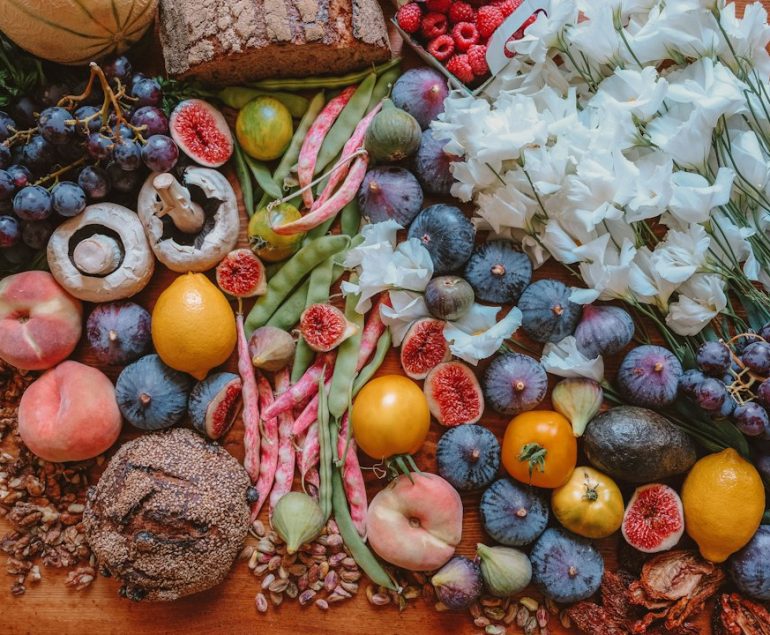
A deficiency in even one of these can weaken the “army” at the front lines. That’s why a varied diet—rich in colorful fruits, leafy greens, lean proteins, and healthy fats—is the most reliable way to keep your immune arsenal fully stocked.
1.3. The Gut–Immune Connection
About 70 % of the body’s immune cells reside in the gut‑associated lymphoid tissue (GALT). The trillions of friendly microbes (the microbiome) train these cells to distinguish friend from foe. Prebiotic fibers (found in onions, garlic, bananas, and whole grains) feed beneficial bacteria, while probiotic foods (yogurt, kefir, kimchi) introduce live cultures that can enhance gut barrier integrity. A balanced gut microbiome translates into a more responsive, less inflammatory immune system—making gut‑friendly foods a cornerstone of any immunity‑boosting plan.
—
2. Top Immunity‑Boosting Foods: Nature’s Arsenal
Below is a curated list of foods that consistently score high in scientific studies for supporting immune health. Each entry includes the key nutrients, why they matter, and a quick tip for maximizing their benefits.
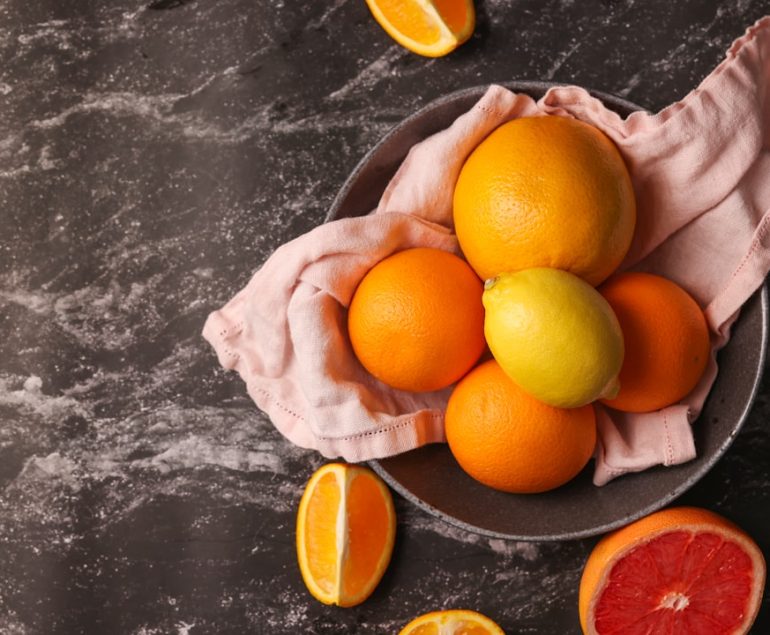
2.1. Citrus Fruits – The Vitamin C Powerhouses
Why they work: Vitamin C is a potent antioxidant that protects immune cells from oxidative stress and stimulates the production of interferon, a protein that helps fight viruses.
Best choices: Oranges, grapefruits, lemons, limes, tangerines, and the often‑overlooked kumquats.
Action tip: Pair citrus with a source of healthy fat (e.g., a drizzle of olive oil on an orange salad) to improve the absorption of fat‑soluble compounds like carotenoids that coexist in the fruit.
2.2. Berries – Antioxidant‑Rich Mini‑Explosions
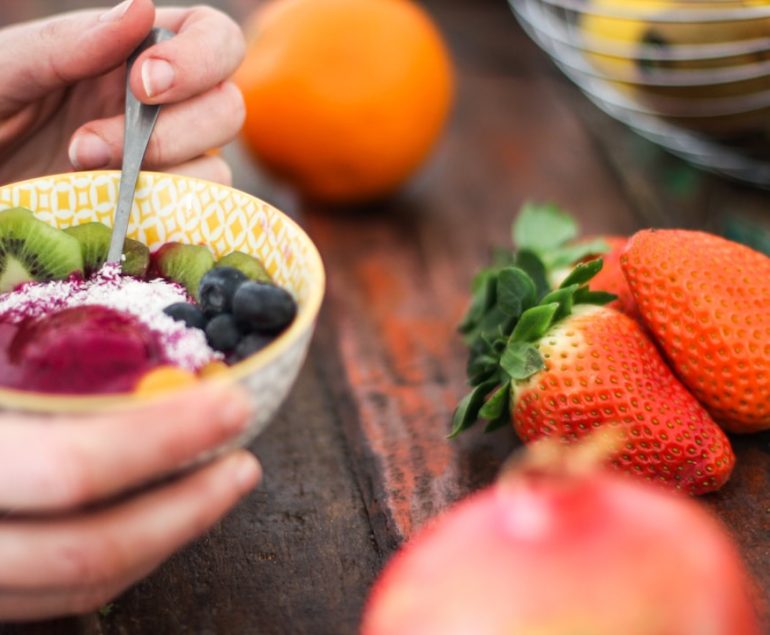
Why they work: Blueberries, strawberries, raspberries, and blackberries are packed with flavonoids (especially anthocyanins) that reduce inflammation and support the activity of natural killer (NK) cells.
Action tip: Blend a handful of mixed berries into a morning smoothie with Greek yogurt for a probiotic‑plus‑antioxidant boost.
2.3. Leafy Greens – Vitamin A, C, K, and Folate
Why they work: Kale, spinach, Swiss chard, and collard greens deliver a cocktail of vitamins A, C, and K, plus folate—essential for DNA synthesis in rapidly dividing immune cells.
Action tip: Lightly sauté greens with garlic and a splash of lemon juice. The heat breaks down cell walls, making nutrients more bioavailable, while garlic adds its own immune‑supporting allicin.
2.4. Cruciferous Vegetables – Sulforaphane Superstars
Why they work: Broccoli, cauliflower, Brussels sprouts, and bok choy contain sulforaphane, a compound that stimulates the production of phase‑2 detoxification enzymes and boosts the activity of white blood cells.
Action tip: Lightly steam crucifers for 3‑4 minutes, then toss with toasted sesame seeds and a dash of tamari. Over‑cooking destroys sulforaphane; a brief steam retains it.
2.5. Garlic & Onions – Allicin‑Rich Alliums
Why they work: When crushed or chopped, alliums produce allicin, a sulfur compound that enhances the activity of macrophages and lymphocytes.
Action tip: Add minced garlic to soups, stir‑fries, or homemade vinaigrettes. Let the garlic rest for 10 minutes after chopping before heating to maximize allicin formation.
2.6. Fermented Foods – Probiotic Power
Why they work: Yogurt, kefir, sauerkraut, kimchi, miso, and kombucha introduce live cultures that diversify the gut microbiome, reinforcing the gut‑immune barrier.
Action tip: Keep a small bowl of kimchi on the side of your plate for a tangy, probiotic‑rich garnish on rice bowls, tacos, or salads.
2.7. Nuts & Seeds – Zinc, Selenium, and Vitamin E
Why they work: Almonds, sunflower seeds, pumpkin seeds, and especially Brazil nuts provide zinc, selenium, and vitamin E—minerals that protect immune cells from oxidative damage and support antibody production.
Action tip: Snack on a handful of mixed nuts and seeds daily, or sprinkle them over oatmeal for added crunch and nutrition.
2.8. Fatty Fish – Omega‑3 Fatty Acids
Why they work: EPA and DHA from salmon, mackerel, sardines, and trout reduce inflammatory cytokine production and improve the fluidity of immune‑cell membranes, enhancing their function.
Action tip: Aim for two 3‑ounce servings per week. Grill with a rosemary‑lemon rub for extra antioxidant benefits.
2.9. Mushrooms – Vitamin D and Beta‑Glucans
Why they work: Certain mushrooms (shiitake, maitake, reishi) contain beta‑glucans that activate macrophages and natural killer cells. Sun‑exposed mushrooms also provide vitamin D, a critical regulator of immune response.
Action tip: Sauté sliced shiitake with a splash of soy sauce and ginger for a quick immune‑boosting side dish.
2.10. Legumes – Plant‑Based Protein and Iron
Why they work: Lentils, chickpeas, and black beans supply iron, zinc, and folate, supporting the proliferation of immune cells and oxygen transport.
Action tip: Cook a big batch of lentil soup with carrots, celery, and turmeric (a natural anti‑inflammatory) for a nutrient‑dense, make‑ahead meal.
—
3. Building an Immune‑Friendly Meal Plan – From Breakfast to Dinner
3.1. Breakfast: Start the Day with a Vitamin‑Packed Power Bowl
Sample recipe – Citrus‑Berry Yogurt Parfait
| Ingredient | Amount | Immune Benefit |
|————|——–|—————-|
| Greek yogurt (plain, 2% fat) | 1 cup | Probiotic cultures |
| Mixed berries (blue, strawberry, raspberry) | ½ cup | Antioxidants, flavonoids |
| Orange segments | ½ cup | Vitamin C |
| Chia seeds | 1 tbsp | Omega‑3, fiber |
| Almond slivers | 1 tbsp | Vitamin E, healthy fat |
| Honey (optional) | 1 tsp | Antimicrobial compounds |
How to assemble: Layer yogurt, berries, orange, and chia seeds in a glass. Top with almonds and a drizzle of honey. The combination delivers probiotics, vitamin C, antioxidants, and healthy fats—all within 10 minutes.
3.2. Lunch: Gut‑Friendly, Colorful Salads
Sample recipe – Mediterranean Immune Salad
- Base: Baby spinach and arugula (vitamins A & K, folate)
- Protein: Grilled salmon (omega‑3, vitamin D)
- Fiber & Prebiotics: Sliced cucumber, cherry tomatoes, red onion (onion’s allicin)
- Healthy Fats: Avocado slices (vitamin E, monounsaturated fats)
- Boosters: A handful of toasted pumpkin seeds (zinc) and a spoonful of fermented kimchi (probiotics)
- Dressing: Lemon‑olive‑oil vinaigrette (vitamin C + healthy fat)
- Option 1: A banana with a tablespoon of almond butter (potassium, vitamin E)
- Option 2: Trail mix of Brazil nuts, dried apricots, and dark chocolate chips (selenium, vitamin A, flavonoids)
- Protein: Free‑range chicken thighs (iron, zinc)
- Whole Grain: Quinoa (complete protein, magnesium)
- Veggies: Carrots, kale, and mushrooms (beta‑glucans, vitamin A)
- Spices: Turmeric and ginger (anti‑inflammatory, boost antibody response)
- Broth: Homemade bone broth (collagen for gut lining)
- Golden Milk: Warm almond milk with turmeric, cinnamon, a dash of black pepper, and a drizzle of honey.
- Herbal Tea: Green tea or rooibos with a slice of lemon (vitamin C) and a sprig of fresh mint (antimicrobial).
Why it works: This lunch hits every major immune‑supporting nutrient category—protein, omega‑3s, antioxidants, pre‑ and probiotics—while staying low in refined carbs, which can cause inflammation.
3.3. Snack: Quick, Portable Immunity Boosters
Both snacks keep blood sugar stable and supply a steady stream of micronutrients between meals.
3.4. Dinner: Warm, Healing Bowls
Sample recipe – Turmeric‑Ginger Chicken & Quinoa Stew
Cooking tip: Simmer the stew for at least 30 minutes; the slow cooking releases minerals from bone broth and enhances the bioavailability of turmeric’s curcumin when paired with a pinch of black pepper.
3.5. Evening Ritual: Soothing Immune‑Supportive Beverages
These drinks hydrate, provide antioxidants, and signal the body to wind down—critical for restorative sleep, which is itself a pillar of immune health.
—
4. Lifestyle Strategies to Maximize the Benefits of Immune‑Boosting Foods
4.1. Hydration – The Unsung Hero
Water carries nutrients to cells and flushes out toxins. Dehydration impairs lymph circulation, limiting the transport of immune cells. Aim for at least