—
Introduction: Why Your Plate Is the First Line of Defense
Imagine your immune system as a highly trained security team—always on standby, ready to spot and neutralize intruders. But even the best security crew can’t work at full capacity if they’re running on empty. The fuel they need? The nutrients you get from the foods you eat every day.
In recent years, “immunity‑boosting foods” have moved from health‑trend buzzword to a staple conversation in kitchens worldwide. Whether you’re battling a seasonal cold, recovering from an illness, or simply aiming to keep your body resilient, the right diet can make a measurable difference. In this 2,000‑word guide we’ll dive deep into the science‑backed foods that genuinely support your immune system, share practical ways to incorporate them into meals, and give you a roadmap to a stronger, healthier you.
Let’s unlock the pantry and discover the nutritional powerhouses that keep your immune defenses sharp.
—
1. Vitamin‑Packed Powerhouses: The Classic Immune Builders
1.1. Citrus Fruits – The Vitamin C Titans
Why they matter: Vitamin C is a potent antioxidant that protects immune cells from oxidative stress and enhances the production of white blood cells, the body’s frontline fighters.
Top picks: Oranges, grapefruits, lemons, limes, tangerines, and even less‑common varieties like kumquats and blood oranges.
Actionable tip:
- Morning immunity boost: Squeeze fresh lemon or orange juice into a glass of warm water and sip it on an empty stomach.
- Snack hack: Keep a bowl of segmented citrus on the counter; a quick bite provides 70–100 mg of vitamin C, covering 80 % of the daily value.
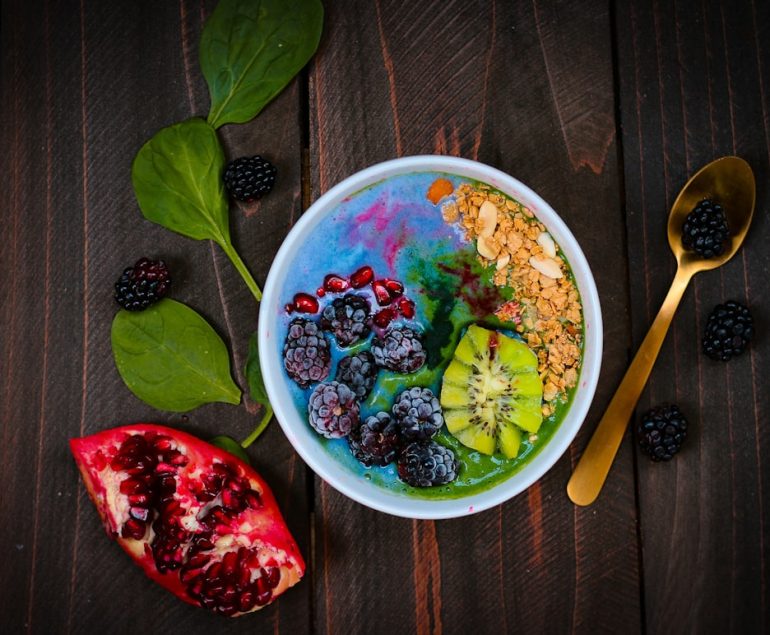
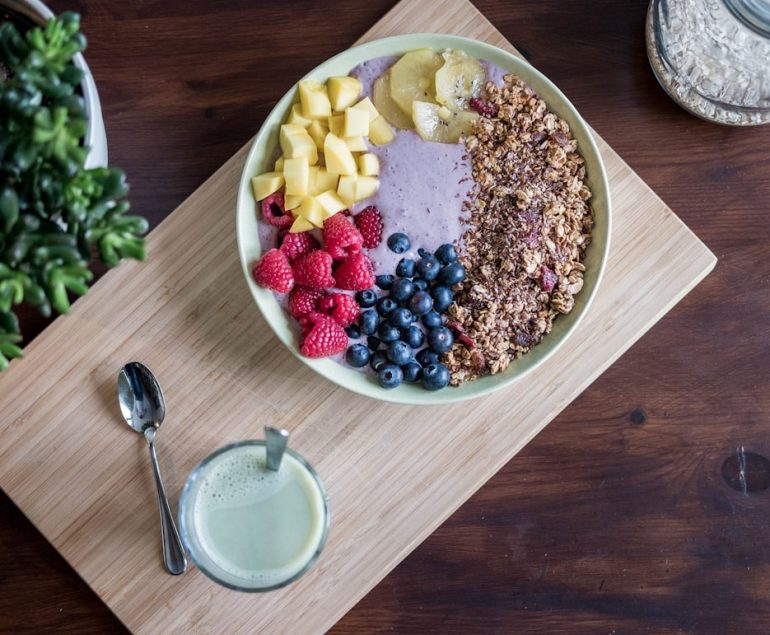
- Smoothie shield: Blend a cup of mixed berries with Greek yogurt, a splash of almond milk, and a drizzle of honey for a probiotic‑rich, vitamin‑C‑packed breakfast.
- Freezer-friendly: Freeze extra berries in portion‑size bags; they keep for months and are perfect for quick smoothies or oatmeal toppings.
- Roasted veggie medley: Toss cubed sweet potatoes, carrots, and red bell peppers with olive oil, rosemary, and a pinch of sea salt. Roast at 425 °F for 25 minutes for a caramelized side dish that delivers 300–400 % of the daily vitamin A requirement per serving.
- Power salad: Massage fresh spinach with a tablespoon of olive oil and a squeeze of lemon, then top with sliced avocado, toasted pumpkin seeds, and a sprinkle of feta. This combination maximizes iron absorption (thanks to vitamin C from lemon).
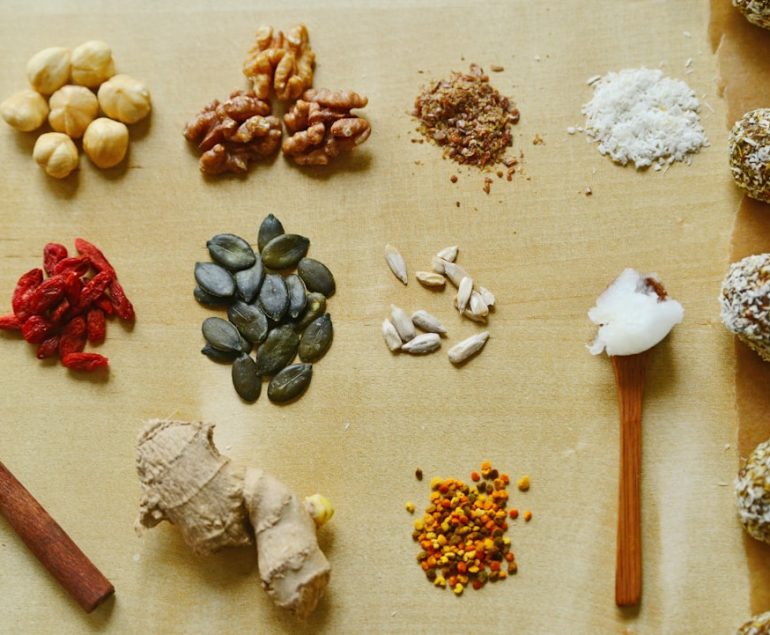
- Zinc‑packed snack: Roast a handful of pumpkin seeds with a dash of smoked paprika. A ¼‑cup serving supplies about 2.5 mg of zinc—roughly 23 % of the adult daily value.
- Brazil nut boost: Keep a small container of unsalted Brazil nuts at your desk. Eating two nuts a day delivers 200 µg of selenium, covering 360 % of the recommended intake.
- Evening magnesium treat: Mix a tablespoon of almond butter into a cup of warm oat milk, sprinkle with cocoa powder, and enjoy before bedtime for a calming, immunity‑supporting drink.
- Iron‑rich stir‑fry: Sauté sliced beef or tofu with broccoli, bell peppers, and a splash of soy sauce. Pair with a side of quinoa for a complete iron‑and‑protein meal.
- Morning probiotic bowl: Combine a cup of plain kefir with sliced banana, a sprinkle of chia seeds, and a drizzle of honey. This simple bowl delivers 10–12 billion CFUs of beneficial bacteria and a dose of calcium.
- Flavorful base: Start soups and stews with a sauté of diced onion, garlic, and leeks. This not only builds flavor but also supplies inulin—a potent prebiotic fiber that fuels beneficial gut microbes.
- DIY sauerkraut: Shred half a head of cabbage, massage with 1 % salt (≈1 tablespoon), pack tightly into a jar, and let ferment at room temperature for 5–7 days. The result is a crunchy, probiotic‑rich side that can be added to salads, tacos, or grain bowls.
- Golden latte: Warm 1 cup of almond milk, whisk in ½ teaspoon turmeric, a pinch of black pepper (enhances curcumin absorption), a dash of cinnamon, and honey to taste. Drink daily for a soothing, anti‑inflammatory boost.
- Garlic‑infused oil: Lightly crush 3–4 cloves, let sit for 10 minutes, then sauté with olive oil before adding vegetables or proteins. This maximizes allicin formation while keeping the flavor mild.
- Immunity tea: Simmer sliced fresh ginger (2 inches) in 2 cups of water for 10 minutes, add a splash of lemon juice and honey, and sip throughout the day.
- Morning brew: Replace coffee with a cup of brewed green tea (steep 2–3 minutes to avoid bitterness). Add a slice of lemon for extra vitamin C.
- Weekly fish night: Grill a 4‑ounce salmon fillet, drizzle with lemon‑herb vinaigrette, and serve with quinoa and steamed broccoli. This meal provides 400–600 IU of vitamin D, covering roughly 50–75 % of the daily recommendation for most adults.
- Infused water: Add cucumber slices, mint leaves, and a splash of lime to a pitcher of water. Drink 8–10 cups daily, and you’ll stay hydrated while enjoying a subtle flavor boost.
1.2. Berries – Tiny, Antioxidant‑Rich Warriors
Why they matter: Blueberries, strawberries, raspberries, and blackberries are loaded with flavonoids (especially anthocyanins) that modulate inflammation and improve the function of immune cells.
Actionable tip:
1.3. Red and Orange Vegetables – The Beta‑Carotene Boost
Why they matter: Carrots, sweet potatoes, pumpkin, and red bell peppers are rich in beta‑carotene, a precursor to vitamin A that maintains the integrity of skin and mucosal cells—your body’s first physical barrier against pathogens.
Actionable tip:
1.4. Dark Leafy Greens – The Folate and Iron Duo
Why they matter: Kale, spinach, Swiss chard, and collard greens supply folate (vitamin B9) and iron, both essential for the proliferation of immune cells and the production of hemoglobin, which transports oxygen to them.
Actionable tip:
Quick Recap: Vitamin‑C‑rich foods (citrus, berries), beta‑carotene sources (red/orange veg), and folate‑rich greens form the foundation of an immunity‑boosting diet.
—
2. Mineral‑Rich Allies: Zinc, Selenium, and Magnesium
2.1. Zinc – The Immune Cell Coordinator
Why it matters: Zinc is critical for the development and communication of immune cells, especially T‑lymphocytes and natural killer cells. Even a mild deficiency can impair your body’s ability to fight off viruses.
Top sources: Oysters (the ultimate zinc source), beef, pumpkin seeds, chickpeas, and cashews.
Actionable tip:
2.2. Selenium – The Antioxidant Shield
Why it matters: Selenium works with the antioxidant enzyme glutathione peroxidase to reduce oxidative damage during infections.
Top sources: Brazil nuts (just 1–2 nuts meet the daily requirement), sunflower seeds, brown rice, and mushrooms.
Actionable tip:
2.3. Magnesium – The Calming Mineral
Why it matters: Magnesium supports the production of antibodies and helps regulate the inflammatory response, preventing an over‑reactive immune system.
Top sources: Almonds, quinoa, black beans, and dark chocolate (≥70 % cacao).
Actionable tip:
2.4. Iron – The Oxygen Carrier
Why it matters: Iron is essential for the formation of hemoglobin, which transports oxygen to immune cells. Low iron can lead to fatigue and weakened defenses.
Top sources: Lean beef, lentils, fortified cereals, and tofu.
Actionable tip:
Key Takeaway: A balanced intake of zinc, selenium, magnesium, and iron—found in nuts, seeds, legumes, and lean proteins—provides the mineral scaffolding your immune system needs to operate efficiently.
—
3. Gut Health Guardians: Probiotics, Prebiotics, and Fermented Foods
3.1. The Gut–Immune Connection
Did you know that about 70 % of your immune cells reside in the gut-associated lymphoid tissue (GALT)? A healthy microbiome trains these cells, teaches them to differentiate friend from foe, and produces short‑chain fatty acids that reduce inflammation.
3.2. Probiotic Powerhouses
Top foods: Yogurt (with live cultures), kefir, sauerkraut, kimchi, miso, and tempeh.
Actionable tip:
3.3. Prebiotic Fiber – Feeding the Good Bacteria
Top foods: Garlic, onions, leeks, asparagus, bananas (especially slightly green), and chicory root.
Actionable tip:
3.4. Fermented Favorites
Why they matter: Fermentation not only preserves foods but also enhances the bioavailability of vitamins (especially B‑complex) and creates unique bioactive compounds that modulate immunity.
Actionable tip:
3.5. Combining Pro‑ and Pre‑biotics – The Synbiotic Effect
Strategy: Pair probiotic foods with prebiotic ingredients in the same meal for synergistic benefits.
Example meal: A bowl of miso soup (probiotic) loaded with sliced shiitake mushrooms, chopped scallions, and a side of roasted sweet potato wedges (prebiotic).
Takeaway: Prioritizing gut‑friendly foods not only supports digestion but also equips your immune system with a robust, well‑trained army of cells.
—
4. Herbs, Spices, and Super Drinks: Nature’s Immune Enhancers
4.1. Turmeric – The Golden Anti‑Inflammatory
Active compound: Curcumin, which modulates NF‑κB, a key regulator of inflammatory pathways.
Actionable tip:
4.2. Garlic – The Allicin Weapon
Why it matters: Allicin, released when garlic is crushed, has antimicrobial and immune‑stimulating properties.
Actionable tip:
4.3. Ginger – The Warmth of Immunity
Benefits: Ginger contains gingerol, which supports lymphatic drainage and reduces inflammation.
Actionable tip:
4.4. Green Tea – The Catechin‑Rich Defender
Key nutrients: Epigallocatechin gallate (EGCG) has antiviral properties and supports T‑cell function.
Actionable tip:
4.5. Vitamin‑D‑Rich Foods & Sunlight
Why it matters: Vitamin D modulates innate and adaptive immunity, and deficiency is linked to increased susceptibility to infections.
Sources: Fatty fish (salmon, mackerel, sardines), fortified plant milks, egg yolks, and mushrooms exposed to UV light.
Actionable tip:
4.6. Hydration – The Unsung Hero
Impact on immunity: Adequate water supports lymphatic flow, which transports immune cells throughout the body.
Actionable tip:
Bottom line: Small, consistent additions of immune‑supporting herbs, spices, and drinks can dramatically amplify the protective effects of your overall diet.
—
5. Putting It All Together: Sample 7‑Day Immune‑Boosting Meal Plan
| Day | Breakfast | Lunch | Dinner | Snack |
|—–|———–|——-|——–|——-|
| Mon | Greek yogurt parfait with mixed berries, honey, and chia seeds | Quinoa salad with kale, roasted red peppers, pumpkin seeds, and lemon‑tahini dressing | Baked salmon with turmeric‑garlic rub, sweet‑potato mash, and steamed broccoli | Brazil nuts (2) |
| Tue | Oatmeal topped with sliced banana, cinnamon, and almond butter | Lentil soup with carrots, onions, and a side of sauerkraut | Stir‑fried tofu, bell peppers, and snap peas over brown rice | Kefir (1 cup) |
| Wed | Green smoothie (spinach, kiwi, orange, ginger, almond milk) | Turkey and avocado wrap with whole‑grain tortilla, side of mixed greens | Beef chili with black