As the old adage goes, “an apple a day keeps the doctor away.” But what if you could take it a step further and incorporate a variety of immunity boosting foods into your diet to supercharge your health? With the rise of chronic diseases and pandemics, it’s more important than ever to prioritize our immune systems. The good news is that a well-crafted diet can play a significant role in keeping your immune system strong and resilient. In this comprehensive guide, we’ll delve into the world of immunity boosting foods, exploring the science behind their benefits and providing you with a list of actionable tips to start incorporating them into your daily meals.
Understanding the Immune System and Nutrition
Before we dive into the list of immunity boosting foods, it’s essential to understand the basics of the immune system and how nutrition plays a role in its functioning. The immune system is a complex network of cells, tissues, and organs that work together to protect the body against pathogens, such as bacteria, viruses, and other foreign invaders. A well-functioning immune system relies on a delicate balance of nutrients, including vitamins, minerals, and antioxidants. A diet rich in whole foods, fruits, vegetables, whole grains, and lean proteins provides the necessary building blocks for a healthy immune system.
Some of the key nutrients that support immune function include:
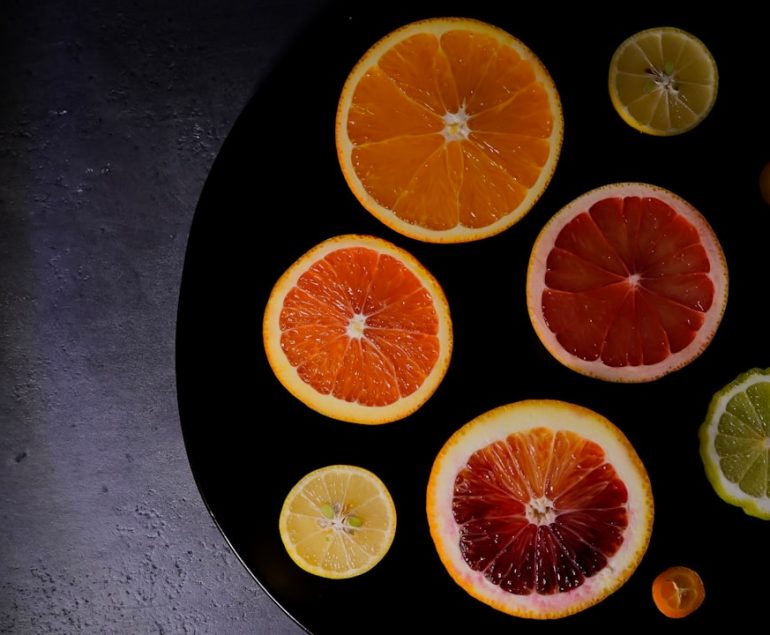
- Vitamin C, found in citrus fruits, bell peppers, and leafy greens, which helps to stimulate the production of white blood cells
- Vitamin D, found in fatty fish, egg yolks, and fortified dairy products, which regulates immune cell activity
- Zinc, found in oysters, beef, and chicken, which supports the activation of immune cells
- Omega-3 fatty acids, found in fatty fish, flaxseeds, and chia seeds, which reduce inflammation and promote immune cell function
- Incorporate a variety of whole foods, fruits, vegetables, and lean proteins into your diet to support immune function
- Avoid processed and sugary foods, which can weaken the immune system
- Prioritize self-care practices, such as exercise, hydration, and stress management, to support immune function
- Consider incorporating immunity boosting foods, such as berries, leafy greens, and fermented foods, into your diet
- Stay hydrated, get enough sleep, and manage stress to support optimal immune function.
Top Immunity Boosting Foods to Add to Your Diet
Now that we’ve covered the basics of the immune system and nutrition, let’s explore some of the top immunity boosting foods to add to your diet. These foods are packed with vitamins, minerals, and antioxidants that can help to support immune function and reduce the risk of chronic diseases.
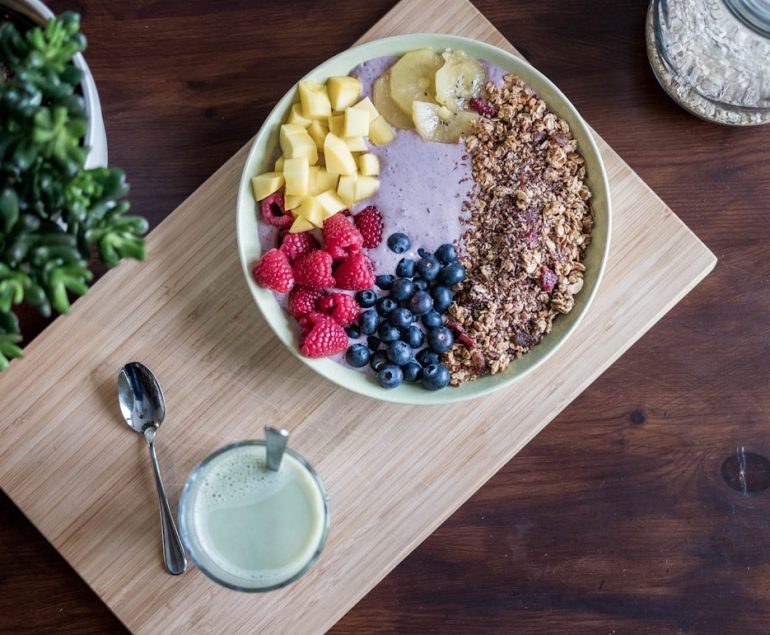
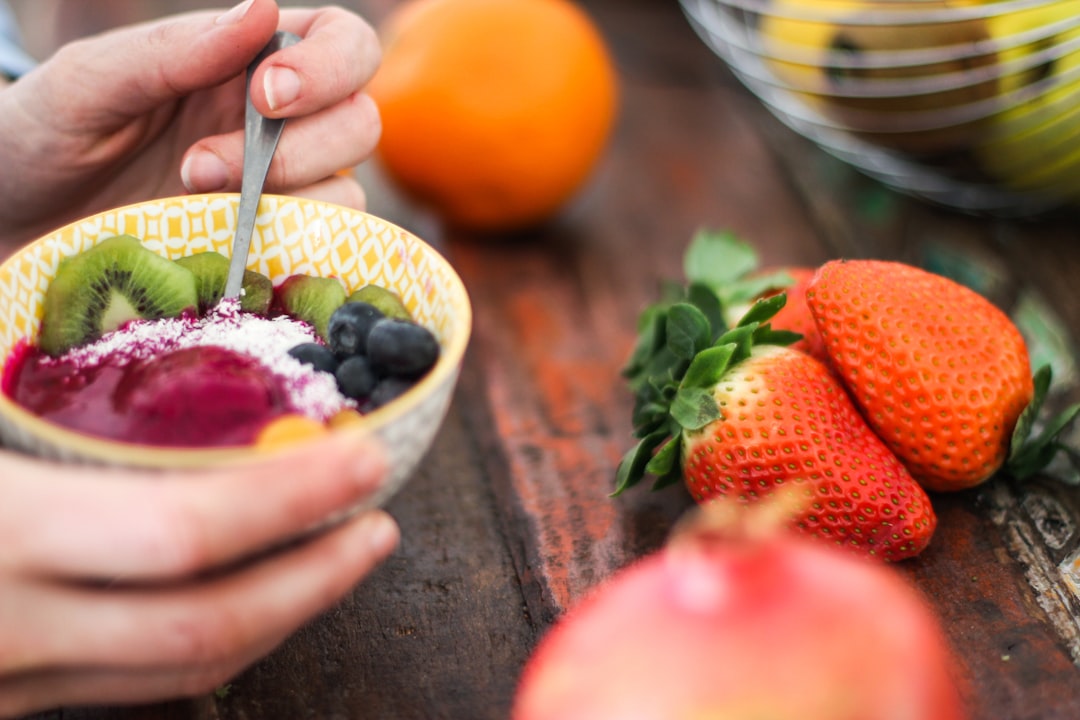
1. Berries: Berries are some of the richest sources of antioxidants, including vitamin C, vitamin E, and beta-carotene. Blueberries, raspberries, and strawberries are all excellent choices to add to your diet.
2. Leafy Greens: Leafy greens, such as spinach, kale, and collard greens, are rich in vitamin C, vitamin E, and beta-carotene. These nutrients help to support immune cell function and reduce inflammation.
3. Fatty Fish: Fatty fish, such as salmon, tuna, and mackerel, are rich in omega-3 fatty acids, which reduce inflammation and promote immune cell function.
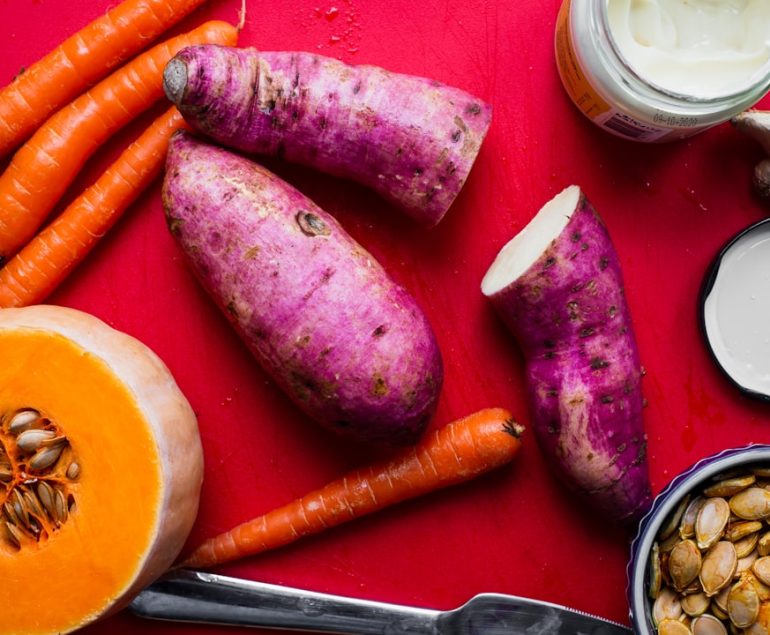
4. Sweet Potatoes: Sweet potatoes are rich in vitamin A, which helps to regulate immune cell activity and reduce the risk of infections.
5. Mushrooms: Mushrooms, such as reishi, shiitake, and chaga, have been shown to have immunomodulatory effects, meaning they can help to regulate immune cell activity and reduce inflammation.
6. Garlic: Garlic contains compounds that have antimicrobial and antiviral properties, making it an excellent addition to your diet to support immune function.
7. Ginger: Ginger has anti-inflammatory properties and has been shown to reduce the severity of colds and flu.
8. Fermented Foods: Fermented foods, such as kimchi, sauerkraut, and yogurt, contain probiotics, which support the health of the gut microbiome and promote immune function.
Incorporating Immunity Boosting Foods into Your Diet
Incorporating immunity boosting foods into your diet can be easy and delicious. Here are some tips to get you started:
1. Start your day with a boost: Begin your day with a glass of freshly squeezed orange juice or a bowl of oatmeal with berries and nuts.
2. Add leafy greens to your meals: Add spinach or kale to your smoothies, salads, or sauté them with garlic as a side dish.
3. Incorporate fatty fish into your meals: Grill or bake salmon or tuna and serve with a side of roasted vegetables.
4. Snack on nuts and seeds: Almonds, sunflower seeds, and pumpkin seeds are all rich in vitamin E and magnesium, which support immune function.
5. Try fermentation: Make your own kimchi or sauerkraut at home, or add fermented foods to your meals as a side dish.
6. Drink herbal teas: Herbal teas, such as echinacea and ginger, have been shown to have immunomodulatory effects and can help to reduce the severity of colds and flu.
Common Mistakes to Avoid and Tips for Optimal Immune Function
While incorporating immunity boosting foods into your diet is an excellent step towards supporting immune function, there are also common mistakes to avoid. Here are some tips to keep in mind:
1. Avoid processed and sugary foods: Processed and sugary foods can weaken the immune system and increase the risk of chronic diseases.
2. Stay hydrated: Adequate hydration is essential for immune function, so make sure to drink plenty of water throughout the day.
3. Exercise regularly: Regular exercise can help to reduce stress and promote immune function.
4. Get enough sleep: Adequate sleep is essential for immune function, so aim for 7-9 hours of sleep per night.
5. Manage stress: Chronic stress can weaken the immune system, so find healthy ways to manage stress, such as meditation or yoga.
In conclusion, incorporating immunity boosting foods into your diet can have a significant impact on your overall health and well-being. By understanding the science behind immune function and nutrition, and incorporating a variety of whole foods, fruits, vegetables, and lean proteins into your diet, you can support immune function and reduce the risk of chronic diseases. Remember to avoid common mistakes, such as consuming processed and sugary foods, and prioritize self-care practices, such as exercise, hydration, and stress management. With these tips and tricks, you’ll be well on your way to supercharging your immune system and unlocking optimal health.
Key takeaways: