—
Introduction – Why Your Plate Is the First Line of Defense
Imagine your immune system as a high‑tech security team protecting a bustling city. The more skilled the guards, the better they can spot intruders, neutralize threats, and keep everything running smoothly. But just like any elite squad, they need the right training, equipment, and fuel to stay on top of their game.
That’s where immunity‑boosting foods step in. Every bite you take delivers vitamins, minerals, antioxidants, and beneficial microbes that act as the “ammo” and “maintenance crew” for your body’s natural defense network. In a world where colds, flu, and seasonal infections are inevitable, optimizing your diet is one of the most accessible—and effective—ways to fortify your immune system without relying on pills or quick‑fix supplements.
In this comprehensive, 2,000‑word guide we’ll explore the science‑backed foods that truly boost immunity, break down the nutrients they provide, and give you actionable strategies to weave them into everyday meals. By the end, you’ll have a clear, practical roadmap to turn your kitchen into a powerhouse of natural immunity.
—
1. Vitamin & Mineral Essentials: The Building Blocks of a Strong Immune System
Your immune system runs on a precise balance of micronutrients. When you’re short on any of these, the body’s ability to produce white blood cells, antibodies, and signaling molecules (cytokines) can falter. Below are the top vitamins and minerals that act as the “command center” for immune health, along with the foods that deliver them in bioavailable form.
1.1 Vitamin C – The Classic Immune Shield
- What it does: Vitamin C is a potent antioxidant that protects immune cells from oxidative stress and enhances the production of interferon, a protein that helps fight viral infections.
- Top sources:
- What it does: Vitamin D helps regulate the innate and adaptive immune responses, reducing the risk of infections and autoimmune flare‑ups. Low levels are linked with higher susceptibility to respiratory illnesses.
- Top sources:
- What it does: Zinc is essential for the development and communication of immune cells. It also directly inhibits the replication of many viruses, including the common cold virus.
- Top sources:
- Selenium supports the production of antioxidant enzymes that protect immune cells. Brazil nuts are a powerhouse—just 1–2 nuts meet the recommended intake.
- Iron is crucial for the proliferation of immune cells, especially lymphocytes. Lean red meat, turkey, and spinach are excellent sources.
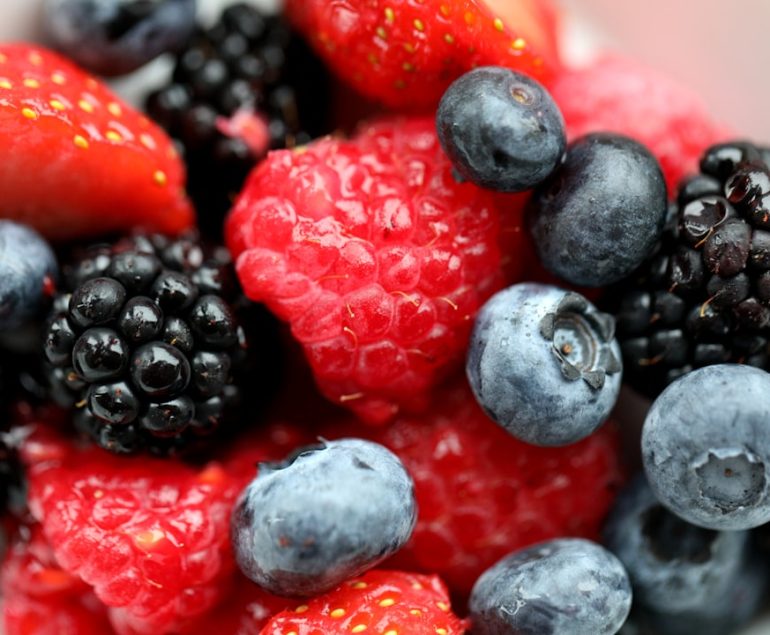
- Why they work: Berries are loaded with flavonoids (especially anthocyanins) and vitamin C, both of which enhance immune cell function and reduce oxidative stress.
- Top picks:
- Why they work: Dark leafy greens such as kale, spinach, and Swiss chard deliver vitamins A, C, K, folate, and a suite of phytonutrients that support both innate and adaptive immunity.
- How to eat them:
- Why they work: Broccoli, cauliflower, Brussels sprouts, and cabbage contain sulforaphane, a compound that stimulates the production of detoxifying enzymes and boosts immune cell activity.
- Cooking tip: Light steaming (3–5 minutes) preserves sulforaphane better than boiling.
- Why they work: Beyond the classic orange, fruits like papaya, mango, and pineapple offer high vitamin C levels plus enzymes (e.g., bromelain in pineapple) that have anti‑inflammatory properties.
- Key strains: Lactobacillus bulgaricus, Streptococcus thermophilus, and for kefir, additional yeasts and bacteria like Lactobacillus kefiri.
- Benefits: Improve the ratio of good‑to‑bad bacteria, boost production of short‑chain fatty acids (SCFAs) that support immune cells, and enhance vitamin B12 synthesis.
- Why they work: These fermented cabbage dishes are rich in lactobacilli, vitamin C, and fiber. The fermentation process also creates bioactive compounds that have antiviral properties.
- Benefits: Provide both probiotics (in miso soup) and prebiotic fiber (in tempeh and natto). Natto is especially high in vitamin K2, which supports bone health and may indirectly aid immune function.
- Key foods: Garlic, onions, leeks, asparagus, bananas (especially slightly green), and whole grains like oats and barley.
- How they help: Prebiotics are non‑digestible fibers that act as food for probiotic bacteria, encouraging their growth and activity.
- **Active compound
– Citrus fruits – oranges, grapefruits, lemons, limes
– Berries – strawberries, blackcurrants, raspberries
– Kiwi – one medium fruit provides 140% of the daily value (DV)
– Bell peppers – especially red peppers (up to 190 mg per cup)
– Broccoli & Brussels sprouts – 1 cup cooked delivers ~80 mg
Action tip: Keep a bowl of fresh fruit on your desk or a pre‑cut veggie tray in the fridge. A quick snack of orange slices or a handful of strawberries adds a vitamin C boost without any prep time.
1.2 Vitamin D – The Immune Modulator
– Fatty fish – salmon, mackerel, sardines (3 oz provides ~450 IU)
– Egg yolks – especially from pasture‑raised hens
– Mushrooms – exposed to UV light (e.g., shiitake, maitake)
– Fortified foods – dairy, plant milks, orange juice
– Sunlight – 10‑15 minutes of midday sun on uncovered skin 2‑3 times/week can synthesize 1,000‑2,000 IU
Action tip: Pair a serving of grilled salmon with a side of sautéed mushrooms for a double‑dose of vitamin D at dinner. If you live in a high‑latitude region, consider a daily supplement of 1,000‑2,000 IU after consulting a healthcare professional.
1.3 Zinc – The Antiviral Warrior
– Oysters – the champion (up to 74 mg per 3 oz)
– Beef & lamb – lean cuts, 3 oz provides ~5 mg
– Pumpkin seeds – 1 oz delivers ~2.5 mg
– Chickpeas & lentils – plant‑based options, ~1.3 mg per ½ cup cooked
– Cashews & almonds – handy snack for a modest zinc boost
Action tip: Sprinkle roasted pumpkin seeds over a mixed green salad or blend them into a smoothie for a crunchy, zinc‑rich topping.
1.4 Selenium & Iron – The Unsung Heroes
Action tip: Add a handful of Brazil nuts to your morning oatmeal and pair it with a spinach‑and‑turkey wrap for lunch to cover both selenium and iron needs.
> Quick Checklist – Daily Micronutrient Targets for Immune Support
> – Vitamin C: 75–90 mg (≈1 orange)
> – Vitamin D: 600–800 IU (sunlight + fortified foods)
> – Zinc: 8 mg (women) / 11 mg (men) (≈¼ cup pumpkin seeds)
> – Selenium: 55 µg (≈2 Brazil nuts)
—
2. Antioxidant‑Rich Fruits & Vegetables: Neutralizing the Enemy Within
Free radicals are unstable molecules that can damage cells, including those of the immune system. Antioxidants neutralize these radicals, reducing inflammation and supporting immune resilience. The most effective antioxidant‑rich foods are colorful, nutrient‑dense, and easy to incorporate into any meal plan.
2.1 Berries – Tiny Powerhouses
– Blueberries – 1 cup provides ~9 g of fiber and 24 mg of vitamin C
– Acai berries – high in polyphenols, great in smoothies
– Goji berries – contain lycopene and beta‑carotene
Action tip: Freeze a mix of berries and keep a “smoothie bag” in the freezer. Blend with Greek yogurt and a splash of almond milk for a quick, antioxidant‑rich breakfast.
2.2 Leafy Greens – The Green Defense Squad
– Sautéed with garlic and olive oil for a warm side dish
– Raw in a power salad topped with nuts, seeds, and a citrus vinaigrette
– Blended into a green smoothie with pineapple for sweetness
Action tip: Keep a pre‑washed bag of baby kale in the fridge. Toss it into a quick stir‑fry with tofu and bell peppers for a nutrient‑dense dinner in under 20 minutes.
2.3 Cruciferous Vegetables – Detox & Defense
Action tip: Roast Brussels sprouts with a drizzle of olive oil and a sprinkle of sea salt. Serve as a side or toss into a quinoa bowl for added crunch.
2.4 Citrus & Tropical Fruits – Vitamin C on Steroids
Action tip: Slice fresh papaya and drizzle with lime juice for a tropical snack that’s both refreshing and immune‑supportive.
> Pro‑Tip: Aim for a rainbow on your plate at each meal—different colors indicate a variety of phytonutrients, each playing a unique role in immune health.
—
3. Probiotics & Fermented Foods: Nurturing the Gut‑Immune Connection
Did you know that about 70% of your immune system lives in the gut? The gut‑associated lymphoid tissue (GALT) constantly samples microbes, training immune cells to respond appropriately. A balanced gut microbiome—populated by beneficial bacteria—helps keep inflammation in check, enhances nutrient absorption, and prevents harmful pathogens from taking hold.
3.1 Yogurt & Kefir – Live Cultures in a Creamy Package
Action tip: Choose plain, unsweetened Greek yogurt or kefir (cow’s or plant‑based) and add fresh berries and a drizzle of honey for a probiotic‑rich breakfast.
3.2 Sauerkraut & Kimchi – Fermented Crucifers
Action tip: Add a tablespoon of kimchi to a bowl of rice, or use sauerkraut as a topping for a veggie burger. Even a small daily serving can make a noticeable difference in gut health.
3.3 Miso, Tempeh, and Natto – Soy‑Based Ferments
Action tip: Start your morning with a warm miso soup (low‑sodium) and enjoy a tempeh stir‑fry for lunch. The combination offers protein, probiotics, and prebiotic fiber—all immune‑friendly.
3.4 Prebiotic Foods – Feeding the Good Bacteria
Action tip: Sauté garlic and onions as a flavor base for soups, stews, and sauces. This not only adds depth but also fuels your gut microbes.
> Bottom Line: Pair probiotic foods (live cultures) with prebiotic foods (fibers) in the same meal for a synergistic “synbiotic” effect that maximizes immune support.
—
4. Herbs, Spices, and Natural Boosters: Small Additions, Big Impact
Beyond whole foods, certain herbs and spices contain bioactive compounds that directly influence immune pathways. The good news? A pinch or two is all you need to reap the benefits.