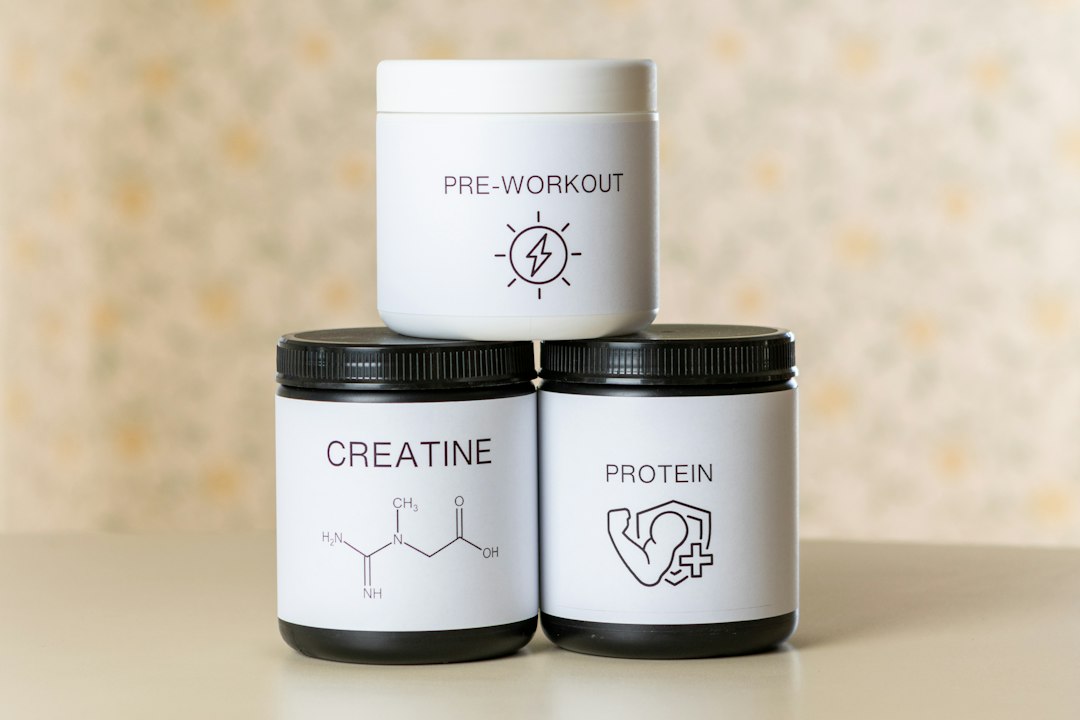
Title: Unlocking the Power of Nutrition: A Practical Guide to Eating Well, Feeling Great, and Thriving Every Day

—

Introduction – Why Nutrition Matters More Than You Think

Imagine you’re fueling a high‑performance car with cheap, low‑grade gasoline. It might run, but the engine will sputter, the mileage will drop, and the wear and tear will pile up fast. Your body works the exact same way. The food you put on your plate is the fuel that drives every cell, hormone, and thought.

In today’s fast‑paced world, nutrition has become both a buzzword and a battlefield. From “keto” to “intermittent fasting,” the headlines are endless, and the advice can feel contradictory. Yet, at its core, good nutrition is simple: provide your body with the right macronutrients (carbohydrates, proteins, fats) and micronutrients (vitamins, minerals) in a balanced, sustainable way.

In this 2,000‑word deep dive, we’ll cut through the noise, translate the science into everyday actions, and give you a roadmap you can start using today. Whether you’re looking to boost energy, manage weight, improve gut health, or simply feel more vibrant, the principles below will help you build a solid nutrition foundation that lasts a lifetime.

—

1. Building a Balanced Plate – The Foundations of Healthy Eating

1.1 The Macronutrient Mix: Carbs, Protein, and Fat

| Nutrient | Primary Role | Best Food Sources | Daily Guideline* |
|———-|————–|——————-|——————|
| Carbohydrates | Quick energy, brain fuel | Whole grains, fruits, legumes, starchy veg | 45‑65% of total calories |
| Protein | Tissue repair, hormone production | Lean meats, fish, eggs, dairy, beans, tofu | 10‑35% of total calories (≈0.8‑1.0 g/kg body weight) |
| Fat | Hormone balance, cell membranes, vitamin absorption | Avocado, nuts, seeds, olive oil, fatty fish | 20‑35% of total calories (focus on unsaturated) |

*These ranges are based on the 2020‑2025 Dietary Guidelines for Americans. Adjust according to activity level, goals, and medical conditions.

Actionable Tip: Use the “hand‑portion” method for quick visual guidance:

  • Palm = protein (≈3‑4 oz)
  • Fist = carbs (≈½ cup cooked grains or 1 cup raw veg)
  • Cupped hand = healthy fats (≈1‑2 tbsp oil or a small handful nuts)
  • 1.2 Micronutrients – The Tiny Titans

    Even though vitamins and minerals are needed in milligram or microgram amounts, they’re essential for metabolism, immunity, and mental health. Some of the most critical micronutrients include:

  • Vitamin D – bone health, mood regulation (sunlight, fortified dairy, fatty fish)
  • Iron – oxygen transport (red meat, lentils, spinach; pair plant sources with vitamin C)
  • Calcium – bone density (dairy, fortified plant milks, leafy greens)
  • Magnesium – muscle function, sleep quality (nuts, seeds, whole grains)
  • Actionable Tip: Aim for a rainbow plate at each meal—different colored fruits and vegetables provide a broad spectrum of phytonutrients and antioxidants. A simple visual rule: at least three colors per plate.

    1.3 Hydration – The Overlooked Nutrient

    Water is the medium for every biochemical reaction in your body. Dehydration can masquerade as fatigue, headaches, or even “hunger.”

    Actionable Tip: Carry a 1‑liter reusable bottle and set a reminder to sip every 30 minutes. Add a slice of lemon or cucumber for flavor without extra calories.

    —

    2. Meal Planning Mastery – Turning Theory into Everyday Practice

    2.1 The Power of Prep: Why Planning Beats Guesswork

    Research shows that people who plan meals are 2‑3 times more likely to meet their nutrition goals. Planning reduces reliance on fast food, curbs impulse snacking, and helps control portion sizes.

    Step‑by‑Step Mini‑Plan:

    1. Pick a Theme Day – e.g., “Meatless Monday” or “Fish Friday.”
    2. Choose 2‑3 Core Recipes – keep them simple (≤30 min).
    3. Create a Shopping List – write items by store section to save time.
    4. Batch Cook – cook grains, legumes, and proteins in bulk on weekends.
    5. Portion & Store – use glass containers; label with date and meal name.

    2.2 Quick, Nutrient‑Dense Breakfast Ideas

    | Recipe | Prep Time | Key Nutrients |
    |——–|———–|—————|
    | Greek Yogurt Parfait (Greek yogurt, mixed berries, chia seeds, drizzle of honey) | 5 min | Protein, calcium, omega‑3, antioxidants |
    | Veggie‑Egg Muffins (eggs, spinach, bell pepper, feta) | 20 min (make‑ahead) | Protein, iron, vitamin K |
    | Overnight Oats (rolled oats, almond milk, banana, walnuts, cinnamon) | 5 min + overnight | Complex carbs, fiber, potassium, healthy fats |

    Actionable Tip: Choose one “go‑to” breakfast you love, prep it the night before, and rotate weekly to keep variety without extra planning.

    2.3 Lunches That Keep You Full and Focused

  • Power Bowl: Base of quinoa or brown rice, topped with grilled chicken, roasted sweet potato, kale, avocado, and a lemon‑tahini dressing.
  • Mediterranean Wrap: Whole‑grain tortilla, hummus, cucumber, tomato, olives, feta, and a handful of arugula.
  • Soup & Salad Combo: Lentil soup (protein + fiber) paired with a mixed greens salad (micronutrients).
  • Actionable Tip: Batch‑cook a grain (e.g., quinoa) and a protein (e.g., baked salmon) on Sunday. Mix‑and‑match throughout the week with different veggies and sauces to keep lunches exciting.

    2.4 Dinner Strategies for Recovery and Satiety

    Evening meals should support recovery (especially after workouts) and stable blood sugar overnight.

  • Stir‑Fry: Lean beef or tofu, broccoli, bell peppers, snap peas, ginger, garlic, and a low‑sodium soy‑ginger sauce over brown rice.
  • Sheet‑Pan Salmon: Salmon fillet, asparagus, cherry tomatoes, drizzled with olive oil and herbs; roast together for 20 min.
  • Vegetarian Chili: Black beans, kidney beans, corn, diced tomatoes, chili spices; serve with a side of quinoa or a small whole‑grain roll.
  • Actionable Tip: Finish dinner at least 2‑3 hours before bedtime to aid digestion and improve sleep quality.

    2.5 Smart Snacking – Keeping Energy Stable

    | Snack | Nutrient Profile | Why It Works |
    |——-|——————|————–|
    | Apple slices + almond butter | Fiber + healthy fat + protein | Stabilizes blood sugar, curbs cravings |
    | Greek yogurt + pumpkin seeds | Protein + magnesium + zinc | Supports muscle repair, mood |
    | Hummus + carrot sticks | Plant protein + beta‑carotene | Low‑calorie, high satiety |
    | Dark chocolate (≥70% cacao) + berries | Antioxidants + iron | Satisfies sweet tooth, heart‑healthy |

    Actionable Tip: Portion snacks into single‑serve containers (e.g., 1 oz nuts, ½ cup yogurt) to avoid mindless overeating.

    —

    3. Nutrition for Specific Goals – Tailoring Your Diet to What Matters Most

    3.1 Weight Management – The Calorie‑Quality Balance

    Weight loss isn’t just about cutting calories; it’s about calorie quality. A diet rich in fiber, protein, and healthy fats keeps you full longer, allowing a modest calorie deficit without feeling deprived.

    Key Strategies:

    1. Prioritize Protein – Aim for 25‑30 g per meal; it boosts satiety and preserves lean muscle.
    2. Increase Fiber – 25‑30 g daily (vegetables, fruits, legumes, whole grains).
    3. Mindful Eating – Slow down, chew thoroughly, and stop when you’re 80 % full (the “Hara Hachi Bu” principle).

    Sample 1500‑Calorie Day:

  • Breakfast: Veggie‑egg muffins (300 cal)
  • Snack: Apple + 1 tbsp almond butter (180 cal)
  • Lunch: Power bowl with quinoa, chicken, veggies, avocado (450 cal)
  • Snack: Greek yogurt + berries (150 cal)
  • Dinner: Sheet‑pan salmon with asparagus (420 cal)
  • 3.2 Muscle Gain & Performance – Fueling the Athlete Inside

    For strength training, protein timing and carb availability are crucial.

  • Post‑Workout Window: 20‑30 g high‑quality protein + fast‑acting carbs within 30 minutes (e.g., whey shake + banana).
  • Daily Protein Goal: 1.4‑2.0 g per kg body weight for active individuals.
  • Complex Carbs: Sweet potatoes, oats, brown rice to replenish glycogen stores.
  • Sample Pre‑/Post‑Workout Snack:

  • Pre: 1 slice whole‑grain toast + 1 tbsp peanut butter (≈200 cal) – provides steady energy.
  • Post: Whey protein (20 g) blended with frozen berries, spinach, and almond milk (≈250 cal).
  • 3.3 Gut Health – The Microbiome Connection

    A healthy gut influences immunity, mood, and even weight regulation. Feed your gut bacteria with prebiotic fibers and probiotic foods.

  • Prebiotic Foods: Garlic, onions, leeks, asparagus, bananas, oats, chicory root.
  • Probiotic Foods: Yogurt with live cultures, kefir, sauerkraut, kimchi, miso.
  • Actionable Tip: Incorporate one fermented food and two prebiotic foods into your daily meals. Example: Breakfast kefir parfait + lunch roasted garlic broccoli.

    3.4 Sustainable Nutrition – Eating Well for You and the Planet

    Environmental impact is becoming a core component of modern nutrition. Simple swaps can lower your carbon footprint while boosting health.

  • Choose Plant‑Based Proteins: Lentils, chickpeas, tempeh (lower greenhouse gases than beef).
  • Eat Seasonal Produce: Reduces transportation emissions and often tastes better.
  • Minimize Food Waste: Plan leftovers, freeze excess, use vegetable scraps for broth.
  • Actionable Tip: Designate one “Meat‑Free” day per week and experiment with global cuisines (e.g., Indian dal, Mexican bean tacos) to keep it exciting.

    —

    4. Overcoming Common Nutrition Challenges – Practical Solutions for Real Life

    4.1 Busy Schedules – “I Don’t Have Time to Cook”

  • Solution 1: 10‑Minute Meal Kits – Pre‑chopped veggies, pre‑cooked grains, and a simple sauce.
  • Solution 2: Slow‑Cooker/Instant Pot – Toss ingredients in the morning; dinner is ready when you get home.
  • Solution 3: “Grab‑and‑Go” Snacks – Pre‑portion nuts, fruit, cheese sticks in the fridge for quick access.
  • 4.2 Budget Constraints – Eating Healthy Without Breaking the Bank

  • Buy in Bulk: Rice, beans, oats, and frozen vegetables are cost‑effective and nutrient‑dense.
  • Seasonal Shopping: Farmers’ markets often have lower prices for in‑season produce.
  • DIY vs. Pre‑Made: Making your own hummus, granola, or salad dressing saves money and eliminates hidden sugars.
  • Budget‑Friendly Meal Idea: Lentil‑sweet potato stew (lentils + sweet potatoes + canned tomatoes + spices) – feeds 4, costs <$5, provides protein, fiber, vitamin A, and iron.

    4.3 Food Cravings & Emotional Eating

  • Identify Triggers: Keep a brief journal of mood, time of day, and cravings.
  • Swap Smartly: If you crave something sweet, reach for fruit with a drizzle of dark chocolate; for salty cravings, try roasted chickpeas.
  • Protein & Fiber First: A balanced meal reduces blood‑sugar spikes that lead to cravings later.

4.4 Navigating Nutrition Myths

| Myth | Reality |
|——|———-|
| “All carbs make you gain weight.” | Carbs are essential; focus on
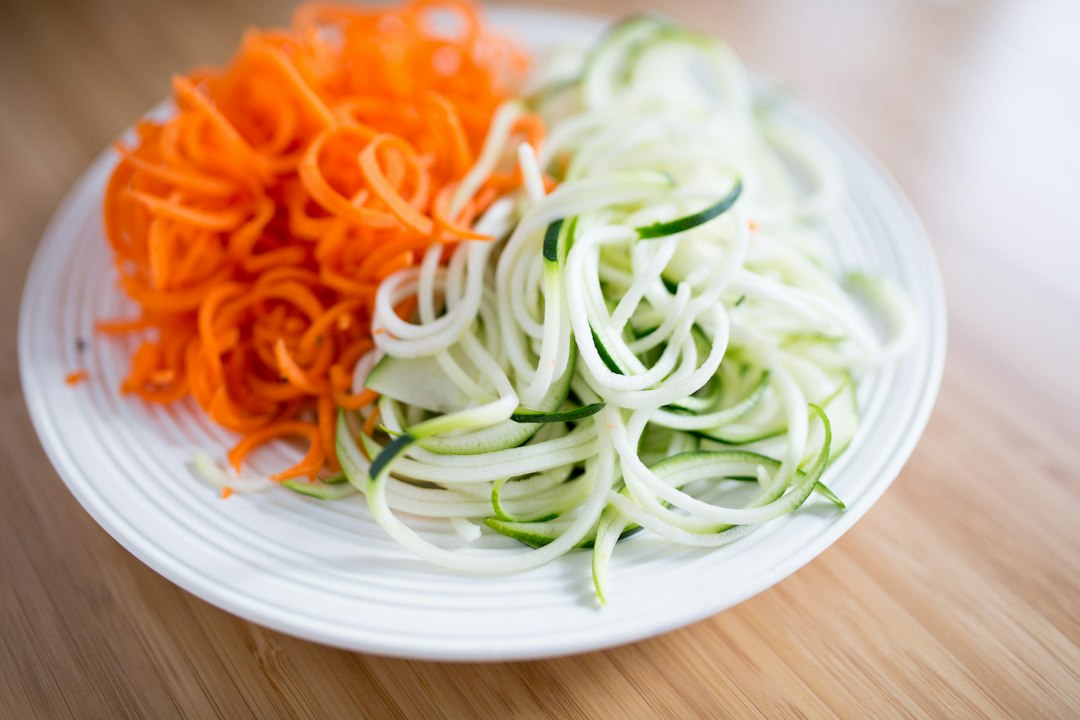
Title: Unlocking the Power of Nutrition: A Practical Guide to Eating Well, Feeling Great, and Thriving Every Day

—

Introduction – Why Nutrition Is the Real Super‑Power

Imagine you could boost your energy, sharpen your focus, and protect yourself against disease—all without a single pill. The secret isn’t a magic formula; it’s right on your plate. Nutrition is the foundation of every bodily function, from the brain’s lightning‑fast neurotransmissions to the muscles that carry you through a workout. Yet, amidst a flood of diet trends and conflicting advice, many of us feel stuck in a maze of “what should I eat?” and “is this the right calorie count?”

If you’ve ever wondered how to cut through the noise and build a sustainable, science‑backed eating plan, you’re in the right place. In the next 2,000 words, we’ll break down the fundamentals of nutrition, show you how to design a balanced plate, and hand you actionable tools you can start using today—whether your goal is weight management, peak athletic performance, or simply feeling more vibrant. Grab a notebook (or your phone’s notes app); you’ll want to capture the tips that resonate most.

—

1. Understanding the Basics of Nutrition

1.1. Macronutrients – The Body’s Primary Fuel Sources

| Nutrient | Primary Role | Typical Sources | Recommended % of Daily Calories* |
|———-|————–|—————-|———————————-|
| Carbohydrates | Quick energy for brain & muscles | Whole grains, fruits, legumes, starchy veg | 45‑65% |
| Proteins | Tissue repair, enzyme & hormone production | Lean meat, fish, eggs, dairy, beans, tofu | 10‑35% |
| Fats | Cell membranes, hormone synthesis, long‑term energy | Avocado, nuts, seeds, olive oil, fatty fish | 20‑35% |

*Percentages are based on the 2020‑2025 Dietary Guidelines for Americans and can be adjusted for specific goals (e.g., higher protein for strength training).

Actionable tip: Use the “hand‑portion” method to eyeball macronutrient balance at each meal—palm‑size protein, fist‑size carbs, thumb‑size healthy fat.

1.2. Micronutrients – The Tiny Titans

Vitamins and minerals don’t provide calories, but they are essential co‑workers that enable macronutrients to do their job. Key micronutrients to prioritize:

| Vitamin / Mineral | Why It Matters | Food Sources |
|——————-|—————-|————–|
| Vitamin D | Bone health, immune modulation | Sunlight, fortified milk, fatty fish |
| Vitamin C | Antioxidant, collagen synthesis | Citrus, berries, bell peppers |
| Iron | Oxygen transport, energy production | Red meat, lentils, spinach (paired with vitamin C) |
| Calcium | Bone density, muscle contraction | Dairy, fortified plant milks, kale |
| Magnesium | Muscle relaxation, sleep quality | Nuts, seeds, whole grains, dark chocolate |

Actionable tip: Aim for a “rainbow plate” at least five days a week. Different colors signal diverse phytonutrients, many of which act like natural vitamins.

1.3. Hydration – The Often‑Overlooked Nutrient

Water is the medium for every biochemical reaction in the body. Even mild dehydration (as little as 2% body weight loss) can impair cognition and physical performance.

Quick hydration rule: ½ liter of water for every 30 minutes of moderate activity, plus an extra 1–2 cups for every 500 kcal of food consumed (since metabolism generates heat).

Actionable tip: Keep a reusable bottle at your desk. Set a phone alarm for “water breaks” every hour—sip, don’t chug.

—

2. Building a Balanced Plate

2.1. The MyPlate Blueprint

The USDA’s MyPlate model is a simple visual cue:

  • Half the plate → Vegetables & fruits (aim for ¾ veg, ¼ fruit)
  • Quarter → Whole grains (brown rice, quinoa, oats)
  • Quarter → Lean protein (chicken, beans, tempeh)
  • Side → Dairy or fortified alternative (milk, yogurt, fortified soy)
  • Why it works: This layout naturally delivers a mix of macronutrients, fiber, and micronutrients while keeping calorie density moderate.

    2.2. Portion Control Without a Scale

    While a kitchen scale is the gold standard, you can master portion sizes using everyday objects:

    | Food Group | Visual Cue |
    |————|————|
    | Protein (cooked) | Palm of your hand (≈3‑4 oz) |
    | Carbs (cooked grains) | Fist (≈½ cup) |
    | Healthy fats | Thumb (≈1 tbsp) |
    | Veggies | Two cupped hands (≈2 cups) |
    | Fruit | Small fist (≈1 cup) |

    Actionable tip: When dining out, ask for a half‑portion of high‑calorie sides (e.g., fries) or replace them with an extra vegetable side.

    2.3. Colorful Foods = Nutrient Diversity

    Each color corresponds to specific phytochemicals:

  • Red (tomatoes, beetroot) → Lycopene, anthocyanins (heart health)
  • Orange/Yellow (carrots, sweet potatoes) → Beta‑carotene (vision, immunity)
  • Green (broccoli, kale) → Folate, lutein (DNA synthesis, eye health)
  • Blue/Purple (berries, eggplant) → Resveratrol, flavonoids (anti‑inflammatory)
  • Actionable tip: Challenge yourself to include at least three different colors in every dinner. It’s a visual cue that you’re covering a broad nutrient spectrum.

    —

    3. Nutrition for Specific Goals

    3.1. Weight Management – Calories Meet Quality

    The math: 1 lb of body fat ≈ 3,500 kcal. To lose 1 lb per week, create a 500 kcal/day deficit through diet, exercise, or a combination.

    Quality matters: A 500‑kcal deficit from nutrient‑dense foods (lean protein, fiber‑rich veg) preserves muscle and satiety better than a deficit from processed “empty‑calorie” foods.

    Actionable plan:

    1. Track your intake for 3 days using a free app (MyFitnessPal, Cronometer). Identify hidden calories (e.g., sauces, drinks).
    2. Swap one high‑calorie item per day for a lower‑calorie, higher‑fiber alternative (e.g., replace a sugary latte with black coffee + a piece of fruit).
    3. Add 20‑30 g of protein to each main meal to curb hunger (protein has the highest thermic effect of food).

    3.2. Athletic Performance – Fueling the Engine

    Carb timing: For endurance athletes, consume 30‑60 g of carbohydrates 1–2 hours pre‑exercise and 30‑60 g every 30‑45 minutes during prolonged activity (e.g., a run >90 min).

    Protein for recovery: Aim for 0.25‑0.3 g protein per kg body weight within 30 minutes post‑workout (e.g., a 70‑kg athlete needs ~20‑21 g).

    Hydration & electrolytes: Replace sodium lost in sweat with a pinch of sea salt in water or a sports drink after >1 hour of intense activity.

    Actionable tip: Prepare a “recovery shake” with whey or plant protein, a banana, a handful of spinach, and almond milk. It hits carbs, protein, and micronutrients in one sip.

    3.3. Managing Chronic Conditions – Nutrition as Medicine

  • Type 2 Diabetes: Prioritize low‑glycemic index carbs (legumes, steel‑cut oats) and pair carbs with protein/fat to blunt glucose spikes.
  • Heart Disease: Adopt a Mediterranean‑style pattern—extra‑virgin olive oil, fatty fish, nuts, and plenty of plant foods. Aim for ≤ 7% of total calories from saturated fat.
  • Gut Health: Include prebiotic fibers (inulin from chicory root, garlic, onions) and probiotic foods (yogurt, kefir, sauerkraut) to support a diverse microbiome.
  • Actionable tip: If you have a specific condition, schedule a 15‑minute “food audit” each week. Pick one meal and evaluate its macro‑ and micronutrient profile against your health goal, then make one tweak (e.g., swap white rice for quinoa for added fiber).

    —

    4. Practical Tips for Everyday Healthy Eating

    4.1. Meal Prep – Your Weekly Safety Net

    1. Choose a prep day (Sunday or Wednesday).
    2. Batch‑cook staples: quinoa, brown rice, roasted veggies, and a protein (chicken breast, baked tofu).
    3. Portion into reusable containers—one for each meal, plus a “snack box.”

    Time saver: A well‑stocked fridge means you’ll reach for a balanced bowl instead of a vending machine.

    4.2. Smart Grocery Shopping – The “Nutrition Checklist”

  • Shop the perimeter first: fresh produce, dairy, meat/fish.
  • Read labels for added sugars (look for “sucrose,” “fructose,” “high‑fructose corn syrup”).
  • Choose whole‑grain versions (look for “whole” as the first ingredient).
  • Limit processed foods with more than 5 ingredients.
  • Actionable tip: Write a 10‑item shopping list based on your weekly meal plan and stick to it. Studies show shoppers who follow a list spend 30% less on impulse buys.

    4.3. Decoding Food Labels – The “3‑Rule”

    1. Calories – Check serving size; multiply if you eat more.
    2. Sugar – Aim for ≤ 5 g added sugar per serving for most foods.
    3. Fiber – Look for ≥ 3 g per serving; higher fiber means better satiety.

    Quick hack: If a product’s first three ingredients are “sugar,” “high‑fructose corn syrup,” and “corn syrup,” skip it.

    4.4. Cooking Methods That Preserve Nutrients

    | Method | Benefits | Best For |
    |——–|———-|———-|
    | Steaming | Retains water‑soluble vitamins | Broccoli, carrots, fish |
    | Sautéing (with a splash of olive oil) | Enhances absorption of fat‑soluble vitamins (A, D, E, K) | Leafy greens, mushrooms |
    | Roasting | Concentrates flavor, reduces need for added fats | Sweet potatoes, cauliflower |
    | Quick stir‑fry | Keeps vegetables crisp, preserves texture | Bell peppers, snap peas |

    Actionable tip: Keep a small bottle of extra‑virgin olive oil on the counter. A drizzle after cooking boosts nutrient absorption without adding excess calories.

    4.5. Snack Smarts – Keep Hunger at Bay

  • Protein‑rich: Greek yogurt + berries, a handful of almonds, hard‑boiled egg.
  • Fiber‑rich: Apple slices with peanut butter, carrot sticks with hummus.
  • Combination: Whole‑grain toast topped with avocado and a sprinkle of pumpkin seeds (healthy fats + fiber + protein).

Rule of thumb: Pair a carbohydrate with a protein or healthy fat to stabilize blood sugar and extend satiety.

—

5. Emerging Trends & Common Myths – What’s Worth the Hype?

5.1. Superfoods – Real Benefits vs. Marketing Hype

Superfood is a buzzword, not a scientific classification. While foods like blueberries, kale, and salmon are nutrient‑dense, no single food can “cure” anything.

Bottom line: Focus on overall dietary patterns, not isolated “miracle” items.

5.2. Intermittent Fasting (IF) – Does It Work?

Research shows IF can aid weight loss and improve insulin sensitivity, but benefits largely stem from reduced overall calorie intake. It’s not a magic bullet for everyone, especially those with blood‑sugar issues or high activity levels.

Practical approach: If you’re curious, try a gentle 12:12 schedule (12 h eating window, 12 h fast) for two weeks, monitor energy levels, then adjust.

5.3. Plant‑Based Diets – More Than a Trend

Plant‑forward eating is associated with lower heart disease risk, improved gut microbiome diversity, and reduced environmental impact

Title: Unlocking the Power of Movement: 10 Proven Benefits of Exercise and How to Make Them Work for You

—

Introduction – The Hook That Gets Your Heart Racing

Imagine waking up feeling energized, stress‑free, and confident that your body can tackle anything the day throws at it. It sounds like a scene from a wellness commercial, but it’s actually the everyday reality for millions of people who have cracked the code: regular exercise.

Whether you’re a seasoned marathoner, a weekend‑warrior who hits the gym twice a month, or someone who’s just curious about why “exercise is good for you,” the science is crystal clear—movement is a cornerstone of a thriving, long‑lasting life. In this post, we’ll dive deep into the benefits of exercise, breaking down the physical, mental, and lifelong advantages while giving you practical, actionable steps to start (or supercharge) your own fitness routine today.

Ready to turn the abstract idea of “exercise benefits” into tangible, feel‑good results? Let’s get moving!

—

1. Physical Health Benefits – Your Body’s Built‑In Upgrade

1.1 Cardiovascular Health: Pump Up the Volume

One of the most celebrated benefits of exercise is a healthier heart. Aerobic activities—like brisk walking, cycling, swimming, or dancing—stimulate the heart muscle, improving its efficiency and lowering resting heart rate. Over time, regular cardio:

  • Reduces blood pressure by helping blood vessels stay flexible.
  • Lowers LDL (“bad”) cholesterol while boosting HDL (“good”) cholesterol.
  • Decreases the risk of heart disease by up to 40% (according to the American Heart Association).
  • Actionable tip: Aim for 150 minutes of moderate‑intensity cardio per week (e.g., 30 minutes, five days a week). If you’re pressed for time, break it into three 10‑minute “micro‑workouts” throughout the day—your heart will thank you.

    1.2 Strength & Muscle Mass: Build a Resilient Frame

    Strength training isn’t just for bodybuilders; it’s a vital part of the exercise benefits portfolio. Lifting weights, using resistance bands, or performing body‑weight moves (push‑ups, squats, planks) stimulate muscle fibers, leading to:

  • Increased muscle mass and metabolic rate—meaning you burn more calories even at rest.
  • Stronger bones through osteogenic stress, reducing osteoporosis risk.
  • Improved joint stability, which helps prevent injuries in everyday activities.
  • Actionable tip: Incorporate two full‑body strength sessions per week. Focus on compound movements (e.g., squats, deadlifts, rows) that engage multiple muscle groups for maximum efficiency.

    1.3 Flexibility & Mobility: Move Like Water

    Flexibility often gets overlooked, yet it’s a crucial component of overall fitness. Stretching, yoga, or dynamic warm‑ups improve the range of motion, which:

  • Reduces muscle stiffness and soreness after workouts.
  • Enhances posture, preventing chronic back and neck pain.
  • Boosts athletic performance by allowing smoother, more powerful movements.
  • Actionable tip: Finish every workout with 5–10 minutes of static stretching targeting the major muscle groups you just trained. For a deeper mobility boost, try a 20‑minute yoga flow twice a week.

    1.4 Immune System Support: Your Body’s First Line of Defense

    Regular, moderate exercise has been shown to strengthen the immune system. Physical activity circulates immune cells throughout the body, enhancing surveillance against pathogens. Studies indicate that people who engage in regular moderate exercise experience fewer sick days and recover faster from illnesses.

    Actionable tip: Keep workouts moderate—overtraining can actually suppress immunity. Aim for a balanced mix of cardio, strength, and rest days to keep your immune system thriving.

    —

    2. Mental & Emotional Benefits – The Brain‑Boosting Power of Exercise

    2.1 Stress Reduction & Mood Elevation

    Ever notice how a quick jog can lift your spirits? That’s no coincidence. Exercise triggers the release of endorphins, dopamine, serotonin, and norepinephrine—neurochemicals that act as natural mood elevators and stress relievers. Regular movement can:

  • Reduce symptoms of anxiety and depression by up to 30% (per the Mayo Clinic).
  • Lower cortisol levels, the hormone associated with chronic stress.
  • Improve sleep quality, which further supports emotional balance.
  • Actionable tip: Schedule a 15‑minute “stress‑buster” walk after a challenging work meeting or before bedtime. Consistency beats intensity when it comes to mood regulation.

    2.2 Cognitive Sharpness & Memory

    Exercise isn’t just a body‑builder; it’s a brain‑builder. Physical activity promotes neurogenesis (the growth of new brain cells) in the hippocampus—the region responsible for memory and learning. Benefits include:

  • Enhanced focus and concentration, helping you stay productive throughout the day.
  • Improved short‑term and long‑term memory, especially in older adults.
  • Reduced risk of cognitive decline and neurodegenerative diseases such as Alzheimer’s.
  • Actionable tip: Add a high‑intensity interval training (HIIT) session (e.g., 20 seconds sprint, 40 seconds walk, repeat 8–10 times) twice a week. HIIT has been shown to produce the strongest cognitive gains in the shortest time.

    2.3 Boosted Self‑Esteem & Confidence

    When you see tangible progress—whether it’s lifting heavier weights, running a faster mile, or simply feeling more energetic—your self‑confidence naturally climbs. This positive feedback loop fuels motivation, making it easier to stick with a routine.

    Actionable tip: Keep a fitness journal. Record workouts, note how you felt, and celebrate milestones (e.g., “First 5‑km run”). Seeing your progress on paper solidifies the mental rewards of exercise.

    —

    3. Weight Management & Metabolic Benefits – Turning Your Body Into a Fat‑Burning Machine

    3.1 Calorie Burning & Metabolic Rate

    Exercise is the most effective way to create a calorie deficit, which is essential for weight loss. But the benefits go beyond the immediate burn:

  • Afterburn effect (EPOC) – High‑intensity workouts elevate metabolism for hours after you finish, burning extra calories at rest.
  • Increased lean muscle mass – More muscle means a higher basal metabolic rate (BMR).
  • Actionable tip: Combine strength training (to build muscle) with HIIT cardio (to trigger EPOC). A typical week might look like: Monday – strength, Tuesday – HIIT, Wednesday – active recovery, Thursday – strength, Friday – moderate cardio, weekend – rest or light activity.

    3.2 Improved Insulin Sensitivity & Blood Sugar Control

    Regular exercise helps your cells respond better to insulin, reducing the risk of type 2 diabetes. Both aerobic and resistance training improve glucose uptake, making it easier for your body to manage blood sugar spikes after meals.

    Actionable tip: If you have a sedentary job, take a 5‑minute walk every hour. Even short bouts of activity can dramatically improve insulin sensitivity over the course of a day.

    3.3 Appetite Regulation

    Exercise influences hormones that control hunger, such as ghrelin (the “hunger hormone”) and peptide YY (which signals fullness). Moderate activity tends to balance appetite, while extreme overtraining can increase cravings—another reason to keep workouts balanced.

    Actionable tip: Pair workouts with a protein‑rich snack (e.g., Greek yogurt, a handful of nuts) within 30 minutes post‑exercise. Protein helps curb hunger and supports muscle recovery.

    —

    4. Longevity & Disease Prevention – Investing in a Healthier Future

    4.1 Reduced Risk of Chronic Diseases

    The long‑term exercise benefits extend to a wide array of chronic conditions:

    | Condition | Exercise Impact | Recommended Activity |
    |———–|—————-|———————-|
    | Heart disease | ↓ 30–40% risk | 150 min moderate cardio/week |
    | Type 2 diabetes | ↑ insulin sensitivity | 150 min cardio + strength 2×/wk |
    | Certain cancers (breast, colon) | ↓ incidence | 150–300 min moderate activity |
    | Osteoporosis | ↑ bone density | Weight‑bearing activities + strength |
    | Depression & anxiety | ↓ symptoms | 30 min moderate activity most days |

    Actionable tip: Conduct an annual health check‑up and discuss your activity level with your physician. Use the data to set specific, measurable fitness goals (e.g., “Walk 10,000 steps daily for three months”).

    4.2 Enhanced Quality of Life in Older Age

    Staying active preserves functional independence. Seniors who engage in regular exercise maintain:

  • Better balance, reducing fall risk.
  • Stronger muscles, aiding daily tasks like climbing stairs.
  • Sharper cognition, keeping social and mental engagement high.
  • Actionable tip: For older adults, incorporate balance exercises (e.g., single‑leg stands, tai chi) three times a week, alongside gentle cardio (walking, swimming) and light resistance work.

    4.3 Longevity – Adding Years to Your Life

    Multiple longitudinal studies (including the Harvard Alumni Health Study) reveal that regular physical activity can add 3–5 years to life expectancy. Even modest activity—like brisk walking for 30 minutes a day—produces measurable longevity benefits.

    Actionable tip: Make movement a daily habit rather than a sporadic event. Set reminders, use a step‑counter, or join a community class to keep the momentum.

    —

    5. Practical Strategies to Make Exercise a Sustainable Habit

    5.1 Set SMART Goals

    Specific, Measurable, Achievable, Relevant, Time‑bound (SMART) goals turn vague intentions into concrete plans.

  • Specific: “Run a 5‑km race.”
  • Measurable: “Increase my weekly mileage by 1 km.”
  • Achievable: Start with a walk‑run program if you’re a beginner.
  • Relevant: Align with your desire for better cardiovascular health.
  • Time‑bound: “Complete the 5‑km in 8 weeks.”
  • Actionable tip: Write your SMART goal on a sticky note and place it on your fridge or workstation.

    5.2 Choose Activities You Enjoy

    Enjoyment drives adherence. Whether it’s dancing, hiking, rowing, or a virtual reality fitness game, pick something that feels fun rather than a chore.

    Actionable tip: Try a new class each month—Zumba, kickboxing, indoor rock climbing—to discover hidden passions.

    5.3 Leverage Technology

    Fitness trackers, smartphone apps, and online platforms can keep you accountable and provide data-driven insights.

  • Track steps to hit a daily target (e.g., 10,000 steps).
  • Log workouts in an app like MyFitnessPal or Strava.
  • Use guided video workouts for home convenience.
  • Actionable tip: Set a weekly “challenge” (e.g., “Complete 5 HIIT sessions”) and reward yourself with a non‑food treat when you succeed.

    5.4 Build a Support System

    Social support dramatically improves consistency. Work out with a friend, join a club, or participate in online communities.

    Actionable tip: Buddy up—schedule a regular “exercise date” with a coworker or family member. Accountability partners keep each other motivated on tough days.

    5.5 Prioritize Recovery

    Recovery is a key component of the exercise benefits equation. Overtraining can lead to injury, burnout, and reduced performance.

  • Sleep: Aim for 7–9 hours nightly.
  • Nutrition: Fuel with balanced meals rich in protein, complex carbs, and healthy fats.
  • Active recovery: Light walking, foam rolling, or gentle yoga on rest days.

Actionable tip: Schedule at least one full rest day per week and a 30‑minute active‑recovery session after intense workouts.

—

Conclusion – Your Roadmap to Reaping the Rewards of Exercise

The evidence is undeniable: regular movement transforms every facet of your life—from a stronger heart and leaner physique to a sharper mind and longer, healthier years. By understanding the benefits of exercise, you can choose the right mix of cardio, strength, flexibility, and recovery to meet your personal goals.

Key Takeaways

1. Physical health flourishes with cardio, strength, and flexibility work—lowering blood pressure, building muscle, and protecting bones.
2. Mental well‑being receives a natural boost from endorphins, reduced cortisol, and enhanced cognition.
3. Weight management becomes easier as exercise raises metabolic rate, improves insulin sensitivity, and regulates appetite.
4. Longevity and disease prevention are dramatically improved when you stay active, adding years to your life and preserving quality of life.
5. Sustainable habits—SMART goals, enjoyable activities, tech tools, social support, and proper recovery—turn the promise of exercise into

Title: Power Up Your Defenses: The Ultimate Guide to Immunity‑Boosting Foods

—

Introduction – Why Your Plate Is the First Line of Defense

Imagine your immune system as a high‑tech security team, constantly patrolling your body for intruders. Just like any elite squad, it needs the right training, equipment, and fuel to stay sharp. While vaccines and good hygiene are essential, the food you eat daily provides the raw materials that keep those immune “guards” on alert.

In today’s fast‑paced world, it’s easy to reach for convenience foods that leave your immune system running on empty. The good news? Nature has stocked the pantry with a colorful arsenal of immunity‑boosting foods that are both delicious and easy to incorporate into everyday meals. In this 2,000‑word deep dive, we’ll explore the science behind nutrition and immunity, reveal the top foods that supercharge your defenses, and give you practical, actionable steps to turn your kitchen into a health‑boosting hub.

—

1. The Science of Immunity: How Nutrition Fuels Your Body’s Defense System

1.1 What Is the Immune System, Really?

Your immune system is a complex network of cells, tissues, and organs—including white blood cells, the spleen, thymus, and bone marrow—that work together to recognize and neutralize harmful pathogens (viruses, bacteria, fungi) and abnormal cells. Think of it as a layered fortress:

1. Physical barriers – skin and mucous membranes.
2. Innate immunity – the rapid, non‑specific response (e.g., neutrophils, natural killer cells).
3. Adaptive immunity – the slower, highly specific response (B‑cells, T‑cells) that “remembers” past invaders.

1.2 Why Food Matters

Every component of this fortress needs building blocks:

| Nutrient | Primary Immune Role | Key Food Sources |
|———-|——————–|——————|
| Vitamin C | Enhances white‑blood‑cell function, antioxidant protection | Citrus fruits, kiwi, bell peppers |
| Vitamin D | Modulates innate and adaptive immunity, reduces inflammation | Fatty fish, fortified dairy, sunlight |
| Zinc | Supports T‑cell development, wound healing | Pumpkin seeds, oysters, chickpeas |
| Vitamin A (beta‑carotene) | Maintains mucosal surfaces, antibody production | Sweet potatoes, carrots, leafy greens |
| Selenium | Antioxidant enzyme (glutathione peroxidase) activity | Brazil nuts, sunflower seeds |
| Probiotics & Prebiotics | Balance gut microbiome, which educates immune cells | Yogurt, kimchi, garlic, onions |

When you consistently eat a diet rich in these nutrients, you give your immune cells the fuel they need to patrol efficiently, respond quickly, and recover faster after an infection.

1.3 The Gut–Immune Connection

Did you know that 70% of your immune system lives in the gut? The intestinal lining houses gut‑associated lymphoid tissue (GALT), a massive immune organ that samples everything you eat. A diverse, balanced gut microbiome—cultivated by fiber‑rich foods and fermented goodies—helps:

  • Train immune cells to distinguish friend from foe.
  • Produce short‑chain fatty acids (SCFAs) that reduce inflammation.
  • Strengthen the gut barrier, preventing “leaky gut” and systemic immune activation.
  • In short, feeding your gut the right foods is a direct shortcut to a stronger, more resilient immune system.

    —

    2. Top Immunity‑Boosting Foods You Should Be Eating Every Day

    Below is a curated list of supercharged foods backed by scientific research. Each entry includes the key immune‑supporting nutrients, why they matter, and quick ways to add them to your diet.

    2.1 Citrus Fruits & Vitamin C Powerhouses

    Why they work: Vitamin C is a potent antioxidant that protects immune cells from oxidative stress and enhances the production and function of white blood cells. It also helps regenerate other antioxidants, like vitamin E, creating a protective cycle.

    Best picks: Oranges, grapefruits, lemons, limes, tangerines, and camu camu (a tropical fruit with up to 30× the vitamin C of an orange).

    How to use:

  • Morning boost: Squeeze fresh lemon or orange juice into warm water.
  • Snack: Keep a bowl of peeled orange segments on the counter.
  • Salad zing: Add grapefruit slices to a spinach‑and‑avocado salad.
  • 2.2 Berries – Tiny Antioxidant Bombs

    Why they work: Blueberries, strawberries, raspberries, and blackberries are loaded with flavonoids (especially anthocyanins) and vitamin C. These compounds modulate inflammation, support the gut microbiome, and improve the function of natural killer cells.

    How to use:

  • Smoothie starter: Blend a handful of mixed berries with Greek yogurt and a splash of almond milk.
  • Yogurt topping: Sprinkle fresh or frozen berries over probiotic‑rich yogurt for a double immune punch.
  • Baking swap: Replace sugary desserts with a berry crumble sweetened with a drizzle of honey.
  • 2.3 Leafy Greens & Cruciferous Vegetables

    Why they work: Dark leafy greens (kale, spinach, Swiss chard) and crucifers (broccoli, Brussels sprouts, cauliflower) deliver vitamins A, C, K, folate, and minerals like iron and calcium. Cruciferous veggies also contain sulforaphane, a compound that stimulates the production of detoxifying enzymes and boosts the activity of immune cells.

    How to use:

  • Sautéed side: Lightly steam broccoli, then toss with garlic, olive oil, and a squeeze of lemon.
  • Green power bowl: Combine kale, quinoa, roasted sweet potato, and a tahini‑lemon dressing.
  • Soup base: Blend cooked cauliflower and carrots into a creamy, immune‑rich soup.
  • 2.4 Nuts, Seeds & Healthy Fats

    Why they work: Almonds, walnuts, pumpkin seeds, and especially Brazil nuts are rich in vitamin E, zinc, selenium, and omega‑3 fatty acids. Vitamin E stabilizes cell membranes, while omega‑3s reduce inflammatory cytokines, keeping the immune response balanced rather than over‑reactive.

    How to use:

  • Trail mix: Combine raw almonds, pumpkin seeds, dried cranberries, and a few dark‑chocolate chips.
  • Salad crunch: Sprinkle toasted walnuts or sliced almonds over mixed greens.
  • Snack swap: Replace chips with a handful of Brazil nuts (just 2–3 per day meet daily selenium needs).
  • 2.5 Fermented Foods & Probiotic Power

    Why they work: Fermented foods like kimchi, sauerkraut, kefir, yogurt, miso, and tempeh deliver live beneficial bacteria that enrich the gut microbiome. A thriving microbiome trains immune cells, produces SCFAs, and blocks pathogenic microbes from colonizing.

    How to use:

  • Breakfast bowl: Top oatmeal with kefir, sliced banana, and a sprinkle of chia seeds.
  • Side dish: Add a small serving of kimchi or sauerkraut to any main course.
  • Smoothie boost: Blend a tablespoon of miso or a splash of kombucha into fruit smoothies for a savory twist.
  • 2.6 Spices & Herbs with Immunomodulatory Effects

    Why they work: Certain spices—turmeric (curcumin), ginger, garlic, and oregano—have anti‑inflammatory and antimicrobial properties. Curcumin, for instance, activates the Nrf2 pathway, enhancing the body’s antioxidant response.

    How to use:

  • Golden milk: Warm almond milk with turmeric, ginger, black pepper, and honey.
  • Stir‑fry: Toss garlic and ginger into any vegetable or protein stir‑fry.
  • Seasoning: Use oregano or thyme as a finishing herb on roasted veggies.
  • 2.7 Hydration & Immune Health

    While not a “food,” staying hydrated supports lymphatic flow, which transports immune cells throughout the body. Aim for 8–10 cups of water daily, and consider herbal teas (e.g., echinacea, green tea) that provide additional antioxidants.

    —

    3. Turning Theory into Practice: How to Build an Immune‑Boosting Meal Plan

    3.1 The 80/20 Plate Rule

  • 80% vegetables & fruits (colorful, varied, preferably raw or lightly cooked).
  • 20% protein & healthy fats (lean meats, fish, legumes, nuts, seeds).
  • This simple visual cue helps you automatically hit a high intake of vitamins, minerals, and fiber without counting calories.

    3.2 Sample One‑Day Menu

    | Meal | Ingredients (Key Immune Boosters) | Quick Prep Tips |
    |——|———————————–|—————–|
    | Breakfast | Greek yogurt + mixed berries + 2 Brazil nuts + drizzle of honey | Assemble in a bowl; let the nuts soften for 5 min. |
    | Mid‑Morning Snack | Orange slices + a handful of pumpkin seeds | Pre‑portion into a reusable container. |
    | Lunch | Quinoa salad with kale, roasted sweet potato, chickpeas, avocado, lemon‑tahini dressing | Roast sweet potatoes the night before; toss salad together at work. |
    | Afternoon Snack | Kombucha (8 oz) + a small piece of dark chocolate (70%+ cacao) | Keep kombucha chilled in the fridge; enjoy with a book. |
    | Dinner | Baked salmon (rich in vitamin D & omega‑3) + steamed broccoli + garlic‑ginger sautéed carrots | Use pre‑marinated salmon; steam broccoli in 3 min. |
    | Evening Wind‑Down | Golden milk (turmeric, ginger, almond milk) | Heat milk, whisk in spices, sip slowly. |

    3.3 Meal‑Prep Hacks for Busy Lifestyles

    1. Batch‑cook veggies: Roast a tray of mixed cruciferous vegetables (broccoli, cauliflower, Brussels sprouts) with olive oil, salt, and pepper. Store in airtight containers for up to 4 days.
    2. Pre‑portion nuts & seeds: Use silicone muffin cups or small jars to portion 1‑ounce servings—no guesswork needed.
    3. Freeze fruit for smoothies: Wash, slice, and freeze berries, mango, or pineapple. Blend straight from the freezer for a thick, nutrient‑dense shake.
    4. DIY probiotic jars: Keep a jar of sauerkraut or kimchi in the fridge; a tablespoon a day is enough to feed your gut.

    3.4 Grocery List Cheat Sheet

    | Category | Items (choose 2–3 each) |
    |———-|————————–|
    | Citrus & Vitamin C | Oranges, lemons, grapefruits, kiwi |
    | Berries | Blueberries, strawberries, raspberries |
    | Leafy Greens | Kale, spinach, Swiss chard |
    | Cruciferous | Broccoli, Brussels sprouts, cauliflower |
    | Nuts & Seeds | Brazil nuts, almonds, pumpkin seeds |
    | Fermented | Yogurt (plain), kefir, kimchi, sauerkraut |
    | Protein | Salmon, sardines, lentils, chickpeas |
    | Spices | Turmeric, ginger, garlic, oregano |
    | Beverages | Green tea, herbal teas, coconut water |

    —

    4. Lifestyle Amplifiers: Boosting Immunity Beyond the Plate

    4.1 Sleep – The Silent Immune Regenerator

    Aim for 7–9 hours of quality sleep per night. During deep sleep, the body releases cytokines (immune‑signaling proteins) and produces growth hormone, both essential for tissue repair and immune cell proliferation. Tips:

  • Keep a consistent bedtime schedule—even on weekends.
  • Dim lights an hour before bed; avoid screens or use blue‑light filters.
  • Create a cool, dark, quiet bedroom environment.
  • 4.2 Stress Management

    Chronic stress elevates cortisol, which suppresses immune function. Incorporate stress‑relief practices such as:

  • Mindful breathing (4‑7‑8 technique) for 5 minutes daily.
  • Moderate exercise—30 minutes of brisk walking, yoga, or cycling.
  • Social connection—even a quick video call can lower stress hormones.

4.3 Physical Activity – Immune‑Enhancing Exercise

Regular moderate exercise increases circulation of immune cells, improves vaccine efficacy, and reduces inflammation.

Title: Transform Your Day: The Ultimate 5‑Step Daily Wellness Routine for a Healthier, Happier You

—

Introduction – Why a Daily Wellness Routine Is Your Secret Weapon

Imagine waking up feeling refreshed, tackling your to‑do list with laser focus, and winding down in the evening with a calm mind and a satisfied body. It’s not a fantasy reserved for elite athletes or wellness gurus—​it’s the result of a daily wellness routine that aligns your mind, body, and environment.

In today’s hyper‑connected world, we’re bombarded with notifications, deadlines, and endless to‑do lists. Without a structured plan, stress builds, energy dips, and the quality of our sleep suffers. The good news? You can reset the cycle in just a few minutes each day. By integrating simple, evidence‑backed habits into your morning, afternoon, and evening, you’ll boost mental health, improve physical fitness, and cultivate lasting self‑care practices—all while staying realistic and sustainable.

In this comprehensive guide, we’ll walk you through a 5‑step daily wellness routine that you can customize to fit any lifestyle. Each step includes actionable tips, science‑backed reasons why it works, and quick hacks to keep you on track. Let’s dive in and build the foundation for a healthier, more vibrant you!

—

1. Kick‑Start Your Morning with Mindful Movement & Hydration

1.1 Why the First Hour Matters

Your brain’s circadian rhythm—the internal clock that governs alertness, hormone release, and metabolism—gets its strongest cue from the first hour after waking. A purposeful morning routine signals to your body that it’s time to transition from sleep mode to “ready‑to‑conquer” mode. Skipping this window often leads to sluggishness, cravings for sugary snacks, and a cascade of stress hormones that linger all day.

1.2 Actionable Steps

| Step | What to Do | Time Needed | Quick Tips |
|——|————|————|————|
| Hydrate | Drink 16‑20 oz (≈ 500 ml) of water with a squeeze of lemon | 2 min | Keep a reusable bottle on your nightstand; add a pinch of sea salt for electrolytes |
| Gentle Stretch | Perform a 5‑minute full‑body stretch (neck rolls, cat‑cow, forward fold) | 5 min | Use a yoga mat or even a carpet; focus on deep breathing |
| Dynamic Warm‑up | 5‑minute low‑impact cardio (jumping jacks, high knees, or brisk walking) | 5 min | Aim for a light sweat; this raises core temperature and primes muscles |
| Mindful Breathing | 3‑minute box breathing (4‑4‑4‑4 count) or 5‑minute guided meditation | 3‑5 min | Apps like Insight Timer or Calm have free 5‑minute sessions |
| Set Intentions | Write 1‑2 goals for the day (e.g., “Finish report by 2 pm”) | 2 min | Use a small notebook or a digital note on your phone |

1.3 The Science Behind It

  • Hydration restores plasma volume lost during sleep, improves cognition, and supports digestion.
  • Movement triggers the release of endorphins, reduces cortisol, and boosts metabolic rate for up to 24 hours.
  • Breathing exercises activate the parasympathetic nervous system, lowering heart rate and sharpening focus.
  • 1.4 Quick Hacks for Busy Mornings

  • Prep the night before: Lay out workout clothes, fill a water bottle, and write tomorrow’s top three priorities on a sticky note.
  • Micro‑workouts: If you only have 3 minutes, do “the 3‑minute rule”—30 seconds of jumping jacks, 30 seconds of squats, repeat.
  • Combine tasks: Listen to an inspirational podcast while you stretch, or practice gratitude journaling during your coffee.
  • —

    2. Fuel Your Body with Balanced Nutrition All Day Long

    2.1 The Role of Consistent, Nutrient‑Dense Eating

    Skipping meals or relying on “quick fixes” like sugary cereals creates blood‑sugar spikes and crashes, which impair mood, concentration, and energy levels. A balanced daily wellness routine includes regular, nutrient‑rich meals that stabilize glucose, support brain function, and keep cravings at bay.

    2.2 Core Nutrition Principles

    | Principle | What It Means | Practical Example |
    |———–|—————|——————-|
    | Protein at Every Meal | Stabilizes blood sugar & preserves muscle mass | Greek yogurt with berries for breakfast; grilled chicken salad for lunch |
    | Fiber‑Rich Carbs | Promotes satiety, gut health, and steady energy | Whole‑grain oats, quinoa, sweet potatoes, legumes |
    | Healthy Fats | Supports hormone production and brain health | Avocado, nuts, olive oil, fatty fish |
    | Colorful Veggies | Provides antioxidants, vitamins, minerals | Aim for at least 2‑3 different colors per meal |
    | Hydration | Keeps metabolism humming and aids digestion | 8‑10 cups water daily; herbal teas as flavor boosters |

    2.3 Sample Daily Meal Plan (≈ 2,000 kcal)

    | Time | Meal | Components | Approx. Calories |
    |——|——|————|——————|
    | 7:30 am | Breakfast | ¾ cup rolled oats, ½ cup blueberries, 1 tbsp chia seeds, 1 scoop plant‑based protein, almond milk | 350 |
    | 10:00 am | Snack | Apple + 1 oz almonds | 200 |
    | 12:30 pm | Lunch | Mixed greens, 4 oz grilled salmon, ½ cup quinoa, cherry tomatoes, cucumber, olive‑oil‑lemon dressing | 500 |
    | 3:30 pm | Snack | Greek yogurt + 1 tbsp honey + cinnamon | 180 |
    | 6:30 pm | Dinner | Stir‑fried tofu, broccoli, bell peppers, 1 cup brown rice, tamari sauce | 550 |
    | 8:30 pm | Evening Snack (optional) | Dark chocolate (70%+) 1 oz + herbal tea | 120 |
    | Total | | | ≈ 1,900 kcal |

    (Adjust portions based on personal calorie needs, activity level, and goals.)

    2.4 Actionable Strategies

    1. Meal Prep on Sundays: Cook a batch of quinoa, roast a tray of mixed veggies, and portion protein sources into containers.
    2. The “Half‑Plate” Rule: Fill half your plate with non‑starchy veggies, a quarter with lean protein, and a quarter with whole grains or starchy veg.
    3. Smart Snacking: Keep pre‑portioned nuts, fruit, or hummus‑carrot sticks within arm’s reach to avoid vending‑machine temptation.
    4. Mindful Eating: Put away screens, chew each bite 20–30 times, and pause between mouthfuls to assess hunger cues.

    2.5 Common Pitfalls & Fixes

    | Pitfall | Why It Happens | Fix |
    |———|—————-|—–|
    | Skipping Breakfast | Rushed mornings, belief that “intermittent fasting” is always best | Prepare overnight oats or a protein shake the night before |
    | Late‑Night Eating | Stress or boredom after work | Replace with a calming herbal tea and a short gratitude journal entry |
    | Relying on Processed “Healthy” Snacks | Misleading packaging | Read ingredient lists; choose whole foods with ≤ 5 ingredients |

    —

    3. Manage Stress & Boost Mental Clarity Through Mindfulness

    3.1 Stress: The Silent Saboteur

    Chronic stress triggers the release of cortisol, which over time can impair memory, increase abdominal fat, and weaken immune response. Incorporating mindfulness practices into your daily wellness routine acts as a natural antidote, enhancing resilience and mental sharpness.

    3.2 Core Mindfulness Practices

    | Practice | Duration | When to Do It | How to Start |
    |———-|———-|—————|————–|
    | Guided Meditation | 5‑15 min | Morning or mid‑day break | Use free apps (Insight Timer, Smiling Mind) |
    | Box Breathing | 2‑4 min | Before stressful meetings | Inhale 4 sec, hold 4 sec, exhale 4 sec, hold 4 sec |
    | Gratitude Journaling | 3‑5 min | Evening | List 3 things you’re grateful for; focus on specifics |
    | Digital Sunset | 30‑60 min before bed | Nighttime | Turn off screens, dim lights, read a physical book |
    | Nature Walk | 10‑30 min | Lunch break or after work | Observe surroundings, engage all senses |

    3.3 Actionable Implementation

    1. Set a Reminder: Use your phone’s calendar to block “Mindfulness Minutes” at 9 am, 1 pm, and 9 pm.
    2. Create a Calm Corner: Designate a small space with a cushion, a small plant, and a diffuser (lavender or eucalyptus).
    3. Use the “5‑4‑3‑2‑1” Grounding Technique when anxiety spikes:
    – Name 5 things you can see
    – 4 things you can touch
    – 3 things you can hear
    – 2 things you can smell
    – 1 thing you can taste
    4. Practice “Micro‑Mindfulness” while washing dishes or brushing teeth—focus solely on the sensations and rhythm.

    3.4 Evidence‑Based Benefits

  • Reduced cortisol levels after 8 weeks of daily 10‑minute meditation (Harvard Health).
  • Improved working memory and decision‑making after a 4‑week gratitude journal habit (Journal of Positive Psychology).
  • Better sleep quality linked to a digital sunset routine (Sleep Medicine Reviews, 2023).
  • —

    4. Optimize Physical Activity & Movement Throughout the Day

    4.1 Beyond the Gym – The Power of NEAT

    Non‑Exercise Activity Thermogenesis (NEAT)—the calories burned from everyday movements like walking to the printer, fidgeting, or taking stairs—accounts for up to 30 % of daily energy expenditure. A robust daily wellness routine blends intentional workouts with increased NEAT to keep metabolism active and joints healthy.

    4.2 Structured Exercise Blueprint

    | Day | Focus | Sample Workout | Time |
    |—–|——-|—————-|——|
    | Monday | Strength (Upper Body) | Push‑ups, dumbbell rows, planks | 30 min |
    | Tuesday | Cardio + Core | 20‑min HIIT + 10‑min core circuit | 30 min |
    | Wednesday | Mobility & Flexibility | Yoga flow (Sun Salutation series) | 30 min |
    | Thursday | Strength (Lower Body) | Squats, lunges, deadlifts, glute bridges | 30 min |
    | Friday | Light Cardio + Balance | Brisk walk + single‑leg balance drills | 30 min |
    | Saturday | Active Recreation | Hiking, cycling, dancing | 45‑60 min |
    | Sunday | Restorative | Gentle stretching, foam rolling | 20 min |

    (Adjust based on fitness level; beginners can start with 15‑minute sessions and progress gradually.)

    4.3 Integrating NEAT into Your Routine

  • Desk Stretches: Every hour, stand, roll shoulders, and do a quick calf raise.
  • Phone Calls: Walk around while you talk.
  • Parking Farther Away: Add 5‑10 extra steps each trip.
  • Household Chores: Turn cleaning into a mini‑workout—squat while picking up items, do calf raises while washing dishes.
  • 4.4 Actionable Tips for Consistency

    1. Use a Wearable: Track steps, active minutes, and heart rate to stay accountable.
    2. Buddy System: Pair up with a friend for weekly workout check‑ins (virtual or in‑person).
    3. Reward Milestones: After completing 5 consecutive workout days, treat yourself to a massage or a new book.
    4. Plan “Movement Breaks” in your calendar just like meetings—e.g., “10‑minute walk at 11:00 am”.

    4.5 Safety & Recovery

  • Warm‑up for 5 minutes (light cardio, dynamic stretches) before any strength session.
  • Cool‑down with static stretches for the muscles you worked.
  • Listen to Your Body: If you feel sharp pain, stop and assess; consider consulting a physiotherapist.
  • Sleep & Hydration are critical for muscle repair—see Section 5 for sleep optimization.

—

5. Prioritize Restorative Sleep & Evening Wind‑Down

Title: Sleep & Wellness: How Quality Rest Fuels a Healthier, Happier Life

—

🌙 Introduction – Why a Good Night’s Sleep Is the Ultimate Wellness Hack

Imagine waking up feeling refreshed, your mind clear, your body energized, and your mood already in a positive gear. That’s the power of quality sleep—​the single, often‑underestimated pillar that supports every other wellness goal you might have, from weight management and mental clarity to immune resilience and glowing skin.

In today’s hyper‑connected world, we’re constantly bombarded with notifications, deadlines, and “just‑one‑more‑episode” temptations that chip away at our natural sleep rhythm. The result? A growing number of adults report chronic sleep deprivation, and the ripple effects are showing up in rising rates of obesity, anxiety, and chronic disease.

But here’s the good news: sleep is a behavior you can improve, and doing so has immediate, measurable benefits for your overall wellness. In this 2,000‑word guide, we’ll dive deep into the science of sleep, unpack the most effective sleep‑hygiene strategies, explore the intimate link between sleep and mental/physical health, and give you a step‑by‑step action plan you can start using tonight.

Ready to transform your nights into a wellness super‑power? Let’s get started.

—

1️⃣ Understanding the Sleep‑Wellness Connection

1.1 What Happens When We Sleep?

During the night, our bodies cycle through two primary sleep stages: Rapid Eye Movement (REM) and Non‑REM (NREM) sleep. Each stage serves a distinct purpose:

| Stage | Typical Duration | Primary Functions |
|——-|——————|——————-|
| NREM Stage 1‑3 (deep sleep) | ~50% of total sleep time | Tissue repair, growth hormone release, immune system boost |
| REM | ~20‑25% of total sleep time | Memory consolidation, emotional processing, brain detoxification |

A full sleep cycle lasts about 90‑110 minutes, and a healthy adult typically experiences 4‑6 cycles per night. Skipping or shortening any stage disrupts the cascade of restorative processes, leaving you vulnerable to fatigue, mood swings, and metabolic dysregulation.

1.2 The Science of Sleep Deprivation

Even modest sleep loss (e.g., 6 hours vs. 8 hours) can:

  • Elevate cortisol – the stress hormone that spikes blood sugar and fuels inflammation.
  • Impair glucose tolerance – raising the risk of type 2 diabetes.
  • Reduce leptin & increase ghrelin – hormones that regulate appetite, leading to cravings and weight gain.
  • Hinder synaptic plasticity – making learning and memory less efficient.
  • These physiological shifts illustrate why sleep is not a luxury but a non‑negotiable component of wellness.

    1.3 Key Wellness Keywords to Keep in Mind

    When you’re optimizing your sleep, you’ll often encounter these SEO‑friendly terms—great to sprinkle naturally throughout your own blog or journal:

  • Sleep hygiene
  • Circadian rhythm
  • Sleep latency
  • Sleep quality
  • Restorative sleep
  • Sleep and mental health
  • Sleep and immune function
  • Understanding these concepts will empower you to make targeted changes rather than vague “sleep more” attempts.

    —

    2️⃣ Mastering Sleep Hygiene: Practical Steps for Better Rest

    Sleep hygiene is the set of habits and environmental factors that promote consistent, high‑quality sleep. Below are the most evidence‑backed tactics, broken down into daily, pre‑bedtime, and bedroom‑environment categories.

    2.1 Daily Habits That Set the Stage

    | Habit | Why It Matters | Actionable Tip |
    |——-|—————-|—————-|
    | Consistent Wake‑Time | Reinforces your circadian clock, making it easier to fall asleep at night. | Set an alarm for the same time every day—even on weekends. |
    | Morning Light Exposure | Sunlight suppresses melatonin, signaling the brain that it’s daytime. | Spend 10–15 minutes outside within the first hour of waking. |
    | Physical Activity | Exercise increases deep‑sleep (NREM) time and reduces sleep latency. | Aim for 30 minutes of moderate activity (e.g., brisk walk) most days, but finish at least 3 hours before bed. |
    | Limit Caffeine & Alcohol | Both can fragment sleep architecture; caffeine blocks adenosine, alcohol suppresses REM. | Keep caffeine to before 2 pm; limit alcohol to ≤ 1 drink and avoid it within 4 hours of bedtime. |
    | Balanced Nutrition | Heavy meals raise core body temperature, delaying sleep onset. | Finish dinner at least 2–3 hours before bed; opt for a light protein‑rich snack if you’re hungry. |

    2.2 Pre‑Bedtime Rituals

    1. Wind‑Down Window (30‑60 min)
    – Dim lights to 30% brightness.
    – Turn off screens or use blue‑light filters (e.g., “Night Shift”).
    – Engage in calming activities: reading a physical book, gentle stretching, or a short meditation.

    2. The 4‑7‑8 Breathing Technique
    – Inhale through the nose for 4 seconds.
    – Hold the breath for 7 seconds.
    – Exhale slowly through the mouth for 8 seconds.
    – Repeat 4–5 cycles. This activates the parasympathetic nervous system, lowering heart rate and encouraging sleep onset.

    3. Journaling for Mental Clarity
    – Write down “brain dump” items (tasks, worries) to free mental space.
    – List three gratitude points to shift focus to positivity, which can reduce bedtime rumination.

    2.3 Optimizing Your Sleep Sanctuary

    | Element | Ideal Setting | Quick Fix |
    |———|—————|———–|
    | Temperature | 60–67 °F (15–19 °C) – cooler temps boost melatonin. | Use a fan or adjust thermostat; wear breathable fabrics. |
    | Light | Complete darkness; darkness triggers melatonin. | Install blackout curtains or a sleep mask; consider a dim red night‑light if needed. |
    | Noise | Quiet or consistent low‑level sound (white noise). | Use a white‑noise machine, fan, or a sleep‑app with nature sounds. |
    | Mattress & Pillow | Supportive, medium‑firm mattress; pillow that aligns neck and spine. | Rotate mattress weekly; replace pillows every 12–18 months. |
    | Electronics | Keep phones, tablets, TVs out of the bedroom. | Create a charging station outside the bedroom; use an alarm clock instead of phone alarms. |

    —

    3️⃣ Sleep & Mental Health: The Two‑Way Street

    3.1 How Sleep Shapes Mood and Cognition

  • Emotional Regulation: REM sleep processes emotional memories, helping you stay resilient to stress. Lack of REM can amplify irritability and anxiety.
  • Cognitive Performance: Deep NREM sleep restores synaptic connections, sharpening attention, problem‑solving, and creativity.
  • Neuroplasticity: Sleep‑dependent brain‑derived neurotrophic factor (BDNF) supports learning and mood stability.
  • 3.2 Recognizing Sleep‑Related Mental Health Red Flags

    | Symptom | Possible Underlying Issue |
    |———|—————————|
    | Persistent insomnia (≥ 3 months) | Depression, generalized anxiety disorder, PTSD |
    | Nightmares or vivid dreams | Stress, trauma, certain medications |
    | Excessive daytime sleepiness | Sleep apnea, narcolepsy, hypothyroidism |
    | Mood swings after poor nights | Bipolar disorder, circadian rhythm disorder |

    If you notice any of these patterns, consider a professional evaluation (e.g., a sleep study or mental‑health assessment).

    3.3 Evidence‑Based Strategies to Boost Both Sleep and Mood

    1. Cognitive Behavioral Therapy for Insomnia (CBT‑I) – The gold‑standard non‑pharmacologic treatment. It teaches stimulus control, sleep restriction, and cognitive restructuring.
    2. Mindfulness Meditation – 10‑minute daily sessions have been shown to increase sleep efficiency by up to 15% and lower anxiety scores.
    3. Scheduled “Worry Time” – Allocate a 15‑minute slot earlier in the evening to write down concerns, then close the notebook and transition to relaxation.
    4. Light Therapy – For those with seasonal affective disorder (SAD) or delayed sleep phase, 10,000‑lux light boxes for 20‑30 minutes each morning can reset circadian timing and lift mood.

    —

    4️⃣ Sleep’s Role in Physical Wellness

    4.1 Metabolism, Weight Management, and Appetite

  • Hormonal Balance: Adequate sleep restores leptin (satiety hormone) and reduces ghrelin (hunger hormone).
  • Calorie Burn: Sleep deprivation raises resting metabolic rate slightly but also increases cravings for high‑carb, high‑fat foods.
  • Practical Tip: Aim for 7‑9 hours nightly; pair with a balanced diet rich in fiber, protein, and healthy fats to keep blood sugar stable.
  • 4.2 Immune Function and Disease Prevention

  • Cytokine Production: Deep sleep boosts cytokines like interleukin‑6, which are essential for fighting infections.
  • Vaccination Response: Studies show that individuals who slept ≥ 8 hours the night before receiving a flu vaccine produced up to 50% more antibodies.
  • Actionable Insight: Prioritize sleep during illness recovery; it shortens symptom duration and improves overall immunity.
  • 4.3 Cardiovascular Health

  • Blood Pressure Regulation: Sleep helps the autonomic nervous system lower blood pressure during the night (nocturnal dip).
  • Heart Rate Variability (HRV): Higher HRV during deep sleep correlates with better cardiovascular outcomes.
  • Lifestyle Integration: Combine sleep hygiene with regular aerobic exercise and a low‑sodium diet for optimal heart health.
  • 4.4 Skin, Hair, and Aesthetic Benefits

  • Collagen Production: Growth hormone released during NREM supports collagen synthesis, reducing fine lines.
  • Detoxification: The glymphatic system clears metabolic waste from the brain and skin, promoting a radiant complexion.
  • Quick Beauty Hack: Use a silk pillowcase to minimize friction and retain skin moisture while you sleep.
  • —

    5️⃣ Building Your Personalized Sleep‑Wellness Action Plan

    Below is a 7‑day starter blueprint you can copy‑paste into a planner or note‑taking app. Adjust timings to suit your schedule, but keep the core principles intact.

    | Day | Morning Routine | Daytime Tips | Evening Wind‑Down (2 hrs before bed) | Bedtime |
    |—–|—————-|————–|————————————–|———-|
    | Mon | 7 am sunrise light exposure (10 min) | Lunch: protein + veggies; no caffeine after 12 pm | 9 pm dim lights; 10 min journal; 5‑min stretching | Lights out by 10 pm |
    | Tue | 7 am short walk (15 min) | Hydrate; stand up every hour | 9 pm screen‑free; 4‑7‑8 breathing; read a paperback | 10 pm |
    | Wed | 7 am meditation (5 min) | Snack: Greek yogurt + berries; limit alcohol | 9 pm warm shower (90°F); aromatherapy (lavender) | 10 pm |
    | Thu | 7 am strength training (30 min) | Lunch: leafy greens + quinoa; avoid heavy carbs after 3 pm | 9 pm white‑noise app; journal gratitude list | 10 pm |
    | Fri | 7 am sunlight + coffee (no more after 2 pm) | Stay active; short walk after lunch | 9 pm no screens; 10‑minute guided meditation; set alarm for same time | 10 pm |
    | Sat | Sleep‑in allowed up to 8 am (maintain light exposure) | Social meals but keep alcohol ≤ 1 drink; hydrate | 10 pm dim lights; gentle yoga; read | 11 pm (flexible) |
    | Sun | 8 am nature walk (sunrise if possible) | Meal prep for week; avoid caffeine after 12 pm | 10 pm screen‑free; 5‑minute gratitude journal; set bedroom temp | 11 pm |

    How to Track Progress:

  • Sleep Diary: Record bedtime, wake time, perceived sleep quality (1‑5).
  • Wearable Metrics: Use a heart‑rate‑monitoring device to gauge sleep stages and HRV.
  • Wellness Check‑Ins: Every Sunday, note mood, energy, and any physical symptoms (e.g., headaches). Adjust the plan accordingly.

—

📚 Conclusion – Key Takeaways for a Restful, Vibrant Life

1. Sleep is the foundation of wellness. It directly influences hormone balance, immune strength, mental health, and physical performance.
2. Prioritize sleep hygiene by establishing consistent wake‑times, limiting caffeine/alcohol, creating a dark‑cool bedroom, and building a calming pre‑bed routine.
3. **Address mental‑health

Title: 10 Proven Stress Management Tips to Reclaim Your Calm and Boost Your Well‑Being

—

Introduction – Why Stress Feels Like a Never‑Ending Marathon

You’ve probably heard the phrase “stress is the new smoking,” and for good reason. In today’s hyper‑connected world, deadlines, notifications, and endless to‑do lists can make our minds feel like they’re sprinting a marathon that never ends. The good news? Stress isn’t a permanent state—you can train your brain and body to hit the brakes, recover faster, and even turn pressure into productivity.

In this guide, we’ll walk through 10 evidence‑backed stress management tips that blend science, everyday practicality, and a dash of self‑compassion. Whether you’re juggling a demanding career, caring for a family, or simply trying to find a moment of peace in a noisy world, these strategies will give you a solid toolbox for stress relief and long‑term mental health.

(Keywords: stress management, stress relief, coping strategies, anxiety reduction, mindfulness, relaxation techniques, work‑life balance, mental health, self‑care, stress reduction tips)

—

1. Understand the Anatomy of Stress – The First Step to Mastery

1.1 What Exactly Is Stress?

Stress is your body’s natural response to any demand—real or imagined. When you encounter a challenge, the hypothalamus triggers the fight‑or‑flight cascade, releasing cortisol and adrenaline. In short bursts, these hormones sharpen focus, boost energy, and help you react quickly. Problems arise when the alarm stays on for too long, turning helpful arousal into chronic tension.

1.2 Different Types of Stress

| Type | Typical Triggers | How It Shows Up |
|——|——————|—————–|
| Acute stress | A tight deadline, a traffic jam | Rapid heartbeat, sweaty palms, short‑term irritability |
| Episodic acute stress | Constantly juggling multiple crises | Frequent anxiety, headaches, burnout |
| Chronic stress | Ongoing financial strain, toxic work environment | Persistent fatigue, depression, weakened immune system |

Knowing which flavor of stress you’re dealing with helps you select the right coping strategy. For instance, a quick breathing exercise can tame acute spikes, while chronic stress may need lifestyle overhauls and professional support.

1.3 Why “Stress Management” Beats “Stress Elimination”

Attempting to erase stress completely is unrealistic—some stress fuels motivation and growth. Stress management focuses on balancing the good (eustress) with the bad (distress), allowing you to stay resilient without feeling overwhelmed.

—

2. Build Daily Habits That Naturally Lower Stress

2.1 Move Your Body – Exercise as a Natural Anti‑Anxiety Pill

Physical activity is one of the most powerful stress reduction tips. Even a 20‑minute walk can:

  • Release endorphins (the brain’s “feel‑good” chemicals)
  • Lower cortisol levels
  • Improve sleep quality
  • Actionable tip: Schedule a “micro‑workout” at the same time each day—whether it’s a brisk morning jog, a lunchtime yoga session, or a quick set of body‑weight exercises at home. Consistency beats intensity when it comes to stress management.

    2.2 Prioritize Sleep – The Unsung Hero of Mental Health

    Sleep deprivation is a stress amplifier. Aim for 7‑9 hours of quality sleep per night. Here’s how:

    1. Create a wind‑down routine – dim lights, turn off screens 30 minutes before bed, and read a physical book.
    2. Keep a consistent schedule – go to bed and wake up at the same time, even on weekends.
    3. Optimize your bedroom – cool temperature (≈65°F/18°C), blackout curtains, and a comfortable mattress.

    If you struggle to fall asleep, try the 4‑7‑8 breathing technique (inhale 4 seconds, hold 7, exhale 8) to cue relaxation.

    2.3 Fuel Your Brain with Stress‑Friendly Nutrition

    What you eat directly influences cortisol production and neurotransmitter balance.

  • Complex carbs (whole grains, legumes) stabilize blood sugar, preventing irritability.
  • Omega‑3 fatty acids (salmon, walnuts, chia seeds) support brain health and reduce inflammation.
  • Magnesium‑rich foods (leafy greens, pumpkin seeds) help regulate the nervous system.
  • Quick stress‑relief snack: A handful of almonds with a few dark‑chocolate squares (70% cacao) provides magnesium and antioxidants without a sugar crash.

    2.4 Hydration Matters

    Dehydration can mimic anxiety symptoms—rapid heartbeat, light‑headedness, and difficulty concentrating. Aim for 8‑10 glasses of water a day, and consider herbal teas (chamomile, peppermint) for a calming ritual.

    2.5 Set Boundaries with Technology

    Constant notifications keep the brain in a state of alert. Implement digital detox habits:

  • Batch‑check emails (e.g., 9 am, 12 pm, 4 pm) instead of scrolling continuously.
  • Use “Do Not Disturb” mode during meals and before bedtime.
  • Designate a “tech‑free zone” in your home (e.g., bedroom) to protect sleep and intimacy.
  • —

    3. Mindfulness & Relaxation Techniques – Training the Brain to Stay Present

    3.1 The Power of Mindful Breathing

    Simple breath work can instantly shift the nervous system from sympathetic (fight‑or‑flight) to parasympathetic (rest‑and‑digest).

    Box Breathing (4‑4‑4‑4):
    1. Inhale through the nose for 4 seconds.
    2. Hold the breath for 4 seconds.
    3. Exhale slowly for 4 seconds.
    4. Pause for 4 seconds before the next inhale.

    Practice this for 2–3 minutes whenever you feel tension building—at your desk, in traffic, or before a presentation.

    3.2 Guided Meditation for Stress Relief

    Even beginners can benefit from a 10‑minute guided meditation. Apps like Insight Timer, Headspace, or Calm offer free sessions focusing on body scans, loving‑kindness, or “stress release.” The key is consistency: a daily habit of meditation, even short, rewires neural pathways associated with anxiety.

    3.3 Progressive Muscle Relaxation (PMR)

    PMR involves tensing and then releasing muscle groups, promoting deep physical relaxation.

    Step‑by‑step PMR:

    1. Sit or lie down comfortably.
    2. Starting with your feet, tense the muscles for 5 seconds.
    3. Release and notice the contrast for 10 seconds.
    4. Move upward—calves, thighs, abdomen, hands, arms, shoulders, neck, face.

    Doing PMR before bedtime can improve sleep latency and reduce nighttime awakenings.

    3.4 Visualization & Imagery

    Imagine a calming scene—a beach, a forest, or a mountaintop. Engage all senses: the sound of waves, the scent of pine, the warmth of sun. This mental escape lowers heart rate and cortisol, acting as a quick stress‑relief tool during a hectic day.

    3.5 Incorporate “Micro‑Mindfulness” Moments

    You don’t need a dedicated meditation session. Sprinkle micro‑mindfulness throughout the day:

  • Mindful eating: chew slowly, notice flavors, put the fork down between bites.
  • Mindful walking: feel each footstep, notice the rhythm of your breath.
  • Mindful listening: give full attention to a conversation without planning your reply.
  • These tiny practices train your brain to stay present, reducing rumination and anxiety.

    —

    4. Cognitive Strategies – Rewiring Thought Patterns That Fuel Stress

    4.1 Cognitive Reframing – Turn Stressors into Opportunities

    When you catch yourself thinking, “I can’t handle this,” replace it with a growth‑oriented statement: “This is challenging, but I have resources to manage it.” Reframing shifts the brain’s appraisal of threat, decreasing cortisol spikes.

    Practical exercise: Write down three stressful situations you faced this week. Next to each, list at least one positive outcome or lesson learned. Review this list whenever negative thoughts creep in.

    4.2 Time Management – The Antidote to Overwhelm

    A cluttered schedule breeds anxiety. Use the Eisenhower Matrix to prioritize tasks:

    | Urgent & Important | Not Urgent & Important |
    |——————–|————————|
    | Do it now | Schedule for later |
    | Urgent & Not Important | Delegate or eliminate |
    | Not Urgent & Not Important | Delete or postpone |

    Break large projects into SMART (Specific, Measurable, Achievable, Relevant, Time‑bound) sub‑tasks. Checking off small wins fuels motivation and reduces perceived workload.

    4.3 Set Realistic Goals and Say “No”

    Perfectionism fuels chronic stress. Accept that “good enough” often suffices. Practice saying “no” politely but firmly when additional commitments threaten your balance. Example script: “I appreciate the invitation, but my schedule is full right now. Can we revisit this next month?”

    4.4 Journaling for Emotional Clarity

    Writing about stressful experiences helps externalize emotions, making them easier to process. Use a stress‑journal with prompts such as:

  • What triggered my stress today?
  • How did I react physically and mentally?
  • What could I do differently tomorrow?
  • Even five minutes of nightly journaling can lower rumination and improve sleep.

    4.5 Practice Self‑Compassion

    Harsh self‑criticism amplifies stress. Treat yourself as you would a close friend:

  • Acknowledge the difficulty (“I’m feeling overwhelmed right now”).
  • Validate your feelings (“It’s okay to feel this way”).
  • Encourage yourself (“I’ve handled tough situations before; I can get through this”).
  • Self‑compassion activates the brain’s reward centers, counteracting the stress response.

    —

    5. Build a Support System – You’re Not Meant to Go It Alone

    5.1 Social Connection as a Stress Buffer

    Research shows that strong social ties can reduce cortisol by up to 30% and boost immune function. Make time for relationships that uplift you.

  • Schedule regular catch‑ups (virtual coffee, weekly family dinners).
  • Join interest groups (book clubs, fitness classes) to meet like‑minded people.
  • Volunteer—helping others creates purpose and perspective.
  • 5.2 Communicate Your Needs

    Being transparent about stressors can lighten the emotional load. Use “I” statements to express feelings without blaming: “I’m feeling stretched thin with my current workload; could we discuss prioritizing tasks?” Clear communication prevents misunderstandings and invites support.

    5.3 Seek Professional Help When Needed

    If stress becomes persistent, overwhelming, or leads to depression, anxiety disorders, or physical symptoms, consider professional assistance:

  • Therapists (CBT, ACT, EMDR) can teach coping skills.
  • Psychiatrists may prescribe medication for severe anxiety or depression.
  • Coaches focus on goal setting, work‑life balance, and accountability.
  • Therapy is not a sign of weakness; it’s a proactive stress management strategy.

    5.4 Leverage Workplace Resources

    Many companies now offer Employee Assistance Programs (EAP), mindfulness workshops, or flexible scheduling. Take advantage of:

  • Mental‑health days—use them proactively, not just when you’re burnt out.
  • Ergonomic assessments—physical discomfort adds to mental stress.
  • Mentorship programs—guidance can reduce career‑related anxiety.

5.5 Create a Personal “Stress‑Relief Kit”

Assemble items that instantly calm you—essential oils, a favorite playlist, a stress ball, or a photo of a happy memory. Keep the kit at your desk, in your bag, or on your nightstand for quick access during tense moments.

—

Conclusion – Your Personalized Stress‑Management Blueprint

Stress is inevitable, but how you respond to it is entirely within your control. By integrating the following key takeaways into your daily life, you’ll build resilience, improve mental health, and reclaim the calm you deserve:

1. Know your stress type—differentiate acute, episodic, and chronic stress to choose the right tool.
2. Adopt foundational habits—regular exercise, quality sleep, balanced nutrition, and mindful technology use.
3. Practice mindfulness—breathing, meditation, progressive muscle relaxation, and micro‑mindfulness moments keep your

Title: The Ultimate 2024 Diet Plan Guide: How to Eat Smart, Lose Weight, and Feel Amazing

—

Introduction – Why Every “New Year, New Me” Starts With a Real Diet Plan

You’ve probably heard the phrase “I’m going on a diet” more times than you can count. Yet, most people treat a diet plan like a fleeting fad—a quick‑fix that disappears after the holidays or a weekend binge. The truth is, a diet plan isn’t about deprivation; it’s about creating a sustainable roadmap that aligns your food choices with your health goals, lifestyle, and personal preferences.

Imagine waking up each morning with a clear, stress‑free plan for breakfast, lunch, dinner, and snacks—no guesswork, no endless scrolling through recipe apps, and no “what‑the‑heck‑do‑I‑eat‑today?” panic. That’s the power of a well‑crafted diet plan. In this 2,000‑word guide, we’ll break down the science, the strategy, and the day‑to‑day tactics you need to build a healthy eating plan that actually works for you.

Ready to ditch the diet roller‑coaster and finally get results that stick? Let’s dive in.

—

1. Understanding the Foundations of a Successful Diet Plan

1.1 What Exactly Is a “Diet Plan”?

A diet plan is more than a list of foods you can or can’t eat. It’s a structured, personalized blueprint that outlines:

  • Calorie goals – the amount of energy you need to maintain, lose, or gain weight.
  • Macronutrient ratios – the balance of protein, carbohydrates, and fats that fuels your body.
  • Meal timing and frequency – when you eat to support metabolism, energy, and satiety.
  • Food quality guidelines – whole‑food choices, fiber intake, micronutrient coverage, and hydration.
  • When these elements work together, they create a balanced diet that supports weight loss, muscle maintenance, and overall well‑being.

    1.2 The Role of Calories, Macronutrients, and Micronutrients

    | Component | Why It Matters | Quick Reference |
    |———–|—————-|—————–|
    | Calories | Determines whether you’re in a deficit (weight loss), surplus (muscle gain), or maintenance. | 1 lb of fat ≈ 3,500 kcal |
    | Protein | Preserves lean muscle, boosts satiety, supports recovery. | 0.8–1.2 g per lb of body weight (varies by activity) |
    | Carbohydrates | Primary fuel for brain & high‑intensity workouts; includes fiber for gut health. | 45–55 % of total calories (adjust for activity) |
    | Fats | Hormone production, nutrient absorption, satiety. | 20–35 % of total calories (focus on unsaturated fats) |
    | Micronutrients (vitamins/minerals) | Prevent deficiencies, support immunity, bone health, energy metabolism. | Aim for a colorful plate; consider a multivitamin if needed |

    SEO tip: Naturally sprinkle keywords like calorie counting, macronutrient balance, and micronutrient-rich foods throughout your content to boost relevance.

    1.3 Why One‑Size‑Fits‑All Diets Fail

    Popular “quick fix” diets (e.g., extreme low‑carb, juice cleanses, or “eat only chicken and broccoli”) often ignore:

  • Individual metabolic rates – genetics, age, gender, and hormone levels affect calorie needs.
  • Lifestyle constraints – work schedule, family responsibilities, and cooking skills matter.
  • Food preferences and cultural habits – sustainability drops when you’re forced to eat foods you dislike.
  • A personalized diet plan respects these variables, making it easier to stick with long‑term.

    —

    2. Building a Personalized Diet Plan That Works for You

    2.1 Set Clear, Measurable Goals

    Before you write down any meals, define SMART goals (Specific, Measurable, Achievable, Relevant, Time‑bound).

    | Goal Type | Example | How to Measure |
    |———–|———|—————-|
    | Weight loss | Lose 12 lb in 12 weeks | Weekly weigh‑ins, body‑fat percentage |
    | Performance | Run a 5K in under 30 min | Time trials, heart‑rate zones |
    | Health | Lower LDL cholesterol by 15 mg/dL | Blood test results |
    | Lifestyle | Cook dinner at home 5 nights/week | Meal‑prep log |

    Writing goals down and revisiting them weekly creates accountability and keeps motivation high.

    2.2 Calculate Your Daily Calorie Target

    1. Find your Basal Metabolic Rate (BMR).
    For most adults, the Mifflin‑St Jeor equation works well:

    – Women: BMR = 10 × weight kg + 6.25 × height cm – 5 × age y – 161
    – Men: BMR = 10 × weight kg + 6.25 × height cm – 5 × age y + 5

    2. Multiply by Activity Factor (the “Total Daily Energy Expenditure” or TDEE).

    | Activity Level | Multiplier |
    |—————-|————|
    | Sedentary (little/no exercise) | 1.2 |
    | Lightly active (light exercise 1–3 days/week) | 1.375 |
    | Moderately active (moderate exercise 3–5 days/week) | 1.55 |
    | Very active (hard exercise 6–7 days/week) | 1.725 |
    | Extra active (very hard training, physical job) | 1.9 |

    3. Adjust for Goal – subtract 300–500 kcal for safe weight loss (≈0.5–1 lb/week) or add 250–500 kcal for muscle gain.

    Quick calculator example:

  • 30‑year‑old woman, 165 lb (75 kg), 5’5” (165 cm), lightly active.
  • BMR = 10 × 75 + 6.25 × 165 – 5 × 30 – 161 = 750 + 1,031 – 150 – 161 = 1,470 kcal
    TDEE = 1,470 × 1.375 ≈ 2,020 kcal
    Goal (lose 1 lb/week) = 2,020 – 500 ≈ 1,520 kcal/day

    2.3 Choose the Right Macronutrient Ratio

    Your ratio should reflect your primary goal and activity level:

    | Goal | Protein | Carbs | Fat |
    |——|———|——-|—–|
    | Weight loss (moderate activity) | 30 % | 40 % | 30 % |
    | Strength training / muscle gain | 35 % | 40 % | 25 % |
    | Endurance training | 25 % | 55 % | 20 % |
    | Low‑carb/ketogenic (for specific medical reasons) | 20 % | 5 % | 75 % |

    Tip: Use a simple spreadsheet or a free app (MyFitnessPal, Cronometer) to track macros.

    2.4 Build Your Meal Templates

    Instead of planning each individual meal, create template blocks that you can mix‑and‑match:

    | Meal | Protein (g) | Carbs (g) | Fat (g) | Sample Foods |
    |——|————-|———–|———|————–|
    | Breakfast | 20–30 | 30–45 | 10–15 | Greek yogurt + berries + oats; scrambled eggs + spinach + whole‑grain toast |
    | Lunch | 30–35 | 40–50 | 15–20 | Grilled chicken salad with quinoa; tuna wrap with avocado |
    | Dinner | 30–40 | 30–45 | 15–20 | Baked salmon + sweet potato + broccoli; lean beef stir‑fry with brown rice |
    | Snack | 10–15 | 15–20 | 5–10 | Apple + almond butter; cottage cheese + pineapple; protein shake |

    Having a library of go‑to combos reduces decision fatigue and speeds up grocery shopping.

    2.5 Factor in Lifestyle & Preferences

  • Time constraints: If you’re short on mornings, opt for overnight oats or protein smoothies.
  • Cooking skill: Stick to simple methods (baking, grilling, one‑pot meals) until confidence grows.
  • Food allergies/intolerances: Substitute dairy with fortified plant milks, gluten‑free grains, etc.
  • Cultural foods: Incorporate traditional dishes by adjusting portion sizes and swapping ingredients for healthier versions (e.g., using cauliflower rice instead of white rice).
  • The more your plan reflects real life, the more likely you’ll follow it.

    —

    3. Meal Prep Mastery: From Grocery List to Fridge‑Ready Meals

    3.1 The 5‑Step Meal‑Prep Blueprint

    1. Plan the week – Choose 3–4 dinner recipes, decide on breakfast/snack options, and write down portion sizes.
    2. Create a master grocery list – Group items by store sections (produce, proteins, pantry) to save time.
    3. Shop smart – Stick to the perimeter for fresh foods; use the “skip the aisle” rule for processed snacks.
    4. Batch‑cook proteins – Grill a tray of chicken breasts, bake a batch of salmon, or simmer a pot of lentils.
    5. Assemble containers – Portion out meals into reusable containers (glass or BPA‑free plastic) with a balanced macro split.

    3.2 Grocery List Essentials for a Balanced Diet

    | Category | Must‑Have Items (per week) |
    |———-|—————————-|
    | Proteins | Skinless chicken breast, lean ground turkey, canned tuna, eggs, Greek yogurt, tofu, tempeh |
    | Complex Carbs | Sweet potatoes, brown rice, quinoa, whole‑grain pasta, oats, legumes (black beans, chickpeas) |
    | Healthy Fats | Avocados, extra‑virgin olive oil, nuts (almonds, walnuts), seeds (chia, flax) |
    | Vegetables | Leafy greens (spinach, kale), cruciferous (broccoli, cauliflower), colorful veg (bell peppers, carrots, tomatoes) |
    | Fruits | Berries, apples, oranges, bananas (great for pre‑workout) |
    | Flavor Boosters | Fresh herbs, garlic, ginger, low‑sodium soy sauce, lemon, spices (cumin, paprika) |
    | Beverages | Herbal tea, sparkling water, unsweetened almond milk |

    3.3 Time‑Saving Cooking Techniques

    | Technique | How It Works | Best For |
    |———–|————–|———-|
    | Sheet‑pan roasting | Toss protein + veggies with oil & spices; bake on one pan. | Minimal cleanup, even cooking |
    | One‑pot soups & stews | Add all ingredients to a pot; simmer. | Flavor development, easy storage |
    | Slow‑cooker / Instant Pot | Set and forget; perfect for beans, shredded chicken, or chili. | Busy weekdays |
    | Batch‑freeze | Cook large portions, portion into freezer‑safe bags, label with date. | Long‑term meal variety |
    | Pre‑chop veggies | Use a food processor or mandoline; store in airtight containers. | Quick stir‑fries, salads |

    3.4 Portion Control Made Easy

  • Hand‑portion method – Use your hand as a guide: palm = protein, fist = carbs, cupped hand = fats, thumb = nuts/seeds.
  • Digital kitchen scale – For precise macro tracking, weigh proteins and carbs (especially when counting calories).
  • Divided containers – Invest in 4‑compartment containers to visually separate macros.

3.5 Staying Flexible: “Swap‑In” Strategies

Life happens—plans shift. Keep a swap‑in list to maintain macro balance without starting over:

| Swap Need | Original | Swap Option | Macro Difference |
|———–|———-|————-|——————-|
| Low‑carb day | Brown rice (½ cup) | Cauliflower rice (1 cup) | -15 g carbs, +2 

Title: Unlock the Power of Good Sleep: Proven Strategies for Restful Nights and Vibrant Days

—

Introduction – Why a Good Night’s Sleep Is Your Secret Super‑Power

Imagine waking up feeling refreshed, focused, and ready to conquer the day—no coffee required. For many of us, that feeling remains a distant dream, replaced by groggy mornings, midday crashes, and a lingering sense that something is “off.” The culprit? Poor sleep quality.

Good sleep isn’t a luxury; it’s a biological necessity that fuels every aspect of our lives—from memory consolidation and immune function to mood regulation and metabolic health. In fact, the National Sleep Foundation estimates that adults need 7‑9 hours of quality sleep each night to function at their best. Yet, according to the CDC, one in three Americans don’t get enough restorative sleep on a regular basis.

If you’re ready to break the cycle of tossing, turning, and endless fatigue, you’ve come to the right place. This comprehensive guide dives deep into the science of sleep, uncovers common sleep‑sabotaging habits, and equips you with actionable, science‑backed strategies to transform your nights and supercharge your days.

—

1. The Science Behind Good Sleep: What Happens When the Lights Go Out?

1.1. Sleep Stages – The Architecture of Rest

Sleep isn’t a single, uniform state; it’s a dynamic, cyclical process that moves through four distinct stages:

| Stage | Duration (per cycle) | Key Features | Why It Matters |
|——-|———————-|————–|—————-|
| N1 (Light Sleep) | 5‑10 minutes | Transition from wakefulness; easy to awaken | Prepares brain for deeper sleep |
| N2 (True Sleep) | 20‑30 minutes | Heart rate drops; body temperature falls; sleep spindles appear | Consolidates memory & learning |
| N3 (Slow‑Wave/Deep Sleep) | 20‑40 minutes | Dominated by delta waves; hardest to wake up | Physical restoration, growth hormone release |
| REM (Rapid Eye Movement) | 10‑20 minutes (increases each cycle) | Vivid dreaming; brain activity similar to wakefulness | Emotional regulation, creativity, memory integration |

A full night typically includes 4‑6 sleep cycles, each lasting about 90‑110 minutes. Disrupting any stage—especially deep N3 sleep and REM—can impair cognitive performance, mood stability, and metabolic health.

1.2. The Circadian Rhythm – Your Body’s Internal Clock

Your circadian rhythm is a 24‑hour biological clock regulated primarily by the suprachiasmatic nucleus (SCN) in the brain. Light exposure, meal timing, and physical activity all feed signals to the SCN, which in turn orchestrates hormone release (e.g., melatonin) and body temperature fluctuations.

When the circadian rhythm is misaligned (think night‑shift work or excessive screen time late at night), melatonin production is suppressed, making it harder to fall asleep and stay asleep.

1.3. Hormones That Govern Sleep

| Hormone | Role in Sleep | How to Optimize |
|———|—————|—————–|
| Melatonin | Signals darkness, promotes sleep onset | Dim lights 1‑2 hrs before bed; consider a low‑dose supplement if needed |
| Cortisol | “Stress hormone”; peaks in the morning, dips at night | Manage stress (mindfulness, breathing); avoid caffeine after noon |
| Growth Hormone | Released during deep sleep; supports tissue repair | Prioritize deep N3 sleep (cool bedroom, consistent schedule) |
| Leptin & Ghrelin | Regulate hunger; disrupted sleep raises ghrelin (appetite) and lowers leptin (satiety) | Aim for 7‑9 hrs to support weight management |

Takeaway: Understanding the stages, circadian rhythm, and hormonal interplay gives you a roadmap for targeting the specific factors that sabotage good sleep.

—

2. Building a Sleep‑Friendly Environment – Your Bedroom Should Be a Sanctuary

2.1. Temperature: The Goldilocks Zone

The body’s core temperature naturally drops 1‑2°F during the night. A bedroom that’s too warm or too cold can interrupt this cooling process, leading to frequent awakenings.

Action Steps:

1. Set the thermostat between 60‑67°F (15‑19°C).
2. Use a fan or white‑noise machine for airflow without disturbing light.
3. Opt for breathable bedding—cotton, bamboo, or linen—to regulate heat.

2.2. Light Management – Darkness Is Your Ally

Even low‑level artificial light (especially blue wavelengths) can suppress melatonin.

Action Steps:

  • Install blackout curtains or a sleep mask.
  • Switch to warm, amber‑toned bulbs in the evening.
  • Use blue‑light filters on phones, tablets, and computers (most devices have “Night Shift” or “Night Mode”).
  • 2.3. Noise Control – Quiet, Not Silent

    Sudden noises can trigger micro‑awakenings, even if you don’t remember them.

    Action Steps:

  • White‑noise machines, fans, or nature sound apps can mask disruptive sounds.
  • If you live in a noisy area, consider earplugs designed for comfort.
  • 2.4. Mattress & Pillows – Invest in Support

    Your mattress should support natural spinal alignment while providing enough cushioning.

    Action Steps:

  • Replace a mattress every 7‑10 years or when it shows sagging.
  • Choose a pillow that matches your sleep position (e.g., firmer for back sleepers, softer for side sleepers).
  • 2.5. Declutter for Calm

    A cluttered bedroom can increase stress and make it harder to unwind.

    Action Steps:

  • Keep only sleep‑related items (bed, nightstand, lamp) on the floor.
  • Store work materials, electronics, and laundry elsewhere.
  • SEO Keywords: bedroom sleep environment, best temperature for sleep, blackout curtains, white noise for sleep, mattress recommendations

    —

    3. Mastering Sleep Hygiene – Daily Habits That Set the Stage for Rest

    3.1. Consistent Sleep‑Wake Schedule

    Your body thrives on predictability. Going to bed and waking up at the same time—even on weekends—strengthens the circadian rhythm.

    Action Steps:

  • Choose a bedtime that allows 7‑9 hrs of sleep before your required wake‑time.
  • Set an alarm for the same wake‑time daily; avoid “sleep‑in” catch‑up.
  • 3.2. Pre‑Sleep Routine: The 30‑Minute Wind‑Down

    Signal to your brain that bedtime is approaching with a calming ritual.

    Sample Routine:

    1. Dim lights and turn off bright screens 30‑60 minutes before bed.
    2. Gentle stretching or a short yoga flow (e.g., “Legs‑Up‑The‑Wall”).
    3. Mindful breathing (4‑7‑8 technique) or a guided meditation.
    4. Journaling—write down worries or tomorrow’s to‑do list to clear mental clutter.

    3.3. Nutrition & Hydration: Eat Smart for Sleep

    What you consume—and when—directly impacts sleep quality.

    | Food/Drink | Effect on Sleep | Best Timing |
    |————|—————-|————|
    | Complex carbs (oats, whole grain toast) | Boosts serotonin, promotes relaxation | 1‑2 hrs before bed |
    | Lean protein (turkey, Greek yogurt) | Provides tryptophan for melatonin synthesis | 1‑2 hrs before bed |
    | Caffeine (coffee, tea, soda) | Stimulates CNS, delays sleep onset | Avoid after 12 pm (or 6 hrs before bedtime) |
    | Alcohol | Initially sedative, later fragments REM | Limit to 1‑2 drinks, finish >3 hrs before bed |
    | Heavy/fatty meals | Causes indigestion, disrupts sleep | Finish large meals at least 3‑4 hrs before bed |
    | Hydration | Dehydration causes restlessness; excess leads to nighttime trips to bathroom | Sip water throughout the day; limit fluids 1 hr before bed |

    3.4. Physical Activity – Move to Sleep

    Regular exercise improves sleep latency and deep‑sleep proportion, but timing matters.

    Action Steps:

  • Aim for 150 minutes of moderate aerobic activity per week (e.g., brisk walking, cycling).
  • Schedule intense workouts at least 3‑4 hours before bedtime; light stretching or yoga can be done closer to sleep.
  • 3.5. Stress Management – Calm the Mind

    Racing thoughts are a leading cause of insomnia.

    Action Steps:

  • Progressive muscle relaxation (tensing & releasing each muscle group).
  • Cognitive‑behavioral techniques: challenge intrusive thoughts (“I’ll never fall asleep”) and replace them with realistic statements (“I’m relaxed; sleep will come naturally”).
  • Digital detox: turn off notifications an hour before bed; consider a “tech‑free” bedroom.
  • SEO Keywords: sleep hygiene tips, bedtime routine, caffeine and sleep, best foods for sleep, exercise and sleep

    —

    4. Targeted Solutions for Common Sleep Challenges

    4.1. Insomnia – When Falling Asleep Feels Impossible

    Quick Fixes:

  • 4‑7‑8 Breathing: Inhale for 4 seconds, hold for 7, exhale for 8; repeat 4 cycles.
  • Paradoxical Intention: Instead of trying to sleep, try staying awake—this reduces performance anxiety.
  • Long‑Term Strategies:

  • CBT‑I (Cognitive Behavioral Therapy for Insomnia): Proven to improve sleep latency by ~30 minutes after 6‑8 weeks.
  • Sleep Restriction Therapy: Limit time in bed to actual sleep time, gradually expanding as efficiency improves.
  • 4.2. Sleep Apnea – Breathing Disruptions at Night

    If you snore loudly, gasp for air, or feel excessively tired despite adequate time in bed, you may have obstructive sleep apnea (OSA).

    Action Steps:

    1. Screen using the STOP‑BANG questionnaire (Snoring, Tiredness, Observed apnea, Pressure, BMI, Age, Neck circumference, Gender).
    2. Consult a sleep specialist for a home sleep test or polysomnography.
    3. Treatment options: CPAP machine, oral appliance, positional therapy, weight management, or surgery (in severe cases).

    4.3. Restless Legs Syndrome (RLS) & Periodic Limb Movement Disorder

    Symptoms: Unpleasant leg sensations that worsen at rest, especially in the evening, leading to frequent leg movements during sleep.

    Action Steps:

  • Check iron levels (Ferritin >50 µg/L recommended).
  • Stretch and massage legs before bed.
  • Avoid stimulants (caffeine, nicotine) in the evening.
  • Consider medication (dopamine agonists) after medical evaluation.
  • 4.4. Jet Lag & Shift Work – Realigning Your Internal Clock

    Rapid Strategies:

  • Light exposure: Bright light in the morning for eastward travel; late afternoon/evening light for westward travel.
  • Melatonin supplementation: 0.5‑3 mg taken 30‑60 minutes before desired bedtime, timed to the new time zone.
  • Shift‑Work Tips:

  • Keep a consistent sleep window even on days off.
  • Use blackout curtains and white‑noise to simulate nighttime during daytime sleep.
  • Strategic napping: 20‑30 minute power nap before a night shift can boost alertness.
  • SEO Keywords: insomnia remedies, sleep apnea symptoms, RLS treatment, jet lag tips, shift work sleep strategies

    —

    5. Tracking Progress & Adjusting Your Plan – Data‑Driven Sleep Improvement

    5.1. Sleep Diaries – The Low‑Tech Gold Standard

    Record the following each morning for at least two weeks:

  • Bedtime & wake‑time
  • Number of awakenings (duration)
  • Daytime caffeine/alcohol intake
  • Exercise details
  • Stress level (1‑10 scale)
  • Analyzing patterns helps pinpoint specific habits that correlate with poor sleep.

    5.2. Wearables & Apps – When Tech Helps

    Modern wearables (e.g., Apple Watch, Oura Ring, Fitbit) provide metrics such as sleep stages, heart rate variability (HRV), and sleep latency.

    Tips for Effective Use:

  • Set a consistent “sleep goal” (e.g., 8 hrs) in the app.
  • Review weekly trends, not nightly fluctuations.
  • Use sleep score as a guide, not a verdict—focus on trends.

5.3. When to Seek Professional Help

If you’ve tried at

Title: Unlocking the Power of Nutrition: A Practical Guide to Eating Better, Feeling Better, and Living Longer

—

Introduction – Why Nutrition Is the Real Super‑Power We All Need

Imagine you had a remote control that could instantly boost your mood, sharpen your focus, and keep chronic illnesses at bay. Spoiler alert: you already have it, and it lives in your kitchen. Nutrition isn’t just about counting calories or following the latest fad diet; it’s the foundation of every cell, hormone, and organ in your body. Yet, despite the avalanche of information online, many of us still feel lost when it comes to making food choices that truly support our health goals.

In this post we’ll cut through the noise and give you a step‑by‑step, actionable roadmap to mastering nutrition—whether you’re aiming to lose weight, build muscle, manage a health condition, or simply feel more energetic each day. By the end, you’ll have a clear picture of what nutrients do, how to assemble balanced meals, and practical habits you can start today. Let’s dive in!

—

1. The Building Blocks of Nutrition: Macronutrients, Micronutrients, and Food Groups

1.1. What Are Macronutrients and Why Do They Matter?

  • Carbohydrates – The body’s preferred fuel for the brain and high‑intensity activity. Choose complex carbs (whole grains, legumes, fruits, and vegetables) over refined sugars to keep blood glucose stable.
  • Proteins – Essential for tissue repair, enzyme production, and hormone synthesis. Aim for a variety of animal (lean meat, fish, dairy, eggs) and plant sources (beans, lentils, tofu, quinoa).
  • Fats – Not the enemy! Healthy fats (monounsaturated, polyunsaturated, omega‑3s) support brain health, hormone balance, and nutrient absorption. Limit saturated and trans fats.
  • Actionable tip: Use the “30‑30‑30” rule for a balanced snack—30 g of carbs, 30 g of protein, and 30 g of healthy fat (e.g., an apple with almond butter and a boiled egg).

    1.2. Micronutrients: The Tiny Giants

    Vitamins (A, C, D, E, K, B‑complex) and minerals (calcium, iron, magnesium, zinc) act as co‑factors for metabolic reactions. Deficiencies can cause fatigue, weakened immunity, and long‑term health issues.

  • Vitamin D – Supports bone health and immune function; get sunlight and fortified foods or a supplement if you’re low.
  • Iron – Crucial for oxygen transport; pair plant‑based iron (spinach, lentils) with vitamin C to boost absorption.
  • Magnesium – Helps with muscle relaxation and sleep; found in nuts, seeds, and leafy greens.
  • Actionable tip: Rotate “colorful plates” throughout the week—red (tomatoes, berries), orange/yellow (carrots, peppers), green (kale, broccoli), purple (eggplant, grapes), and white/brown (cauliflower, whole grains). Each color signals a different set of phytonutrients and micronutrients.

    1.3. The Classic Food Groups Reimagined

    | Food Group | Key Nutrients | Smart Choices |
    |————|————–|—————|
    | Vegetables | Fiber, vitamins A, C, K, folate | Dark leafy greens, cruciferous veg |
    | Fruits | Antioxidants, potassium, natural sugars | Berries, citrus, apples |
    | Whole Grains | Complex carbs, B‑vitamins, fiber | Quinoa, oats, brown rice |
    | Protein Sources | Amino acids, iron, zinc | Legumes, fish, poultry, nuts |
    | Dairy / Alternatives | Calcium, vitamin D, protein | Greek yogurt, fortified plant milks |
    | Healthy Fats | Omega‑3, monounsaturated fats | Avocado, olive oil, nuts |

    Actionable tip: When grocery shopping, fill half your cart with vegetables, a quarter with protein, and the remaining quarter with whole grains or healthy fats. This simple visual guide helps you automatically create a balanced diet.

    —

    2. Building a Balanced Plate: From Theory to Real‑World Meals

    2.1. The Plate Method – A Visual Shortcut

    The USDA’s MyPlate model is a quick visual cue:

  • ½ Plate Vegetables & Fruits – Aim for 3‑5 servings per day.
  • ¼ Plate Protein – Roughly 3‑4 oz per meal (size of a deck of cards).
  • ¼ Plate Whole Grains – Choose fiber‑rich options for sustained energy.
  • Actionable tip: Before you sit down, arrange your food on a plate (or a plate‑sized plate) following the ½‑¼‑¼ rule. If something looks out of balance, adjust portion sizes before you start eating.

    2.2. Portion Control Without Counting Calories

  • Hand Portion Guide:
  • – Palm = protein (≈3‑4 oz)
    – Fist = carbs (≈½ cup cooked grains)
    – Cupped Hand = healthy fats (≈1 tbsp oil or nuts)
    – Two Hands = veggies (as much as you can fit)

  • Use Smaller Plates – A 9‑inch plate tricks the brain into thinking you’re eating more, helping you naturally reduce portions.
  • Actionable tip: Keep a set of three plates (small, medium, large) labeled “Snack,” “Lunch,” and “Dinner.” Serve each meal on the appropriate size to keep portions in check without tedious calorie tracking.

    2.3. Meal Planning for Consistency

    1. Pick a Theme Day – e.g., “Meatless Monday” or “Fish Friday.” This reduces decision fatigue.
    2. Batch Cook Staples – Cook a big pot of quinoa, roast a tray of mixed veggies, and grill several chicken breasts on Sunday. Store in portion‑size containers.
    3. Create a Weekly Menu – Write down breakfast, lunch, dinner, and two snack options for each day. Stick to the plan, but stay flexible for social events.

    Actionable tip: Use a free template (Google Sheets or a printable PDF) to map out your meals, then grocery shop with a precise list. This saves time, money, and eliminates impulse buys of processed junk.

    —

    3. Nutrition for Specific Goals – Tailoring Your Diet to What You Want to Achieve

    3.1. Weight Management: Lose Fat, Keep Muscle

  • Calorie Deficit – Eat ~10‑15 % fewer calories than your maintenance level.
  • Protein Emphasis – Aim for 1.2‑1.6 g protein per kg body weight to preserve lean mass.
  • Fiber Power – 25‑30 g fiber daily slows digestion, keeping you fuller longer.
  • Actionable tip: Add a high‑protein snack (Greek yogurt, cottage cheese, or a protein shake) between meals to curb cravings while staying within your calorie goal.

    3.2. Muscle Gain: Fuel the Growth Engine

  • Calorie Surplus + Strength Training – +250‑500 kcal daily, combined with progressive resistance.
  • Timing Matters – Consume 20‑30 g of fast‑digesting protein (whey or soy) within 30 minutes post‑workout.
  • Carb Replenishment – Pair protein with 0.5‑0.7 g carbs per kg body weight after training to restore glycogen.
  • Actionable tip: Prepare a “post‑gym shake” with 1 scoop whey protein, 1 banana, ½ cup oats, and almond milk. Blend and drink within the anabolic window.

    3.3. Boosting Energy & Brain Power

  • Complex Carbs + Low‑GI Foods – Stabilize blood sugar (e.g., steel‑cut oats, sweet potatoes).
  • Omega‑3 Fatty Acids – DHA/EPA support neurotransmission; include fatty fish (salmon, sardines) 2‑3 times per week.
  • Hydration – Even mild dehydration can cause fatigue; aim for 2‑3 L water daily, more with exercise.
  • Actionable tip: Start your day with a “brain‑boosting breakfast” of scrambled eggs, spinach, and a slice of whole‑grain toast topped with avocado. Add a cup of green tea for a gentle caffeine lift and antioxidants.

    3.4. Managing Chronic Conditions (Diabetes, Heart Health, Gut Health)

  • Diabetes: Focus on low‑glycemic index carbs, consistent carbohydrate timing, and plenty of fiber.
  • Heart Health: Prioritize omega‑3s, soluble fiber (oats, barley), and plant sterols; limit sodium and saturated fats.
  • Gut Health: Incorporate probiotic foods (kimchi, kefir, yogurt) and prebiotic fibers (onion, garlic, bananas) to nurture beneficial bacteria.
  • Actionable tip: For a gut‑friendly lunch, combine a bowl of quinoa, roasted carrots, sauerkraut, and grilled tempeh. Drizzle with olive oil and lemon for flavor and extra healthy fats.

    —

    4. Everyday Nutrition Hacks – Making Healthy Eating Effortless

    4.1. Grocery Shopping Like a Pro

  • Shop the Perimeter First – Fresh produce, meats, dairy, and breads are usually on the outer aisles.
  • Read Labels Quickly: Look for “<5 g added sugar,” “<1 g trans fat,” and “≥20 % DV of fiber.”
  • Buy Seasonal & Frozen – Fresh, in‑season produce is cheaper and more nutrient‑dense; frozen veggies retain most nutrients and are ready to use.
  • Actionable tip: Create a “go‑to list” of 10 staple items (e.g., spinach, canned beans, brown rice, eggs, frozen berries, olive oil, Greek yogurt, garlic, lemon, nuts). Keep this list handy for quick trips.

    4.2. Meal Prep Shortcuts

  • One‑Pan Roasts: Toss protein + veggies + herbs on a sheet pan, roast, and you have 3 meals in one go.
  • Mason Jar Salads: Layer dressing, sturdy veggies, protein, then greens at the bottom. Shake before eating.
  • Batch‑Cook Sauces: Make a large pot of tomato sauce, add lentils or ground turkey, and freeze portions for quick pasta nights.
  • Actionable tip: Set a timer for 90 minutes on Sunday. Cook a batch of quinoa, roast a tray of mixed vegetables, grill two chicken breasts, and portion everything into reusable containers. You’ll have lunch and dinner ready for the workweek.

    4.3. Smart Snacking Strategies

  • Protein‑First Snacks: Pair a protein source with a fiber‑rich fruit or veggie (e.g., apple slices with peanut butter, carrot sticks with hummus).
  • Portion‑Controlled Packs: Pre‑measure nuts, seeds, or dried fruit into ¼‑cup bags to avoid mindless overeating.
  • Hydration Check: Sometimes thirst masquerades as hunger. Keep a water bottle at your desk and sip regularly.
  • Actionable tip: Keep a “snack station” at home: a small bowl of mixed berries, a handful of almonds, and a cup of low‑fat Greek yogurt. When cravings hit, you’ll have a balanced option within arm’s reach.

    4.4. Eating Out Without Derailing Your Plan

  • Study the Menu Ahead: Look for grilled, baked, or steamed options; avoid “crispy,” “breaded,” or “creamy” descriptors.
  • Customize: Ask for dressings on the side, swap fries for a side salad, or replace white rice with quinoa.
  • Mindful Portioning: Restaurants often serve oversized portions; consider boxing half your meal before you start eating.

Actionable tip: When ordering pizza, choose a thin‑crust, load up on vegetable toppings, and add a lean protein like grilled chicken. Pair with a side salad and a vinaigrette to round out the meal.

—

5. Debunking Common Nutrition Myths

| Myth | Reality |
|——|———-|
| “Carbs make you gain weight.” | Car