—
Introduction – Why Nutrition Is the Real Super‑Power
Imagine you could boost your energy, sharpen your focus, and protect yourself against disease—all without a single pill. The secret isn’t a magic formula; it’s right on your plate. Nutrition is the foundation of every bodily function, from the brain’s lightning‑fast neurotransmissions to the muscles that carry you through a workout. Yet, amidst a flood of diet trends and conflicting advice, many of us feel stuck in a maze of “what should I eat?” and “is this the right calorie count?”
If you’ve ever wondered how to cut through the noise and build a sustainable, science‑backed eating plan, you’re in the right place. In the next 2,000 words, we’ll break down the fundamentals of nutrition, show you how to design a balanced plate, and hand you actionable tools you can start using today—whether your goal is weight management, peak athletic performance, or simply feeling more vibrant. Grab a notebook (or your phone’s notes app); you’ll want to capture the tips that resonate most.
—
1. Understanding the Basics of Nutrition
1.1. Macronutrients – The Body’s Primary Fuel Sources
| Nutrient | Primary Role | Typical Sources | Recommended % of Daily Calories* |
|———-|————–|—————-|———————————-|
| Carbohydrates | Quick energy for brain & muscles | Whole grains, fruits, legumes, starchy veg | 45‑65% |
| Proteins | Tissue repair, enzyme & hormone production | Lean meat, fish, eggs, dairy, beans, tofu | 10‑35% |
| Fats | Cell membranes, hormone synthesis, long‑term energy | Avocado, nuts, seeds, olive oil, fatty fish | 20‑35% |
*Percentages are based on the 2020‑2025 Dietary Guidelines for Americans and can be adjusted for specific goals (e.g., higher protein for strength training).
Actionable tip: Use the “hand‑portion” method to eyeball macronutrient balance at each meal—palm‑size protein, fist‑size carbs, thumb‑size healthy fat.
1.2. Micronutrients – The Tiny Titans
Vitamins and minerals don’t provide calories, but they are essential co‑workers that enable macronutrients to do their job. Key micronutrients to prioritize:
| Vitamin / Mineral | Why It Matters | Food Sources |
|——————-|—————-|————–|
| Vitamin D | Bone health, immune modulation | Sunlight, fortified milk, fatty fish |
| Vitamin C | Antioxidant, collagen synthesis | Citrus, berries, bell peppers |
| Iron | Oxygen transport, energy production | Red meat, lentils, spinach (paired with vitamin C) |
| Calcium | Bone density, muscle contraction | Dairy, fortified plant milks, kale |
| Magnesium | Muscle relaxation, sleep quality | Nuts, seeds, whole grains, dark chocolate |
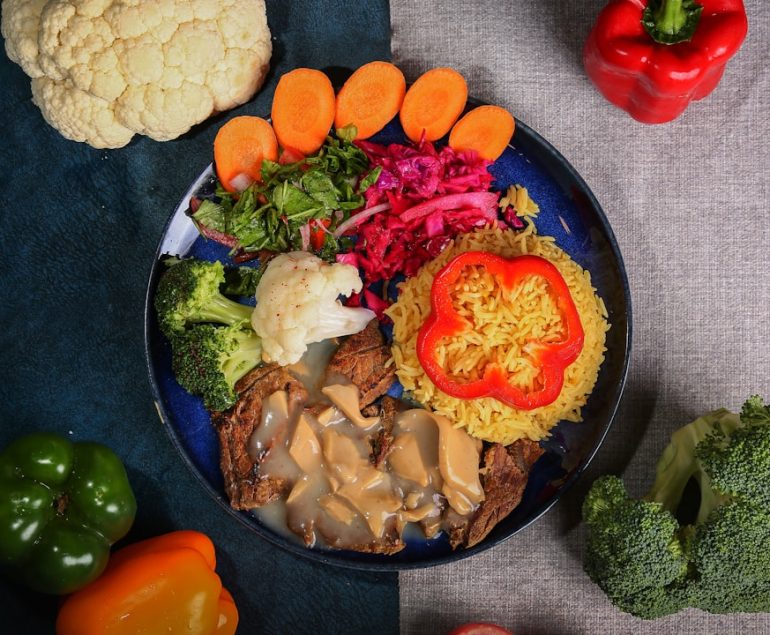
Actionable tip: Aim for a “rainbow plate” at least five days a week. Different colors signal diverse phytonutrients, many of which act like natural vitamins.
1.3. Hydration – The Often‑Overlooked Nutrient
Water is the medium for every biochemical reaction in the body. Even mild dehydration (as little as 2% body weight loss) can impair cognition and physical performance.
Quick hydration rule: ½ liter of water for every 30 minutes of moderate activity, plus an extra 1–2 cups for every 500 kcal of food consumed (since metabolism generates heat).
Actionable tip: Keep a reusable bottle at your desk. Set a phone alarm for “water breaks” every hour—sip, don’t chug.
—
2. Building a Balanced Plate
2.1. The MyPlate Blueprint
The USDA’s MyPlate model is a simple visual cue:
- Half the plate → Vegetables & fruits (aim for ¾ veg, ¼ fruit)
- Quarter → Whole grains (brown rice, quinoa, oats)
- Quarter → Lean protein (chicken, beans, tempeh)
- Side → Dairy or fortified alternative (milk, yogurt, fortified soy)
- Red (tomatoes, beetroot) → Lycopene, anthocyanins (heart health)
- Orange/Yellow (carrots, sweet potatoes) → Beta‑carotene (vision, immunity)
- Green (broccoli, kale) → Folate, lutein (DNA synthesis, eye health)
- Blue/Purple (berries, eggplant) → Resveratrol, flavonoids (anti‑inflammatory)
- Type 2 Diabetes: Prioritize low‑glycemic index carbs (legumes, steel‑cut oats) and pair carbs with protein/fat to blunt glucose spikes.
- Heart Disease: Adopt a Mediterranean‑style pattern—extra‑virgin olive oil, fatty fish, nuts, and plenty of plant foods. Aim for ≤ 7% of total calories from saturated fat.
- Gut Health: Include prebiotic fibers (inulin from chicory root, garlic, onions) and probiotic foods (yogurt, kefir, sauerkraut) to support a diverse microbiome.
- Shop the perimeter first: fresh produce, dairy, meat/fish.
- Read labels for added sugars (look for “sucrose,” “fructose,” “high‑fructose corn syrup”).
- Choose whole‑grain versions (look for “whole” as the first ingredient).
- Limit processed foods with more than 5 ingredients.
- Protein‑rich: Greek yogurt + berries, a handful of almonds, hard‑boiled egg.
- Fiber‑rich: Apple slices with peanut butter, carrot sticks with hummus.
- Combination: Whole‑grain toast topped with avocado and a sprinkle of pumpkin seeds (healthy fats + fiber + protein).
Why it works: This layout naturally delivers a mix of macronutrients, fiber, and micronutrients while keeping calorie density moderate.
2.2. Portion Control Without a Scale
While a kitchen scale is the gold standard, you can master portion sizes using everyday objects:
| Food Group | Visual Cue |
|————|————|
| Protein (cooked) | Palm of your hand (≈3‑4 oz) |
| Carbs (cooked grains) | Fist (≈½ cup) |
| Healthy fats | Thumb (≈1 tbsp) |
| Veggies | Two cupped hands (≈2 cups) |
| Fruit | Small fist (≈1 cup) |
Actionable tip: When dining out, ask for a half‑portion of high‑calorie sides (e.g., fries) or replace them with an extra vegetable side.
2.3. Colorful Foods = Nutrient Diversity
Each color corresponds to specific phytochemicals:
Actionable tip: Challenge yourself to include at least three different colors in every dinner. It’s a visual cue that you’re covering a broad nutrient spectrum.
—
3. Nutrition for Specific Goals
3.1. Weight Management – Calories Meet Quality
The math: 1 lb of body fat ≈ 3,500 kcal. To lose 1 lb per week, create a 500 kcal/day deficit through diet, exercise, or a combination.
Quality matters: A 500‑kcal deficit from nutrient‑dense foods (lean protein, fiber‑rich veg) preserves muscle and satiety better than a deficit from processed “empty‑calorie” foods.
Actionable plan:
1. Track your intake for 3 days using a free app (MyFitnessPal, Cronometer). Identify hidden calories (e.g., sauces, drinks).
2. Swap one high‑calorie item per day for a lower‑calorie, higher‑fiber alternative (e.g., replace a sugary latte with black coffee + a piece of fruit).
3. Add 20‑30 g of protein to each main meal to curb hunger (protein has the highest thermic effect of food).
3.2. Athletic Performance – Fueling the Engine
Carb timing: For endurance athletes, consume 30‑60 g of carbohydrates 1–2 hours pre‑exercise and 30‑60 g every 30‑45 minutes during prolonged activity (e.g., a run >90 min).
Protein for recovery: Aim for 0.25‑0.3 g protein per kg body weight within 30 minutes post‑workout (e.g., a 70‑kg athlete needs ~20‑21 g).
Hydration & electrolytes: Replace sodium lost in sweat with a pinch of sea salt in water or a sports drink after >1 hour of intense activity.
Actionable tip: Prepare a “recovery shake” with whey or plant protein, a banana, a handful of spinach, and almond milk. It hits carbs, protein, and micronutrients in one sip.
3.3. Managing Chronic Conditions – Nutrition as Medicine
Actionable tip: If you have a specific condition, schedule a 15‑minute “food audit” each week. Pick one meal and evaluate its macro‑ and micronutrient profile against your health goal, then make one tweak (e.g., swap white rice for quinoa for added fiber).
—
4. Practical Tips for Everyday Healthy Eating
4.1. Meal Prep – Your Weekly Safety Net
1. Choose a prep day (Sunday or Wednesday).
2. Batch‑cook staples: quinoa, brown rice, roasted veggies, and a protein (chicken breast, baked tofu).
3. Portion into reusable containers—one for each meal, plus a “snack box.”
Time saver: A well‑stocked fridge means you’ll reach for a balanced bowl instead of a vending machine.
4.2. Smart Grocery Shopping – The “Nutrition Checklist”
Actionable tip: Write a 10‑item shopping list based on your weekly meal plan and stick to it. Studies show shoppers who follow a list spend 30% less on impulse buys.
4.3. Decoding Food Labels – The “3‑Rule”
1. Calories – Check serving size; multiply if you eat more.
2. Sugar – Aim for ≤ 5 g added sugar per serving for most foods.
3. Fiber – Look for ≥ 3 g per serving; higher fiber means better satiety.
Quick hack: If a product’s first three ingredients are “sugar,” “high‑fructose corn syrup,” and “corn syrup,” skip it.
4.4. Cooking Methods That Preserve Nutrients
| Method | Benefits | Best For |
|——–|———-|———-|
| Steaming | Retains water‑soluble vitamins | Broccoli, carrots, fish |
| Sautéing (with a splash of olive oil) | Enhances absorption of fat‑soluble vitamins (A, D, E, K) | Leafy greens, mushrooms |
| Roasting | Concentrates flavor, reduces need for added fats | Sweet potatoes, cauliflower |
| Quick stir‑fry | Keeps vegetables crisp, preserves texture | Bell peppers, snap peas |
Actionable tip: Keep a small bottle of extra‑virgin olive oil on the counter. A drizzle after cooking boosts nutrient absorption without adding excess calories.
4.5. Snack Smarts – Keep Hunger at Bay
Rule of thumb: Pair a carbohydrate with a protein or healthy fat to stabilize blood sugar and extend satiety.
—
5. Emerging Trends & Common Myths – What’s Worth the Hype?
5.1. Superfoods – Real Benefits vs. Marketing Hype
Superfood is a buzzword, not a scientific classification. While foods like blueberries, kale, and salmon are nutrient‑dense, no single food can “cure” anything.
Bottom line: Focus on overall dietary patterns, not isolated “miracle” items.
5.2. Intermittent Fasting (IF) – Does It Work?
Research shows IF can aid weight loss and improve insulin sensitivity, but benefits largely stem from reduced overall calorie intake. It’s not a magic bullet for everyone, especially those with blood‑sugar issues or high activity levels.
Practical approach: If you’re curious, try a gentle 12:12 schedule (12 h eating window, 12 h fast) for two weeks, monitor energy levels, then adjust.
5.3. Plant‑Based Diets – More Than a Trend
Plant‑forward eating is associated with lower heart disease risk, improved gut microbiome diversity, and reduced environmental impact