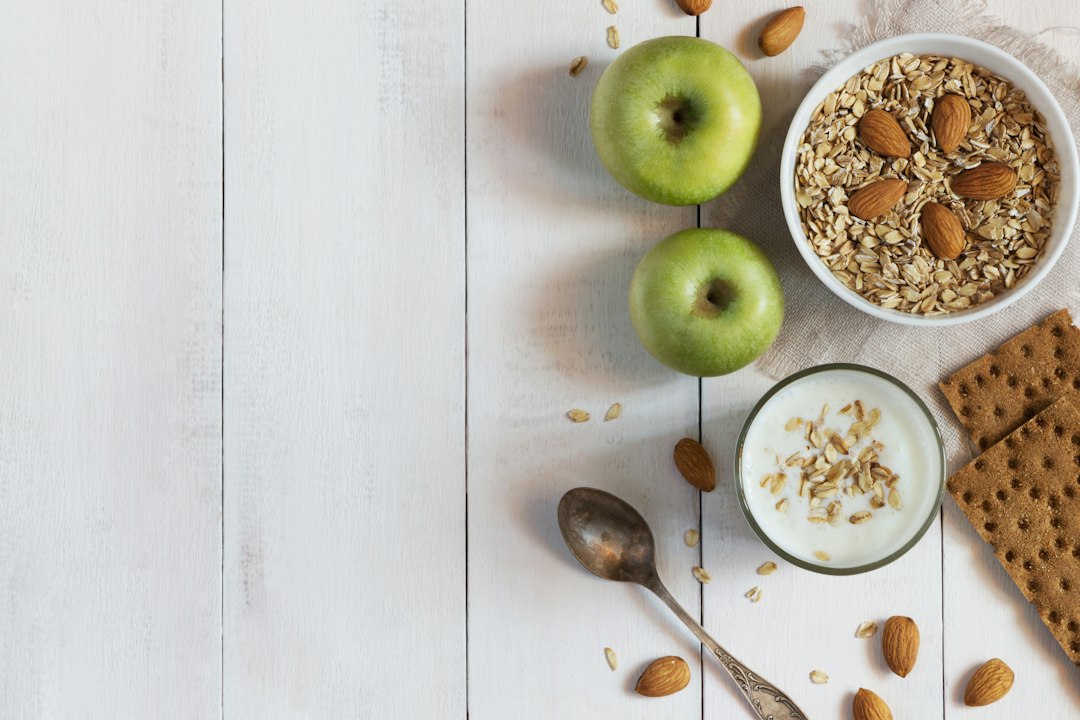
Title: Power Up Your Defenses: The Ultimate Guide to Immunity‑Boosting Foods

—

Introduction – Why Your Plate Is the First Line of Defense

Imagine your immune system as a highly trained security team, constantly patrolling your body for intruders—viruses, bacteria, and even stressful stressors. Just like any elite squad, they need the right equipment, regular training, and proper nutrition to stay sharp. That’s where immunity‑boosting foods come in.

In today’s fast‑paced world, we’re bombarded with processed snacks, endless screen time, and unpredictable stress. The good news? You have a simple, delicious, and scientifically backed weapon right at your fingertips: the foods you eat every day.

In this comprehensive, 2,000‑word guide we’ll explore the top categories of immune‑supporting ingredients, explain the science behind them, and give you actionable, everyday strategies to turn your kitchen into a powerhouse of health. Whether you’re a busy professional, a parent juggling meals, or a wellness enthusiast, these tips will help you build a resilient immune system—naturally.

—

1. Vitamin‑C Rich Foods: The Classic Immune Hero

1.1 Why Vitamin C Matters

Vitamin C (ascorbic acid) is the poster child of immunity. It fuels the production of white blood cells, strengthens the skin’s barrier (your first line of defense), and acts as a potent antioxidant that neutralizes harmful free radicals. Research shows that regular intake of vitamin‑C‑rich foods can reduce the duration of common colds and enhance the activity of natural killer cells—key players in fighting infections.

1.2 Top Vitamin‑C Powerhouses

| Food | Vitamin C (mg per 100 g) | Quick Use Tip |
|——|————————–|—————|
| Red bell pepper | 190 | Slice into salads or toss in stir‑fries |
| Kiwi | 93 | Blend into a morning smoothie |
| Strawberries | 59 | Top oatmeal or yogurt |
| Oranges | 53 | Fresh juice or snack wedges |
| Broccoli | 89 | Steam lightly to preserve nutrients |
| Brussels sprouts | 85 | Roast with olive oil and garlic |

1.3 Actionable Strategies

1. Morning Boost: Start your day with a citrus‑fruit smoothie—blend an orange, a handful of strawberries, a scoop of Greek yogurt, and a splash of almond milk. You’ll get a quick 150‑plus mg of vitamin C in one glass.
2. Snack Smart: Keep a fruit bowl on your desk. A peeled kiwi or a few mandarin segments are portable, mess‑free, and deliver a vitamin‑C punch.
3. Colorful Plates: Aim for at least two different colors of vitamin‑C foods at lunch and dinner. The more colorful your plate, the broader the nutrient spectrum.

SEO Keywords: vitamin C foods, immunity boosting foods, immune system, natural antioxidants, vitamin C benefits

—

2. Zinc‑Loaded Foods: The Unsung Immune Regulators

2.1 Zinc’s Role in Immune Health

Zinc is a trace mineral essential for immune cell development, signaling, and function. It helps the body produce interferon, a protein that blocks viral replication, and supports the activity of macrophages—cells that engulf and destroy pathogens. Even a modest deficiency can impair immunity, making you more susceptible to infections.

2.2 Best Sources of Zinc

| Food | Zinc (mg per 100 g) | How to Incorporate |
|——|——————–|——————–|
| Oysters | 78 | Grill with lemon for a gourmet appetizer |
| Pumpkin seeds | 7.8 | Sprinkle over salads or blend into pesto |
| Chickpeas (cooked) | 1.5 | Add to soups, stews, or hummus |
| Beef (lean) | 5.0 | Stir‑fry with veggies for a quick dinner |
| Greek yogurt | 0.5 | Use as a base for parfaits |
| Dark chocolate (70%+) | 3.3 | Enjoy a 1‑ounce piece as an after‑dinner treat |

2.3 Practical Tips to Maximize Zinc

  • Combine with Vitamin C: Pair zinc‑rich foods with vitamin‑C sources (e.g., a chickpea salad with red bell pepper) to improve zinc absorption.
  • Mind the Phytates: Whole grains and legumes contain phytates that can bind zinc. Soak beans overnight or sprout seeds to reduce phytate levels and enhance bioavailability.
  • Snack Upgrade: Swap out salty chips for a handful of roasted pumpkin seeds seasoned with smoked paprika—crunchy, satisfying, and immune‑supportive.
  • SEO Keywords: zinc foods, zinc immune system, foods that boost immunity, zinc deficiency, zinc rich diet

    —

    3. Probiotic‑Rich Fermented Foods: Feeding Your Gut‑Brain‑Immune Axis

    3.1 The Gut‑Immune Connection

    Did you know that about 70% of your immune cells reside in the gut? The intestinal lining houses a bustling community of beneficial bacteria (the microbiome) that trains immune cells, regulates inflammation, and produces short‑chain fatty acids (SCFAs) that protect against pathogens. Probiotic foods introduce live, beneficial microbes that strengthen this gut‑immune partnership.

    3.2 Star Fermented Foods

    | Food | Key Probiotic Strains | Serving Idea |
    |——|———————-|————–|
    | Yogurt (plain, live cultures) | Lactobacillus bulgaricus, Streptococcus thermophilus | Breakfast parfait with berries and nuts |
    | Kefir | Lactobacillus kefiri, Bifidobacterium | Smoothie base or chilled drink |
    | Sauerkraut (raw) | Leuconostoc spp., Lactobacillus plantarum | Side dish on sandwiches or tacos |
    | Kimchi | Lactobacillus kimchii, Leuconostoc mesenteroides | Add to fried rice or serve with grilled fish |
    | Miso (unpasteurized) | Tetragenococcus halophilus | Miso soup or glaze for roasted veggies |
    | Kombucha (unfiltered) | Diverse yeasts & bacteria | Refreshing low‑sugar beverage |

    3.3 How to Incorporate Probiotics Daily

    1. Breakfast Boost: Swap regular milk for plain kefir in your cereal or oatmeal. Add a drizzle of honey and a sprinkle of cinnamon for flavor.
    2. Snack Swap: Keep a small container of raw sauerkraut in the fridge. Pair a few spoonfuls with whole‑grain crackers for a crunchy, tangy snack.
    3. Meal Enhancer: Use miso paste to create a quick broth for vegetables. The gentle heat preserves live cultures while delivering umami richness.
    4. DIY Ferment: Try a simple kimchi recipe—cabbage, radish, garlic, ginger, and Korean chili flakes. Ferment for 3‑5 days and enjoy a probiotic punch with every bite.

    SEO Keywords: probiotic foods, fermented foods for immunity, gut health, immune system, best foods for gut health

    —

    4. Antioxidant‑Packed Herbs & Spices: Small Doses, Big Defense

    4.1 Why Antioxidants Matter

    Free radicals are unstable molecules generated by stress, pollution, and even normal metabolism. When they accumulate, they cause oxidative stress, weakening immune cells and promoting inflammation. Antioxidants neutralize free radicals, protecting cells and supporting a balanced immune response.

    4.2 Top Immune‑Boosting Herbs & Spices

    | Herb/Spice | Key Antioxidant(s) | Immune Benefits |
    |————|——————-|—————–|
    | Turmeric (curcumin) | Curcumin | Anti‑inflammatory, enhances antibody response |
    | Garlic (allicin) | Allicin | Stimulates macrophages, antiviral properties |
    | Ginger (gingerol) | Gingerol | Reduces inflammation, supports respiratory health |
    | Cinnamon (cinnamaldehyde) | Cinnamaldehyde | Antimicrobial, stabilizes blood sugar |
    | Oregano (carvacrol) | Carvacrol | Potent antibacterial and antiviral |
    | Green tea (EGCG) | Epigallocatechin gallate | Boosts T‑cell function, antioxidant |

    4.3 Easy Ways to Use Them

  • Golden Milk: Warm almond milk with ½ tsp turmeric, a pinch of black pepper (enhances curcumin absorption), and a dash of cinnamon. Sweeten with honey for a soothing bedtime drink.
  • Garlic‑Lemon Dressing: Whisk together minced garlic, fresh lemon juice, olive oil, and a teaspoon of oregano. Drizzle over salads or roasted veggies.
  • Ginger‑Tea Boost: Simmer fresh ginger slices in water for 10 minutes, add a splash of lemon, and sip throughout the day.
  • Spice‑Infused Oatmeal: Stir cinnamon and a pinch of nutmeg into cooked oats; top with berries and a spoonful of almond butter.
  • SEO Keywords: antioxidant foods, herbs for immunity, spices that boost immune system, anti-inflammatory foods, natural immune boosters

    —

    5. Whole‑Food Plant Power: Fiber, Phytonutrients, and Immune Resilience

    5.1 The Plant‑Based Immunity Advantage

    A diet rich in whole, minimally processed plant foods supplies fiber, vitamins, minerals, and phytonutrients that collectively fortify the immune system. Fiber feeds beneficial gut bacteria, producing SCFAs that modulate inflammation. Meanwhile, phytonutrients like flavonoids and carotenoids act as antioxidants and signaling molecules for immune cells.

    5.2 Must‑Eat Plant Groups

    | Group | Representative Foods | Immune‑Supporting Compounds |
    |——-|———————-|—————————–|
    | Dark leafy greens | Kale, spinach, Swiss chard | Vitamin K, lutein, beta‑carotene |
    | Cruciferous veg | Broccoli, cauliflower, bok choy | Sulforaphane, glucosinolates |
    | Berries | Blueberries, acai, goji | Anthocyanins, vitamin C |
    | Nuts & seeds | Almonds, walnuts, chia, flax | Vitamin E, omega‑3 fatty acids |
    | Legumes | Lentils, black beans, peas | Folate, plant protein, zinc |
    | Whole grains | Quinoa, oats, brown rice | Beta‑glucan fiber, B‑vitamins |

    5.3 Practical Plant‑Forward Meal Ideas

  • Rainbow Bowl: Start with a base of quinoa, add steamed broccoli, sautéed kale, roasted sweet potatoes, and a handful of blueberries. Top with pumpkin seeds and a drizzle of tahini‑lemon dressing.
  • Hearty Bean Soup: Simmer lentils, carrots, celery, tomatoes, and spinach with garlic and herbs. Finish with a squeeze of lime and a sprinkle of chopped cilantro.
  • Snack Stack: Spread almond butter on whole‑grain toast, top with sliced strawberries and a dusting of cinnamon.
  • Smoothie Power: Blend kale, frozen mixed berries, Greek yogurt, flaxseed, and a splash of orange juice for a nutrient‑dense drink.
  • SEO Keywords: plant based immunity, immune boosting foods, fiber and immunity, whole foods for immune system, best foods for immune health

    —

    Conclusion – Your Daily Blueprint for a Stronger Immune System

    Building an immune‑resilient body isn’t about a single miracle food; it’s about a balanced, colorful plate that supplies vitamins, minerals, antioxidants, and probiotics consistently. Here are the key takeaways to turn the science into habit:

    1. Load up on vitamin C – aim for at least two servings of citrus, berries, or bell peppers daily.
    2. Don’t forget zinc – incorporate oysters, pumpkin seeds, or lean meat a few times a week.
    3. Feed your gut – include probiotic foods like yogurt, kefir, sauerkraut, or kimchi in every meal.
    4. Spice it up – use turmeric, garlic, ginger, and cinnamon to add antioxidant firepower.
    5. Embrace whole‑food plants – prioritize leafy greens, cruciferous veg, berries, nuts, seeds, legumes, and whole grains for fiber and phytonutrients.

    Action Plan:
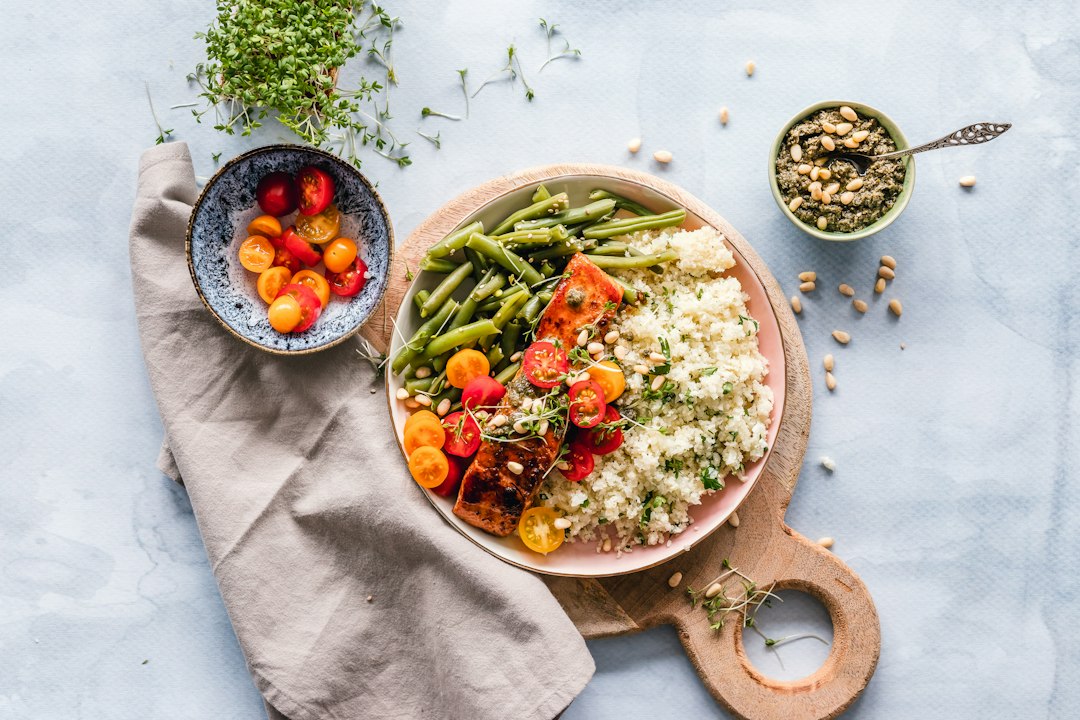
  • Morning: Vitamin‑C smoothie + kefir.
  • Lunch: Rainbow bowl with zinc‑rich pumpkin seeds and probiotic sauerkraut on the side.
  • Snack: Raw almonds + a piece of dark chocolate (70%+).
  • Dinner: Turmeric‑ginger stir‑fry with lean beef (or tofu) and a

Title: Unlocking the Power of Nutrition: Your Complete Guide to Eating for Health, Energy, and Longevity

—

Introduction – The Hook That Starts a Healthier You

Imagine waking up every morning feeling energized, focused, and ready to tackle the day—without reaching for that extra cup of coffee or a sugary snack. What if the secret to that unstoppable vitality isn’t a new gadget or a trendy supplement, but simply the food on your plate?

Nutrition is the silent architect of our bodies. It builds muscle, fuels the brain, balances hormones, and even influences our mood. Yet, despite its massive impact, most of us navigate meals with guesswork, outdated myths, or the latest “quick‑fix” diet.

In this 2,000‑word deep dive, we’ll strip away the confusion, decode the science, and give you actionable, everyday strategies to transform the way you eat. Whether you’re aiming for weight loss, muscle gain, better focus, or simply a longer, healthier life, mastering nutrition is the most powerful tool in your arsenal.

Grab a notebook—because the tips you’ll find here are designed to be implemented today, not saved for “someday.” Let’s get started!

—

1. Nutrition 101: Understanding the Building Blocks

1.1 What Is Nutrition, Really?

At its core, nutrition is the study of how the foods we consume provide energy and essential nutrients that support every physiological function. Think of your body as a high‑performance vehicle: the fuel (calories) gets you moving, while the oil, coolant, and spark plugs (vitamins, minerals, and other micronutrients) keep the engine running smoothly.

1.2 The Three Macronutrients – Calories With a Purpose

| Macronutrient | Primary Role | Typical Food Sources | Recommended Ratio (General) |
|—————|————–|———————-|——————————|
| Carbohydrates | Quick energy, brain fuel | Whole grains, fruits, legumes, starchy vegetables | 45‑55% of daily calories |
| Proteins | Tissue repair, enzyme production, hormone synthesis | Lean meats, fish, eggs, dairy, beans, tofu | 15‑25% of daily calories |
| Fats | Cell membranes, hormone production, fat‑soluble vitamin absorption | Avocado, nuts, seeds, olive oil, fatty fish | 20‑35% of daily calories |

Tip: Use a hand‑portion guide to estimate these ratios without counting every gram:

  • Palm = protein portion (≈3‑4 oz)
  • Fist = carbs (≈½ cup cooked grains or 1 cup veggies)
  • Thumb = healthy fats (≈1 tbsp oil or a small handful nuts)
  • 1.3 Micronutrients – The Tiny Titans

    While macronutrients provide energy, micronutrients (vitamins and minerals) act as the body’s regulatory system. A deficiency of just one can derail performance, immunity, and even mood.

  • Vitamin D – supports bone health and immune function; sourced from sunlight, fatty fish, fortified dairy.
  • Iron – essential for oxygen transport; abundant in red meat, lentils, spinach.
  • Magnesium – helps with muscle relaxation and sleep; found in nuts, seeds, whole grains.
  • Actionable Insight: Aim for a colorful plate at every meal. Different pigments (red, orange, green, purple) often indicate distinct phytonutrients that complement the classic vitamins and minerals.

    1.4 Energy Balance – The Simple Equation

    > Calories In – Calories Out = Weight Change

    If you consume more calories than you burn, excess energy is stored as fat. Conversely, a modest calorie deficit (≈ 10‑20% below maintenance) leads to gradual, sustainable weight loss. Remember: quality matters as much as quantity. A 200‑calorie apple will affect hunger, blood sugar, and hormones differently than a 200‑calorie candy bar.

    —

    2. Building a Balanced Plate: The Blueprint for Every Meal

    2.1 The “MyPlate” Model – A Visual Cheat Sheet

    The USDA’s MyPlate graphic (vegetables, fruits, grains, protein, dairy) remains one of the most practical tools for everyday eating. Here’s how to translate it into real‑world portions:

    | Plate Section | Approx. Portion | Example Foods |
    |—————|—————-|—————|
    | Vegetables (½ plate) | 2‑3 cups | Leafy greens, broccoli, bell peppers, carrots |
    | Fruits (¼ plate) | 1‑2 cups | Berries, apple slices, citrus segments |
    | Whole Grains (¼ plate) | ½‑1 cup cooked | Quinoa, brown rice, whole‑wheat pasta |
    | Protein (¼ plate) | 3‑4 oz | Chicken breast, tofu, beans, fish |
    | Dairy or Dairy‑Alternatives | 1 cup | Greek yogurt, kefir, fortified soy milk |

    Quick Hack: When you’re short on time, use a bento‑box or a compartmentalized lunch container to pre‑portion each component. This visual cue prevents mindless piling of carbs or fats.

    2.2 Carbohydrate Quality – Choose Wisely

  • Complex carbs (whole grains, legumes, starchy veggies) digest slower, providing steady energy and keeping blood sugar stable.
  • Simple carbs (refined sugars, white bread, pastries) cause rapid spikes and crashes, often leading to cravings.
  • Action Step: Swap a white‑bread sandwich for a whole‑grain wrap filled with lean protein and plenty of veggies. The extra fiber will keep you full for 3‑4 hours versus 1‑2 hours with refined carbs.

    2.3 Protein Timing for Muscle Maintenance

    Consuming 20‑30 g of high‑quality protein within a 2‑hour window after exercise maximizes muscle protein synthesis. Good post‑workout options include:

  • Greek yogurt + berries
  • A whey or plant‑based protein shake
  • A turkey and avocado slice on whole‑grain toast
  • If you’re not training, aim for protein at every main meal to support satiety and metabolic health.

    2.4 Healthy Fats – Not the Enemy

    Fats are essential for hormone production, brain health, and the absorption of vitamins A, D, E, and K. Prioritize:

  • Monounsaturated fats: olive oil, avocado, almonds
  • Polyunsaturated fats (Omega‑3): salmon, chia seeds, walnuts
  • Avoid: Trans fats (partially hydrogenated oils) and limit saturated fats to < 10% of total calories.

    2.5 Hydration – The Overlooked Nutrient

    Water is the medium for every biochemical reaction. Aim for 2‑3 L (8‑12 cups) daily, more if you’re active or live in a hot climate. Adding a slice of lemon or cucumber can make hydration more enjoyable and provide a tiny antioxidant boost.

    —

    3. Micronutrients: Vitamins and Minerals You Can’t Ignore

    3.1 Vitamin A – Vision, Immunity, Skin

  • Sources: Sweet potatoes, carrots, kale, liver.
  • Tip: Pair vitamin‑A‑rich foods with a small amount of fat (e.g., drizzle olive oil over roasted carrots) to improve absorption.
  • 3.2 B‑Complex Vitamins – Energy Production

  • Key Players: B1 (thiamine), B2 (riboflavin), B3 (niacin), B6, B12, folate.
  • Sources: Whole grains, eggs, legumes, leafy greens, meat, fortified cereals.
  • Actionable Insight: Vegans should consider a B12 supplement (≥ 250 µg weekly) because plant foods contain negligible B12.
  • 3.3 Vitamin C – Antioxidant & Collagen Builder

  • Sources: Citrus fruits, strawberries, bell peppers, broccoli.
  • Practical Use: A glass of orange juice with iron‑rich meals (e.g., lentils) boosts iron absorption up to 2‑fold.
  • 3.4 Vitamin D – The “Sunshine” Vitamin

  • Sources: Sun exposure (10‑30 min midday, 2‑3 times/week), fatty fish, fortified dairy, mushrooms.
  • Dosage: Many adults need 800‑1,000 IU daily; check blood levels if you’re at high latitudes or have limited sun.
  • 3.5 Calcium & Magnesium – Bone & Muscle Health

  • Calcium Sources: Dairy, fortified plant milks, sardines with bones, leafy greens (collard, bok choy).
  • Magnesium Sources: Pumpkin seeds, almonds, black beans, dark chocolate (≥ 70% cacao).
  • Combo Tip: Pair calcium‑rich foods with magnesium‑rich foods for optimal bone remodeling.
  • 3.6 Iron – Oxygen Transport

  • Heme Iron (animal): Beef, chicken liver, turkey.
  • Non‑heme Iron (plant): Lentils, chickpeas, quinoa, spinach.
  • Boosting Absorption: Vitamin C‑rich foods (e.g., bell pepper slices) with iron sources; avoid tea or coffee within 1 hour of iron‑rich meals.
  • 3.7 Zinc – Immune Function & Skin

  • Sources: Oysters (top source), pumpkin seeds, beef, chickpeas.
  • Note: Excess zinc (> 40 mg/day) can interfere with copper absorption, so keep supplementation moderate.
  • Quick Micronutrient Checklist (Weekly):

    | Nutrient | Goal | Sample Weekly Servings |
    |———-|——|————————|
    | Vitamin A | 700‑900 µg RAE | 3 × sweet potatoes, 2 × carrot salads |
    | Vitamin C | 75‑90 mg | 5 × citrus fruits, 3 × bell pepper dishes |
    | Vitamin D | 800‑1,000 IU | 2 × salmon servings, fortified milk daily |
    | Calcium | 1,000‑1,200 mg | 3 × yogurt, 2 × fortified plant milks |
    | Iron | 8‑18 mg | 2 × lean beef, 4 × legume meals |
    | Magnesium | 310‑420 mg | 5 × nuts/seeds, 3 × whole‑grain sides |

    —

    4. Nutrition for Specific Goals: Tailoring Your Plate

    4.1 Weight Management – The Science of Satiety

    Key Principle: Prioritize high‑volume, low‑calorie foods (vegetables, broth‑based soups, fruits) to fill the stomach without excess calories.

  • Fiber: Aim for ≥ 25 g/day (beans, oats, berries). Fiber slows gastric emptying, prolonging fullness.
  • Protein: 1.2‑1.6 g per kg body weight supports lean mass during calorie deficit.
  • Sample Day for Weight Loss (≈ 1,600 kcal):

    | Meal | Food | Approx. Calories |
    |——|——|——————|
    | Breakfast | Greek yogurt (150 g) + ½ cup mixed berries + 1 tbsp chia seeds | 250 |
    | Snack | Apple + 10 almonds | 150 |
    | Lunch | Mixed greens + 4 oz grilled chicken + ½ cup quinoa + olive‑oil vinaigrette | 400 |
    | Snack | Veggie sticks + 2 tbsp hummus | 120 |
    | Dinner | Baked salmon (4 oz) + roasted broccoli + sweet potato mash | 500 |
    | Total | | ≈ 1,420 kcal (add a small piece dark chocolate for 180 kcal if needed) |

    4.2 Muscle Gain – Fueling Anabolism

  • Calorie Surplus: + 250‑500 kcal above maintenance.
  • Protein: 1.6‑2.2 g per kg body weight; distribute evenly across 4‑5 meals.
  • Carbs: 3‑5 g per kg to replenish glycogen and support training intensity.
  • Pre‑Workout Snack (30‑60 min before):

  • Banana + 1 tbsp peanut butter (≈ 200 kcal, 30 g carbs, 5 g protein).
  • Post‑Workout Meal (within 2 hr):

  • 4 oz lean beef, 1 cup brown rice, 1 cup mixed veggies (≈ 600 kcal, 45 g protein, 70 

Title: Unlocking the Power of Movement: 12 Surprising Benefits of Exercise You Can’t Afford to Miss

—

Introduction – Why “Just One More Episode” Isn’t Worth It

Picture this: you’re curled up on the couch, the latest binge‑worthy series is playing, and the only “exercise” you’ve done today is scrolling through the remote control. Sound familiar? In a world where screen time is at an all‑time high, it’s easy to convince ourselves that a workout can wait—until the next week, the next month, or maybe never.

But what if I told you that regular exercise isn’t just a nice‑to‑have habit? It’s a lifesaver, a brain‑booster, and a productivity hack rolled into one. From strengthening your heart to sharpening your focus, the benefits of exercise stretch far beyond the gym floor.

In this post, we’ll dive deep into the science‑backed advantages of staying active, break them down into bite‑size, actionable steps, and give you a roadmap to turn “maybe tomorrow” into “I’m doing it now.” Ready to get moving? Let’s go!

—

1. Physical Health Benefits – Your Body’s Best Friend

1.1 Heart Health: The Cardio Connection

One of the most celebrated benefits of exercise is its impact on cardiovascular health. When you engage in activities like brisk walking, cycling, or swimming, your heart pumps more efficiently, increasing blood flow and oxygen delivery throughout the body. Over time, regular cardio lowers blood pressure, reduces “bad” LDL cholesterol, and boosts “good” HDL cholesterol—key factors in preventing heart disease.

> Actionable tip: Aim for at least 150 minutes of moderate‑intensity cardio per week (e.g., 30 minutes, five days a week). If you’re short on time, break it into three 10‑minute sessions—your heart will thank you.

1.2 Weight Management & Fat Burning

If weight loss is on your radar, exercise is the missing puzzle piece. While diet controls calorie intake, physical activity ramps up calorie expenditure, helping you achieve a sustainable calorie deficit. Moreover, strength training builds lean muscle mass, which burns more calories at rest than fat tissue—meaning you’ll keep torching calories even on couch days.

> Actionable tip: Combine 2–3 strength‑training sessions per week with cardio. Use compound movements (squats, deadlifts, push‑ups) that recruit multiple muscle groups for maximum calorie burn.

1.3 Bone Density & Joint Health

As we age, bone mineral density naturally declines, raising the risk of osteoporosis. Weight‑bearing exercises—think jogging, hiking, or resistance training—stimulate bone formation and improve joint stability. This not only prevents fractures but also reduces the likelihood of arthritis flare‑ups.

> Actionable tip: Incorporate weight‑bearing activities at least twice weekly. Even simple bodyweight squats or stair climbing can make a difference.

1.4 Immune System Boost

Regular, moderate exercise acts like a vaccine for your immune system. It circulates immune cells more efficiently, helping the body spot and neutralize pathogens faster. While over‑training can suppress immunity, a balanced routine keeps you less prone to colds and infections.

> Actionable tip: Keep workouts moderate (no more than 60 minutes per session) and prioritize recovery—sleep, hydration, and proper nutrition are essential.

—

2. Mental & Emotional Benefits – The Brain‑Boosting Power of Sweat

2.1 Stress Reduction & Mood Elevation

Ever notice how a quick jog clears the mental fog? Exercise triggers the release of endorphins, dopamine, and serotonin—neurotransmitters that act as natural mood elevators. This “runner’s high” can reduce feelings of anxiety, depression, and overall stress levels.

> Actionable tip: Schedule a 15‑minute “stress‑relief walk” after a hectic meeting or before bedtime. Consistency beats intensity when it comes to mood regulation.

2.2 Cognitive Function & Memory

Physical activity stimulates the growth of brain‑derived neurotrophic factor (BDNF), a protein that supports neuron growth and synaptic plasticity. The result? Sharper focus, faster information processing, and better memory retention—critical for students, professionals, and lifelong learners.

> Actionable tip: Add high‑intensity interval training (HIIT) twice a week. HIIT has been shown to boost BDNF more effectively than steady‑state cardio.

2.3 Better Sleep Quality

Struggling to fall asleep? Regular exercise can regulate your circadian rhythm, helping you drift off faster and enjoy deeper REM cycles. Just avoid vigorous workouts within two hours of bedtime to prevent a post‑exercise adrenaline surge.

> Actionable tip: Aim for a morning or early‑afternoon workout. If evenings are your only option, stick to low‑impact activities like yoga or stretching.

2.4 Confidence & Self‑Esteem

Achieving fitness milestones—whether it’s adding five pounds to your bench press or completing a 5K—provides tangible proof of progress. This sense of accomplishment translates into higher self‑confidence and a more positive self‑image.

> Actionable tip: Keep a fitness journal. Document workouts, track improvements, and celebrate small wins. Seeing progress on paper fuels motivation.

—

3. Performance & Energy Benefits – Fueling Your Daily Grind

3.1 Increased Energy Levels

It sounds counterintuitive, but expending energy through exercise actually creates more energy. Physical activity improves mitochondrial efficiency—the “power plants” of our cells—allowing you to feel more vibrant throughout the day.

> Actionable tip: Start your morning with a 5‑minute dynamic stretch (leg swings, arm circles). This jump‑starts circulation and sets a high‑energy tone for the day.

3.2 Enhanced Productivity & Focus

A study from the University of Bristol found that participants who exercised before tackling cognitive tasks performed 20% better than sedentary peers. Exercise increases blood flow to the prefrontal cortex, the brain region responsible for decision‑making and problem‑solving.

> Actionable tip: Take a 10‑minute walk during lunch breaks. Use this time to brainstorm or plan the afternoon’s tasks—your brain will be primed for creativity.

3.3 Injury Prevention & Functional Strength

Strengthening core muscles, improving balance, and enhancing flexibility reduce the risk of everyday injuries—whether you’re lifting groceries or playing with kids. Functional training mimics real‑life movements, making daily tasks feel easier.

> Actionable tip: Incorporate functional circuits (e.g., kettlebell swings, farmer’s walks, lunges) 2–3 times per week. These moves translate directly to everyday strength.

—

4. Long‑Term Benefits & Longevity – Investing in a Healthier Future

4.1 Disease Prevention

Consistent exercise is a powerful preventive tool against chronic illnesses such as type 2 diabetes, hypertension, certain cancers, and metabolic syndrome. By improving insulin sensitivity and reducing inflammation, physical activity helps keep disease at bay.

> Actionable tip: If you have a family history of chronic disease, aim for 300 minutes of moderate‑intensity exercise per week (or 150 minutes of vigorous activity) as recommended by the WHO for high‑risk individuals.

4.2 Healthy Aging & Longevity

Research published in The Lancet shows that physically active adults live up to 5 years longer than their sedentary counterparts. Exercise preserves muscle mass, maintains joint flexibility, and supports cognitive health—key components of a vibrant, independent older age.

> Actionable tip: As you age, prioritize low‑impact cardio (e.g., swimming, elliptical) and resistance training with lighter weights but higher repetitions to maintain muscle tone without over‑stress.

4.3 Quality of Life & Independence

Beyond lifespan, exercise improves quality of life. Active seniors report higher satisfaction, fewer hospitalizations, and greater ability to engage in hobbies and social activities. Staying mobile means staying connected.

> Actionable tip: Join community classes (dance, water aerobics, tai chi). Social interaction + movement = double the benefit.

—

5. Getting Started & Staying Consistent – Your Action Plan

5.1 Set SMART Goals

Specific, Measurable, Achievable, Relevant, Time‑bound goals turn vague intentions into concrete plans. Instead of “I’ll exercise more,” try “I’ll walk 3,000 steps daily for the next 30 days.”

> Actionable tip: Write your SMART goals on a sticky note and place it on your fridge or workspace. Visual reminders reinforce commitment.

5.2 Choose Activities You Enjoy

You’re more likely to stick with a routine that feels fun rather than a punishment. Whether it’s dancing, rock climbing, or a virtual reality fitness game, enjoyment fuels consistency.

> Actionable tip: Test three new activities this month—one cardio, one strength, one flexibility. Keep a quick rating (1‑5) to see which you love most.

5.3 Build a Balanced Routine

A well‑rounded fitness plan includes cardiovascular exercise, strength training, and flexibility work. This combination maximizes health benefits and reduces injury risk.

Sample Weekly Schedule (30‑Minute Sessions):

| Day | Activity | Focus |
|—–|———-|——-|
| Mon | Brisk walk or jog | Cardio |
| Tue | Full‑body strength (bodyweight) | Strength |
| Wed | Yoga or dynamic stretching | Flexibility |
| Thu | HIIT (20 min) + cool‑down | Cardio + Strength |
| Fri | Swimming or cycling | Cardio |
| Sat | Outdoor hike + core circuit | Strength + Flexibility |
| Sun | Rest or gentle walk | Recovery |

> Actionable tip: Use a free app (e.g., MyFitnessPal, Strava) to log workouts. Seeing weekly totals can be motivating.

5.4 Prioritize Recovery

Rest days, proper nutrition, and adequate sleep are non‑negotiable pillars of a successful fitness journey. Overtraining can lead to burnout, injuries, and diminished returns.

> Actionable tip: Schedule one full rest day per week and incorporate foam rolling or massage to aid muscle recovery.

5.5 Track Progress & Adjust

Every 4–6 weeks, reassess your goals. Did you meet your step count? Did you lift heavier? Celebrate wins and tweak the plan where needed.

> Actionable tip: Take progress photos and record body measurements (waist, hips, chest). Numbers and visuals together paint a clearer picture of change.

—

Conclusion – Your Roadmap to a Healthier, Happier You

The benefits of exercise are too extensive to ignore: a stronger heart, sharper mind, higher energy, and a longer, more vibrant life. Yet the magic lies not just in the science but in the daily choices you make—whether it’s a 10‑minute walk after lunch or a weekend hike with friends.

Key Takeaways

1. Physical health wins: cardio protects your heart, strength training fuels weight loss, and weight‑bearing moves safeguard bone density.
2. Mental health thrives: exercise reduces stress, lifts mood, sharpens cognition, and improves sleep.
3. Performance spikes: regular movement boosts daily energy, focus, and functional strength.
4. Longevity benefits: active lifestyles lower disease risk, extend lifespan, and enhance quality of life.
5. Consistency is king: set SMART goals, pick activities you love, balance cardio/strength/flexibility, and prioritize recovery.

Remember, you don’t need a marathon‑training plan to reap these rewards—any movement is better than none. Start small, stay consistent, and watch how each workout compounds into a healthier, more resilient you.

Ready to lace up those sneakers? Your future self will thank you. 🌟

—

Keywords used naturally: benefits of exercise, regular exercise, physical activity, heart health, weight loss, mental health, stress reduction, improve mood, increase energy, longevity, fitness routine, cardio, strength training, flexibility, immune system, sleep quality, healthy lifestyle.

Title: The Ultimate Guide to Good Sleep: Science‑Backed Tips for Restorative Rest Every Night

—

🌙 Introduction – Why “Good Sleep” Is the Secret Weapon You’ve Been Ignoring

Imagine waking up feeling refreshed, laser‑focused, and ready to crush your to‑do list—every single day. Sounds like a dream, right? The truth is, it’s not a fantasy; it’s the result of good sleep.

In our hyper‑connected world, we’ve all heard the phrase “I didn’t get enough sleep,” but few of us truly understand how powerful quality rest can be. From boosting memory and creativity to strengthening immunity and regulating mood, sleep quality is the foundation of every aspect of health. Yet, despite the mountain of research, many people still struggle with fragmented nights, early‑morning grogginess, or the dreaded “sleep debt” that accumulates over weeks.

If you’re tired of feeling tired, this guide is for you. We’ll dive deep into the science of sleep, uncover the biggest sleep‑killing habits, and arm you with actionable sleep hygiene strategies you can start using tonight. By the end, you’ll have a personalized roadmap to transform your nights—and your days—through the power of good sleep.

—

1️⃣ Understanding the Basics: What Exactly Is “Good Sleep”?

1.1 The Architecture of Sleep – Stages & Cycles

Sleep isn’t a single, uniform state; it’s a dynamic process that cycles through five distinct stages each night:

| Stage | Description | Approx. % of Night | Why It Matters |
|——-|————-|——————-|—————-|
| N1 (Light Sleep) | Transition from wakefulness; easy to awaken | 5% | Prepares brain for deeper rest |
| N2 (True Light Sleep) | Heart rate slows, body temperature drops | 45-55% | Consolidates memories, supports learning |
| N3 (Slow‑Wave / Deep Sleep) | Brain waves are slow; hardest to wake up | 15-20% | Physical restoration, growth hormone release |
| REM (Rapid Eye Movement) | Vivid dreaming, brain activity spikes | 20-25% | Emotional regulation, creativity, memory integration |
| Wake After Sleep Onset (WASO) | Brief awakenings (normal) | <5% | Too much WASO = fragmented sleep |

A complete sleep cycle lasts roughly 90‑110 minutes, and a healthy adult typically experiences four to six cycles per night. The goal of good sleep isn’t just clocking eight hours; it’s ensuring you move smoothly through these stages, especially the restorative deep‑sleep (N3) and REM phases.

1.2 Circadian Rhythm – Your Body’s Internal Clock

Your circadian rhythm is a 24‑hour biological clock driven by light exposure, temperature, and hormone secretion (primarily melatonin). When the rhythm aligns with your daily schedule, you fall asleep faster, stay asleep longer, and wake up feeling refreshed. Misalignment—think late‑night screen time or shift work—creates a “social jet lag” that erodes sleep quality and can increase the risk of chronic diseases.

1.3 The Real Cost of Poor Sleep

  • Cognitive decline: Impaired attention, slower reaction time, memory lapses.
  • Metabolic havoc: Increased appetite, insulin resistance, weight gain.
  • Mood disturbances: Higher rates of anxiety, depression, irritability.
  • Immune suppression: Longer recovery from illness, higher infection risk.
  • Understanding these stakes makes the pursuit of good sleep feel less optional and more essential.

    —

    2️⃣ Mastering Sleep Hygiene: Proven Practices for Better Rest

    Sleep hygiene refers to the collection of habits and environmental factors that either support or sabotage sleep. Below are actionable sleep hygiene tips you can implement immediately.

    2.1 Create a Consistent Sleep Schedule

  • Set a fixed bedtime and wake‑time (including weekends).
  • Adjust gradually: Shift by 15‑30 minutes per night if you need to move your schedule.
  • Use a “wind‑down window” of 30‑60 minutes before bed to signal to your brain that sleep is coming.
  • > Pro tip: Set an alarm for bedtime just like you do for waking up. A gentle reminder on your phone can keep you on track.

    2.2 Optimize Your Sleep Environment

    | Element | Ideal Settings | Why It Helps |
    |———|—————-|————–|
    | Room temperature | 60‑67°F (15‑19°C) | Lowers core body temperature, a cue for sleep onset |
    | Light exposure | Dark (blackout curtains, eye mask) | Prevents melatonin suppression |
    | Noise | Quiet or white noise (fan, app) | Reduces awakenings |
    | Mattress & pillow | Supportive, comfortable, replaced every 7‑10 years | Aligns spine, reduces tossing & turning |
    | Electronics | Keep phones, tablets out of the bedroom | Eliminates blue‑light disruption |

    2.3 Manage Light – The Biggest Sleep‑Regulating Factor

  • Morning: Get at least 20‑30 minutes of bright natural light within an hour of waking.
  • Evening: Dim lights, switch to amber or red bulbs after sunset.
  • Screen time: Use “night‑shift” or blue‑light filter apps after 7 p.m., or better yet, power down devices an hour before bed.
  • 2.4 Nutrition & Hydration Strategies

  • Avoid heavy meals 2‑3 hours before bedtime.
  • Limit caffeine after 2 p.m. (it can stay in your system up to 8 hours).
  • Alcohol moderation: While it may induce sleep, it disrupts REM and deep sleep later in the night.
  • Stay hydrated but limit fluids 60‑90 minutes before bed to reduce nighttime bathroom trips.
  • 2.5 Physical Activity & Relaxation Techniques

  • Exercise: Aim for at least 150 minutes of moderate aerobic activity per week, but finish vigorous workouts at least 3‑4 hours before bed.
  • Relaxation rituals: Progressive muscle relaxation, deep‑breathing (4‑7‑8 technique), guided meditation, or gentle yoga can lower heart rate and cue the brain for sleep.
  • 2.6 The Power of a Pre‑Sleep Routine

    A pre‑sleep routine tells your nervous system it’s time to wind down. Try this 30‑minute sequence:

    1. Dim the lights and switch off screens.
    2. Warm shower or bath (raises body temperature, then rapid cooling triggers sleepiness).
    3. Read a physical book (paper, not e‑ink).
    4. Write a quick “brain dump” of worries or to‑dos for the next day.
    5. Practice a short meditation (5‑10 minutes).

    Consistency is key—repeat the same steps nightly, and your brain will start associating them with sleep.

    —

    3️⃣ Tackling Common Sleep Disruptors – Solutions for Real‑World Problems

    Even with perfect hygiene, many people face specific obstacles that sabotage sleep. Below are the most frequent culprits and evidence‑based solutions.

    3.1 Insomnia – When Falling Asleep Feels Impossible

    Cognitive Behavioral Therapy for Insomnia (CBT‑I) is the gold‑standard treatment. It focuses on:

  • Sleep restriction: Limiting time in bed to actual sleep time (e.g., 5‑6 hours) and gradually increasing as efficiency improves.
  • Stimulus control: Using the bed only for sleep (and intimacy), getting up if you can’t fall asleep within 20 minutes.
  • Cognitive restructuring: Challenging catastrophic thoughts about sleep (“If I don’t sleep 8 hours I’ll fail tomorrow”).
  • If you suspect chronic insomnia, consider a short‑term CBT‑I program (online or in‑person) before reaching for medication.

    3.2 Sleep Apnea – The Silent Nighttime Threat

    Symptoms: Loud snoring, gasping, morning headaches, excessive daytime sleepiness.

    Action steps:

    1. Screen yourself with the STOP‑BANG questionnaire (a quick online tool).
    2. Consult a sleep specialist for a polysomnography (sleep study).
    3. Treatments: CPAP (continuous positive airway pressure) machines, oral appliances, positional therapy, or weight management.

    Untreated sleep apnea can lead to hypertension, heart disease, and cognitive decline, making early detection crucial.

    3.3 Restless Legs Syndrome (RLS) & Periodic Limb Movement Disorder

  • Symptoms: Unpleasant tingling or urge to move legs, especially at night.
  • Management: Iron supplementation (if low), regular stretching before bed, warm baths, and avoiding caffeine/alcohol. In severe cases, dopaminergic medications may be prescribed.
  • 3.4 Stress & Anxiety – The Mind’s Midnight Saboteur

  • Journaling: Write down worries for 5 minutes before your wind‑down routine.
  • Mindfulness: 10‑minute guided meditation apps (e.g., Insight Timer, Calm).
  • Scheduled “worry time”: Allocate a specific 15‑minute slot earlier in the day to process anxieties, reducing their intrusion at bedtime.
  • 3.5 Shift Work & Jet Lag – Aligning Your Internal Clock

  • Strategic light exposure: Bright light during night shifts; blackout curtains for daytime sleep.
  • Melatonin supplementation: 0.5‑3 mg taken 30‑60 minutes before desired sleep time can help reset the circadian rhythm (consult a physician).
  • Gradual schedule shifts: When traveling across time zones, adjust bedtime by 15‑30 minutes each day toward the new schedule.
  • —

    4️⃣ Advanced Techniques for Elite Sleep Performance

    If you’ve mastered the fundamentals and still crave that extra edge—whether you’re an athlete, student, or high‑performing professional—these advanced strategies can fine‑tune your sleep.

    4.1 Temperature Manipulation (Thermoregulation)

  • Pre‑sleep warm shower raises core temperature; the subsequent rapid cooling triggers drowsiness.
  • Cool foot bath (10‑15°C) for 5 minutes can also accelerate sleep onset by cooling the distal skin.
  • 4.2 Strategic Napping

  • Power nap (10‑20 minutes): Boosts alertness without entering deep sleep, minimizing grogginess.
  • Full nap (90 minutes): Completes a full sleep cycle, improving memory consolidation.
  • Avoid napping after 3 p.m. to protect nighttime sleep drive.
  • 4.3 Nutraceuticals & Supplements

    | Supplement | Typical Dose | Evidence |
    |————|————–|———-|
    | Melatonin | 0.5‑3 mg (30‑60 min before bed) | Helps with circadian realignment, especially for jet lag or shift work |
    | Magnesium glycinate | 200‑400 mg | May improve sleep efficiency, especially in those with deficiency |
    | L‑theanine | 100‑200 mg | Promotes relaxation without sedation |
    | Glycine | 3 g (taken 30 min before bed) | Lowers core body temperature, improves sleep quality |

    Always consult a healthcare professional before adding supplements, especially if you’re on medication.

    4.4 Cognitive “Sleep‑Boost” Activities

  • Memory rehearsal: Briefly review key information (e.g., study notes) before sleep; the brain consolidates during REM.
  • Visualization: Imagine a positive, vivid scenario (like a beach) to replace intrusive thoughts, aiding faster sleep onset.
  • 4.5 Tracking & Data‑Driven Adjustments

  • Wearable sleep trackers (e.g., Oura Ring, Whoop) can provide insights into sleep stages, heart rate variability (HRV), and recovery.
  • Sleep diaries (paper or app) help identify patterns—track bedtime, wake time, caffeine, mood, and perceived sleep quality.
  • Iterative tweaks: Use data to adjust bedtime, temperature, or pre‑sleep routine in 1‑week cycles.
  • —

    5️⃣ The Ripple Effect: How Good Sleep Improves Every Area of Life

    5.1 Brain Power & Learning

  • Deep sleep consolidates declarative memory (facts, language).
  • REM sleep integrates emotional experiences, fostering creativity and problem‑solving.
  • Takeaway: Schedule study or skill‑building sessions earlier in the day, then protect nighttime sleep for optimal retention.

    5.2 Physical Performance & Recovery

  • Growth hormone peaks during N3, repairing muscles and tissues.
  • Adequate sleep reduces injury risk and improves reaction time.
  • Takeaway: Athletes should prioritize 8‑10 hours of sleep on training days and incorporate post‑exercise cooling strategies to accelerate recovery.

    5.3 Emotional Well‑Being

  • Sleep deprivation heightens amygdala reactivity, leading to stronger emotional responses.
  • Consistent sleep stabilizes mood, lowers anxiety, and reduces depressive symptoms.

Takeaway: If you notice mood swings, review your sleep logs first—often, the solution lies in better sleep hygiene.

5.4 Metabolic

Title: Master Your Day with a Simple, Powerful Self‑Care Routine – The Ultimate Guide to Feeling Your Best

—

Introduction: Why Your Self‑Care Routine Is the Secret Weapon You’ve Been Ignoring

Imagine waking up feeling refreshed, focused, and genuinely excited about the day ahead. No frantic scrambling, no lingering anxiety, just a clear‑headed sense of “I’ve got this.”
Sounds like a fantasy? Not at all. The difference between “surviving” and “thriving” often comes down to one habit you can build today: a self‑care routine.

Self‑care isn’t a buzzword reserved for spa days or weekend retreats. It’s a daily, intentional practice that fuels your mental health, boosts productivity, and protects you from burnout. In a world that glorifies hustle, carving out a few minutes for yourself might feel radical—but it’s also the most strategic move you can make for long‑term success.

In this 2,000‑word guide, we’ll break down a complete, science‑backed self‑care routine you can customize for any lifestyle. From morning rituals that jump‑start your brain to evening wind‑downs that improve sleep quality, you’ll walk away with actionable steps you can implement today. Let’s dive in and transform the way you care for yourself—one habit at a time.

—

1. Start Strong: The Morning Self‑Care Blueprint

1.1. Wake Up With Intent, Not Just an Alarm

Your first 30 minutes set the tone for the entire day. Instead of jolting out of bed and reaching for your phone, try a gentle wake‑up ritual:

1. Silence the snooze – Place your alarm across the room so you have to physically get up to turn it off.
2. Hydrate immediately – Keep a glass of water by your bedside and drink it as soon as you sit up. Hydration jump‑starts metabolism and clears morning brain fog.
3. Breathe for 2 minutes – Use a simple box‑breathing pattern (4‑4‑4‑4) to oxygenate the brain and lower cortisol levels.

These tiny actions shift you from autopilot to mindful awareness, a cornerstone of any effective self‑care routine.

1.2. Move Your Body: 5‑Minute Micro‑Workouts

You don’t need a marathon session to reap the mental benefits of exercise. Research shows that 5‑minute bursts of movement can boost dopamine, improve focus, and reduce stress. Try one of these micro‑workouts:

| Exercise | Duration | Benefits |
|———-|———-|———-|
| Sun Salutations (Yoga) | 5 min | Increases flexibility, calms the nervous system |
| Jumping Jacks | 1 min | Elevates heart rate, releases endorphins |
| Body‑weight squats | 2 min | Activates large muscle groups, improves circulation |
| Stretching routine (neck, shoulders, back) | 2 min | Relieves tension from sleep, prepares posture for the day |

Pick a combo that feels enjoyable and stick to it consistently. Consistency beats intensity when building a habit.

1.3. Fuel Your Brain: The Power‑Packed Breakfast

Skipping breakfast or reaching for sugary cereals can cause a mid‑morning crash. Opt for a balanced breakfast that combines protein, healthy fats, and complex carbs:

  • Greek yogurt + berries + chia seeds – Protein for sustained energy, antioxidants for brain health.
  • Whole‑grain toast + avocado + poached egg – Healthy fats and fiber keep blood sugar stable.
  • Smoothie with spinach, banana, almond butter, and plant‑based protein powder – Quick, nutrient‑dense, and portable.
  • If you’re short on time, prep your breakfast the night before. The goal is to nourish rather than merely feed your body.

    1.4. Set a Daily Intent: The 3‑Item To‑Do List

    Instead of a sprawling to‑do list that overwhelms you, choose three priority tasks for the day. Write them down on a sticky note or a digital planner, and place them somewhere you’ll see them often (e.g., next to your computer monitor).

  • Why it works: Limiting the list reduces decision fatigue and aligns your actions with your most important goals.
  • Action step: At the end of the day, review the list and celebrate any progress, even if you didn’t complete everything. This reinforces a growth mindset and fuels motivation for tomorrow.
  • —

    2. Mid‑Day Maintenance: Keeping Your Energy and Focus Sharp

    2.1. The 90‑Minute Work Cycle

    Our brains naturally operate in 90‑minute ultradian rhythms. After about 90 minutes of focused work, mental energy dips, and productivity wanes. Structure your day around this rhythm:

    1. Work for 90 minutes – Dive deep into a single task, eliminating distractions (turn off notifications, use a timer).
    2. Take a 10‑15‑minute break – Stand, stretch, hydrate, or take a short walk.

    Repeating this cycle three to four times a day maximizes output while protecting mental stamina.

    2.2. Lunchtime Reset: Nutrition + Mindful Pause

    A rushed, unhealthy lunch can sabotage the momentum you built in the morning. Follow the “Balanced Plate” rule:

  • ½ plate vegetables (leafy greens, roasted veggies) – Fiber and micronutrients.
  • ¼ plate lean protein (chicken, tofu, beans) – Sustained satiety.
  • ¼ plate whole grains (brown rice, quinoa, whole‑wheat pita) – Stable blood sugar.
  • Mindful eating tip: Put your phone away, chew slowly, and notice flavors and textures. This practice improves digestion and reduces overeating.

    2.3. Quick Stress‑Buster Techniques

    Mid‑day stress spikes are inevitable, especially during meetings or tight deadlines. Deploy one of these 5‑minute stress‑relief tools:

  • Progressive Muscle Relaxation (PMR): Tense each muscle group for 5 seconds, then release. Works especially well at your desk.
  • Digital Detox: Close all non‑essential tabs, step away from the screen, and focus on your breath.
  • Mini‑Meditation: Use a free app (e.g., Insight Timer) for a guided 3‑minute meditation focusing on gratitude.
  • These short interventions reset your nervous system, keeping you calm and clear‑headed for the afternoon.

    2.4. Hydration & Micro‑Snacks: Keep the Engine Running

    Dehydration can mimic fatigue and impair cognition. Aim for 2‑3 liters of water a day, spread evenly. Add a slice of lemon or cucumber for flavor.

    For a brain‑boosting snack, try:

  • A handful of almonds + a piece of fruit
  • Carrot sticks + hummus
  • Greek yogurt + a drizzle of honey
  • Snacking strategically prevents the energy dip that often follows a heavy lunch.

    —

    3. Evening Wind‑Down: The Rituals That Guarantee Restful Sleep

    3.1. Digital Sunset: Unplug at Least One Hour Before Bed

    Blue light from phones, laptops, and TVs suppresses melatonin, the hormone that signals sleep. Implement a digital sunset:

  • Set an alarm for “device off” at least 60 minutes before bedtime.
  • Switch to night‑mode or use blue‑light‑blocking glasses if you must work late.
  • Instead of scrolling, engage in low‑stimulus activities: reading a physical book, journaling, or gentle stretching.

    3.2. The 10‑Minute Journaling Habit

    Journaling helps offload mental clutter and reinforces gratitude—a proven predictor of better sleep quality. Use this simple structure:

    1. Three Wins: Write down three things that went well today, no matter how small.
    2. One Challenge: Note a difficulty you faced, and brainstorm one possible solution.
    3. Gratitude Prompt: List one person, experience, or object you’re grateful for.

    This routine takes under 10 minutes and signals to your brain that the day is over, paving the way for a calm mind.

    3.3. Night‑Time Stretch & Breath Sequence

    A gentle yoga flow or stretch routine relaxes tight muscles and lowers heart rate. Try this 5‑minute sequence:

  • Cat‑Cow (1 min): Mobilizes the spine.
  • Child’s Pose (1 min): Releases lower back tension.
  • Seated Forward Fold (1 min): Stretches hamstrings, calms the nervous system.
  • Legs‑Up‑The‑Wall (2 min): Improves circulation and reduces swelling.
  • Combine the stretches with 4‑7‑8 breathing (inhale 4 seconds, hold 7, exhale 8) to deepen relaxation.

    3.4. Optimize Your Sleep Environment

    Your bedroom should be a sleep sanctuary:

  • Cool temperature: 60‑67°F (15‑19°C) is ideal for melatonin production.
  • Darkness: Use blackout curtains or a sleep mask.
  • Quiet: White‑noise machines or earplugs can mask disruptive sounds.
  • Comfortable bedding: Invest in a supportive mattress and breathable sheets.
  • Even small tweaks—like swapping to a silk pillowcase—can improve sleep quality and skin health.

    3.5. Consistent Bedtime & Wake‑Time

    Our bodies thrive on regular circadian rhythms. Aim to go to bed and wake up at the same time seven days a week, even on weekends. Consistency reinforces the internal clock, making it easier to fall asleep and wake up refreshed.

    —

    4. Weekly Deep‑Dive: Elevating Your Self‑Care Beyond Daily Habits

    While daily routines keep you afloat, weekly self‑care practices provide deeper restoration and growth.

    4.1. Schedule a “Me‑Time” Block

    Reserve 2‑3 hours each week for an activity that truly rejuvenates you—whether it’s a hobby, a nature walk, or a virtual class. Treat this block as non‑negotiable, just like a work meeting.

  • Why it matters: Engaging in purposeful leisure reduces stress hormones and boosts dopamine, the “reward” neurotransmitter.
  • 4.2. Social Connection Check‑In

    Human connection is a pillar of mental health. Plan a meaningful interaction each week:

  • A coffee catch‑up with a friend (in person or virtual).
  • A family dinner or game night.
  • Joining a community group (book club, fitness class, volunteer organization).
  • Strong relationships improve resilience, lower anxiety, and even extend lifespan.

    4.3. Digital Declutter Session

    Spend 30 minutes once a week cleaning up digital clutter:

  • Delete unused apps, old photos, and emails.
  • Organize files into clearly labeled folders.
  • Review and adjust app notifications.

A tidy digital space reduces cognitive overload and frees mental bandwidth for creative tasks.

4.4. Reflect & Adjust Your Routine

At the end of each week, ask yourself:

1. What worked? Identify habits that boosted mood or productivity.
2. What didn’t? Note any routines that felt forced or ineffective.
3. What will I tweak? Make one small adjustment for the upcoming week (e.g., shift morning meditation from 5 to 10 minutes).

Continuous iteration keeps your self‑care routine personalized and sustainable.

—

5. Customizing Your Self‑Care Routine for Different Lifestyles

No single plan fits everyone. Below are three quick templates you can adapt based on your schedule, energy levels, and personal preferences.

5.1. The Busy Professional (9‑5 Job, Limited Free Time)

| Time | Routine | Tips |
|——|———|——|
| 6:00 am | Wake, hydrate, 2‑min breath | Keep a water bottle on nightstand |
| 6:10 am | 5‑min micro‑workout | Use a resistance band |
| 6:20 am | Protein‑rich breakfast | Overnight oats prepared night before |
| 6:45 am | 3‑item to‑do list | Use a sticky note on monitor |
| 12:30 pm | Balanced lunch + 5‑min walk | Pack lunch the night before |
| 3:00 pm | 10‑min stress‑bust (PMR) | Set a calendar reminder |
| 6:30 pm | Dinner + family time | Keep screens off at the table |
| 9:00 pm | Digital sunset, journal | Use a paper journal |
| 9:30 pm | Stretch + 4‑7‑8 breathing | Follow a YouTube bedtime yoga video |
| 10:00 pm | Lights out | Keep bedroom cool |

###

Title: 50 Fresh Wellness Blog Ideas to Ignite Your Content Strategy and Grow Your Audience

—

Introduction – Hook Your Readers From the First Word

Imagine scrolling through a sea of wellness blogs, each promising the “secret” to flawless skin, boundless energy, or a stress‑free life. You pause at one that doesn’t just talk about health—it lives it. The headline catches your eye: “7 Simple Morning Rituals Backed by Science.” You click, you read, and you feel inspired to try them today.

That’s the power of a well‑crafted wellness blog post: it educates, motivates, and builds a community around real‑world results. If you’re a health‑focused writer, coach, or entrepreneur, you already know the importance of delivering value. What you might be missing, however, are fresh, SEO‑friendly wellness blog ideas that keep your content calendar full, attract new readers, and boost your search rankings.

In this comprehensive guide, we’ll explore actionable, research‑backed topics you can start writing about right now. From evergreen “how‑to” posts to seasonal trends, from short‑form listicles to deep‑dive interviews, you’ll walk away with a ready‑to‑use arsenal of ideas that resonate with both readers and search engines. Let’s dive in and turn your wellness blog into a go‑to resource for holistic health, mindfulness, nutrition, fitness, and sustainable living.

—

1. Discover Your Niche: Pinpointing the Wellness Topics That Matter Most

1.1. Why a Defined Niche Is Your Secret Weapon

Search engines love specificity. A blog that covers “wellness” in a broad, vague way competes with thousands of sites. By narrowing your focus—whether it’s “plant‑based nutrition for busy professionals” or “mindful movement for seniors”—you signal authority to Google and attract a loyal audience that knows exactly what to expect from you.

Actionable steps:

| Step | What to Do | Tool/Resource |
|——|————|—————-|
| Audit Existing Content | List your top‑performing posts and note common themes. | Google Analytics, Ahrefs Content Explorer |
| Identify Gaps | Search for keywords in your niche with low competition but decent search volume. | Ahrefs Keywords Explorer, Ubersuggest |
| Define Your Ideal Reader | Create a detailed avatar (age, lifestyle, pain points, goals). | HubSpot Persona Generator |
| Craft a Positioning Statement | Summarize what you offer, who you serve, and why you’re unique. | One‑sentence formula: “I help achieve by _.” |

1.2. Evergreen Wellness Blog Ideas That Never Lose Relevance

| Topic | Angle | SEO Keywords (Natural Integration) |
|——-|——-|————————————–|
| Beginner’s Guide to Mindful Eating | Step‑by‑step daily practices, printable meal journal. | “mindful eating guide,” “how to eat mindfully” |
| Home Workout Routines for Small Spaces | No‑equipment circuits, video demos, progression charts. | “small space workouts,” “home exercise without equipment” |
| Stress‑Relief Techniques Backed by Science | Breathwork, progressive muscle relaxation, research citations. | “science‑based stress relief,” “effective stress management techniques” |
| Holistic Skincare for Sensitive Skin | DIY recipes, ingredient breakdown, dermatologist interview. | “natural skincare for sensitive skin,” “holistic skin health” |
| Sustainable Living Tips for Beginners | Zero‑waste swaps, eco‑friendly product reviews. | “sustainable living ideas,” “beginner zero waste tips” |

1.3. Trending Sub‑Niches to Watch in 2024‑2025

1. Digital Detox & Tech‑Balanced Living – People are searching for “how to unplug” and “digital wellness.”
2. Gut‑Brain Axis & Microbiome Health – Keywords like “gut health diet” are surging.
3. Inclusive Fitness – Content around “adaptive workouts” and “fitness for all bodies.”
4. Mental Fitness for Remote Workers – “Remote work burnout solutions” is a high‑intent phrase.

Quick tip: Set Google Alerts for these trends and schedule a monthly brainstorming session to turn emerging topics into fresh posts.

—

2. Content Formats That Capture Attention and Drive Rankings

2.1. Listicles: The SEO‑Friendly Powerhouse

Listicles (e.g., “10 Ways to Boost Your Immunity Naturally”) are shareable, skimmable, and perfect for featured snippets.

How to craft a high‑ranking listicle:

1. Start with a keyword‑rich headline – Use numbers and power words.
2. Include a brief intro (50–100 words) that sets context and includes the primary keyword.
3. Structure each item with H3 tags – This improves on‑page SEO and readability.
4. Add actionable takeaways – Each point should end with a quick tip or a link to a deeper resource.
5. Use multimedia – Insert a relevant image, infographic, or short video for every 3–4 items.

2.2. In‑Depth Guides & Pillar Posts

Pillar content (2,000–3,000 words) serves as the cornerstone of your site’s internal linking strategy. Example: “The Ultimate Guide to Holistic Wellness for Women Over 40.”

Blueprint for a pillar post:

| Section | What to Include |
|———|—————–|
| Introduction | Hook, problem statement, promise of solutions. |
| Core Concepts | Definitions (e.g., “What is holistic wellness?”) with citations. |
| Sub‑topics | Break down into 5–7 subsections (nutrition, movement, mindset, sleep, community). |
| Expert Interviews | Add credibility with quotes from nutritionists, trainers, therapists. |
| Resources & Tools | Printable worksheets, app recommendations, product links. |
| Conclusion & CTA | Summarize, ask readers to download a free checklist or subscribe. |

Link related blog posts to this pillar using descriptive anchor text (“learn more about stress‑relief breathing techniques”).

2.3. Interactive Content: Quizzes, Calculators, and Challenges

Interactive pieces increase dwell time—a key ranking factor.

  • Wellness Quiz: “What’s Your Stress‑Level Personality?” – Provide personalized tips at the end.
  • Nutrition Calculator: “Find Your Daily Micronutrient Needs.”
  • 30‑Day Challenge Series: Each day’s email includes a micro‑habit (e.g., “Day 7: 5‑minute gratitude journal”).
  • Implementation tip: Use Typeform or Outgrow to embed quizzes, and promote them via a dedicated landing page optimized for “wellness quiz” keywords.

    2.4. Video & Podcast Episodes

    Google now indexes video transcripts, giving you an extra SEO boost.

  • Mini‑Video Series: “5‑Minute Morning Stretch” – post on YouTube, embed on blog.
  • Podcast Interviews: Host a “Wellness Warrior” show featuring experts. Use show notes with timestamps and keyword‑rich summaries.
  • SEO tip: Optimize video titles and descriptions with primary keywords (“mindful meditation for beginners”) and add closed captions for accessibility and indexing.

    —

    3. Seasonal & Trending Topics to Keep Your Blog Fresh

    3.1. Holiday Wellness: Balancing Celebration and Self‑Care

    Example Post Ideas:

  • “Healthy Holiday Baking Swaps You’ll Actually Love” – target “low‑sugar holiday recipes.”
  • “Stress‑Free Christmas: 7 Mindful Practices for a Calm Season” – rank for “holiday stress relief.”
  • “New Year, New You: Goal‑Setting Framework That Works” – capture “New Year wellness resolutions.”
  • Actionable tactic: Create a content calendar that aligns with major holidays (Thanksgiving, Christmas, New Year, International Yoga Day) and schedule posts 2–3 weeks in advance for SEO traction.

    3.2. Summer & Outdoor Wellness

  • “Sun‑Smart Skincare Routine for Outdoor Lovers” – keywords: “sun protection tips,” “summer skin care.”
  • “Hydration Hacks for Hot Weather Workouts” – rank for “how to stay hydrated while exercising.”
  • “Nature Therapy: 5 Forest Bathing Practices to Reduce Anxiety” – tap into “forest bathing benefits.”
  • Quick SEO boost: Include location‑specific long‑tail keywords (e.g., “best hiking trails for mindfulness in Colorado”).

    3.3. Emerging Scientific Research

    Stay ahead by translating recent studies into reader‑friendly content.

  • “What the Latest Gut Microbiome Study Means for Your Diet” – target “gut health research 2024.”
  • “Blue Light and Sleep: New Findings and Practical Solutions” – rank for “blue light sleep impact.”
  • How to execute: Subscribe to PubMed alerts, set up an RSS feed for journals like Nutrients or Journal of Behavioral Medicine, and schedule a monthly “Science Spotlight” post.

    3.4. Community‑Driven Content

    Encourage user‑generated ideas to foster loyalty.

  • Reader Polls: “Which Wellness Topic Should We Cover Next?” – embed a poll and write a follow‑up post based on results.
  • Success Stories: Invite readers to submit their transformation stories; feature them in a monthly “Wellness Wins” roundup.
  • These pieces naturally attract backlinks from participants’ networks, improving domain authority.

    —

    4. Monetization, Growth, and Community Building Strategies

    4.1. Affiliate Partnerships That Align With Your Values

    Choose products you truly trust—organic supplements, eco‑friendly yoga mats, or meditation apps.

    Best Practices:

  • Write honest reviews with pros, cons, and personal usage notes.
  • Disclose affiliations transparently (FTC compliance).
  • Use deep‑linking to specific product pages (“best organic turmeric supplement for joint health”).
  • 4.2. Digital Products & Lead Magnets

    Convert readers into subscribers and paying customers.

    | Product | Description | Ideal Audience |
    |———|————-|—————-|
    | E‑Book: 30-Day Mindful Eating Challenge | Daily prompts, grocery lists, recipes. | Busy professionals seeking nutrition guidance. |
    | Online Course: Home‑Based HIIT for Beginners | Video modules, weekly live Q&A. | Fitness newbies with limited equipment. |
    | Printable Wellness Planner | Goal‑setting pages, habit trackers, gratitude logs. | Anyone looking to organize self‑care routines. |

    Promote these via exit‑intent popups and content upgrades (e.g., “Download the full meal‑prep guide” at the end of a blog post).

    4.3. Building an Engaged Community

  • Facebook Groups or Discord Servers – Provide a safe space for members to share progress, ask questions, and receive exclusive tips.
  • Monthly Live Wellness Workshops – Host a 30‑minute Zoom session on topics like “DIY Aromatherapy” and collect email addresses for follow‑up.
  • Email Newsletter Segmentation – Send targeted content (e.g., “Mindfulness Mondays” vs. “Fitness Fridays”) based on subscriber interests.
  • SEO benefit: A thriving community signals to Google that your site offers valuable, user‑generated content, which can improve rankings for brand‑related queries.

    4.4. Guest Posting & Collaboration

    Partner with complementary wellness influencers or brands for cross‑promotion.

  • Write a guest post for a reputable site like MindBodyGreen on “The Science of Morning Sunlight.”
  • Invite a nutritionist to co‑author a post on “Balanced Macros for Hormonal Health.”

These collaborations earn high‑quality backlinks and expose your blog to new audiences.

—

Conclusion – Key Takeaways for a Thriving Wellness Blog

1. Define a laser‑focused niche – It boosts SEO, establishes authority, and attracts a loyal readership.
2. Mix evergreen pillars with timely, seasonal posts – This creates a balanced content calendar that fuels both long‑term traffic and short‑term spikes.
3. Leverage diverse formats – Listicles, in‑depth guides, interactive quizzes, videos, and podcasts keep readers engaged and improve dwell time.
4. Stay on top of trends and scientific research – Translating new studies into accessible articles positions you as a trusted source.
5. Monetize ethically and build community – Affiliate links, digital products, and an engaged audience turn passion into profit while reinforcing your brand’s credibility.

By implementing these 50+ wellness blog ideas and the actionable strategies outlined above, you’ll not only fill your editorial calendar with compelling, SEO‑friendly content but also cultivate a vibrant community that looks to you for reliable health guidance. So

Title: 10 Natural Ways to Stay Healthy — A Holistic Guide to Feeling Your Best Every Day

—

Introduction: Why “Natural” Is the New “Necessary”

Imagine waking up refreshed, breathing easy, and moving through the day with steady energy—no reliance on quick‑fix pills, fad diets, or endless gym sessions. That picture isn’t a fantasy; it’s the result of a healthy lifestyle built on natural, sustainable habits. In a world flooded with synthetic supplements and processed convenience foods, many people are turning back to nature for answers. The good news? You don’t need a medical degree or a pricey wellness coach to reap the benefits. Small, consistent actions—grounded in science and centuries‑old wisdom—can dramatically boost immunity, sharpen mental clarity, and keep chronic disease at bay.

In this comprehensive guide, we’ll explore 10 natural ways to stay healthy, each broken down into actionable steps you can start today. Whether you’re a busy professional, a parent juggling a household, or anyone who simply wants to feel more vibrant, these strategies are designed to fit real life. Let’s dive in and discover how to nurture your body, mind, and spirit the natural way.

—

1. Nourish Your Body with Whole, Plant‑Based Foods

a. Embrace the Power of Color

The phrase “eat the rainbow” isn’t just a catchy slogan—it’s a science‑backed roadmap to nutrient diversity. Different pigments in fruits and vegetables (think deep reds, bright oranges, leafy greens, and indigo blues) signal the presence of unique antioxidants, vitamins, and phytonutrients. For example:

  • Red (tomatoes, strawberries) → lycopene & vitamin C for heart health.
  • Orange/Yellow (carrots, bell peppers) → beta‑carotene for eye health.
  • Green (kale, broccoli) → folate and chlorophyll for detoxification.
  • Purple/Blue (blueberries, eggplant) → anthocyanins that support brain function.
  • Aim for at least 5 servings of colorful produce each day. A simple tip: add a handful of spinach to your morning smoothie, snack on sliced bell peppers with hummus, and finish dinner with a side salad of mixed greens, beets, and pomegranate seeds.

    b. Prioritize Fiber‑Rich Whole Grains

    Fiber does more than keep you regular; it feeds the beneficial bacteria in your gut, stabilizes blood sugar, and lowers LDL cholesterol. Swap refined grains for whole‑grain alternatives such as quinoa, farro, steel‑cut oats, and brown rice. A quick rule of thumb: if you can’t see the bran or germ, it’s probably too processed.

    Actionable tip: Replace white bread with sprouted grain toast, and experiment with “grain bowls” that combine a base of cooked whole grains, a protein (like lentils or tempeh), and plenty of veggies.

    c. Choose Healthy Fats Over Processed Oils

    Not all fats are created equal. Monounsaturated and polyunsaturated fats—found in avocados, nuts, seeds, and fatty fish—support hormone production, brain health, and inflammation control. Conversely, trans fats and excessive omega‑6 oils (common in fast‑food fryers) can tip the balance toward chronic inflammation.

    Practical move: Drizzle extra‑virgin olive oil over roasted vegetables, snack on a handful of walnuts, and incorporate fatty fish (salmon, sardines) at least twice a week.

    —

    2. Move Your Body—Intentionally and Joyfully

    a. The 30‑Minute “Move‑More” Rule

    You don’t need to run a marathon to reap cardiovascular benefits. 30 minutes of moderate activity most days—whether it’s brisk walking, cycling, dancing, or gardening—boosts heart health, improves insulin sensitivity, and releases endorphins that elevate mood.

    How to integrate it:

  • Morning: Walk or jog for 10 minutes while the coffee brews.
  • Midday: Take a 5‑minute stair‑climb break every hour.
  • Evening: Put on your favorite playlist and dance around the living room for 15 minutes.
  • b. Strength Training for Longevity

    Preserving muscle mass is crucial as we age; it supports metabolism, joint stability, and functional independence. Two to three strength sessions per week—using bodyweight, resistance bands, or free weights—are enough to stimulate muscle growth.

    Beginner circuit (no equipment needed):
    1. Squats – 12 reps
    2. Push‑ups (knees if needed) – 10 reps
    3. Glute bridges – 15 reps
    4. Plank – 30 seconds

    Repeat 3 rounds, resting 60 seconds between circuits. Increase reps or add a backpack with books for progressive overload.

    c. Flexibility & Mindful Movement

    Yoga, tai chi, and simple stretching improve range of motion, reduce injury risk, and calm the nervous system. Even 5 minutes of gentle stretching after a workout can enhance recovery.

    Quick stretch routine:

  • Cat‑Cow (spine mobility) – 1 minute
  • Forward fold (hamstrings) – 30 seconds
  • Chest opener against a wall – 30 seconds each side
  • Seated twist (spinal detox) – 30 seconds each side
  • Consistency beats intensity—make these movements a daily habit.

    —

    3. Optimize Sleep – The Ultimate Natural Healing Tool

    a. Understand the Sleep Architecture

    During deep (slow‑wave) sleep, the body repairs tissues, releases growth hormone, and consolidates memory. REM sleep fuels creativity and emotional processing. Disruptions in either stage can impair immunity, increase stress hormones, and promote weight gain.

    b. Create a Sleep‑Friendly Environment

  • Darkness: Use blackout curtains or a sleep mask.
  • Cool temperature: Aim for 60‑67°F (15‑19°C).
  • Quiet: White‑noise machines or earplugs can drown out disturbances.
  • Screen‑free zone: Blue light from phones suppresses melatonin; switch off devices at least 30 minutes before bed.
  • c. Adopt a Pre‑Sleep Routine

    Signal to your brain that bedtime is near. Options include:

    1. Gentle stretching or yoga (5‑10 minutes).
    2. Reading a physical book (avoid e‑readers).
    3. Breathing exercises—the 4‑7‑8 technique (inhale 4 sec, hold 7 sec, exhale 8 sec).

    Aim for 7‑9 hours of quality sleep per night. If you struggle to fall asleep, keep a sleep diary to spot patterns (caffeine timing, stress triggers) and adjust accordingly.

    —

    4. Manage Stress with Natural, Holistic Practices

    a. The Science of Stress Reduction

    Chronic stress elevates cortisol, which can impair digestion, weaken immunity, and increase abdominal fat. Natural stress‑relief techniques work by activating the parasympathetic (rest‑and‑digest) nervous system.

    b. Mindfulness Meditation

    Even 10 minutes of daily mindfulness can lower blood pressure, improve focus, and reduce anxiety. Choose a quiet spot, sit comfortably, and focus on the breath. When thoughts wander, gently bring attention back—no judgment required.

    Guided resources: Apps like Insight Timer, Headspace, or free YouTube meditations are excellent starting points.

    c. Breathwork for Instant Calm

    Box breathing (inhale‑hold‑exhale‑hold, each for 4 seconds) is a quick tool you can use before a presentation, during traffic, or anytime you feel tense. This technique balances oxygen flow and signals the brain to relax.

    d. Nature Immersion (Ecotherapy)

    Spending time outdoors—walking in a park, gardening, or simply sitting under a tree—reduces cortisol and boosts serotonin. Aim for at least 20 minutes of green exposure daily, even if it’s a balcony herb garden.

    e. Herbal Allies (Use with Caution)

    Adaptogenic herbs like ashwagandha, rhodiola, and holy basil can help the body adapt to stress. Always consult a healthcare professional before adding supplements, especially if you’re pregnant, nursing, or on medication.

    —

    5. Hydration & Natural Detox – Cleanse from Within

    a. The Role of Water in Every Cellular Process

    Every biochemical reaction, from digestion to detoxification, needs water. Even mild dehydration (as little as 2% body water loss) can impair cognition, reduce physical performance, and increase cravings.

    b. How Much Is Enough?

    A common recommendation is 8‑10 cups (2‑2.5 L) per day, but individual needs vary based on activity level, climate, and body size. A practical gauge: aim for light‑yellow urine and drink a glass of water first thing in the morning.

    c. Upgrade Your Water with Natural Additions

  • Lemon or lime slices add vitamin C and support liver enzymes.
  • Cucumber and mint provide refreshing flavor and mild diuretic properties.
  • Apple cider vinegar (1‑2 tsp) mixed in water may aid digestion, but start slowly to avoid stomach irritation.

d. Foods That Hydrate

Fruits and vegetables with high water content—watermelon, cucumber, oranges, and celery—contribute to daily fluid intake while delivering vitamins and antioxidants.

e. Gentle, Natural Detox Practices

Your liver, kidneys, and lymphatic system already handle detoxification. Support them by:

1. Consuming cruciferous vegetables (broccoli, Brussels sprouts) which boost phase‑II detox enzymes.
2. Eating probiotic‑rich foods (kimchi, kefir) to maintain gut barrier integrity.
3. Limiting alcohol, processed sugars, and excess caffeine which tax detox pathways.

—

Conclusion: Your Blueprint for Natural, Sustainable Health

Choosing natural ways to stay healthy isn’t about drastic overhauls; it’s about building a series of small, intentional habits that compound over time. By focusing on nutrient‑dense whole foods, moving your body with joy, honoring sleep, managing stress holistically, and staying properly hydrated, you create a resilient foundation that supports every facet of well‑being.

Key Takeaways

| Pillar | Simple Action | Frequency |
|——–|—————|———–|
| Nutrition | Fill half your plate with colorful vegetables | Every meal |
| Movement | 30 min moderate activity + 2 strength sessions | Weekly |
| Sleep | Dark, cool bedroom + screen‑free 30 min before bed | Nightly |
| Stress Management | 10 min mindfulness + 5 min box breathing | Daily |
| Hydration | 8‑10 cups water + water‑rich foods | Daily |

Remember, consistency beats perfection. Pick one habit from each pillar, implement it for a week, then add another. Before long, these natural practices will feel as automatic as brushing your teeth—propelling you toward a healthier, more vibrant life without the need for synthetic shortcuts.

Start today. Choose the habit that resonates most with you, take the first step, and let nature be your guide to lasting health. 🌿

—

Keywords used naturally: natural ways to stay healthy, healthy lifestyle, holistic health, natural health tips, whole foods, plant‑based diet, stress management, sleep optimization, natural detox, hydration, exercise for health.

Title: Rise & Shine: The Ultimate Guide to a Healthy Morning Routine That Powers Your Day

—

🌅 Introduction – Why Your Morning Matters More Than You Think

Imagine this: the alarm buzzes, you slam the snooze button, stumble into the kitchen for a coffee, scroll through endless notifications, and by 9 a.m. you’re already feeling frazzled. Sound familiar?

You’re not alone. According to a recent study by the American Psychological Association, 70 % of adults admit that a chaotic morning sets the tone for the rest of their day. The good news? A well‑crafted healthy morning routine can flip that script in just a few minutes.

In this post, we’ll dive deep into actionable morning habits that are backed by science, sprinkle in practical tips you can start today, and show you how to personalize the routine so it sticks. Whether you’re a busy professional, a student, or a stay‑at‑home parent, these strategies will help you wake up feeling energized, focused, and ready to conquer whatever lies ahead.

—

1️⃣ Wake Up Right: Sleep, Timing, & Light Exposure

1.1. Prioritize Quality Sleep – The Foundation of Every Healthy Morning Routine

You can’t build a solid morning on shaky sleep. Aim for 7–9 hours of uninterrupted sleep each night. Here’s how to make it happen:

| Sleep Hack | Why It Works | Quick Implementation |
|————|————–|———————-|
| Consistent bedtime | Regulates your circadian rhythm, making waking up easier. | Set a nightly alarm 30 minutes before your intended bedtime as a “wind‑down reminder.” |
| Screen‑free zone (30 min before bed) | Blue light suppresses melatonin, the sleep hormone. | Keep your phone in another room; use an old‑school alarm clock instead. |
| Cool, dark bedroom | Lower temperature (60‑67 °F) and darkness signal your body it’s time to rest. | Invest in blackout curtains and a small fan or white‑noise machine. |

> Pro tip: If you struggle to fall asleep, try the 4‑7‑8 breathing technique (inhale 4 sec, hold 7 sec, exhale 8 sec) – it calms the nervous system in under a minute.

1.2. Set a Realistic Wake‑Up Time

Your wake‑up time should align with your natural sleep cycle. Most adults experience a 90‑minute sleep cycle; waking at the end of a cycle (e.g., 6:30 a.m., 8:00 a.m.) reduces grogginess.

How to calculate:
1. Determine when you need to be up for work/school.
2. Count backwards in 90‑minute increments, adding 15 minutes for the time it takes to fall asleep.

Example: Need to be at the office by 8:30 a.m.? Aim for a bedtime of 11:45 p.m. and a wake‑up time of 6:45 a.m.

1.3. Harness Natural Light – The “Sunrise Alarm”

Morning light tells your brain, “It’s time to be alert.” Open curtains as soon as you get out of bed, or consider a light therapy box if you live in a darker climate.

Action step: Place a small desk lamp on your nightstand that turns on automatically at your wake‑up time (smart plugs make this easy).

—

2️⃣ Hydrate & Nourish: Fueling Your Body for Success

2.1. The Power of the First Glass

After 7–8 hours of sleep, your body is naturally dehydrated. Drinking 16–20 oz of water first thing helps:

  • Boost metabolism (up to 30 % increase for 30‑minutes)
  • Flush out toxins
  • Improve mental clarity
  • Morning hydration tip: Keep a reusable water bottle next to your bed. Add a slice of lemon or cucumber for a refreshing twist and a dose of antioxidants.

    2.2. Breakfast That Works – Not Just “Eat Something”

    A balanced breakfast stabilizes blood sugar, curbs cravings, and fuels brain function. Aim for protein + healthy fats + complex carbs.

    | Breakfast Idea | Protein | Healthy Fat | Complex Carb | Prep Time |
    |—————-|———|————-|————–|———–|
    | Greek yogurt parfait with berries, chia seeds, and a drizzle of almond butter | 15 g | 8 g | 20 g | 5 min |
    | Veggie omelet with spinach, mushrooms, and avocado | 18 g | 12 g | 5 g | 10 min |
    | Overnight oats (rolled oats, plant milk, walnuts, banana) | 8 g | 10 g | 30 g | 5 min (night‑before) |
    | Smoothie (protein powder, kale, frozen mango, flaxseed) | 20 g | 7 g | 25 g | 3 min |

    Quick hack: Prep overnight oats or egg muffins on Sunday. You’ll have a grab‑and‑go breakfast ready for the entire week.

    2.3. Mindful Caffeine Consumption

    Coffee can be a powerful ally, but timing matters. Delay your first cup until after you’ve hydrated and eaten; this prevents a spike‑and‑crash. Aim for no more than 200 mg of caffeine (≈1–2 cups) before noon to avoid interfering with nighttime sleep.

    —

    3️⃣ Move Your Body: Exercise & Stretching to Jump‑Start Energy

    3.1. Why Morning Exercise Works

    Research from the Journal of Physiology shows that morning workouts increase endorphin levels, improve mood, and elevate metabolism for up to 24 hours. Plus, getting active early reduces the chance of “I’ll skip it later” excuses.

    3.2. Choose the Right Type of Movement

    | Goal | Ideal Morning Exercise | Duration |
    |——|————————|———-|
    | Boost energy & mood | 20‑minute HIIT (high‑intensity interval training) | 20 min |
    | Flexibility & stress relief | Yoga flow or dynamic stretching | 15‑30 min |
    | Strength building | Bodyweight circuit (push‑ups, squats, planks) | 20‑25 min |
    | Light cardio | Brisk walk or jog around the block | 20‑30 min |

    Beginner tip: Start with 5‑minute “micro‑workouts” (e.g., 10 squats, 10 push‑ups, 30‑second plank) and gradually increase the time as the habit sticks.

    3.3. The 5‑Minute “Wake‑Up” Routine (No Equipment Needed)

    1. Jumping jacks – 30 seconds
    2. Bodyweight squats – 30 seconds
    3. Push‑ups (knees if needed) – 30 seconds
    4. Standing forward fold – 30 seconds (stretch hamstrings)
    5. Cat‑cow flow – 30 seconds (spinal mobility)
    6. Deep breathing – 1 minute (inhale 4, hold 4, exhale 6)

    Do this routine right after you’ve hydrated and before you head to the kitchen. You’ll feel a noticeable surge in alertness.

    —

    4️⃣ Mindful Start: Mental Clarity, Planning & Positive Intent

    4.1. 5‑Minute Meditation – The Brain’s Reset Button

    Even a short meditation can lower cortisol (stress hormone) by up to 30 %. Use a timer, sit comfortably, close your eyes, and focus on your breath. If thoughts wander, gently guide attention back.

    Apps to try: Insight Timer, Headspace, or the free “Meditation Timer” on Android.

    4.2. Journaling for Goal‑Setting & Gratitude

    Writing down three priorities for the day and three things you’re grateful for sharpens focus and cultivates positivity. Keep a small notebook on your nightstand.

    Template:

    “`
    Today’s Top 3 Priorities:
    1. __
    2. __
    3. __

    Gratitude List:

  • __
  • __
  • __
  • “`

    4.3. Quick “Morning Review” – Aligning Intent with Action

    Spend 2‑3 minutes reviewing your calendar and confirming your top priorities. This prevents the “react‑instead‑of‑proact” trap that often leads to wasted time.

    Pro tip: Use a digital “focus timer” (e.g., Pomodoro) to block off the first 90 minutes of your workday for deep work on your top priority.

    —

    5️⃣ Consistency & Personalization – Making Your Routine Stick

    5.1. Start Small, Scale Gradually

    The most successful healthy morning routine starts with one habit (e.g., drinking water). Once that habit feels automatic (usually 21‑30 days), layer the next habit on top.

    Habit‑stacking example:

    1. Wake up → Drink water (habit 1)
    2. After water → 5‑minute stretch (habit 2)
    3. After stretch → Write down top 3 tasks (habit 3)

    5.2. Use Triggers & Visual Cues

    Place items where you’ll see them: a water bottle on the nightstand, a yoga mat rolled out the night before, or a sticky note on the bathroom mirror reminding you to journal.

    5.3. Track Progress & Celebrate Wins

    A simple habit tracker (paper or an app like Habitica) provides visual proof of consistency. Celebrate milestones – after 7 days of complete routines, treat yourself to a favorite smoothie or a relaxing bath.

    5.4. Adapt for Life’s Curveballs

    Life isn’t always predictable. If a morning meeting or a late night disrupts your schedule, don’t abandon the routine; just shift it. A 10‑minute walk during lunch can substitute a missed morning jog, and a quick gratitude note before bed can replace a skipped meditation.

    —

    ✅ Conclusion – Your Blueprint for a Healthier, Happier Morning

    Creating a healthy morning routine isn’t about perfection; it’s about intentional, repeatable actions that set a positive tone for the entire day. Here are the key takeaways:

    | # | Core Element | Actionable Habit |
    |—|————–|——————|
    | 1 | Sleep & Light | Consistent bedtime, screen‑free wind‑down, natural light exposure upon waking |
    | 2 | Hydration & Nutrition | 16‑20 oz water + balanced breakfast within 30 minutes of getting up |
    | 3 | Movement | 5‑minute wake‑up stretch or 20‑minute exercise (choose based on goal) |
    | 4 | Mindfulness | 5‑minute meditation + quick journaling for priorities & gratitude |
    | 5 | Consistency | Start with one habit, stack, use cues, track, and adapt as needed |

    When you combine these five pillars, you’ll notice greater energy, sharper focus, and a calmer mind—all before 9 a.m. Remember, the best routine is the one that fits your lifestyle and feels rewarding. Experiment, iterate, and enjoy the process of designing a morning that fuels the best version of you.

    —

    Quick-Start Checklist (Print & Post on Your Fridge)

  • [ ] Set alarm for a consistent wake‑up time (aligned with 90‑min sleep cycles)
  • [ ] Place water bottle & phone‑free zone on nightstand
  • [ ] Prepare breakfast the night before (overnight oats, egg muffins)
  • [ ] Lay out workout gear or yoga mat before bed
  • [ ] Keep journal & pen beside the coffee maker
  • [ ] Review top 3 tasks on your phone/calendar after breakfast

Print this checklist, stick it on your fridge, and watch your mornings transform—one habit at a time.

Ready to rise and shine? Start tomorrow, and let the ripple effect of a purposeful morning carry you through the rest of the day. 🌞

—

Keywords used naturally: healthy morning routine, morning habits, morning routine tips, how to start your day, benefits of morning exercise, morning meditation, morning hydration, morning breakfast ideas, consistent wake‑up time, natural light exposure.

Title: The Ultimate Guide to Sustainable Weight Loss: Science‑Backed Tips, Proven Strategies, and Real‑World Action Plans

—

Introduction – Why “Quick Fixes” Never Work (And What Actually Does)

If you’ve ever stared at the scale, felt the sting of another “plateau,” or scrolled through endless TikTok videos promising “lose 10 lb in 7 days,” you’re not alone. The weight‑loss industry is a multi‑billion‑dollar maze of fad diets, miracle pills, and bold claims that rarely stand up to scientific scrutiny. Yet, despite the noise, millions of people still achieve lasting, healthy weight loss every year—by focusing on the fundamentals.

In this comprehensive guide, we’ll cut through the hype and give you a clear, actionable roadmap to shed pounds safely and sustainably. Whether you’re just starting out or you’ve been stuck in a cycle of yo‑yo dieting, the strategies below are rooted in solid research, real‑world results, and a mindset that turns temporary effort into lifelong change.

Ready to finally understand how weight loss works—and how you can make it work for you? Let’s dive in.

—

1. The Science of Weight Loss: Calories, Metabolism, and Hormones

1.1 Calories In vs. Calories Out – The Core Equation

At its core, weight loss boils down to a simple principle: energy balance. If you consume more calories than your body burns, the excess is stored as fat. Conversely, a calorie deficit—burning more than you eat—forces your body to tap into those fat reserves.

> Key takeaway: A deficit of ~3,500 kcal translates to roughly 1 lb of fat loss. Aim for a moderate deficit of 500–750 kcal per day to lose 1–1.5 lb per week—fast enough to see progress, slow enough to preserve muscle and keep metabolism humming.

1.2 Metabolism Isn’t a Fixed Number

Your Basal Metabolic Rate (BMR)—the calories your body needs at rest—depends on age, sex, genetics, body composition, and even hormonal health. While you can’t change your DNA, you can influence BMR through:

| Factor | How It Affects Metabolism | Simple Action |
|——–|—————————|—————|
| Muscle Mass | Muscle tissue burns ~6 kcal per pound at rest (versus ~2 kcal for fat) | Incorporate strength training 2–3×/week |
| Physical Activity | Increases total daily energy expenditure (TDEE) | Add cardio, NEAT (Non‑Exercise Activity Thermogenesis) |
| Hormones (thyroid, insulin, cortisol) | Dysregulation can stall weight loss | Manage stress, get adequate sleep, consider medical check‑up if symptoms persist |

1.3 Hormonal Drivers: Insulin, Leptin, and Ghrelin

  • Insulin regulates blood‑sugar and fat storage. High‑glycemic foods spike insulin, encouraging the body to store calories as fat.
  • Leptin signals satiety; chronic calorie restriction can lower leptin, making you feel hungrier.
  • Ghrelin is the “hunger hormone” that rises before meals and drops after eating.
  • Actionable tip: Stabilize blood‑sugar with balanced meals (protein + fiber + healthy fats) to keep insulin, leptin, and ghrelin in check—reducing cravings and supporting steady weight loss.

    —

    2. Nutrition Foundations: Building a Diet Plan That Actually Works

    2.1 Prioritize Protein – The Unsung Hero of Fat Loss

    Protein does three things that directly aid weight loss:

    1. Thermic Effect of Food (TEF): Your body burns ~20‑30 % of protein calories during digestion—more than carbs or fat.
    2. Satiety: High‑protein meals keep you fuller longer, curbing snacking.
    3. Muscle Preservation: Adequate protein protects lean mass while you’re in a calorie deficit.

    Goal: Aim for 0.8–1.0 g of protein per pound of body weight daily (e.g., 150 g for a 150‑lb individual). Choose lean sources: chicken breast, turkey, fish, Greek yogurt, tofu, legumes, and whey protein.

    2.2 Carbs & Fats – Not the Enemy, But the Right Kind Is Key

    | Food Group | Why It Matters | Smart Choices |
    |————|—————-|—————|
    | Complex Carbs (whole grains, beans, starchy veg) | Provide steady energy, fiber, micronutrients | Quinoa, brown rice, sweet potatoes, oats |
    | Healthy Fats (mono‑ & poly‑unsaturated) | Support hormone production, satiety, brain health | Avocado, nuts, olive oil, fatty fish |
    | Simple Sugars | Spike insulin, cause rapid hunger | Limit soda, candy, pastries; opt for fruit instead |

    Practical tip: Use the plate method—fill half your plate with non‑starchy veg, one quarter with lean protein, and one quarter with complex carbs. Add a drizzle of olive oil or a handful of nuts for healthy fats.

    2.3 Meal Timing & Frequency – Does It Really Matter?

    Research shows total daily calories outweigh timing for weight loss. However, personal preference matters for adherence:

  • Intermittent fasting (IF) (e.g., 16:8) can simplify calorie control for some people.
  • Smaller, frequent meals may help those who struggle with hunger.
  • Bottom line: Choose a pattern that lets you stay in a calorie deficit consistently—no one‑size‑fits‑all rule.

    2.4 The Power of Fiber & Water

  • Fiber (25‑30 g/day) slows digestion, stabilizes blood‑sugar, and adds bulk, reducing overall calorie intake.
  • Water boosts metabolism by ~10‑30 % for about an hour after consumption and helps differentiate thirst from hunger.
  • Action step: Start each meal with a glass of water and a fiber‑rich salad or soup. Keep a reusable bottle handy to hit at least 2‑3 L of water daily.

    —

    3. Exercise Blueprint: Burn Fat, Preserve Muscle, and Boost Mood

    3.1 Strength Training – The Cornerstone of Sustainable Weight Loss

    Why it matters:

  • Increases lean muscle, raising BMR.
  • Improves insulin sensitivity, helping the body use carbs more efficiently.
  • Enhances functional strength for everyday life.
  • Beginner program (3 days/week):

    | Day | Exercise | Sets | Reps |
    |—–|———-|——|——|
    | Upper Body | Push‑ups, Dumbbell Rows, Overhead Press | 3 | 8‑12 |
    | Lower Body | Squats, Deadlifts, Lunges | 3 | 8‑12 |
    | Full Body | Kettlebell Swings, Plank, Pull‑ups (assisted) | 3 | 8‑12 |

    Progressively increase weight or reps every 2‑3 weeks. Consistency beats intensity—the goal is to move from “once a month” to “three times a week.”

    3.2 Cardio – Choose What Moves You

    Cardio burns calories during the session, while strength training continues burning after (the afterburn effect). The best cardio is the one you’ll actually do:

    | Type | Calorie Burn (30 min, 150‑lb person) | Ideal For |
    |——|————————————–|———–|
    | HIIT (High‑Intensity Interval Training) | 350‑450 kcal | Time‑crunched schedules |
    | Steady‑State (brisk walk, cycling) | 250‑350 kcal | Beginners, joint‑friendly |
    | Mixed Modal (dance, rowing, swimming) | 300‑400 kcal | Variety seekers |

    Tip: Aim for 150 minutes of moderate or 75 minutes of vigorous cardio per week, plus 2–3 strength sessions.

    3.3 NEAT – The Hidden Calorie Burner

    NEAT (Non‑Exercise Activity Thermogenesis) includes everything from fidgeting to taking the stairs. Small habits can add up to 200‑500 extra calories burned daily.

    Simple NEAT hacks:

  • Walk while on phone calls.
  • Use a standing desk or take a “standing break” every hour.
  • Park farther from entrances.
  • Do household chores with purpose (vacuum, garden, clean).
  • 3.4 Recovery – Sleep, Stretch, and Stress Management

  • Sleep: 7–9 hours/night optimizes leptin, ghrelin, and cortisol—hormones that control hunger and fat storage.
  • Active recovery: Light yoga or foam rolling reduces muscle soreness and keeps you moving.
  • Stress reduction: Chronic stress spikes cortisol, encouraging abdominal fat storage. Incorporate meditation, deep breathing, or a hobby you love.
  • —

    4. Lifestyle & Mindset: Turning Knowledge into Lasting Change

    4.1 Set SMART Goals (Specific, Measurable, Achievable, Relevant, Time‑Bound)

    Instead of “I want to lose weight,” try:

    > “I will lose 12 lb in 12 weeks by creating a 500‑kcal daily deficit through meal planning and exercising 4× per week.”

    Write goals down, review weekly, and adjust as needed.

    4.2 Build an Environment That Supports You

  • Kitchen makeover: Keep healthy snacks (nuts, fruit, Greek yogurt) at eye level; hide processed foods in hard‑to‑reach cabinets.
  • Social circle: Share your goals with friends or join an online community for accountability.
  • Digital detox: Turn off food‑related notifications that trigger mindless eating.
  • 4.3 Mindful Eating – The Art of Savoring

  • Eat without screens. Focus on taste, texture, and fullness cues.
  • Portion control: Use the “hand method” (palm for protein, fist for carbs, thumb for fats).
  • Pause before seconds: Wait 10‑15 minutes after a plate is cleared; true hunger often subsides.

4.4 Tracking Progress – Data‑Driven Motivation

What to track:

| Metric | Frequency | Tool |
|——–|———–|——|
| Weight | Weekly (same day, same time) | Scale + app |
| Body measurements (waist, hips, thighs) | Bi‑weekly | Tape measure |
| Food intake | Daily | MyFitnessPal, Cronometer |
| Workout logs | Every session | Strong, Notion, paper journal |
| Sleep & mood | Nightly | Sleep app, journal |

Remember: Scale isn’t everything. Look for trends in measurements, energy levels, and how clothes fit.

4.5 Overcoming Plateaus – The “Reset” Strategy

Plateaus are normal. When weight loss stalls:

1. Re‑calculate TDEE: Weight loss reduces calorie needs.
2. Add a new stimulus: Switch from HIIT to steady‑state cardio, or try a new strength routine.
3. Check hidden calories: Re‑audit portion sizes, sauces, and “cheat meals.”
4. Prioritize sleep & stress: Even a single night of <5 h sleep can sabotage progress.

—

5. Real‑World Tools & Resources (Free & Low‑Cost)

| Category | Recommended Tool | Why It Helps |
|———-|——————|————–|
| Meal Planning | Eat This Much (free version) | Auto‑generates calorie‑controlled meal plans. |
| Food Tracking | MyFitnessPal | Massive food database, barcode scanner. |
| Workout Programs | Fitbod (free trial) | Adaptive strength‑training based on equipment. |
| Habit Building | Habitica (gamified) | Turns daily tasks into quests, boosting adherence. |
| Support Community | Reddit r/loseit | Peer encouragement, recipe swaps, success stories. |
| Mindfulness | Insight Timer | Free guided meditations for stress reduction. |

—

Conclusion – Your Blueprint for Sustainable Weight Loss

Weight loss isn’t a mysterious magic trick; it’s a blend of science, strategy, and mindset. By mastering the fundamentals—creating a modest calorie deficit, fueling your body with protein‑rich, fiber‑dense foods, moving consistently through strength and cardio, and shaping an environment that supports your goals—you set the stage for steady, healthy fat loss that lasts.

Key takeaways to remember:

1. Calorie deficit + protein = fat loss + muscle preservation.
2. Strength training is non‑negotiable for boosting metabolism and preventing “skinny‑fat.”
3. Consistency beats perfection—small daily habits compound into massive results.
4. Track, adjust, repeat. Data keeps you honest and helps break plateaus.
5. **

Title: The Ultimate Guide to Sustainable Weight Loss: Science‑Backed Strategies That Actually Work

—

🚀 Introduction – Why “Quick Fixes” Never Stick

If you’ve ever stared at the scale, tried every fad diet, and still felt stuck, you’re not alone. The internet is flooded with promises of “lose 10 lbs in 7 days” or “miracle pills that melt fat overnight.” The reality? Most of those shortcuts are either ineffective or downright harmful.

True weight loss isn’t about starving yourself or spending hours on the treadmill; it’s about creating a balanced, sustainable lifestyle that supports a healthy metabolism, preserves muscle, and keeps you feeling energized. In this 2,000‑word deep dive, we’ll break down the science, the habits, and the practical steps you need to finally shed those stubborn pounds—and keep them off for good.

(Keywords: weight loss, lose weight, sustainable weight loss, healthy lifestyle, metabolism, calorie deficit)

—

1️⃣ Understanding the Foundations: Calories, Metabolism, and Hormones

1.1 The Calorie Equation – Not as Simple as “Eat Less, Move More”

At its core, weight loss follows the energy balance equation:

> Calories In – Calories Out = Weight Change

But the “out” side isn’t just cardio. Your body burns calories through three primary pathways:

| Component | What It Is | Approx. % of Daily Energy Expenditure |
|———–|————|—————————————|
| Basal Metabolic Rate (BMR) | Energy needed to keep your heart beating, lungs breathing, and cells functioning while at rest. | 60‑75 % |
| Thermic Effect of Food (TEF) | Calories used to digest, absorb, and store nutrients. | 5‑10 % |
| Physical Activity Energy Expenditure (PAEE) | Calories burned during exercise and everyday movements (walking, fidgeting). | 15‑30 % |

Understanding these components helps you see why tiny adjustments—like standing more often or adding a short strength session—can tip the scale in your favor without drastic diet overhauls.

1.2 Metabolism Myths Debunked

  • Myth: “My metabolism is “slow,” so I’ll never lose weight.”
  • Fact: While genetics influence BMR, lifestyle choices (muscle mass, activity level, sleep) have a far greater impact. Building lean muscle can boost BMR by up to 10 % because muscle tissue burns more calories at rest than fat.

  • Myth: “Eating “cold” foods (like salads) burns extra calories because your body has to heat them up.”
  • Fact: The thermic effect of food is real, but the extra calorie burn from temperature is negligible (≈ 5 cal per 100 g of cold food).

    1.3 Hormonal Players: Insulin, Leptin, and Ghrelin

    | Hormone | Role in Weight Regulation | How to Optimize |
    |———|————————–|—————–|
    | Insulin | Controls blood‑sugar uptake; high chronic levels promote fat storage. | Favor low‑glycemic carbs, fiber, and balanced meals to keep spikes minimal. |
    | Leptin | Signals satiety to the brain; resistance can lead to overeating. | Prioritize sleep, reduce chronic stress, and avoid constant dieting. |
    | Ghrelin | “Hunger hormone” that spikes before meals. | Eat protein‑rich breakfasts and incorporate healthy fats to blunt spikes. |

    Actionable Takeaway: A balanced macronutrient profile (protein, healthy fats, complex carbs) keeps insulin stable, supports leptin sensitivity, and reduces ghrelin‑driven cravings—setting the stage for steady weight loss.

    —

    2️⃣ Crafting a Nutrition Plan That Feels Good and Works

    2.1 The Power of Protein: Preserve Muscle, Boost Satiety

  • Why it matters: Protein has the highest thermic effect of any macronutrient (≈ 20‑30 % of calories burned during digestion). It also preserves lean muscle during a calorie deficit, preventing the dreaded “metabolic slowdown.”
  • Goal: Aim for 0.8‑1.2 g of protein per pound of body weight (≈ 1.8‑2.5 g/kg). For a 150‑lb person, that’s 120‑180 g daily.
  • Quick protein sources:

  • Greek yogurt (20 g per cup)
  • Chicken breast (30 g per 4 oz)
  • Lentils (18 g per cup cooked)
  • Whey or plant‑based protein powders (20‑25 g per scoop)
  • 2.2 Carbohydrates: Choose Quality Over Quantity

    Carbs get a bad rap, but they’re essential for energy, especially if you’re exercising. The key is quality:

    | Good Carbs | Why They’re Good | Examples |
    |———–|——————|———-|
    | Complex, high‑fiber | Slower digestion → stable blood sugar, longer fullness | Quinoa, oats, sweet potatoes, beans |
    | Low‑glycemic fruits | Provide vitamins & antioxidants without big spikes | Berries, apples, kiwi |
    | Whole‑grain breads/pastas | Retain nutrients and fiber | 100 % whole‑wheat, sprouted grain |

    Tip: Pair carbs with protein and healthy fats (e.g., rice + beans + avocado) to further blunt glucose spikes.

    2.3 Healthy Fats – Not the Enemy

    Fats are calorie‑dense, but they’re also crucial for hormone production, satiety, and nutrient absorption (fat‑soluble vitamins A, D, E, K).

  • Target: 20‑35 % of total daily calories from fats.
  • Best sources: Olive oil, avocado, nuts, seeds, fatty fish (salmon, sardines).
  • 2.4 Building a Simple “Plate” Blueprint

    1. Half the plate – non‑starchy veggies (spinach, broccoli, peppers).
    2. Quarter – lean protein (chicken, tofu, fish).
    3. Quarter – complex carbs (brown rice, quinoa, sweet potato).
    4. Add a small drizzle of healthy fat (olive oil, nuts).

    This visual guide helps you automatically control portions without endless calorie counting.

    2.5 Practical Meal‑Prep Hacks

  • Batch‑cook proteins (roast a tray of chicken breasts, boil eggs, grill tofu).
  • Pre‑portion carbs into zip‑lock bags (cooked quinoa, roasted sweet potatoes).
  • Veggie‑first strategy: Fill half your container with roasted or raw veggies before adding protein and carbs.
  • Result: Consistent, balanced meals ready in minutes—reducing the temptation to order fast food.

    —

    3️⃣ Exercise Strategies That Accelerate Fat Loss

    3.1 Strength Training – The Secret Weapon

    Why it works: Muscle tissue is metabolically active; the more muscle you have, the more calories you burn at rest. Additionally, strength training triggers post‑exercise oxygen consumption (EPOC), meaning you keep burning calories for hours after the workout.

    Beginner-friendly routine (3 × week):

    | Day | Exercise | Sets × Reps |
    |—–|———-|————-|
    | Monday | Goblet Squats | 3 × 12 |
    | | Push‑ups (knees if needed) | 3 × 10 |
    | | Bent‑over Dumbbell Rows | 3 × 12 |
    | | Plank | 3 × 30 sec |
    | Wednesday | Deadlifts (light) | 3 × 10 |
    | | Overhead Press | 3 × 12 |
    | | Lunges | 3 × 10 each leg |
    | | Side Plank | 3 × 20 sec each side |
    | Friday | Hip Thrusts | 3 × 12 |
    | | Pull‑ups or Assisted Pull‑ups | 3 × 8 |
    | | Bulgarian Split Squat | 3 × 10 each leg |
    | | Bicycle Crunches | 3 × 20 |

    Progression tip: Add 5 % more weight or 2 extra reps each week. Consistency beats intensity for long‑term fat loss.

    3.2 Cardio – Quality Over Quantity

  • High‑Intensity Interval Training (HIIT): 20‑30 minutes of alternating 30‑second sprints with 60‑second active recovery (walking or slow cycling). HIIT preserves muscle while torching calories and improves insulin sensitivity.
  • Low‑Intensity Steady State (LISS): Brisk walking, light jogging, or swimming for 45‑60 minutes. Great for recovery days and increasing overall daily movement.
  • Bottom line: Aim for 150 minutes of moderate cardio or 75 minutes of vigorous cardio per week, plus 2‑3 strength sessions.

    3.3 The “Non‑Exercise Activity Thermogenesis” (NEAT) Edge

    NEAT includes all the calories you burn outside of formal workouts: walking to the kitchen, taking stairs, fidgeting. Small changes add up:

  • Park farther from the entrance.
  • Use a standing desk or take a 5‑minute walk every hour.
  • Set a timer to stand up and stretch every 30 minutes.
  • Even an extra 200‑300 calories burned daily can accelerate weight loss without feeling like a workout.

    3.4 Recovery – The Overlooked Piece

  • Sleep: 7‑9 hours/night optimizes growth hormone release, which aids fat breakdown.
  • Active recovery: Light yoga or walking improves circulation and reduces soreness.
  • Hydration: Dehydration can impair performance and increase perceived effort, leading to lower workout quality.
  • —

    4️⃣ Mindset & Lifestyle Tweaks for Long‑Term Success

    4.1 Goal‑Setting That Keeps You Motivated

  • SMART goals: Specific, Measurable, Achievable, Relevant, Time‑bound.
  • – Example: “Lose 1 lb per week for the next 8 weeks by creating a 500‑calorie daily deficit.”

  • Process goals vs. outcome goals: Focus on daily habits (e.g., “prepare lunch every night”) rather than just the number on the scale.
  • 4.2 Tracking Without Obsession

  • Food journal: Use apps like MyFitnessPal or Cronometer to log meals for 2‑3 weeks. This reveals hidden calories (dressings, sauces).
  • Progress photos: Take a photo every 2‑4 weeks in the same lighting and clothing. Visual changes often appear before the scale moves.
  • Body measurements: Track waist, hips, and thigh circumference monthly.
  • 4.3 Stress Management – The Silent Saboteur

    Chronic stress spikes cortisol, which can promote abdominal fat storage and increase cravings for sugary foods.

    Stress‑reduction toolkit:

    | Technique | How to Implement |
    |———–|——————|
    | Mindful breathing | 4‑7‑8 technique (inhale 4 sec, hold 7 sec, exhale 8 sec) 3× daily. |
    | Progressive muscle relaxation | Tense each muscle group for 5 sec, then release; works before bed. |
    | Digital detox | No screens 30 min before sleep; read a book or journal instead. |
    | Nature exposure | 15‑minute walk outdoors at least twice a week. |

    4.4 Social Support & Accountability

  • Find a buddy: Partner with a friend for workouts or meal prep.
  • Join a community: Online forums, local weight‑loss groups, or a fitness class.
  • Hire a professional: A registered dietitian or certified personal trainer can provide tailored guidance and keep you accountable.
  • 4.5 Sustainable Cheat Strategies

    Completely denying favorite foods can backfire. Instead, plan “flex meals”:

  • 80/20 rule: Eat nutrient‑dense foods 80 % of the time, allow indulgences 20 % of the time.
  • Portion control: If craving pizza, have one slice with a side salad rather than a whole pie.
  • Mindful indulgence: Eat slowly, savor each bite, and stop when you’re 80 % full.

—

5️⃣ Putting It All Together: A 30‑Day Action Plan

| Day | Focus | Key Action |
|—–|——-|————|
| 1‑3 | Baseline | Log food for 3 days, take measurements, set SMART goal. |
| 4‑7 | Nutrition overhaul | Adopt the “plate” method, increase protein to 30 % of calories. |
| 8‑14 | Move more | Add 3 strength sessions + 2