Title: Unlocking the Power of Nutrition: A Practical Guide to Eating for Health, Energy, and Longevity

—

Introduction – Why Nutrition Is the Real Super‑Power We All Need

Imagine you could boost your mood, sharpen your focus, and protect yourself from chronic disease—all without a single pill. The secret isn’t a magic supplement or a trendy diet; it’s the everyday choices you make at the dinner table. Nutrition is the foundation of every bodily function, from the fire that fuels your brain to the repair crew that rebuilds muscle after a workout. Yet most of us navigate the grocery aisle with a vague idea of “healthy food” and end up overwhelmed by conflicting advice.

In this post we’ll cut through the noise and give you a clear, actionable roadmap to eat smarter, feel better, and sustain long‑term health. Whether you’re a busy professional, a parent juggling school lunches, or an athlete fine‑tuning performance, the principles below are rooted in solid science and can be applied to any lifestyle. Let’s dive in and discover how a balanced, nutrient‑dense diet can become your most reliable super‑power.

—

1. The Building Blocks: Understanding Macronutrients and Micronutrients

1.1 What Are Macronutrients and Why Do They Matter?

Macronutrients—carbohydrates, proteins, and fats—provide the energy (calories) your body needs to function. While the total calorie count often dominates headlines, the type of calorie matters just as much.

| Macro | Primary Role | Best Food Sources | Recommended Ratio (flexible) |
|——-|————–|——————-|——————————|
| Carbohydrates | Quick energy for brain & muscles | Whole grains, fruits, legumes, starchy veggies | 45‑55% of daily calories |
| Protein | Tissue repair, enzyme & hormone production | Lean meats, fish, dairy, beans, tofu, nuts | 15‑25% |
| Fat | Hormone synthesis, cell membranes, satiety | Avocado, olive oil, nuts, fatty fish, seeds | 20‑35% |

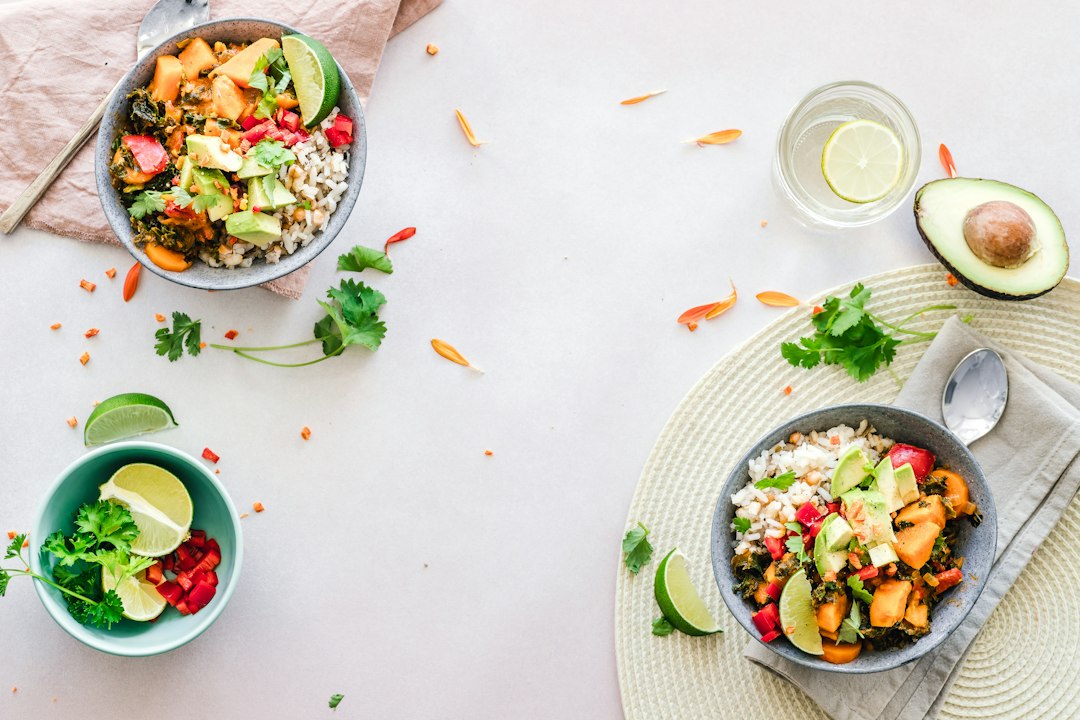
Actionable tip: Use the “plate method” at each meal—fill half the plate with colorful vegetables (complex carbs + fiber), one‑quarter with lean protein, and one‑quarter with healthy fats. This visual cue helps you hit a balanced macro distribution without counting every gram.

1.2 Micronutrients: The Small Yet Mighty Vitamins & Minerals

Micronutrients don’t provide energy, but they are essential cofactors in every metabolic pathway. Deficiencies—even subtle ones—can sap energy, impair immunity, and increase disease risk.

| Micronutrient | Key Functions | Top Food Sources |
|—————|—————|——————|
| Vitamin D | Bone health, immune modulation | Sunlight, fortified dairy, fatty fish |
| Vitamin C | Antioxidant, collagen synthesis | Citrus, berries, bell peppers |
| Iron | Oxygen transport, energy production | Red meat, lentils, spinach (paired with vitamin C) |
| Calcium | Bone & teeth strength, muscle contraction | Dairy, fortified plant milks, leafy greens |
| Magnesium | Muscle relaxation, nerve signaling | Nuts, seeds, whole grains, dark chocolate |

Actionable tip: Aim for a rainbow of colors each day. Different pigments (e.g., beta‑carotene in orange carrots, anthocyanins in blueberries) signal the presence of distinct phytonutrients. A colorful plate is a practical proxy for a micronutrient‑rich diet.

—

2. Crafting a Balanced Meal Plan That Fits Real Life

2.1 Meal Timing & Frequency – Does It Really Matter?

Research shows that overall nutrient quality outweighs the exact timing of meals for most people. However, strategic timing can improve performance, blood‑sugar stability, and satiety.

| Goal | Recommended Timing |
|——|——————–|
| Weight management | 3 main meals + 1‑2 snacks; keep 3‑4 h between eating windows |
| Athletic performance | Carb‑protein snack 30‑60 min pre‑workout; protein‑rich meal within 2 h post‑exercise |
| Blood‑sugar control | Consistent carbohydrate distribution; avoid large meals late at night |

Actionable tip: Use a simple “4‑4‑4” rule: 4 ounces of protein, 4 ounces of vegetables, and 4 tablespoons of healthy fat per meal. Adjust portions based on your calorie needs, but the ratio stays consistent.

2.2 Grocery Shopping Made Simple

1. Create a Master List – Divide it into “always have” (e.g., eggs, frozen berries, canned beans) and “weekly fresh” (leafy greens, fresh fish).
2. Shop the Perimeter First – This is where whole foods reside: produce, dairy, meat, and seafood.
3. Read Labels – Look for “added sugars” (anything ending in “‑ose”) and hidden sodium. Aim for <5 g added sugar per serving and <600 mg sodium.
4. Batch‑Cook Staples – Cook a large pot of quinoa, roast a sheet pan of mixed veggies, or grill a batch of chicken breast. Store in portion‑size containers for quick assembly.

Actionable tip: Spend 10 minutes each Sunday prepping “building blocks” (cooked grains, protein, chopped veg). This reduces decision fatigue and keeps you on track during busy weekdays.

2.3 Sample 7‑Day Meal Blueprint (≈2,000 kcal/day)

| Day | Breakfast | Lunch | Dinner | Snack |
|—–|———–|——-|——–|——-|
| Mon | Greek yogurt + mixed berries + 1 tbsp chia | Quinoa bowl: black beans, corn, avocado, salsa | Baked salmon, roasted broccoli, sweet potato | Apple + 10 almonds |
| Tue | Oatmeal with banana, cinnamon, walnuts | Turkey & hummus wrap (whole‑grain tortilla) + side salad | Stir‑fry tofu, bell peppers, snap peas, brown rice | Carrot sticks + guacamole |
| Wed | Smoothie (spinach, protein powder, frozen mango, almond milk) | Lentil soup + whole‑grain roll | Grilled chicken, quinoa tabbouleh, grilled zucchini | Greek yogurt + honey drizzle |
| Thu | Scrambled eggs + sautéed kale + whole‑grain toast | Chickpea salad (chickpeas, cucumber, feta, olive oil) | Beef stew with carrots & potatoes | Dark chocolate (≥70% cacao) |
| Fri | Whole‑grain pancakes + blueberries + Greek yogurt | Tuna salad lettuce wraps + cherry tomatoes | Shrimp tacos (corn tortillas, cabbage slaw, lime) | Cottage cheese + pineapple |
| Sat | Avocado toast + poached egg + salsa | Veggie burger (bean patty) + sweet potato fries | Baked cod, quinoa pilaf, asparagus | Handful of trail mix |
| Sun | Breakfast burrito (egg, black beans, salsa, whole‑grain tortilla) | Mediterranean grain bowl (farro, olives, roasted red pepper, goat cheese) | Roast chicken, mashed cauliflower, green beans | Fresh fruit salad |

Adjust portion sizes to match your personal calorie goals. This template showcases a variety of protein sources, whole grains, and colorful vegetables, ensuring a broad spectrum of nutrients.

—

3. Nutrition for Specific Goals – Tailoring Your Diet to What Matters Most

3.1 Weight Management: The Science of Satiety

  • Protein is king – It boosts thermogenesis (calorie burning) and keeps you full longer. Aim for 20‑30 g per meal.
  • Fiber fuels fullness – Soluble fiber (oats, apples, legumes) forms a gel in the gut, slowing digestion and blunting blood‑sugar spikes.
  • Healthy fats signal satiety – Including a source of omega‑3s (flaxseed, walnuts, fatty fish) can reduce cravings.
  • Actionable tip: Start each meal with a vegetable‑first approach. Fill half your plate with non‑starchy veg before adding carbs or protein; this reduces total calorie intake without sacrificing volume.

    3.2 Building Muscle & Enhancing Performance

    1. Protein Timing – Aim for 0.4‑0.55 g protein per kilogram of body weight every 3‑4 hours. A post‑workout shake (20‑25 g whey or plant protein) accelerates muscle protein synthesis.
    2. Carb Periodization – Load carbs around training days (pre‑ and post‑workout) to replenish glycogen. On rest days, shift to lower‑glycemic carbs (berries, quinoa).
    3. Hydration & Electrolytes – Water plus 300‑500 mg sodium + 200 mg potassium per hour of intense activity maintains performance.

    Actionable tip: Keep a “recovery kit” in your fridge: a container of Greek yogurt, mixed berries, and a drizzle of honey. This 200‑calorie combo delivers a perfect post‑exercise protein‑carb ratio.

    3.3 Gut Health – The Hidden Driver of Immunity & Mood

  • Prebiotics (inulin, resistant starch) feed beneficial bacteria. Sources: chicory root, garlic, onions, bananas, oats.
  • Probiotics add live cultures. Fermented foods like kefir, kimchi, sauerkraut, and kombucha are excellent choices.
  • Limit processed sugars – High sugar intake can promote dysbiosis (imbalanced gut flora), leading to inflammation.
  • Actionable tip: Incorporate one fermented food into your daily routine. A quick spoonful of kefir at breakfast or a side of kimchi with dinner can dramatically improve microbial diversity.

    3.4 Aging Gracefully – Nutrition for Longevity

  • Antioxidant‑rich foods combat oxidative stress. Think berries, dark leafy greens, and green tea.
  • Collagen‑supporting nutrients (vitamin C, proline, glycine) help maintain skin elasticity and joint health. Bone broth, citrus, and gelatin are practical sources.
  • Calcium + Vitamin D are critical for bone density. Aim for 1,000 mg calcium and 800‑1,000 IU vitamin D daily, adjusting for age and sun exposure.
  • Actionable tip: Add a “bone‑boost” smoothie to your weekly menu: blend kale, fortified almond milk, a scoop of collagen peptide, and a handful of frozen berries.

    —

    4. Overcoming Common Nutrition Challenges

    4.1 Eating Healthy on a Budget

  • Buy in bulk – Grains, beans, and frozen vegetables are cheaper per serving than fresh, pre‑packaged items.
  • Seasonal produce – Prices drop dramatically when fruits/veg are in season. Visit local farmers’ markets near closing time for discounts.
  • DIY sauces – Store‑bought dressings often contain hidden sugars and sodium. Whisk together olive oil, lemon juice, mustard, and herbs for a low‑cost alternative.
  • Actionable tip: Allocate $30‑$40 per week for a “core pantry” (rice, lentils, canned tomatoes, frozen peas) and supplement with fresh produce as the budget allows.

    4.2 Managing Cravings Without Guilt

  • Identify triggers – Stress, lack of sleep, or dehydration often masquerade as hunger.
  • Swap, don’t ban – Replace a sugary snack with a fruit‑nut combo (e.g., banana + 1 tbsp peanut butter). The natural sweetness satisfies cravings while delivering fiber and protein.
  • Mindful eating – Put away screens, chew slowly, and savor flavors. Studies show mindful eaters consume ~20% fewer calories.
  • Actionable tip: Keep a “craving journal” for a week. Note the time, emotion, and food desired. Patterns reveal non‑nutritional triggers you can address (e.g., a 10‑minute walk for stress‑related cravings).

    4.3 Navigating Food Allergies & Intolerances

  • Read labels meticulously – Even “gluten‑free” products can contain cross‑contamination.
  • Rotate foods – Eating the same food daily can mask sensitivities. A 4‑day rotation (different protein, grain, veg) helps pinpoint problematic items.
  • Work with a dietitian – Professional guidance ensures you meet nutrient needs while eliminating triggers.

Actionable tip: Use a simple elimination chart: for two weeks, remove one suspected allergen (e.g., dairy). Track symptoms, then reintroduce gradually while monitoring changes.

—

5. Future‑Forward Nutrition – Emerging Trends Worth Watching

| Trend | What It Is | Potential Benefits | Current Evidence |
|——-|————|——————–|——————|
| Personalized Nutrition (DNA‑based) | Tailors diet to genetic variants (e.g., lactose tolerance, caffeine metabolism) | May improve adherence and outcomes | Early studies promising but still evolving |
| Plant‑Based Proteins (pea, soy, mycoprotein) | High‑quality protein from non‑animal sources | Lower environmental impact, heart health | Comparable

Title: Unlocking the Power of Movement: 7 Surprising Benefits of Exercise You Can Start Reaping Today

—

Introduction – Why “Just One More Episode” Isn’t Worth It

Picture this: you’re curled up on the couch, a fresh bowl of popcorn within arm’s reach, and the next episode of your favorite series is about to start. The allure of “just one more” is irresistible. Yet, while binge‑watching may feel like a harmless escape, research shows that a sedentary lifestyle can silently erode both body and mind.

What if you could swap that extra episode for a quick burst of movement and instantly boost your mood, sharpen your focus, and protect your heart—all without needing a gym membership? The answer is a simple, science‑backed truth: regular exercise is one of the most effective, low‑cost tools for improving overall health.

In this 2,000‑word guide we’ll dive deep into the top benefits of exercise, break down the science in everyday language, and give you actionable steps you can start today—whether you’re a seasoned athlete or just lacing up your sneakers for the first time.

—

1. Boost Your Heart Health – The Cardiovascular Superpower

#### Why a Strong Heart Matters

Cardiovascular disease remains the leading cause of death worldwide. The good news? Exercise is a proven prescription for a healthier heart. When you engage in activities like brisk walking, cycling, or swimming, your heart muscle strengthens, blood vessels become more elastic, and circulation improves.

#### The Science in Plain English

  • Increased Cardiac Output: Each time you exercise, your heart pumps more blood per beat, training it to be more efficient at rest.
  • Lower Blood Pressure: Regular aerobic activity helps relax blood vessel walls, reducing systolic and diastolic pressures.
  • Improved Cholesterol Profile: Exercise raises “good” HDL cholesterol while lowering “bad” LDL particles, decreasing plaque buildup.
  • #### Actionable Tips to Strengthen Your Heart

    | Action | How to Do It | Frequency |
    |——–|————–|———–|
    | Brisk Walk or Jog | Aim for a pace where you can talk but not sing. | 30 minutes, 5 days/week |
    | HIIT (High‑Intensity Interval Training) | 20‑seconds sprint + 40‑seconds walk, repeat 8‑10 times. | 2‑3 times/week |
    | Cycling or Swimming | Choose a low‑impact option if joints are a concern. | 45 minutes, 2‑3 times/week |
    | Strength Training | Include squats, lunges, and push‑ups to support heart health. | 2‑3 sessions/week |

    Quick Start: Set a timer for 10 minutes tonight. Walk around your block or do a quick bodyweight circuit—your heart will thank you tomorrow.

    —

    2. Sharpen Your Brain – Exercise as a Mental Gym

    #### From Foggy to Focused

    Ever notice how a short walk clears mental cobwebs? That’s not a coincidence. Physical activity stimulates the brain’s “growth factors,” boosting memory, concentration, and even creativity.

    #### The Neurobiology Behind the Boost

  • BDNF (Brain‑Derived Neurotrophic Factor): Exercise spikes BDNF, a protein that supports the formation of new neurons and synapses.
  • Increased Blood Flow: More oxygen and nutrients reach the brain, enhancing cognitive processing.
  • Stress Hormone Regulation: Physical activity lowers cortisol, the hormone linked to anxiety and memory impairment.
  • #### Practical Ways to Power Up Your Brain

    | Brain‑Boosting Exercise | Description | Ideal Duration |
    |————————–|————-|—————-|
    | Morning Yoga Flow | Combines movement with breath, improving focus. | 15‑20 minutes |
    | Aerobic Dance (Zumba, Hip‑Hop) | Fun, rhythmic cardio that challenges coordination. | 30‑45 minutes |
    | Resistance Training | Lifting weights improves executive function and memory. | 20‑30 minutes |
    | Outdoor Hiking | Nature exposure + physical effort = double brain boost. | 60 minutes |

    Quick Brain Hack: Before a big meeting, do 5 minutes of jumping jacks or a brisk stair climb. The surge of blood to your brain can sharpen your thinking instantly.

    —

    3. Manage Weight Naturally – The Calorie‑Balancing Act

    #### Why Exercise Beats “Diet‑Only” Approaches

    While cutting calories can lead to short‑term weight loss, exercise preserves lean muscle, keeps metabolism humming, and makes weight maintenance easier over the long haul.

    #### How Exercise Influences Metabolism

  • Elevated Resting Metabolic Rate (RMR): Muscle tissue burns more calories at rest than fat tissue.
  • Post‑Exercise Oxygen Consumption (EPOC): After intense workouts, your body continues to burn calories as it recovers.
  • Hormonal Balance: Exercise regulates insulin and leptin, hormones that control hunger and fat storage.
  • #### Actionable Weight‑Management Strategies

    1. Combine Cardio & Strength: 150 minutes of moderate cardio + 2 strength sessions per week.
    2. Interval Training for Fat Burn: 30‑second high‑intensity bursts followed by 60‑second recovery, repeated for 20 minutes.
    3. Active Lifestyle Hacks: Take stairs, park farther away, or schedule walking meetings.
    4. Track Progress, Not Perfection: Use a simple log or app to note workouts, not just the scale.

    Starter Plan: Begin with a 10‑minute walk after dinner each night. Gradually increase to 30 minutes and add a 15‑minute bodyweight circuit twice a week.

    —

    4. Strengthen Bones & Muscles – The Foundation of Longevity

    #### Why “Strong” Isn’t Just About Aesthetics

    Beyond looking toned, strong bones and muscles protect against injuries, improve balance, and reduce the risk of osteoporosis—especially important as we age.

    #### The Mechanics of Bone Health

  • Mechanical Loading: Weight‑bearing activities (e.g., walking, resistance training) signal bone cells to build density.
  • Muscle‑Bone Crosstalk: Strong muscles pull on bones, stimulating growth and repair.
  • Hormonal Support: Exercise boosts growth hormone and testosterone, both crucial for musculoskeletal health.
  • #### Simple Ways to Build Bone & Muscle Strength

    | Exercise | Target | How to Perform |
    |———-|——–|—————-|
    | Squats | Quads, glutes, core | 3 sets of 12, bodyweight or with dumbbells |
    | Push‑Ups | Chest, shoulders, triceps | 3 sets of 8‑15, modify on knees if needed |
    | Deadlifts | Hamstrings, lower back, glutes | 2‑3 sets of 6‑10, start light |
    | Plank Variations | Core stability | Hold 30‑60 seconds, progress to side planks |
    | Resistance Bands | Full‑body toning | 10‑15 minutes, 2‑3 times/week |

    Tip for Beginners: If you’re new to strength training, start with resistance bands or light dumbbells. Consistency beats intensity—focus on proper form and gradually increase weight.

    —

    5. Elevate Mood & Reduce Stress – The Natural Antidepressant

    #### The Emotional Payoff of Moving

    It’s no secret that a good workout can leave you feeling “on top of the world.” Exercise triggers the release of endorphins, serotonin, and dopamine, chemicals that lift mood and combat anxiety.

    #### How Movement Battles Stress

  • Endorphin Rush: Often called the “runner’s high,” these natural painkillers create a sense of euphoria.
  • Serotonin Production: Regular activity improves serotonin synthesis, stabilizing mood.
  • Mind‑Body Connection: Activities like tai chi and yoga incorporate mindfulness, reducing rumination.
  • #### Mood‑Boosting Exercise Routine

    | Mood‑Boosting Activity | Duration | Frequency |
    |————————|———-|———–|
    | Morning Jog or Walk | 20‑30 min | Daily |
    | Yoga or Pilates | 30‑45 min | 3‑4 times/week |
    | Group Fitness Class | 45‑60 min | 2‑3 times/week (social support) |
    | Outdoor Play (e.g., frisbee, hiking) | 60 min | Weekly |

    Instant Mood Lift: When you feel overwhelmed, try the “5‑Minute Power Move” – 30 seconds each of jumping jacks, high knees, arm circles, squats, and deep breathing. You’ll notice a quick mental reset.

    —

    6. Improve Sleep Quality – Restful Nights Made Easy

    #### The Sleep‑Exercise Connection

    Struggling to fall asleep or stay asleep? Regular physical activity can regulate your circadian rhythm, helping you drift off faster and enjoy deeper REM cycles.

    #### What the Research Shows

  • Temperature Regulation: Exercise raises core body temperature; the subsequent cooling period promotes sleepiness.
  • Anxiety Reduction: Lower stress hormones lead to calmer mind at bedtime.
  • Sleep Architecture: Moderate aerobic exercise increases total sleep time and reduces night‑time awakenings.
  • #### Sleep‑Friendly Exercise Guidelines

  • Timing: Aim for workouts at least 2‑3 hours before bedtime; evening yoga or stretching can be soothing.
  • Intensity: Moderate‑intensity cardio (e.g., brisk walking) works best for sleep; high‑intensity late‑night sessions may be stimulating.
  • Consistency: Same daily routine reinforces your internal clock.
  • Bedtime Routine: Finish your day with a 10‑minute gentle stretch or a calming yoga flow, followed by a warm shower. Your body will recognize the cue and prepare for restful sleep.

    —

    7. Strengthen the Immune System – Your First Line of Defense

    #### Exercise as Immunity Booster

    In a world where colds and flu are inevitable, regular moderate exercise can fortify your immune response, making you less susceptible to infections.

    #### How Movement Enhances Immunity

  • Increased Circulation of Immune Cells: Exercise mobilizes white blood cells, allowing them to detect pathogens more efficiently.
  • Anti‑Inflammatory Effects: Regular activity reduces chronic inflammation, a root cause of many diseases.
  • Stress Hormone Balance: Lower cortisol levels mean the immune system can function optimally.

#### Immune‑Supporting Exercise Plan

| Activity | Benefits | Suggested Routine |
|———-|———-|——————-|
| Brisk Walking | Improves lymph flow | 30 min, 5 days/week |
| Moderate Cycling | Boosts NK cell activity | 45 min, 3 days/week |
| Resistance Training | Reduces inflammatory markers | 20‑30 min, 2‑3 times/week |
| Tai Chi / Qigong | Balances stress hormones | 15‑20 min, daily |

Quick Immunity Tip: A 15‑minute walk in the fresh air during lunch can give your immune system a mid‑day boost—especially during seasonal changes.

—

Conclusion – Your Action Plan for a Healthier, Happier You

Exercise isn’t just a checkbox on a wellness list; it’s a multifaceted powerhouse that supports heart health, brain function, weight management, musculoskeletal strength, mood, sleep, and immunity—all while being accessible to anyone willing to move.

Key Takeaways

1. Heart Health: Aim for at least 150 minutes of moderate cardio weekly plus strength sessions.
2. Brain Power: Incorporate aerobic activity and strength training to boost memory and focus.
3. Weight Management: Combine cardio, HIIT, and resistance work for a balanced metabolism.
4. Bone & Muscle Strength: Prioritize weight‑bearing and resistance exercises to protect joints and prevent osteoporosis.
5. Mood & Stress Relief: Use endorphin‑rich workouts like jogging, yoga, or group classes to lift spirits.
6. Better Sleep: Schedule moderate exercise earlier in the day and finish with calming stretches.
7. Immune Support: Consistent moderate activity keeps your defenses strong and inflammation low.

Your First 7‑Day Jump‑Start

| Day | Activity | Duration | Focus |
|—–|———-|———-|——-|
| Monday | Brisk walk + bodyweight circuit | 30 min + 15 min | Cardio + Strength |
| Tuesday | Yoga flow | 30 min | Flexibility + Stress Relief |
| Wednesday | HIIT (20 s sprint/40 s walk) | 20 min | Cardiovascular + Fat Burn |
| Thursday | Resistance band workout | 25 min | Muscle & Bone Health |
| Friday | Outdoor hike or bike ride | 45 min | Heart + Mood |
| Saturday | Light jog + stretching | 30 min | Endurance + Recovery |
| Sunday | Rest + gentle walk | 20 min | Active recovery |

Stick to this simple schedule for a week, listen to your body, and celebrate every small win—whether it’s a longer walk, a deeper stretch, or a more energized morning. Remember, the benefits of exercise compound over time; each step you take today builds a stronger, more resilient you tomorrow.

—

Ready to Move?

The journey from couch‑potato to confident mover starts with a single decision. Pick one of the actions above, set a reminder on your phone, and make it non‑negotiable. Your heart, mind, and body will thank you—one rep, one step, one breath at a time.

*Stay active, stay

Title: The Ultimate Guide to Crafting a Sustainable Diet Plan That Actually Works

—

Introduction – Why “One‑Size‑Fits‑All” Diets Don’t Cut It

You’ve probably seen countless diet plans promising rapid weight loss, a flat belly, or “the perfect body” in just a few weeks. Yet, after the initial excitement fades, many people find themselves stuck in a cycle of restriction, cravings, and disappointment. The truth is simple: there is no universal diet that works for everyone. What matters most is a personalized, science‑backed diet plan that fits your lifestyle, goals, and health needs.

In this comprehensive guide, we’ll break down everything you need to know to design a healthy, balanced diet plan you can actually stick to. From understanding your unique nutritional needs to mastering meal prep and tracking progress, you’ll walk away with a step‑by‑step roadmap that turns vague intentions into concrete, sustainable habits.

(Keywords: diet plan, healthy eating, weight loss, balanced diet, meal planning, nutrition, sustainable diet)

—

1. Understanding Your Nutritional Foundations

Before you scribble down a weekly menu, you need to know what your body actually requires. This section demystifies the core concepts behind calories, macronutrients, and micronutrients—so you can build a diet plan on a solid scientific foundation.

1.1 Calculate Your Daily Calorie Needs

  • Basal Metabolic Rate (BMR) – the number of calories your body burns at rest. Use the Mifflin‑St Jeor equation or a reliable online calculator.
  • Total Daily Energy Expenditure (TDEE) – BMR multiplied by an activity factor (sedentary, lightly active, moderately active, very active).
  • Actionable tip: Write down your TDEE and decide whether you want to lose, maintain, or gain weight. A safe calorie deficit for weight loss is typically 500–750 kcal per day, which translates to about 0.5–1 lb (0.2–0.45 kg) of weight loss per week.

    1.2 Master the Macronutrient Ratio

    | Macro | Primary Role | Typical Range for General Health |
    |——-|————–|———————————-|
    | Protein | Tissue repair, satiety, muscle preservation | 15‑30% of total calories (0.8‑1.2 g per lb body weight) |
    | Carbohydrates | Energy source, brain fuel, gut health | 45‑55% of total calories (focus on complex carbs) |
    | Fats | Hormone production, nutrient absorption, satiety | 20‑35% of total calories (emphasize unsaturated fats) |

    Actionable tip: Use a macro‑tracking app (MyFitnessPal, Cronometer, etc.) to set your target grams. Adjust the percentages based on your goals—e.g., higher protein for muscle gain or higher carbs for endurance training.

    1.3 Don’t Forget Micronutrients

    Vitamins and minerals don’t provide calories, but they’re essential for metabolism, immunity, and overall well‑being. Aim for a colorful plate: leafy greens (vitamin K, iron), orange vegetables (beta‑carotene, vitamin A), berries (antioxidants), and nuts/seeds (magnesium, zinc).

    Actionable tip: If you suspect gaps (e.g., low iron, vitamin D), consider a simple blood test and discuss supplementation with a healthcare professional.

    —

    2. Building a Balanced Diet Plan That Fits Your Life

    Now that you know how many calories and macros you need, it’s time to translate those numbers into real foods you actually enjoy.

    2.1 Choose Whole, Minimally Processed Foods

    | Food Group | Ideal Choices | Why They’re Better |
    |————|—————|——————-|
    | Proteins | Skinless poultry, fish, eggs, legumes, tofu, Greek yogurt | High‑quality amino acids, lower saturated fat |
    | Carbs | Quinoa, brown rice, oats, sweet potatoes, whole‑grain breads, fruit | Fiber‑rich, slower glucose release |
    | Fats | Avocado, olive oil, nuts, seeds, fatty fish (salmon) | Omega‑3s, monounsaturated fats, heart‑healthy |
    | Veggies | Dark leafy greens, cruciferous veggies, bell peppers, carrots | Nutrient density, antioxidants |

    Actionable tip: Create a shopping list that includes at least three items from each column. Stick to the perimeter of the grocery store where fresh produce and proteins are usually located.

    2.2 Portion Control Made Simple

  • Hand‑size method:
  • – Protein: palm‑sized portion (≈3‑4 oz)
    – Carbs: cupped‑hand portion (≈½ cup cooked)
    – Fats: thumb‑sized portion (≈1 tbsp)
    – Veggies: both hands cupped together (≈2‑3 cups)

  • Plate method: Fill half your plate with non‑starchy veggies, one‑quarter with lean protein, and one‑quarter with complex carbs.
  • Actionable tip: Use a set of reusable portion containers for lunch and dinner. Visual cues help you stay within macro targets without constant weighing.

    2.3 Tailor Your Plan to Your Schedule

    | Lifestyle | Sample Meal Timing | Quick‑Prep Ideas |
    |———–|——————-|——————|
    | Busy professional | 7 am breakfast, 12 pm lunch, 3 pm snack, 7 pm dinner | Overnight oats, mason‑jar salads, pre‑cooked chicken breast |
    | Student/Shift worker | Flexible windows; focus on nutrient timing around workouts | Protein smoothies, rice‑bean bowls, Greek yogurt with nuts |
    | Stay‑at‑home parent | Structured meals; involve kids in prep | Sheet‑pan roasted veggies, whole‑grain wraps, homemade soups |

    Actionable tip: Map out a weekly meal calendar (Monday‑Sunday) with breakfast, lunch, dinner, and snack slots. Knowing exactly what you’ll eat reduces decision fatigue and impulsive snacking.

    —

    3. Meal Planning & Prep – The Secret Weapon for Consistency

    A diet plan only works when you actually follow it. The most reliable way to stay on track is to plan ahead and prepare meals in advance.

    3️⃣1 Choose a Planning System

    1. Digital tools – Google Sheets, Notion, or dedicated apps like Mealime.
    2. Paper method – A printable weekly planner with columns for each meal and a grocery checklist.

    Actionable tip: Spend 30 minutes each Sunday to fill out your meal plan and generate a shopping list. Consistency beats perfection; even a simple list is a massive upgrade from “I’ll figure it out later.”

    3️⃣2 Batch‑Cook the Basics

  • Proteins: Grill a tray of chicken breasts, bake salmon fillets, or simmer a pot of lentils.
  • Carbs: Cook a big batch of quinoa, brown rice, or sweet potato wedges.
  • Veggies: Roast mixed vegetables (broccoli, cauliflower, carrots) with olive oil and herbs.
  • Store each component in separate containers. When it’s time to eat, simply assemble a balanced plate in minutes.

    Actionable tip: Invest in a set of glass meal prep containers (BPA‑free). They’re microwave‑safe, keep food fresh longer, and are eco‑friendly.

    3️⃣3 Smart Snack Strategies

  • Portion‑controlled packs – Pre‑divide nuts, seeds, or dried fruit into ¼‑cup servings.
  • Veggie sticks + dip – Carrot, cucumber, and bell pepper strips with hummus or Greek‑yogurt tzatziki.
  • Protein boost – Hard‑boiled eggs, low‑fat cheese sticks, or a small whey protein shake.
  • Actionable tip: Keep a snack station in the fridge or pantry with ready‑to‑grab options. When hunger strikes, you’ll reach for a healthy choice instead of the cookie jar.

    3️⃣4 Cooking Hacks for Time‑Strapped Days

    | Hack | How It Works |
    |——|————–|
    | One‑pot meals | Combine protein, carbs, and veggies in a single skillet or slow cooker (e.g., chicken‑brown rice stir‑fry). |
    | Freezer‑friendly meals | Make large batches of chili, soup, or lasagna and freeze in individual portions. |
    | Quick‑cook grains | Use instant quinoa or pre‑cooked brown rice packets that are ready in 5 minutes. |
    | Microwave “steam” veggies | Place cut veggies in a microwave‑safe bowl with a splash of water, cover, and cook for 2‑3 minutes. |

    Actionable tip: Pick two hacks that align with your routine and practice them for a week. Small adjustments compound into big savings of time and stress.

    —

    4. Monitoring, Adjusting, and Staying Motivated

    Even the best‑designed diet plan can go off‑track without proper monitoring. This section shows you how to track progress, interpret data, and make evidence‑based tweaks.

    4.1 Track Your Food Intake (Without Obsessing)

  • Digital logs: Use an app that syncs with your phone and wearables.
  • Photo journal: Snap a picture of each meal; visual memory often reveals hidden calories.
  • Weekly review: Set a specific day (e.g., Sunday) to glance over the past week’s macro totals and note patterns.
  • Actionable tip: Aim for consistent logging for 2‑3 weeks. After that, you’ll internalize portion sizes and can log less frequently while staying accurate.

    4.2 Measure Success Beyond the Scale

    | Metric | How to Measure | Why It Matters |
    |——–|—————-|—————-|
    | Body composition | Body fat calipers, bio‑impedance scales, or DEXA scans | Shows muscle vs. fat changes |
    | Performance | Workout logs (weights, reps, cardio distance) | Indicates functional improvements |
    | Energy levels | Daily journal (sleep quality, mood, cravings) | Reflects metabolic health |
    | Clothing fit | How your favorite jeans feel | Practical, non‑scale feedback |

    Actionable tip: Take photos (front, side, back) every 4 weeks under consistent lighting. Visual progress is a powerful motivator when the numbers plateau.

    4.3 Adjusting Calories & Macros

  • Weight loss stall (≥2 weeks): Reduce calories by 10‑15 % or increase activity slightly.
  • Muscle gain plateau: Raise protein by 10 g and add 200 kcal from carbs.
  • Energy dip: Check if you’re under‑eating carbs or electrolytes; add a fruit or a small sweet potato.
  • Actionable tip: Use the “10% rule”—make only one small change at a time (e.g., +50 kcal, +5 g protein) and observe for 1‑2 weeks before making another adjustment.

    4.4 Psychological Strategies for Long‑Term Adherence

  • Implementation intentions: Write “If I feel hungry at 3 pm, I will eat a pre‑portioned snack.”
  • Reward system: Celebrate milestones with non‑food rewards (new workout gear, a massage).
  • Social accountability: Share your plan with a friend, join a community, or post progress updates (if comfortable).

Actionable tip: Choose one psychological tool each month and test its impact. Small habit tweaks can dramatically improve consistency.

—

5. Common Pitfalls & How to Avoid Them

Even seasoned health enthusiasts stumble into traps that sabotage progress. Recognizing these pitfalls early can keep your diet plan on the straight and narrow.

5.1 Over‑Restricting Calories

Problem: Cutting calories too aggressively (e.g., >1,000 kcal deficit) leads to hunger, metabolic slowdown, and loss of lean muscle.

Solution: Stick to a moderate deficit (500‑750 kcal) and prioritize protein to preserve muscle mass.

5.2 Ignoring Micronutrient Gaps

Problem: Focusing solely on macros can cause deficiencies (iron, calcium, B‑vitamins).

Solution: Incorporate a multivitamin only if needed, and rotate a variety of colorful vegetables and whole foods weekly.

5.3 “All‑Or‑Nothing” Mindset

Problem: One cheat meal leads to an entire day of bingeing.

Solution: Adopt the 80/20 rule—aim for 80 % adherence most days, allowing 20 % flexibility for social events or cravings.

5.4 Skipping Meals or Relying on “Quick Fixes”

**Problem

Title: The Ultimate 2024 Diet Plan Guide: How to Eat Smart, Lose Weight, and Feel Amazing

—

Introduction – Why “Another Diet Plan” Isn’t Just a Fad

You’ve probably heard the phrase “diet plan” tossed around a million times—on Instagram, in grocery aisles, and even at your family dinner table. Yet, every time you try one, it feels like you’re stepping onto a treadmill that speeds up just as you find your rhythm.

What if the secret isn’t a “quick‑fix” diet, but a personalized, sustainable plan that fits your lifestyle, cravings, and health goals? In this guide, we’ll break down the science, the strategy, and the everyday hacks that turn a vague “diet” into a real, actionable plan you can live with—and love.

Whether you’re aiming for weight loss, muscle gain, better energy, or just a healthier relationship with food, this 2,000‑word deep dive will give you the tools to design a diet plan that works for you. Let’s get started!

—

1. Understanding Your Nutritional Foundations

1.1. Calories: The Energy Currency

Before you pick a menu, you need to know how many calories your body needs each day. This is called your Total Daily Energy Expenditure (TDEE)—the sum of calories you burn at rest (Basal Metabolic Rate) plus those used for daily activities, exercise, and digestion.

How to calculate a quick estimate:

| Step | Formula | Example (70 kg, 30 y, moderate activity) |
|——|———|——————————————|
| 1️⃣ BMR (Mifflin‑St Jeor) | For men: 10 × weight(kg) + 6.25 × height(cm) – 5 × age + 5 | 10 × 70 + 6.25 × 175 – 5 × 30 + 5 = 1,665 kcal |
| 2️⃣ Adjust for activity | Multiply BMR by activity factor (1.55 for moderate) | 1,665 × 1.55 ≈ 2,580 kcal |
| 3️⃣ Set goal | -500 kcal for ~0.5 kg/week loss; +250 kcal for muscle gain | 2,580 – 500 = 2,080 kcal (weight‑loss target) |

Pro tip: Use a free app like MyFitnessPal or Cronometer to track real‑time intake and adjust as you progress.

1.2. Macronutrients – The Three Pillars

| Macro | Primary Role | Typical Ratio (Weight‑Loss) | Food Sources |
|——-|————–|—————————-|————–|
| Protein | Builds/repairs tissue, keeps you full | 30 % of calories (≈ 1.2–1.6 g/kg bodyweight) | Chicken, fish, tofu, Greek yogurt |
| Carbohydrates | Fuel for brain & workouts | 40 % of calories (focus on complex carbs) | Oats, sweet potatoes, quinoa, fruits |
| Fats | Hormone production, satiety | 30 % of calories (emphasize unsaturated) | Avocado, nuts, olive oil, fatty fish |

Why it matters: A balanced macro split prevents the “hangry” spikes that sabotage most diet plans. Adjust the ratios based on your activity level—endurance athletes may need more carbs, while strength trainers may up protein and fats.

1.3. Micronutrients – The Unsung Heroes

Even if you hit your calorie and macro targets, vitamins and minerals keep your metabolism humming. Aim for a colorful plate:

  • Vitamin C & potassium: bell peppers, oranges, bananas
  • Iron & B‑vitamins: lean red meat, lentils, spinach
  • Calcium & Vitamin D: dairy or fortified plant milks, sunlight
  • If you suspect gaps (e.g., fatigue, hair loss), consider a multivitamin or a targeted supplement after consulting a healthcare professional.

    1.4. Personal Factors – Age, Hormones, Health Conditions

    Your diet plan isn’t one‑size‑fits‑all. Hormonal shifts (menopause, thyroid issues), chronic conditions (diabetes, IBS), and life stages (pregnancy, senior years) demand tailored adjustments.

  • Women over 40: Slightly increase protein and calcium to counter muscle loss and bone density decline.
  • Type 2 diabetics: Prioritize low‑glycemic carbs and consistent meal timing.
  • Athletes: Periodize carbs around training days for performance peaks.
  • Bottom line: Start with the fundamentals (calories, macros) and layer personal nuances on top.

    —

    2. Building a Balanced, Real‑World Meal Plan

    2.1. The “Plate Method” Made Simple

    Visual learners love the plate model:

  • ½ plate non‑starchy veg (broccoli, leafy greens)
  • ¼ plate lean protein (chicken breast, tempeh)
  • ¼ plate whole‑grain carbs (brown rice, quinoa)
  • Add a handful of healthy fats (nuts, olive oil) and you’ve got a nutritionally complete meal without counting every gram.

    2.2. Sample 7‑Day Meal Blueprint (≈ 2,000 kcal)

    > Note: Adjust portion sizes to match your calculated calorie target.

    | Day | Breakfast | Lunch | Snack | Dinner | Approx. Calories |
    |—–|———–|——-|——-|——–|——————|
    | Mon | Greek yogurt parfait (150 g yogurt, berries, 2 tbsp granola) | Grilled chicken salad (4 oz chicken, mixed greens, ½ avocado, vinaigrette) | Apple + 10 almonds | Baked salmon (5 oz), quinoa (½ cup), roasted asparagus | 2,050 |
    | Tue | Overnight oats (½ cup oats, 1 cup almond milk, chia, banana) | Turkey wrap (whole‑wheat tortilla, 3 oz turkey, hummus, lettuce) | Carrot sticks + hummus | Stir‑fry tofu, brown rice, mixed veg, soy‑ginger sauce | 1,970 |
    | Wed | Veggie omelet (3 eggs, spinach, mushrooms, feta) + whole‑grain toast | Lentil soup + side mixed greens with olive oil | Greek yogurt (plain) + honey | Grilled lean steak (5 oz), sweet potato mash, green beans | 2,030 |
    | Thu | Smoothie (protein powder, spinach, frozen berries, almond milk) | Quinoa‑black bean bowl (½ cup quinoa, ½ cup beans, corn, salsa) | Cottage cheese + pineapple | Baked cod, wild rice, sautéed zucchini | 1,990 |
    | Fri | Whole‑grain pancakes (2) + turkey bacon + berries | Chickpea salad (chickpeas, cucumber, tomato, feta, lemon‑olive oil) | Dark chocolate (1 oz) + walnuts | Chicken curry (light coconut milk) with cauliflower rice | 2,010 |
    | Sat | Avocado toast (2 slices whole‑grain) + poached egg | Sushi bowl (sushi rice, raw salmon, avocado, cucumber, soy) | Protein bar (low sugar) | Turkey meatballs, spaghetti squash, marinara sauce | 2,020 |
    | Sun | Breakfast burrito (egg whites, black beans, salsa, whole‑grain tortilla) | Grilled shrimp salad (5 oz shrimp, mixed greens, mango, lime dressing) | Mixed berries + kefir | Roast chicken (skinless), roasted carrots, quinoa pilaf | 2,040 |

    Why this works:

  • Variety: Prevents boredom and covers a broad spectrum of micronutrients.
  • Portion control: Each meal is roughly 400‑600 kcal, keeping blood sugar stable.
  • Prep‑friendly: Many components (grains, proteins) can be batch‑cooked on Sunday.
  • 2.3. Meal Prep Hacks for Busy Lives

    | Hack | How to Implement |
    |——|——————|
    | Batch‑cook proteins | Grill 2 lb chicken breast, bake a tray of salmon, and store in zip‑locks for the week. |
    | Pre‑portion carbs | Cook a large pot of quinoa or brown rice, then divide into 5‑oz containers. |
    | Veggie “snack boxes” | Slice carrots, cucumber, bell peppers, and store with individual hummus cups. |
    | Freezer‑friendly meals | Make a big pot of chili or soup; freeze in portion‑size bags for quick reheats. |
    | One‑pan dinners | Use sheet‑pan roasting (protein + veg + a drizzle of oil) for minimal cleanup. |

    Time‑saving tip: Invest in a digital kitchen scale and a set of reusable containers. Accurate portions reduce guesswork and food waste.

    2.4. Flexible “If‑Then” Rules

    A rigid diet plan crumbles under real life. Build contingency rules:

  • If you’re dining out, then aim for a lean protein + veg + half‑portion carbs (ask for sauce on the side).
  • If you’re craving sweets, then choose a fruit‑based dessert or a small piece of dark chocolate (≤ 20 g).
  • If you miss a workout, then reduce carbs slightly that day to keep calories aligned.
  • These conditional statements keep you in control without feeling deprived.

    —

    3. Strategies to Stick to Your Diet Plan Long‑Term

    3.1. Set SMART Goals

  • Specific: “Lose 5 kg in 12 weeks” rather than “lose weight.”
  • Measurable: Track weight, body measurements, or progress photos weekly.
  • Achievable: A 0.5 kg/week deficit is realistic for most adults.
  • Relevant: Align the goal with why you want to change (e.g., “run a 5K without stopping”).
  • Time‑bound: Set a clear deadline and schedule check‑ins.
  • 3.2. Mindful Eating Practices

    | Practice | Description |
    |———-|————-|
    | Slow down | Put down utensils between bites; aim for 20–30 min meals. |
    | Check hunger cues | Use a 1‑10 scale; eat when 3‑4 (slightly hungry) and stop at 6‑7 (comfortably full). |
    | Eliminate distractions | No TV or scrolling while eating; focus on flavors and textures. |
    | Portion preview | Before eating, glance at the plate to ensure balanced macro distribution. |

    Mindful eating reduces overeating and improves digestion, making the diet feel less like a chore.

    3.3. Leverage Technology

  • Tracking apps: MyFitnessPal, Lose It!, Cronometer – log meals, macros, water intake.
  • Smart scales: With body‑fat analysis to see changes beyond the number on the scale.
  • Meal‑planning tools: Eat This Much or Mealime generate weekly grocery lists based on your calorie target.
  • Automation tip: Set recurring grocery deliveries for staples (e.g., frozen veggies, lean proteins) to avoid “last‑minute unhealthy choices.”

    3.4. Build a Support System

  • Accountability buddy: Share weekly progress, swap recipes, and motivate each other.
  • Online communities: Subreddits like r/loseit or Facebook groups focused on clean eating.
  • Professional help: A registered dietitian can fine‑tune macros and address medical concerns.

3.5. Reward, Don’t Punish

Celebrate milestones with non‑food rewards: new workout gear, a massage, or a weekend hike. This reinforces positive behavior without sabotaging your calorie budget.

—

4. Common Pitfalls & How to Avoid Them

4.1. “All‑Or‑Nothing” Mentality

Problem: Skipping a meal because you “cheated” leads to binge cycles.

Solution: Adopt the 80/20 rule—aim for 80 % adherence each week. If you slip, get back on track the next meal; consistency beats perfection.

4.2. Ignoring Satiety Signals

Problem: Eating “by the clock” rather than listening to hunger/fullness cues causes unnecessary calories.

Solution: Incorporate protein and fiber in every meal (e.g., beans, oats, chia) to stay fuller longer. Pair carbs with protein (e.g., apple + peanut butter) for balanced energy.

4.3. Over‑Restricting Calories

Problem: Cutting calories too aggressively (< 1,200 kcal for women, < 1,500 kcal for men) slows metabolism and triggers hormonal imbalances.

Solution: Keep

Title: Unlock the Power of Good Sleep: Proven Strategies for Restful Nights and Energized Days

—

Introduction – Why “Good Sleep” Is the Secret Weapon You’ve Been Overlooking

Imagine waking up feeling refreshed, focused, and ready to conquer the day—no coffee required, no groggy haze, no “just five more minutes” snooze button ritual. For most of us, that scenario feels like a distant fantasy, yet it’s actually the natural result of good sleep.

Sleep isn’t just a passive state where our bodies shut down; it’s a dynamic, restorative process that fuels memory consolidation, hormone regulation, immune defense, and emotional balance. When we consistently miss out on quality rest, the consequences ripple through every facet of life: sluggish cognition, weight gain, mood swings, and even chronic disease risk.

The good news? You can take control. By understanding the science behind sleep, mastering sleep hygiene, and building a personalized bedtime routine, you can transform restless nights into a powerful ally for health, productivity, and happiness. In this comprehensive guide, we’ll explore the anatomy of a great night’s sleep, uncover common pitfalls, and deliver actionable, step‑by‑step tactics you can start using tonight.

—

1. The Anatomy of Good Sleep: Stages, Cycles, and Why They Matter

1.1 The Two Main Sleep Types: REM vs. Non‑REM

Sleep is divided into two broad categories:

| Stage | Approx. Duration per Cycle | Primary Functions |
|——-|—————————-|——————-|
| Non‑REM (NREM) – Stages 1‑3 | 70‑80% of total sleep time | Physical restoration, tissue repair, growth hormone release |
| Rapid Eye Movement (REM) | 20‑30% of total sleep time | Cognitive processing, memory consolidation, emotional regulation |

  • Stage 1 (N1) – Light, transitional sleep. Muscles relax, heart rate slows.
  • Stage 2 (N2) – Deeper relaxation; brain waves show “sleep spindles” that protect sleep continuity.
  • Stage 3 (N3, formerly “deep sleep”) – The most restorative phase; crucial for immune function and growth hormone.
  • REM – Brain activity spikes, dreaming peaks, and the brain files away learning and emotional experiences.
  • A typical adult experiences 4‑6 sleep cycles each night, each lasting about 90‑110 minutes. The proportion of REM vs. deep NREM shifts across the night—more deep sleep early on, more REM toward the morning. Understanding this rhythm helps you time your bedtime to maximize the most beneficial stages.

    1.2 Circadian Rhythm: Your Body’s Internal Clock

    Your circadian rhythm is a 24‑hour biological clock regulated primarily by light exposure. It tells your body when to feel alert and when to wind down. Disrupting this rhythm—through late‑night screen time, shift work, or irregular sleep‑wake times—creates a cascade of hormonal imbalances (elevated cortisol, reduced melatonin) that sabotage sleep quality.

    Key takeaway: Aligning your daily schedule with natural light cues—bright morning light, dim evening lighting—sets the stage for deep, uninterrupted sleep.

    —

    2. Mastering Sleep Hygiene: The Foundations of Restorative Rest

    Sleep hygiene is the collection of habits and environmental factors that support good sleep. Think of it as the “cleaning crew” that prepares your bedroom and mind for a night of high‑quality rest.

    2.1 Create a Sleep‑Friendly Environment

    | Element | Optimal Setting | Why It Matters |
    |———|—————-|—————-|
    | Temperature | 60‑67°F (15‑19°C) | Core body temperature naturally drops; a cool room facilitates this dip. |
    | Light | Dark or very low‑intensity light; blackout curtains; dim red night‑light if needed | Light suppresses melatonin; darkness signals the brain it’s time to sleep. |
    | Noise | Quiet; or consistent white/ pink noise | Sudden sounds trigger micro‑awakenings; steady background noise masks disruptions. |
    | Bedding | Comfortable mattress & pillows suited to your sleep position | Proper spinal alignment reduces tossing and turning. |
    | Air Quality | Fresh, slightly humid air (40‑60% humidity) | Stale or overly dry air can irritate airways, leading to awakenings. |

    Actionable tip: Conduct a quick “sleep audit” of your bedroom tonight. Adjust one factor—perhaps lower the thermostat or add a blackout curtain—and notice any immediate difference.

    2.2 The Power of a Consistent Bedtime Routine

    A predictable pre‑sleep ritual cues the brain that it’s time to transition from wakefulness to sleep. The routine should be relaxing, screen‑free, and limited to 30‑60 minutes.

    Sample 30‑Minute Routine:

    1. Dim the lights (use amber bulbs) – 5 min
    2. Gentle stretch or yoga flow – 5 min
    3. Journaling or gratitude list – 5 min
    4. Read a physical book (no back‑lit devices) – 10 min
    5. Deep‑breathing or progressive muscle relaxation – 5 min

    Why it works: Each step reduces sympathetic nervous system activity, lowers cortisol, and encourages melatonin release.

    2.3 Screen Time & Blue Light: The Silent Sleep Saboteur

    Blue wavelengths (≈460‑480 nm) emitted by smartphones, tablets, and laptops inhibit melatonin production. Even a brief 10‑minute scroll session an hour before bed can delay sleep onset by up to 30 minutes.

    Practical solutions:

  • Activate “Night Shift” or “Blue Light Filter” after sunset.
  • Use amber‑tinted glasses if you must work late.
  • Adopt a “digital curfew”—no screens 60‑90 minutes before bedtime.
  • If you need a night‑time alarm, consider a traditional analog clock instead of relying on your phone’s alarm, which may tempt you to check notifications.

    2.4 Nutrition, Caffeine, and Alcohol

    | Substance | Timing & Recommendation | Effect on Sleep |
    |———–|————————|—————–|
    | Caffeine | Limit to before 12 p.m.; avoid after 2 p.m. | Blocks adenosine, reduces total sleep time and deep NREM. |
    | Alcohol | No more than 1‑2 drinks, finished >3 hrs before bed | Initially sedative, but fragments REM and increases awakenings. |
    | Heavy meals | Light snack if hungry; avoid large meals within 2‑3 hrs of bedtime | Digestion raises core temperature, can cause reflux. |
    | Hydration | Moderate fluid intake; stop large drinks 1 hr before bed | Reduces nighttime bathroom trips. |

    Actionable tip: Keep a simple “sleep‑friendly diary” for a week—note caffeine intake, alcohol, and meals. Identify patterns that correlate with restless nights and adjust accordingly.

    —

    3. Proven Strategies to Boost Sleep Quality

    3.1 The 4‑7‑8 Breathing Technique

    Developed by Dr. Andrew Weil, this simple breath pattern activates the parasympathetic nervous system.

    1. Inhale quietly through the nose for 4 seconds.
    2. Hold the breath for 7 seconds.
    3. Exhale audibly through the mouth for 8 seconds.

    Repeat 4‑5 cycles. Within minutes, heart rate slows, and the brain shifts toward a sleep‑ready state.

    4‑2‑4 Progressive Muscle Relaxation (PMR)

    Starting at your toes, tighten each muscle group for 4 seconds, then release for 2 seconds, moving upward. This body scan reduces muscular tension that often fuels nighttime tossing.

    3.2 Light Exposure Hacks for a Stronger Circadian Rhythm

  • Morning: Spend 10‑30 minutes outdoors within the first hour of waking. Natural light spikes cortisol, boosting alertness and resetting the internal clock.
  • Evening: Dim lights after sunset; use warm‑tone bulbs (≈2700 K). If you can’t avoid bright indoor lighting, wear blue‑blocking glasses (400‑500 nm) for the last 2‑3 hours before bed.
  • 3.3 Exercise Timing: Move to Sleep Better

    Regular physical activity improves sleep efficiency and increases the proportion of deep NREM. However, timing matters:

  • Morning or early afternoon workouts boost daytime alertness without interfering with sleep.
  • Evening moderate exercise (e.g., yoga, light cardio) can be beneficial if finished at least 90 minutes before bedtime.
  • High‑intensity training within 2‑3 hours of sleep may raise core temperature and adrenaline, delaying sleep onset.
  • 3.4 Cognitive Strategies: Quiet the Racing Mind

  • The “Brain Dump”: Write down worries, to‑do items, or lingering thoughts on paper before your bedtime routine. This externalizes mental clutter.
  • Visualization: Imagine a peaceful scene (beach, forest) and engage all senses. This mental imagery reduces anxiety and speeds up sleep onset.
  • Mindfulness Meditation: A 5‑minute guided meditation focusing on breath or body sensations can lower cortisol and improve sleep latency.
  • 3.5 The “Sleep Restriction” Technique (Advanced)

    If you’re battling chronic insomnia, a structured sleep restriction protocol—temporarily limiting time in bed to match actual sleep time—can consolidate sleep. The basic steps:

    1. Track your average total sleep time (TST) for 1‑2 weeks using a sleep diary or app.
    2. Set your time‑in‑bed (TIB) to TST + 30 minutes (minimum 5 hours).
    3. Maintain a consistent wake‑time, even on weekends.
    4. Gradually increase TIB by 15‑30 minutes once sleep efficiency reaches ~85%.

    Note: This method is best undertaken under the guidance of a sleep specialist or therapist trained in Cognitive Behavioral Therapy for Insomnia (CBT‑I).

    —

    4. Overcoming Common Sleep Challenges

    4.1 Insomnia: From Short‑Term to Chronic

    Short‑term insomnia often stems from stress, travel, or a disrupted schedule. The strategies above—routine, light control, relaxation—usually resolve it within a week.

    Chronic insomnia (≥3 nights/week for >3 months) may require professional help. Consider:

  • CBT‑I: The gold‑standard, non‑pharmacologic treatment focusing on stimulus control, sleep restriction, and cognitive restructuring.
  • Medical evaluation: Rule out underlying conditions (sleep apnea, restless leg syndrome, hyperthyroidism).
  • 4.2 Sleep Apnea: When Breathing Interrupts Rest

    Obstructive Sleep Apnea (OSA) causes brief airway collapses, leading to fragmented sleep and daytime fatigue. Signs include loud snoring, choking sensations, and morning headaches. If you suspect OSA:

    1. Schedule a sleep study (home or lab).
    2. Explore treatment options: CPAP machines, oral appliances, positional therapy, or weight management.

    Treating OSA dramatically improves sleep quality and overall health.

    4.3 Jet Lag & Shift Work: Realigning Your Clock

  • Jet Lag: Use light exposure strategically—seek bright light at destination’s morning, avoid it in the evening. Consider a short‑term melatonin supplement (0.5‑3 mg) taken 30‑60 minutes before desired bedtime.
  • Shift Work: Create a dark, cool sleep haven during daylight hours. Use blackout curtains, white‑noise machines, and consistent sleep‑wake times even on days off to stabilize circadian rhythm.
  • 4.4 The Role of Supplements

    While lifestyle changes are primary, certain supplements can aid sleep when used responsibly:

    | Supplement | Typical Dose | Evidence & Use |
    |————|————–|—————-|
    | Melatonin | 0.5‑3 mg (30‑60 min before bed) | Helps reset circadian rhythm; useful for jet lag, shift work, or delayed sleep phase. |
    | Magnesium glycinate | 200‑400 mg | Supports relaxation; may improve sleep efficiency in deficient individuals. |
    | L‑theanine | 100‑200 mg | Promotes alpha‑brain wave activity, reducing anxiety. |
    | Valerian root | 400‑900 mg | Mild sedative effect; mixed research results—best for occasional use. |

    Caution: Always consult a healthcare professional before adding supplements, especially if you’re pregnant, nursing, or taking medication.

    —

    5. Tracking Progress: How to Know If Your Sleep Is Getting Better

    5.1 Sleep Diary Essentials

    Record the following each morning for at least two weeks:

  • Bedtime & wake‑time
  • Number of awakenings and their duration
  • Perceived sleep quality (scale 1‑5)
  • Daytime alertness (scale 1‑5)
  • Lifestyle factors (caffeine, alcohol, exercise, screen time)

Analy

Title: 10 Proven Stress Management Tips to Reclaim Your Calm and Boost Your Well‑Being

—

Introduction – Why Stress Feels Like a Never‑Ending Marathon

Imagine you’re sprinting on a treadmill that never stops. One minute you’re powering through a deadline, the next you’re juggling family obligations, a never‑ending inbox, and the constant buzz of notifications. That relentless “run” is what modern life feels like for many of us, and the result is stress that builds up faster than we can shake it off.

But here’s the good news: stress isn’t an immutable force of nature. It’s a signal—your body’s way of telling you that something needs attention. With the right stress management tools, you can turn that signal into a roadmap for healthier habits, sharper focus, and a calmer mind. In this post, we’ll dive deep into 10 actionable stress relief strategies that fit seamlessly into a busy schedule, backed by science and real‑world experience. Whether you’re a professional juggling projects, a parent managing a household, or anyone feeling the weight of today’s fast‑paced world, these tips will help you regain control, reduce anxiety, and improve overall mental health.

—

1. Understand the Roots of Your Stress

1.1 Identify Your Stress Triggers

Before you can manage stress, you need to know what’s fueling it. Keep a stress diary for a week: note the time of day, the situation, your emotional response, and any physical symptoms (headache, tight shoulders, rapid heartbeat). Patterns emerge quickly—maybe it’s the 9 a.m. meeting, the commute, or even certain social media scrolling habits.

1.2 Recognize the Physical Signs

Stress isn’t just mental; it manifests physically. Common stress symptoms include muscle tension, digestive issues, insomnia, and a weakened immune system. By learning to spot these early warning signs, you can intervene before stress spirals into chronic anxiety.

1.3 Reframe Your Perspective

Cognitive reframing is a powerful coping strategy. Instead of labeling a situation as “overwhelming,” ask yourself: What can I control? Turning “I can’t handle this” into “I’ll tackle one piece at a time” reduces the perceived threat and lowers cortisol levels—the hormone that spikes during stressful moments.

Actionable Takeaway: Spend 5 minutes each evening reviewing your stress diary. Highlight the top three triggers and brainstorm one small change you can make tomorrow to lessen their impact.

—

2. Build Daily Habits That Naturally Reduce Stress

2.1 Prioritize Sleep – Your Brain’s Reset Button

A solid 7‑9 hours of quality sleep is the foundation of stress management. Sleep deprivation amplifies emotional reactivity, making everyday hassles feel catastrophic. Create a bedtime ritual: dim lights an hour before sleep, avoid screens, and consider a short gratitude journal entry to calm the mind.

2.2 Master Time Management with the “Two‑Minute Rule”

If a task takes less than two minutes—reply to an email, file a document—do it immediately. This simple habit clears tiny clutter from your to‑do list, preventing the mental load that contributes to stress.

2.3 Schedule “Micro‑Breaks” Throughout the Day

Research shows that a 5‑minute break every 90 minutes improves focus and reduces cortisol. Use a timer or an app to remind you to stand, stretch, or practice a quick breathing exercise. Even a brief walk to the kitchen can reset your nervous system.

2.4 Hydration and Nutrition for a Calm Mind

Dehydration can mimic anxiety symptoms—racing thoughts, irritability, and fatigue. Aim for 8 glasses of water daily, and pair it with a balanced diet rich in omega‑3 fatty acids (salmon, walnuts), magnesium (leafy greens, almonds), and B‑vitamins (whole grains, legumes). These nutrients support neurotransmitter function and help keep anxiety reduction on track.

Actionable Takeaway: Choose one habit from this section to implement tomorrow—whether it’s setting a bedtime alarm, using the two‑minute rule, or preparing a water bottle for the day. Track your consistency for a week and note any change in stress levels.

—

3. Harness Mindfulness and Relaxation Techniques

3.1 The Power of Deep Breathing

When stress hits, your breathing becomes shallow, feeding the fight‑or‑flight response. Practice the 4‑7‑8 technique: inhale for 4 seconds, hold for 7, exhale for 8. Repeat four times. This simple exercise activates the parasympathetic nervous system, instantly lowering heart rate and promoting calm.

3.2 Guided Meditation for Busy Minds

Even a 10‑minute guided meditation can shift brain activity from the stress‑inducing amygdala to the relaxation‑focused prefrontal cortex. Apps like Insight Timer, Headspace, or free YouTube channels provide sessions tailored to beginners, anxiety relief, or workplace stress.

3.3 Progressive Muscle Relaxation (PMR)

PMR involves tensing each muscle group for 5 seconds, then releasing. Start at your toes and work upward. This method teaches you to recognize and release hidden tension—especially useful before bedtime to combat insomnia caused by mental chatter.

3.4 Mindful Walking – Movement Meets Meditation

Instead of a mindless stroll, turn walking into a meditation. Focus on the sensation of each foot hitting the ground, the rhythm of your breath, and the sounds around you. This practice improves mental health, reduces rumination, and can be done during a lunch break or commute (if you walk part of the way).

Actionable Takeaway: Pick a relaxation technique and set a daily reminder. Start with 5 minutes of deep breathing each morning, then gradually add a short meditation or PMR session before sleep.

—

4. Move Your Body – Exercise as a Natural Stress Buster

4.1 Cardio: The Endorphin Engine

Aerobic activities—running, cycling, swimming—trigger the release of endorphins, the brain’s natural “feel‑good” chemicals. Even 20 minutes of moderate cardio can lower cortisol and improve mood for up to 12 hours after the workout.

4.2 Strength Training for Confidence

Lifting weights or doing body‑weight exercises builds physical resilience and self‑efficacy. Feeling stronger physically translates to feeling more capable of handling life’s pressures, a subtle yet powerful stress relief benefit.

4.3 Yoga and Tai Chi – The Fusion of Movement and Mindfulness

These low‑impact practices blend gentle stretching, breath control, and meditative focus. Studies show that regular yoga reduces perceived stress, anxiety, and even blood pressure. A 30‑minute home session can be as effective as a gym class.

4.4 Incorporate Activity into Daily Routines

If a structured workout feels daunting, weave movement into everyday tasks: take the stairs, park farther from the office, do calf raises while waiting for coffee. Consistency beats intensity when the goal is stress management.

Actionable Takeaway: Commit to a realistic exercise schedule—e.g., three 20‑minute walks per week or a 15‑minute yoga flow each morning. Use a fitness tracker or calendar to hold yourself accountable.

—

5. Cultivate a Support System & Know When to Seek Professional Help

5.1 The Healing Power of Connection

Social support buffers stress. Share your feelings with trusted friends, family, or coworkers. Even a brief “check‑in” call can release oxytocin, the bonding hormone that counteracts stress hormones.

5.2 Set Boundaries – Protect Your Time and Energy

Learn to say “no” without guilt. Clear boundaries around work hours, social commitments, and digital device usage protect your mental bandwidth. For example, designate a “no‑email” window after 7 p.m. to preserve evening downtime.

5.3 Join Communities Focused on Wellness

Participate in local or online groups centered on mindfulness, fitness, or hobby interests. Shared experiences foster a sense of belonging and provide accountability for stress‑relief habits.

5.4 When to Reach Out to a Professional

If stress feels unmanageable, persistent, or leads to symptoms like chronic insomnia, panic attacks, or depression, consider speaking with a mental‑health professional. Therapists can teach evidence‑based strategies such as Cognitive Behavioral Therapy (CBT), while psychiatrists can evaluate if medication might be appropriate.

Actionable Takeaway: Identify one person you can confide in about stress and schedule a brief conversation this week. Additionally, research local therapists or tele‑health platforms and keep their contact info handy for future reference.

—

Conclusion – Your Personalized Stress‑Management Blueprint

Stress is inevitable, but suffering under its weight isn’t. By understanding your triggers, establishing daily habits that nurture your body and mind, practicing mindfulness, moving regularly, and leaning on a support network, you create a robust defense against the pressures of modern life.

Remember, stress management isn’t a one‑size‑fits‑all checklist; it’s a dynamic, evolving process. Start small, stay consistent, and celebrate each win—whether it’s a night of uninterrupted sleep, a completed meditation, or a conversation that lightened your emotional load. Over time, these incremental changes compound, leading to lasting mental health improvements, reduced anxiety, and a greater sense of control.

Key Takeaways

1. Track and reframe your stress triggers to reduce their impact.
2. Prioritize sleep, hydration, and nutrition as foundational stress‑relief pillars.
3. Use deep breathing, meditation, or progressive muscle relaxation daily for instant calm.
4. Incorporate cardio, strength, or yoga into your routine to boost endorphins and resilience.
5. Build a support system and seek professional help when needed.

Take the first step today: choose one tip from each section, set a reminder, and watch how a calmer, more focused version of yourself emerges. Your future self will thank you for the investment you make in managing stress now.

—

Ready to dive deeper? Subscribe for weekly stress relief strategies, printable habit trackers, and exclusive guided meditation audio files.

Title: Master Your Day with a Powerful Self‑Care Routine: Practical Steps for a Healthier, Happier You

—

Introduction – Why a Self‑Care Routine Is Your Secret Superpower

Imagine waking up each morning feeling refreshed, focused, and genuinely excited about the day ahead. No frantic rush, no lingering anxiety, just a clear sense of purpose. For many of us, that vision feels like a distant dream, especially when the demands of work, family, and endless to‑do lists keep pulling us in every direction.

The truth is, self‑care isn’t a luxury—it’s a non‑negotiable foundation for mental health, physical wellness, and long‑term productivity. When you intentionally design a self‑care routine, you give your mind and body the regular maintenance they need to operate at their best. Think of it as a daily tune‑up for the most valuable asset you own: yourself.

In this comprehensive guide, we’ll break down everything you need to know to build a sustainable, results‑driven self‑care routine. From morning rituals that jump‑start your energy to evening wind‑downs that guarantee restorative sleep, you’ll walk away with actionable self‑care tips you can implement today. Let’s dive in and transform the way you care for yourself—one habit at a time.

—

1. Designing the Blueprint: Core Elements of an Effective Self‑Care Routine

Before you start adding activities, it’s essential to understand the four pillars that make any self‑care routine truly holistic: physical, mental, emotional, and social well‑being. When these pillars are balanced, you create a resilient framework that can handle stress, boost productivity, and improve overall happiness.

1.1. Physical Self‑Care – Move, Nourish, Rest

  • Movement Matters – Aim for at least 30 minutes of moderate exercise most days of the week. This can be a brisk walk, a yoga flow, or a quick HIIT session. Consistency trumps intensity; even short bursts of activity release endorphins that elevate mood and sharpen focus.
  • Fuel with Purpose – Opt for whole, nutrient‑dense foods that stabilize blood sugar and sustain energy. A balanced breakfast of protein, healthy fats, and complex carbs (think Greek yogurt with berries and nuts) sets a positive tone for the day.
  • Sleep as a Non‑Negotiable – Prioritize 7‑9 hours of quality sleep. Create a wind‑down ritual (dim lights, no screens 30 minutes before bed) and keep your bedroom cool and dark to support deep REM cycles.
  • 1.2. Mental Self‑Care – Train Your Brain

  • Mindfulness & Meditation – Even a 5‑minute breathing exercise can reduce cortisol levels and improve concentration. Use apps like Headspace or Insight Timer if you’re new to meditation.
  • Digital Declutter – Schedule “tech‑free” windows—especially during meals and before bedtime—to protect mental bandwidth and prevent information overload.
  • Learning & Growth – Allocate time each week for reading, podcasts, or online courses. Continuous learning keeps neural pathways active and fuels a sense of achievement.
  • 1.3. Emotional Self‑Care – Honor Your Feelings

  • Journaling – Write down three things you’re grateful for each morning and reflect on any lingering emotions in the evening. This simple habit builds emotional resilience and self‑awareness.
  • Therapeutic Practices – Consider talking to a therapist, counselor, or trusted friend when you feel stuck. Normalizing emotional expression reduces the risk of burnout.
  • Creative Outlets – Engage in activities like drawing, music, or cooking. Creative expression releases dopamine, the brain’s “feel‑good” neurotransmitter.
  • 1.4. Social Self‑Care – Connect with Purpose

  • Quality Over Quantity – Schedule regular catch‑ups with people who uplift you, whether it’s a weekly coffee date or a virtual game night.
  • Set Boundaries – Learn to say “no” when social commitments drain your energy. Protecting your time is a vital component of self‑care.
  • Community Involvement – Volunteering or joining a club aligns you with shared values and boosts a sense of belonging.
  • Actionable Step: Write down one specific habit for each pillar you can integrate into your daily schedule. Start small—maybe a 10‑minute walk (physical) and a gratitude journal entry (emotional). Consistency will compound over time.

    —

    2. Crafting a Daily Self‑Care Routine: From Sunrise to Sunset

    Now that you understand the core pillars, let’s map out a day‑long self‑care routine that weaves them together seamlessly. The goal is to create a rhythm that feels natural, not forced.

    2.1. Morning Ritual – Set the Tone

    | Time | Activity | Why It Works |
    |——|———-|————–|
    | 6:30 am | Hydration – Drink a glass of water with a squeeze of lemon | Rehydrates after sleep, kick‑starts metabolism |
    | 6:35 am | Gentle Movement – 5‑minute stretch or 10‑minute yoga flow | Releases tension, awakens muscles |
    | 6:45 am | Mindful Breathing – 3‑minute box breathing | Lowers cortisol, improves focus |
    | 7:00 am | Nourishing Breakfast – Protein + fiber (e.g., scrambled eggs with spinach) | Stabilizes blood sugar, sustains energy |
    | 7:30 am | Planning Session – Review top 3 priorities in a planner | Provides clarity, reduces decision fatigue |

    Pro Tip: Keep the morning routine under 30 minutes to avoid feeling rushed. Use a timer or habit‑tracking app to stay accountable.

    2.2. Mid‑Day Boost – Recharge Without Losing Momentum

  • Micro‑Breaks: Every 90 minutes, stand up, stretch, or take a 2‑minute walk. This improves circulation and prevents mental fatigue.
  • Balanced Lunch: Combine lean protein, complex carbs, and veggies (e.g., quinoa bowl with grilled chicken, roasted vegetables, and avocado).
  • Digital Reset: After lunch, spend 10 minutes away from screens—read a physical book, doodle, or simply stare out a window.
  • 2.3. Afternoon Slump Solutions

  • Power Nap (Optional): 10‑20 minutes can boost alertness without interfering with nighttime sleep.
  • Movement Burst: Do a quick 5‑minute bodyweight circuit (squats, push‑ups, lunges) to re‑energize.
  • Mindful Check‑In: Pause, close your eyes, and ask, “How am I feeling right now?” Acknowledge any stress and breathe it out.
  • 2.4. Evening Wind‑Down – Seal the Day with Calm

    | Time | Activity | Benefits |
    |——|———-|———-|
    | 6:30 pm | Dinner – Light, vegetable‑rich meal with healthy fats (e.g., salmon, roasted Brussels sprouts) | Supports digestion, avoids heavy sleep‑disrupting foods |
    | 7:30 pm | Connection Time – Call a friend, play a board game, or share a meal with family | Fulfills social self‑care, releases oxytocin |
    | 8:30 pm | Screen‑Free Zone – Switch off phones/computers, dim lights | Prepares brain for sleep, reduces blue‑light exposure |
    | 9:00 pm | Reflection Journal – Write about the day’s wins & challenges | Enhances emotional processing, gratitude |
    | 9:30 pm | Relaxation Ritual – Warm bath, reading, or guided meditation | Signals body to transition into rest mode |
    | 10:00 pm | Sleep – Aim for consistent bedtime to regulate circadian rhythm | Improves memory consolidation, mood regulation |

    Actionable Step: Choose one evening activity you’ve never tried—like a 10‑minute gratitude journal—and commit to doing it for the next 7 days. Track how it influences your sleep quality.

    —

    3. Overcoming Common Barriers: Making Self‑Care Stick

    Even the best‑designed routine can falter when life throws curveballs. Below are the most frequent obstacles and proven strategies to keep your self‑care momentum alive.

    3.1. “I Don’t Have Time”

  • Micro‑Self‑Care: Integrate tiny habits that take under 2 minutes (e.g., a quick stretch at your desk). Over a week, these add up to meaningful wellness gains.
  • Batch Scheduling: Reserve a block of time on Sundays to prep meals, lay out workout clothes, and set weekly goals. This reduces daily decision‑making.
  • 3.2. “I Feel Guilty Taking Time for Me”

  • Reframe the Narrative: Self‑care is investment, not indulgence. Remind yourself that caring for your health enables you to show up better for loved ones and work responsibilities.
  • Accountability Partner: Pair up with a friend who also wants to build a self‑care habit. Share progress, celebrate wins, and hold each other accountable.
  • 3.3. “I Lose Motivation After a Few Days”

  • Progress Tracking: Use a habit tracker (paper or app) to visualize streaks. Seeing a line of completed days can be incredibly motivating.
  • Reward System: Set small, non‑food rewards for consistency (e.g., a new book after two weeks of daily meditation).
  • 3.4. “I Don’t Know Where to Start”

  • Start with One Pillar: Choose the area that feels most urgent—maybe sleep. Focus solely on improving bedtime habits for a week before adding another pillar.
  • Guided Programs: Enroll in a 21‑day challenge (e.g., “30‑Day Mindful Movement”) that provides daily prompts and community support.
  • Actionable Step: Identify the single barrier that resonates most with you. Write down a concrete counter‑measure (e.g., “If I feel guilty, I’ll remind myself that self‑care improves my productivity”). Implement it this week and observe the shift.

    —

    4. Tailoring Your Self‑Care Routine to Different Lifestyles

    One size does not fit all. Whether you’re a busy professional, a stay‑at‑home parent, a college student, or a retiree, your self‑care routine should reflect your unique schedule, energy levels, and goals.

    4.1. The High‑Achieving Professional

  • Morning Power Hour: Combine a 10‑minute HIIT session, a protein‑rich smoothie, and a 5‑minute visualization of the day’s top goals.
  • Lunch‑Time Reset: Walk outside for 15 minutes; nature exposure reduces stress hormones.
  • Evening Digital Detox: Use “Do Not Disturb” mode after 8 pm to protect personal time.
  • 4.2. The Stay‑At‑Home Parent

  • Kid‑Friendly Movement: Turn playtime into exercise—dance with your children or do a family yoga session.
  • Micro‑Journaling: Keep a pocket notebook for quick gratitude notes while waiting for naps.
  • Shared Meals: Involve the whole family in preparing balanced meals; it’s both social and nutritional self‑care.
  • 4.3. The College Student

  • Study Break Rituals: Use the Pomodoro technique (25 min study, 5 min break) and spend each break on a self‑care micro‑habit (stretch, hydrate, quick meditation).
  • Campus Resources: Take advantage of free counseling services, fitness centers, and mindfulness workshops.
  • Sleep Hygiene: Keep a consistent sleep schedule, even on weekends, to maintain cognitive performance.
  • 4.4. The Retiree

  • Gentle Mobility: Incorporate low‑impact activities like tai chi, water aerobics, or daily walks in the park.
  • Social Clubs: Join book clubs, gardening groups, or volunteer organizations to satisfy social self‑care.
  • Lifelong Learning: Enroll in community college courses or online classes to keep the mind sharp.
  • Actionable Step: Choose the lifestyle category that best describes you. Pick two tailored suggestions from the list and integrate them into your weekly plan.

    —

    5. Measuring Success: Tracking Your Self‑Care Progress

    A routine is only as good as the feedback you receive. By regularly assessing how your self‑care habits affect your well‑being, you can fine‑tune the routine for optimal results.

    5.1. Simple Self‑Check Metrics

    | Metric | How to Track | Frequency |
    |——–|————–|———–|
    | Energy Levels | Rate 1‑10 each morning | Daily |
    | Mood | Use a quick emoji check‑in (happy, neutral, sad) | Daily |
    | Sleep Quality | Note hours slept + how rested you feel | Daily |
    | Stress Rating | 1‑10 stress scale after work | Daily |
    | Physical Activity | Minutes of movement logged | Weekly |

    5.2. Digital Tools

  • Habit‑Tracking Apps:

Title: The Ultimate Guide to Nutrition: How to Eat Smart, Feel Great, and Thrive Every Day

—

Introduction – Why Nutrition Is the Real Super‑Power

Imagine you had a remote control that could instantly boost your energy, sharpen your focus, and protect you from illness. The good news? You already have one—your diet. Nutrition isn’t just about counting calories or following the latest fad; it’s the foundational science that fuels every cell, hormone, and thought in your body.

In a world flooded with conflicting advice—“low‑carb is best,” “go keto,” “just eat clean”—it’s easy to feel overwhelmed. This guide cuts through the noise, delivering clear, actionable insights that you can apply today, whether you’re a busy professional, a student, a parent, or a fitness enthusiast. By the end, you’ll understand the core principles of nutrition, know how to build balanced meals, and have a toolbox of practical tips to make healthy eating effortless and sustainable.

Keywords: nutrition, healthy diet, balanced meals, macronutrients, micronutrients, weight loss, immune system, meal planning, healthy eating tips.

—

1. The Foundations of Nutrition: What Your Body Really Needs

1.1. Calories – The Energy Currency

Calories are the unit of energy that your body draws from food. While the term often gets a bad rap, calories themselves are neutral—what matters is how you obtain them. A 2,000‑calorie diet can be wholesome (vegetables, lean proteins, whole grains) or junky (processed snacks, sugary drinks). Understanding your personal energy needs is the first step to a healthy diet.

How to calculate your baseline:

  • Basal Metabolic Rate (BMR) – the calories you’d burn at rest. Online calculators use age, sex, weight, and height.
  • Total Daily Energy Expenditure (TDEE) – BMR plus activity level (sedentary, lightly active, moderately active, very active).
  • Once you know your TDEE, you can adjust intake to maintain, lose, or gain weight by adding or subtracting roughly 250‑500 calories per day.

    1.2. Macronutrients – The Building Blocks

    | Macronutrient | Primary Role | Typical Ratio (for a balanced diet) |
    |—————|————–|————————————–|
    | Carbohydrates | Fast energy, brain fuel, fiber source | 45‑55% of total calories |
    | Proteins | Tissue repair, enzyme production, satiety | 15‑25% |
    | Fats | Hormone synthesis, cell membranes, long‑term energy | 20‑35% |

    Tip: Use the plate method—fill half your plate with vegetables, a quarter with lean protein, and a quarter with whole‑grain carbs. Add a small amount of healthy fat (olive oil, avocado, nuts) to round it out.

    1.3. Micronutrients – The Tiny Titans

    Vitamins and minerals don’t provide energy, but they are essential for metabolic pathways, immune function, and overall vitality. Common deficiencies (iron, vitamin D, B12, magnesium) can cause fatigue, mood swings, and weakened immunity. Aim for a colorful plate to cover a broad spectrum of micronutrients:

  • Red & orange (beta‑carotene, vitamin C) – carrots, bell peppers, sweet potatoes
  • Green (folate, vitamin K) – kale, broccoli, spinach
  • Purple/blue (antioxidants) – blueberries, eggplant, grapes
  • White (potassium, calcium) – cauliflower, mushrooms, dairy alternatives
  • —

    2. Building a Balanced Plate: Mastering Macronutrients & Micronutrients

    2.1. Carbohydrates – Choose Quality Over Quantity

    Not all carbs are created equal. Complex carbs (whole grains, legumes, starchy vegetables) digest slowly, providing steady glucose and fiber that supports gut health. Simple carbs (refined sugar, white bread) cause rapid spikes and crashes.

    Actionable tip: Swap white rice for brown rice, quinoa, or farro. Replace sugary breakfast cereals with overnight oats topped with berries and nuts.

    2.2. Protein – Diversify Your Sources

    Protein is crucial for muscle maintenance, hormone balance, and satiety. While animal proteins (chicken, fish, eggs, dairy) are complete (contain all essential amino acids), plant proteins can be just as effective when combined (e.g., beans + rice, hummus + whole‑grain pita).

    Quick protein checklist:

  • Lean meats: turkey, skinless chicken, lean beef cuts
  • Fish: salmon (rich in omega‑3), sardines, cod
  • Plant‑based: lentils, chickpeas, tofu, tempeh, edamame
  • Dairy/alternatives: Greek yogurt, cottage cheese, fortified soy milk
  • Aim for 0.8‑1.2 grams of protein per kilogram of body weight daily; athletes may need up to 2.0 g/kg.

    2.3. Fats – Embrace the Good Ones

    Fats have been demonized, yet they’re indispensable for brain health, hormone production, and nutrient absorption. Prioritize monounsaturated (olive oil, avocado) and polyunsaturated (fatty fish, walnuts, flaxseeds) fats. Limit saturated (butter, fatty cuts) and trans fats (partially hydrogenated oils).

    Practical swap: Use extra‑virgin olive oil for sautéing instead of butter, and snack on a handful of almonds rather than chips.

    2.4. Fiber – The Unsung Hero

    Fiber supports digestion, stabilizes blood sugar, and feeds beneficial gut bacteria. Aim for 25‑30 grams per day from:

  • Soluble fiber: oats, apples, beans – lowers cholesterol.
  • Insoluble fiber: whole wheat, nuts, vegetables – adds bulk to stool.
  • Simple habit: Add chia seeds or ground flaxseed to smoothies, yogurt, or oatmeal for a fiber boost.

    2.5. Hydration – The Often‑Forgotten Nutrient

    Water is essential for nutrient transport, temperature regulation, and cognitive performance. General guideline: 2.7 L (women) and 3.7 L (men) per day from all beverages and foods. Include herbal teas, infused water, and water‑rich foods (cucumber, watermelon) to meet needs.

    —

    3. Nutrition for Specific Goals: Tailoring Your Diet to What Matters Most

    3.1. Weight Loss – Create a Sustainable Calorie Deficit

  • Goal: Lose 0.5‑1 lb per week (≈500‑750 cal deficit).
  • Strategy: Combine modest calorie reduction with protein‑rich meals to preserve lean mass.
  • Tip: Use high‑volume, low‑calorie foods (leafy greens, broth‑based soups) to stay full while eating fewer calories.
  • Sample 1500‑calorie day for weight loss:

    | Meal | Food | Approx. Calories |
    |——|——|——————|
    | Breakfast | Greek yogurt (150 g) + ½ cup berries + 1 tbsp chia | 250 |
    | Snack | Apple + 10 almonds | 150 |
    | Lunch | Grilled chicken salad (3 oz chicken, mixed greens, cherry tomatoes, 1 tbsp olive oil) | 350 |
    | Snack | Carrot sticks + 2 tbsp hummus | 100 |
    | Dinner | Baked salmon (4 oz) + quinoa (½ cup) + steamed broccoli | 450 |
    | Total | — | 1,350 (leaves room for a small treat) |

    3.2. Muscle Gain – Fuel the Anabolic Process

  • Goal: Add 0.5‑1 lb of lean muscle per month.
  • Strategy: Eat 250‑500 cal surplus with 1.6‑2.2 g protein/kg body weight.
  • Timing: Distribute protein evenly across 4‑6 meals (~20‑30 g per serving). Include post‑workout carbs (e.g., banana, rice) to replenish glycogen.
  • Power‑packed post‑workout shake: 1 scoop whey protein, 1 cup oat milk, ½ banana, 1 tbsp peanut butter, and a handful of spinach.

    3.3. Boosting the Immune System – Nutrients That Defend

  • Vitamin C: citrus fruits, kiwi, bell peppers.
  • Vitamin D: sunlight, fortified dairy, fatty fish.
  • Zinc: pumpkin seeds, chickpeas, lean beef.
  • Probiotics & Prebiotics: kefir, kimchi, garlic, onions.
  • Immune‑boosting snack: A bowl of mixed berries topped with Greek yogurt and a drizzle of honey.

    3.4. Managing Chronic Conditions – Nutrition as Medicine

  • Heart health: Emphasize omega‑3 fatty acids, soluble fiber, and plant sterols. Reduce sodium (<2,300 mg/day) and added sugars.
  • Diabetes: Focus on low‑glycemic carbs, consistent carbohydrate portions, and fiber to blunt blood‑sugar spikes.
  • Bone health: Ensure adequate calcium (1,000‑1,200 mg) and vitamin D, plus weight‑bearing exercise.
  • Quick tip: Use the plate method plus a hand‑size portion guide (palm = protein, fist = carbs, thumb = fats) to simplify portion control for any condition.

    —

    4. Practical Everyday Strategies: Making Healthy Eating Easy and Enjoyable

    4.1. Meal Planning – The Secret Weapon of Nutrition Pros

    1. Pick a day (Sunday works for many) to map out breakfast, lunch, dinner, and snacks for the week.
    2. Create a master grocery list based on recipes—stick to the perimeter of the store (produce, proteins, dairy) and limit aisles with processed foods.
    3. Batch‑cook staples: grill a tray of chicken breast, roast a sheet pan of mixed veggies, cook a big pot of quinoa or brown rice. Store in portion‑size containers for quick assembly.

    Sample weekly plan (simplified):

    | Day | Breakfast | Lunch | Dinner | Snack |
    |—–|———–|——-|——–|——-|
    | Mon | Overnight oats | Turkey wrap + side salad | Stir‑fry tofu + veggies + brown rice | Apple + nut butter |
    | Tue | Veggie omelet | Quinoa bowl (black beans, corn, avocado) | Baked cod + sweet potato | Greek yogurt |
    | … | … | … | … | … |

    4.2. Smart Grocery Shopping – Navigate the Aisles Like a Pro

  • Shop the perimeter first: fresh produce, lean proteins, dairy.
  • Read labels: look for <5 g added sugar per serving, <1 g trans fat, and recognizable ingredients.
  • Buy in bulk: nuts, seeds, frozen berries, whole grains—store in airtight containers to preserve freshness.
  • Seasonal produce: cheaper, more nutrient‑dense, and flavorful.
  • 4.3. Cooking Hacks for Maximum Nutrition

  • Steam, roast, or grill instead of deep‑frying to retain nutrients and reduce added fat.
  • Use herbs and spices (turmeric, ginger, garlic, rosemary) for flavor and antioxidant benefits.
  • One‑pot meals save time and reduce cleanup—think chili, soup, or sheet‑pan dinners.
  • Don’t over‑cook vegetables; aim for a tender‑crisp texture to preserve vitamin C and folate.
  • 4.4. Eating Out Without Derailing Your Goals

  • Study the menu ahead of time; choose grilled, baked, or steamed options.
  • Ask for modifications: swap fries for a side salad, request dressing on the side, ask for whole‑grain bread.
  • Control portions: split an entrée with a friend, or ask for a half‑portion.
  • Mindful eating: put your phone away, chew slowly, and stop when 80 % full.
  • 4.5. Tracking & Adjusting – Use Technology Wisely

  • Apps (MyFitnessPal, Cronometer) can help log macros and micronutrients.
  • Wearables provide TDEE estimates and activity data.
  • Regular check‑ins (weekly weigh‑ins, monthly measurements) let you tweak calories and macro ratios as needed.

—

5. Debunking Common Nutrition Myths

Title: 10 Natural Ways to Stay Healthy – Simple, Science‑Backed Strategies for a Vibrant Life

—

Introduction: Why “Natural” Is the New Normal for Health

Imagine waking up feeling refreshed, your mind clear, and your body ready to tackle the day—without reaching for a pill bottle or a pricey supplement. That’s the promise of a truly natural approach to staying healthy. In a world flooded with quick‑fix diets, synthetic vitamins, and endless health fads, many people are turning back to the basics: whole foods, movement, sleep, and mindful habits that have stood the test of time.

But “natural” doesn’t mean “old‑fashioned” or “hard.” It simply means using the body’s innate ability to heal, balance, and thrive—leveraging foods, lifestyle choices, and simple daily rituals that are both evidence‑based and easy to incorporate. In this 2,000‑word guide, we’ll explore ten practical, holistic health strategies you can start today. Each tip is grounded in scientific research, yet presented in a conversational tone that feels like advice from a knowledgeable friend.

Ready to transform your wellness routine without a pharmacy visit? Let’s dive in!

—

1. Eat Real Food, Not Processed Junk – The Foundation of Natural Health

1.1. Prioritize Whole, Plant‑Based Foods

The single most powerful natural health tip is to fill your plate with whole, minimally processed foods. Think colorful vegetables, fresh fruits, nuts, seeds, legumes, whole grains, and quality proteins. These foods provide a dense package of vitamins, minerals, antioxidants, and fiber—nutrients that work synergistically to support immunity, hormone balance, and gut health.

Actionable Steps

| Step | What to Do | Why It Works |
|——|————|————–|
| Color‑Check Your Plate | Aim for at least three different colors at each meal (e.g., red bell pepper, orange carrots, green kale). | Different pigments signal unique phytonutrients like lycopene, beta‑carotene, and flavonoids. |
| Swap Refined Grains | Replace white rice, pasta, and bread with quinoa, brown rice, oats, or whole‑wheat alternatives. | Whole grains retain fiber and B‑vitamins that regulate blood sugar and digestion. |
| Add a Plant Protein | Include beans, lentils, chickpeas, or tofu in at least two meals per day. | Plant proteins supply essential amino acids and are low in saturated fat. |

1.2. Reduce Sugar and Refined Carbs

Excess sugar spikes insulin, fuels inflammation, and can lead to weight gain and chronic disease. A natural approach means cutting back on sugary drinks, candy, and processed snacks, and opting for natural sweeteners like fruit or small amounts of raw honey when you need a touch of sweetness.

Quick Swap: Replace a soda with sparkling water infused with fresh citrus slices. Your taste buds stay satisfied, and you avoid a 150‑calorie sugar bomb.

1.3. Embrace Seasonal, Local Produce

Seasonal foods are harvested at peak ripeness, meaning they contain higher nutrient levels and better flavor. Shopping at farmer’s markets or joining a community‑supported agriculture (CSA) program not only supports local growers but also encourages you to eat a diverse range of vegetables throughout the year.

Pro Tip: Keep a “seasonal checklist” on your fridge—note which veggies are in season each month, and plan meals around them.

—

2. Move Your Body Daily – Natural Exercise for Lifelong Vitality

2.1. Find Joyful Movement, Not Punishment

Exercise should feel like a celebration of what your body can do, not a chore. Whether it’s dancing in your living room, hiking a nearby trail, or practicing yoga at sunrise, the key is consistency. The American Heart Association recommends at least 150 minutes of moderate aerobic activity or 75 minutes of vigorous activity per week, plus two days of strength training.

Actionable Routine

| Day | Activity | Duration | Intensity |
|—–|———-|———-|———–|
| Monday | Brisk walk or light jog | 30 min | Moderate |
| Tuesday | Bodyweight strength circuit (squats, push‑ups, planks) | 20 min | Moderate |
| Wednesday | Yoga or stretching flow | 30 min | Low‑moderate |
| Thursday | Bike ride or swim | 30 min | Moderate |
| Friday | HIIT (high‑intensity interval training) | 15 min | Vigorous |
| Saturday | Outdoor hike or family sport | 45–60 min | Moderate |
| Sunday | Rest or gentle walk | 20 min | Low |

2.2. Incorporate Micro‑Movements Throughout the Day

Sitting for long periods is a hidden health risk. Simple micro‑movements—standing up to stretch, taking a quick walk around the office, or doing a set of calf raises while waiting for coffee—can dramatically improve circulation and reduce musculoskeletal tension.

Quick Tip: Set a timer on your phone for every 60 minutes. When it buzzes, stand, stretch, or walk for two minutes. Over a day, that adds up to 20–30 minutes of extra movement.

2.3. Strength Training for Metabolic Health

Building lean muscle boosts resting metabolic rate, stabilizes blood sugar, and protects bone density. You don’t need a gym membership; resistance bands, dumbbells, or even bodyweight exercises (e.g., lunges, glute bridges) are effective.

Starter Circuit (3 rounds)

1. Squats – 15 reps
2. Push‑ups (knees or full) – 12 reps
3. Bent‑over rows (using a water bottle) – 12 reps each side
4. Plank – hold 30 seconds

Rest 60 seconds between rounds. Perform this circuit twice weekly and watch your strength—and confidence—grow.

—

3. Optimize Sleep – The Natural Healing Power of Rest

3.1. Why Sleep Is a Non‑Negotiable Health Pill

During deep sleep, the body releases growth hormone, repairs cellular damage, consolidates memory, and regulates appetite hormones (leptin and ghrelin). Chronic sleep deprivation is linked to obesity, heart disease, anxiety, and a weakened immune system.

3.2. Create a Sleep‑Friendly Environment

| Element | Recommendation | Natural Boost |
|———|—————-|—————|
| Light | Dim lights 1–2 hours before bed; use blackout curtains. | Reduces melatonin suppression. |
| Temperature | Keep bedroom cool (60–67°F / 15–19°C). | Supports the body’s natural drop in core temperature. |
| Noise | Use white noise or earplugs if needed. | Minimizes sleep interruptions. |
| Electronics | Turn off screens at least 30 minutes before bedtime; consider “night mode.” | Blue light interferes with melatonin production. |

3.3. Bedtime Rituals for Better Rest

  • Herbal Tea: Sip a cup of chamomile or valerian root tea 20 minutes before bed. Both herbs have mild sedative properties.
  • Gentle Stretching: Perform a 5‑minute yoga sequence (child’s pose, seated forward fold) to release tension.
  • Gratitude Journaling: Write three things you’re grateful for. This practice reduces rumination and promotes a calm mind.
  • Goal: Aim for 7–9 hours of uninterrupted sleep each night. Track your sleep patterns with a free app or a simple sleep diary to identify trends and adjust habits accordingly.

    —

    4. Manage Stress Naturally – Mind‑Body Strategies for Everyday Calm

    4.1. The Stress‑Health Connection

    Chronic stress triggers the release of cortisol, which, over time, can impair immune function, raise blood pressure, and promote abdominal fat storage. Natural stress‑management techniques help keep cortisol in a healthy range and improve overall resilience.

    4.2. Breathwork – The 4‑7‑8 Technique

    1. Inhale quietly through the nose for 4 seconds.
    2. Hold the breath for 7 seconds.
    3. Exhale completely through the mouth for 8 seconds.

    Repeat four cycles. This simple pattern activates the parasympathetic nervous system, instantly calming the mind.

    4.3. Mindfulness Meditation

    Even five minutes a day can lower stress hormones and improve focus. Sit comfortably, close your eyes, and gently bring attention to the sensation of breathing. When thoughts wander, acknowledge them without judgment and return to the breath.

    Apps to Try: Insight Timer, Headspace (free version), or YouTube guided meditations.

    4.4. Nature Therapy (Ecotherapy)

    Spending time outdoors—walking in a park, gardening, or simply sitting under a tree—has been shown to reduce cortisol, lower blood pressure, and boost mood. Aim for at least 20 minutes of “green time” daily.

    Practical Idea: Replace your scrolling habit with a 10‑minute balcony or backyard walk. Notice the colors, sounds, and smells. Your brain will thank you.

    4.5. Aromatherapy for Relaxation

    Essential oils such as lavender, bergamot, and ylang‑ylang can promote relaxation when diffused or applied (diluted with carrier oil) to pulse points. While not a cure‑all, they serve as a pleasant adjunct to other stress‑relief practices.

    —

    5. Boost Immunity with Natural Lifestyle Choices

    5.1. Vitamin D – The Sunshine Vitamin

    Vitamin D plays a pivotal role in immune regulation. Natural sources include sunlight exposure (10–30 minutes of midday sun, depending on skin tone), fatty fish (salmon, mackerel), egg yolks, and fortified plant milks. If you live in a high‑latitude region or spend most time indoors, consider a modest supplement after consulting a healthcare professional.

    5.2. Probiotic‑Rich Foods for Gut Health

    A healthy gut microbiome is the cornerstone of a robust immune system. Fermented foods like kimchi, sauerkraut, kefir, yogurt, and kombucha introduce beneficial bacteria that improve digestion and reduce inflammation.

    Simple Recipe:

  • Quick Sauerkraut – Shred 1 cabbage, sprinkle with 1‑2 % salt (about 1 tablespoon per 2 lb cabbage), massage until it releases liquid, pack tightly into a jar, and let ferment at room temperature for 3–7 days. Enjoy as a side dish or topping.

5.3. Antioxidant Powerhouses

Berries, dark leafy greens, nuts, and spices (turmeric, ginger, cinnamon) are rich in antioxidants that neutralize free radicals, protecting cells from oxidative stress.

Daily Dose: Add a handful of blueberries to your morning oatmeal, sprinkle turmeric into soups, or enjoy a handful of almonds as a snack.

5.4. Hydration – The Unsung Hero

Water is essential for nutrient transport, toxin elimination, and temperature regulation. Aim for at least 8 cups (2 L) of water per day, adjusting for activity level and climate. Herbal teas and infused water (cucumber‑mint, lemon‑ginger) count toward your total.

Tip: Keep a reusable water bottle on your desk and set a reminder to sip every hour.

—

Conclusion: Your Natural Health Blueprint in a Nutshell

Embracing natural ways to stay healthy isn’t about a radical overhaul; it’s about integrating small, sustainable habits that align with your body’s innate wisdom. Here are the key takeaways to remember as you start—or continue—your wellness journey:

1. Eat whole, plant‑focused foods and minimize processed sugars and refined carbs.
2. Move daily with activities you love, and sprinkle micro‑movements throughout the day.
3. Prioritize quality sleep by crafting a calming bedtime routine and a sleep‑friendly environment.
4. Manage stress with breathwork, mindfulness, nature exposure, and soothing aromas.
5. Support immunity through sunlight, vitamin D, probiotic foods, antioxidants, and proper hydration.

By weaving these five pillars into your everyday life, you’ll build a resilient foundation for long‑term health—naturally. Remember, consistency beats perfection. Start with one or two changes, celebrate your progress, and gradually layer on additional habits. Your body, mind, and spirit will thank you for the gentle, science‑backed approach you’ve chosen.

Ready to take the first step? Pick one tip from each section, set a realistic goal for the next week, and watch how these small shifts add up to a vibrant, healthier you. 🌿

—

Keywords used naturally: natural ways to stay healthy, natural health tips, holistic health, natural remedies, healthy lifestyle, wellness, natural immunity boosters, whole foods, stress management, sleep optimization.

Title: Unlocking Sustainable Weight Loss: Science‑Backed Strategies for Real‑World Results

—

Introduction – Why “Quick Fixes” Never Stick

If you’ve ever stared at a scale that refuses to budge despite countless diets, you’re not alone. The weight‑loss industry is flooded with miracle pills, “30‑day challenges,” and celebrity‑approved cheat sheets that promise dramatic results overnight. Yet, the truth is far simpler—and far more empowering: lasting weight loss is built on a foundation of consistent, science‑based habits rather than fleeting shortcuts.

In this guide, we’ll cut through the noise and give you a clear roadmap that blends nutrition, movement, and lifestyle tweaks into a cohesive plan you can actually follow. Whether you’re aiming to shed a stubborn 10 pounds or embark on a long‑term transformation, the principles below work for every body type, fitness level, and schedule. Let’s dive in and discover how to make weight loss feel less like a chore and more like a natural part of your everyday life.

—

1. Understanding the Basics: Calories, Metabolism, and the Science of Fat Loss

The Calorie Deficit Is the Core

At its core, weight loss boils down to energy balance: you must consume fewer calories than you expend. This “calorie deficit” forces your body to tap into stored fat for fuel, leading to gradual fat loss over time. While the concept sounds simple, the magic lies in how you create that deficit without feeling deprived.

  • Moderate Deficit Wins: Aim for a daily deficit of 300‑500 kcal. This typically translates to a safe, sustainable loss of 0.5‑1 lb per week. Extreme deficits (< 300 kcal) can slow metabolism, trigger hunger hormones, and increase muscle loss.
  • Quality Over Quantity: Not all calories are equal. Whole, nutrient‑dense foods (lean proteins, fiber‑rich veggies, healthy fats) keep you fuller longer, making it easier to stay in a deficit.
  • Metabolism: What It Is and What It Isn’t

    Metabolism is often blamed for “slow metabolism” when weight loss stalls. While genetics do influence basal metabolic rate (BMR), lifestyle choices have a far greater impact:

    | Factor | How It Affects Metabolism |
    |——–|—————————|
    | Lean Muscle Mass | More muscle = higher resting calorie burn. |
    | Physical Activity | Cardio and strength training boost total daily energy expenditure (TDEE). |
    | Sleep | Poor sleep can reduce leptin (satiety hormone) and increase ghrelin (hunger hormone). |
    | Stress | Chronic cortisol spikes can promote fat storage, especially around the midsection. |

    Actionable Tip: Use an online BMR calculator to estimate your baseline calories, then add activity multipliers (sedentary ×1.2, lightly active ×1.375, moderately active ×1.55, very active ×1.725). This gives you a realistic starting point for your daily calorie target.

    The Role of Hormones

  • Insulin regulates blood sugar; high‑glycemic foods cause spikes, leading to cravings.
  • Leptin & Ghrelin control hunger and fullness; stable sleep and balanced meals keep them in check.
  • Understanding these hormonal cues helps you design meals that stabilize blood sugar and curb unnecessary snacking.

    —

    2. Building a Sustainable Nutrition Plan

    1️⃣ Prioritize Protein

    Protein is the unsung hero of weight loss. It preserves lean muscle during a calorie deficit, boosts satiety, and has a higher thermic effect (you burn more calories digesting it).

  • Goal: 0.8‑1.0 g of protein per pound of body weight (≈ 1.6‑2.2 g/kg).
  • Sources: Chicken breast, turkey, lean beef, fish, Greek yogurt, cottage cheese, tofu, lentils, and protein powders.
  • 2️⃣ Master Your Macros

    While “calorie counting” works, a macro‑based approach offers flexibility.

    | Macro | % of Total Calories | Why It Matters |
    |——-|———————|—————-|
    | Protein | 25‑35% | Muscle preservation & satiety |
    | Carbohydrates | 35‑45% | Energy for workouts, brain function |
    | Fats | 20‑30% | Hormone production, nutrient absorption |

    Actionable Tip: Use a free macro calculator (e.g., MyFitnessPal, Cronometer) to set targets, then track meals for a week. Adjust based on energy levels and weight‑loss progress.

    3️⃣ Choose Whole, Fiber‑Rich Carbs

    Fiber adds volume without excess calories and slows glucose absorption.

  • High‑Fiber Foods: Broccoli, Brussels sprouts, berries, oats, quinoa, beans, and chia seeds.
  • Goal: 25‑35 g of fiber daily.
  • 4️⃣ Healthy Fats Are Not the Enemy

    Incorporate monounsaturated and polyunsaturated fats to support hormone health and keep you satisfied.

  • Sources: Avocado, olive oil, nuts, seeds, fatty fish (salmon, mackerel).
  • Tip: Limit processed trans fats and excessive saturated fats (e.g., fried foods, large cuts of fatty meat).
  • 5️⃣ Meal Timing & Frequency

    There’s no one‑size‑fits‑all schedule, but consistency helps.

  • Eat Every 3‑4 Hours to maintain stable blood sugar and prevent bingeing.
  • Pre‑Workout Fuel: A small carb‑protein combo (e.g., banana + whey) 30‑60 min before training.
  • Post‑Workout Recovery: 20‑30 g protein + carbs within 2 hours to replenish glycogen and stimulate muscle repair.
  • 6️⃣ Practical Meal‑Prep Strategies

  • Batch Cook: Roast a tray of mixed vegetables, grill chicken breasts, and cook a pot of quinoa on Sundays.
  • Portion Containers: Use divided containers for easy grab‑and‑go meals.
  • Smart Swaps: Replace white rice with cauliflower rice, sugary drinks with sparkling water, and processed snacks with raw nuts or fruit.
  • Quick Recipe Idea – 5‑Ingredient Chicken‑Veggie Bowl
    1. 6 oz chicken breast (seasoned, grilled)
    2. 1 cup roasted broccoli & bell peppers
    3. ½ cup cooked quinoa
    4. 1 tbsp olive oil (drizzle)
    5. Squeeze of lemon & pinch of sea salt

    Total: ~400 kcal, 35 g protein, high fiber, balanced macros.

    —

    3. Effective Exercise Strategies for Fat Loss

    Strength Training: The Metabolism Booster

    Why It Matters: Muscle tissue burns more calories at rest than fat. Even a modest increase in lean mass can add 50‑100 kcal/day to your TDEE.

  • Frequency: 3‑4 sessions per week.
  • Structure: Full‑body workouts or split routines (upper/lower) using compound movements (squat, deadlift, bench press, rows, overhead press).
  • Reps & Sets: 3‑4 sets of 8‑12 reps for hypertrophy; 4‑5 sets of 4‑6 reps for strength.
  • Beginner Blueprint (3‑Day Full Body):
    | Day | Exercise | Sets × Reps |
    |—–|———-|————-|
    | A | Squat | 3 × 10 |
    | | Push‑up or Bench Press | 3 × 10 |
    | | Bent‑over Row | 3 × 10 |
    | | Plank | 3 × 30 sec |
    | B | Deadlift | 3 × 8 |
    | | Overhead Press | 3 × 10 |
    | | Lat Pulldown | 3 × 10 |
    | | Russian Twist | 3 × 20 |
    | C | Lunge | 3 × 12 each leg |
    | | Incline Dumbbell Press | 3 × 10 |
    | | Seated Cable Row | 3 × 10 |
    | | Bicycle Crunch | 3 × 25 |

    Cardio: Choose What Moves You

    Cardiovascular exercise burns calories during the session and improves heart health. The key is to pick activities you enjoy so you’ll stay consistent.

  • Steady‑State Cardio: 30‑45 min at 60‑70% max heart rate (brisk walk, cycling, swimming). Great for beginners.
  • High‑Intensity Interval Training (HIIT): 10‑20 min alternating 20‑30 sec all‑out effort with 60‑90 sec recovery (e.g., sprint intervals, kettlebell circuits). HIIT can boost post‑exercise oxygen consumption (EPOC), meaning you keep burning calories after the workout.
  • Sample HIIT Routine (20 min):
    1. 30 sec sprint (treadmill or outdoor)
    2. 90 sec walk/jog
    3. Repeat 8 times
    4. Cool‑down 5 min stretch

    Flexibility & Mobility: The Unsung Heroes

    Incorporating stretching or yoga 1‑2 times per week reduces injury risk, improves recovery, and supports better movement patterns during strength sessions.

  • Dynamic Warm‑up (5‑10 min) before workouts: leg swings, arm circles, bodyweight lunges.
  • Static Stretch (5‑10 min) after workouts: hamstring stretch, chest opener, hip flexor stretch.
  • Putting It All Together – Weekly Schedule Example

    | Day | Activity |
    |—–|———-|
    | Monday | Strength (Full Body A) + 20 min HIIT |
    | Tuesday | 45 min brisk walk or low‑intensity bike |
    | Wednesday | Strength (Full Body B) + mobility work |
    | Thursday | Rest or gentle yoga |
    | Friday | Strength (Full Body C) + 20 min HIIT |
    | Saturday | Outdoor activity (hiking, swimming) 60 min |
    | Sunday | Rest or active recovery (light stretching) |

    Adjust volume and intensity based on your fitness level; the most important metric is consistency.

    —

    4. Lifestyle Factors That Accelerate Fat Loss

    Sleep: Your Hidden Fat‑Loss Ally

    Research shows that 7‑9 hours of quality sleep per night optimizes hormones that regulate appetite and metabolism.

  • Tips for Better Sleep:
  • – Keep a consistent bedtime routine.
    – Limit screens 30 min before bed; blue light suppresses melatonin.
    – Keep the bedroom cool (≈ 65 °F/18 °C) and dark.
    – Avoid caffeine after 2 pm.

    Stress Management

    Chronic stress elevates cortisol, which can increase cravings for high‑sugar foods and promote abdominal fat storage.

  • Stress‑Busting Strategies:
  • – 5‑minute diaphragmatic breathing (inhale 4 sec, hold 2 sec, exhale 6 sec).
    – Short daily meditation (apps like Headspace or Insight Timer).
    – Regular outdoor exposure—sunlight boosts serotonin.

    Hydration: More Than Just Thirst

    Water supports metabolism, digestion, and satiety.

  • Rule of Thumb: Aim for ½ ounce per pound of body weight (e.g., 150‑lb person → 75 oz ≈ 2.2 L).
  • Smart Swaps: Replace sugary sodas with sparkling water infused with lemon or cucumber.
  • Mindful Eating

    Eating mindfully reduces overeating and improves digestion.

  • Practice:
  • – Put utensils down between bites.
    – Chew each mouthful 20‑30 times.
    – Scan the plate for colors; aim for at least three different colors (vegetables, protein, healthy fat).

    Consistency Over Perfection

    Life will throw curveballs—vacations, social events, busy weeks. The secret to long‑term success is returning to your plan quickly, not achieving perfection every day.

  • Recovery Plan: If you slip, add an extra 10‑minute walk or a short strength session the next day. The goal is to keep momentum, not to punish yourself.

—

5. Tracking Progress & Staying Motivated

Choose the Right Metrics

Relying solely on the scale can be misleading. Combine several indicators:

| Metric | What It Shows |
|——–|—————|
| Body Weight | Overall trend (weekly average) |
| Body Measurements | Changes in waist, hips, thighs (mus