—
Introduction – Why Nutrition Matters More Than You Think
Imagine you’re fueling a high‑performance car with cheap, low‑grade gasoline. It might run, but the engine will sputter, the mileage will drop, and the wear and tear will pile up fast. Your body works the exact same way. The food you put on your plate is the fuel that drives every cell, hormone, and thought.
In today’s fast‑paced world, nutrition has become both a buzzword and a battlefield. From “keto” to “intermittent fasting,” the headlines are endless, and the advice can feel contradictory. Yet, at its core, good nutrition is simple: provide your body with the right macronutrients (carbohydrates, proteins, fats) and micronutrients (vitamins, minerals) in a balanced, sustainable way.
In this 2,000‑word deep dive, we’ll cut through the noise, translate the science into everyday actions, and give you a roadmap you can start using today. Whether you’re looking to boost energy, manage weight, improve gut health, or simply feel more vibrant, the principles below will help you build a solid nutrition foundation that lasts a lifetime.
—
1. Building a Balanced Plate – The Foundations of Healthy Eating
1.1 The Macronutrient Mix: Carbs, Protein, and Fat
| Nutrient | Primary Role | Best Food Sources | Daily Guideline* |
|———-|————–|——————-|——————|
| Carbohydrates | Quick energy, brain fuel | Whole grains, fruits, legumes, starchy veg | 45‑65% of total calories |
| Protein | Tissue repair, hormone production | Lean meats, fish, eggs, dairy, beans, tofu | 10‑35% of total calories (≈0.8‑1.0 g/kg body weight) |
| Fat | Hormone balance, cell membranes, vitamin absorption | Avocado, nuts, seeds, olive oil, fatty fish | 20‑35% of total calories (focus on unsaturated) |
*These ranges are based on the 2020‑2025 Dietary Guidelines for Americans. Adjust according to activity level, goals, and medical conditions.
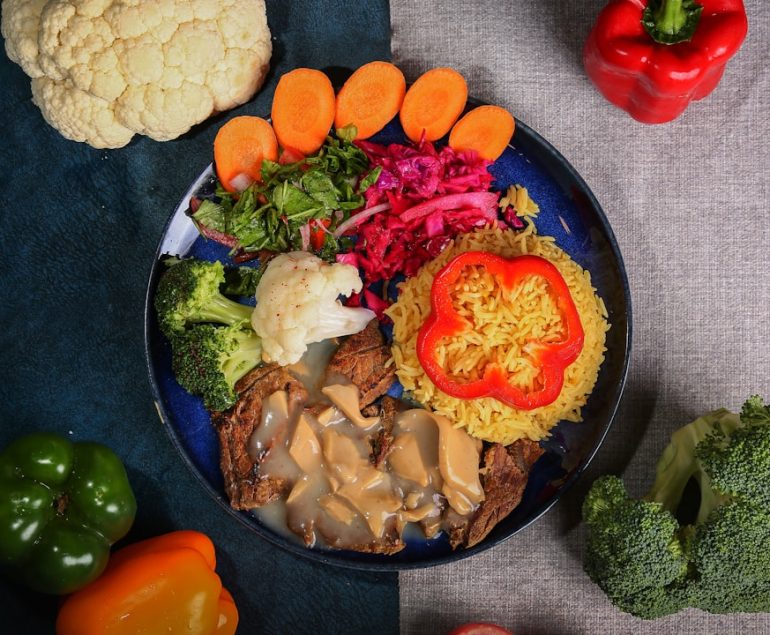
Actionable Tip: Use the “hand‑portion” method for quick visual guidance:
- Palm = protein (≈3‑4 oz)
- Fist = carbs (≈½ cup cooked grains or 1 cup raw veg)
- Cupped hand = healthy fats (≈1‑2 tbsp oil or a small handful nuts)
- Vitamin D – bone health, mood regulation (sunlight, fortified dairy, fatty fish)
- Iron – oxygen transport (red meat, lentils, spinach; pair plant sources with vitamin C)
- Calcium – bone density (dairy, fortified plant milks, leafy greens)
- Magnesium – muscle function, sleep quality (nuts, seeds, whole grains)
- Power Bowl: Base of quinoa or brown rice, topped with grilled chicken, roasted sweet potato, kale, avocado, and a lemon‑tahini dressing.
- Mediterranean Wrap: Whole‑grain tortilla, hummus, cucumber, tomato, olives, feta, and a handful of arugula.
- Soup & Salad Combo: Lentil soup (protein + fiber) paired with a mixed greens salad (micronutrients).
- Stir‑Fry: Lean beef or tofu, broccoli, bell peppers, snap peas, ginger, garlic, and a low‑sodium soy‑ginger sauce over brown rice.
- Sheet‑Pan Salmon: Salmon fillet, asparagus, cherry tomatoes, drizzled with olive oil and herbs; roast together for 20 min.
- Vegetarian Chili: Black beans, kidney beans, corn, diced tomatoes, chili spices; serve with a side of quinoa or a small whole‑grain roll.
- Breakfast: Veggie‑egg muffins (300 cal)
- Snack: Apple + 1 tbsp almond butter (180 cal)
- Lunch: Power bowl with quinoa, chicken, veggies, avocado (450 cal)
- Snack: Greek yogurt + berries (150 cal)
- Dinner: Sheet‑pan salmon with asparagus (420 cal)
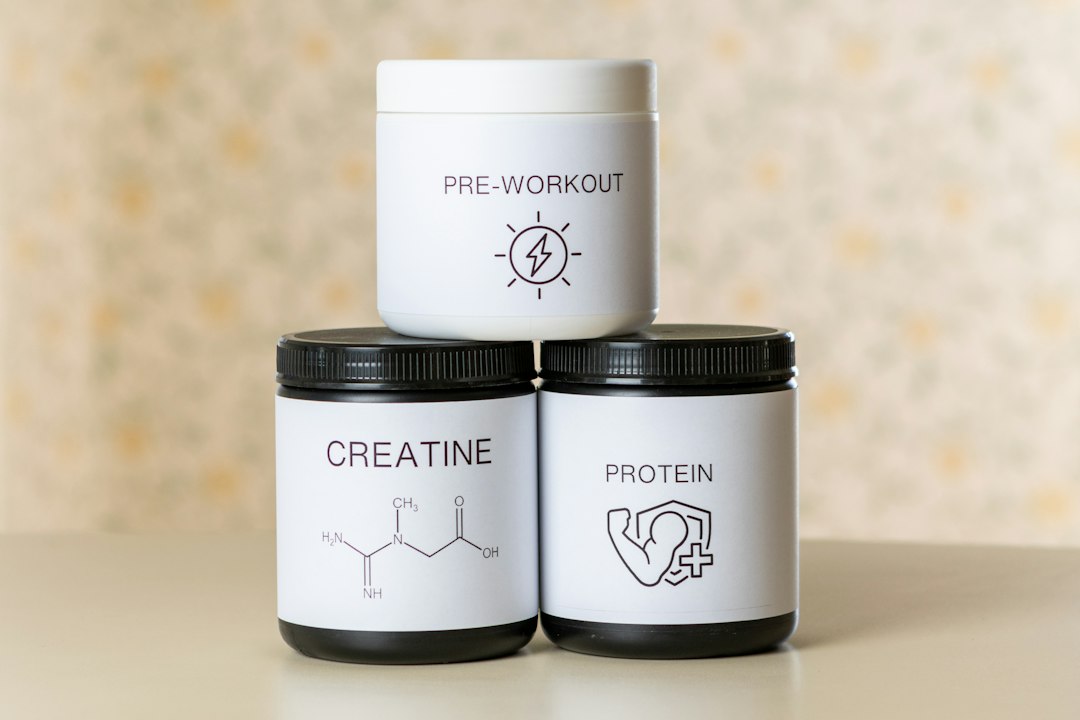
- Post‑Workout Window: 20‑30 g high‑quality protein + fast‑acting carbs within 30 minutes (e.g., whey shake + banana).
- Daily Protein Goal: 1.4‑2.0 g per kg body weight for active individuals.
- Complex Carbs: Sweet potatoes, oats, brown rice to replenish glycogen stores.
- Pre: 1 slice whole‑grain toast + 1 tbsp peanut butter (≈200 cal) – provides steady energy.
- Post: Whey protein (20 g) blended with frozen berries, spinach, and almond milk (≈250 cal).
- Prebiotic Foods: Garlic, onions, leeks, asparagus, bananas, oats, chicory root.
- Probiotic Foods: Yogurt with live cultures, kefir, sauerkraut, kimchi, miso.
- Choose Plant‑Based Proteins: Lentils, chickpeas, tempeh (lower greenhouse gases than beef).
- Eat Seasonal Produce: Reduces transportation emissions and often tastes better.
- Minimize Food Waste: Plan leftovers, freeze excess, use vegetable scraps for broth.
- Solution 1: 10‑Minute Meal Kits – Pre‑chopped veggies, pre‑cooked grains, and a simple sauce.
- Solution 2: Slow‑Cooker/Instant Pot – Toss ingredients in the morning; dinner is ready when you get home.
- Solution 3: “Grab‑and‑Go” Snacks – Pre‑portion nuts, fruit, cheese sticks in the fridge for quick access.
- Buy in Bulk: Rice, beans, oats, and frozen vegetables are cost‑effective and nutrient‑dense.
- Seasonal Shopping: Farmers’ markets often have lower prices for in‑season produce.
- DIY vs. Pre‑Made: Making your own hummus, granola, or salad dressing saves money and eliminates hidden sugars.
- Identify Triggers: Keep a brief journal of mood, time of day, and cravings.
- Swap Smartly: If you crave something sweet, reach for fruit with a drizzle of dark chocolate; for salty cravings, try roasted chickpeas.
- Protein & Fiber First: A balanced meal reduces blood‑sugar spikes that lead to cravings later.
1.2 Micronutrients – The Tiny Titans
Even though vitamins and minerals are needed in milligram or microgram amounts, they’re essential for metabolism, immunity, and mental health. Some of the most critical micronutrients include:
Actionable Tip: Aim for a rainbow plate at each meal—different colored fruits and vegetables provide a broad spectrum of phytonutrients and antioxidants. A simple visual rule: at least three colors per plate.
1.3 Hydration – The Overlooked Nutrient
Water is the medium for every biochemical reaction in your body. Dehydration can masquerade as fatigue, headaches, or even “hunger.”
Actionable Tip: Carry a 1‑liter reusable bottle and set a reminder to sip every 30 minutes. Add a slice of lemon or cucumber for flavor without extra calories.
—
2. Meal Planning Mastery – Turning Theory into Everyday Practice
2.1 The Power of Prep: Why Planning Beats Guesswork
Research shows that people who plan meals are 2‑3 times more likely to meet their nutrition goals. Planning reduces reliance on fast food, curbs impulse snacking, and helps control portion sizes.
Step‑by‑Step Mini‑Plan:
1. Pick a Theme Day – e.g., “Meatless Monday” or “Fish Friday.”
2. Choose 2‑3 Core Recipes – keep them simple (≤30 min).
3. Create a Shopping List – write items by store section to save time.
4. Batch Cook – cook grains, legumes, and proteins in bulk on weekends.
5. Portion & Store – use glass containers; label with date and meal name.
2.2 Quick, Nutrient‑Dense Breakfast Ideas
| Recipe | Prep Time | Key Nutrients |
|——–|———–|—————|
| Greek Yogurt Parfait (Greek yogurt, mixed berries, chia seeds, drizzle of honey) | 5 min | Protein, calcium, omega‑3, antioxidants |
| Veggie‑Egg Muffins (eggs, spinach, bell pepper, feta) | 20 min (make‑ahead) | Protein, iron, vitamin K |
| Overnight Oats (rolled oats, almond milk, banana, walnuts, cinnamon) | 5 min + overnight | Complex carbs, fiber, potassium, healthy fats |
Actionable Tip: Choose one “go‑to” breakfast you love, prep it the night before, and rotate weekly to keep variety without extra planning.
2.3 Lunches That Keep You Full and Focused
Actionable Tip: Batch‑cook a grain (e.g., quinoa) and a protein (e.g., baked salmon) on Sunday. Mix‑and‑match throughout the week with different veggies and sauces to keep lunches exciting.
2.4 Dinner Strategies for Recovery and Satiety
Evening meals should support recovery (especially after workouts) and stable blood sugar overnight.
Actionable Tip: Finish dinner at least 2‑3 hours before bedtime to aid digestion and improve sleep quality.
2.5 Smart Snacking – Keeping Energy Stable
| Snack | Nutrient Profile | Why It Works |
|——-|——————|————–|
| Apple slices + almond butter | Fiber + healthy fat + protein | Stabilizes blood sugar, curbs cravings |
| Greek yogurt + pumpkin seeds | Protein + magnesium + zinc | Supports muscle repair, mood |
| Hummus + carrot sticks | Plant protein + beta‑carotene | Low‑calorie, high satiety |
| Dark chocolate (≥70% cacao) + berries | Antioxidants + iron | Satisfies sweet tooth, heart‑healthy |
Actionable Tip: Portion snacks into single‑serve containers (e.g., 1 oz nuts, ½ cup yogurt) to avoid mindless overeating.
—
3. Nutrition for Specific Goals – Tailoring Your Diet to What Matters Most
3.1 Weight Management – The Calorie‑Quality Balance
Weight loss isn’t just about cutting calories; it’s about calorie quality. A diet rich in fiber, protein, and healthy fats keeps you full longer, allowing a modest calorie deficit without feeling deprived.
Key Strategies:
1. Prioritize Protein – Aim for 25‑30 g per meal; it boosts satiety and preserves lean muscle.
2. Increase Fiber – 25‑30 g daily (vegetables, fruits, legumes, whole grains).
3. Mindful Eating – Slow down, chew thoroughly, and stop when you’re 80 % full (the “Hara Hachi Bu” principle).
Sample 1500‑Calorie Day:
3.2 Muscle Gain & Performance – Fueling the Athlete Inside
For strength training, protein timing and carb availability are crucial.
Sample Pre‑/Post‑Workout Snack:
3.3 Gut Health – The Microbiome Connection
A healthy gut influences immunity, mood, and even weight regulation. Feed your gut bacteria with prebiotic fibers and probiotic foods.
Actionable Tip: Incorporate one fermented food and two prebiotic foods into your daily meals. Example: Breakfast kefir parfait + lunch roasted garlic broccoli.
3.4 Sustainable Nutrition – Eating Well for You and the Planet
Environmental impact is becoming a core component of modern nutrition. Simple swaps can lower your carbon footprint while boosting health.
Actionable Tip: Designate one “Meat‑Free” day per week and experiment with global cuisines (e.g., Indian dal, Mexican bean tacos) to keep it exciting.
—
4. Overcoming Common Nutrition Challenges – Practical Solutions for Real Life
4.1 Busy Schedules – “I Don’t Have Time to Cook”
4.2 Budget Constraints – Eating Healthy Without Breaking the Bank
Budget‑Friendly Meal Idea: Lentil‑sweet potato stew (lentils + sweet potatoes + canned tomatoes + spices) – feeds 4, costs <$5, provides protein, fiber, vitamin A, and iron.
4.3 Food Cravings & Emotional Eating
4.4 Navigating Nutrition Myths
| Myth | Reality |
|——|———-|
| “All carbs make you gain weight.” | Carbs are essential; focus on