—
🚀 Introduction – Why “Quick Fixes” Never Stick
If you’ve ever stared at the scale, tried every fad diet, and still felt stuck, you’re not alone. The internet is flooded with promises of “lose 10 lbs in 7 days” or “miracle pills that melt fat overnight.” The reality? Most of those shortcuts are either ineffective or downright harmful.
True weight loss isn’t about starving yourself or spending hours on the treadmill; it’s about creating a balanced, sustainable lifestyle that supports a healthy metabolism, preserves muscle, and keeps you feeling energized. In this 2,000‑word deep dive, we’ll break down the science, the habits, and the practical steps you need to finally shed those stubborn pounds—and keep them off for good.
(Keywords: weight loss, lose weight, sustainable weight loss, healthy lifestyle, metabolism, calorie deficit)
—
1️⃣ Understanding the Foundations: Calories, Metabolism, and Hormones
1.1 The Calorie Equation – Not as Simple as “Eat Less, Move More”
At its core, weight loss follows the energy balance equation:
> Calories In – Calories Out = Weight Change
But the “out” side isn’t just cardio. Your body burns calories through three primary pathways:
| Component | What It Is | Approx. % of Daily Energy Expenditure |
|———–|————|—————————————|
| Basal Metabolic Rate (BMR) | Energy needed to keep your heart beating, lungs breathing, and cells functioning while at rest. | 60‑75 % |
| Thermic Effect of Food (TEF) | Calories used to digest, absorb, and store nutrients. | 5‑10 % |
| Physical Activity Energy Expenditure (PAEE) | Calories burned during exercise and everyday movements (walking, fidgeting). | 15‑30 % |
Understanding these components helps you see why tiny adjustments—like standing more often or adding a short strength session—can tip the scale in your favor without drastic diet overhauls.
1.2 Metabolism Myths Debunked
- Myth: “My metabolism is “slow,” so I’ll never lose weight.”
- Myth: “Eating “cold” foods (like salads) burns extra calories because your body has to heat them up.”
- Why it matters: Protein has the highest thermic effect of any macronutrient (≈ 20‑30 % of calories burned during digestion). It also preserves lean muscle during a calorie deficit, preventing the dreaded “metabolic slowdown.”
- Goal: Aim for 0.8‑1.2 g of protein per pound of body weight (≈ 1.8‑2.5 g/kg). For a 150‑lb person, that’s 120‑180 g daily.
- Greek yogurt (20 g per cup)
- Chicken breast (30 g per 4 oz)
- Lentils (18 g per cup cooked)
- Whey or plant‑based protein powders (20‑25 g per scoop)
- Target: 20‑35 % of total daily calories from fats.
- Best sources: Olive oil, avocado, nuts, seeds, fatty fish (salmon, sardines).
- Batch‑cook proteins (roast a tray of chicken breasts, boil eggs, grill tofu).
- Pre‑portion carbs into zip‑lock bags (cooked quinoa, roasted sweet potatoes).
- Veggie‑first strategy: Fill half your container with roasted or raw veggies before adding protein and carbs.
- High‑Intensity Interval Training (HIIT): 20‑30 minutes of alternating 30‑second sprints with 60‑second active recovery (walking or slow cycling). HIIT preserves muscle while torching calories and improves insulin sensitivity.
- Low‑Intensity Steady State (LISS): Brisk walking, light jogging, or swimming for 45‑60 minutes. Great for recovery days and increasing overall daily movement.
- Park farther from the entrance.
- Use a standing desk or take a 5‑minute walk every hour.
- Set a timer to stand up and stretch every 30 minutes.
- Sleep: 7‑9 hours/night optimizes growth hormone release, which aids fat breakdown.
- Active recovery: Light yoga or walking improves circulation and reduces soreness.
- Hydration: Dehydration can impair performance and increase perceived effort, leading to lower workout quality.
- SMART goals: Specific, Measurable, Achievable, Relevant, Time‑bound.
- Process goals vs. outcome goals: Focus on daily habits (e.g., “prepare lunch every night”) rather than just the number on the scale.
- Food journal: Use apps like MyFitnessPal or Cronometer to log meals for 2‑3 weeks. This reveals hidden calories (dressings, sauces).
- Progress photos: Take a photo every 2‑4 weeks in the same lighting and clothing. Visual changes often appear before the scale moves.
- Body measurements: Track waist, hips, and thigh circumference monthly.
- Find a buddy: Partner with a friend for workouts or meal prep.
- Join a community: Online forums, local weight‑loss groups, or a fitness class.
- Hire a professional: A registered dietitian or certified personal trainer can provide tailored guidance and keep you accountable.
- 80/20 rule: Eat nutrient‑dense foods 80 % of the time, allow indulgences 20 % of the time.
- Portion control: If craving pizza, have one slice with a side salad rather than a whole pie.
- Mindful indulgence: Eat slowly, savor each bite, and stop when you’re 80 % full.
Fact: While genetics influence BMR, lifestyle choices (muscle mass, activity level, sleep) have a far greater impact. Building lean muscle can boost BMR by up to 10 % because muscle tissue burns more calories at rest than fat.
Fact: The thermic effect of food is real, but the extra calorie burn from temperature is negligible (≈ 5 cal per 100 g of cold food).
1.3 Hormonal Players: Insulin, Leptin, and Ghrelin
| Hormone | Role in Weight Regulation | How to Optimize |
|———|————————–|—————–|
| Insulin | Controls blood‑sugar uptake; high chronic levels promote fat storage. | Favor low‑glycemic carbs, fiber, and balanced meals to keep spikes minimal. |
| Leptin | Signals satiety to the brain; resistance can lead to overeating. | Prioritize sleep, reduce chronic stress, and avoid constant dieting. |
| Ghrelin | “Hunger hormone” that spikes before meals. | Eat protein‑rich breakfasts and incorporate healthy fats to blunt spikes. |
Actionable Takeaway: A balanced macronutrient profile (protein, healthy fats, complex carbs) keeps insulin stable, supports leptin sensitivity, and reduces ghrelin‑driven cravings—setting the stage for steady weight loss.
—
2️⃣ Crafting a Nutrition Plan That Feels Good and Works
2.1 The Power of Protein: Preserve Muscle, Boost Satiety
Quick protein sources:
2.2 Carbohydrates: Choose Quality Over Quantity
Carbs get a bad rap, but they’re essential for energy, especially if you’re exercising. The key is quality:
| Good Carbs | Why They’re Good | Examples |
|———–|——————|———-|
| Complex, high‑fiber | Slower digestion → stable blood sugar, longer fullness | Quinoa, oats, sweet potatoes, beans |
| Low‑glycemic fruits | Provide vitamins & antioxidants without big spikes | Berries, apples, kiwi |
| Whole‑grain breads/pastas | Retain nutrients and fiber | 100 % whole‑wheat, sprouted grain |
Tip: Pair carbs with protein and healthy fats (e.g., rice + beans + avocado) to further blunt glucose spikes.
2.3 Healthy Fats – Not the Enemy
Fats are calorie‑dense, but they’re also crucial for hormone production, satiety, and nutrient absorption (fat‑soluble vitamins A, D, E, K).
2.4 Building a Simple “Plate” Blueprint
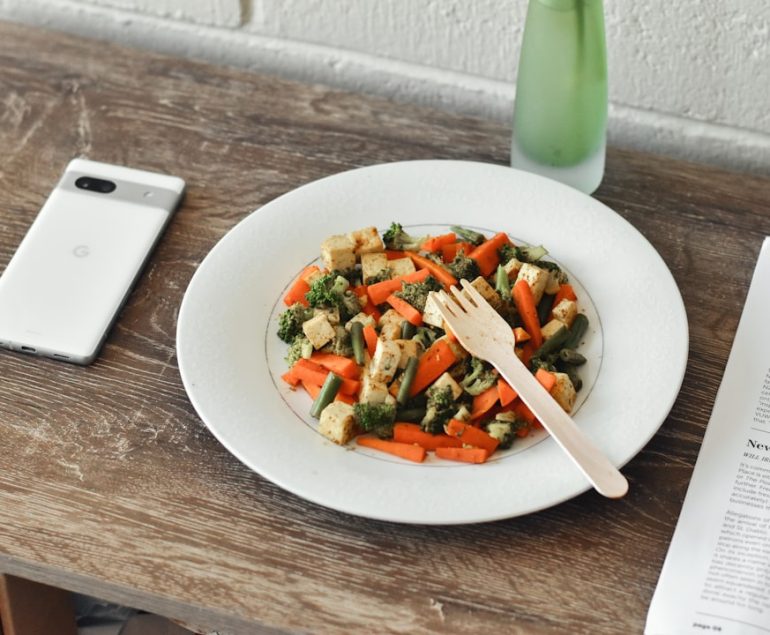
1. Half the plate – non‑starchy veggies (spinach, broccoli, peppers).
2. Quarter – lean protein (chicken, tofu, fish).
3. Quarter – complex carbs (brown rice, quinoa, sweet potato).
4. Add a small drizzle of healthy fat (olive oil, nuts).
This visual guide helps you automatically control portions without endless calorie counting.
2.5 Practical Meal‑Prep Hacks
Result: Consistent, balanced meals ready in minutes—reducing the temptation to order fast food.
—
3️⃣ Exercise Strategies That Accelerate Fat Loss
3.1 Strength Training – The Secret Weapon
Why it works: Muscle tissue is metabolically active; the more muscle you have, the more calories you burn at rest. Additionally, strength training triggers post‑exercise oxygen consumption (EPOC), meaning you keep burning calories for hours after the workout.
Beginner-friendly routine (3 × week):
| Day | Exercise | Sets × Reps |
|—–|———-|————-|
| Monday | Goblet Squats | 3 × 12 |
| | Push‑ups (knees if needed) | 3 × 10 |
| | Bent‑over Dumbbell Rows | 3 × 12 |
| | Plank | 3 × 30 sec |
| Wednesday | Deadlifts (light) | 3 × 10 |
| | Overhead Press | 3 × 12 |
| | Lunges | 3 × 10 each leg |
| | Side Plank | 3 × 20 sec each side |
| Friday | Hip Thrusts | 3 × 12 |
| | Pull‑ups or Assisted Pull‑ups | 3 × 8 |
| | Bulgarian Split Squat | 3 × 10 each leg |
| | Bicycle Crunches | 3 × 20 |
Progression tip: Add 5 % more weight or 2 extra reps each week. Consistency beats intensity for long‑term fat loss.
3.2 Cardio – Quality Over Quantity
Bottom line: Aim for 150 minutes of moderate cardio or 75 minutes of vigorous cardio per week, plus 2‑3 strength sessions.
3.3 The “Non‑Exercise Activity Thermogenesis” (NEAT) Edge
NEAT includes all the calories you burn outside of formal workouts: walking to the kitchen, taking stairs, fidgeting. Small changes add up:
Even an extra 200‑300 calories burned daily can accelerate weight loss without feeling like a workout.
3.4 Recovery – The Overlooked Piece
—
4️⃣ Mindset & Lifestyle Tweaks for Long‑Term Success
4.1 Goal‑Setting That Keeps You Motivated
– Example: “Lose 1 lb per week for the next 8 weeks by creating a 500‑calorie daily deficit.”
4.2 Tracking Without Obsession
4.3 Stress Management – The Silent Saboteur
Chronic stress spikes cortisol, which can promote abdominal fat storage and increase cravings for sugary foods.
Stress‑reduction toolkit:
| Technique | How to Implement |
|———–|——————|
| Mindful breathing | 4‑7‑8 technique (inhale 4 sec, hold 7 sec, exhale 8 sec) 3× daily. |
| Progressive muscle relaxation | Tense each muscle group for 5 sec, then release; works before bed. |
| Digital detox | No screens 30 min before sleep; read a book or journal instead. |
| Nature exposure | 15‑minute walk outdoors at least twice a week. |
4.4 Social Support & Accountability
4.5 Sustainable Cheat Strategies
Completely denying favorite foods can backfire. Instead, plan “flex meals”:
—
5️⃣ Putting It All Together: A 30‑Day Action Plan
| Day | Focus | Key Action |
|—–|——-|————|
| 1‑3 | Baseline | Log food for 3 days, take measurements, set SMART goal. |
| 4‑7 | Nutrition overhaul | Adopt the “plate” method, increase protein to 30 % of calories. |
| 8‑14 | Move more | Add 3 strength sessions + 2