—
Introduction – Why “Quick Fixes” Never Work (And What Actually Does)
If you’ve ever stared at the scale, felt the sting of another “plateau,” or scrolled through endless TikTok videos promising “lose 10 lb in 7 days,” you’re not alone. The weight‑loss industry is a multi‑billion‑dollar maze of fad diets, miracle pills, and bold claims that rarely stand up to scientific scrutiny. Yet, despite the noise, millions of people still achieve lasting, healthy weight loss every year—by focusing on the fundamentals.
In this comprehensive guide, we’ll cut through the hype and give you a clear, actionable roadmap to shed pounds safely and sustainably. Whether you’re just starting out or you’ve been stuck in a cycle of yo‑yo dieting, the strategies below are rooted in solid research, real‑world results, and a mindset that turns temporary effort into lifelong change.
Ready to finally understand how weight loss works—and how you can make it work for you? Let’s dive in.
—
1. The Science of Weight Loss: Calories, Metabolism, and Hormones
1.1 Calories In vs. Calories Out – The Core Equation
At its core, weight loss boils down to a simple principle: energy balance. If you consume more calories than your body burns, the excess is stored as fat. Conversely, a calorie deficit—burning more than you eat—forces your body to tap into those fat reserves.
> Key takeaway: A deficit of ~3,500 kcal translates to roughly 1 lb of fat loss. Aim for a moderate deficit of 500–750 kcal per day to lose 1–1.5 lb per week—fast enough to see progress, slow enough to preserve muscle and keep metabolism humming.
1.2 Metabolism Isn’t a Fixed Number
Your Basal Metabolic Rate (BMR)—the calories your body needs at rest—depends on age, sex, genetics, body composition, and even hormonal health. While you can’t change your DNA, you can influence BMR through:
| Factor | How It Affects Metabolism | Simple Action |
|——–|—————————|—————|
| Muscle Mass | Muscle tissue burns ~6 kcal per pound at rest (versus ~2 kcal for fat) | Incorporate strength training 2–3×/week |
| Physical Activity | Increases total daily energy expenditure (TDEE) | Add cardio, NEAT (Non‑Exercise Activity Thermogenesis) |
| Hormones (thyroid, insulin, cortisol) | Dysregulation can stall weight loss | Manage stress, get adequate sleep, consider medical check‑up if symptoms persist |
1.3 Hormonal Drivers: Insulin, Leptin, and Ghrelin
- Insulin regulates blood‑sugar and fat storage. High‑glycemic foods spike insulin, encouraging the body to store calories as fat.
- Leptin signals satiety; chronic calorie restriction can lower leptin, making you feel hungrier.
- Ghrelin is the “hunger hormone” that rises before meals and drops after eating.
- Intermittent fasting (IF) (e.g., 16:8) can simplify calorie control for some people.
- Smaller, frequent meals may help those who struggle with hunger.
- Fiber (25‑30 g/day) slows digestion, stabilizes blood‑sugar, and adds bulk, reducing overall calorie intake.
- Water boosts metabolism by ~10‑30 % for about an hour after consumption and helps differentiate thirst from hunger.
- Increases lean muscle, raising BMR.
- Improves insulin sensitivity, helping the body use carbs more efficiently.
- Enhances functional strength for everyday life.
- Walk while on phone calls.
- Use a standing desk or take a “standing break” every hour.
- Park farther from entrances.
- Do household chores with purpose (vacuum, garden, clean).
- Sleep: 7–9 hours/night optimizes leptin, ghrelin, and cortisol—hormones that control hunger and fat storage.
- Active recovery: Light yoga or foam rolling reduces muscle soreness and keeps you moving.
- Stress reduction: Chronic stress spikes cortisol, encouraging abdominal fat storage. Incorporate meditation, deep breathing, or a hobby you love.
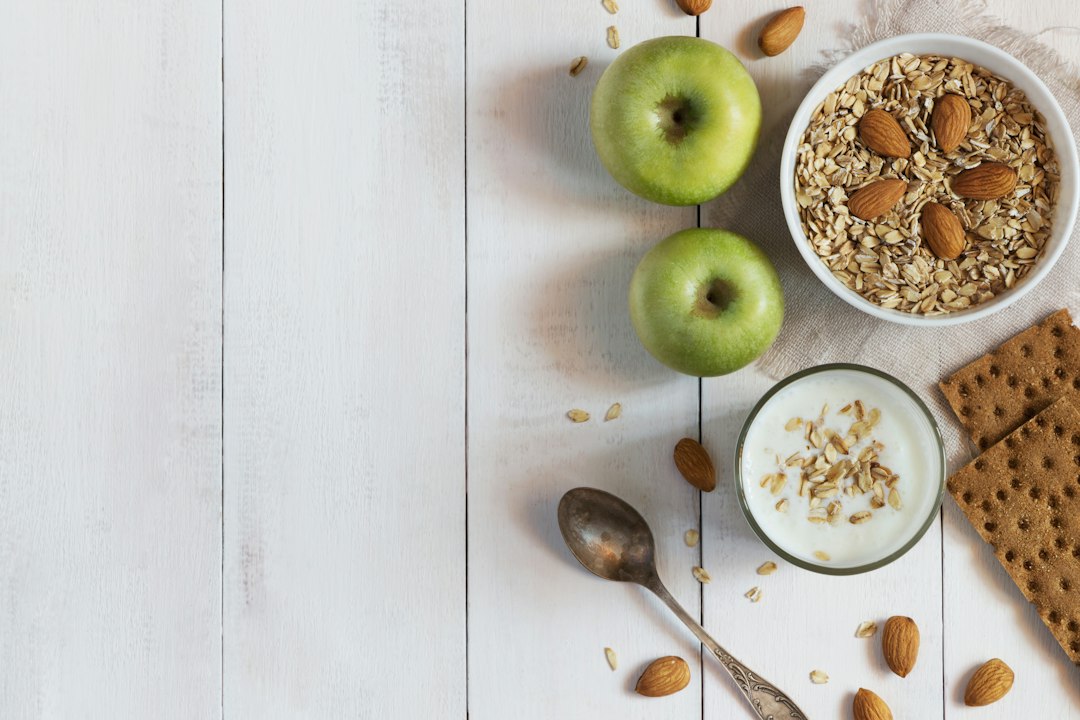
- Kitchen makeover: Keep healthy snacks (nuts, fruit, Greek yogurt) at eye level; hide processed foods in hard‑to‑reach cabinets.
- Social circle: Share your goals with friends or join an online community for accountability.
- Digital detox: Turn off food‑related notifications that trigger mindless eating.
- Eat without screens. Focus on taste, texture, and fullness cues.
- Portion control: Use the “hand method” (palm for protein, fist for carbs, thumb for fats).
- Pause before seconds: Wait 10‑15 minutes after a plate is cleared; true hunger often subsides.
Actionable tip: Stabilize blood‑sugar with balanced meals (protein + fiber + healthy fats) to keep insulin, leptin, and ghrelin in check—reducing cravings and supporting steady weight loss.
—
2. Nutrition Foundations: Building a Diet Plan That Actually Works
2.1 Prioritize Protein – The Unsung Hero of Fat Loss
Protein does three things that directly aid weight loss:
1. Thermic Effect of Food (TEF): Your body burns ~20‑30 % of protein calories during digestion—more than carbs or fat.
2. Satiety: High‑protein meals keep you fuller longer, curbing snacking.
3. Muscle Preservation: Adequate protein protects lean mass while you’re in a calorie deficit.
Goal: Aim for 0.8–1.0 g of protein per pound of body weight daily (e.g., 150 g for a 150‑lb individual). Choose lean sources: chicken breast, turkey, fish, Greek yogurt, tofu, legumes, and whey protein.
2.2 Carbs & Fats – Not the Enemy, But the Right Kind Is Key
| Food Group | Why It Matters | Smart Choices |
|————|—————-|—————|
| Complex Carbs (whole grains, beans, starchy veg) | Provide steady energy, fiber, micronutrients | Quinoa, brown rice, sweet potatoes, oats |
| Healthy Fats (mono‑ & poly‑unsaturated) | Support hormone production, satiety, brain health | Avocado, nuts, olive oil, fatty fish |
| Simple Sugars | Spike insulin, cause rapid hunger | Limit soda, candy, pastries; opt for fruit instead |
Practical tip: Use the plate method—fill half your plate with non‑starchy veg, one quarter with lean protein, and one quarter with complex carbs. Add a drizzle of olive oil or a handful of nuts for healthy fats.
2.3 Meal Timing & Frequency – Does It Really Matter?
Research shows total daily calories outweigh timing for weight loss. However, personal preference matters for adherence:
Bottom line: Choose a pattern that lets you stay in a calorie deficit consistently—no one‑size‑fits‑all rule.
2.4 The Power of Fiber & Water
Action step: Start each meal with a glass of water and a fiber‑rich salad or soup. Keep a reusable bottle handy to hit at least 2‑3 L of water daily.
—
3. Exercise Blueprint: Burn Fat, Preserve Muscle, and Boost Mood
3.1 Strength Training – The Cornerstone of Sustainable Weight Loss
Why it matters:
Beginner program (3 days/week):
| Day | Exercise | Sets | Reps |
|—–|———-|——|——|
| Upper Body | Push‑ups, Dumbbell Rows, Overhead Press | 3 | 8‑12 |
| Lower Body | Squats, Deadlifts, Lunges | 3 | 8‑12 |
| Full Body | Kettlebell Swings, Plank, Pull‑ups (assisted) | 3 | 8‑12 |
Progressively increase weight or reps every 2‑3 weeks. Consistency beats intensity—the goal is to move from “once a month” to “three times a week.”
3.2 Cardio – Choose What Moves You
Cardio burns calories during the session, while strength training continues burning after (the afterburn effect). The best cardio is the one you’ll actually do:
| Type | Calorie Burn (30 min, 150‑lb person) | Ideal For |
|——|————————————–|———–|
| HIIT (High‑Intensity Interval Training) | 350‑450 kcal | Time‑crunched schedules |
| Steady‑State (brisk walk, cycling) | 250‑350 kcal | Beginners, joint‑friendly |
| Mixed Modal (dance, rowing, swimming) | 300‑400 kcal | Variety seekers |
Tip: Aim for 150 minutes of moderate or 75 minutes of vigorous cardio per week, plus 2–3 strength sessions.
3.3 NEAT – The Hidden Calorie Burner
NEAT (Non‑Exercise Activity Thermogenesis) includes everything from fidgeting to taking the stairs. Small habits can add up to 200‑500 extra calories burned daily.
Simple NEAT hacks:
3.4 Recovery – Sleep, Stretch, and Stress Management
—
4. Lifestyle & Mindset: Turning Knowledge into Lasting Change
4.1 Set SMART Goals (Specific, Measurable, Achievable, Relevant, Time‑Bound)
Instead of “I want to lose weight,” try:
> “I will lose 12 lb in 12 weeks by creating a 500‑kcal daily deficit through meal planning and exercising 4× per week.”
Write goals down, review weekly, and adjust as needed.
4.2 Build an Environment That Supports You
4.3 Mindful Eating – The Art of Savoring
4.4 Tracking Progress – Data‑Driven Motivation
What to track:
| Metric | Frequency | Tool |
|——–|———–|——|
| Weight | Weekly (same day, same time) | Scale + app |
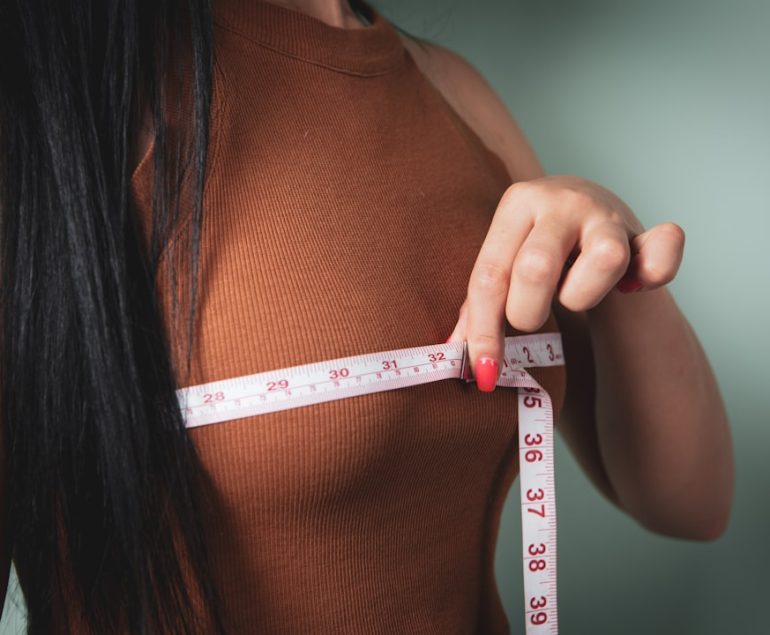
| Body measurements (waist, hips, thighs) | Bi‑weekly | Tape measure |
| Food intake | Daily | MyFitnessPal, Cronometer |
| Workout logs | Every session | Strong, Notion, paper journal |
| Sleep & mood | Nightly | Sleep app, journal |
Remember: Scale isn’t everything. Look for trends in measurements, energy levels, and how clothes fit.
4.5 Overcoming Plateaus – The “Reset” Strategy
Plateaus are normal. When weight loss stalls:
1. Re‑calculate TDEE: Weight loss reduces calorie needs.
2. Add a new stimulus: Switch from HIIT to steady‑state cardio, or try a new strength routine.
3. Check hidden calories: Re‑audit portion sizes, sauces, and “cheat meals.”
4. Prioritize sleep & stress: Even a single night of <5 h sleep can sabotage progress.
—
5. Real‑World Tools & Resources (Free & Low‑Cost)
| Category | Recommended Tool | Why It Helps |
|———-|——————|————–|
| Meal Planning | Eat This Much (free version) | Auto‑generates calorie‑controlled meal plans. |
| Food Tracking | MyFitnessPal | Massive food database, barcode scanner. |
| Workout Programs | Fitbod (free trial) | Adaptive strength‑training based on equipment. |
| Habit Building | Habitica (gamified) | Turns daily tasks into quests, boosting adherence. |
| Support Community | Reddit r/loseit | Peer encouragement, recipe swaps, success stories. |
| Mindfulness | Insight Timer | Free guided meditations for stress reduction. |
—
Conclusion – Your Blueprint for Sustainable Weight Loss
Weight loss isn’t a mysterious magic trick; it’s a blend of science, strategy, and mindset. By mastering the fundamentals—creating a modest calorie deficit, fueling your body with protein‑rich, fiber‑dense foods, moving consistently through strength and cardio, and shaping an environment that supports your goals—you set the stage for steady, healthy fat loss that lasts.
Key takeaways to remember:
1. Calorie deficit + protein = fat loss + muscle preservation.
2. Strength training is non‑negotiable for boosting metabolism and preventing “skinny‑fat.”
3. Consistency beats perfection—small daily habits compound into massive results.
4. Track, adjust, repeat. Data keeps you honest and helps break plateaus.
5. **