—
Introduction – Why Nutrition Is the Real Super‑Power You’ve Been Ignoring
Imagine you could upgrade your body’s performance with a simple, everyday habit—no expensive gadgets, no extreme workouts, just the food on your plate. That’s the magic of nutrition. It’s the silent engine that fuels every cell, shapes your mood, sharpens your focus, and determines how well you bounce back from life’s stresses.
Yet, despite the avalanche of diet trends, “miracle” foods, and conflicting advice flooding social media, most people still feel lost when it comes to eating in a way that truly supports their health goals. The good news? You don’t need a Ph.D. in biochemistry to master the fundamentals. All you need is a clear roadmap, practical tools, and a sprinkle of curiosity.
In this 2,000‑word deep dive, we’ll break down nutrition into bite‑size, actionable pieces. From the science of macronutrients and micronutrients to everyday strategies like meal prepping and label reading, you’ll walk away with a personalized blueprint for a balanced diet that fits your lifestyle. Ready to turn the plate into your personal health powerhouse? Let’s get started.
—
1. Nutrition 101: The Building Blocks of a Healthy Diet
1.1. Macronutrients – The Energy Trio
| Nutrient | Primary Role | Typical Sources | Daily Recommended %* |
|———-|————–|—————-|———————-|
| Carbohydrates | Quick energy, brain fuel | Whole grains, fruits, legumes, starchy veggies | 45‑65% |
| Proteins | Tissue repair, enzyme production | Lean meat, fish, tofu, beans, dairy | 10‑35% |
| Fats | Hormone synthesis, nutrient absorption, long‑term energy | Avocado, nuts, olive oil, fatty fish | 20‑35% |
*Percentages refer to total daily calories.
Actionable tip: Use the “hand‑portion” method to estimate macros without a scale. A palm‑sized portion equals protein, a cupped hand equals carbs, and a thumb‑sized portion equals healthy fats.
1.2. Micronutrients – The Tiny Titans
While calories come from macros, vitamins and minerals are the unsung heroes that keep your body running smoothly. Think of them as the maintenance crew for your internal machinery:
- Vitamin D – Supports bone health and immune function. Get it from sunlight, fortified dairy, and fatty fish.
- Iron – Crucial for oxygen transport. Pair plant‑based iron (spinach, lentils) with vitamin C (citrus) to boost absorption.
- Magnesium – Helps regulate blood sugar and muscle function. Snack on pumpkin seeds, almonds, or dark chocolate.
- Half the plate = vegetables & fruits (aim for 2‑3 servings of veg, 1‑2 servings of fruit)
- Quarter = lean proteins (fish, poultry, beans)
- Quarter = whole grains or starchy vegetables (brown rice, quinoa, sweet potatoes)
- Protein: A deck of cards or the size of your palm.
- Carbs: A cupped hand or a tennis ball.
- Fats: A thumb or a small walnut.
- Red & pink (tomatoes, watermelon) → lycopene, anthocyanins – antioxidant power.
- Orange & yellow (carrots, peppers) → beta‑carotene – supports eye health.
- Green (kale, broccoli) → folate, vitamin K – bone & heart health.
- Blue & purple (berries, eggplant) → resveratrol – anti‑inflammatory.
- Serving size: Always compare the listed nutrients to the amount you actually eat.
- % Daily Value (%DV): Aim for 20% DV for fiber, vitamin D, calcium, iron, and potassium.
- Ingredient list: Ingredients are listed in descending order by weight. The first three should be recognizable whole foods.
- Greek yogurt + berries – probiotic + antioxidants.
- Apple slices + almond butter – fiber + monounsaturated fats.
- Hummus + carrot sticks – plant protein + beta‑carotene.
- High‑fiber foods (legumes, oats, berries) keep you full longer, reducing overall calorie intake.
- Protein‑rich meals boost the thermic effect of food (TEF), meaning you burn more calories digesting protein.
- Pre‑workout: 1‑2 g carbs per kg body weight 30‑60 min before exercise (e.g., banana + oat toast).
- During: For sessions >60 min, sip a drink containing 30‑60 g carbs per hour (sports drink or diluted juice).
- Post‑workout: 3‑4 g protein + 1‑1.2 g carbs per kg within 30 min (e.g., chocolate milk, protein shake with fruit).
- Prebiotic foods (onions, garlic, asparagus, chicory) feed beneficial bacteria.
- Probiotic foods (yogurt, kefir, sauerkraut, kimchi) introduce live cultures.
- Polyphenol‑rich foods (green tea, dark chocolate) act as antioxidants for gut cells.
Actionable tip: Aim for a rainbow plate at each meal—different colored fruits and vegetables usually mean a broader spectrum of micronutrients.
1.3. Hydration – The Overlooked Nutrient
Water makes up about 60% of your body weight and is essential for digestion, nutrient transport, and temperature regulation. Dehydration can masquerade as fatigue, headaches, or even hunger.
Actionable tip: Carry a 1‑liter reusable bottle and set a reminder to sip every 30 minutes. Add a slice of lemon or cucumber for flavor without added sugars.
—
2. Building a Balanced Plate: From Theory to Real‑World Meals
2.1. The MyPlate Blueprint
The USDA’s MyPlate model is a visual cheat‑sheet that simplifies portion control:
Actionable tip: When you sit down to eat, pause for 10 seconds, then mentally divide your plate using the MyPlate guide before you start serving.
2.2. Portion Control Without Counting Calories
Counting every calorie can become tedious and unsustainable. Instead, rely on visual cues:
Actionable tip: Use smaller plates (10‑12 inches) to automatically reduce portion sizes while still feeling satisfied.
2.3. Colorful Foods = Nutrient Density
Each color group offers unique phytonutrients:
Actionable tip: Challenge yourself to include at least three different colors in every lunch and dinner.
—
3. Practical Strategies for Everyday Nutrition
3.1. Meal Prep Like a Pro
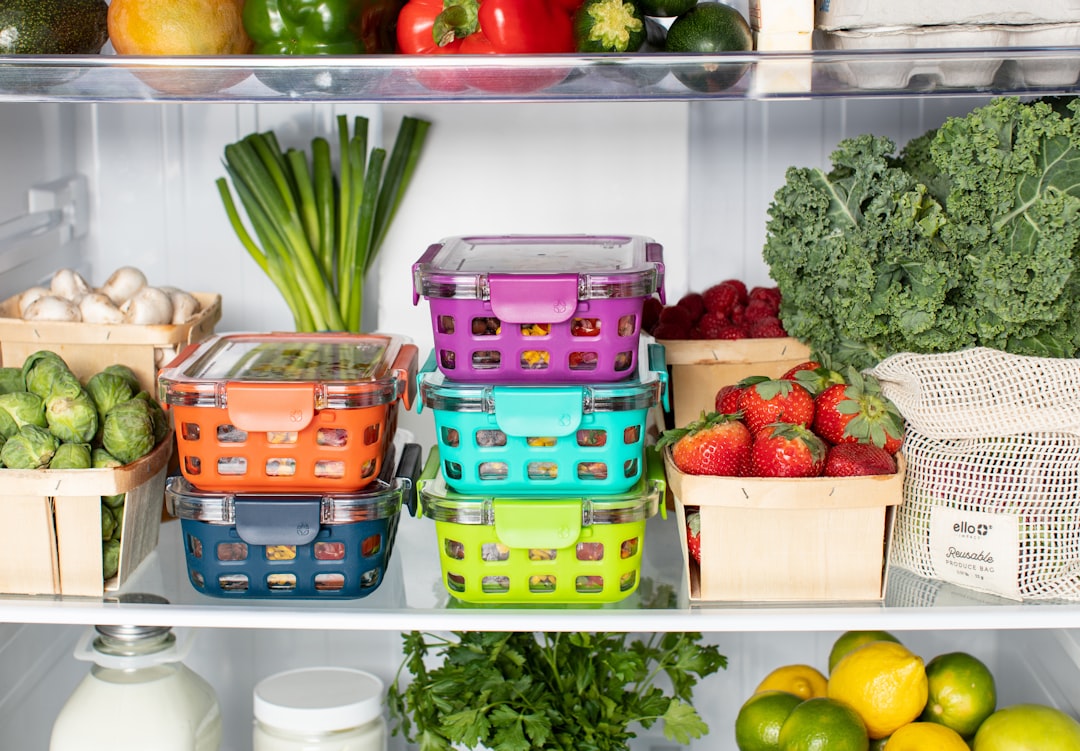
Meal prepping saves time, reduces stress, and prevents impulse eating of processed snacks. Here’s a simple 3‑step system:
1. Plan – Choose 2‑3 recipes that share core ingredients (e.g., quinoa, roasted veggies, grilled chicken).
2. Shop – Write a detailed grocery list organized by produce, proteins, pantry, and dairy. Stick to the perimeter of the store to avoid aisles of processed foods.
3. Cook & Portion – Batch‑cook grains, proteins, and veggies on Sunday. Divide into airtight containers for 3‑4 days of lunches and dinners.
Actionable tip: Use glass containers with compartments to keep sauces separate and maintain texture.
3.2. Smart Shopping – The “Eat the Perimeter” Rule
The outer edges of most grocery stores house fresh produce, meats, dairy, and whole‑grain breads—generally less processed. The inner aisles are where you’ll find sugary cereals, refined flours, and high‑sodium snacks.
Actionable tip: Before you head to the store, write down three “must‑have” nutritious items (e.g., baby spinach, canned salmon, unsweetened almond milk). This keeps you focused and reduces temptation.
3.3. Decoding Nutrition Labels
Understanding the Nutrition Facts panel can empower you to make healthier choices:
Actionable tip: Use the “4‑step label test”: 1) Check serving size, 2) Look for added sugars, 3) Scan for fiber (≥3 g per serving), 4) Verify the top three ingredients are real foods.
3.4. Snack Smarter: Nutrient‑Dense Options
Instead of reaching for chips or candy, opt for snacks that combine protein, fiber, and healthy fats:
Actionable tip: Pre‑portion snacks into small containers or zip‑top bags to avoid mindless overeating.
—
4. Nutrition for Specific Goals
4.1. Weight Management – The Calorie‑Quality Balance
While calorie balance (calories in vs. calories out) remains a core principle, nutrient quality determines satiety and metabolic health.
Actionable tip: Incorporate 30 g of protein within the first 30 minutes of every meal to curb cravings.
4.2. Athletic Performance – Fueling the Engine
Athletes need precise timing of carbs, protein, and electrolytes:
Actionable tip: Keep a recovery kit in your gym bag: a reusable bottle of water, a small pack of dried fruit, and a whey or plant‑based protein bar.
4.3. Gut Health – The Microbiome Connection
A diverse gut microbiome supports digestion, immunity, and even mental health.
Actionable tip: Aim for 5‑7 servings of fiber‑rich foods daily and include one fermented food at least three times a week.
—
5. Debunking Common Nutrition Myths
5.1. “Low‑Fat = Healthy”
Fat was once demonized, but we now know healthy fats are essential. Cutting all fat can lead to deficiencies in fat‑soluble vitamins (A, D, E, K) and hormone imbalances.
Truth: Focus on quality (avocado, nuts, olive oil) rather than quantity.
5.2. “Detox Diets Cleanse Your Body”
Your liver, kidneys, and intestines already detoxify efficiently. Extreme “detox” regimens often lack essential nutrients and can cause rebound weight gain.
Truth: Support natural detox pathways with hydration, fiber, and antioxidant‑rich foods.
5.3. “Supplements Can Replace Whole Foods”
While supplements can fill gaps (e.g., vitamin B12 for vegans), they lack the synergistic matrix of nutrients found in whole foods.
Truth: Use supplements only when a documented deficiency exists; prioritize a varied diet first.
—
Conclusion – Your Nutrition Action Plan
1. Master the basics: Know your macronutrient ratios, prioritize micronutrient‑rich foods, and stay hydrated.
2. Visualize a balanced plate: Use MyPlate, portion‑control visuals, and a rainbow of colors to guide every meal.
3. Implement practical habits: Meal prep weekly, shop the perimeter, read labels, and snack smart.
4. Tailor nutrition to your goals: Adjust macros for weight loss, fuel timing for performance, and include gut‑friendly foods for overall wellness.
5. Stay myth‑smart: Rely on evidence‑based information, not fad diets or quick fixes.
By integrating these strategies into your daily routine, you’ll transform nutrition from a confusing buzzword into a reliable, empowering tool for lifelong health. Remember, every bite is an opportunity to nourish your body, mind, and spirit. Start today, stay consistent, and watch the ripple effects unfold—more energy, sharper focus, better mood, and a stronger, more resilient you.
Ready to take the first step? Pick one actionable tip from each section, add it to your calendar, and commit to a 30‑day “Nutrition Upgrade Challenge.” Share your progress in the comments below—let’s build a community of healthier, happier eaters together!
—
*Keywords used naturally: nutrition, healthy eating, balanced diet,