—
Introduction – Why Nutrition Matters More Than Ever
Imagine you could fuel your body the same way you’d fuel a high‑performance car—by giving it the exact mix of premium fuel, regular maintenance, and smart upgrades. That’s essentially what good nutrition does for you. It’s not just about “eating healthy” or counting calories; it’s about understanding how the foods you choose affect your energy, mood, immune system, and long‑term health.
In today’s fast‑paced world, we’re bombarded with diet trends, conflicting advice, and endless “quick fix” promises. The result? Many of us feel confused, overwhelmed, or stuck in a cycle of yo‑yo dieting. This comprehensive guide cuts through the noise, giving you a clear, science‑backed roadmap to balanced eating, optimal nutrient intake, and sustainable lifestyle changes that actually work.
Whether you’re a busy professional, a parent juggling meals for the family, an athlete looking to boost performance, or simply someone who wants to feel more energetic and confident, the principles in this post will help you:
- Decode the essential macronutrients and micronutrients your body needs.
- Build a balanced diet that supports weight management, mental clarity, and disease prevention.
- Master meal planning and practical grocery‑shopping strategies.
- Spot and bust common nutrition myths that sabotage progress.
- 45‑55% of daily calories from carbohydrates (prefer complex, fiber‑rich carbs)
- 20‑30% from protein (aim for 0.8–1.2 g per kg body weight)
- 25‑35% from healthy fats (focus on monounsaturated & polyunsaturated fats)
- Greek yogurt (≈15 g protein per ½ cup)
- A handful of almonds (≈6 g)
- A boiled egg (≈6 g)
- Good fats: Omega‑3s (salmon, chia seeds), monounsaturated fats (olive oil, avocado)
- Neutral fats: Saturated fats (coconut oil, butter) – keep intake moderate (<10% of total calories)
- Bad fats: Trans fats (partially hydrogenated oils) – avoid whenever possible
- Vitamin D: If you get <10 minutes of sun exposure daily, a 1,000–2,000 IU supplement can be beneficial, especially in winter months.
- B12: Crucial for vegans; 25–100 µg per day is recommended.
- Iron: Only supplement if a blood test confirms deficiency; excess iron can be harmful.
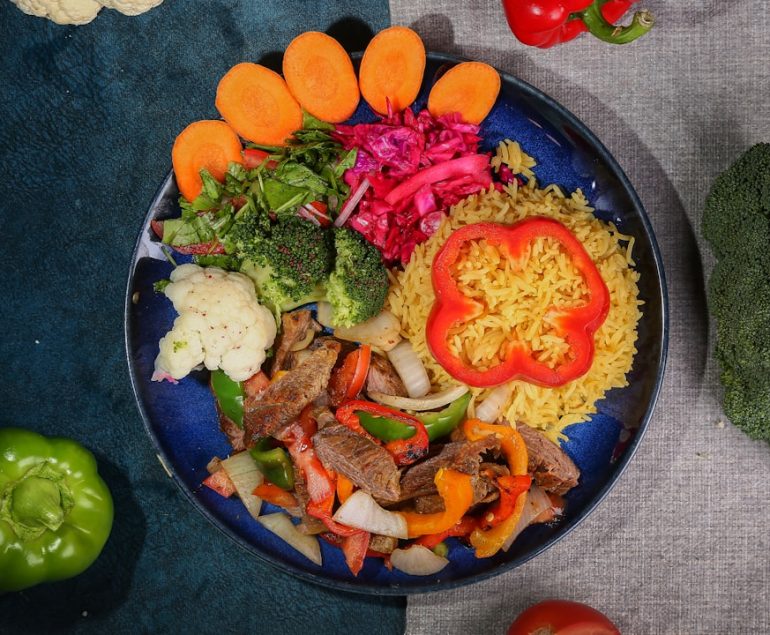
- ½ vegetables & fruits (focus on non‑starchy veg)
- ¼ whole grains (brown rice, quinoa, whole‑wheat pasta)
- ¼ protein (lean meat, fish, beans, tofu)
- A side of healthy fats (olive oil drizzle, nuts)
- Hand Portion Guide
- Plate Size Trick – Use a 9‑inch plate for meals; larger plates often lead to overeating.
- Goal: 25‑30 g fiber daily.
- Fiber Boosters: Add chia seeds to smoothies, sprinkle flaxseed on oatmeal, or snack on raw veggies with hummus.
- Low‑GI carbs: Steel‑cut oats, barley, lentils, most fruits (berries, apples)
- Combine carbs with protein/fat (e.g., apple slices with almond butter) to blunt the glucose surge.
- Batch‑cook proteins (bake 2 lb chicken, grill a batch of tofu) on Sunday.
- Pre‑portion grains into freezer‑safe containers for quick reheating.
- Wash & chop veggies ahead of time; store in airtight containers with a paper towel to keep them crisp.
- Invest in a good set of reusable containers (glass or BPA‑free plastic) for easy transport.
- Scout the menu online before you go; choose dishes that feature grilled, baked, or steamed options.
- Request modifications –
Let’s dive in and transform the way you think about food—one bite at a time.
—
1. The Building Blocks: Understanding Macronutrients
1.1 What Are Macronutrients and Why Do They Matter?
Macronutrients—carbohydrates, proteins, and fats—are the three primary sources of energy (calories) that your body uses to function. While the term “macro” suggests they’re all the same, each plays a distinct role:
| Macronutrient | Primary Functions | Typical Food Sources |
|—————|——————-|———————-|
| Carbohydrates | Quick energy, brain fuel, glycogen storage | Whole grains, fruits, vegetables, legumes |
| Protein | Muscle repair, enzyme production, hormone synthesis | Lean meats, fish, eggs, dairy, beans, tofu |
| Fats | Cell membrane health, hormone production, absorption of fat‑soluble vitamins (A, D, E, K) | Avocado, nuts, seeds, olive oil, fatty fish |
A balanced diet doesn’t eliminate any of these groups; instead, it optimizes their proportions based on your goals, activity level, and health status.
1.2 How to Determine Your Ideal Macro Ratio
There’s no one‑size‑fits‑all macro split, but a solid starting point for most adults is:
Actionable Step: Use a free macro calculator (many reputable nutrition apps offer this) to input your age, weight, height, activity level, and goal (maintenance, weight loss, muscle gain). The tool will give you a personalized daily gram target for each macro. Write these numbers down and keep them handy when you shop or meal‑prep.
1.3 Carbohydrate Quality: Choose Complex Over Simple
Not all carbs are created equal. Complex carbohydrates—like oats, quinoa, sweet potatoes, and legumes—digest slower, providing steady blood‑sugar levels and prolonged satiety. Simple sugars (sodas, candy, pastries) cause rapid spikes and crashes, which can trigger cravings and fatigue.
Pro Tip: Aim for a fiber intake of at least 25 g per day for women and 38 g for men (or 14 g per 1,000 calories). Fiber not only supports digestion but also helps regulate blood sugar and cholesterol.
1.4 Protein Timing & Distribution
Research shows that evenly distributing protein across 3–4 meals maximizes muscle protein synthesis. For example, if you need 120 g of protein daily, target ~30 g per main meal and 15 g for a snack.
Quick Protein Boosters:
1.5 Healthy Fats: The Good, the Bad, and the Ugly
Actionable Tip: Replace one refined‑oil cooking method per week with olive‑oil sauté or avocado‑oil roasting to boost your intake of heart‑healthy monounsaturated fats.
—
2. Micronutrients – The Tiny Titans That Keep You Thriving
2.1 Why Vitamins and Minerals Matter
While macros provide energy, micronutrients (vitamins and minerals) act as the body’s regulatory switches. They support immune function, bone health, hormone balance, and even mood regulation. Deficiencies—even mild ones—can manifest as fatigue, poor concentration, or weakened immunity.
2.2 The Core Vitamins: A Quick Reference
| Vitamin | Key Benefits | Food Sources |
|———|————–|————–|
| Vitamin A (β‑carotene) | Vision, skin health, immune support | Carrots, sweet potatoes, kale |
| Vitamin C | Antioxidant, collagen synthesis, iron absorption | Citrus fruits, strawberries, bell peppers |
| Vitamin D | Bone health, calcium absorption, mood regulation | Sunlight, fortified milk, fatty fish |
| Vitamin E | Cell protection, skin health | Nuts, seeds, spinach |
| B‑Complex (B1, B2, B3, B6, B12, Folate) | Energy metabolism, nerve function | Whole grains, legumes, eggs, leafy greens |
2.3 Essential Minerals at a Glance
| Mineral | Primary Role | Food Sources |
|———|————–|————–|
| Calcium | Bone & teeth strength, muscle contraction | Dairy, fortified plant milks, leafy greens |
| Iron | Oxygen transport, energy production | Red meat, lentils, spinach (pair with vitamin C) |
| Magnesium | Muscle relaxation, nerve signaling, sleep quality | Nuts, seeds, whole grains, dark chocolate |
| Zinc | Immune function, wound healing, taste perception | Oysters, beef, pumpkin seeds |
| Potassium | Fluid balance, blood pressure regulation | Bananas, potatoes, beans, avocado |
2.4 How to Meet Your Micronutrient Needs Without Supplements
1. Eat the Rainbow – Aim for 5–7 different colored fruits/vegetables daily. Each hue signals a distinct set of phytonutrients and vitamins.
2. Prioritize Whole Foods – Processed foods strip away fiber and micronutrients. Whole grains, legumes, nuts, and seeds are micronutrient powerhouses.
3. Mind Your Cooking Methods – Over‑cooking can degrade heat‑sensitive vitamins (C, B). Light steaming or quick sauté preserves nutrients.
4. Consider Fortified Foods – If you’re vegan or have limited dairy, fortified plant milks and cereals can supply calcium, vitamin D, and B12.
2.5 When to Use Supplements (And When Not To)
Rule of Thumb: Food first. Use supplements to fill genuine gaps, not as a shortcut for a poor diet.
—
3. Building a Balanced Diet – From Theory to Your Plate
3.1 The “Plate Method” Made Simple
Visual tools make healthy eating intuitive. The Harvard Healthy Eating Plate divides a plate into:
Add a glass of water or unsweetened tea, and you’ve got a balanced meal in minutes.
3.2 Portion Control Without Counting Calories
– Palm = protein portion (≈3‑4 oz)
– Fist = carbs (≈½ cup cooked grains)
– Cupped hand = healthy fats (≈1‑2 Tbsp oil or nuts)
– Two fists = non‑starchy vegetables
3.3 Incorporating Fiber for Satiety & Gut Health
3.4 Managing Blood Sugar – The “Low‑Glycemic” Approach
Foods with a low glycemic index (GI) release glucose slowly, preventing spikes. Choose:
3.5 Hydration – The Overlooked Nutrient
Water is essential for digestion, nutrient transport, and temperature regulation. Aim for 2‑3 L (8‑12 cups) per day, adjusting for activity level and climate. Include herbal teas or infused water for variety, but limit sugary drinks.
—
4. Meal Planning & Practical Tips for Busy Lifestyles
4.1 The 5‑Day Meal‑Prep Blueprint
| Day | Breakfast | Lunch | Dinner | Snack |
|—–|———–|——-|——–|——-|
| Mon | Overnight oats with berries & chia | Quinoa salad with chickpeas, veggies, lemon‑tahini | Baked salmon, roasted sweet potatoes, broccoli | Greek yogurt + walnuts |
| Tue | Veggie‑egg scramble, whole‑grain toast | Turkey & avocado wrap, side of carrot sticks | Stir‑fry tofu, brown rice, mixed peppers | Apple + almond butter |
| Wed | Smoothie (spinach, banana, protein powder, oat milk) | Lentil soup + mixed greens | Grilled chicken, quinoa pilaf, asparagus | Cottage cheese + pineapple |
| Thu | Whole‑grain pancakes, fresh fruit | Mediterranean bowl (falafel, hummus, cucumber, tomato, feta) | Shrimp tacos with cabbage slaw, corn tortillas | Dark chocolate (1‑2 squares) |
| Fri | Greek yogurt parfait, granola, berries | Leftover salmon salad, mixed greens | Veggie‑loaded spaghetti squash with marinara & turkey meatballs | Handful of mixed nuts |
Prep Tips:
4.2 Grocery‑Shopping Strategies for Healthy Choices
1. Shop the perimeter first – Fresh produce, meats, dairy are usually on the outer aisles.
2. Create a master list – Categorize items: “Produce,” “Proteins,” “Whole Grains,” “Healthy Fats,” “Spices & Condiments.”
3. Read labels – Look for “no added sugars,” “whole grain,” and check sodium content (<600 mg per serving is a good benchmark).
4. Buy seasonal & frozen – Frozen berries, peas, and spinach retain nutrients and are often cheaper.