—
Introduction – Why Nutrition Matters More Than Ever
Imagine waking up every morning feeling energized, focused, and ready to tackle the day—without that mid‑afternoon slump or the constant craving for junk food. That’s the power of good nutrition. In a world flooded with diet trends, fast‑food ads, and conflicting health advice, it’s easy to feel overwhelmed. But nutrition isn’t a mystery reserved for scientists; it’s a practical, everyday tool that can transform your mood, performance, and long‑term wellbeing.
In this comprehensive guide, we’ll cut through the noise and give you actionable, science‑backed strategies to build a balanced eating plan that fits your lifestyle. Whether you’re a busy professional, a parent juggling meals for the family, or an athlete looking to fine‑tune performance, the principles here apply to anyone who wants to eat smarter, feel better, and support lasting health.
—
1. The Foundations of Good Nutrition
1.1 Understanding Macronutrients: Carbs, Protein, and Fat
| Macronutrient | Primary Role | Best Food Sources | Recommended % of Daily Calories* |
|—————|————–|——————-|———————————–|
| Carbohydrates | Quick energy, brain fuel | Whole grains, fruits, vegetables, legumes | 45–55% |
| Protein | Tissue repair, hormone production, satiety | Lean meat, fish, eggs, dairy, beans, tofu | 15–25% |
| Fat | Cell structure, hormone balance, nutrient absorption | Avocado, nuts, seeds, olive oil, fatty fish | 25–35% |
*Percentages are general guidelines from the Dietary Guidelines for Americans; individual needs vary based on activity level, age, and health goals.
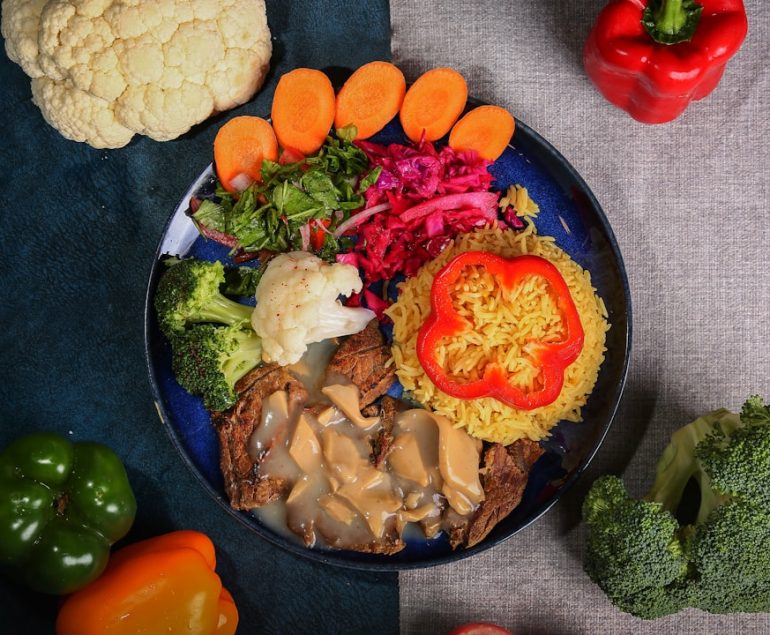
Actionable tip: Use a simple plate method to visualize balance: half the plate with non‑starchy vegetables, a quarter with lean protein, and a quarter with complex carbs. Add a small serving of healthy fat (e.g., a drizzle of olive oil or a handful of nuts).
1.2 Micronutrients: The Small Players with Big Impact
Vitamins and minerals don’t provide calories, but they are essential for immune function, bone health, and energy metabolism. Key micronutrients to prioritize:
- Vitamin D – Supports bone health and immune response. Get sunlight exposure and include fortified dairy, fatty fish, or a supplement if needed.
- Iron – Crucial for oxygen transport. Pair plant‑based iron (spinach, lentils) with vitamin C‑rich foods (citrus, bell peppers) to boost absorption.
- Calcium – Needed for strong bones and muscle function. Dairy, fortified plant milks, kale, and almonds are excellent sources.
- Omega‑3 fatty acids – Anti‑inflammatory and heart‑healthy. Aim for two servings of fatty fish per week or add chia seeds, walnuts, or algae‑based supplements.
- Pre‑workout (30–60 min): Light carb + moderate protein (e.g., banana with Greek yogurt).
- Post‑workout (within 2 hr): Protein + carb combo (e.g., chocolate milk, whey shake with fruit).
- Evening: Choose a lighter, protein‑focused meal to support overnight muscle repair and avoid excess calories before bed.
- Palm = protein serving (≈ 3‑4 oz).
- Fist = vegetables or fruit serving.
- Cupped hand = carbs (rice, pasta, potatoes).
- Thumb = healthy fats (nut butter, oil).
- Batch‑cook staples: Cook a large pot of quinoa, brown rice, or lentils on Sunday. Store in portioned containers.
- Freeze individual servings of soups, stews, and chili for quick lunches.
- Use “one‑pan” recipes (e.g., sheet‑pan salmon with asparagus) to reduce cleanup time.
- Scan the menu ahead: Look for grilled, baked, or steamed options.
- Ask for modifications: Swap fries for a side salad, request dressing on the side.
- Control portions: Share an entrée or ask for a half‑portion.
- Eliminate distractions: No phones or TV during meals.
- Chew thoroughly: Aim for 20–30 chews per bite to aid digestion.
- Check hunger cues: Rate your hunger on a scale of 1–10 before eating; stop when you’re comfortably satisfied (around 7).
- Focus on variety: Offer a rainbow of fruits and vegetables daily.
- Protein for growth: Include lean meats, dairy, beans, and nuts (if age‑appropriate).
- Limit sugary drinks: Replace soda with water, milk, or 100 % fruit juice in moderation.
- Increase calories modestly: About 300 extra kcal/day in the second trimester, 450 in the third.
- Key nutrients: Folate, iron, calcium, DHA.
- Hydration: Aim for 3 L of fluids daily.
- Protein matters: Older adults need 1.2–1.5 g/kg body weight to preserve muscle mass.
- Bone health: Calcium (1,200 mg) and vitamin D (800–1,000 IU) are critical.
- Fiber & hydration: Prevent constipation and support gut health.
Actionable tip: Schedule a quarterly “micronutrient check‑in.” Review your diet, consider a multivitamin if gaps exist, and adjust food choices accordingly.
1.3 Hydration – The Unsung Hero
Even mild dehydration can impair cognition, mood, and physical performance. Aim for 2.7 L (women) to 3.7 L (men) of total water per day, including beverages and water‑rich foods (cucumber, watermelon, soups).
Quick hack: Keep a reusable water bottle at your desk and set a phone reminder to take a sip every 30 minutes.
—
2. Building a Personalized Nutrition Plan
2.1 Assess Your Goals and Lifestyle
| Goal | Typical Caloric Adjustment | Nutrient Focus |
|——|—————————-|—————-|
| Weight loss | −500 kcal/day (approx. 0.5 kg/week) | Higher protein, fiber‑rich carbs |
| Muscle gain | +250–500 kcal/day | Extra protein (1.6–2.2 g/kg body weight), complex carbs |
| Athletic endurance | +300–600 kcal/day | Carbohydrate timing (pre‑/post‑workout), electrolytes |
| General health | Maintain current intake | Balanced macro distribution, micronutrient density |
Actionable tip: Use a free online calculator (e.g., the Mifflin‑St Jeor equation) to estimate your basal metabolic rate (BMR) and then adjust for activity level.
2.2 Meal Timing and Frequency
Research shows that total nutrient intake matters more than meal timing, but strategic timing can enhance performance and satiety:
Actionable tip: If you’re busy, prep “grab‑and‑go” containers on Sunday: roasted veggies, quinoa, grilled chicken, and a portion of hummus.
2.3 Portion Control Without Counting Calories
Portion distortion is a common pitfall. Use these visual cues:
Actionable tip: Invest in a set of portion‑size plates or use a smartphone app that lets you photograph meals for instant feedback.
—
3. Navigating Common Nutrition Myths
3.1 “Low‑Carb = Better Weight Loss”
While low‑carb diets can work short‑term, the most sustainable weight loss approach is one that you can maintain. Carbs are the body’s preferred fuel, especially for the brain. Cutting them drastically often leads to cravings, low energy, and eventual rebound weight gain.
Fact: Studies comparing low‑carb, low‑fat, and Mediterranean patterns show similar long‑term weight outcomes when calories are matched.
Actionable tip: Choose complex, fiber‑rich carbs (e.g., oats, sweet potatoes, legumes) and monitor portion sizes rather than eliminating carbs entirely.
3.2 “All Calories Are Equal”
Calorie quality matters. 200 calories of sugary soda trigger insulin spikes, hunger, and minimal satiety, whereas 200 calories of salmon provide protein, omega‑3s, and lasting fullness.
Actionable tip: Prioritize nutrient‑dense foods (whole foods) over “empty‑calorie” options.
3.3 “Detox Diets Cleanse Your Body”
Your liver, kidneys, and gut microbiome already detoxify efficiently. Extreme detox plans often lack essential nutrients and can cause short‑term fatigue.
Actionable tip: Support natural detox pathways by staying hydrated, eating antioxidant‑rich foods (berries, leafy greens), and limiting alcohol and processed foods.
—
4. Practical Strategies for Everyday Eating
4.1 Grocery Shopping Like a Pro
1. Make a list based on weekly meal plan.
2. Shop the perimeter first: fresh produce, dairy, meat/fish.
3. Choose whole over processed: whole grain breads, unsweetened yogurts, canned beans with no added salt.
4. Read labels for hidden sugars, sodium, and unhealthy fats.
Actionable tip: Allocate a “color‑coded” basket system: green for veggies, red for proteins, yellow for carbs. This visual cue keeps your cart balanced.
4.2 Meal Prep Hacks
Actionable tip: Set a timer for 90 minutes on your prep day. Focus on chopping, cooking, and portioning—don’t aim for perfection, just consistency.
4.3 Eating Out Without Derailing Your Plan
Actionable tip: Bring a small, healthy snack (e.g., a handful of almonds) to avoid arriving overly hungry, which often leads to overeating.
4.4 Mindful Eating Practices
Actionable tip: Use a simple journal or phone note to log how you feel before and after meals; patterns will emerge that guide future choices.
—
5. Special Considerations: Nutrition for Different Life Stages
5.1 Nutrition for Kids and Teens
Actionable tip: Involve children in meal prep—letting them assemble a veggie‑topped whole‑grain pizza can increase acceptance of healthy foods.
5.2 Pregnancy and Lactation
Actionable tip: Keep a “pregnancy snack box” with Greek yogurt, berries, whole‑grain crackers, and nut butter for quick, nutrient‑dense bites.
5.3 Aging Gracefully
Actionable tip: Incorporate a “protein boost” at each meal—add lentils to soups, sprinkle seeds on oatmeal, or enjoy a cheese stick as a snack.
—
Conclusion – Key Takeaways for a Healthier You
1. Balance is the cornerstone: Aim for a plate that includes vegetables, lean protein, complex carbs, and healthy fats.
2. Personalize your plan: Align calorie intake and macronutrient ratios with your specific goals—whether it’s weight loss, muscle gain, or overall wellness.
3. Prioritize nutrient density over “empty calories.” Whole foods provide vitamins, minerals, and fiber that support long‑term health.
4. Hydration and micronutrients are just as vital as macros; don’t neglect water, vitamin D, iron, calcium, and omega‑3s.
5. Practical habits win: Meal prepping, smart grocery shopping, mindful eating, and flexible strategies for dining out keep you on track without feeling restricted.
6. Adapt to life stages: Children, pregnant individuals, athletes, and seniors each have unique nutritional needs—adjust your intake accordingly.
By implementing these evidence‑based strategies, you’ll move beyond diet fads and build a sustainable, enjoyable way of eating that fuels your body, sharpens your mind, and supports a vibrant, energetic life.
Ready to start? Choose one small change from each section—swap refined carbs for whole grains, add a glass of water each hour, and prep a batch of veggie‑packed quinoa tonight. Small steps add up, and before you know it, you’ll be reaping the lasting benefits of optimal nutrition.
—
Keywords used naturally: nutrition, balanced diet, macronutrients, micronutrients, healthy eating, meal prep, hydration, weight loss, muscle gain, healthy fats, whole foods, antioxidants, gut health, diet myths, portion control, mindful eating.