—
Introduction – Why Nutrition Matters More Than Ever
Imagine you could boost your mood, sharpen your focus, and protect your body from chronic disease—all with something you do every day: eating. It sounds almost too simple, but the truth is that the foods you choose are the most powerful tools you have for shaping your health. In a world flooded with diet trends, confusing “super‑foods,” and endless calorie‑counting apps, it’s easy to feel overwhelmed.
The good news? You don’t need a Ph.D. in biochemistry to make smarter choices. By understanding a handful of core nutrition principles and applying a few actionable strategies, you can build a balanced diet that fuels your body, supports your mind, and keeps you feeling great for years to come.
In this 2,000‑word guide we’ll break down the science of nutrition into bite‑size, practical pieces. You’ll learn how to:
1. Identify the essential nutrients your body needs every day.
2. Design meals that hit the right ratios of macronutrients and micronutrients.
3. Navigate common diet myths and focus on evidence‑based eating patterns.
4. Plan for specific goals—whether it’s weight management, improved gut health, or enhanced athletic performance.
Let’s dive in and turn nutrition from a mystery into your everyday advantage.
—
1. The Building Blocks of a Healthy Plate: Macronutrients & Micronutrients
1.1 What Are Macronutrients and Why Do They Matter?
Macronutrients—carbohydrates, proteins, and fats—are the three energy‑providing pillars of every meal. While they all contribute calories, each serves a distinct role:
| Nutrient | Primary Function | Best Food Sources | Recommended % of Daily Calories* |
|———-|——————|——————-|———————————–|
| Carbohydrates | Quick energy for brain & muscles; fiber for gut health | Whole grains, fruits, vegetables, legumes | 45–65% |
| Protein | Tissue repair, hormone production, satiety | Lean meats, fish, eggs, dairy, beans, tofu | 10–35% |
| Fats | Cell membranes, hormone synthesis, absorption of fat‑soluble vitamins | Avocado, nuts, seeds, olive oil, fatty fish | 20–35% |
*Percent ranges are based on the 2020‑2025 Dietary Guidelines for Americans and can be adjusted for individual needs (e.g., athletes may need more protein).
Actionable tip: Use the “plate method” as a quick visual guide. Fill half your plate with non‑starchy vegetables, one‑quarter with lean protein, and one‑quarter with whole‑grain carbs. Add a small drizzle of healthy fat (olive oil, nuts) to round it out.
1.2 Micronutrients: The Tiny Titans
Micronutrients—vitamins and minerals—don’t provide calories, but they are essential for metabolic pathways, immune function, and disease prevention. A few stand‑out micronutrients include:
- Vitamin D – Supports bone health and immune regulation. Sources: sunlight, fortified dairy, fatty fish.
- Magnesium – Involved in over 300 enzymatic reactions, from energy production to sleep quality. Sources: leafy greens, nuts, seeds, whole grains.
- Omega‑3 fatty acids (EPA/DHA) – Anti‑inflammatory, heart‑healthy fats. Sources: salmon, sardines, chia seeds, walnuts.
- Chia seeds – 11 g fiber per ounce; add to smoothies or oatmeal.
- Kale – Vitamin K, C, and calcium; sauté with garlic for a quick side.
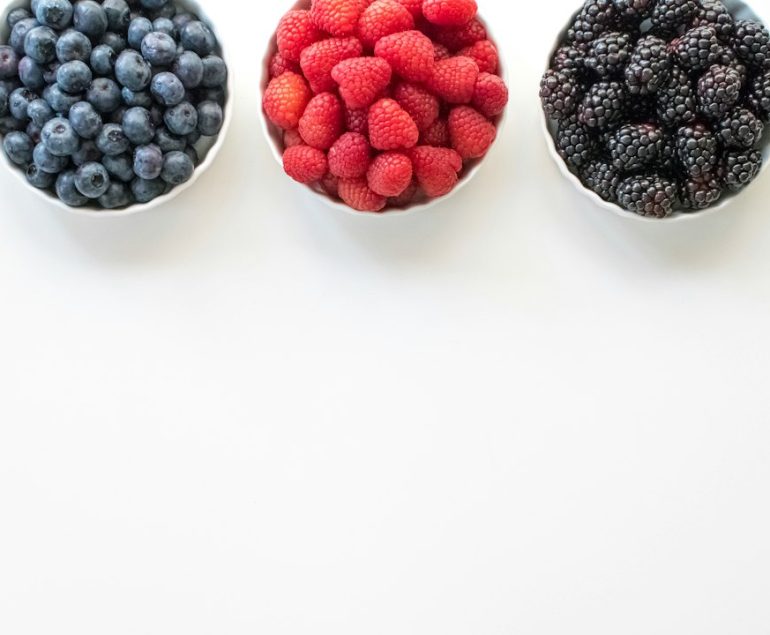
- Blueberries – Anthocyanins for brain health; sprinkle on cereal or salads.
- Turmeric – Curcumin’s anti‑inflammatory power; blend into soups or golden milk.
- Protein: Increases the release of peptide YY (a hormone that tells your brain you’re full). Aim for 20–30 g per meal.
- Fiber: Slows gastric emptying, stabilizes blood sugar. Target 25 g (women)–38 g (men) daily.
- Prebiotic foods (fuel the good bacteria): garlic, onions, leeks, asparagus, bananas, chicory root.
- Probiotic foods (introduce beneficial bacteria): kefir, kimchi, sauerkraut, miso, kombucha.
- Pre‑workout (30‑60 min): Light carbs + moderate protein (e.g., banana + a scoop of whey).
- Post‑workout (within 2 hrs): 3:1 ratio of carbs to protein to replenish glycogen and repair muscle (e.g., chocolate milk or a smoothie with fruit, Greek yogurt, and a scoop of protein powder).
- Heart health: Emphasize Omega‑3s, soluble fiber (oats, beans), and plant sterols. Limit saturated fat and added sodium.
- Blood sugar control: Choose low‑glycemic index carbs (sweet potatoes, legumes) and pair carbs with protein/fat to blunt spikes.
- Bone health: Ensure adequate calcium (dairy, fortified plant milks) and vitamin D, plus weight‑bearing exercise.
- 90/10 rule: 90 % of the time you follow your nutrition plan; 10 % you enjoy a treat without guilt.
- Mindful eating: Slow down, chew thoroughly, and pay attention to hunger cues.
- Read the ingredient list: If sugar appears in the first three ingredients, the product is likely high in added sugars.
- Choose whole foods whenever possible; they naturally contain less added sugar and sodium.
- B12: Fortified plant milks, nutritional yeast, or a supplement (25–100 µg daily).
- Iron: Lentils, chickpeas, pumpkin seeds; pair with vitamin C (citrus) for better absorption.
- Calcium: Kale, bok choy, fortified tofu.
- Omega‑3: Algal oil supplements or ground flaxseed/chia seeds (ALA, though conversion to EPA/DHA is limited).
- Kitchen organization: Keep fruits and veggies at eye level, store whole grains in clear containers, and place indulgent snacks out of sight.
- Meal planning calendar: Dedicate Sunday to plan the week’s meals, create a shopping list, and prep ingredients.
- Energy levels: Rate your daily energy on a 1–10 scale.
Actionable tip: Aim for a rainbow of colors on your plate each day. Different pigments (e.g., beta‑carotene in orange carrots, anthocyanins in blueberries) signal the presence of distinct phytonutrients and micronutrients.
1.3 Balancing Energy Intake with Expenditure
Calories are the common currency of nutrition. To maintain weight, calorie intake ≈ calorie expenditure. For weight loss, create a modest deficit (≈ 500 kcal/day) and for muscle gain, a slight surplus. However, focusing solely on numbers can backfire if the quality of those calories is poor.
Actionable tip: Track your intake for a week using a free app (MyFitnessPal, Cronometer). Look beyond the total calories and examine macronutrient distribution, fiber intake, and micronutrient gaps. Adjust portions or swap foods to improve nutrient density rather than just cutting calories.
—
2. Crafting a Nutrient‑Dense Meal Plan
2.1 The Power of Meal Prep
Consistent healthy eating often hinges on preparation. Meal prepping reduces decision fatigue, cuts out impulse purchases, and ensures you meet your nutrient targets.
Step‑by‑step guide to a simple weekly prep:
1. Choose a protein base (e.g., grilled chicken breast, baked tofu, canned salmon). Cook 4–5 servings at once.
2. Roast a variety of vegetables—think a mix of cruciferous (broccoli), root (sweet potatoes), and colorful (bell peppers).
3. Cook a whole‑grain staple (quinoa, brown rice, farro).
4. Portion into containers: ½ cup protein, 1 cup grains/legumes, 1–2 cups veggies, plus a drizzle of healthy fat (olive oil, tahini).
5. Add a quick sauce (Greek yogurt + lemon + herbs) for flavor without excess sugar or sodium.
Actionable tip: Invest in a set of BPA‑free glass containers with compartments. This visual separation helps you see the balance of macronutrients at a glance.
2.2 Smart Swaps for Everyday Meals
| Situation | Typical Choice | Healthier Swap | Nutrient Boost |
|———–|—————-|—————-|—————-|
| Breakfast cereal | Sugary corn flakes | Steel‑cut oats + berries | Fiber, antioxidants |
| Lunch sandwich | White bread + processed deli meat | Whole‑grain wrap + grilled chicken + avocado | Complex carbs, healthy fats |
| Snack | Potato chips | Air‑popped popcorn + nutritional yeast | Fiber, B‑vitamins |
| Dessert | Ice cream | Greek yogurt parfait with nuts & honey | Protein, probiotics |
| Beverage | Soda | Sparkling water + a splash of 100% fruit juice | Reduced added sugar |
Actionable tip: Keep a “swap list” on your phone. When cravings hit, you’ll have a ready-made alternative that satisfies the same taste cue (crunch, creaminess, sweetness) while adding nutrients.
2.3 Incorporating “Superfoods” Without Overcomplicating
The term superfood can be marketing hype, but certain foods truly pack a high nutrient density. Use them as add‑ins, not the entire diet.
Actionable tip: Choose one new superfood per month to experiment with. This keeps meals interesting without overwhelming your grocery list.
—
3. Nutrition for Specific Goals
3.1 Weight Management: The Science of Satiety
Weight loss isn’t just about cutting calories; it’s about staying full and satisfied while eating fewer. Foods high in protein and fiber are proven satiety champions.
Meal example: A breakfast bowl with Greek yogurt (protein), mixed berries (fiber), a tablespoon of ground flaxseed (healthy fat + fiber), and a drizzle of honey.
Actionable tip: Start each meal with a vegetable‑first approach. Fill half your plate with non‑starchy veggies before adding carbs or protein. This visually reduces portion size and boosts fiber intake.
3.2 Gut Health: Feeding Your Microbiome
Your gut hosts trillions of microbes that influence digestion, immunity, and even mood. A diverse, fiber‑rich diet nurtures a thriving microbiome.
Actionable tip: Incorporate one fermented food and two prebiotic foods into your daily meals. Example: Breakfast kefir with sliced banana (prebiotic) and a dinner of roasted vegetables with garlic and a side of kimchi.
3.3 Athletic Performance: Timing and Quality Matter
For athletes or active individuals, nutrition timing can enhance performance and recovery.
Actionable tip: Keep a portable snack kit (e.g., a small bag of dried fruit and almonds) in your gym bag. It prevents reliance on vending‑machine options that are high in refined carbs and low in nutrients.
3.4 Managing Chronic Conditions Through Food
Actionable tip: Use the “plate and portion” method to keep sodium under 2,300 mg/day: limit processed sauces, choose fresh herbs for flavor, and read nutrition labels for hidden salt.
—
4. Overcoming Common Nutrition Pitfalls
4.1 The “All‑Or‑Nothing” Mindset
Restrictive diets often lead to binge cycles. Instead, aim for flexible moderation.
Actionable tip: Set a “no‑screen” rule for meals—turn off phones and TV. This improves awareness of satiety signals and reduces overeating.
4.2 Hidden Sugars and Sodium
Many “healthy” packaged foods hide sugar and salt under different names (e.g., maltodextrin, dextrose, sodium benzoate).
Actionable tip: Create a shopping list that prioritizes whole foods and stick to the perimeter of the grocery store (produce, dairy, meat, bulk grains). This reduces exposure to processed items.
4.3 Nutrient Gaps in Plant‑Based Diets
Vegans and vegetarians may need extra vitamin B12, iron, calcium, and omega‑3.
Actionable tip: Schedule an annual blood test to check B12, iron, and vitamin D levels. Adjust your diet or supplement plan based on the results.
—
5. Making Nutrition a Sustainable Lifestyle
5.1 Building a Supportive Food Environment
Your surroundings shape your choices. Create an environment that makes healthy eating the default.
Actionable tip: Use the “15‑minute rule”: if a healthy option is ready within 15 minutes, you’re more likely to choose it over a longer, less nutritious alternative.
5.2 Tracking Progress Without Obsession
Metrics beyond the scale provide a fuller picture of nutritional success.