—
Introduction – Why Nutrition Is the Real Super‑Power You’ve Been Ignoring
Imagine you could boost your mood, sharpen your focus, and protect yourself against chronic disease without a single pill. The secret isn’t a trendy supplement or a magic detox—it’s something you do every single day: the food you put on your plate.
In a world flooded with fad diets, “clean‑eating” buzzwords, and endless nutrition myths, it’s easy to feel overwhelmed. But nutrition isn’t a mystery reserved for dietitians; it’s a practical, science‑backed toolkit that anyone can use to feel better, perform better, and live longer.
In this post we’ll break down the fundamentals of nutrition, dive into the roles of macronutrients and micronutrients, share actionable tips for building a balanced diet, and give you a simple roadmap for sustainable meal planning. By the end, you’ll have a clear, actionable plan to fuel your body the right way—no guesswork required.
(Keywords: nutrition, healthy eating, balanced diet, diet tips, meal planning)
—
1. Nutrition 101: The Building Blocks of a Healthy Body
1.1 What Is Nutrition, Anyway?
Nutrition is the science of how the foods we eat provide the energy and nutrients our bodies need to function, grow, and repair. It’s not just about calories; it’s about quality, timing, and the synergy between different nutrients.
1.2 Energy Balance – Calories In vs. Calories Out
- Calories are units of energy. Your body needs a certain number of calories each day to maintain basic functions (basal metabolic rate) plus the extra energy for daily activities.
- Energy balance occurs when the calories you consume match the calories you expend.
- Why they matter: Carbs break down into glucose, the primary energy source for the brain, nervous system, and muscles during moderate‑intensity activity.
- Types of carbs:
- Why they matter: Proteins supply amino acids, which are essential for muscle repair, hormone production, enzyme function, and immune health.
- Complete vs. incomplete proteins:
- Why they matter: Fats are essential for hormone production, brain health, nutrient absorption (fat‑soluble vitamins A, D, E, K), and satiety.
- Types of fats:
- Fat‑soluble vitamins (A, D, E, K): Stored in body fat; excess can be harmful, so moderation is key.
- Water‑soluble vitamins (C and B‑complex): Not stored long‑term; need regular replenishment.
- Vitamin A – sweet potatoes, carrots, kale.
- Vitamin C – bell peppers, strawberries, citrus.
- Vitamin D – fortified dairy, sunlight exposure (10–15 minutes midday).
- Calcium & Magnesium: Bone health, muscle function.
- Iron: Oxygen transport; especially important for women of childbearing age.
- Zinc & Selenium: Immune function and antioxidant protection.
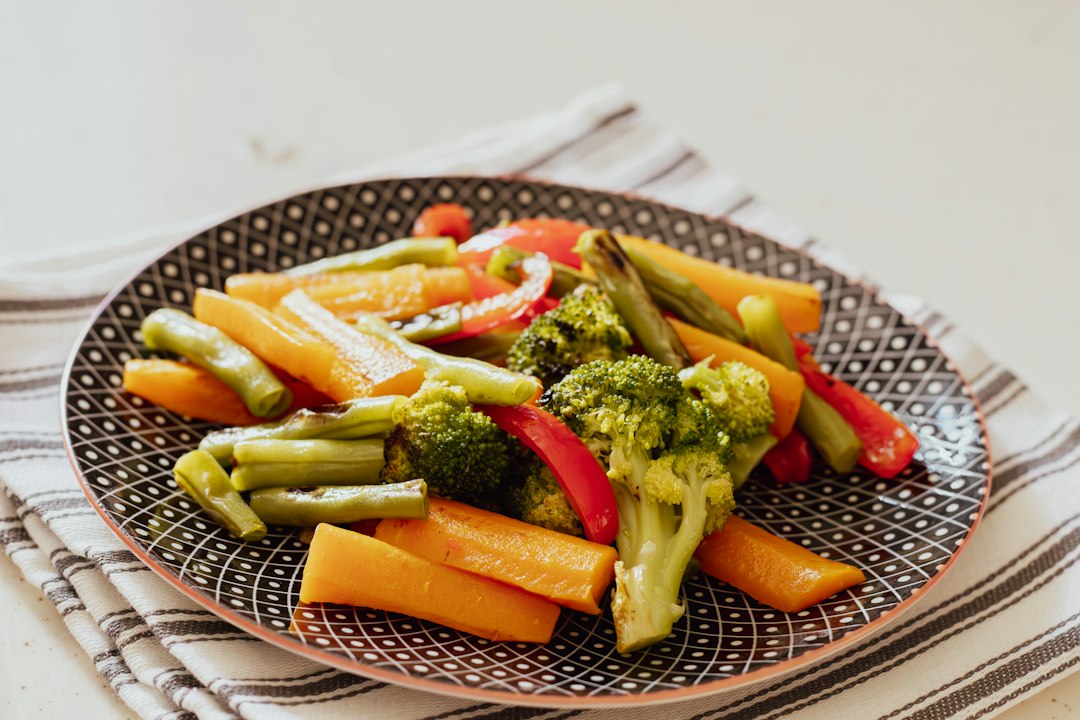
- Half the plate: Non‑starchy vegetables (leafy greens, broccoli, peppers).
- Quarter of the plate: Lean protein (chicken breast, tofu, beans).
- Quarter of the plate: Whole‑grain carbs or starchy veg (brown rice, quinoa, sweet potatoes).
- Protein‑rich snacks: Greek yogurt, cottage cheese, hard‑boiled eggs.
- Fiber‑filled snacks: Apple slices with almond butter, carrot sticks with hummus.
- Healthy fat snacks: A small handful of mixed nuts or avocado toast on whole‑grain bread.
- Aim for 2‑3 liters (8‑12 cups) of water daily, more if you exercise heavily or live in a hot climate.
- Include herbal teas or infused water for variety.
- Remember that foods like cucumber, watermelon, and soups contribute to hydration.
- Read labels: Look for “added sugars” listed near the top of the ingredient list.
- Swap sugary drinks for sparkling water with a splash of citrus.
- Choose whole foods over packaged snacks; they contain fewer hidden sodium, unhealthy fats, and preservatives.
- Pre‑workout: A small carb‑protein combo 30‑60 minutes before (e.g., banana + peanut butter).
- Post‑workout: Protein + carbs within 2 hours to replenish glycogen and support muscle repair (e.g., chocolate milk, protein shake with fruit).
- Weight loss: Create a modest calorie deficit (250‑500 kcal/day).
- Muscle gain: Slight calorie surplus with higher protein (1.6‑2.2 g/kg).
- General health: Focus on nutrient density and variety.
- Batch‑cook staples (brown rice, roasted veggies, boiled eggs) on Sunday.
- Rotate proteins to keep meals interesting (chicken, fish, beans, lentils, tempeh).
- Portion containers: Divide cooked grains, proteins, and veggies into individual containers for quick grab‑and‑go meals.
- Sauce & seasoning kits: Mix olive oil, lemon, garlic, and herbs in a jar for a versatile dressing.
- Label dates on each container to keep track of freshness.
- Start with the Plate Method to instantly improve portion control.
- Prioritize whole foods—lean proteins, complex carbs, healthy fats, and colorful fruits/veggies.
- Hydrate and include fiber‑rich foods to support digestion and satiety.
- Plan ahead using a weekly menu
– Positive balance → weight gain.
– Negative balance → weight loss.
Understanding your personal energy needs is the first step toward weight management and overall health. Use a reputable online calculator or consult a professional to estimate your daily caloric requirement based on age, sex, weight, height, and activity level.
1.3 The Three Pillars of Nutrition
| Pillar | What It Does | Key Sources |
|——–|————–|————-|
| Macronutrients | Provide energy and the raw materials for growth and repair. | Carbohydrates, proteins, fats |
| Micronutrients | Support biochemical reactions, immune function, and tissue health. | Vitamins, minerals |
| Water & Fiber | Hydration, digestion, and toxin elimination. | Water, fruits, vegetables, whole grains |
Keeping these pillars in balance is the cornerstone of a balanced diet.
(Keywords: nutrition basics, energy balance, balanced diet, macronutrients, micronutrients)
—
2. Macronutrients: The Power Trio That Fuels You
2.1 Carbohydrates – The Body’s Preferred Fuel
– Complex carbs (whole grains, legumes, starchy vegetables) digest slowly, providing steady energy and fiber.
– Simple carbs (fruit sugars, dairy lactose, refined sugars) digest quickly—great for immediate energy but can cause spikes in blood sugar if overconsumed.
Actionable tip: Aim for 45‑55% of your daily calories from complex carbs. Swap white bread for whole‑grain alternatives, and add a serving of beans or quinoa to meals for extra fiber and protein.
2.2 Protein – The Body’s Building Blocks
– Complete proteins contain all nine essential amino acids (found in animal products, soy, quinoa).
– Incomplete proteins lack one or more essential amino acids (most plant foods). Pairing complementary plant proteins (e.g., rice + beans) creates a complete profile.
Actionable tip: Target 0.8‑1.2 grams of protein per kilogram of body weight daily (more if you’re strength training). Include a protein source at every meal: Greek yogurt at breakfast, grilled chicken or lentils at lunch, and a handful of nuts or a protein shake after dinner.
2.3 Fats – The Unsung Heroes
– Monounsaturated & polyunsaturated fats (olive oil, avocado, nuts, fatty fish) – anti‑inflammatory and heart‑healthy.
– Saturated fats (butter, coconut oil, fatty cuts of meat) – okay in moderation but should be limited.
– Trans fats (partially hydrogenated oils) – avoid entirely.
Actionable tip: Let 25‑35% of your calories come from healthy fats. Drizzle extra‑virgin olive oil over salads, snack on a small portion of almonds, and incorporate fatty fish like salmon twice a week for omega‑3s.
(Keywords: macronutrients, carbohydrates, protein, healthy fats, balanced diet, diet tips)
—
3. Micronutrients: Tiny Compounds with Huge Impact
3.1 Vitamins – The Body’s Chemical Switches
Actionable tip: Eat a rainbow of fruits and vegetables daily. For example:
3.2 Minerals – The Structural Support System
Actionable tip: Pair iron‑rich plant foods (lentils, spinach) with vitamin C sources (tomatoes, citrus) to boost absorption. Include dairy or fortified plant milks for calcium, and snack on pumpkin seeds for magnesium and zinc.
3.3 Phytonutrients & Antioxidants – Nature’s Protective Agents
Compounds like flavonoids, carotenoids, and polyphenols help combat oxidative stress and inflammation.
Actionable tip: Add superfoods such as blueberries, dark chocolate (≥70% cocoa), green tea, and turmeric to your diet a few times a week.
(Keywords: micronutrients, vitamins, minerals, phytonutrients, antioxidants, healthy eating)
—
4. Practical Strategies for a Balanced Diet
4.1 The Plate Method – Visualizing Portion Control
This simple visual guide helps you meet macro goals without counting every gram.
4.2 Smart Snacking – Keeping Hunger at Bay
Rule of thumb: Choose snacks that combine protein, fiber, and a bit of healthy fat to stabilize blood sugar and curb cravings.
4.3 Hydration – The Overlooked Nutrient
4.4 Managing Sugar and Processed Foods
4.5 Timing Matters – Pre‑ and Post‑Workout Nutrition
(Keywords: balanced diet, meal planning, healthy snacks, hydration, sugar reduction, pre‑workout nutrition)
—
5. Meal Planning Made Easy – From Chaos to Consistency
5.1 Set Clear Goals
Write your goal at the top of your weekly planner to stay accountable.
5.2 Build a Weekly Menu Template
| Day | Breakfast | Lunch | Dinner | Snack |
|—–|———–|——-|——–|——-|
| Mon | Oatmeal + berries + whey | Quinoa salad w/ chickpeas | Grilled salmon + broccoli | Greek yogurt |
| Tue | Veggie omelet + whole‑grain toast | Turkey wrap + side salad | Stir‑fry tofu + brown rice | Apple + almond butter |
| … | … | … | … | … |
5.3 Grocery Shopping Hacks
1. Shop the perimeter first: produce, dairy, meat/fish sections contain the freshest whole foods.
2. Make a list based on your menu—stick to it to avoid impulse buys.
3. Buy frozen fruits and vegetables when out of season; they retain nutrients and reduce waste.
5.4 Prep Like a Pro
5.5 Stay Flexible – The “Plan B” Mindset
Life happens—meetings run late, cravings strike. Keep a few backup options on hand: a can of low‑sodium beans, a frozen veggie bag, or a protein bar with ≤10 g added sugar. Flexibility prevents you from abandoning your plan entirely.
(Keywords: meal planning, weekly menu, grocery list, healthy meal prep, nutrition goals)
—
Conclusion – Your Nutrition Blueprint for a Healthier Life
Nutrition isn’t a one‑size‑fits‑all prescription; it’s a dynamic, personalized system that can be fine‑tuned to match your lifestyle, goals, and preferences. By mastering the fundamentals—understanding energy balance, embracing the power of macronutrients and micronutrients, and applying practical strategies for balanced meals—you set the stage for:
1. Sustained energy throughout the day.
2. Improved mental clarity and mood stability.
3. Better weight management without restrictive “diets.”
4. Reduced risk of chronic diseases such as heart disease, type 2 diabetes, and certain cancers.
5. Long‑term habit formation that makes healthy eating feel natural, not forced.
Key Takeaways