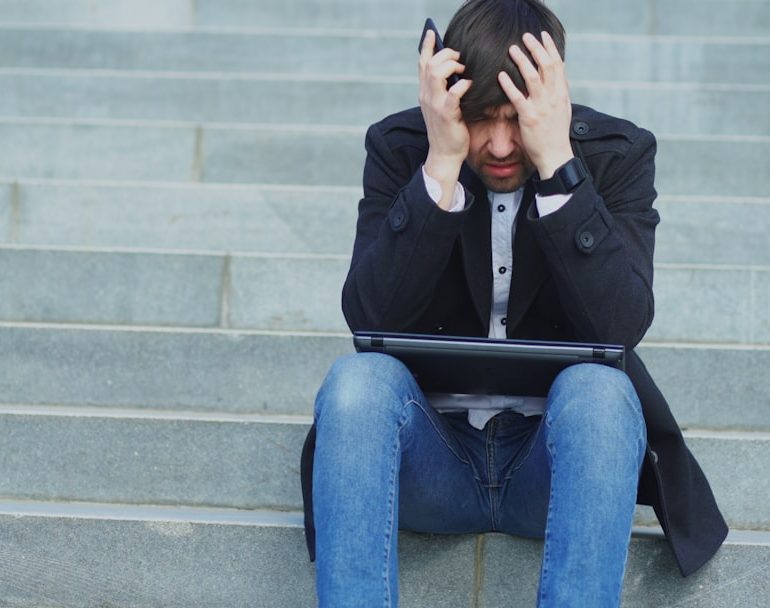
Are you tired of feeling like stress is suffocating you, making it hard to breathe, think, and live your best life? You’re not alone. Stress has become an unwelcome companion for many of us, affecting not just our mental health but also our physical well-being and relationships. The good news is that there are effective ways to manage stress, and it’s time to take back control. In this comprehensive guide, we’ll delve into the world of stress management, exploring expert-backed tips and techniques to help you break free from the grip of stress and start living a happier, healthier life.
Understanding Stress: The Enemy Within
Before we dive into the nitty-gritty of stress management, it’s essential to understand what stress is and how it affects our bodies. Stress is a natural response to a perceived threat, triggering the release of hormones like cortisol and adrenaline. These hormones prepare our bodies for the “fight or flight” response, increasing heart rate, blood pressure, and energy levels. While stress can be beneficial in small doses, chronic stress can lead to anxiety, depression, digestive issues, and a weakened immune system. To manage stress effectively, it’s crucial to identify your stress triggers, whether it’s work-related pressure, financial worries, or personal relationships. Keeping a stress journal can help you pinpoint patterns and develop a personalized stress management plan.
Mindfulness and Relaxation Techniques: The Power of Calm
Mindfulness and relaxation techniques are potent tools in the fight against stress. These practices help calm the mind, slow down your heart rate, and reduce cortisol levels. Some of the most effective techniques include:
- Meditation: Regular meditation practice can reduce stress and anxiety by teaching you to focus on the present moment. You can start with guided meditation apps like Headspace or Calm, gradually moving to independent practice.
- Deep Breathing Exercises: Deep, slow breaths can help calm your nervous system, reducing stress and anxiety. Try the 4-7-8 technique, also known as the “relaxation breath.”
- Yoga: This ancient practice combines physical movement with deep breathing and meditation, promoting relaxation and reducing stress. You can find yoga classes online or join a local studio.
- Progressive Muscle Relaxation: This technique involves tensing and relaxing different muscle groups, helping you release physical tension and promote relaxation.
- Walking: A 30-minute walk can clear your mind, boost your mood, and reduce stress. Try incorporating walking into your daily routine, whether it’s during your lunch break or after dinner.
- Running: Running can be a great way to release tension and improve your mood. Start with short distances and gradually increase your running time as you build endurance.
- Swimming: Swimming is a low-impact exercise that can help reduce stress and anxiety. The repetitive motion of swimming can be meditative, promoting relaxation and calm.
- Dance-Based Workouts: Dance-based workouts like Zumba or Hip Hop Abs can be a fun way to reduce stress and improve your mood. These workouts combine physical activity with music and social interaction, making them a great way to unwind.
- Leafy Greens: Leafy greens like spinach, kale, and collard greens are rich in folate, which helps regulate mood and reduce stress.
- Berries: Berries like blueberries, strawberries, and raspberries are rich in antioxidants and vitamins, promoting relaxation and reducing inflammation.
- Fatty Fish: Fatty fish like salmon, tuna, and sardines are rich in omega-3 fatty acids, which can help reduce anxiety and promote brain health.
- Dark Chocolate: Dark chocolate contains flavonoids, which can help reduce stress and improve mood. Look for dark chocolate with at least 70% cocoa content.
- Identify your stress triggers and develop a personalized stress management plan
- Incorporate mindfulness and relaxation techniques into your daily routine
- Engage in regular physical activity to reduce stress and improve mood
- Eat a balanced diet rich in whole foods, fruits, and vegetables
- Be kind to yourself and seek help when you need it
Physical Activity and Stress Relief: Get Moving, Feel Better
Regular physical activity is a natural stress-reliever, releasing endorphins that improve your mood and reduce anxiety. Exercise doesn’t have to be intense or time-consuming; even a short walk or some light stretching can make a significant difference. Some of the best stress-reducing activities include:
Nutrition and Stress Management: Eat Your Way to Calm
What you eat can significantly impact your stress levels. A balanced diet rich in whole foods, fruits, and vegetables can help regulate your mood and reduce anxiety. Some of the best stress-reducing foods include:
Conclusion: Taking Back Control of Your Stress
Stress management is a journey, not a destination. It takes time, effort, and patience to develop effective coping strategies and make lasting changes. By incorporating mindfulness, physical activity, and healthy nutrition into your daily routine, you can reduce stress and anxiety, improving your overall well-being. Remember, it’s essential to be kind to yourself and acknowledge that it’s okay to not be okay. Don’t be afraid to seek help when you need it, whether it’s from a mental health professional or a supportive friend or family member. By taking back control of your stress, you can break free from its grip and start living a happier, healthier life. Key takeaways include:
By following these expert-backed tips and techniques, you can manage stress effectively, promoting a happier, healthier you.