Are you tired of feeling sluggish, unmotivated, and stuck in a rut? Do you dream of having more energy, confidence, and a stronger, healthier body? If so, you’re not alone. Millions of people around the world are searching for a way to improve their overall well-being, and the answer is simpler than you might think: exercise. Regular physical activity is a game-changer, offering a wide range of benefits that can transform your body, mind, and spirit. In this comprehensive guide, we’ll delve into the amazing advantages of exercise, exploring how it can help you achieve your goals, boost your mood, and live a longer, happier life.
The Physical Benefits of Exercise
Exercise is often associated with physical health, and for good reason. Regular physical activity can have a profound impact on your body, from improving cardiovascular health to increasing strength and flexibility. One of the most significant benefits of exercise is its ability to reduce the risk of chronic diseases, such as heart disease, diabetes, and certain types of cancer. By incorporating physical activity into your daily routine, you can lower your blood pressure, improve your cholesterol levels, and enhance your overall health. Additionally, exercise can help you manage your weight, build strong bones, and reduce the risk of osteoporosis.
But that’s not all. Exercise can also improve your physical function, making everyday tasks easier and more manageable. Whether you’re running errands, playing with your kids, or simply getting around the house, regular physical activity can give you the energy and stamina you need to stay active and independent. And, as an added bonus, exercise can even help you sleep better, reducing the risk of insomnia and other sleep disorders. By prioritizing physical activity, you can wake up feeling refreshed, revitalized, and ready to take on the day.
The Mental and Emotional Benefits of Exercise
While the physical benefits of exercise are well-documented, the mental and emotional advantages are just as impressive. Regular physical activity has been shown to reduce stress and anxiety, improve mood, and even alleviate symptoms of depression. Exercise has a profound impact on your brain chemistry, releasing endorphins and other feel-good hormones that can leave you feeling happy, calm, and centered. Whether you’re dealing with the pressures of work, the challenges of relationships, or the stresses of everyday life, exercise can provide a much-needed escape, giving you a healthy outlet for your emotions and a sense of control over your well-being.
But exercise isn’t just about feeling good; it’s also about performing at your best. Regular physical activity can improve your focus, concentration, and productivity, making you more efficient and effective in all areas of your life. By incorporating exercise into your daily routine, you can stay motivated, inspired, and driven, achieving your goals and pursuing your passions with confidence and enthusiasm. And, as an added bonus, exercise can even improve your self-esteem, helping you develop a more positive body image and a greater sense of self-worth.
The Social Benefits of Exercise
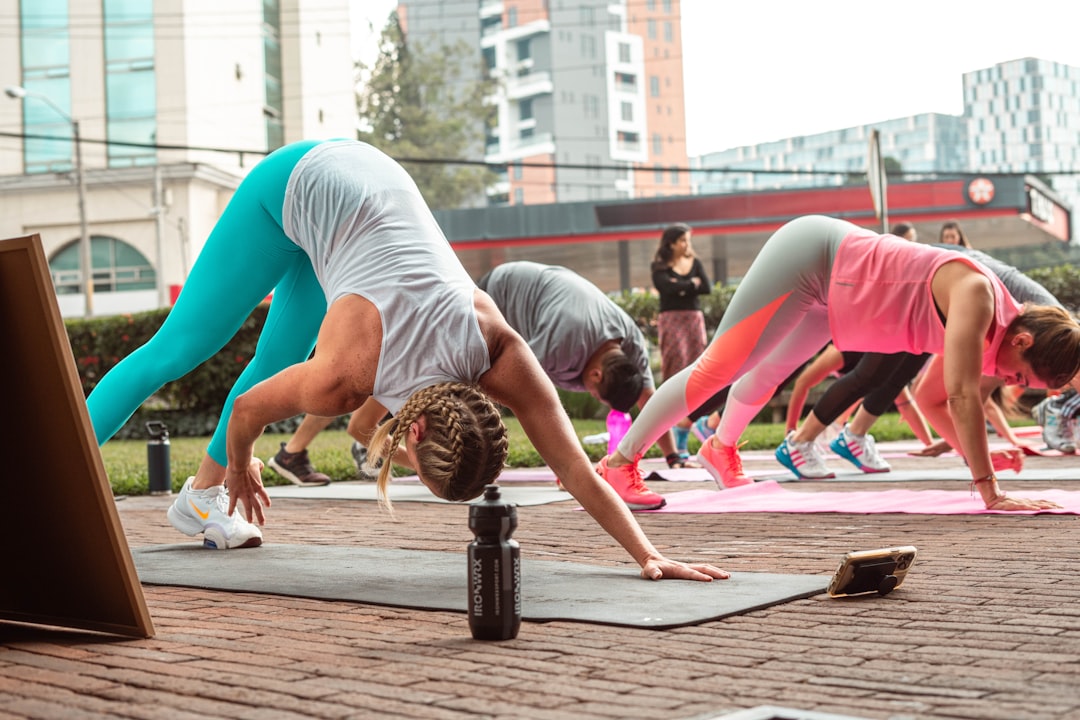
Exercise isn’t just a solo activity; it can also be a powerful way to connect with others, build relationships, and strengthen your social bonds. Whether you join a fitness class, participate in a recreational sport, or simply take a walk with a friend, exercise can provide a sense of community and belonging, helping you feel more connected and engaged with the people around you. By exercising with others, you can share experiences, support each other, and celebrate each other’s successes, creating a sense of camaraderie and shared purpose.
But the social benefits of exercise don’t stop there. Regular physical activity can also improve your communication skills, helping you build stronger, more meaningful relationships with family, friends, and colleagues. By exercising with others, you can develop greater empathy, understanding, and trust, becoming a more effective and supportive partner, friend, and team player. And, as an added bonus, exercise can even provide a sense of accountability, helping you stay motivated and committed to your fitness goals.
The Long-Term Benefits of Exercise
While the short-term benefits of exercise are undeniable, the long-term advantages are just as impressive. Regular physical activity can add years to your life, reducing the risk of premature death and improving your overall health and well-being. By exercising regularly, you can reduce your risk of age-related diseases, such as Alzheimer’s and Parkinson’s, and maintain your cognitive function, staying sharp, focused, and mentally agile well into old age.
But that’s not all. Exercise can also improve your quality of life, enabling you to stay active, independent, and engaged, even as you age. By prioritizing physical activity, you can maintain your physical function, reducing the risk of disability and dependence, and stay connected with others, building strong social bonds and a sense of community. And, as an added bonus, exercise can even provide a sense of purpose and fulfillment, giving you a reason to get up in the morning and a sense of direction and meaning in life.
Conclusion and Key Takeaways
In conclusion, the benefits of exercise are undeniable. Regular physical activity can transform your body, mind, and spirit, improving your physical health, mental well-being, and social connections. By incorporating exercise into your daily routine, you can reduce your risk of chronic diseases, improve your mood and cognitive function, and stay active, independent, and engaged, even as you age.
So, what are the key takeaways from this comprehensive guide? Here are a few things to keep in mind:
- Exercise is a powerful tool for improving physical health, reducing the risk of chronic diseases, and improving overall well-being.
- Regular physical activity can have a profound impact on mental health, reducing stress and anxiety, improving mood, and alleviating symptoms of depression.
- Exercise can provide a sense of community and belonging, helping you build stronger social bonds and connections with others.
- The long-term benefits of exercise are undeniable, adding years to your life, reducing the risk of age-related diseases, and improving your quality of life.
- By prioritizing physical activity, you can stay motivated, inspired, and driven, achieving your goals and pursuing your passions with confidence and enthusiasm.
So, what are you waiting for? Get moving, get active, and unlock the power of exercise. Your body, mind, and spirit will thank you.