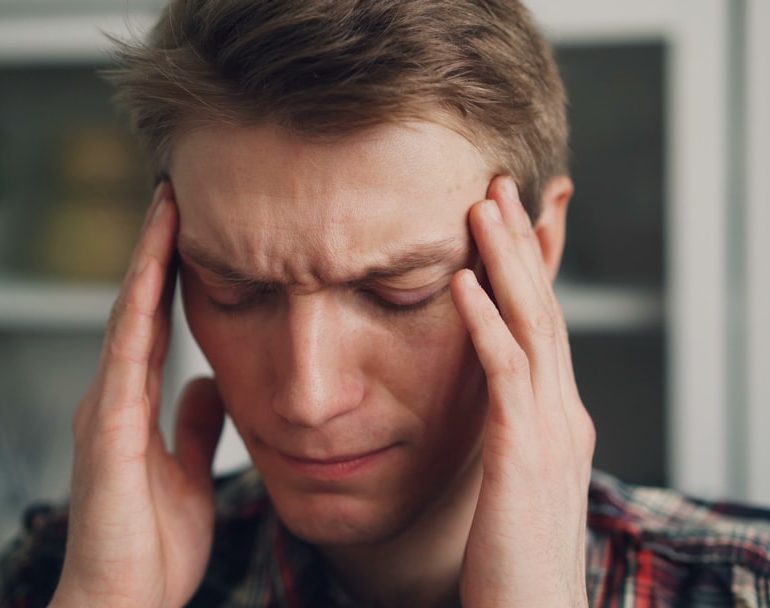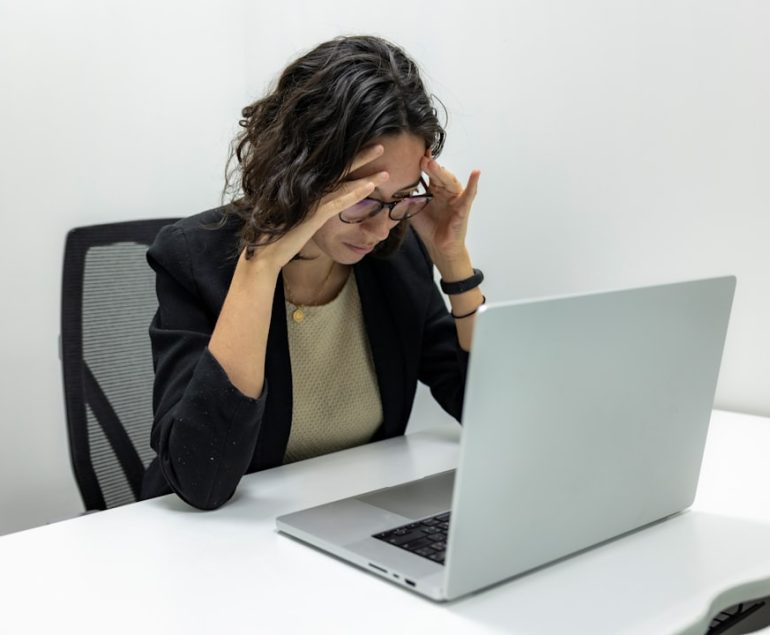
Are you tired of feeling like you’re drowning in a sea of stress and anxiety? Do you often find yourself lying awake at night, replaying the events of the day and worrying about what’s to come? You’re not alone. Stress has become an unfortunate companion for many of us, affecting our mental and physical health, relationships, and overall well-being. But here’s the good news: stress management is a skill that can be learned, and with the right tools and techniques, you can take control of your stress and start living a happier, healthier life. In this comprehensive guide, we’ll explore the best stress management tips and techniques to help you find calm in chaos.
Understanding Stress and Its Impact on Our Lives
Before we dive into the nitty-gritty of stress management, it’s essential to understand what stress is and how it affects our bodies. Stress is a natural response to a perceived threat or pressure, triggering the release of stress hormones like cortisol and adrenaline. While these hormones can help us respond to immediate dangers, chronically elevated levels can have severe consequences on our physical and mental health. Chronic stress has been linked to anxiety, depression, digestive problems, and a weakened immune system, among other issues. It’s crucial to recognize the signs of stress, such as irritability, mood swings, and difficulty sleeping, and take proactive steps to manage it.
Stress management is not a one-size-fits-all approach; what works for one person may not work for another. However, there are some evidence-based techniques that can help reduce stress and improve overall well-being. These include mindfulness meditation, deep breathing exercises, and physical activity, which we’ll explore in more detail below. By incorporating these stress-reducing activities into your daily routine, you can better equip yourself to handle life’s challenges and improve your resilience.
Mindfulness and Meditation: Powerful Tools for Stress Reduction
Mindfulness and meditation are two of the most effective stress management techniques, and for good reason. These practices have been shown to decrease the production of stress hormones, reduce anxiety and depression, and improve sleep quality. Mindfulness involves being present in the moment, paying attention to your thoughts, feelings, and sensations without judgment. Meditation, on the other hand, is a more focused practice that involves training your mind to concentrate on a specific object, such as the breath. Regular mindfulness and meditation practice can help you develop a greater sense of self-awareness, allowing you to recognize and manage stress more effectively.
To get started with mindfulness and meditation, you can try using apps like Headspace or Calm, which offer guided meditations and mindfulness exercises. You can also try incorporating mindfulness into your daily activities, such as eating or walking, by paying attention to your senses and the present moment. Remember, the key to mindfulness and meditation is consistency; aim to practice for at least 10-15 minutes a day, ideally at the same time each day. With regular practice, you can develop greater calm, clarity, and focus, even in the midst of chaos.
Physical Activity and Exercise: Natural Stress-Relievers
Physical activity is another powerful stress-reducer, and one that’s often overlooked. Exercise has been shown to reduce stress and anxiety by releasing endorphins, also known as “feel-good” hormones. These natural chemicals can help improve your mood, reduce tension, and enhance your overall sense of well-being. Regular exercise can also help improve sleep quality, boost energy levels, and increase self-esteem.
The best part? You don’t need to be a fitness enthusiast to reap the benefits of exercise. Even moderate physical activity, such as brisk walking or yoga, can be beneficial for stress management. Aim for at least 30 minutes of moderate-intensity exercise per day, and try to incorporate a variety of activities into your routine, such as strength training, cardio, and flexibility exercises. Remember to listen to your body and start slowly, especially if you’re new to exercise. With time and consistency, you can develop a healthier, more active lifestyle that helps you manage stress and improve your overall health.
Time Management and Boundary-Setting: Essential Stress Management Skills
Effective time management and boundary-setting are essential skills for managing stress and maintaining a healthy work-life balance. When you’re overwhelmed with tasks and responsibilities, it’s easy to feel stressed and anxious. By prioritizing your tasks, setting realistic goals, and learning to say “no” to non-essential commitments, you can reduce your stress levels and improve your overall sense of control.
To improve your time management skills, try using a planner or calendar to stay organized, and break down large tasks into smaller, manageable chunks. Set realistic deadlines and prioritize self-care activities, such as exercise, meditation, or spending time with loved ones. Remember, taking care of yourself is not selfish; it’s essential for maintaining your physical and mental health. By setting healthy boundaries and prioritizing your own needs, you can reduce stress, improve your relationships, and increase your overall sense of fulfillment.
Conclusion: Taking Control of Your Stress
Stress management is a journey, not a destination. It takes time, effort, and patience to develop the skills and strategies needed to manage stress effectively. However, with the right tools and techniques, you can take control of your stress and start living a happier, healthier life. Remember, stress is not something to be ashamed of; it’s a natural response to a challenging world. By acknowledging your stress, seeking support, and incorporating stress-reducing activities into your daily routine, you can reduce your stress levels, improve your relationships, and increase your overall sense of well-being.
In conclusion, the key takeaways from this guide are:
- Mindfulness and meditation are powerful tools for reducing stress and improving mental health.
- Physical activity and exercise can help reduce stress and anxiety, while improving overall health and well-being.
- Effective time management and boundary-setting are essential skills for managing stress and maintaining a healthy work-life balance.
- Stress management is a journey, not a destination, and it takes time, effort, and patience to develop the skills and strategies needed to manage stress effectively.
By incorporating these stress management tips and techniques into your daily routine, you can take the first step towards a happier, healthier you. Remember, you are not alone in your struggles with stress, and there is always hope for a better tomorrow. So, take a deep breath, be kind to yourself, and start your journey towards a more peaceful, stress-free life.