Are you tired of feeling overwhelmed and stressed out? Do you struggle to cope with the demands of modern life, from work and relationships to social media and constant connectivity? You’re not alone. Stress has become an epidemic in today’s fast-paced world, affecting millions of people worldwide. However, the good news is that there are many effective stress management techniques that can help you calm your mind, boost your mood, and increase your productivity. In this comprehensive guide, we’ll explore the best tips and strategies for managing stress, from mindfulness and meditation to exercise and time management.
Understanding Stress and Its Impact on Your Life
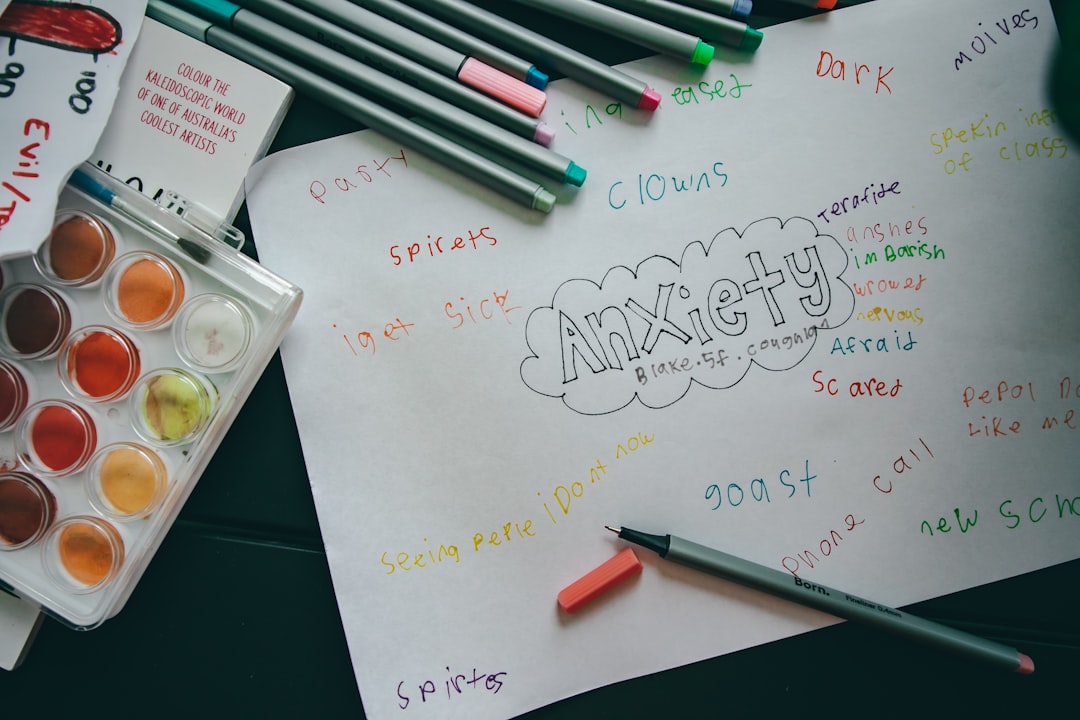
Before we dive into the stress management tips, it’s essential to understand what stress is and how it affects your body and mind. Stress is a natural response to a perceived threat or pressure, triggering the release of hormones like adrenaline and cortisol. While some stress can be beneficial, helping you stay focused and motivated, chronic stress can have severe consequences on your physical and mental health. It can lead to anxiety, depression, insomnia, and a weakened immune system, among other issues. Chronic stress can also affect your relationships, work performance, and overall well-being.
To manage stress effectively, it’s crucial to identify the sources of stress in your life. Is it your job, finances, or personal relationships? Once you’re aware of the stressors, you can start working on strategies to mitigate their impact. This might involve setting boundaries, prioritizing tasks, or seeking support from friends, family, or a therapist. Remember, stress management is a personal and ongoing process, requiring patience, self-awareness, and a willingness to make lifestyle changes.
Mindfulness and Meditation: Powerful Tools for Stress Reduction
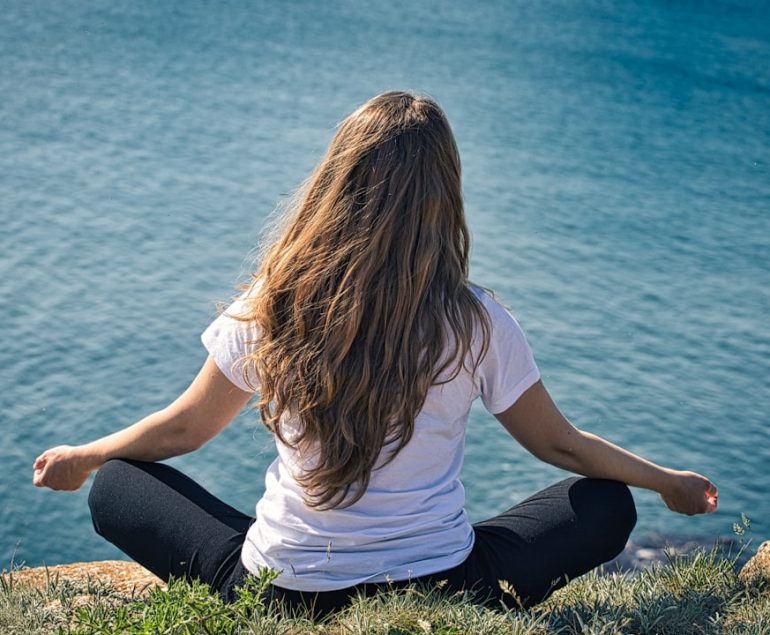
Mindfulness and meditation are two of the most effective stress management techniques, backed by scientific research and centuries of practice. Mindfulness involves being present in the moment, paying attention to your thoughts, feelings, and sensations without judgment. Meditation, on the other hand, is a specific practice that involves focusing your mind on a particular object, breath, or mantra to achieve a state of calm and relaxation. Regular mindfulness and meditation practice can help reduce stress and anxiety, improve sleep, and boost mood.
To get started with mindfulness and meditation, you can try simple exercises like deep breathing, body scan, or guided meditation. You can find many free resources online, including apps like Headspace and Calm, or YouTube channels like Meditation Oasis. Start with short sessions, 5-10 minutes a day, and gradually increase the duration as you become more comfortable with the practice. You can also incorporate mindfulness into your daily activities, such as eating, walking, or showering, by paying attention to your senses and the present moment.
Exercise and Physical Activity: Natural Stress Relievers
Exercise is a natural stress reliever, releasing endorphins and other chemicals that improve your mood and reduce anxiety. Regular physical activity can also help you sleep better, boost your energy levels, and enhance your overall well-being. The good news is that you don’t need to be a fitness enthusiast to reap the benefits of exercise. Even moderate physical activity, such as walking or yoga, can make a significant difference in your stress levels.
To incorporate exercise into your stress management routine, find an activity that you enjoy and that fits your lifestyle. This might be jogging, cycling, swimming, or dancing. Aim for at least 30 minutes of moderate-intensity exercise per day, and ideally, include a mix of cardio, strength training, and flexibility exercises. You can also try stress-reducing activities like tai chi, qigong, or Pilates, which combine physical movement with mindfulness and breath awareness.
Time Management and Productivity: Essential Skills for Stress Reduction
Poor time management and low productivity can be significant sources of stress, leading to feelings of overwhelm, guilt, and frustration. To manage your time effectively, it’s essential to prioritize your tasks, set realistic goals, and avoid multitasking. Start by making a to-do list, breaking down large tasks into smaller, manageable chunks, and focusing on one task at a time. Use tools like calendars, planners, or apps to stay organized and on track.
Another critical aspect of time management is learning to say no and set boundaries. Be mindful of your workload, avoid overcommitting, and prioritize self-care activities, such as meditation, exercise, or spending time with loved ones. Remember, taking care of yourself is not selfish; it’s essential for your well-being and productivity. By managing your time effectively, you’ll reduce stress, increase your sense of control, and achieve a better work-life balance.
Conclusion and Key Takeaways
Stress management is a journey, not a destination. It requires patience, self-awareness, and a willingness to make lifestyle changes. By incorporating mindfulness, meditation, exercise, and time management into your daily routine, you’ll be better equipped to handle stress and anxiety. Remember, stress is a natural part of life, but it doesn’t have to control your life. By taking small steps towards stress reduction, you’ll improve your overall well-being, increase your productivity, and enhance your relationships.
Key takeaways from this guide include:
- Identify the sources of stress in your life and work on strategies to mitigate their impact.
- Incorporate mindfulness and meditation into your daily routine to reduce stress and anxiety.
- Engage in regular exercise or physical activity to boost your mood and energy levels.
- Prioritize time management and productivity to reduce feelings of overwhelm and increase your sense of control.
- Remember to take care of yourself, set boundaries, and prioritize self-care activities.
By following these stress management tips and making them a part of your lifestyle, you’ll be well on your way to mastering the art of stress management. So, take a deep breath, relax, and start your journey towards a more balanced, happy, and stress-free life.