Are you tired of feeling like you’re drowning in a sea of stress and anxiety? Do you often find yourself wondering how to manage the overwhelming demands of modern life? You’re not alone. Stress has become an unwelcome companion for many of us, affecting not only our mental health but also our physical well-being. The good news is that there are many effective stress management techniques that can help you regain control over your life, reduce your stress levels, and find inner peace. In this comprehensive guide, we’ll explore the best stress management tips, from mindfulness and meditation to exercise and time management, to help you navigate the challenges of everyday life with greater ease and confidence.
Understanding Stress and Its Impact on Our Lives
Before we dive into the nitty-gritty of stress management, it’s essential to understand what stress is and how it affects our bodies and minds. Stress is a natural response to a perceived threat or pressure, triggering the release of hormones like cortisol and adrenaline. While these hormones can help us respond to immediate dangers, chronically elevated levels can lead to a range of negative effects, including anxiety, depression, insomnia, and a weakened immune system. Chronic stress can also affect our relationships, productivity, and overall quality of life, making it crucial to develop effective coping strategies.
To manage stress effectively, it’s vital to identify the sources of stress in your life. Common stressors include work-related pressures, financial worries, relationship issues, and health concerns. Once you’ve pinpointed the causes of your stress, you can start working on targeted solutions. For instance, if you’re experiencing work-related stress, you may want to explore stress management techniques like prioritization, delegation, and time management. If you’re struggling with financial stress, you could consider seeking the help of a financial advisor or creating a budget to regain control over your finances.
Mindfulness, Meditation, and Relaxation Techniques
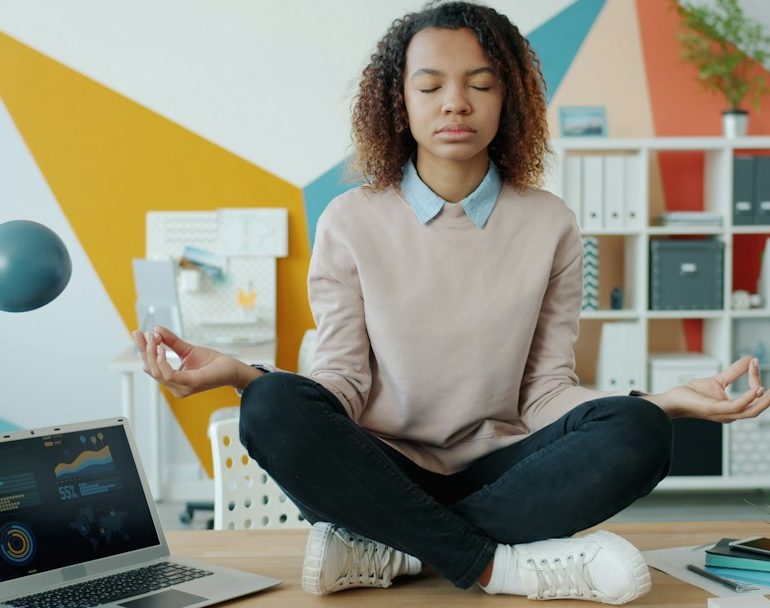
Mindfulness, meditation, and relaxation techniques are powerful tools for managing stress and anxiety. These practices help calm the mind, reduce stress hormones, and increase feelings of relaxation and well-being. Mindfulness involves being present in the moment, paying attention to your thoughts, feelings, and sensations without judgment. You can practice mindfulness through activities like walking, eating, or even doing the dishes. Meditation takes mindfulness a step further, focusing your attention on a specific object, such as your breath, a mantra, or a visualization.
Regular meditation practice has been shown to reduce stress, anxiety, and depression, while improving sleep quality, concentration, and mood. You can start with short meditation sessions, even just 5-10 minutes a day, and gradually increase the duration as you become more comfortable with the practice. There are many guided meditation apps, videos, and online resources available to help you get started. Relaxation techniques like deep breathing, progressive muscle relaxation, and yoga can also help reduce stress and promote relaxation. These practices can be done anywhere, at any time, making them a great addition to your stress management toolkit.
Exercise, Nutrition, and Sleep: The Foundation of Stress Resilience
Regular exercise, a balanced diet, and adequate sleep are essential for building stress resilience. Exercise is a natural stress-reliever, releasing endorphins that improve your mood and reduce anxiety. Aim for at least 30 minutes of moderate-intensity exercise per day, such as brisk walking, cycling, or swimming. You can also incorporate stress-reducing activities like yoga, tai chi, or Pilates into your routine.
A healthy diet rich in whole foods, fruits, vegetables, and lean proteins can help support your mental health and reduce stress. Avoid sugary, processed, and high-caffeine foods that can exacerbate stress and anxiety. Stay hydrated by drinking plenty of water throughout the day, and consider incorporating adaptogenic herbs like ashwagandha, ginseng, or rhodiola into your diet. These herbs have been shown to help reduce stress and improve mood.
Sleep is also crucial for stress management, as it allows your body to repair and recharge. Aim for 7-9 hours of sleep per night, establishing a consistent sleep schedule and creating a relaxing bedtime routine to improve sleep quality. Avoid screens, electronic devices, and stimulating activities before bedtime, and create a sleep-conducive environment that is dark, quiet, and cool.
Time Management and Boundary Setting: Taking Control of Your Life
Effective time management and boundary setting are essential for reducing stress and increasing productivity. When you’re able to manage your time effectively, you’ll feel more in control of your life, reducing feelings of overwhelm and anxiety. Start by prioritizing your tasks, focusing on the most important and urgent ones first. Use tools like to-do lists, calendars, and reminders to stay organized and on track.
Setting healthy boundaries is also vital for maintaining your mental and emotional well-being. Learn to say “no” to non-essential commitments, set realistic expectations with others, and prioritize self-care activities like exercise, meditation, and spending time with loved ones. Remember, taking care of yourself is not selfish; it’s essential for being able to show up fully in your life and relationships.
Conclusion: Taking the First Step Towards a Stress-Free Life
Managing stress is a journey, not a destination. It takes time, effort, and patience to develop effective coping strategies and make lasting changes. By incorporating mindfulness, meditation, exercise, nutrition, sleep, time management, and boundary setting into your daily routine, you’ll be better equipped to handle life’s challenges with greater ease and confidence. Remember, it’s okay to start small, and it’s essential to be kind to yourself along the way.
As you embark on this journey, keep in mind that stress management is not a one-size-fits-all approach. Experiment with different techniques, find what works best for you, and be patient with yourself as you navigate the ups and downs of life. With time and practice, you’ll develop the skills and resilience needed to manage stress effectively, leading to a happier, healthier, and more fulfilling life. So, take the first step today, and start cultivating the inner peace and calm that you deserve.