Are you tired of feeling like you’re drowning in a sea of stress and anxiety? Do you often find yourself wondering how to manage the overwhelming demands of modern life? You’re not alone. Stress has become an unwelcome companion for many of us, affecting not only our mental well-being but also our physical health. The good news is that there are many effective stress management techniques that can help you regain control, reduce anxiety, and improve your overall quality of life. In this comprehensive guide, we’ll explore the best stress management tips, from mindfulness and meditation to exercise and time management, to help you find calm in the midst of chaos.
Understanding Stress: The Silent Killer
Before we dive into the nitty-gritty of stress management, it’s essential to understand what stress is and how it affects our bodies. Stress is a natural response to a perceived threat or pressure, triggering the release of hormones like cortisol and adrenaline. While some stress can be beneficial, motivating us to take action and meet deadlines, chronic stress can have severe consequences on our physical and mental health. It can lead to anxiety, depression, insomnia, digestive problems, and even cardiovascular disease. The American Psychological Association (APA) reports that stress can also impact our relationships, work performance, and overall well-being. By recognizing the signs of stress, such as headaches, fatigue, and irritability, we can take the first step towards managing it.
Mindfulness and Meditation: The Power of Presence
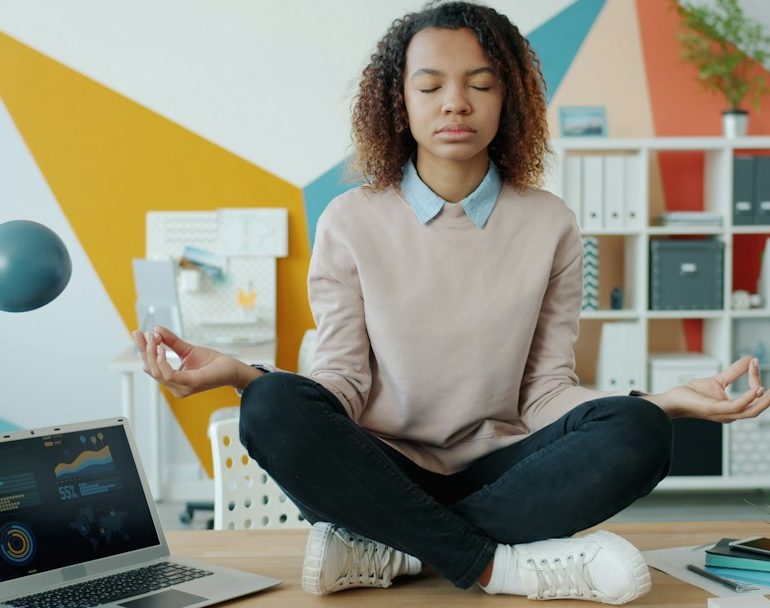
Mindfulness and meditation are two of the most effective stress management techniques, offering a powerful antidote to the chaos of modern life. These practices involve cultivating present-moment awareness, focusing on the breath, body, or emotions, and letting go of worries about the past or future. Regular mindfulness practice has been shown to reduce stress and anxiety, improve mood, and enhance cognitive function. You can start with simple mindfulness exercises like deep breathing, body scan, or guided meditation. Apps like Headspace, Calm, and Insight Timer offer a wide range of meditation and mindfulness programs to suit your needs and schedule. Even a few minutes of mindfulness practice each day can make a significant difference in your stress levels and overall well-being.
Exercise and Physical Activity: Moving Towards Stress Relief
Exercise is a natural stress-reliever, releasing endorphins, also known as “feel-good” hormones, which help alleviate anxiety and improve mood. Regular physical activity can also reduce symptoms of depression, improve sleep quality, and boost self-esteem. The key is to find an exercise routine that you enjoy, whether it’s walking, running, swimming, or dancing. Aerobic exercises, like cardio and HIIT (High-Intensity Interval Training), are particularly effective in reducing stress and anxiety. Yoga, Pilates, and tai chi are also excellent options, combining physical movement with mindfulness and breathing techniques. The Centers for Disease Control and Prevention (CDC) recommend at least 150 minutes of moderate-intensity exercise or 75 minutes of vigorous-intensity exercise per week. So, get moving, and watch your stress levels melt away!
Time Management and Productivity: Taking Control of Your Schedule
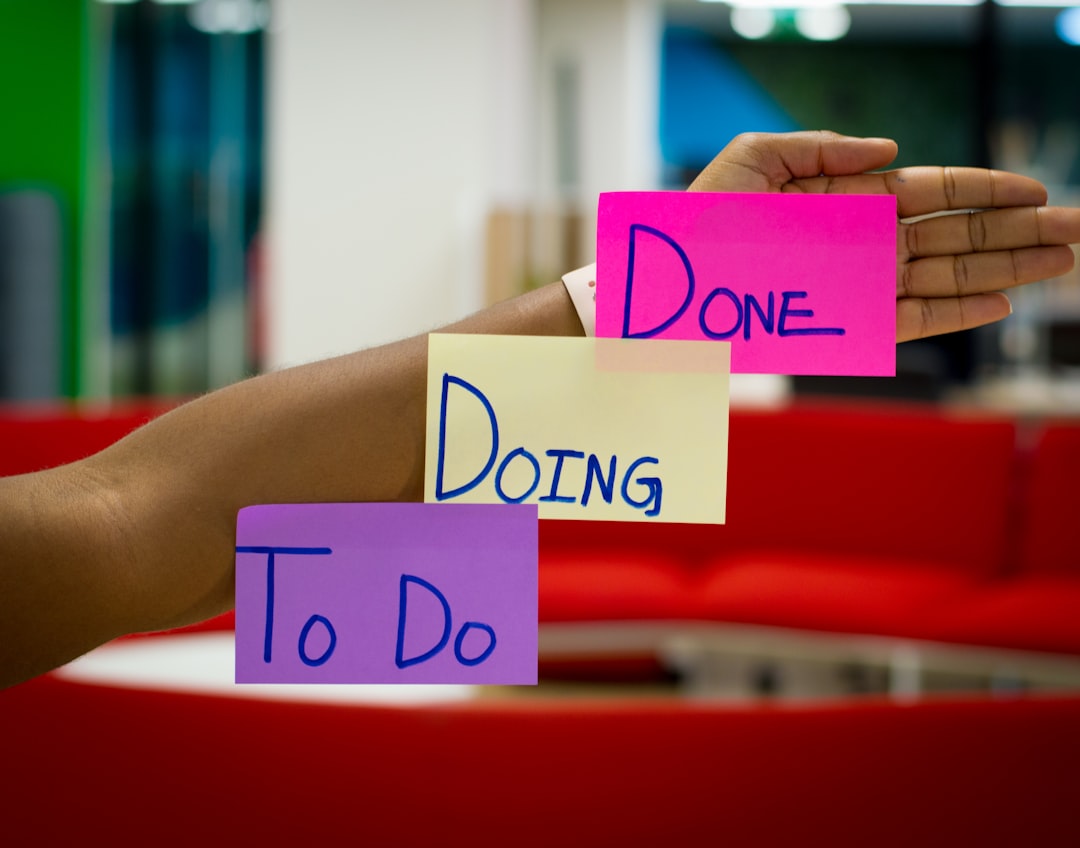
Poor time management can be a significant contributor to stress, leading to feelings of overwhelm and burnout. By taking control of your schedule and prioritizing tasks, you can reduce stress and increase productivity. The Pomodoro Technique, which involves working in focused 25-minute increments, followed by a 5-minute break, can be a game-changer. Other effective time management strategies include setting clear goals, avoiding multitasking, and learning to say “no” to non-essential tasks. The Eisenhower Matrix, which helps you categorize tasks into urgent vs. important and focus on the most critical ones first, is another valuable tool. By streamlining your workflow and minimizing distractions, you can free up time and mental energy for more enjoyable activities, reducing stress and increasing overall satisfaction.
Nutrition and Self-Care: Nourishing Your Body and Soul
A healthy diet and self-care routine can play a significant role in stress management, providing your body with the necessary nutrients and energy to cope with stress. Foods rich in omega-3 fatty acids, such as salmon and walnuts, can help reduce inflammation and anxiety. Complex carbohydrates, like whole grains and fruits, can stabilize blood sugar levels and promote feelings of calm. A balanced diet, combined with regular hydration and sufficient sleep, can help regulate stress hormones and support overall well-being. Self-care activities, such as reading, listening to music, or spending time in nature, can also help reduce stress and promote relaxation. By prioritizing your physical and emotional needs, you can build resilience and better navigate life’s challenges.
In conclusion, stress management is a journey, not a destination. By incorporating these effective stress management techniques into your daily routine, you can reduce anxiety, improve your mood, and enhance your overall quality of life. Remember, it’s essential to be patient and compassionate with yourself as you navigate the ups and downs of life. By taking small steps towards stress reduction and self-care, you can create a more balanced, fulfilling, and joyful existence. So, take a deep breath, let go of stress, and start living the life you deserve. Key takeaways:
- Mindfulness and meditation can reduce stress and anxiety
- Exercise and physical activity can improve mood and reduce symptoms of depression
- Effective time management can increase productivity and reduce feelings of overwhelm
- A healthy diet and self-care routine can support overall well-being and resilience
- Stress management is a journey, and patience and self-compassion are essential
By following these stress management tips and prioritizing your well-being, you can find calm in the chaos and live a healthier, happier life.