As the old adage goes, “you are what you eat.” But have you ever stopped to think about the impact that your daily food choices have on your overall health and wellbeing? From boosting energy levels to supporting weight management, a balanced diet plays a critical role in maintaining optimal health. In this comprehensive guide, we’ll delve into the world of nutrition, exploring the key principles, benefits, and practical tips for making informed food choices that will transform your body and mind. Whether you’re a health enthusiast or just starting out on your wellness journey, this article will provide you with the valuable insights and actionable advice you need to unlock the full potential of nutrition.
Understanding the Basics of Nutrition
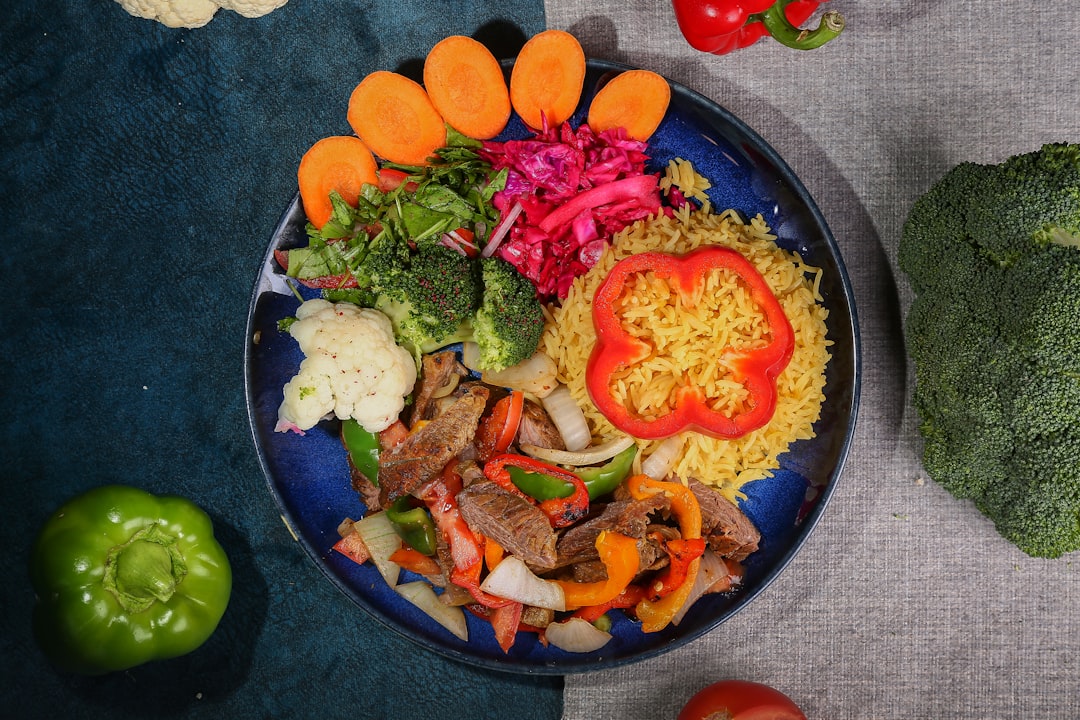
Before we dive into the nitty-gritty of nutrition, it’s essential to understand the fundamental principles that underpin a healthy diet. A well-balanced meal plan should comprise a variety of whole foods, including fruits, vegetables, whole grains, lean proteins, and healthy fats. These food groups provide the body with the necessary building blocks for growth, repair, and maintenance, including essential nutrients like vitamins, minerals, and macronutrients. Aiming to include a rainbow of colors on your plate is a great way to ensure you’re getting a broad spectrum of nutrients, as different colored foods often contain unique phytochemicals and antioxidants.
In addition to whole foods, it’s also important to be mindful of portion sizes and overall calorie intake. Eating too much or too little can have negative consequences for your health, from weight gain and obesity to nutrient deficiencies and disordered eating. A general rule of thumb is to focus on whole, unprocessed foods, and save treats and indulgences for special occasions. By prioritizing nutrient-dense foods and being mindful of your overall calorie intake, you’ll be well on your way to establishing a healthy and balanced diet.
The Benefits of Good Nutrition
So, why is nutrition so important? The benefits of a well-balanced diet are numerous, and can have a significant impact on both physical and mental health. Some of the key advantages of good nutrition include:
- Weight management: A healthy diet can help you achieve and maintain a healthy weight, reducing the risk of obesity-related diseases like diabetes, heart disease, and certain types of cancer.
- Energy and performance: A balanced diet provides the body with the necessary fuel for optimal energy production, making it easier to power through your day and perform at your best.
- Mental health and wellbeing: A diet rich in whole foods and essential nutrients can help support mental health, reducing the risk of anxiety, depression, and other mood disorders.
- Disease prevention: A well-balanced diet can help reduce the risk of chronic diseases, from heart disease and stroke to certain types of cancer and osteoporosis.
- Start small: Don’t try to overhaul your diet overnight – start by making small changes, like adding a serving of fruits or vegetables to your meals or switching to whole grain bread.
- Plan ahead: Take the time to plan out your meals for the week, making a grocery list and sticking to it to avoid last-minute takeout or fast food.
- Shop the perimeter of the grocery store: Focus on whole foods like produce, meats, and dairy products, rather than processed and packaged goods.
- Cook at home: Cooking at home allows you to control the ingredients and portion sizes of your meals, making it easier to make healthy choices.
- Stay hydrated: Adequate hydration is essential for overall health, so make sure to drink plenty of water throughout the day.
- Vegan and vegetarian diets: Plant-based diets can be a great option for those looking to reduce their environmental impact or follow a more humane lifestyle.
- Gluten-free diets: For individuals with celiac disease or gluten intolerance, a gluten-free diet can help alleviate symptoms and support overall health.
- Low-carb diets: Reducing carbohydrate intake can be beneficial for those looking to manage blood sugar or achieve weight loss.
- Keto diets: A ketogenic diet, which is high in fat and low in carbohydrates, can be an effective way to achieve weight loss and improve blood sugar control.
- A balanced diet comprising whole foods, fruits, vegetables, whole grains, lean proteins, and healthy fats is essential for optimal health.
- Being mindful of portion sizes and overall calorie intake is crucial for maintaining a healthy weight and supporting overall health.
- A well-balanced diet can help reduce the risk of chronic diseases, support mental health and wellbeing, and boost energy levels.
- Practical tips like starting small, planning ahead, and cooking at home can help you make healthy changes to your diet.
- Specialized nutrition and diets, such as vegan, gluten-free, low-carb, and keto diets, may be necessary for individuals with unique needs or health goals.
By incorporating a variety of whole foods into your diet and being mindful of your overall nutrition, you can experience these benefits for yourself and enjoy a healthier, happier life.
Practical Tips for Healthy Eating
So, how can you start making healthy changes to your diet? Here are some practical tips for incorporating more whole foods and essential nutrients into your meal plan:
By following these tips and making a few simple changes to your daily routine, you can start experiencing the benefits of good nutrition for yourself.
Specialized Nutrition and Diets
While a balanced diet is essential for overall health, some individuals may require specialized nutrition or diets to meet their unique needs. This can include:
It’s essential to consult with a healthcare professional or registered dietitian before making any significant changes to your diet, as they can help you determine the best approach for your individual needs and health goals.
Conclusion
In conclusion, nutrition plays a vital role in maintaining optimal health and wellbeing. By understanding the basics of nutrition, incorporating whole foods and essential nutrients into your diet, and being mindful of your overall calorie intake, you can experience the numerous benefits of good nutrition for yourself. Whether you’re looking to manage your weight, boost your energy levels, or simply feel your best, a well-balanced diet is the foundation upon which all other aspects of health are built. Remember to start small, plan ahead, and stay hydrated, and don’t be afraid to seek out professional guidance if you need help getting started. With the right knowledge and support, you can unlock the full potential of nutrition and achieve a happier, healthier you.
Key takeaways: