—
Introduction – Why Nutrition Is the Real Super‑Power You’ve Been Overlooking
Imagine you had a remote control that could instantly boost your energy, sharpen your focus, and protect you from illness. What if I told you that remote control already exists, and it lives right inside the food you eat? That’s the magic of nutrition—the science of how the foods we choose fuel every cell, tissue, and organ in our bodies.
In a world bombarded with fad diets, miracle supplements, and contradictory headlines, it’s easy to feel lost. But you don’t need a Ph.D. in biochemistry to make smarter food choices. All you need is a clear roadmap that translates complex nutrition science into everyday actions you can start using today.
In this 2,000‑word deep dive, we’ll break down the fundamentals of nutrition, show you how to build a truly balanced plate, and hand you a toolbox of actionable nutrition tips that fit any lifestyle. Whether you’re a busy professional, a parent juggling meals for the family, or someone simply curious about how to feel your best, this guide will give you the confidence to eat with purpose.
—
1. Nutrition 101: The Building Blocks of a Healthy Body
#### 1.1 What Is Nutrition, Anyway?
At its core, nutrition is the study of how the foods we consume affect our health, growth, and performance. It’s not just about calories; it’s about the quality, timing, and combination of nutrients that your body needs to thrive.
Key terms to know:
| Term | Simple Definition |
|——|——————-|
| Macronutrients | Nutrients your body needs in large amounts – carbohydrates, proteins, and fats. |
| Micronutrients | Vitamins and minerals required in smaller quantities but essential for metabolic pathways. |
| Caloric Density | The number of calories per gram of food (e.g., oil is high, leafy greens are low). |
| Glycemic Index (GI) | A measure of how quickly carbs raise blood sugar. |
| Fiber | Indigestible carbohydrate that supports gut health and satiety. |
#### 1.2 The Energy Equation: Calories In vs. Calories Out
While the “calories‑in, calories‑out” model is a simplification, it remains a useful starting point for weight management. Energy balance occurs when the calories you consume equal the calories you expend through basal metabolism, daily activity, and exercise.
- Positive Energy Balance → Weight gain (if sustained).
- Negative Energy Balance → Weight loss (if sustained).
- Immune function (vitamin C, zinc, selenium)
- Bone health (calcium, vitamin D, magnesium)
- Energy production (B‑vitamins, iron)
- Brain health (omega‑3 fatty acids, vitamin E)
- Recommended intake: 0.8–1.0 g per kilogram of body weight for sedentary adults; 1.2–2.0 g/kg for athletes or those aiming for weight loss while preserving muscle.
- Best sources:
- Red: Tomatoes, strawberries – lycopene, vitamin C.
- Orange/Yellow: Carrots, bell peppers – beta‑carotene (vitamin A).
- Green: Spinach, broccoli – iron, calcium, folate.
- Blue/Purple: Blueberries, eggplant – anthocyanins, antioxidants.
- White/Brown: Garlic, mushrooms – selenium, potassium.
- Pre‑Workout (30‑60 min before): A small carb‑protein combo (e.g., banana + a spoonful of peanut butter) fuels muscles without causing stomach upset.
- Post‑Workout (within 2 hrs): Aim for a 3:1 carb‑to‑protein ratio to replenish glycogen and jump‑start muscle repair (e.g., Greek yogurt with berries).
- Evening: Keep dinner lighter on carbs if you’re sensitive to nighttime blood‑sugar spikes; focus on protein, veggies, and healthy fats.
- Restaurant Hacks: Ask for dressings on the side, swap fries for a side salad, or request grilled instead of fried.
- Potluck Planning: Bring a nutrient‑dense dish (e.g., quinoa salad with veggies and feta) that aligns with your goals and offers a healthy option for others.
- Mindful Eating: Slow down, chew thoroughly, and pause between bites. This practice helps you recognize fullness cues and reduces overeating.
- Energy Levels: Rate your daily energy on a 1‑10 scale.
- Sleep Quality: Track hours and perceived restfulness.
- Performance: Note improvements in strength, endurance, or mental focus.
- Body Measurements: Waist, hips, and muscle circumference.
- Prioritize protein: Higher protein intake (≈ 25–30 % of total calories) boosts satiety and thermogenesis.
- Incorporate volume foods: Low‑calorie, high‑water vegetables increase fullness without adding many calories.
- Limit liquid calories: Swap sugary drinks for water, herbal tea, or black coffee.
But remember: not all calories are created equal. 100 calories from a sugary soda affect blood sugar and hunger differently than 100 calories from a handful of almonds, which also deliver protein, healthy fats, and fiber.
#### 1.3 Why Micronutrients Matter (Even When You’re Not Deficient)
Vitamins and minerals act as co‑enzymes and regulators for virtually every biochemical reaction in the body. A deficiency can manifest as fatigue, poor immunity, or mood swings, while optimal levels support:
Bottom line: Aim for a colorful, varied diet to naturally hit the micronutrient sweet spot—no need for megadoses unless prescribed.
—
2. Building a Balanced Plate: Mastering Macronutrients & Micronutrients
#### 2.1 Carbohydrates – The Body’s Preferred Fuel (When Chosen Wisely)
Carbs are often the scapegoat, but they’re essential for brain function, high‑intensity exercise, and recovery. The trick is to prioritize complex, fiber‑rich carbs over refined sugars.
| Food Type | Examples | Benefits |
|———–|———-|———-|
| Whole Grains | Quinoa, brown rice, oats, whole‑wheat pasta | Steady glucose release, fiber, B‑vitamins |
| Starchy Vegetables | Sweet potatoes, squash, corn | Vitamins A & C, potassium |
| Legumes | Lentils, chickpeas, black beans | Plant protein + fiber + iron |
| Fruits | Berries, apples, oranges | Antioxidants, natural sugars, fiber |
Actionable tip: Follow the “half‑plate rule”—fill half your plate with non‑starchy vegetables, a quarter with lean protein, and a quarter with whole‑grain carbs. This visual cue automatically balances macronutrients and keeps portions in check.
#### 2.2 Protein – The Repair Crew for Muscles, Hormones, and Enzymes
Protein supplies essential amino acids that the body cannot synthesize. Adequate protein supports muscle maintenance, satiety, and metabolic health.
– Animal: Chicken breast, turkey, fish (salmon, sardines), Greek yogurt, eggs, lean beef.
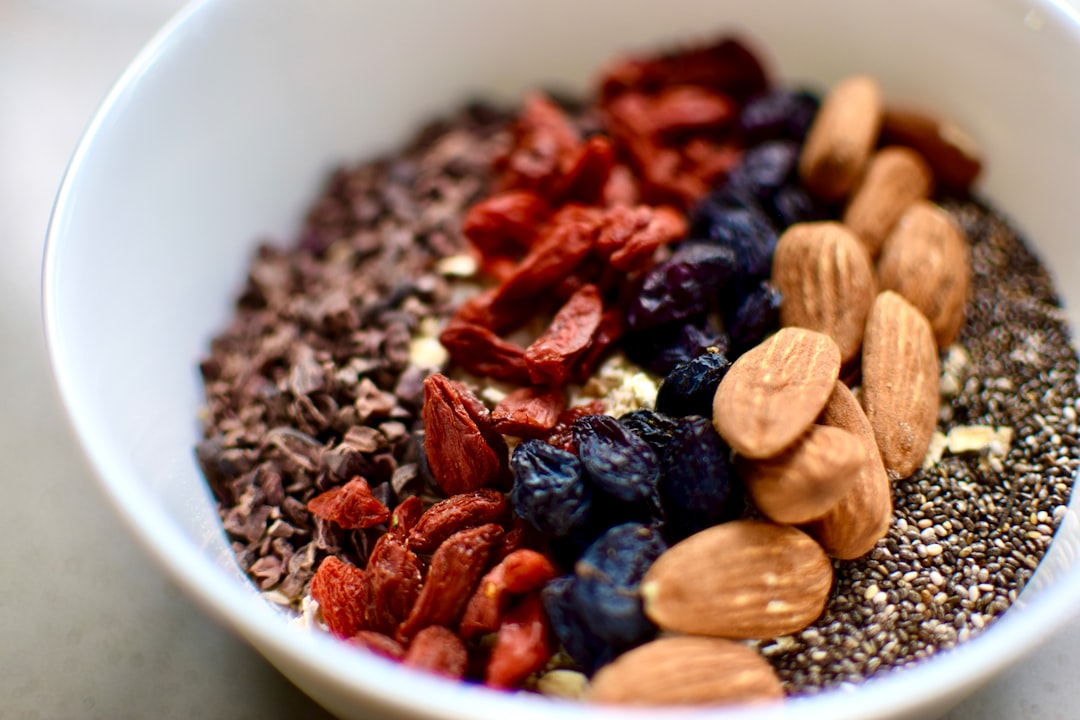
– Plant: Tofu, tempeh, edamame, quinoa, nuts, seeds, pea protein.
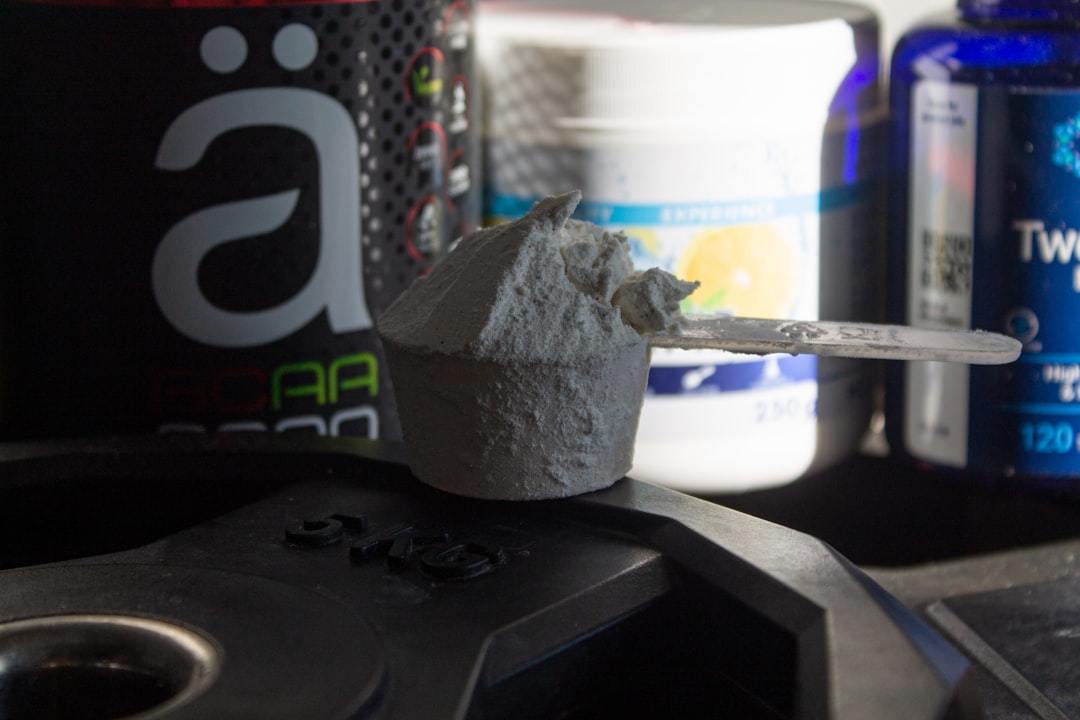
Actionable tip: Include a source of protein in every meal and snack. For example, add a boiled egg to your morning toast, toss chickpeas into a salad, or blend a scoop of whey or plant protein into a smoothie.
#### 2.3 Fats – The “Good” Guys You Can’t Live Without
Fats are often misunderstood, yet they are vital for hormone production, nutrient absorption, and brain health. Distinguish between healthy fats (monounsaturated, polyunsaturated, omega‑3) and unhealthy fats (trans fats, excess saturated fats).
| Fat Type | Food Sources | Health Impact |
|———-|————–|—————|
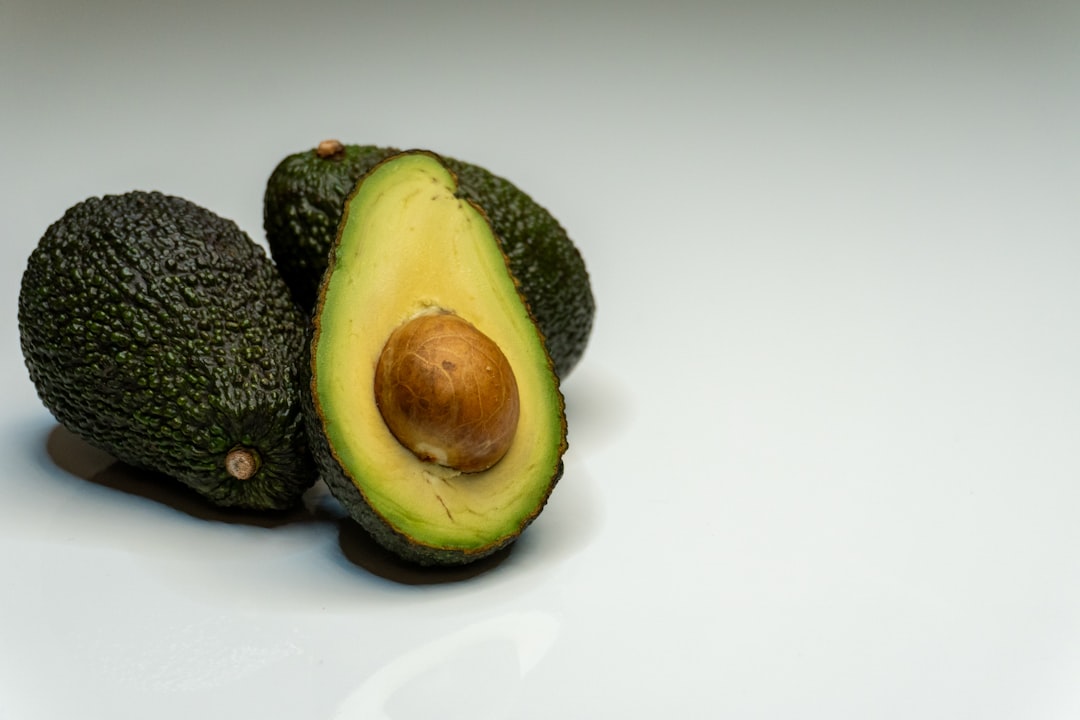
| Monounsaturated | Olive oil, avocados, almonds | Improves cholesterol, anti‑inflammatory |
| Polyunsaturated (Omega‑3) | Fatty fish, flaxseeds, walnuts | Supports heart & brain, reduces inflammation |
| Saturated | Coconut oil, butter (in moderation) | Can raise LDL cholesterol if over‑consumed |
| Trans | Processed baked goods, fried foods | Increases heart disease risk – avoid |
Actionable tip: Use the “hand‑method” for portion control: a palm‑sized serving of protein, a fist‑sized serving of veggies, a cupped‑hand of carbs, and a thumb‑sized serving of healthy fat (e.g., 1 tbsp olive oil or a small handful of nuts).
#### 2.4 Micronutrient Powerhouses – Color Your Plate
A rainbow diet isn’t just a marketing phrase; it’s a practical way to ensure you hit a broad spectrum of vitamins and minerals.
Actionable tip: Challenge yourself to “eat the rainbow” at least three times a week. Keep a simple checklist on your fridge and tick off each color as you incorporate it into meals.
—
3. Practical Nutrition Strategies for Everyday Life
#### 3.1 Meal Planning Made Simple (No Chef Required)
A solid meal plan removes the guesswork that often leads to fast‑food choices. Here’s a 5‑step framework you can implement in under an hour each weekend:
1. Inventory – Check what you already have (canned beans, frozen veggies, whole grains).
2. Choose a Theme – “Mediterranean Monday,” “Stir‑Fry Thursday,” etc., to simplify recipe selection.
3. Batch Cook Staples – Cook a big pot of quinoa, roast a tray of mixed veggies, grill chicken breasts. Store in airtight containers.
4. Portion & Pack – Divide staples into single‑serve containers; add a protein, a carb, and a veggie for each.
5. Prep Snacks – Portion nuts, cut fruit, or make hummus‑filled veggie sticks to curb cravings.
Pro tip: Use a digital grocery list app that syncs across devices, and set a reminder for a weekly “shopping day” to keep your pantry stocked.
#### 3.2 Smart Grocery Shopping – The “Nutrition Checklist”
| Category | What to Look For | What to Avoid |
|———-|——————|—————|
| Produce | Fresh, frozen, or canned (no added sugar or salt) | Pre‑cut fruit in sugary syrup |
| Whole Grains | 100 % whole‑wheat, brown rice, oats | “Multigrain” or “wheat‑enriched” |
| Protein | Lean cuts, wild‑caught fish, plant‑based beans | Processed meats, “flavored” chicken nuggets |
| Fats | Extra‑virgin olive oil, avocado oil, nuts | Hydrogenated oils, “light” mayo (often contains trans fats) |
| Beverages | Water, unsweetened tea, coffee | Sugary sodas, “energy drinks” |
Actionable tip: Stick to the perimeter of the grocery store where fresh foods are typically displayed. The middle aisles are usually home to processed items high in added sugars, sodium, and unhealthy fats.
#### 3.3 Timing Matters: When to Eat for Energy & Recovery
Actionable tip: Use a simple “fuel‑fuel‑repair” mantra: Fuel before activity, repair after, and maintain steady energy throughout the day with balanced meals.
#### 3.4 Navigating Social Situations Without Derailing Your Goals
Actionable tip: Set a “one‑plate rule” – fill one plate with the foods you truly enjoy, and let the rest of the meal be a balanced accompaniment. This prevents the “all‑or‑nothing” mindset.
#### 3.5 Tracking Progress – Not Just the Scale
While weight can be a useful metric, it doesn’t tell the whole story. Use a multi‑dimensional tracking system:
Actionable tip: Choose a free app (e.g., MyFitnessPal, Cronometer) to log food and symptoms. Review trends every two weeks and adjust your nutrition plan accordingly.
—
4. Special Topics: Nutrition for Weight Management, Immunity, and Gut Health
#### 4.1 Weight Management – The Sustainable, Science‑Backed Way
Key principle: Create a modest calorie deficit (≈ 10–20 % of maintenance) while preserving lean muscle mass.
Actionable tip: **“