As the old adage goes, “you are what you eat.” In today’s fast-paced world, it’s easy to get caught up in the hustle and bustle of daily life and neglect our diets. But the truth is, nutrition plays a vital role in our overall health and wellbeing. A well-balanced diet can boost our energy levels, improve our mental clarity, and even help prevent chronic diseases. In this comprehensive guide, we’ll delve into the world of nutrition and explore the latest research, trends, and tips to help you achieve optimal health.
Understanding the Basics of Nutrition
Before we dive into the nitty-gritty of nutrition, it’s essential to understand the basics. Nutrition refers to the process of providing our bodies with the necessary nutrients, vitamins, and minerals to function properly. A balanced diet typically consists of a combination of carbohydrates, proteins, and fats, along with essential vitamins and minerals. The key is to find the right balance of these macronutrients to support our individual needs. For example, athletes may require more protein to support muscle growth and repair, while individuals with diabetes may need to monitor their carbohydrate intake to manage blood sugar levels.
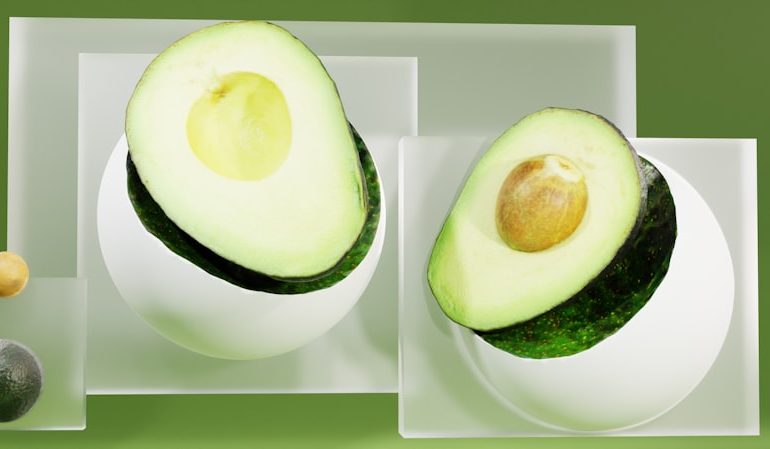
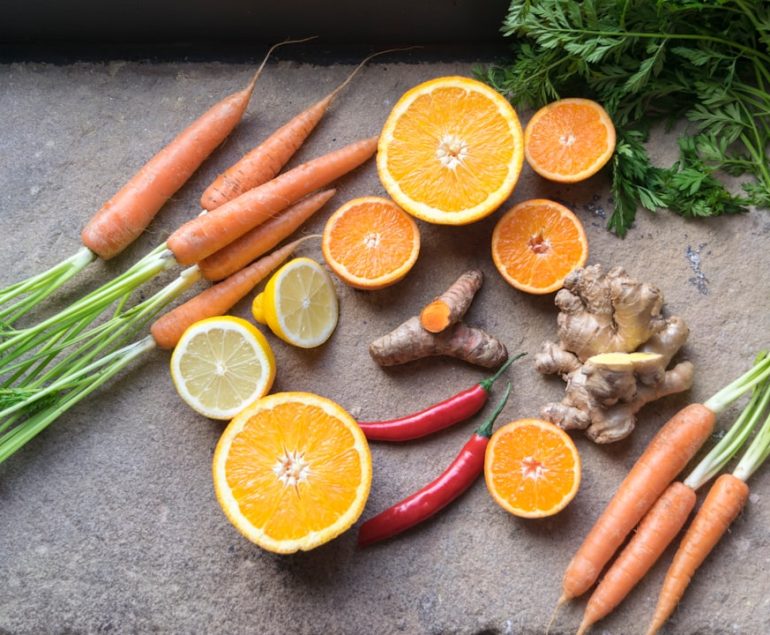
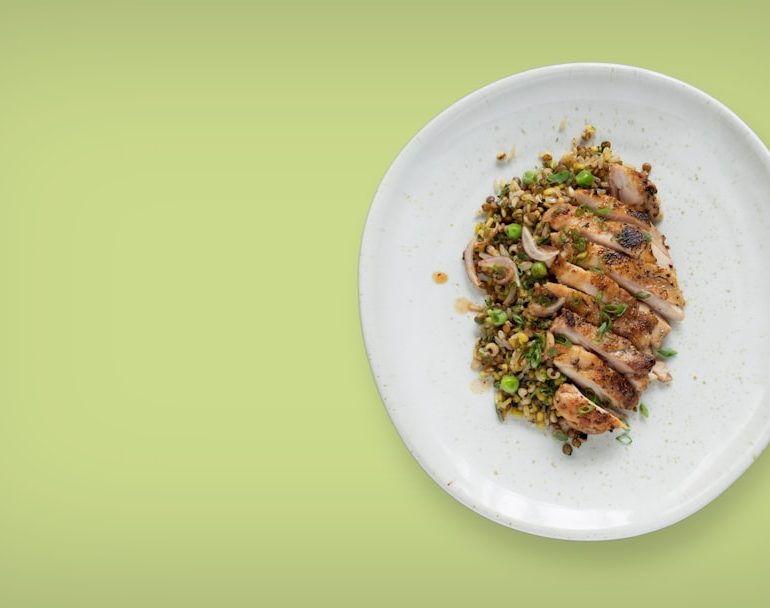
One of the most important aspects of nutrition is understanding the concept of macronutrients. Carbohydrates, such as whole grains, fruits, and vegetables, provide energy for our bodies. Proteins, found in foods like lean meats, fish, and legumes, are essential for building and repairing tissues. Fats, including healthy fats like nuts, seeds, and avocados, support heart health and provide sustained energy. By understanding the role of each macronutrient, we can make informed decisions about the foods we eat and create a balanced diet that supports our overall health.
The Importance of Meal Planning and Preparation
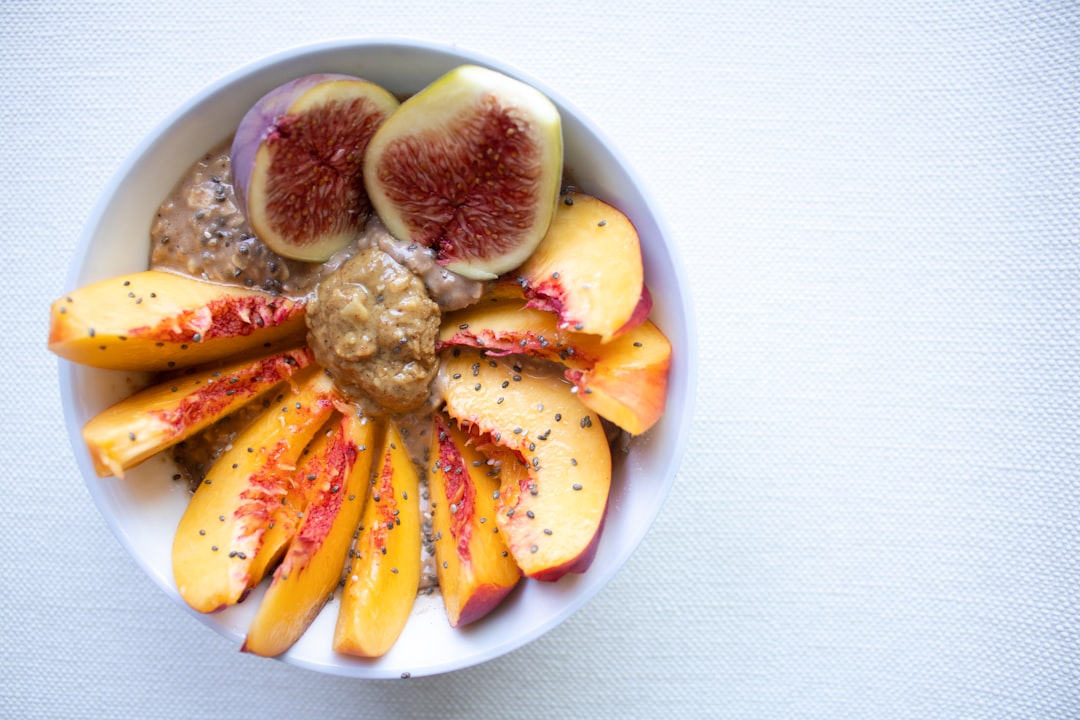
Meal planning and preparation are crucial components of a healthy diet. By taking the time to plan and prepare our meals, we can ensure that we’re getting the nutrients we need to support our bodies. One of the most effective ways to do this is by creating a meal plan that includes a variety of whole, unprocessed foods. This can include foods like lean meats, whole grains, fruits, and vegetables, as well as healthy fats like nuts and seeds. By incorporating these foods into our diets, we can provide our bodies with the necessary building blocks to support optimal health.
In addition to meal planning, preparation is also key. This can include cooking meals in advance, packing healthy snacks, and finding healthy alternatives to our favorite foods. For example, instead of reaching for a bag of chips, we can opt for a handful of raw almonds or a piece of fresh fruit. By making these small changes, we can significantly impact our overall health and wellbeing. Furthermore, meal planning and preparation can also help us save time and money, as we’re less likely to rely on convenience foods or takeout.
The Role of Supplements and Vitamins in Nutrition
While a balanced diet should provide us with all the necessary nutrients, there may be times when supplements and vitamins are necessary. For example, individuals with certain medical conditions, such as celiac disease or Crohn’s disease, may require supplements to support their nutritional needs. Additionally, pregnant or breastfeeding women may need to take supplements to ensure they’re getting enough essential nutrients. However, it’s essential to remember that supplements should not replace a healthy diet, but rather complement it.
When it comes to choosing supplements, it’s crucial to do our research and select high-quality products from reputable manufacturers. This can include reading labels, checking for third-party certification, and consulting with a healthcare professional. Some of the most essential supplements include multivitamins, omega-3 fatty acids, and probiotics. Multivitamins can help fill any nutritional gaps in our diets, while omega-3 fatty acids support heart health and brain function. Probiotics, on the other hand, can help support gut health and boost our immune systems.
Nutrition Trends and Research
The world of nutrition is constantly evolving, with new research and trends emerging all the time. One of the most significant trends in recent years is the rise of plant-based diets. With more people adopting vegetarian and vegan lifestyles, there’s a growing demand for plant-based alternatives to traditional meat products. This can include foods like tofu, tempeh, and seitan, as well as plant-based milk alternatives like almond and soy milk. By incorporating more plant-based foods into our diets, we can reduce our environmental impact, support animal welfare, and improve our overall health.
Another area of research that’s gaining attention is the role of gut health in nutrition. Our gut microbiome plays a critical role in our overall health, influencing everything from our digestion to our immune systems. By supporting our gut health through foods like fermented vegetables, probiotics, and prebiotics, we can boost our energy levels, improve our mental clarity, and even support weight loss. Additionally, research has shown that an imbalance of gut bacteria, also known as dysbiosis, can contribute to a range of chronic diseases, including obesity, diabetes, and heart disease.
Conclusion and Key Takeaways
In conclusion, nutrition plays a vital role in our overall health and wellbeing. By understanding the basics of nutrition, meal planning, and preparation, we can create a balanced diet that supports our individual needs. Additionally, supplements and vitamins can help fill any nutritional gaps, while staying up-to-date with the latest trends and research can help us stay ahead of the curve. Some key takeaways from this comprehensive guide include:
- Eating a balanced diet that includes a variety of whole, unprocessed foods
- Incorporating meal planning and preparation into our daily routines
- Considering supplements and vitamins to support our nutritional needs
- Staying up-to-date with the latest trends and research in nutrition
- Supporting gut health through foods like fermented vegetables, probiotics, and prebiotics
By following these tips and staying committed to our health goals, we can unlock the power of nutrition and achieve optimal health. Remember, nutrition is a journey, not a destination, and it’s never too late to make positive changes to our diets and lifestyles. So why not start today and take the first step towards a healthier, happier you? With the right knowledge, support, and mindset, we can achieve anything we set our minds to, and nutrition is no exception.