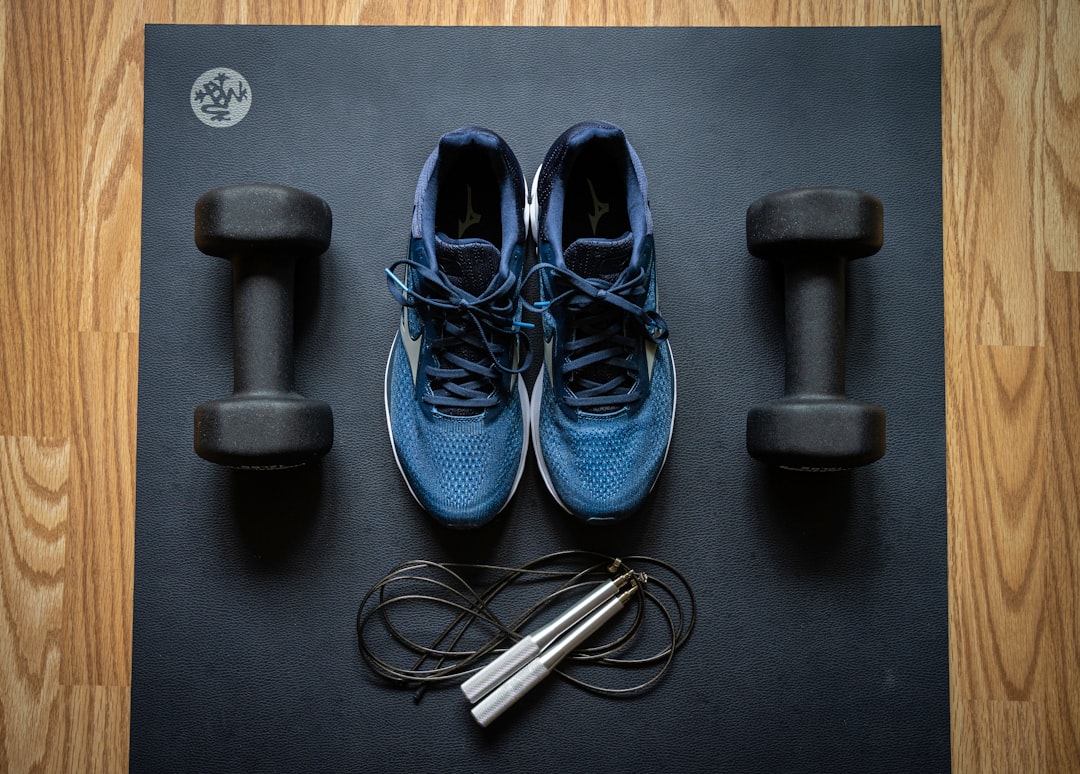
Get Moving: Unlock the Power of Exercise for a Healthier, Happier You

Are you tired of feeling sluggish, stressed, and stuck in a rut? Do you dream of having more energy, confidence, and overall well-being? If so, it’s time to get moving! Exercise is one of the most powerful tools we have to transform our bodies, minds, and lives. Not only can regular physical activity help us shed unwanted pounds and boost our mood, but it can also reduce our risk of chronic diseases, improve our sleep, and even increase our productivity. In this comprehensive guide, we’ll explore the numerous benefits of exercise and provide you with actionable tips to get started on your fitness journey.

The Physical Benefits of Exercise

Regular exercise is a proven way to improve our physical health, and the benefits are numerous. For one, exercise can help us lose weight and maintain weight loss over time. When combined with a healthy diet, physical activity can help us shed unwanted pounds and reduce our body mass index (BMI). Exercise can also improve our cardiovascular health by reducing our blood pressure, improving our circulation, and increasing our overall cardiovascular function. Additionally, regular physical activity can reduce our risk of developing type 2 diabetes, certain types of cancer, and osteoporosis. But that’s not all – exercise can also improve our bone density, reducing our risk of fractures and osteoporosis, and even reduce our risk of falls and injuries.

But how much exercise do we need to reap these benefits? The good news is that it’s not as much as you might think. The Centers for Disease Control and Prevention (CDC) recommend at least 150 minutes of moderate-intensity aerobic activity or 75 minutes of vigorous-intensity aerobic activity per week. You can also incorporate strength-training exercises, high-intensity interval training (HIIT), and other forms of physical activity into your routine to keep things interesting and prevent plateaus. The key is to find activities you enjoy and that fit your lifestyle, whether that’s walking, running, swimming, cycling, or dancing.

The Mental and Emotional Benefits of Exercise

Exercise is not just good for our bodies; it’s also a powerful tool for improving our mental and emotional well-being. Regular physical activity has been shown to reduce symptoms of anxiety and depression, improve our mood, and even reduce our risk of developing mental health conditions. Exercise can also improve our sleep quality, which is essential for our overall health and well-being. But how does exercise achieve these benefits? The answer lies in the release of endorphins, also known as “feel-good” hormones, which are produced by our brains in response to physical activity. Endorphins can help us feel more relaxed, calm, and centered, reducing our stress levels and improving our overall mood.

In addition to the release of endorphins, exercise can also improve our self-esteem and body confidence. When we engage in regular physical activity, we can develop a greater sense of control over our bodies and our lives, which can translate to other areas of our lives, such as our work, relationships, and personal goals. Exercise can also provide a sense of community and social connection, whether that’s through group fitness classes, sports teams, or workout buddies. And let’s not forget the sense of accomplishment and pride we feel when we push ourselves outside of our comfort zones and achieve our fitness goals.

The Long-Term Benefits of Exercise

The benefits of exercise don’t stop at the physical and mental benefits; regular physical activity can also have a significant impact on our long-term health and well-being. For one, exercise can reduce our risk of chronic diseases, such as heart disease, stroke, and cancer. Regular physical activity can also improve our cognitive function, reducing our risk of dementia and Alzheimer’s disease. And if that’s not enough, exercise can even increase our lifespan, with studies showing that regular physical activity can add years to our lives.

But how can we make exercise a sustainable part of our lives? The key is to find activities we enjoy and that fit our lifestyle, whether that’s walking, running, swimming, cycling, or dancing. We can also incorporate strength-training exercises, HIIT, and other forms of physical activity into our routine to keep things interesting and prevent plateaus. Additionally, scheduling exercise into our daily or weekly routine, just as we would any other important appointment, can help us stay on track and make physical activity a non-negotiable part of our lives.

Overcoming Barriers to Exercise

Despite the numerous benefits of exercise, many of us struggle to get started or stick with a regular fitness routine. One of the main barriers to exercise is lack of time, with many of us feeling too busy or overwhelmed to fit physical activity into our schedules. Another common barrier is lack of motivation, with many of us struggling to find the energy or enthusiasm to get moving. But the good news is that there are many ways to overcome these barriers and make exercise a priority.

For one, we can start small, with short, manageable workouts that fit into our busy schedules. We can also find activities we enjoy, whether that’s walking, running, swimming, cycling, or dancing, and make exercise a fun and pleasurable experience. Additionally, scheduling exercise into our daily or weekly routine, just as we would any other important appointment, can help us stay on track and make physical activity a non-negotiable part of our lives. We can also find workout buddies or accountability partners to provide support and motivation, and track our progress and celebrate our successes along the way.

Conclusion

In conclusion, the benefits of exercise are numerous and well-documented. From improving our physical health and reducing our risk of chronic diseases, to boosting our mood and improving our mental and emotional well-being, regular physical activity is a powerful tool for transforming our lives. By incorporating exercise into our daily or weekly routine, we can experience the many benefits of physical activity, from increased energy and confidence to improved sleep and cognitive function. So why not get moving today? Whether you’re a seasoned athlete or just starting out, there’s never been a better time to unlock the power of exercise and start living your best life. Remember, every step counts, and every workout is a step in the right direction. So find an activity you love, schedule it into your routine, and get ready to experience the transformative power of exercise for yourself.

Key takeaways:

  • Regular exercise can improve our physical health, reducing our risk of chronic diseases and improving our overall well-being.
  • Exercise can also improve our mental and emotional health, reducing symptoms of anxiety and depression and improving our mood.
  • The long-term benefits of exercise include reducing our risk of chronic diseases, improving our cognitive function, and increasing our lifespan.
  • To make exercise a sustainable part of our lives, we can find activities we enjoy, schedule physical activity into our routine, and track our progress and celebrate our successes along the way.
  • Overcoming barriers to exercise, such as lack of time and motivation, can be achieved by starting small, finding activities we enjoy, and finding workout buddies or accountability partners to provide support and motivation.

Unlock the Power of a Personalized Diet Plan: Transform Your Body and Mind

Are you tired of feeling sluggish, run down, and stuck in a rut? Do you struggle to shed those extra pounds or maintain a healthy weight? You’re not alone. With the plethora of diet trends and fad diets out there, it’s easy to get confused and overwhelmed. But what if you could unlock the secret to a personalized diet plan that’s tailored to your unique needs, lifestyle, and goals? In this comprehensive guide, we’ll delve into the world of diet planning, exploring the benefits, principles, and practical tips to help you create a customized diet plan that transforms your body and mind.

Understanding the Importance of a Diet Plan

A well-structured diet plan is more than just a list of foods to eat or avoid; it’s a holistic approach to nourishing your body and promoting overall wellness. A good diet plan takes into account your dietary needs, lifestyle, and health goals, providing a roadmap for achieving optimal health and fitness. By following a personalized diet plan, you can expect to experience a range of benefits, including:

  • Weight management: A diet plan helps you achieve and maintain a healthy weight, reducing the risk of chronic diseases like obesity, diabetes, and heart disease.
  • Improved energy levels: A balanced diet plan provides your body with the necessary fuel to function optimally, boosting energy levels and reducing fatigue.
  • Enhanced mental clarity: A healthy diet plan supports brain health, improving focus, concentration, and mental clarity.
  • Better digestion: A personalized diet plan helps regulate digestion, reducing symptoms of bloating, constipation, and other digestive issues.
  • To create an effective diet plan, it’s essential to understand the principles of nutrition and how different foods affect your body. This includes grasping the concepts of macronutrients (carbohydrates, protein, and fat), micronutrients (vitamins and minerals), and the importance of hydration. By understanding these fundamental principles, you’ll be better equipped to make informed decisions about your diet and lifestyle.

    Creating a Personalized Diet Plan

    So, how do you create a personalized diet plan that meets your unique needs and goals? Here are some actionable steps to get you started:

    1. Set clear goals: Define your health and fitness goals, whether it’s weight loss, improved energy levels, or enhanced athletic performance. Be specific, measurable, and achievable.
    2. Assess your dietary needs: Consider your age, sex, height, weight, and activity level to determine your daily calorie needs. You can use online calculators or consult with a registered dietitian to get a more accurate estimate.
    3. Keep a food diary: Track your eating habits, including the types of foods you eat, portion sizes, and meal frequencies. This will help you identify patterns, habits, and areas for improvement.
    4. Choose whole foods: Focus on whole, unprocessed foods like fruits, vegetables, whole grains, lean proteins, and healthy fats. These foods provide essential nutrients, fiber, and satiety.
    5. Incorporate physical activity: Regular exercise is essential for overall health and fitness. Aim for at least 150 minutes of moderate-intensity exercise or 75 minutes of vigorous-intensity exercise per week.
    6. Stay hydrated: Drink plenty of water throughout the day, aiming for at least 8 cups (64 ounces) daily.
    7. Seek professional guidance: Consult with a registered dietitian or healthcare professional to get personalized guidance and support.

    Some popular diet plans that you may consider include:

  • Keto diet: A high-fat, low-carbohydrate diet that promotes weight loss and improved blood sugar control.
  • Mediterranean diet: A balanced diet that emphasizes whole grains, fruits, vegetables, and healthy fats, reducing the risk of chronic diseases.
  • Intermittent fasting: A eating pattern that involves alternating periods of eating and fasting, promoting weight loss, improved insulin sensitivity, and increased longevity.
  • Overcoming Common Challenges and Setbacks

    Sticking to a diet plan can be challenging, especially when faced with setbacks, cravings, and social pressures. Here are some tips to help you overcome common obstacles:

  • Be kind to yourself: Remember that setbacks are a normal part of the journey. Don’t be too hard on yourself if you slip up – simply get back on track and move forward.
  • Find healthy alternatives: Satisfy your cravings with healthier alternatives, such as air-popped popcorn instead of chips or fruit salad instead of ice cream.
  • Stay accountable: Share your diet plan with a friend or family member and ask for their support. Join a weight loss community or find an online support group to stay motivated and inspired.
  • Celebrate milestones: Reward yourself for reaching milestones, such as completing a week of healthy eating or reaching a new personal best in your workouts.
  • Stay flexible: Be prepared to adjust your diet plan as your needs and goals change. Life is unpredictable, and your diet plan should be flexible enough to accommodate changes and challenges.
  • Maintaining a Healthy Lifestyle Beyond the Diet Plan

    A diet plan is just one aspect of a healthy lifestyle. To achieve long-term success and overall wellness, it’s essential to incorporate other healthy habits into your daily routine. Here are some tips to help you maintain a balanced lifestyle:

  • Get enough sleep: Aim for 7-9 hours of sleep per night to support weight regulation, immune function, and mental health.
  • Manage stress: Engage in stress-reducing activities like meditation, yoga, or deep breathing exercises to minimize the negative impact of stress on your body and mind.
  • Stay connected: Nurture relationships with family and friends, and prioritize social connections to support mental health and well-being.
  • Stay active: Incorporate physical activity into your daily routine, whether it’s walking, jogging, or simply taking the stairs instead of the elevator.
  • In conclusion, a personalized diet plan is a powerful tool for transforming your body and mind. By understanding the principles of nutrition, creating a customized diet plan, and incorporating healthy habits into your lifestyle, you can achieve optimal health and wellness. Remember to be patient, kind, and compassionate with yourself throughout your journey, and don’t be afraid to seek support and guidance when needed. With the right mindset and approach, you can unlock the power of a personalized diet plan and start living your best life today.

    Key takeaways:

  • A personalized diet plan is tailored to your unique needs, lifestyle, and goals.
  • Understanding the principles of nutrition is essential for creating an effective diet plan.
  • Incorporating whole foods, physical activity, and hydration is crucial for overall health and wellness.
  • Overcoming common challenges and setbacks requires kindness, flexibility, and accountability.
  • Maintaining a healthy lifestyle beyond the diet plan involves incorporating habits like sleep, stress management, social connections, and physical activity.

By following these principles and tips, you’ll be well on your way to creating a personalized diet plan that transforms your body and mind. Remember to stay informed, stay motivated, and always prioritize your health and well-being.

Unlock the Secrets to a Healthy Life: A Comprehensive Guide to Wellness

Are you tired of feeling sluggish, run down, and unmotivated? Do you want to boost your energy levels, improve your mood, and increase your overall sense of well-being? If so, you’re not alone. Millions of people around the world are searching for ways to stay healthy, and it’s easier than you think. By making a few simple changes to your daily routine, you can unlock the secrets to a healthy life and start feeling your best. In this comprehensive guide, we’ll explore the key principles of wellness, including nutrition, exercise, stress management, and sleep, and provide you with actionable tips and strategies to help you achieve your health goals.

Nutrition: The Foundation of Health

When it comes to staying healthy, nutrition is the foundation upon which everything else is built. The food we eat provides our bodies with the energy, nutrients, and building blocks it needs to function properly. A healthy diet should include a variety of whole, unprocessed foods such as fruits, vegetables, whole grains, lean proteins, and healthy fats. These foods provide essential vitamins, minerals, and antioxidants that help to protect our cells from damage, support immune function, and promote overall health. On the other hand, a diet that is high in processed and sugary foods can lead to a range of negative health consequences, including obesity, diabetes, and heart disease.

So, what can you do to improve your nutrition and stay healthy? Here are a few tips:

  • Eat a variety of colorful fruits and vegetables to ensure you’re getting a range of essential vitamins and minerals
  • Incorporate whole grains, such as brown rice, quinoa, and whole wheat, into your diet to provide sustained energy and fiber
  • Choose lean protein sources, such as chicken, fish, and beans, to support muscle growth and repair
  • Healthy fats, such as avocado, nuts, and seeds, are also essential for brain function, hormone production, and overall health
  • Limit your intake of processed and sugary foods, and opt for natural, unprocessed alternatives instead
  • In addition to making healthy food choices, it’s also important to stay hydrated by drinking plenty of water throughout the day. Aim to drink at least eight glasses of water per day, and limit your intake of sugary drinks and caffeine. By making these simple changes to your diet, you can provide your body with the nutrients it needs to function properly and stay healthy.

    Exercise: The Key to Physical and Mental Well-being

    Regular exercise is another essential component of a healthy lifestyle. Not only does it help to maintain a healthy weight, improve cardiovascular health, and increase strength and flexibility, but it also has a profound impact on our mental well-being. Exercise has been shown to reduce stress and anxiety, improve mood, and even alleviate symptoms of depression. So, how can you incorporate more exercise into your daily routine?

  • Start by finding an activity you enjoy, whether it’s walking, running, swimming, or dancing, and aim to do it for at least 30 minutes per day
  • Incorporate strength training into your routine to build muscle and boost metabolism
  • High-intensity interval training (HIIT) is a great way to improve cardiovascular health and burn calories
  • Yoga and Pilates are also excellent options for improving flexibility, balance, and core strength
  • Schedule exercise into your daily routine, just as you would any other appointment, and make it a priority
  • In addition to the physical benefits of exercise, it’s also important to consider the mental and emotional benefits. Exercise has been shown to reduce stress and anxiety by releasing endorphins, also known as “feel-good” hormones, which can help to improve mood and overall sense of well-being. By incorporating exercise into your daily routine, you can experience these benefits for yourself and start feeling more energized, motivated, and focused.

    Stress Management: The Secret to Emotional Well-being

    Stress is a natural part of life, and it’s impossible to avoid it entirely. However, chronic stress can have a negative impact on our physical and mental health, leading to anxiety, depression, and a range of other health problems. So, how can you manage stress and promote emotional well-being? Here are a few tips:

  • Practice relaxation techniques, such as deep breathing, meditation, or yoga, to help calm your mind and body
  • Connect with nature by spending time outdoors, whether it’s walking, hiking, or simply sitting in a park
  • Build a support network of friends, family, and loved ones, and don’t be afraid to reach out for help when you need it
  • Prioritize self-care by getting enough sleep, eating a healthy diet, and engaging in activities that bring you joy and relaxation
  • Learn to say “no” and set boundaries to protect your time and energy
  • In addition to these tips, it’s also important to consider the role of mindfulness in stress management. Mindfulness involves being present in the moment, without judgment or distraction, and can help to reduce stress and anxiety by promoting a sense of calm and clarity. By incorporating mindfulness into your daily routine, you can experience the benefits of reduced stress and improved emotional well-being.

    Sleep: The Unsung Hero of Health

    Sleep is often overlooked as a key component of a healthy lifestyle, but it’s essential for physical and mental restoration. During sleep, our bodies repair and regenerate damaged cells, build bone and muscle, and strengthen our immune systems. Sleep also plays a critical role in brain function, with research showing that it helps to improve concentration, memory, and mood. So, how can you prioritize sleep and get the rest you need?

  • Establish a consistent sleep schedule, aiming for 7-9 hours of sleep per night
  • Create a sleep-conducive environment, such as keeping your bedroom cool, dark, and quiet
  • Avoid screens and electronic devices before bedtime, as the blue light they emit can interfere with sleep
  • Avoid stimulating activities, such as exercise or watching TV, before bedtime
  • Try relaxation techniques, such as deep breathing or meditation, to help you wind down and prepare for sleep
  • In addition to these tips, it’s also important to consider the role of sleep in overall health and wellness. Chronic sleep deprivation has been linked to a range of negative health consequences, including obesity, diabetes, and cardiovascular disease. By prioritizing sleep and making it a priority, you can experience the benefits of improved physical and mental health, and wake up feeling rested, refreshed, and ready to take on the day.

    Conclusion: Key Takeaways for a Healthy Life

    Staying healthy is a journey, not a destination, and it requires a commitment to making healthy choices and prioritizing your well-being. By incorporating the principles of nutrition, exercise, stress management, and sleep into your daily routine, you can experience the benefits of improved physical and mental health, and unlock the secrets to a healthy life. Remember, it’s all about making small, sustainable changes that add up over time, rather than trying to make drastic changes that are unlikely to stick.

    Some key takeaways to keep in mind include:

  • Eat a variety of whole, unprocessed foods to provide your body with the nutrients it needs to function properly
  • Incorporate regular exercise into your routine to improve physical and mental health
  • Practice stress management techniques, such as relaxation and mindfulness, to reduce stress and anxiety
  • Prioritize sleep and make it a priority to help your body and mind restore and recharge
  • Stay hydrated by drinking plenty of water throughout the day

By following these tips and making healthy choices, you can experience the benefits of improved health and wellness, and start feeling your best. Remember, it’s never too late to make a change and start prioritizing your health, so why not start today? With a little bit of knowledge, motivation, and dedication, you can unlock the secrets to a healthy life and start living the life you deserve.

Unlock the Secrets to Sustainable Weight Loss: A Comprehensive Guide to a Healthier You

Are you tired of trying fad diets and quick fixes that promise the world but deliver nothing but disappointment? Do you dream of having a healthy, toned body that radiates confidence and energy? You’re not alone. Millions of people struggle with weight loss, but the good news is that achieving a healthy weight is within reach. In this comprehensive guide, we’ll delve into the world of weight loss, exploring the most effective strategies, debunking common myths, and providing you with actionable tips to help you reach your goals.

Understanding Weight Loss: The Basics

Before we dive into the nitty-gritty of weight loss, it’s essential to understand the basics. Weight loss occurs when you create a calorie deficit, meaning you burn more calories than you consume. This can be achieved through a combination of reducing your daily caloric intake and increasing your physical activity. However, it’s not just about cutting calories; it’s about making sustainable lifestyle changes that promote overall health and well-being. A healthy weight loss plan should include a balanced diet, regular exercise, and a healthy mindset.

When it comes to nutrition, focus on whole, unprocessed foods like vegetables, fruits, whole grains, lean proteins, and healthy fats. These foods provide essential nutrients, fiber, and satiety, making it easier to stick to your weight loss plan. Aim to include a variety of colors on your plate to ensure you’re getting a broad range of vitamins and minerals. Additionally, be mindful of portion sizes and control your calorie intake by eating regularly and avoiding overeating.

Creating a Weight Loss Plan: Setting Yourself Up for Success

Creating a weight loss plan can seem daunting, but it doesn’t have to be. Start by setting realistic goals, both in terms of weight loss and overall health. Aim to lose 1-2 pounds per week for a sustainable weight loss. This may seem slow, but it’s a more maintainable pace that reduces the risk of rebound weight gain. Next, identify your motivations and reminders. Why do you want to lose weight? What benefits do you hope to achieve? Write down your reasons and post them somewhere visible to remind yourself of your goals.

A crucial part of any weight loss plan is tracking your progress. This can be done through a food diary, mobile app, or spreadsheet. Monitoring your food intake and physical activity helps you stay accountable, identify patterns, and make adjustments as needed. Don’t forget to also track your measurements, body fat percentage, and progress photos. These metrics provide a more comprehensive picture of your progress than the scale alone.

Staying Motivated and Overcoming Obstacles

Staying motivated is often the biggest challenge when it comes to weight loss. It’s easy to get discouraged when the scale doesn’t move as quickly as you’d like or when you encounter setbacks. However, it’s essential to remember that weight loss is a journey, not a destination. Celebrate your small victories, like increasing your water intake or trying a new recipe. These accomplishments may seem minor, but they add up and contribute to your overall success.

Another common obstacle is dealing with emotional eating. Many of us turn to food for comfort, stress relief, or as a reward. Recognizing your emotional triggers is the first step to overcoming them. Find healthier alternatives to cope with your emotions, such as meditation, yoga, or talking to a friend. Additionally, make sure you’re getting enough sleep, as lack of sleep can increase cravings for unhealthy foods and decrease motivation to exercise.

The Role of Exercise in Weight Loss

Exercise is a critical component of any weight loss plan. Not only does it burn calories, but it also builds muscle, boosts metabolism, and enhances overall health. Aim for at least 150 minutes of moderate-intensity aerobic exercise or 75 minutes of vigorous-intensity aerobic exercise per week. Include strength training exercises at least two times a week to build muscle and increase your resting metabolic rate.

High-Intensity Interval Training (HIIT) is a particularly effective form of exercise for weight loss. HIIT involves short bursts of high-intensity exercise followed by brief periods of rest. This type of training has been shown to burn more calories than traditional steady-state cardio and can be adapted to suit any fitness level. Remember, every bit counts, and even small increases in physical activity can have a significant impact on your weight loss journey.

Conclusion: Key Takeaways for Sustainable Weight Loss

Losing weight is not just about reaching a certain number on the scale; it’s about adopting a healthier lifestyle that you can maintain for the long haul. By focusing on whole foods, regular physical activity, and a positive mindset, you can achieve a healthy weight and improve your overall well-being. Remember to set realistic goals, track your progress, and celebrate your small victories along the way.

The key to sustainable weight loss is patience, persistence, and self-compassion. Don’t be too hard on yourself if you encounter setbacks – instead, learn from them and move forward. With the right mindset and strategies, you can overcome any obstacle and achieve the healthy, toned body you’ve always desired. So, start your journey today, and get ready to unlock the secrets to a healthier, happier you.

Some relevant keywords used in this article include: weight loss, healthy weight, calorie deficit, balanced diet, regular exercise, whole foods, portion control, weight loss plan, tracking progress, staying motivated, emotional eating, and sustainable lifestyle changes.

Unlocking Holistic Health: 20 Wellness Blog Ideas to Revitalize Your Audience

As we navigate the complexities of modern life, it’s easy to get caught up in the hustle and bustle and neglect our own well-being. But what if you could be the catalyst for change, inspiring others to prioritize their health and happiness? Starting a wellness blog can be a powerful way to share your passion for healthy living, connect with like-minded individuals, and build a community around holistic health. But where do you start? In this comprehensive guide, we’ll explore 20 wellness blog ideas to get you started on your journey to creating engaging, informative, and inspiring content that will leave your audience feeling revitalized and motivated.

Understanding Your Niche: Identifying Your Area of Expertise

Before diving into specific blog ideas, it’s essential to understand your niche and identify your area of expertise. What aspect of wellness are you most passionate about? Is it nutrition, fitness, mindfulness, or self-care? Perhaps you have experience with yoga, meditation, or aromatherapy. Whatever your specialty, it’s crucial to focus on a specific area to establish yourself as an authority and attract a dedicated audience. Consider conducting a keyword search to identify popular topics and trends in your niche, and use tools like Google Trends or Ahrefs to stay up-to-date on the latest developments.

Some popular wellness niches include:

  • Fitness and exercise, including topics like weight loss, bodybuilding, and high-intensity interval training (HIIT)
  • Nutrition and meal planning, including topics like veganism, keto, and intermittent fasting
  • Mindfulness and meditation, including topics like mindfulness meditation, transcendental meditation, and guided meditation
  • Self-care and stress management, including topics like skincare, haircare, and makeup
  • Holistic health and alternative medicine, including topics like acupuncture, chiropractic care, and herbalism
  • Creating Engaging Content: 20 Wellness Blog Ideas to Get You Started

    Now that you’ve identified your niche, it’s time to start creating engaging content that will resonate with your audience. Here are 20 wellness blog ideas to get you started:
    1. Morning Routine for Boosting Energy: Share your favorite morning routine tips and tricks for increasing energy and setting a positive tone for the day.
    2. The Benefits of Plant-Based Eating: Explore the benefits of a plant-based diet, including reduced inflammation, improved heart health, and increased weight loss.
    3. Yoga for Beginners: Create a beginner’s guide to yoga, including poses, breathing techniques, and meditation tips.
    4. The Importance of Self-Care: Discuss the importance of self-care, including tips for prioritizing self-care, setting boundaries, and practicing self-compassion.
    5. Natural Remedies for Common Ailments: Share natural remedies for common ailments like colds, flu, and anxiety, including herbal teas, essential oils, and homeopathic treatments.
    6. Mindful Eating Tips: Provide tips and strategies for mindful eating, including slowing down, savoring flavors, and listening to your body.
    7. The Benefits of Meditation: Explore the benefits of meditation, including reduced stress, improved focus, and increased self-awareness.
    8. Fitness for Busy People: Share workout routines and tips for busy people, including quick and effective exercises, home workouts, and outdoor activities.
    9. The Importance of Sleep: Discuss the importance of sleep, including tips for improving sleep quality, establishing a bedtime routine, and creating a sleep-conducive environment.
    10. Natural Skincare Routine: Share your favorite natural skincare products and routines, including DIY face masks, exfoliating tips, and moisturizing techniques.
    11. The Benefits of Journaling: Explore the benefits of journaling, including reduced stress, improved self-awareness, and increased creativity.
    12. Healthy Travel Tips: Provide tips and strategies for staying healthy while traveling, including packing healthy snacks, staying hydrated, and managing jet lag.
    13. The Importance of Community: Discuss the importance of community, including tips for building and maintaining social connections, joining wellness groups, and attending workshops and events.
    14. The Benefits of Aromatherapy: Explore the benefits of aromatherapy, including reduced stress, improved mood, and increased energy.
    15. Fitness for Mental Health: Share workout routines and tips for improving mental health, including exercises for anxiety, depression, and trauma.
    16. The Importance of Boundaries: Discuss the importance of setting and maintaining healthy boundaries, including tips for prioritizing self-care, communicating with others, and establishing limits.
    17. Natural Haircare Routine: Share your favorite natural haircare products and routines, including DIY hair masks, conditioning tips, and styling techniques.
    18. The Benefits of Gratitude: Explore the benefits of practicing gratitude, including improved mental health, increased self-awareness, and stronger relationships.
    19. The Importance of Nature: Discuss the importance of spending time in nature, including tips for outdoor activities, nature walks, and environmental conservation.
    20. The Benefits of Laughter: Share the benefits of laughter, including reduced stress, improved mood, and increased social connections.

    Optimizing Your Content for SEO: Tips and Tricks

    To increase your blog’s visibility and reach a wider audience, it’s essential to optimize your content for SEO. Here are some tips and tricks to get you started:

  • Use relevant keywords: Conduct keyword research to identify popular topics and trends in your niche, and incorporate them naturally into your content.
  • Optimize your meta tags: Use attention-grabbing headlines, descriptive summaries, and relevant keywords in your meta tags to improve your blog’s visibility in search engine results.
  • Use high-quality images: Include high-quality images, infographics, and videos to break up your content, illustrate key points, and enhance user experience.
  • Internal and external linking: Link to other relevant and authoritative sources to improve your blog’s credibility, increase user engagement, and enhance SEO.
  • Regularly update your content: Keep your content fresh and up-to-date by regularly publishing new posts, updating existing content, and repurposing old content.
  • Building a Community: Engaging with Your Audience and Promoting Your Blog

    Building a community around your wellness blog is crucial for establishing a loyal following, increasing engagement, and driving traffic to your site. Here are some tips for engaging with your audience and promoting your blog:

  • Respond to comments and messages: Engage with your audience by responding to comments, answering questions, and providing support and guidance.
  • Use social media: Leverage social media platforms to promote your blog, share your content, and connect with your audience.
  • Collaborate with other bloggers: Collaborate with other bloggers and influencers in your niche to expand your reach, build relationships, and create high-quality content.
  • Offer free resources and downloads: Provide value to your audience by offering free resources, downloads, and webinars on topics related to your niche.
  • Host workshops and events: Host workshops, webinars, and events to connect with your audience, build relationships, and establish yourself as an authority in your niche.

In conclusion, starting a wellness blog can be a powerful way to share your passion for healthy living, connect with like-minded individuals, and build a community around holistic health. By understanding your niche, creating engaging content, optimizing your content for SEO, and building a community around your blog, you can establish yourself as an authority in your niche and attract a dedicated audience. Remember to stay focused on your goals, keep your content fresh and up-to-date, and always prioritize the needs and interests of your audience. With these 20 wellness blog ideas and tips for success, you’ll be well on your way to creating a thriving wellness blog that inspires and motivates others to prioritize their health and happiness.

Unlocking the Power of Nutrition: A Comprehensive Guide to Fueling Your Body

Are you tired of feeling sluggish, run down, and stuck in a rut? Do you struggle to make sense of the ever-changing landscape of nutrition advice and fad diets? You’re not alone. With so much conflicting information out there, it’s easy to get overwhelmed and unsure of where to start. But what if you could unlock the secrets to optimal nutrition and start fueling your body for peak performance? In this comprehensive guide, we’ll dive into the world of nutrition and explore the latest research, trends, and expert advice to help you achieve your health and wellness goals.

Understanding the Basics of Nutrition

Before we dive into the nitty-gritty of nutrition, it’s essential to understand the fundamentals. Nutrition is the process by which our bodies use food to fuel growth, maintenance, and repair. The three main macronutrients – carbohydrates, protein, and fat – provide energy, build and repair tissues, and regulate various bodily functions. A balanced diet that includes a variety of whole foods, such as fruits, vegetables, whole grains, lean proteins, and healthy fats, is essential for maintaining optimal health. But with so many different dietary approaches and philosophies out there, it can be challenging to know what works best for you.

One key concept to understand is the importance of macronutrient balance. Carbohydrates, protein, and fat should be consumed in the right proportions to support energy production, muscle growth, and overall health. The ideal macronutrient ratio varies depending on factors such as age, sex, weight, and activity level, but a general guideline is to aim for 45-65% of daily calories from carbohydrates, 15-20% from protein, and 20-35% from fat. Additionally, micronutrients like vitamins and minerals play a crucial role in supporting immune function, bone health, and other vital processes. Foods rich in micronutrients, such as leafy greens, berries, and nuts, should be included in your diet to ensure you’re getting enough of these essential nutrients.

Debunking Common Nutrition Myths

With the constant stream of nutrition information available online, it’s easy to get caught up in misinformation and myths. Let’s set the record straight on some common nutrition misconceptions. Firstly, low-fat diets are not always the best approach. While it’s true that excessive fat consumption can lead to weight gain and other health issues, healthy fats like avocado, nuts, and olive oil are essential for brain function, hormone production, and absorption of vitamins and minerals. Another myth is that all calories are created equal. The truth is, the quality of your calories matters just as much as the quantity. Focus on whole, nutrient-dense foods rather than relying on processed and packaged snacks.

Another area of confusion is sugar and sweeteners. While it’s true that excessive sugar consumption can lead to a range of health problems, not all sugars are created equal. Natural sources of sugar, such as fruit and dairy, are accompanied by fiber, protein, and other nutrients that help regulate blood sugar and provide satiety. On the other hand, added sugars and artificial sweeteners can have negative effects on gut health, metabolism, and overall well-being. Finally, detox diets and cleanses are often touted as a quick fix for weight loss and improved health, but the truth is, these approaches are often based on pseudoscience and can do more harm than good. A balanced diet and healthy lifestyle are the best ways to support your body’s natural detoxification processes.

Personalizing Your Nutrition Plan

So, how do you create a nutrition plan that works for you? The key is to listen to your body and pay attention to how different foods make you feel. Keep a food diary or use a nutrition tracking app to monitor your eating habits and identify patterns and correlations between food and symptoms. Experiment with different dietary approaches, such as vegan, gluten-free, or low-carb, to see what works best for your unique needs and preferences. And don’t be afraid to seek professional guidance from a registered dietitian or healthcare provider to help you develop a personalized plan.

In addition to considering your individual needs and preferences, it’s essential to stay up-to-date with the latest nutrition research. New studies and findings are constantly emerging, and staying informed can help you make informed decisions about your diet and lifestyle. Some key areas of research to watch include the gut-brain axis, the impact of nutrition on mental health, and the role of nutrition in chronic disease prevention. By staying current with the latest science and expert advice, you can make informed choices and optimize your nutrition plan for optimal health and well-being.

Sustainable Nutrition for a Healthy Future

As we look to the future, it’s clear that nutrition plays a critical role in not only our individual health but also the health of our planet. Sustainable nutrition is an approach that considers the environmental, social, and economic impacts of our food choices. By choosing local, seasonal, and organic produce, reducing food waste, and supporting regenerative agriculture, we can help create a more sustainable food system that benefits both people and the planet.

In conclusion, nutrition is a complex and multifaceted field, but by understanding the basics, debunking common myths, personalizing your approach, and staying up-to-date with the latest research, you can unlock the power of nutrition and start fueling your body for optimal health and performance. Remember, nutrition is not a one-size-fits-all approach, and what works for someone else may not work for you. By listening to your body, experimenting with different approaches, and seeking professional guidance, you can create a personalized nutrition plan that supports your unique needs and goals. So, take the first step today and start your journey towards a healthier, happier you. Key takeaways include:

  • Focus on whole, nutrient-dense foods rather than processed and packaged snacks
  • Listen to your body and pay attention to how different foods make you feel
  • Experiment with different dietary approaches to find what works best for you
  • Stay up-to-date with the latest nutrition research and expert advice
  • Consider the environmental, social, and economic impacts of your food choices and opt for sustainable nutrition approaches whenever possible.

Unlock the Power of Exercise: Transform Your Body, Mind, and Life

Are you tired of feeling sluggish, stressed, and stuck in a rut? Do you want to boost your energy levels, improve your mood, and increase your overall sense of well-being? If so, it’s time to get moving! Exercise is one of the most powerful tools you can use to transform your body, mind, and life. From reducing the risk of chronic diseases to enhancing cognitive function, the benefits of exercise are numerous and well-documented. In this comprehensive guide, we’ll delve into the world of physical activity and explore the many ways it can improve your health, happiness, and quality of life.

Introduction to Exercise: Getting Started

Before we dive into the benefits of exercise, let’s talk about getting started. Many people are intimidated by the idea of exercise, especially if they’re new to physical activity. But the good news is that you don’t have to be a fitness enthusiast to reap the rewards of exercise. Whether you’re a busy professional, a stay-at-home parent, or a retiree, there are countless ways to incorporate physical activity into your daily routine. Start by scheduling exercise into your daily planner, just as you would any other important appointment. Begin with small, achievable goals, such as taking a 10-minute walk each day or doing a few jumping jacks during commercial breaks while watching TV. As you become more comfortable with physical activity, you can gradually increase the intensity and duration of your workouts.

Physical Benefits of Exercise: A Healthier You

Regular exercise is a potent elixir for the body, offering a wide range of physical benefits that can improve your overall health and well-being. Some of the most significant advantages of physical activity include:

  • Weight management: Exercise helps you burn calories, build muscle, and increase metabolism, making it easier to maintain a healthy weight.
  • Cardiovascular health: Regular physical activity reduces the risk of heart disease, stroke, and high blood pressure by improving blood flow, lowering cholesterol levels, and strengthening the heart.
  • Improved sleep: Exercise can help regulate sleep patterns, leading to better rest, relaxation, and recovery.
  • Increased strength and flexibility: Physical activity, such as weightlifting, yoga, or Pilates, can help build strong muscles, improve flexibility, and enhance balance and coordination.
  • Reduced risk of chronic diseases: Exercise has been shown to lower the risk of developing type 2 diabetes, certain types of cancer, and osteoporosis.
  • To experience these physical benefits, aim to engage in at least 150 minutes of moderate-intensity aerobic exercise, or 75 minutes of vigorous-intensity aerobic exercise, or a combination of both, each week. You can also incorporate strength-training exercises, high-intensity interval training (HIIT), and other forms of physical activity to keep your workouts interesting and prevent plateaus.

    Mental and Emotional Benefits of Exercise: A Happier You

    Exercise is not just good for the body; it’s also a powerful tool for improving mental and emotional well-being. Some of the most significant psychological benefits of physical activity include:

  • Reduced stress and anxiety: Exercise has been shown to decrease the production of stress hormones, such as cortisol, and increase the production of mood-boosting neurotransmitters, such as serotonin and endorphins.
  • Improved mood: Physical activity can help alleviate symptoms of depression, anxiety, and other mental health conditions, leading to a more positive outlook and increased sense of happiness.
  • Enhanced cognitive function: Exercise has been shown to improve concentration, memory, and problem-solving skills, making it an excellent way to boost brainpower and stay mentally sharp.
  • Increased self-esteem: Regular physical activity can help you feel more confident, empowered, and self-assured, leading to a more positive body image and improved overall self-esteem.
  • Better social connections: Exercise can provide opportunities to meet new people, build relationships, and connect with others who share similar interests and passions.
  • To experience these mental and emotional benefits, try incorporating activities that bring you joy and make you feel good, such as dancing, swimming, or hiking. You can also exercise with a friend, family member, or personal trainer to add a social element to your workouts and stay motivated.

    Additional Benefits of Exercise: A Better Life

    In addition to the physical and mental benefits, exercise can also have a profound impact on your overall quality of life. Some of the most significant advantages of regular physical activity include:

  • Increased energy: Exercise can help boost energy levels, reduce fatigue, and improve overall physical function.
  • Improved productivity: Regular physical activity can help you stay focused, motivated, and productive, leading to greater success in your personal and professional life.
  • Enhanced creativity: Exercise has been shown to increase creativity, inspire new ideas, and foster a more innovative mindset.
  • Better time management: Scheduling exercise into your daily routine can help you prioritize tasks, manage your time more effectively, and achieve a better work-life balance.
  • Increased longevity: Regular physical activity can help you live a longer, healthier life, reducing the risk of premature death and improving overall health span.
  • To experience these benefits, try incorporating physical activity into your daily routine, such as taking the stairs instead of the elevator, walking to work, or doing a few jumping jacks during commercial breaks while watching TV. You can also experiment with different types of exercise, such as yoga, Pilates, or martial arts, to find what works best for you and keep your workouts interesting.

    Conclusion: Unlock the Power of Exercise

    In conclusion, exercise is a powerful tool that can transform your body, mind, and life. From reducing the risk of chronic diseases to enhancing cognitive function, the benefits of physical activity are numerous and well-documented. By incorporating exercise into your daily routine, you can experience a wide range of physical, mental, and emotional benefits that can improve your overall health, happiness, and quality of life. Remember to start small, be consistent, and find activities that bring you joy and make you feel good. With regular exercise, you can unlock the power of physical activity and live a longer, healthier, and happier life.

    Key takeaways:

  • Exercise can reduce the risk of chronic diseases, improve mental health, and increase overall sense of well-being.
  • Aim for at least 150 minutes of moderate-intensity aerobic exercise, or 75 minutes of vigorous-intensity aerobic exercise, or a combination of both, each week.
  • Incorporate strength-training exercises, HIIT, and other forms of physical activity to keep your workouts interesting and prevent plateaus.
  • Exercise can improve cognitive function, boost mood, and increase self-esteem.
  • Find activities that bring you joy and make you feel good, and schedule exercise into your daily routine to make it a habit.

By following these tips and making exercise a priority, you can unlock the power of physical activity and experience the many benefits it has to offer. So why not get started today? Your body, mind, and life will thank you!

Unlock the Power of Exercise: Transform Your Body and Mind with Regular Physical Activity

Are you tired of feeling sluggish, stressed, and stuck in a rut? Do you dream of having more energy, confidence, and a stronger, healthier body? If so, you’re not alone. Millions of people around the world are searching for a solution to their health and wellness woes, and the answer is simpler than you might think: exercise. Regular physical activity is a powerful tool that can transform your body and mind, improving your overall quality of life and setting you up for long-term success. In this comprehensive guide, we’ll explore the numerous benefits of exercise, from weight loss and improved cardiovascular health to enhanced mental well-being and increased productivity.

The Physical Benefits of Exercise: A Stronger, Healthier You

When it comes to exercise, many of us think about the physical benefits first. And for good reason – regular physical activity can have a profound impact on our bodies, from weight loss and improved body composition to enhanced athletic performance and reduced risk of chronic disease. Some of the most significant physical benefits of exercise include:

  • Weight loss and management: Exercise is a key component of any successful weight loss plan, helping you burn calories, build muscle, and boost your metabolism. Whether you’re looking to shed a few pounds or maintain a healthy weight, regular physical activity can help you achieve your goals.
  • Improved cardiovascular health: Exercise is essential for a healthy heart, helping to lower blood pressure, improve circulation, and reduce the risk of heart disease. Regular physical activity can also help improve overall cardiovascular function, increasing endurance and reducing fatigue.
  • Increased strength and flexibility: Exercise can help you build strong, toned muscles, improving overall strength and flexibility. This can be especially beneficial for older adults, who may be at risk of age-related muscle loss and decreased mobility.
  • Better sleep: Regular physical activity can help improve sleep quality, duration, and depth, leading to better rest and recovery. This can be especially beneficial for individuals who struggle with insomnia or other sleep disorders.
  • The Mental and Emotional Benefits of Exercise: A Happier, Healthier You

    While the physical benefits of exercise are well-documented, the mental and emotional benefits are just as significant. Regular physical activity can have a profound impact on our mood, cognitive function, and overall sense of well-being, reducing stress and anxiety while boosting self-esteem and confidence. Some of the most significant mental and emotional benefits of exercise include:

  • Reduced stress and anxiety: Exercise is a natural stress-reliever, helping to reduce anxiety and promote relaxation. This can be especially beneficial for individuals who struggle with anxiety disorders or other mental health conditions.
  • Improved mood and cognitive function: Regular physical activity can help improve mood, reducing symptoms of depression and anxiety while boosting cognitive function and overall brain health.
  • Increased self-esteem and confidence: Exercise can be a powerful confidence-booster, helping you feel stronger, more capable, and more empowered. This can be especially beneficial for individuals who struggle with body image issues or low self-esteem.
  • Enhanced creativity and productivity: Exercise can help improve creativity, productivity, and overall focus, making it an essential tool for anyone looking to boost their career or achieve their goals.
  • Getting Started with Exercise: Tips and Strategies for Success

    If you’re new to exercise or looking to get back on track, it can be daunting to know where to start. The good news is that getting started with exercise is easier than you might think – and with the right mindset and support, you can achieve your fitness goals and unlock the many benefits of regular physical activity. Here are some tips and strategies for success:

  • Find an activity you enjoy: Exercise shouldn’t be a chore – it should be something you look forward to. Find an activity that you enjoy, whether it’s walking, running, swimming, or dancing, and make it a regular part of your routine.
  • Start small and be consistent: Don’t try to do too much too soon – start small and gradually increase your intensity and duration over time. Consistency is key when it comes to exercise, so aim to make physical activity a regular part of your daily routine.
  • Find a workout buddy or accountability partner: Exercising with a friend or family member can be a great way to stay motivated and accountable. Look for a workout buddy or join a fitness community to help you stay on track.
  • Track your progress and celebrate your successes: Tracking your progress and celebrating your successes can be a great way to stay motivated and encouraged. Use a fitness tracker or journal to monitor your progress, and reward yourself for reaching your goals.
  • Overcoming Common Barriers to Exercise: Staying Motivated and Engaged

    Despite the many benefits of exercise, there are often barriers that can get in the way of our fitness goals. From lack of time and motivation to injury and self-doubt, it’s common to encounter obstacles that can make it difficult to stick with a regular exercise routine. Here are some common barriers to exercise and strategies for overcoming them:

  • Lack of time: One of the most common excuses for not exercising is lack of time. However, the truth is that there are always ways to fit physical activity into your schedule, whether it’s waking up earlier, taking a lunch break workout, or incorporating more movement into your daily routine.
  • Lack of motivation: Staying motivated can be a challenge, especially when it comes to exercise. Find ways to make physical activity more enjoyable, such as listening to music or podcasts, exercising with a friend, or trying a new activity.
  • Injury or self-doubt: Injury or self-doubt can be a significant barrier to exercise, making it difficult to stay motivated and engaged. Be gentle with yourself, and don’t be afraid to take rest days or modify your routine as needed.
  • Conclusion: Unlocking the Power of Exercise for a Healthier, Happier You

    In conclusion, exercise is a powerful tool that can transform your body and mind, improving your overall quality of life and setting you up for long-term success. From weight loss and improved cardiovascular health to enhanced mental well-being and increased productivity, the benefits of regular physical activity are numerous and well-documented. By finding an activity you enjoy, starting small and being consistent, and overcoming common barriers to exercise, you can unlock the power of exercise and achieve your fitness goals. Remember to stay motivated and engaged, tracking your progress and celebrating your successes along the way. With the right mindset and support, you can harness the many benefits of exercise and live a healthier, happier, more fulfilling life. Key takeaways include:

  • Exercise is a powerful tool for improving physical and mental health
  • Regular physical activity can have a profound impact on weight loss, cardiovascular health, and overall well-being
  • Finding an activity you enjoy and starting small can be key to success
  • Overcoming common barriers to exercise, such as lack of time and motivation, is crucial for staying on track
  • Tracking progress and celebrating successes can help you stay motivated and engaged.

Supercharge Your Defenses: The Ultimate Guide to Immunity Boosting Foods

As the old adage goes, “you are what you eat.” And when it comes to your immune system, this couldn’t be more true. A well-balanced diet rich in whole, nutrient-dense foods is the foundation of a robust immune system. With the constant threat of illnesses and diseases lurking around every corner, it’s more important than ever to fuel your body with the right foods to keep your defenses strong. In this comprehensive guide, we’ll delve into the world of immunity boosting foods, exploring the science behind how they work and providing you with a list of the top foods to supercharge your immune system.

Understanding the Immune System and Nutrition

Before we dive into the best foods for immunity, it’s essential to understand how the immune system works and how nutrition plays a role. The immune system is a complex network of cells, tissues, and organs that work together to protect the body against foreign invaders, such as bacteria, viruses, and other pathogens. A healthy immune system relies on a delicate balance of nutrients, including vitamins, minerals, antioxidants, and other essential compounds. When we don’t get enough of these nutrients, our immune system can become weakened, making us more susceptible to illness and disease.

A diet rich in whole, unprocessed foods provides the necessary building blocks for a strong immune system. These foods are packed with vitamins A, C, and E, as well as minerals like zinc, iron, and selenium, which are essential for immune function. For example, vitamin C is crucial for the production of white blood cells, which are the body’s first line of defense against infection. Foods high in antioxidants, such as berries, leafy greens, and other fruits and vegetables, also play a critical role in protecting immune cells from damage caused by free radicals.

Top Immunity Boosting Foods

So, what are the top foods for boosting immunity? Here are some of the most effective ones:

  • Citrus Fruits: Oranges, grapefruits, and lemons are all high in vitamin C, which is essential for immune function.
  • Berries: Blueberries, strawberries, and raspberries are packed with antioxidants and vitamins C and K.
  • Leafy Greens: Spinach, kale, and collard greens are rich in vitamins A, C, and K, as well as minerals like calcium and iron.
  • Nuts and Seeds: Almonds, sunflower seeds, and pumpkin seeds are all high in vitamin E and healthy fats.
  • Fatty Fish: Salmon, tuna, and mackerel are rich in omega-3 fatty acids, which reduce inflammation and promote immune function.
  • Sweet Potatoes: These spuds are packed with vitamin A, an essential nutrient for immune function.
  • Fermented Foods: Yogurt, kimchi, and sauerkraut contain probiotics, which support the health of the gut microbiome.
  • Herbs and Spices: Garlic, ginger, and turmeric have anti-inflammatory and antimicrobial properties that support immune function.
  • Incorporating Immunity Boosting Foods into Your Diet

    Now that you know the top foods for immunity, it’s time to start incorporating them into your diet. Here are some tips to get you started:

  • Start with Breakfast: Begin your day with a immune-boosting breakfast, such as oatmeal with berries and nuts or a smoothie bowl with spinach, citrus, and avocado.
  • Snack Smart: Reach for snacks that are rich in nutrients, such as fruits, nuts, and carrot sticks with hummus.
  • Make a Big Batch: Cook a big batch of soup or stew on the weekend and freeze it for later, using ingredients like sweet potatoes, leafy greens, and beans.
  • Get Creative with Herbs and Spices: Add garlic, ginger, and turmeric to your meals to give them an immune-boosting kick.
  • Make Fermented Foods a Staple: Incorporate fermented foods like yogurt, kimchi, and sauerkraut into your diet to support the health of your gut microbiome.
  • Additional Tips for Boosting Immunity

    While diet is a crucial part of maintaining a healthy immune system, there are other factors that can also impact immunity. Here are some additional tips to keep in mind:

  • Stay Hydrated: Drink plenty of water throughout the day to help flush out toxins and keep your immune system functioning properly.
  • Get Enough Sleep: Aim for 7-9 hours of sleep per night to help your immune system recover and recharge.
  • Exercise Regularly: Engage in moderate-intensity exercise, such as brisk walking or yoga, to help reduce stress and boost immunity.
  • Manage Stress: Practice stress-reducing techniques like meditation or deep breathing to help mitigate the negative impact of stress on the immune system.
  • Don’t Smoke: Smoking can weaken the immune system and increase the risk of illness and disease.

In conclusion, a well-balanced diet rich in whole, nutrient-dense foods is the foundation of a robust immune system. By incorporating immunity boosting foods like citrus fruits, berries, leafy greens, and fermented foods into your diet, you can help supercharge your defenses and stay healthy all year round. Remember to also stay hydrated, get enough sleep, exercise regularly, manage stress, and avoid smoking to keep your immune system functioning at its best. With these tips and a little creativity in the kitchen, you can keep your immune system strong and resilient, ready to take on whatever comes your way. So, go ahead and give your immune system the boost it deserves – your body will thank you!

Wake Up to Better Sleep: Expert Tips to Improve Your Slumber and Transform Your Life

Are you tired of feeling tired? Do you struggle to get a good night’s sleep, only to wake up feeling groggy and unrefreshed? You’re not alone. Millions of people around the world suffer from sleep deprivation, which can have serious consequences for our physical and mental health, productivity, and overall well-being. But the good news is that there are many ways to improve your sleep quality, and it’s easier than you think. In this comprehensive guide, we’ll share expert tips and strategies to help you wake up to better sleep and transform your life.

Understanding the Importance of Sleep

Before we dive into the tips and tricks, let’s talk about why sleep is so important. Sleep is essential for our bodies to repair and regenerate, and it plays a critical role in our physical and mental health. During sleep, our bodies repair and regenerate damaged cells, build bone and muscle, and strengthen our immune systems. Sleep also helps us to process and consolidate memories, and it’s essential for learning and cognitive function. Chronic sleep deprivation has been linked to a range of health problems, including obesity, diabetes, cardiovascular disease, and depression. So, it’s clear that getting good sleep is crucial for our overall health and well-being.

But how much sleep do we need? The National Sleep Foundation recommends that adults aim for 7-9 hours of sleep each night, although this can vary from person to person. The key is to find the right amount of sleep that works for you and to establish a consistent sleep routine. This can be challenging, especially with the demands of modern life, but it’s worth making the effort. By prioritizing sleep and making it a priority, you can improve your physical and mental health, boost your energy levels, and enhance your overall quality of life.

Creating a Sleep-Conducive Environment

So, how can you create a sleep-conducive environment that promotes better sleep? Here are some expert tips to get you started:

  • Make your bedroom a sleep sanctuary: Your bedroom should be a peaceful and relaxing space that promotes sleep. Consider investing in a comfortable mattress, blackout curtains, and a white noise machine to create a sleep-friendly environment.
  • Keep it cool: A cooler bedroom can promote better sleep, so keep your bedroom at a comfortable temperature. Aim for a temperature range of 60-67 degrees Fahrenheit, which is ideal for sleep.
  • Invest in a comfortable mattress: A good mattress can make all the difference in the quality of your sleep. Look for a mattress that provides the right level of support and comfort for your body.
  • Minimize noise and distractions: Noise and distractions can disrupt your sleep, so try to minimize them as much as possible. Consider using earplugs, earmuffs, or a white noise machine to block out noise, and keep electronic devices out of the bedroom.
  • By creating a sleep-conducive environment, you can improve the quality of your sleep and wake up feeling more refreshed and revitalized. Remember, it’s all about creating a space that promotes relaxation and sleep, so experiment with different techniques to find what works best for you.

    Establishing a Consistent Sleep Routine

    Establishing a consistent sleep routine is critical for improving the quality of your sleep. Here are some tips to help you establish a sleep routine that works for you:

  • Go to bed and wake up at the same time: Try to go to bed and wake up at the same time each day, including weekends. This can help regulate your body’s internal clock and improve the quality of your sleep.
  • Develop a bedtime routine: Develop a bedtime routine that signals to your body that it’s time to sleep. This can include activities like reading, meditation, or deep breathing exercises.
  • Avoid screens before bedtime: The blue light emitted by electronic devices can suppress melatonin production, making it harder to fall asleep. Try to avoid screens for at least an hour before bedtime, or use blue light filtering glasses or apps.
  • Get some morning sunlight: Exposure to natural light in the morning can help regulate your circadian rhythms, which can improve the quality of your sleep. Try to get outside in the morning, or open your curtains to let sunlight in.
  • By establishing a consistent sleep routine, you can improve the quality of your sleep and wake up feeling more refreshed and revitalized. Remember, it’s all about creating a routine that works for you, so experiment with different techniques to find what works best.

    Managing Stress and Anxiety for Better Sleep

    Stress and anxiety can be major sleep stealers, so it’s essential to find ways to manage them. Here are some tips to help you manage stress and anxiety for better sleep:

  • Try relaxation techniques: Relaxation techniques like deep breathing, progressive muscle relaxation, and meditation can help calm your mind and body before sleep. You can find guided relaxation techniques online or through mobile apps.
  • Exercise regularly: Regular exercise can help reduce stress and anxiety, but try to avoid vigorous exercise within a few hours of bedtime. Instead, opt for gentle stretches or yoga to help you relax.
  • Write down your worries: If you find yourself lying awake at night worrying about tomorrow’s tasks, try writing down your worries before bed. This can help clear your mind and reduce stress.
  • Consider cognitive behavioral therapy: Cognitive behavioral therapy (CBT) is a type of therapy that can help you address underlying issues that may be contributing to your sleep problems. CBT can be especially helpful for people who struggle with insomnia or other sleep disorders.
  • By managing stress and anxiety, you can improve the quality of your sleep and wake up feeling more refreshed and revitalized. Remember, it’s all about finding techniques that work for you, so experiment with different approaches to find what works best.

    Conclusion and Key Takeaways

    Improving your sleep quality takes time and effort, but it’s worth it. By creating a sleep-conducive environment, establishing a consistent sleep routine, and managing stress and anxiety, you can wake up to better sleep and transform your life. Here are the key takeaways from this guide:

  • Create a sleep-conducive environment by making your bedroom a sleep sanctuary, keeping it cool, and minimizing noise and distractions.
  • Establish a consistent sleep routine by going to bed and waking up at the same time, developing a bedtime routine, and avoiding screens before bedtime.
  • Manage stress and anxiety by trying relaxation techniques, exercising regularly, writing down your worries, and considering cognitive behavioral therapy.
  • Prioritize sleep and make it a priority in your life. Aim for 7-9 hours of sleep each night, and try to establish a consistent sleep routine.

By following these tips and strategies, you can improve the quality of your sleep and wake up feeling more refreshed, revitalized, and ready to take on the day. Remember, sleep is essential for our physical and mental health, so it’s worth making the effort to get it right. So why wait? Start improving your sleep tonight, and wake up to a better tomorrow.