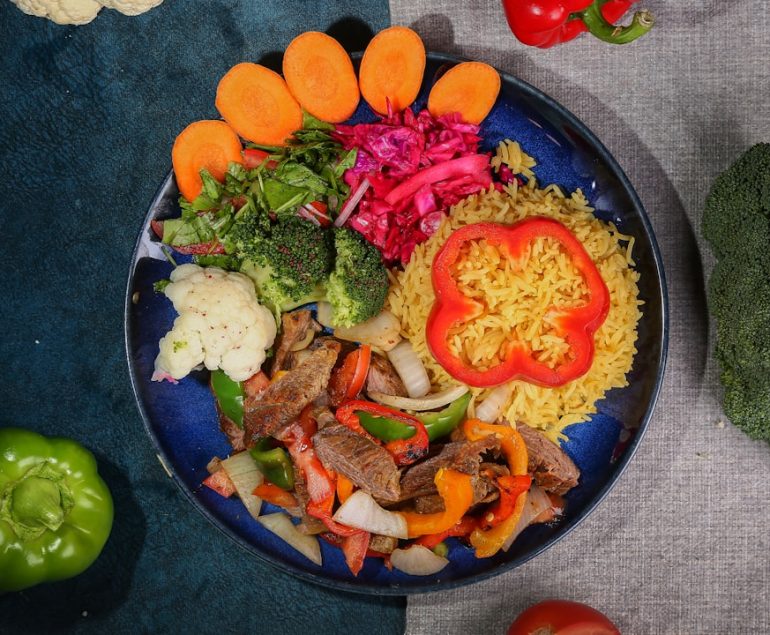
As the old adage goes, “you are what you eat.” But have you ever stopped to think about the impact that your daily food choices have on your overall health and wellbeing? From boosting energy levels to supporting weight loss, a balanced diet plays a crucial role in maintaining optimal health. In this comprehensive guide, we’ll delve into the world of nutrition, exploring the latest research, expert advice, and practical tips to help you make informed decisions about the food you put into your body. Whether you’re a health enthusiast or just starting to explore the world of nutrition, this article is packed with valuable insights and actionable information to get you started on your journey to optimal nutrition.
Understanding the Basics of Nutrition
Before we dive into the nitty-gritty of nutrition, it’s essential to understand the fundamental principles that underpin a healthy diet. At its core, nutrition is the study of how food affects the human body, from the way we digest and absorb nutrients to the impact that different foods have on our overall health. A well-balanced diet typically includes a mix of macronutrients (carbohydrates, protein, and fat) and micronutrients (vitamins and minerals), which work together to provide energy, support growth and repair, and maintain optimal functioning of the body’s systems.
One of the key concepts in nutrition is the idea of a “balanced diet.” A balanced diet is one that provides the body with the right amount of nutrients to function properly, without excess or deficiency. This can be achieved by eating a variety of whole, unprocessed foods, including fruits, vegetables, whole grains, lean proteins, and healthy fats. The USDA’s MyPlate initiative provides a helpful framework for understanding the different food groups and how they fit into a balanced diet. By focusing on whole foods and limiting processed and sugary snacks, you can set yourself up for success and reap the rewards of a healthy, balanced diet.
Nutrition and Energy: Fueling Your Body
When it comes to energy, nutrition plays a critical role. The food we eat provides our bodies with the fuel we need to function, from the energy required to power our daily activities to the nutrients needed to support physical performance. Carbohydrates, in particular, are an essential source of energy, with the brain, nervous system, and red blood cells relying heavily on glucose (a simple sugar) for fuel. Complex carbohydrates, such as whole grains, fruits, and vegetables, are rich in fiber, vitamins, and minerals, making them a nutritious and sustainable source of energy.
Protein, on the other hand, plays a vital role in supporting muscle function and repair. Whether you’re an athlete or simply looking to stay active, adequate protein intake is essential for building and maintaining muscle mass. Lean protein sources, such as chicken, fish, and legumes, are excellent choices, while plant-based options like tofu, tempeh, and seitan offer a nutritious and sustainable alternative. Healthy fats, such as those found in nuts, seeds, and avocados, also provide sustained energy and support the absorption of essential vitamins and minerals.
Nutrition and Weight Management: Separating Fact from Fiction
Weight loss and weight management are two of the most popular topics in the world of nutrition, with countless diets, supplements, and quick fixes promising rapid results. However, the truth is that there is no one-size-fits-all solution to weight loss. A successful weight management plan is one that takes into account individual needs, lifestyle, and preferences, and is based on a deep understanding of the complex interplay between nutrition, hormones, and metabolism.
One of the most effective strategies for weight loss is to focus on whole, unprocessed foods, such as fruits, vegetables, whole grains, lean proteins, and healthy fats. These foods tend to be high in fiber, protein, and healthy fats, which can help to keep you feeling full and satisfied, reducing the likelihood of overeating or relying on processed snacks. Additionally, incorporating regular physical activity, such as walking, running, or strength training, can help to boost metabolism, build muscle, and support weight loss.
Nutrition and Chronic Disease: The Power of Prevention
A well-balanced diet can also play a critical role in preventing and managing chronic diseases, such as heart disease, diabetes, and certain types of cancer. By focusing on whole, unprocessed foods and limiting sugary drinks, refined carbohydrates, and saturated fats, you can significantly reduce your risk of developing these conditions. Omega-3 fatty acids, found in fatty fish, nuts, and seeds, have been shown to have anti-inflammatory properties, while antioxidants, such as vitamins C and E, can help to protect against cell damage and oxidative stress.
In addition to making healthy food choices, staying hydrated is essential for maintaining optimal health. Aim to drink at least eight glasses of water per day, and limit your intake of sugary drinks and caffeine. A healthy gut microbiome is also critical for immune function, digestion, and overall wellbeing, with fermented foods like yogurt, kefir, and kimchi providing a rich source of beneficial probiotics.
Putting it all Together: Creating a Personalized Nutrition Plan
Creating a personalized nutrition plan is all about understanding your individual needs, preferences, and lifestyle. Start by keeping a food diary or using a nutrition app to track your eating habits, identifying patterns and areas for improvement. From there, you can begin to make informed decisions about the foods you eat, focusing on whole, unprocessed options and limiting processed and sugary snacks.
Consulting with a registered dietitian or healthcare professional can also provide valuable insights and guidance, helping you to create a tailored plan that meets your unique needs and goals. Whether you’re looking to boost energy, support weight loss, or simply maintain optimal health, a well-balanced diet is the foundation upon which all other aspects of health and wellbeing are built.
In conclusion, nutrition is a complex and multifaceted field, with a wealth of information and misinformation available. By focusing on whole, unprocessed foods, staying hydrated, and limiting processed and sugary snacks, you can set yourself up for success and reap the rewards of a healthy, balanced diet. Remember, nutrition is not a one-size-fits-all solution; it’s about understanding your individual needs, preferences, and lifestyle, and making informed decisions about the food you put into your body. With the right knowledge, tools, and support, you can unlock the power of nutrition and achieve optimal health and wellbeing. Key takeaways include:
- Focus on whole, unprocessed foods, including fruits, vegetables, whole grains, lean proteins, and healthy fats
- Stay hydrated by drinking at least eight glasses of water per day
- Limit processed and sugary snacks, and opt for fermented foods and probiotics to support gut health
- Consult with a registered dietitian or healthcare professional to create a personalized nutrition plan
- Prioritize nutrition as the foundation upon which all other aspects of health and wellbeing are built.