—
Introduction – Why Nutrition Matters More Than Ever
Imagine your body as a high‑performance car. You wouldn’t pour cheap fuel into a sports engine and expect it to roar down the highway, would you? The same principle applies to you. The food you choose is the fuel that powers every cell, organ, and system—from your brain’s ability to focus to your immune system’s capacity to fight off illness.
In today’s fast‑paced world, we’re bombarded with conflicting diet trends, “miracle” supplements, and endless “what‑to‑eat” headlines. It can feel overwhelming to separate fact from hype. That’s why a solid foundation in nutrition science is essential—not only to navigate the noise but to craft a sustainable eating plan that supports energy, weight management, mental clarity, and long‑term health.
In this 2,000‑word deep‑dive, we’ll break down the building blocks of nutrition, translate complex concepts into everyday actions, and give you a roadmap to make informed food choices that fit your lifestyle. Ready to fuel your body the right way? Let’s get started.
—
1. The Fundamentals: Understanding Macronutrients & Micronutrients
1.1 What Are Macronutrients?
Macronutrients are the three primary fuel sources your body needs in relatively large amounts:
| Macronutrient | Primary Role | Typical Sources | Recommended Daily Intake* |
|—————|————–|—————–|—————————-|
| Carbohydrates | Quick energy for brain & muscles | Whole grains, fruits, vegetables, legumes, starchy tubers | 45–65% of total calories |
| Proteins | Tissue repair, hormone production, enzyme function | Lean meat, poultry, fish, eggs, dairy, beans, tofu, nuts | 10–35% of total calories |
| Fats | Cell membranes, hormone synthesis, fat‑soluble vitamin absorption | Avocado, olive oil, nuts, seeds, fatty fish, dairy | 20–35% of total calories |
*These ranges are based on the Dietary Guidelines for Americans (2020‑2025). Adjustments may be needed for athletes, pregnant individuals, or those with specific medical conditions.
#### Actionable Tip: Balance Your Plate with the “Plate Method”
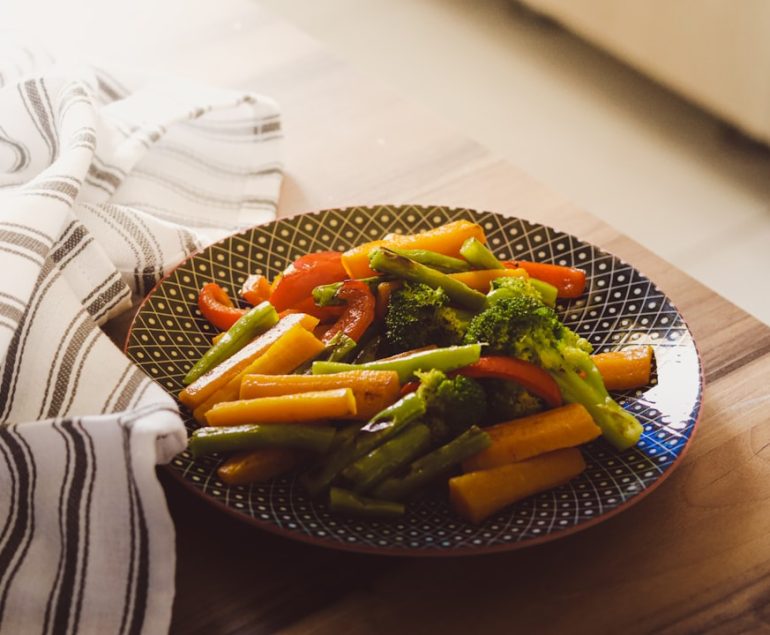
- ½ plate non‑starchy vegetables (fiber, vitamins, minerals)
- ¼ plate lean protein (chicken, fish, beans)
- ¼ plate whole‑grain carbs (brown rice, quinoa, sweet potato)
- Add a handful of healthy fats (olive oil drizzle, a few nuts) for satiety and nutrient absorption.
- General guideline: ½ – ¾ × your body weight in ounces (e.g., a 160‑lb person → 80–120 oz).
- Adjust upward for intense exercise, hot climates, or high‑protein diets.
- Keep a reusable bottle at your desk; set hourly reminders.
- Infuse water with citrus slices, cucumber, or mint for flavor without added sugar.
- Replace one sugary soda per day with sparkling water plus a splash of 100 % fruit juice.
- Turn off distractions (phone, TV) for at least the first 5 minutes of a meal.
- Chew thoroughly – aim for 20–30 chews per bite; this aids digestion and gives your brain time to register fullness.
- Use a smaller plate – visual cues help you serve appropriate portions.
- Abundant plant foods (vegetables, fruits, legumes, nuts, whole grains)
- Olive oil as the primary fat source
- Moderate fish & poultry (2–3 servings/week)
- Limited red meat & processed foods
- Regular physical activity and social meals
1.2 Micronutrients: The Small Yet Mighty Players
While you need far less of vitamins and minerals, they are indispensable for metabolic pathways, immune function, and disease prevention.
| Vitamin | Key Benefits | Food Sources |
|———|————–|————–|
| Vitamin D | Bone health, immune modulation | Sunlight, fortified dairy, fatty fish, egg yolk |
| Vitamin C | Antioxidant, collagen synthesis | Citrus fruits, berries, bell peppers, broccoli |
| B‑vitamins (B6, B12, Folate) | Energy production, red blood cell formation | Whole grains, leafy greens, legumes, meat, fish |
| Vitamin A | Vision, skin health | Carrots, sweet potatoes, spinach, liver |
| Vitamin E | Cell protection, skin health | Nuts, seeds, spinach, avocado |
| Vitamin K | Blood clotting, bone metabolism | Kale, Brussels sprouts, fermented foods |
| Mineral | Key Benefits | Food Sources |
|———|————–|————–|
| Calcium | Bone strength, muscle contraction | Dairy, fortified plant milks, leafy greens |
| Iron | Oxygen transport, energy metabolism | Red meat, lentils, spinach, fortified cereals |
| Magnesium | Nerve function, muscle relaxation | Nuts, seeds, whole grains, dark chocolate |
| Zinc | Immune function, wound healing | Oysters, beef, pumpkin seeds, chickpeas |
| Potassium | Fluid balance, blood pressure regulation | Bananas, potatoes, beans, yogurt |
#### Actionable Tip: “Micronutrient Color Code”
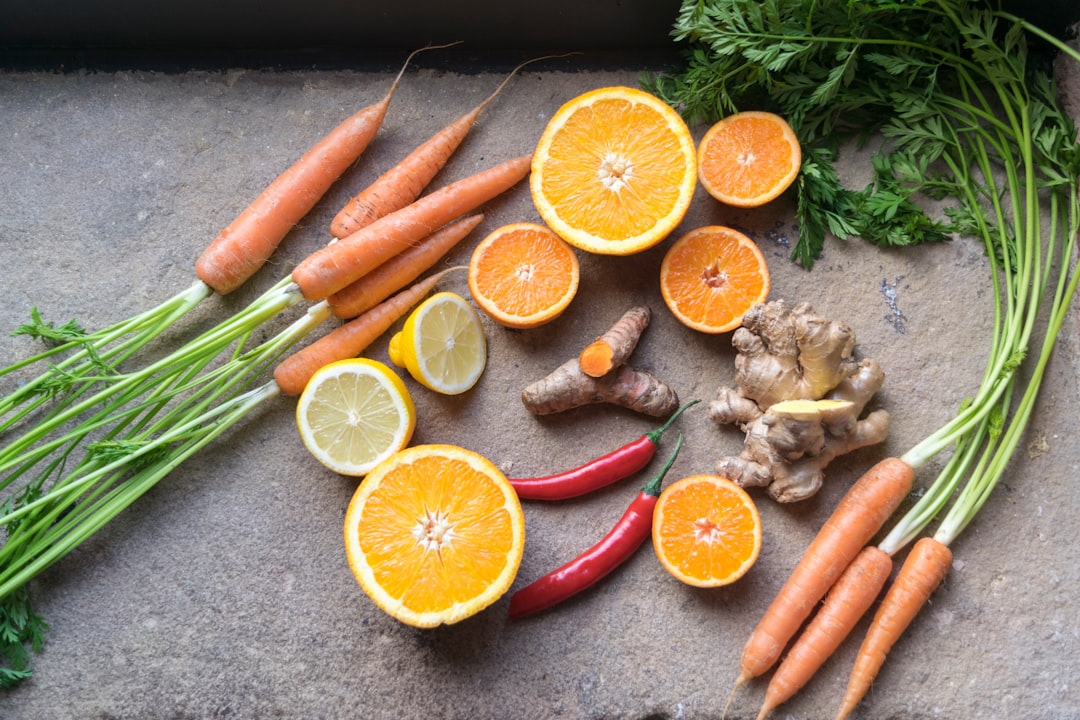
Aim to eat the rainbow each day. A colorful plate (red tomatoes, orange carrots, yellow peppers, green kale, blue berries) naturally boosts a wide spectrum of vitamins and minerals without the need for counting pills.
—
2. Building a Balanced Diet for Real‑World Lifestyles
2.1 Meal Planning Made Simple
A well‑structured meal plan eliminates guesswork, reduces food waste, and helps you stay on track with nutrition goals. Follow these three steps:
1. Set Your Calorie Goal – Use an online calculator (or consult a dietitian) to estimate daily energy needs based on age, sex, weight, activity level, and goals (maintenance, loss, or gain).
2. Choose a Template – For most adults, a 3‑Meal + 2‑Snack format works well:
– Breakfast (20–25% of daily calories)
– Mid‑Morning Snack (5–10%)
– Lunch (30–35%)
– Afternoon Snack (5–10%)
– Dinner (25–30%)
3. Batch Cook & Prep – Cook staples (brown rice, quinoa, roasted veggies, grilled chicken) in bulk on Sundays. Store in portion‑size containers for quick assembly throughout the week.
#### Sample One‑Day Meal Plan (≈2,000 kcal)
| Meal | Foods | Approx. Calories |
|——|——-|——————|
| Breakfast | Greek yogurt (1 cup) + mixed berries (½ cup) + 2 Tbsp granola + 1 tbsp chia seeds | 350 |
| Mid‑Morning Snack | Apple + 1 oz almonds | 200 |
| Lunch | Quinoa salad: quinoa (½ cup), chickpeas (½ cup), diced cucumber, cherry tomatoes, feta cheese (¼ cup), olive oil & lemon dressing | 500 |
| Afternoon Snack | Carrot sticks + hummus (¼ cup) | 150 |
| Dinner | Baked salmon (4 oz) + sweet potato mash (1 cup) + steamed broccoli (1 cup) + drizzle of olive oil | 600 |
| Total | | 1,800 (Add a small dessert or extra veg if you need 2,000) |
2.2 Navigating Common Nutrition Myths
| Myth | Reality |
|——|———-|
| “Low‑fat = healthy” | Fat is essential. Focus on quality (monounsaturated & polyunsaturated) and keep saturated fat <10% of calories. |
| “All carbs make you gain weight” | Complex carbs (whole grains, legumes, fruits) provide fiber and steady energy. Refined carbs and added sugars are the problem. |
| “You need a protein shake after every workout” | Whole‑food protein (chicken, fish, eggs, beans) meets most needs. Shakes are convenient, not mandatory. |
| “Detox diets cleanse your body” | Your liver, kidneys, and gut already detoxify efficiently. Focus on supporting them with nutrient‑dense foods. |
#### Actionable Tip: Use the “5‑Ingredient Rule”
If a packaged food lists 5 or more ingredients (especially added sugars, refined flours, or artificial additives), it’s likely not a whole‑food option. Choose simpler alternatives.
2.3 Eating for Specific Goals
| Goal | Nutritional Focus | Practical Strategies |
|——|——————-|———————-|
| Weight Loss | Calorie deficit + high satiety foods (protein, fiber, healthy fats) | Keep a food diary, practice mindful eating, prioritize vegetables. |
| Muscle Gain | Slight calorie surplus + 1.2–2.0 g protein/kg body weight | Include protein in every meal, add strength training, use complex carbs post‑workout. |
| Improved Gut Health | Pre‑biotics (inulin, resistant starch) + Probiotics (fermented foods) | Eat kimchi, kefir, sauerkraut, garlic, onions, bananas, oats. |
| Better Blood Sugar Control | Low‑glycemic carbs + balanced meals | Pair carbs with protein/fat, choose whole fruit over juice, limit sugary snacks. |
| Heart Health | Omega‑3 fatty acids, fiber, low sodium | Eat fatty fish 2×/week, use olive oil, add beans & oats, read labels for sodium. |
—
3. Supercharging Your Nutrition with Lifestyle Hacks
3.1 Hydration – The Often‑Overlooked Nutrient
Water makes up ≈60% of body weight and is involved in digestion, temperature regulation, joint lubrication, and toxin removal. Dehydration can masquerade as fatigue, headaches, or even mild hunger.
How much water?
#### Quick Hydration Hacks
3.2 Smart Snacking – Fuel, Not Fill‑In
Snacks can either stabilize blood sugar or cause a crash. Choose snacks that combine protein, fiber, and a bit of healthy fat.
| Snack Idea | Nutrient Combo | Approx. Calories |
|————|—————-|——————|
| Greek yogurt + berries + walnuts | Protein + fiber + omega‑3 | 250 |
| Apple slices + peanut butter | Carbs + healthy fat + protein | 200 |
| Hummus + carrot & cucumber sticks | Plant protein + fiber | 150 |
| Hard‑boiled egg + whole‑grain crackers | Protein + complex carbs | 180 |
| Cottage cheese + pineapple | Protein + natural sugar | 170 |
3.3 Mindful Eating – Turning Meals into Rituals
#### Actionable Exercise: The “3‑Minute Pause”
Before each bite, pause, take a breath, and notice the aroma, texture, and temperature. This simple habit can reduce overeating by up to 15 % (study, Appetite, 2022).
3.4 Supplements – When Food Isn’t Enough
Whole foods should be your primary nutrient source, but certain life stages or conditions may warrant supplementation:
| Situation | Common Supplement | Reason |
|———–|——————-|——–|
| Pregnancy | Prenatal vitamin (folic acid, iron, DHA) | Supports fetal development & prevents neural tube defects |
| Vegan diet | Vitamin B12, Vitamin D, Omega‑3 (algal oil) | B12 is absent in plant foods; D & EPA/DHA often low |
| Older adults | Calcium + Vitamin D, Vitamin B12 | Bone health, reduced absorption with age |
| High‑intensity athletes | Creatine, Beta‑alanine, Electrolytes | Enhance performance & recovery |
Rule of thumb: Consult a healthcare professional before starting any supplement, especially if you have chronic conditions or take medication.
—
4. Nutrition for Longevity – Eating Like You’ll Live 100
4.1 The Mediterranean Blueprint
Countries bordering the Mediterranean Sea consistently rank highest in life expectancy and low chronic disease rates. Core components:
#### 7‑Day Mediterranean Sample Menu
| Day | Breakfast | Lunch | Dinner | Snack |
|—–|———–|——-|——–|——-|
| Mon | Oatmeal + blueberries + walnuts | Chickpea salad with olive oil vinaigrette | Grilled sardines + quinoa + roasted zucchini | Greek yogurt + honey |
| Tue | Whole‑grain toast + avocado + poached egg | Lentil soup + side of mixed greens | Chicken souvlaki + tabbouleh | Handful of almonds |
| Wed | Smoothie (spinach, banana, kefir, chia) | Mediterranean quinoa bowl (feta, olives, tomatoes) | Baked cod + sweet potato + sautéed kale | Fresh figs |
| Thu | Greek yogurt parfait (granola, berries) | Falafel wrap with tahini sauce | Eggplant parmigiana + side salad | Dark chocolate (70 % cacao) |