—
Introduction – Why Nutrition Matters More Than Ever
Imagine waking up each morning with boundless energy, a clear mind, and a body that feels ready to tackle any challenge. That isn’t a fantasy—it’s the everyday reality for people who understand the science of nutrition and put it into practice. In a world flooded with diet trends, fast‑food convenience, and conflicting health advice, getting back to the basics of good nutrition can feel overwhelming. Yet, the truth is simple: what you put on your plate fuels every cell, organ, and system in your body.
In this comprehensive guide, we’ll cut through the noise and give you actionable, science‑backed nutrition strategies you can start using today. From mastering macronutrients to choosing nutrient‑dense foods, from planning balanced meals to staying on track with realistic goals, you’ll walk away with a clear roadmap to a healthier, more vibrant life. Let’s dive in!
—
1. The Building Blocks: Understanding Macronutrients and Micronutrients
1.1 Carbohydrates – The Body’s Preferred Fuel
Carbohydrates often get a bad rap, but they are the primary energy source for your brain and muscles. The key is choosing complex carbs (whole grains, legumes, fruits, and vegetables) over refined sugars and white flour.
Actionable tip: Swap out white rice for quinoa or brown rice, and replace sugary breakfast cereals with oatmeal topped with berries and a sprinkle of nuts. This simple switch stabilizes blood sugar, reduces cravings, and keeps you fuller longer.
1.2 Protein – The Repair Crew
Protein is essential for muscle repair, hormone production, and immune function. Aim for a mix of lean animal proteins (chicken breast, turkey, fish) and plant‑based sources (lentils, chickpeas, tofu, tempeh).
Actionable tip: Incorporate at least one protein‑rich food in every meal. A quick rule of thumb is a palm‑sized portion of meat or a fist‑sized portion of beans. For vegans, combine grains and legumes (e.g., rice + beans) to get a complete amino acid profile.
1.3 Fats – The Unsung Heroes
Healthy fats support brain health, hormone balance, and nutrient absorption. Focus on monounsaturated and polyunsaturated fats found in olive oil, avocados, nuts, seeds, and fatty fish like salmon.
Actionable tip: Drizzle a tablespoon of extra‑virgin olive oil over roasted veggies, or snack on a handful of almonds instead of reaching for chips. Aim for fats to make up about 20‑30 % of your daily calories.
1.4 Micronutrients – The Tiny Powerhouses
Vitamins and minerals don’t provide calories, but they are indispensable for metabolic pathways, bone health, and immune defense. A colorful plate—think reds, greens, oranges, and purples—ensures a broad spectrum of micronutrients.
Actionable tip: Adopt the “rainbow rule”: include at least three different colored vegetables or fruits in your lunch and dinner. This habit boosts intake of vitamin C, vitamin A, potassium, magnesium, and antioxidants without extra effort.
—
2. Crafting Balanced Meals: The Plate Method and Portion Control
2.1 The Plate Method Made Easy
The USDA’s MyPlate model is a visual guide that simplifies balanced eating:
- ½ of the plate – Non‑starchy vegetables (broccoli, spinach, peppers)
- ¼ of the plate – Lean protein (chicken, beans, tofu)
- ¼ of the plate – Whole grains or starchy vegetables (brown rice, sweet potatoes)
- A side – Fruit or a small serving of healthy fat (avocado, nuts)
- Palm = protein (≈ 3‑4 oz)
- Fist = carbs (≈ ½ cup cooked grains or starchy veg)
- Cupped hand = healthy fats (≈ 1‑2 tbsp oil or nuts)
- Two cupped hands = non‑starchy veg
- Greek yogurt + berries + a drizzle of honey
- Apple slices with almond butter
- Hummus with carrot and cucumber sticks
- Pre‑workout (1‑2 hours before): A blend of carbs and moderate protein (e.g., banana with a spoon of peanut butter).
- Post‑workout (within 30 minutes): Protein + carbs to replenish glycogen and repair muscle (e.g., chocolate milk, protein shake with fruit).
- Time constraints: Keep a stash of quick, healthy staples (canned beans, frozen berries, pre‑washed greens).
- Budget concerns: Buy seasonal produce, shop the perimeter of the grocery store, and use bulk bins for nuts, seeds, and grains.
- Social situations: Practice portion control by filling half your plate with veggies first, then adding protein and carbs.
Actionable tip: When you sit down to eat, actually arrange your food on a plate using these proportions. It trains your eye to recognize appropriate portion sizes and reduces the likelihood of overeating.
2.2 Portion Awareness Without Counting Calories
Counting every calorie can be tedious and unsustainable. Instead, use hand‑size portions as a quick reference:
Actionable tip: Before each meal, place a plate in front of you and use your hand to portion out each food group. This visual cue helps you stay within recommended ranges without tedious calculations.
2.3 Smart Snacking – Keeping Energy Stable
Snacking isn’t the enemy; the wrong snacks are. Pair protein with fiber to curb hunger and avoid blood‑sugar spikes.
Actionable snack ideas:
Actionable tip: Pre‑portion snacks into reusable containers or zip‑top bags at the start of the week. Having a ready‑to‑go, balanced snack reduces impulse purchases of processed junk food.
—
3. Nutrition for Specific Goals: Weight Management, Performance, and Longevity
3.1 Weight Management – The Thermic Balance
Weight loss or maintenance boils down to energy balance: calories in vs. calories out. However, the quality of those calories matters more than the quantity.
Actionable tip: Replace high‑calorie, low‑nutrient foods (e.g., soda, candy) with nutrient‑dense alternatives (e.g., sparkling water with a splash of fruit juice, dark chocolate ≥ 70 % cocoa). This reduces overall caloric intake while still satisfying cravings.
3.2 Athletic Performance – Fueling the Body for Exercise
For those training regularly, timing and composition of meals can enhance performance and recovery.
Actionable tip: Keep a portable post‑workout snack ready—such as a whey protein packet mixed with water and a piece of fruit—to optimize recovery on the go.
3.3 Longevity and Disease Prevention – Antioxidants and Anti‑Inflammatory Foods
Chronic diseases like heart disease, diabetes, and certain cancers are linked to oxidative stress and inflammation. A diet rich in antioxidant‑packed foods (berries, leafy greens, nuts, olive oil) can mitigate these risks.
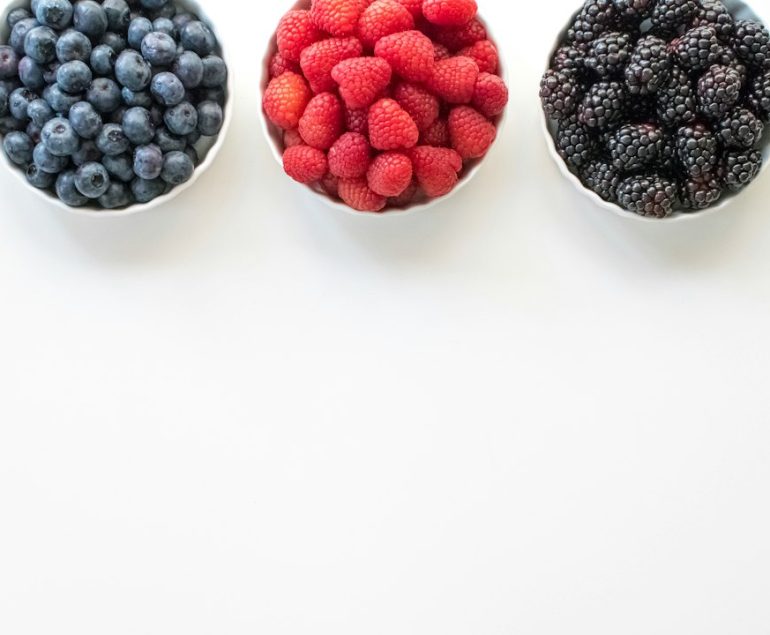
Actionable tip: Incorporate a “daily antioxidant boost” by adding a serving of blueberries, a handful of walnuts, or a cup of green tea to your routine. Over time, these small additions accumulate into powerful health benefits.
—
4. Building Sustainable Nutrition Habits – From Theory to Daily Practice
4.1 Meal Planning and Prep – The Secret Weapon
Spending a few hours each weekend planning and prepping meals can save time, money, and unhealthy choices during the busy workweek.
Actionable steps:
1. Choose a theme: Mexican night, Mediterranean bowls, or classic stir‑fry.
2. List ingredients: Write a grocery list based on recipes, focusing on whole foods.
3. Batch cook: Prepare staples like quinoa, roasted vegetables, and grilled chicken in bulk.
4. Portion out: Divide meals into containers for easy grab‑and‑go lunches or dinners.
4.2 Mindful Eating – Listening to Your Body
Mindful eating reduces overeating by encouraging you to pay attention to hunger cues, flavors, and satiety signals.
Actionable tip: Put your fork down between bites, chew each mouthful at least 20 times, and pause to assess how hungry or full you feel. This practice can lower calorie intake without feeling deprived.
4.3 Tracking Progress Without Obsession
Use simple tools—like a food diary, a nutrition app, or a weekly photo log—to monitor patterns, not perfection.
Actionable tip: At the end of each week, review your food diary for trends (e.g., “I ate vegetables at dinner 5 out of 7 days”) and set one specific, achievable goal for the next week (“Add a side salad to every lunch”).
4.4 Overcoming Common Barriers
Actionable tip: Write down three personal barriers you face and brainstorm one practical solution for each. Having a plan in place makes it easier to stay on track when challenges arise.
—
Conclusion – Key Takeaways for a Healthier You
1. Balance is the cornerstone of nutrition. Aim for a mix of complex carbs, lean proteins, healthy fats, and a rainbow of micronutrient‑rich vegetables and fruits.
2. Portion control can be simple—use the plate method and hand‑size cues to keep servings in check without tedious calorie counting.
3. Tailor your diet to your goals—whether it’s weight management, athletic performance, or long‑term disease prevention, the right nutrient timing and food choices make a measurable difference.
4. Plan, prep, and practice mindfulness to turn nutrition from a daily chore into a sustainable lifestyle. Small, consistent actions—like swapping a sugary snack for a piece of fruit or prepping meals on Sunday—compound into lasting health benefits.
By integrating these evidence‑based strategies into your everyday routine, you’ll not only nourish your body but also empower yourself with the confidence to make informed food choices. Remember, nutrition isn’t a quick fix; it’s a lifelong partnership with the food you eat. Start today, stay consistent, and watch how a balanced, nutrient‑dense diet transforms your energy, mood, and overall well‑being.
Ready to take the next step? Pick one actionable tip from each section, implement it this week, and notice the positive ripple effects on your health. Your journey to optimal nutrition begins with a single, purposeful bite. Bon appétit!