—
Introduction – Why Nutrition Is the Real Super‑Power You’ve Been Ignoring
Imagine you could boost your mood, sharpen your focus, and keep chronic disease at bay—all without a single pill. The secret isn’t a new gadget or a fancy supplement; it’s the food on your plate. Nutrition is the foundation of every bodily function, from the brain’s lightning‑fast neurotransmission to the muscles that power your daily moves. Yet, despite its importance, most of us navigate meals with guesswork, trends, or “quick‑fix” diets that leave us feeling unsatisfied and confused.
In this comprehensive guide, we’ll cut through the noise and give you actionable, science‑backed nutrition strategies you can start using today. Whether you’re a busy professional, a student juggling deadlines, or a parent looking to raise healthier kids, these tips will help you build a balanced diet that fuels performance, supports weight management, and promotes long‑term wellness.
Let’s dive in and discover how to make every bite count!
—
1. Mastering the Basics: Macronutrients, Micronutrients, and the Balanced Diet Blueprint
1.1 What Are Macronutrients and Why Do They Matter?
Macronutrients—carbohydrates, proteins, and fats—are the three energy‑providing pillars of any diet. They each play distinct roles:
| Macro | Primary Role | Best Food Sources | Recommended % of Daily Calories |
|——-|————–|——————-|———————————|
| Carbohydrates | Quick energy for brain & muscles | Whole grains, fruits, legumes, starchy veggies | 45–55% |
| Proteins | Tissue repair, hormone production, enzyme function | Lean meats, fish, eggs, dairy, beans, tofu | 15–25% |
| Fats | Cell membrane integrity, hormone synthesis, fat‑soluble vitamin absorption | Avocado, nuts, seeds, olive oil, fatty fish | 25–35% |
Actionable tip: Use the “plate method” to visualize balance—fill half your plate with colorful vegetables and fruits (carbs + fiber), one‑quarter with lean protein, and one‑quarter with healthy fats. This simple visual cue helps you hit macro targets without counting every gram.
1.2 Micronutrients: The Tiny Titans of Health
Vitamins and minerals—though needed in minute amounts—are essential for immune function, bone health, and metabolic pathways. Common deficiencies (iron, vitamin D, B12) can cause fatigue, mood swings, and weakened immunity.
Quick Micronutrient Checklist
| Micronutrient | Key Benefits | Food Powerhouses |
|—————|————–|——————|
| Vitamin D | Bone health, immune modulation | Sunlight, fortified milk, salmon |
| Iron | Oxygen transport, energy production | Red meat, lentils, spinach, pumpkin seeds |
| Calcium | Strong bones & teeth, nerve signaling | Dairy, kale, fortified plant milks |
| Omega‑3 (EPA/DHA) | Brain health, anti‑inflammatory | Fatty fish, chia seeds, walnuts |
| Magnesium | Muscle relaxation, sleep quality | Almonds, black beans, dark chocolate |
Actionable tip: Schedule a quarterly “micronutrient audit.” Pick three nutrients each quarter, track your intake using a food diary or app, and add at least one new source to your meals each week.
1.3 The Balanced Diet: A Flexible Framework, Not a Rigid Rulebook
The term “balanced diet” often conjures images of bland, restrictive meals. In reality, balance means variety, moderation, and adequacy:
1. Variety – Eat a rainbow of colors to cover a broad spectrum of phytonutrients.
2. Moderation – Portion control keeps excess calories in check without depriving yourself.
3. Adequacy – Ensure you meet your daily macro and micronutrient needs based on age, gender, activity level, and health goals.
Actionable tip: Adopt the “8‑color rule.” Aim to include at least eight different colors of fruits and vegetables each week. This naturally diversifies your nutrient intake and keeps meals exciting.
—
2. Building a Sustainable Meal Plan: From Grocery List to Plate
2.1 Planning Your Week in 30 Minutes
A solid meal plan saves time, cuts food waste, and eliminates the temptation of fast‑food shortcuts. Here’s a step‑by‑step workflow:
| Step | What to Do | Time Investment |
|——|————|—————–|
| 1. Set Goals | Define primary focus (weight loss, muscle gain, gut health) | 5 min |
| 2. Inventory | Check pantry, fridge, freezer for staples | 5 min |
| 3. Choose Recipes | Pick 3‑4 breakfast, 5‑6 lunch/dinner, 2‑3 snacks | 10 min |
| 4. Create Shopping List | List ingredients by category (produce, proteins, pantry) | 5 min |
| 5. Batch Prep | Cook grains, roast veggies, portion proteins on Sunday | 30‑45 min (optional) |
Actionable tip: Use a free template (Google Sheets or a printable PDF) that includes columns for “Meal,” “Ingredients,” “Prep Time,” and “Portion Size.” Fill it in each Sunday night—your brain will thank you on Monday morning.
2.2 Smart Grocery Shopping – The “Nutrition‑First” Checklist
| Category | Must‑Have Items | Why They’re Important |
|———-|—————-|———————–|
| Proteins | Chicken breast, canned tuna, chickpeas, Greek yogurt | Lean, versatile, high‑quality protein |
| Whole Grains | Quinoa, brown rice, oats, whole‑wheat tortillas | Sustained energy, fiber |
| Healthy Fats | Extra‑virgin olive oil, avocado, mixed nuts | Satiety, brain health |
| Fruits & Veggies | Berries, oranges, leafy greens, bell peppers, sweet potatoes | Antioxidants, vitamins, fiber |
| Spices & Herbs | Turmeric, garlic, ginger, fresh basil | Flavor without added sodium or sugar |
| Convenient Extras | Hummus, pre‑washed salad mixes, frozen mixed berries | Speedy meals, reduce prep time |
Actionable tip: Stick to the perimeter of the store first—this is where fresh produce, proteins, and dairy are located. Then, only venture into the aisles for whole‑grain staples and spices. This reduces impulse buys of processed snacks.
2.3 Quick, Nutrient‑Dense Recipes for Busy Lifestyles
#### 2.3.1 15‑Minute Power Breakfast: Greek Yogurt Parfait
- Ingredients: 1 cup plain Greek yogurt, ½ cup mixed berries, 2 tbsp granola, 1 tsp honey, sprinkle of chia seeds.
- Why It Works: Protein from yogurt stabilizes blood sugar; berries deliver antioxidants; chia seeds add omega‑3s and fiber.
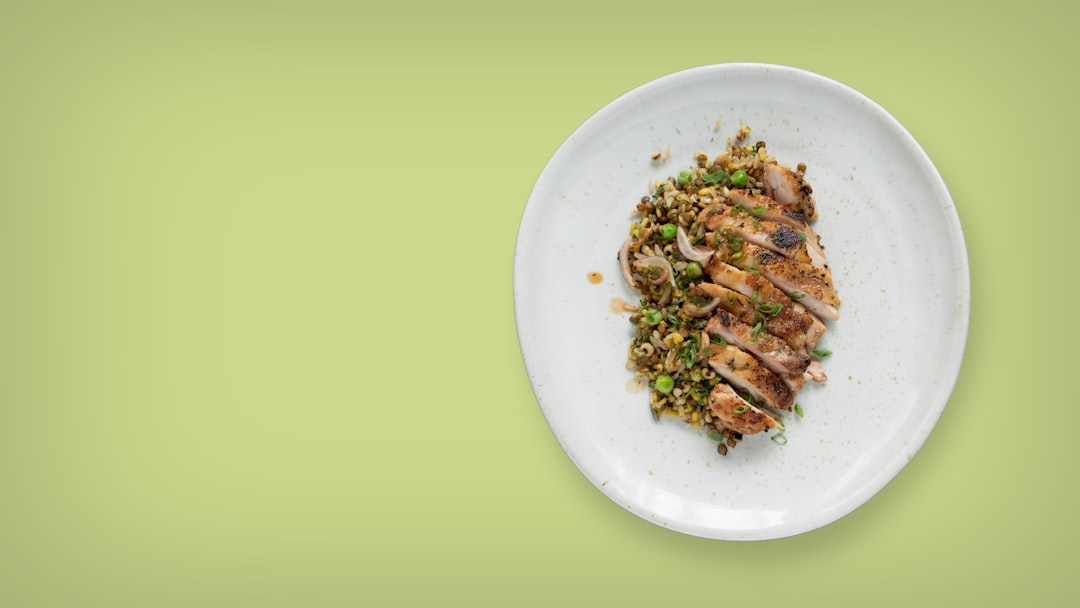
- Ingredients: 2 chicken thighs (skinless), 1 cup cherry tomatoes, 1 cup zucchini slices, ½ cup olives, 2 tbsp olive oil, 1 tsp dried oregano, salt & pepper.
- Method: Toss everything on a sheet pan, roast at 400°F for 20‑25 minutes.
- Why It Works: Balanced macros in a single dish; olive oil provides monounsaturated fats; vegetables add fiber and micronutrients.
- Ingredients: 1 scoop plant‑based protein powder, 1 banana, 1 cup spinach, 1 tbsp almond butter, 1 cup unsweetened almond milk.
- Why It Works: Protein for muscle repair, potassium from banana for electrolyte balance, spinach for iron and magnesium.
- Hand Method:
- Batch‑Cook Staples: Cook a big pot of quinoa, brown rice, or lentils on the weekend; store in portioned containers.
- Prep “Snack Boxes”: Combine raw veggies, hummus, nuts, and fruit in a grab‑and‑go container.
- Utilize the Freezer: Freeze pre‑chopped veggies and cooked proteins for instant stir‑fry or soup additions.
#### 2.3.2 One‑Pan Mediterranean Chicken & Veggies
#### 2.3.3 5‑Minute Post‑Workout Recovery Smoothie
Actionable tip: Batch‑cook the chicken and veggies on Sunday, then portion into containers for 3‑4 lunches. Pair with a side of quinoa (pre‑cooked) for a complete meal ready in minutes.
—
3. Nutrition for Specific Goals: Weight Management, Gut Health, and Performance
3.1 Weight Management – The Science of Calories vs. Nutrient Density
Weight loss (or maintenance) isn’t just about “eating less”; it’s about eating smarter. Two meals with the same calorie count can have vastly different effects on hunger, metabolism, and body composition.
| Factor | Low‑Nutrient‑Density Food | High‑Nutrient‑Density Food |
|——–|—————————|—————————-|
| Satiety | White bread, sugary cereal | Oatmeal topped with nuts & berries |
| Thermic Effect | Processed snacks (low) | Lean protein, high‑fiber veggies (high) |
| Blood Sugar Impact | Refined carbs → spikes & crashes | Complex carbs + fiber → stable glucose |
Actionable tip: Adopt the “90/10 rule.” Aim for 90% of your plate to be nutrient‑dense whole foods and limit the remaining 10% to treat foods (e.g., a small piece of dark chocolate). This keeps calories in check while satisfying cravings.
#### Practical Portion Control Hack
– Protein: Palm‑size portion (≈3‑4 oz)
– Carbs: Fist‑size portion (≈½ cup cooked)
– Fats: Thumb‑size portion (≈1 tbsp)
– Veggies: Both hands cupped together (≈2 cups)
3.2 Gut Health – Feeding Your Microbiome for Better Digestion & Immunity
Your gut houses trillions of bacteria that influence digestion, mood, and immunity. A diverse microbiome thrives on prebiotic fibers and probiotic foods.
| Food Type | Examples | How It Helps |
|———–|———-|————–|
| Prebiotic Fiber | Chicory root, garlic, onions, asparagus, oats, bananas | Fuels beneficial bacteria |
| Probiotic Foods | Yogurt with live cultures, kefir, sauerkraut, kimchi, miso | Directly adds good bacteria |
| Polyphenol‑Rich | Berries, green tea, dark chocolate | Acts as antioxidants and supports microbial diversity |
Actionable tip: Incorporate at least one prebiotic and one probiotic food into your daily meals. Example: A morning bowl of oatmeal (prebiotic) topped with kefir and berries (probiotic + polyphenols).
3.3 Athletic Performance – Fueling Your Body for Strength & Endurance
Whether you’re training for a marathon or lifting weights, nutrition is your most powerful performance enhancer.
| Goal | Key Nutrient Focus | Sample Meal |
|——|——————–|————-|
| Endurance | Carbohydrate loading (4–7 g/kg body weight) + electrolytes | Whole‑grain pasta with tomato sauce, grilled chicken, side of steamed broccoli |
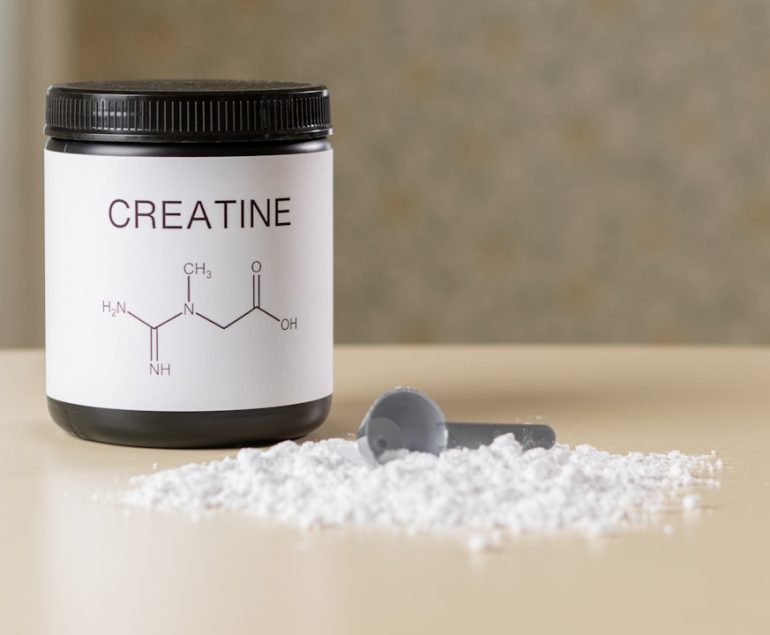
| Strength | High‑quality protein (1.6–2.2 g/kg) + creatine (optional) | Beef stir‑fry with quinoa, mixed veggies, topped with sesame seeds |
| Recovery | Protein + fast‑acting carbs + omega‑3s | Chocolate milk (protein + carbs) + a handful of walnuts |
Actionable tip: Follow the “30‑30‑30” post‑workout rule—within 30 minutes, consume 30 g of protein, 30 g of carbs, and 30 g of healthy fats (e.g., a protein shake with a banana and a spoonful of almond butter). This optimizes muscle glycogen replenishment and protein synthesis.
—
4. Overcoming Common Nutrition Challenges
4.1 Time Constraints – Quick Hacks for Busy Days
Actionable tip: Set a weekly “30‑Minute Meal Prep” alarm on your phone. When it rings, spend just half an hour prepping at least three components for the upcoming days.
4.2 Budget-Friendly Nutrition – Eating Well Without Breaking the Bank
| Budget Strategy | Example |
|—————–|———|
| Buy Seasonal Produce | Strawberries in summer, squash in fall – cheaper and fresher |
| Choose Plant‑Based Proteins | Lentils, beans, and eggs cost far less per gram of protein than meat |
| Shop Bulk | Oats, nuts, and frozen berries in bulk reduce per‑serving cost |
| Use Coupons & Loyalty Programs | Many grocery stores offer discounts on healthy items like nuts and yogurt |
Actionable tip: Plan a “Meat‑less Monday” each week. Replace animal protein with beans or tofu, saving money while boosting fiber intake.