—
Introduction – Why Nutrition Matters More Than Ever
Imagine you could boost your energy, sharpen your focus, and protect your health with something as simple as what lands on your plate. That’s not a marketing gimmick—it’s the science of nutrition in action. In today’s fast‑paced world, we’re bombarded with quick‑fix meals, diet trends, and conflicting advice. Yet, the fundamentals of good nutrition remain timeless: a balanced intake of macronutrients, a rainbow of micronutrients, and mindful eating habits that support both body and mind.
In this comprehensive guide, we’ll demystify the core concepts of nutrition, translate them into actionable steps, and give you a roadmap for sustainable, healthy eating. Whether you’re a busy professional, a parent planning family meals, or anyone looking to feel better from the inside out, the strategies below will help you make smarter food choices without sacrificing flavor or convenience.
—
1. Building a Balanced Plate: The Foundations of Healthy Eating
1.1 Understanding Macronutrients
Carbohydrates – The body’s primary fuel source. Choose complex carbs (whole grains, legumes, starchy vegetables) over refined sugars to maintain steady blood glucose and prolonged energy.
Proteins – Essential for muscle repair, hormone production, and immune function. Aim for a mix of animal (lean poultry, fish, eggs) and plant proteins (beans, lentils, tofu, quinoa).
Fats – Not the enemy! Healthy fats (monounsaturated, polyunsaturated, omega‑3s) support brain health, hormone balance, and nutrient absorption. Prioritize avocados, nuts, seeds, olive oil, and fatty fish while limiting saturated and trans fats.
Practical tip: Use the “plate method” – fill half your plate with non‑starchy vegetables, one‑quarter with lean protein, and one‑quarter with whole‑grain carbs. Add a small serving of healthy fat (a drizzle of olive oil or a handful of nuts) to round it out.
1.2 Micronutrients: The Small But Mighty Players
Vitamins and minerals don’t provide calories, but they are indispensable for metabolism, immunity, and cellular repair. Key micronutrients include:
| Micronutrient | Primary Benefits | Top Food Sources |
|—————|——————|——————|
| Vitamin C | Antioxidant, collagen synthesis | Citrus, berries, bell peppers |
| Vitamin D | Bone health, immune modulation | Sunlight, fortified dairy, fatty fish |
| Iron | Oxygen transport, energy production | Red meat, lentils, spinach |
| Calcium | Bone strength, muscle function | Dairy, fortified plant milks, kale |
| Magnesium | Nerve function, sleep quality | Nuts, seeds, whole grains |
| Potassium | Blood pressure regulation | Bananas, potatoes, beans |
Actionable step: Rotate your weekly grocery list to include at least three different colored vegetables and two protein sources. This simple habit boosts micronutrient diversity without extra planning.
1.3 Hydration – The Overlooked Nutrient
Water is essential for digestion, temperature regulation, and nutrient transport. Aim for 2–3 liters (8–12 cups) per day, adjusting for activity level, climate, and body size. Herbal teas, infused water, and water‑rich foods (cucumber, watermelon) contribute to overall intake.
Quick hack: Keep a reusable bottle at your desk and set a timer to take a sip every 30 minutes. Small, consistent sips add up quickly.
—
2. Meal Planning Mastery: How to Turn Theory into Daily Practice
2.1 Setting Realistic Goals
Start with SMART goals (Specific, Measurable, Achievable, Relevant, Time‑bound). Instead of “eat healthier,” try “include at least two servings of vegetables at lunch and dinner for the next 30 days.” Clear targets make progress trackable and motivation sustainable.
2.2 The Weekly Prep Blueprint
1. Inventory & Inspiration – Review what you already have, then browse a trusted recipe source (e.g., a nutrition‑focused blog or app). Choose 3–4 dinner recipes that share common ingredients to reduce waste.
2. Shopping List – Write a categorized list (produce, proteins, pantry, dairy) and stick to it. Use a “buy‑nothing‑extra” rule to curb impulse purchases.
3. Batch Cooking – Cook staples in bulk (brown rice, quinoa, roasted vegetables, grilled chicken). Store in portion‑sized containers for quick assembly.
4. Prep Day – Dedicate 60–90 minutes on Sunday (or any day that works) to chop veggies, portion snacks, and assemble a few grab‑and‑go meals.
Pro tip: Invest in a set of glass containers with compartments. They keep foods fresh, are microwave‑safe, and eliminate the need for disposable plastic.
2.3 Smart Snacking for Energy Stability
Snacks can be allies, not enemies, when they combine protein, fiber, and healthy fat. Try these combos:
- Greek yogurt + berries + a sprinkle of chia seeds
- Apple slices + almond butter
- Hummus + carrot & cucumber sticks
- Handful of mixed nuts + a piece of dark chocolate (70%+ cacao)
- Study the menu ahead of time – Look for grilled, baked, or steamed options.
- Ask for modifications – Swap fries for a side salad, request dressing on the side, or replace a creamy sauce with a tomato‑based one.
- Control portions – Share an entrée, or ask for a to‑go box at the start of the meal and set aside half for later.
- Mindful eating – Slow down, savor each bite, and stop when you’re about 80% full. This simple practice prevents overeating and improves digestion.
- Carb timing: Consume 30–60 g of easily digestible carbs (e.g., a banana or sports drink) 30–60 minutes before training for optimal glycogen availability.
- Post‑workout recovery: Pair 20–30 g of high‑quality protein (whey, soy, or lean meat) with 40–60 g of carbs within 45 minutes after exercise to accelerate muscle repair and replenish glycogen stores.
- Electrolyte balance: For intense or long sessions, add a pinch of sea salt or an electrolyte drink to maintain sodium and potassium levels.
- Breakfast hacks: Overnight oats with chia seeds, almond milk, and fruit; or a protein‑rich smoothie (spinach, frozen berries, Greek yogurt, and a scoop of protein powder).
- Desk‑friendly lunches: Mason‑jar salads (layer dressing at the bottom, sturdy veggies in the middle, greens on top) or a quinoa bowl with roasted veggies and a boiled egg.
- Convenient nutrients: Keep a stash of shelf‑stable items like canned beans, low‑sodium broth, and whole‑grain crackers for quick, nutritious meals.
- Involve them: Let children pick a new vegetable each week and help with simple prep (washing, tearing lettuce).
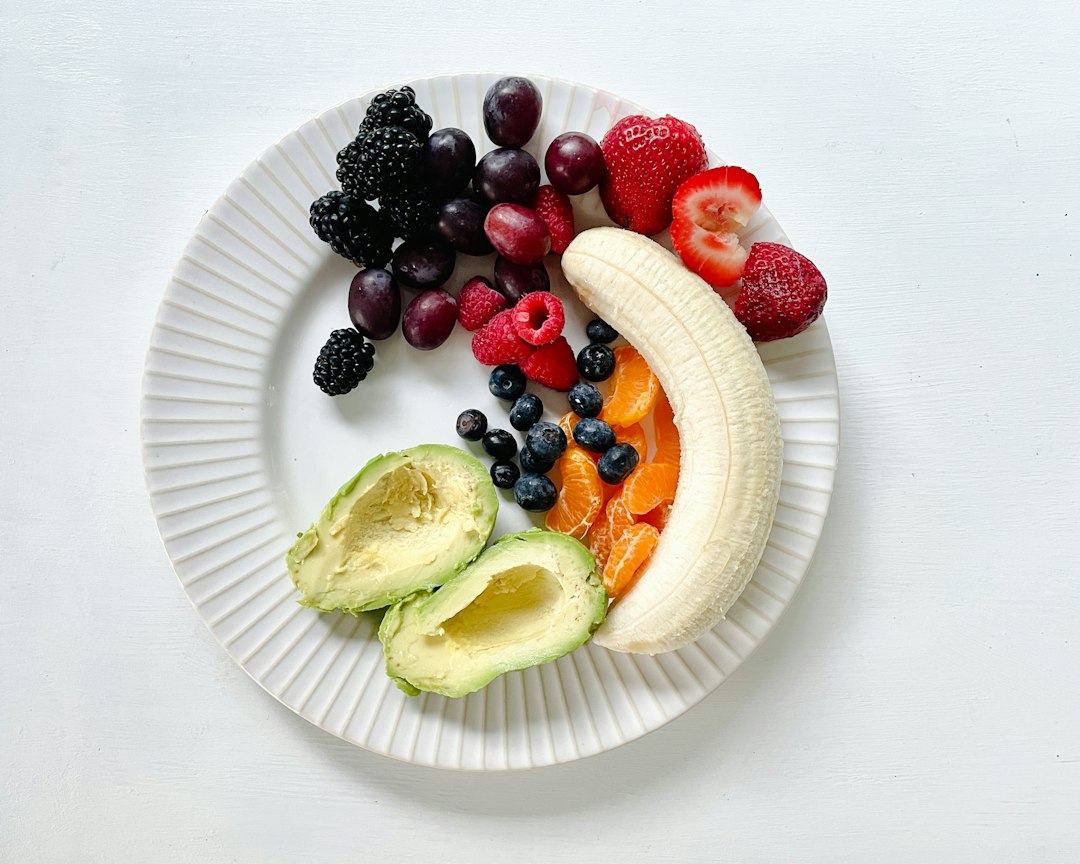
- Make it fun: Create “rainbow plates” where each color represents a different nutrient group.
- Balanced treats: Swap sugary desserts for fruit‑based options—e.g., baked apples with cinnamon or frozen yogurt parfaits with granola.
- Protein on a plant‑based diet: Combine legumes with whole grains (e.g., beans + brown rice) to achieve a complete amino acid profile. Include soy products, nuts, and seeds for variety.
- Vitamin B12 for vegans: Supplement or consume fortified plant milks and cereals, as B12 is primarily found in animal foods.
- Gluten‑free nutrition: Focus on naturally gluten‑free whole foods—rice, quinoa, potatoes, legumes, fruits, and vegetables—to avoid reliance on processed “gluten‑free” junk foods.
- Food diary apps (MyFitnessPal, Cronometer) let you log meals, track macronutrient ratios, and spot nutrient gaps.
- Photo journaling – Snap a picture of each meal; visual cues help you stay accountable and notice patterns.
- Weekly weigh‑ins or body measurements (if weight management is a goal) provide objective feedback without obsessing over daily fluctuations.
- If carbs feel low: Add a serving of fruit or a whole‑grain side to meals.
- If you’re consistently hungry: Increase protein or fiber portions (e.g., add lentils to soups or sprinkle flaxseed on oatmeal).
- If energy crashes after lunch: Ensure your midday meal contains a balance of protein, complex carbs, and healthy fat—think a turkey wrap on whole‑grain tortilla with avocado and leafy greens.
- Celebrate small wins – Treat yourself to a non‑food reward (new workout gear, a spa day) when you hit a nutrition milestone.
- Community support – Join a local cooking class, online forum, or accountability group. Sharing recipes and challenges makes the journey enjoyable.
- Continuous learning – Nutrition science evolves. Subscribe to reputable sources (Harvard Health Blog, Academy of Nutrition and Dietetics) to stay updated without falling for fad diets.
These options keep blood sugar steady, curb cravings, and provide a nutrient boost between meals.
2.4 Dining Out Without Derailing Your Nutrition Goals
—
3. Nutrition for Specific Lifestyles
3.1 The Active Athlete: Fueling Performance
3.2 The Busy Professional: Eating Well on a Tight Schedule
3.3 The Family Kitchen: Teaching Kids Healthy Habits
3.4 Special Considerations: Plant‑Based & Allergy‑Friendly Diets
—
4. Tracking, Adjusting, and Staying Motivated
4.1 Simple Self‑Monitoring Tools
4.2 Interpreting the Data and Making Adjustments
4.3 Keeping the Momentum
—
Conclusion – Your Nutrition Blueprint for a Healthier Life
Good nutrition isn’t a one‑size‑fits‑all prescription; it’s a flexible, evidence‑based framework that adapts to your lifestyle, goals, and preferences. By mastering the basics of macronutrients and micronutrients, planning meals strategically, tailoring nutrition to your specific life stage, and monitoring progress with simple tools, you empower yourself to make choices that nourish both body and mind.
Key Takeaways
1. Balanced plate = steady energy – Half veg, quarter protein, quarter whole‑grain carbs, plus a touch of healthy fat.
2. Micronutrient variety – Aim for a colorful plate to cover essential vitamins and minerals.
3. Plan ahead – Weekly prep, smart grocery lists, and batch cooking turn healthy eating from a chore into a habit.
4. Tailor to your lifestyle – Athletes, busy professionals, families, and plant‑based eaters each have specific strategies that fit their needs.
5. Track & adjust – Use simple apps or photos, review the data weekly, and tweak portions or food choices as needed.
6. Stay motivated – Celebrate progress, seek community, and keep learning.
Remember, every bite is an opportunity to fuel your future. Start small, stay consistent, and watch how a well‑balanced diet transforms your energy, mood, and overall well‑being. Here’s to a healthier, happier you—one nutritious meal at a time!