Are you tired of trying fad diets that promise the world but deliver little to no results? Do you want to finally achieve your weight loss goals and maintain a healthy, balanced lifestyle? Look no further! Creating a personalized diet plan is the key to unlocking your dream body, and we’re here to guide you every step of the way. In this comprehensive guide, we’ll explore the world of diet planning, providing you with valuable, actionable information to help you reach your goals.
Understanding Your Nutrition Needs
Before we dive into the nitty-gritty of diet planning, it’s essential to understand your nutrition needs. This involves calculating your daily caloric intake, macronutrient requirements, and considering any dietary restrictions or preferences. To determine your daily caloric needs, you can use a calorie calculator or consult with a registered dietitian. This will give you a baseline to work from, allowing you to create a personalized diet plan that suits your lifestyle.
When it comes to macronutrients, it’s crucial to strike a balance between carbohydrates, protein, and healthy fats. A general rule of thumb is to allocate 45-65% of your daily calories to carbohydrates, 15-20% to protein, and 20-35% to healthy fats. However, this may vary depending on your individual needs and goals. For example, if you’re an athlete or engage in regular physical activity, you may require more protein to support muscle growth and repair.
In addition to calculating your macronutrient requirements, it’s also important to consider any dietary restrictions or preferences. This may include following a vegan or vegetarian diet, avoiding gluten or dairy, or managing food allergies. By taking these factors into account, you can create a personalized diet plan that not only meets your nutritional needs but also aligns with your lifestyle and values.
Building a Balanced Diet Plan
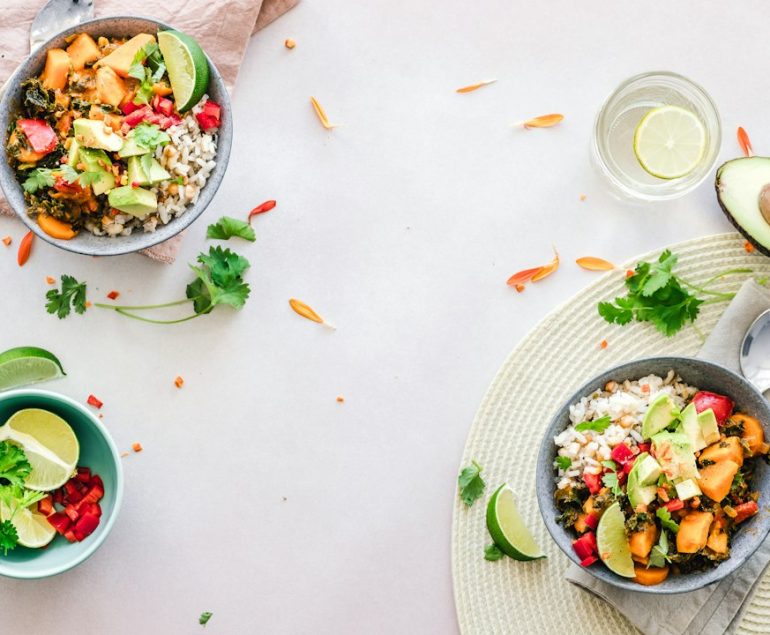
Now that you have a solid understanding of your nutrition needs, it’s time to build a balanced diet plan. This involves creating a meal plan that includes a variety of whole, nutrient-dense foods, such as fruits, vegetables, whole grains, lean proteins, and healthy fats. Aim to include a rainbow of colors on your plate to ensure you’re getting a broad range of vitamins and minerals.
When it comes to meal planning, it’s essential to be realistic and flexible. Don’t try to overhaul your entire diet in one day – instead, focus on making small, sustainable changes that you can maintain in the long term. Start by planning your meals for the week ahead, considering your schedule, dietary needs, and personal preferences. You can find a wealth of healthy recipes online or consult with a registered dietitian for personalized guidance.
In addition to meal planning, it’s also important to stay hydrated by drinking plenty of water throughout the day. Aim for at least eight glasses of water per day, and consider increasing this amount if you’re physically active or live in a hot climate. Limit your intake of sugary drinks and soda, which can be high in calories and low in nutrients.
Staying on Track: Tips and Strategies
Creating a personalized diet plan is just the first step – staying on track is where the real challenge lies. To help you stay motivated and focused, here are some tips and strategies to keep in mind:
- Set realistic goals: Don’t try to lose 10 pounds in one week – instead, aim for a sustainable weight loss of 1-2 pounds per week.
- Keep a food diary: Tracking your food intake can help you identify patterns and areas for improvement.
- Find healthy alternatives: If you’re craving a particular food, try finding a healthier alternative that satisfies your craving.
- Get support: Share your diet plan with a friend or family member and ask for their support and encouragement.
- Be kind to yourself: Remember that setbacks are a normal part of the journey – don’t be too hard on yourself if you slip up, and instead focus on getting back on track.
- Lack of time: If you’re short on time, consider meal prepping or cooking in bulk to save time during the week.
- Cravings: If you’re struggling with cravings, try finding healthy alternatives or practicing mindful eating techniques.
- Social pressure: If you’re feeling pressure from friends or family to eat certain foods, try explaining your diet plan and asking for their support.
- Plateaus: If you’re experiencing a weight loss plateau, try adjusting your diet plan or incorporating new exercises into your routine.
- Calculate your daily caloric needs and macronutrient requirements to create a personalized diet plan.
- Focus on whole, nutrient-dense foods, such as fruits, vegetables, whole grains, lean proteins, and healthy fats.
- Stay hydrated by drinking plenty of water throughout the day.
- Set realistic goals, keep a food diary, and find healthy alternatives to stay on track.
- Be aware of common challenges and have strategies in place to overcome them.
In addition to these tips, it’s also important to stay informed about the latest nutrition trends and research. Follow reputable sources, such as the Academy of Nutrition and Dietetics or the National Institutes of Health, to stay up-to-date on the latest findings and recommendations.
Overcoming Common Challenges
Despite your best efforts, you may still encounter challenges on your diet journey. Here are some common obstacles and how to overcome them:
By being aware of these common challenges and having strategies in place to overcome them, you can stay on track and achieve your diet goals.
Conclusion and Key Takeaways
Creating a personalized diet plan is a journey, not a destination. By understanding your nutrition needs, building a balanced diet plan, staying on track, and overcoming common challenges, you can unlock your dream body and maintain a healthy, balanced lifestyle. Remember to stay flexible, be kind to yourself, and celebrate your successes along the way.
Key takeaways from this guide include:
By following these tips and strategies, you can create a personalized diet plan that meets your unique needs and helps you achieve your weight loss goals. Remember to always consult with a healthcare professional or registered dietitian before starting any new diet or exercise program. With patience, persistence, and the right guidance, you can unlock your dream body and live a healthier, happier life.