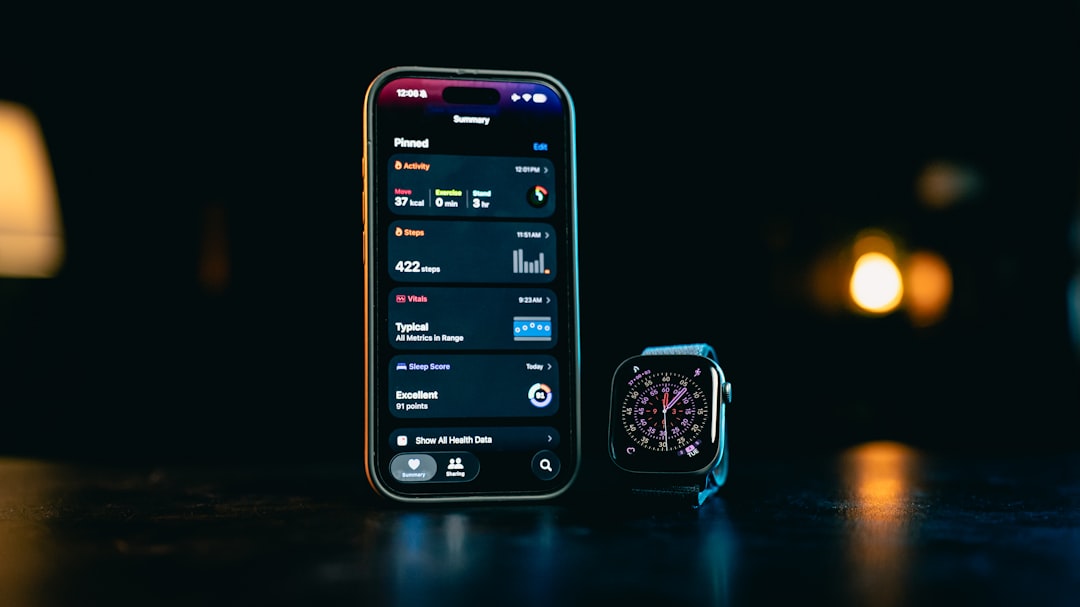
Unlocking the Power of Nutrition: A Comprehensive Guide to Fueling Your Body

As the old adage goes, “you are what you eat.” But have you ever stopped to think about what that really means? In today’s fast-paced world, it’s easy to get caught up in the hustle and bustle of daily life and neglect one of the most essential aspects of our overall health: nutrition. A well-balanced diet is the foundation upon which our bodies function, and without it, we can expect to feel sluggish, tired, and even prone to chronic diseases. In this comprehensive guide, we’ll delve into the world of nutrition, exploring the importance of a balanced diet, the benefits of various nutrients, and providing actionable tips to help you fuel your body for optimal health.

Introduction to Nutrition: The Basics

Nutrition is the science of how our bodies use food to function, grow, and maintain overall health. It’s a complex process that involves the breakdown of nutrients, such as carbohydrates, proteins, and fats, into energy and other essential compounds. A well-balanced diet provides our bodies with the necessary building blocks to function properly, from the energy we need to get through the day to the nutrients that support healthy skin, hair, and nails. But with so many conflicting messages about what constitutes a healthy diet, it can be overwhelming to know where to start.

One of the most important things to understand is the concept of macronutrients. Carbohydrates, proteins, and fats are the three main categories of macronutrients, and each plays a vital role in our overall health. Carbohydrates, such as whole grains, fruits, and vegetables, provide energy for our bodies, while proteins, found in foods like lean meats, fish, and legumes, are essential for building and repairing tissues. Fats, including healthy options like nuts, seeds, and avocados, are crucial for brain function, hormone production, and the absorption of vitamins and minerals.

The Benefits of a Balanced Diet: Why Nutrition Matters

A balanced diet is essential for maintaining optimal health, and the benefits are numerous. By fueling our bodies with the right foods, we can expect to see improvements in energy levels, digestion, and even mental clarity. A well-balanced diet has also been shown to reduce the risk of chronic diseases, such as heart disease, diabetes, and certain types of cancer. But that’s not all – a healthy diet can also have a profound impact on our mental health, with studies suggesting that a balanced diet can help alleviate symptoms of anxiety and depression.

One of the most significant benefits of a balanced diet is its impact on our gut health. The gut microbiome, made up of trillions of microorganisms, plays a crucial role in our overall health, influencing everything from our immune system to our mood. A diet rich in whole, nutrient-dense foods, such as fruits, vegetables, and whole grains, provides the necessary fuel for our gut microbiome to thrive. This, in turn, can lead to improvements in digestion, reduced inflammation, and even a stronger immune system.

Nutrient-Dense Foods: The Key to a Healthy Diet

So, what are the key foods that should be included in a balanced diet? The answer lies in nutrient-dense foods, which provide a high amount of essential vitamins, minerals, and other beneficial compounds while being low in calories and unhealthy ingredients. Some of the top nutrient-dense foods include:

  • Leafy greens, such as spinach and kale, which are rich in vitamins A, C, and K, as well as minerals like calcium and iron
  • Berries, which are high in antioxidants and fiber, and have been shown to have anti-inflammatory properties
  • Fatty fish, such as salmon and sardines, which are rich in omega-3 fatty acids and have been linked to improved heart health
  • Legumes, such as lentils and chickpeas, which are high in protein, fiber, and minerals like potassium and magnesium
  • Nuts and seeds, which are rich in healthy fats, protein, and fiber, and have been shown to have anti-inflammatory properties
  • In addition to incorporating these nutrient-dense foods into your diet, it’s also essential to limit your intake of processed and sugary foods. These foods are often high in empty calories, added sugars, and unhealthy ingredients, which can have a negative impact on our overall health.

    Meal Planning and Prep: Tips for a Healthy Diet

    So, how can you start incorporating these nutrient-dense foods into your diet? The key lies in meal planning and prep. By taking the time to plan out your meals in advance, you can ensure that you’re getting the necessary nutrients to fuel your body. Here are some tips to get you started:

  • Start by making a list of your favorite nutrient-dense foods and incorporating them into your meal plan
  • Plan out your meals for the week, including breakfast, lunch, dinner, and snacks
  • Consider meal prepping on the weekends or one day a week, where you prepare healthy meals in advance
  • Keep healthy snacks on hand, such as nuts, seeds, and fresh fruit, to curb cravings and prevent overeating
  • Don’t be afraid to get creative and try new recipes – experiment with different spices, seasonings, and ingredients to keep your meals interesting and delicious
  • Conclusion: Unlocking the Power of Nutrition

    In conclusion, nutrition is a powerful tool that can have a profound impact on our overall health and wellbeing. By fueling our bodies with the right foods, we can expect to see improvements in energy levels, digestion, and even mental clarity. By incorporating nutrient-dense foods into our diet, limiting our intake of processed and sugary foods, and making meal planning and prep a priority, we can take the first steps towards unlocking the power of nutrition. Remember, a healthy diet is not a one-size-fits-all approach – it’s about finding a balance that works for you and your unique needs. So, take the first step today and start nourishing your body with the foods it needs to thrive.

    Key takeaways:

  • A well-balanced diet provides our bodies with the necessary building blocks to function properly
  • Macronutrients, including carbohydrates, proteins, and fats, play a vital role in our overall health
  • A balanced diet can reduce the risk of chronic diseases, improve energy levels, and even have a positive impact on mental health
  • Nutrient-dense foods, such as leafy greens, berries, and fatty fish, should be included in a healthy diet
  • Meal planning and prep are essential for incorporating healthy foods into your diet and achieving optimal health.

Unlock the Power of a Personalized Diet Plan: Transform Your Body and Mind

Are you tired of feeling sluggish, run down, and stuck in a rut? Do you struggle to shed those extra pounds, despite trying every fad diet and quick fix under the sun? The truth is, a one-size-fits-all approach to dieting just doesn’t work for everyone. That’s why it’s time to ditch the generic diet plans and focus on creating a personalized diet plan that’s tailored to your unique needs, goals, and lifestyle. In this comprehensive guide, we’ll delve into the world of customized diet planning, exploring the benefits, key considerations, and actionable tips to help you unlock the power of a personalized diet plan and transform your body and mind.

Understanding the Importance of a Personalized Diet Plan

When it comes to dieting, it’s easy to get caught up in the latest trends and fad diets. However, these generic plans often neglect to take into account your individual nutritional needs, health goals, and lifestyle preferences. A personalized diet plan, on the other hand, is designed to address your specific requirements, ensuring that you’re fueling your body with the right foods, in the right amounts, at the right times. By doing so, you’ll be better equipped to achieve your health and wellness goals, whether that’s weight loss, improved energy levels, or enhanced overall well-being. Some key benefits of a personalized diet plan include:

  • Increased weight loss: A tailored diet plan helps you create a calorie deficit that’s specific to your needs, leading to more effective weight loss.
  • Improved nutrient intake: By considering your individual nutritional requirements, you’ll ensure that you’re getting all the essential vitamins, minerals, and macronutrients your body needs to thrive.
  • Enhanced energy levels: A personalized diet plan takes into account your lifestyle, activity level, and health goals, providing you with the energy and endurance you need to power through your day.
  • Creating Your Personalized Diet Plan: Key Considerations

    So, how do you go about creating a personalized diet plan that’s tailored to your unique needs and goals? Here are some key considerations to keep in mind:

  • Assess your nutritional needs: Start by evaluating your daily caloric requirements, taking into account your age, sex, weight, height, and activity level. You can use online calculators or consult with a registered dietitian to determine your individual needs.
  • Set realistic goals: Identify what you want to achieve through your diet plan, whether it’s weight loss, improved blood sugar control, or enhanced athletic performance. Make sure your goals are specific, measurable, achievable, relevant, and time-bound (SMART).
  • Choose the right foods: Focus on whole, unprocessed foods like vegetables, fruits, whole grains, lean proteins, and healthy fats. Aim to include a variety of colors on your plate to ensure you’re getting a broad range of essential nutrients.
  • Consider your lifestyle: Take into account your daily routine, including your work schedule, travel commitments, and social engagements. This will help you create a diet plan that’s flexible, realistic, and easy to follow.
  • Putting Your Personalized Diet Plan into Action

    Now that you’ve created your personalized diet plan, it’s time to put it into action. Here are some actionable tips to help you stay on track:

  • Keep a food diary: Record your daily food intake, including portion sizes, meal times, and any snacks or beverages. This will help you identify patterns, track your progress, and make adjustments as needed.
  • Plan your meals: Take some time each week to plan and prepare your meals, ensuring that you have healthy, nutritious options available when you need them.
  • Stay hydrated: Drink plenty of water throughout the day, aiming for at least eight cups (64 ounces) daily. Limit your intake of sugary drinks and caffeine, which can have negative effects on your overall health.
  • Be kind to yourself: Remember that setbacks are inevitable, and it’s okay to indulge occasionally. Don’t beat yourself up over slip-ups – simply get back on track and keep moving forward.
  • Overcoming Common Challenges and Staying Motivated

    Sticking to a personalized diet plan can be challenging, especially when faced with tempting foods, busy schedules, or emotional triggers. Here are some common obstacles to watch out for, along with strategies to help you overcome them:

  • Emotional eating: Be aware of your emotional triggers, such as stress, boredom, or anxiety, and find healthier ways to cope, like meditation, exercise, or creative pursuits.
  • Social pressures: Surround yourself with supportive friends and family, and don’t be afraid to communicate your dietary needs and boundaries.
  • Cravings and temptations: Find healthy alternatives to your favorite treats, and keep them on hand to satisfy cravings. Practice mindful eating, savoring each bite and paying attention to your hunger and fullness cues.
  • Conclusion and Key Takeaways

    Creating a personalized diet plan is a powerful way to transform your body and mind, helping you achieve your unique health and wellness goals. By understanding your nutritional needs, setting realistic goals, choosing the right foods, and considering your lifestyle, you’ll be well on your way to developing a customized diet plan that works for you. Remember to stay flexible, be kind to yourself, and celebrate your successes along the way. With patience, persistence, and the right mindset, you’ll unlock the power of a personalized diet plan and unlock a happier, healthier you.

    Key takeaways:

  • A personalized diet plan is tailored to your unique needs, goals, and lifestyle.
  • Assess your nutritional needs, set realistic goals, and choose whole, unprocessed foods.
  • Consider your lifestyle, including your daily routine, travel commitments, and social engagements.
  • Keep a food diary, plan your meals, and stay hydrated to stay on track.
  • Be kind to yourself, and don’t be afraid to seek support when faced with challenges or setbacks.

By incorporating these principles into your daily life, you’ll be well on your way to achieving a balanced, sustainable, and personalized diet plan that nourishes your body and soul. So why wait? Start your journey today, and discover the transformative power of a customized diet plan that’s tailored to your unique needs and goals.

Unlock the Power of Exercise: Transform Your Body and Mind with Regular Physical Activity

Are you tired of feeling sluggish, stressed, and stuck in a rut? Do you want to boost your energy levels, improve your mood, and increase your overall sense of well-being? If so, it’s time to get moving! Exercise is one of the most powerful tools we have to transform our bodies and minds, and yet, many of us struggle to make it a consistent part of our daily routine. In this comprehensive guide, we’ll explore the numerous benefits of exercise, from weight loss and improved cardiovascular health to enhanced mental clarity and reduced stress levels. Whether you’re a fitness enthusiast or just starting out, you’ll learn how to harness the power of exercise to achieve your goals and live a healthier, happier life.

The Physical Benefits of Exercise: A Stronger, Leaner You

Regular exercise is essential for maintaining a healthy weight, building strong bones and muscles, and improving overall physical function. When we engage in physical activity, our bodies respond by increasing blood flow, boosting metabolism, and burning calories. This can lead to significant weight loss, particularly when combined with a balanced diet. Exercise also helps to improve insulin sensitivity, reducing the risk of developing type 2 diabetes and other metabolic disorders. Furthermore, regular physical activity has been shown to lower blood pressure, improve cardiovascular health, and reduce the risk of heart disease.

In addition to these physical benefits, exercise can also have a profound impact on our mental and emotional well-being. When we engage in physical activity, our brains release endorphins, also known as “feel-good” hormones, which can help to alleviate symptoms of anxiety and depression. Exercise has also been shown to improve sleep quality, increase energy levels, and enhance cognitive function, making it an essential component of a healthy lifestyle.

Exercise and Mental Health: Reducing Stress and Anxiety

Exercise is a natural stress-reliever that can help to reduce anxiety and improve mood. When we engage in physical activity, our brains release endorphins, which can help to calm the mind and body. This can be especially beneficial for individuals who struggle with anxiety and depression, as exercise can provide a healthy distraction from negative thoughts and emotions. Additionally, exercise has been shown to improve self-esteem, body image, and overall mental well-being, making it an essential component of mental health treatment.

One of the most significant benefits of exercise for mental health is its ability to reduce stress and anxiety. When we exercise, our bodies release tension and our minds become more focused, allowing us to approach challenges with greater clarity and confidence. Exercise has also been shown to improve mood, reduce symptoms of depression, and enhance overall sense of well-being. Whether you’re dealing with a stressful work situation, a difficult relationship, or simply the demands of daily life, exercise can provide a healthy outlet for your emotions and help you feel more grounded and centered.

Finding Your Fitness Groove: Tips for Getting Started and Staying Motivated

Getting started with an exercise routine can be intimidating, especially if you’re new to physical activity. However, with a little creativity and experimentation, you can find a fitness routine that works for you and your lifestyle. Here are a few tips to get you started:

  • Start small: Begin with short, manageable workouts and gradually increase the duration and intensity as you become more comfortable.
  • Find an activity you enjoy: Whether it’s walking, running, swimming, or dancing, choose an activity that brings you joy and makes you feel alive.
  • Schedule it in: Treat exercise as a non-negotiable part of your daily routine, just like brushing your teeth or taking a shower.
  • Mix it up: Vary your workout routine to avoid boredom and prevent plateaus.
  • Get accountability: Find a workout buddy or join a fitness community to stay motivated and inspired.
  • Staying motivated is also crucial to maintaining a consistent exercise routine. Here are a few tips to help you stay on track:

  • Set realistic goals: Break down larger goals into smaller, achievable milestones, and celebrate your successes along the way.
  • Track your progress: Use a fitness tracker, journal, or mobile app to monitor your progress and stay motivated.
  • Reward yourself: Treat yourself to something special after reaching a milestone or completing a challenging workout.
  • Make it a habit: Incorporate exercise into your daily routine, just like brushing your teeth or taking a shower.
  • Overcoming Obstacles and Staying on Track: Common Challenges and Solutions

    Despite the many benefits of exercise, there are often obstacles that can prevent us from sticking to our fitness routine. Here are a few common challenges and solutions:

  • Lack of time: Schedule exercise into your daily routine, just like any other important appointment. Start small, with short, manageable workouts, and gradually increase the duration and intensity as you become more comfortable.
  • Lack of motivation: Find an activity you enjoy, and make it a social activity by exercising with a friend or family member. Use positive self-talk and rewards to motivate yourself, and celebrate your successes along the way.
  • Injury or illness: Consult with a healthcare professional before starting or continuing an exercise routine, especially if you have any underlying health conditions. Start slowly, and gradually increase the intensity and duration of your workouts as you become more comfortable.
  • Plateaus: Mix up your workout routine to avoid boredom and prevent plateaus. Try new activities, take a break, or work with a personal trainer to help you stay motivated and inspired.
  • Conclusion: Unlocking the Power of Exercise for a Healthier, Happier You

    In conclusion, exercise is a powerful tool that can transform our bodies and minds, leading to a healthier, happier life. Whether you’re looking to lose weight, improve your mental health, or simply feel more energized and focused, regular physical activity can help you achieve your goals. By incorporating exercise into your daily routine, you’ll experience numerous physical and mental benefits, from weight loss and improved cardiovascular health to enhanced mental clarity and reduced stress levels.

    Remember, the key to unlocking the power of exercise is to find a routine that works for you and your lifestyle. Start small, be consistent, and stay motivated, and you’ll be on your way to a healthier, happier you. Don’t be afraid to try new things, and don’t give up – every step you take towards a more active lifestyle is a step in the right direction. So why not get started today? Your body – and mind – will thank you.

    Key takeaways:

  • Exercise is essential for maintaining a healthy weight, building strong bones and muscles, and improving overall physical function.
  • Regular physical activity can reduce stress and anxiety, improve mood, and enhance cognitive function.
  • Finding a fitness routine that works for you and your lifestyle is crucial to staying motivated and consistent.
  • Overcoming obstacles, such as lack of time or motivation, requires creativity, experimentation, and a willingness to try new things.
  • Exercise is a journey, not a destination – every step you take towards a more active lifestyle is a step in the right direction.

Finding Calm in Chaos: Effective Stress Management Tips for a Happier You

Are you tired of feeling like you’re drowning in a sea of stress and anxiety? Do you often find yourself lying awake at night, replaying the events of the day and worrying about what’s to come? You’re not alone. Stress has become an unfortunate companion for many of us, affecting our mental and physical health, relationships, and overall well-being. But here’s the good news: stress management is a skill that can be learned, and with the right tools and techniques, you can take control of your stress and start living a happier, healthier life. In this comprehensive guide, we’ll explore the best stress management tips and techniques to help you find calm in chaos.

Understanding Stress and Its Impact on Our Lives

Before we dive into the nitty-gritty of stress management, it’s essential to understand what stress is and how it affects our bodies. Stress is a natural response to a perceived threat or pressure, triggering the release of stress hormones like cortisol and adrenaline. While these hormones can help us respond to immediate dangers, chronically elevated levels can have severe consequences on our physical and mental health. Chronic stress has been linked to anxiety, depression, digestive problems, and a weakened immune system, among other issues. It’s crucial to recognize the signs of stress, such as irritability, mood swings, and difficulty sleeping, and take proactive steps to manage it.

Stress management is not a one-size-fits-all approach; what works for one person may not work for another. However, there are some evidence-based techniques that can help reduce stress and improve overall well-being. These include mindfulness meditation, deep breathing exercises, and physical activity, which we’ll explore in more detail below. By incorporating these stress-reducing activities into your daily routine, you can better equip yourself to handle life’s challenges and improve your resilience.

Mindfulness and Meditation: Powerful Tools for Stress Reduction

Mindfulness and meditation are two of the most effective stress management techniques, and for good reason. These practices have been shown to decrease the production of stress hormones, reduce anxiety and depression, and improve sleep quality. Mindfulness involves being present in the moment, paying attention to your thoughts, feelings, and sensations without judgment. Meditation, on the other hand, is a more focused practice that involves training your mind to concentrate on a specific object, such as the breath. Regular mindfulness and meditation practice can help you develop a greater sense of self-awareness, allowing you to recognize and manage stress more effectively.

To get started with mindfulness and meditation, you can try using apps like Headspace or Calm, which offer guided meditations and mindfulness exercises. You can also try incorporating mindfulness into your daily activities, such as eating or walking, by paying attention to your senses and the present moment. Remember, the key to mindfulness and meditation is consistency; aim to practice for at least 10-15 minutes a day, ideally at the same time each day. With regular practice, you can develop greater calm, clarity, and focus, even in the midst of chaos.

Physical Activity and Exercise: Natural Stress-Relievers

Physical activity is another powerful stress-reducer, and one that’s often overlooked. Exercise has been shown to reduce stress and anxiety by releasing endorphins, also known as “feel-good” hormones. These natural chemicals can help improve your mood, reduce tension, and enhance your overall sense of well-being. Regular exercise can also help improve sleep quality, boost energy levels, and increase self-esteem.

The best part? You don’t need to be a fitness enthusiast to reap the benefits of exercise. Even moderate physical activity, such as brisk walking or yoga, can be beneficial for stress management. Aim for at least 30 minutes of moderate-intensity exercise per day, and try to incorporate a variety of activities into your routine, such as strength training, cardio, and flexibility exercises. Remember to listen to your body and start slowly, especially if you’re new to exercise. With time and consistency, you can develop a healthier, more active lifestyle that helps you manage stress and improve your overall health.

Time Management and Boundary-Setting: Essential Stress Management Skills

Effective time management and boundary-setting are essential skills for managing stress and maintaining a healthy work-life balance. When you’re overwhelmed with tasks and responsibilities, it’s easy to feel stressed and anxious. By prioritizing your tasks, setting realistic goals, and learning to say “no” to non-essential commitments, you can reduce your stress levels and improve your overall sense of control.

To improve your time management skills, try using a planner or calendar to stay organized, and break down large tasks into smaller, manageable chunks. Set realistic deadlines and prioritize self-care activities, such as exercise, meditation, or spending time with loved ones. Remember, taking care of yourself is not selfish; it’s essential for maintaining your physical and mental health. By setting healthy boundaries and prioritizing your own needs, you can reduce stress, improve your relationships, and increase your overall sense of fulfillment.

Conclusion: Taking Control of Your Stress

Stress management is a journey, not a destination. It takes time, effort, and patience to develop the skills and strategies needed to manage stress effectively. However, with the right tools and techniques, you can take control of your stress and start living a happier, healthier life. Remember, stress is not something to be ashamed of; it’s a natural response to a challenging world. By acknowledging your stress, seeking support, and incorporating stress-reducing activities into your daily routine, you can reduce your stress levels, improve your relationships, and increase your overall sense of well-being.

In conclusion, the key takeaways from this guide are:

  • Mindfulness and meditation are powerful tools for reducing stress and improving mental health.
  • Physical activity and exercise can help reduce stress and anxiety, while improving overall health and well-being.
  • Effective time management and boundary-setting are essential skills for managing stress and maintaining a healthy work-life balance.
  • Stress management is a journey, not a destination, and it takes time, effort, and patience to develop the skills and strategies needed to manage stress effectively.

By incorporating these stress management tips and techniques into your daily routine, you can take the first step towards a happier, healthier you. Remember, you are not alone in your struggles with stress, and there is always hope for a better tomorrow. So, take a deep breath, be kind to yourself, and start your journey towards a more peaceful, stress-free life.

Unlocking the Power of Nutrition: A Comprehensive Guide to Fueling Your Body

As the old adage goes, “you are what you eat.” But in today’s fast-paced world, it’s easy to get caught up in the hustle and bustle and neglect one of the most essential aspects of our overall health: nutrition. With the constant barrage of fad diets, conflicting information, and tempting processed foods, it’s no wonder many of us are left feeling confused and uncertain about how to fuel our bodies for optimal health. But what if you could unlock the secrets to a balanced and thriving lifestyle, simply by making informed choices about the food you eat? In this comprehensive guide, we’ll delve into the world of nutrition, exploring the latest research, debunking common myths, and providing actionable tips to help you take control of your dietary destiny.

Understanding the Basics of Nutrition

Before we dive into the nitty-gritty of nutritional science, it’s essential to grasp the fundamental concepts that underpin a healthy diet. At its core, nutrition is the study of how our bodies respond to the food we consume, and how we can use this knowledge to maintain optimal health. The three main macronutrients – carbohydrates, proteins, and fats – provide the energy and building blocks our bodies need to function properly. Carbohydrates, for example, are the primary source of fuel for our brains and muscles, while proteins are essential for building and repairing tissues. Fats, often misunderstood as the “bad guys,” play a crucial role in hormone regulation, brain function, and the absorption of vital vitamins and minerals.

In addition to macronutrients, a balanced diet should also include a variety of micronutrients, such as vitamins and minerals. These tiny but mighty nutrients are essential for maintaining healthy skin, hair, and nails, as well as supporting immune function, energy production, and overall well-being. Some of the most critical micronutrients include vitamin C, vitamin D, calcium, and iron, all of which can be found in abundance in whole, unprocessed foods. By focusing on whole foods, such as fruits, vegetables, whole grains, lean proteins, and healthy fats, you’ll be well on your way to providing your body with the nutrients it needs to thrive.

Debunking Common Nutrition Myths

With the constant influx of new research and conflicting information, it’s easy to get caught up in the latest fad diets and nutrition trends. But many of these trends are based on misinformation, myths, and downright falsehoods. One of the most pervasive myths is that low-fat or fat-free foods are inherently healthier. In reality, many of these products are highly processed and laden with added sugars, salt, and artificial ingredients that can do more harm than good. Another common myth is that all calories are created equal, and that as long as you’re eating a calorie-controlled diet, you’ll be okay. However, this neglects the critical role that nutrient-dense foods play in supporting overall health and well-being.

Perhaps one of the most damaging myths is the notion that certain foods are “good” or “bad,” and that by cutting out entire food groups, you’ll be able to achieve optimal health. In reality, a balanced diet is all about variety and moderation, rather than restriction and deprivation. By focusing on whole, unprocessed foods, and allowing for the occasional indulgence, you’ll be better equipped to develop a healthy relationship with food and your body. It’s also essential to remember that everyone’s nutritional needs are unique, and what works for one person may not work for another. By tuning into your body’s individual needs and responding to its signals, you’ll be better able to navigate the complex world of nutrition and make informed choices that support your overall health and well-being.

Nutrition and Lifestyle: The Interconnected Web

Nutrition is often viewed as a standalone aspect of our health, but in reality, it’s deeply intertwined with our lifestyle, environment, and overall well-being. The food we eat can have a profound impact on our energy levels, mood, and cognitive function, all of which can, in turn, affect our relationships, work performance, and overall quality of life. By prioritizing nutrition and making informed choices about the food we eat, we can experience a ripple effect of positive benefits that extend far beyond the plate.

One of the most critical lifestyle factors that intersects with nutrition is physical activity. Regular exercise not only helps to burn calories and maintain a healthy weight but also supports immune function, bone health, and mental well-being. By combining a balanced diet with regular physical activity, you’ll be better equipped to maintain optimal health and reduce your risk of chronic diseases, such as heart disease, diabetes, and certain types of cancer. Additionally, getting enough sleep, managing stress, and staying hydrated are all essential components of a healthy lifestyle that are deeply connected to nutrition. By prioritizing these aspects of our lives, we can create a robust foundation for overall health and well-being.

Putting it all Together: Actionable Tips for a Balanced Diet

Now that we’ve explored the basics of nutrition, debunked common myths, and examined the interconnected web of lifestyle factors, it’s time to put it all into practice. Here are some actionable tips to help you create a balanced and thriving diet:

  • Focus on whole, unprocessed foods, such as fruits, vegetables, whole grains, lean proteins, and healthy fats.
  • Aim to include a variety of colors on your plate to ensure you’re getting a broad range of vitamins and minerals.
  • Cook at home using simple, whole ingredients, and avoid relying on processed and packaged foods.
  • Stay hydrated by drinking plenty of water throughout the day, and limit your intake of sugary drinks and caffeine.
  • Listen to your body and respond to its signals, rather than following a one-size-fits-all approach to nutrition.
  • Be mindful of portion sizes and eat until you’re satisfied, rather than stuffed.
  • Allow for the occasional indulgence, and don’t beat yourself up over slip-ups – simply get back on track and keep moving forward.

By incorporating these tips into your daily routine, you’ll be well on your way to creating a balanced and thriving diet that supports your overall health and well-being. Remember, nutrition is a journey, not a destination, and it’s okay to take things one step at a time. By focusing on progress, not perfection, and being kind to yourself along the way, you’ll be better equipped to navigate the complex world of nutrition and unlock the power of a healthy, balanced lifestyle.

In conclusion, nutrition is a complex and multifaceted field that plays a critical role in our overall health and well-being. By understanding the basics of nutrition, debunking common myths, and recognizing the interconnected web of lifestyle factors, we can create a robust foundation for optimal health. By putting these principles into practice and focusing on whole, unprocessed foods, we can experience a profound impact on our energy levels, mood, and overall quality of life. Remember, nutrition is a journey, not a destination, and it’s okay to take things one step at a time. By being kind to yourself, listening to your body, and prioritizing progress over perfection, you’ll be well on your way to unlocking the power of nutrition and achieving a balanced, thriving lifestyle.

Unlocking the Power of Nutrition: A Comprehensive Guide to Fueling Your Body

As the old adage goes, “you are what you eat.” But have you ever stopped to think about the profound impact that nutrition has on your overall health and wellbeing? From boosting energy levels to supporting mental clarity, the food you put into your body plays a vital role in determining how you feel, perform, and even live. In this article, we’ll delve into the world of nutrition, exploring the key principles, benefits, and practical tips to help you unlock the full potential of your diet. Whether you’re a fitness enthusiast, a busy professional, or simply someone looking to upgrade your health, this comprehensive guide is packed with valuable insights and actionable advice to get you started on your journey to optimal nutrition.

Understanding the Basics of Nutrition

Before we dive into the nitty-gritty of nutrition, it’s essential to understand the fundamental principles that underpin a healthy diet. At its core, nutrition is about providing your body with the necessary fuel to function, grow, and repair itself. This involves consuming a balanced mix of macronutrients, including carbohydrates, protein, and healthy fats, as well as a range of essential vitamins and minerals. A well-balanced diet should also include a variety of whole, unprocessed foods, such as fruits, vegetables, whole grains, lean proteins, and healthy fats. By focusing on whole foods, you’ll not only be providing your body with the nutrients it needs but also reducing your exposure to unhealthy additives, preservatives, and toxins.

One of the most critical aspects of nutrition is understanding the concept of macronutrient balance. Carbohydrates, for example, are the body’s primary source of energy, while protein is essential for building and repairing tissues. Healthy fats, on the other hand, play a crucial role in hormone production, brain function, and the absorption of vital vitamins and minerals. By striking the right balance between these macronutrients, you’ll be able to optimize your energy levels, support muscle growth and repair, and even enhance your mental clarity and focus. For instance, a study published in the Journal of Nutrition found that a balanced diet that includes a mix of complex carbohydrates, lean protein, and healthy fats can help improve cognitive function and reduce the risk of chronic diseases.

The Benefits of Proper Nutrition

So, why is nutrition so important? The benefits of proper nutrition are numerous and far-reaching, extending beyond just physical health to mental wellbeing and even performance. By fueling your body with the right foods, you’ll be able to:

  • Boost energy levels and reduce fatigue
  • Support weight management and weight loss
  • Enhance mental clarity and focus
  • Improve sleep quality and duration
  • Support immune function and reduce the risk of chronic diseases
  • Enhance athletic performance and recovery
  • In addition to these benefits, a well-balanced diet can also have a profound impact on your mental health and wellbeing. A study published in the Journal of Affective Disorders found that a diet rich in whole foods, fruits, and vegetables can help reduce symptoms of anxiety and depression. Furthermore, a diet that includes a balance of omega-3 fatty acids, vitamin D, and other essential nutrients can help support brain health and even reduce the risk of neurodegenerative diseases.

    Practical Tips for Optimizing Your Nutrition

    So, how can you start optimizing your nutrition and unlocking the full potential of your diet? Here are some practical tips to get you started:

  • Focus on whole foods: Prioritize whole, unprocessed foods, such as fruits, vegetables, whole grains, lean proteins, and healthy fats.
  • Hydrate adequately: Aim to drink at least eight glasses of water per day, and consider incorporating hydrating foods, such as watermelon and cucumbers, into your diet.
  • Eat regular meals: Space out your meals to maintain stable energy levels and support muscle growth and repair.
  • Incorporate healthy snacks: Choose nutrient-dense snacks, such as nuts, seeds, and fruits, to curb hunger and support overall health.
  • Limit processed and sugary foods: Restrict your intake of processed and sugary foods, which can lead to energy crashes, weight gain, and chronic diseases.
  • Consider meal planning and prep: Plan and prep your meals in advance to ensure you’re getting the nutrients you need and reducing food waste.
  • In addition to these tips, it’s also essential to be mindful of your individual nutritional needs. For example, if you’re an athlete or engage in regular physical activity, you may require more protein and complex carbohydrates to support muscle growth and recovery. Similarly, if you’re trying to manage a chronic disease, such as diabetes or heart disease, you may need to pay closer attention to your carbohydrate intake and blood sugar levels. By taking the time to understand your unique nutritional needs and making informed choices, you’ll be able to optimize your diet and achieve your health and wellness goals.

    Overcoming Common Nutrition Challenges

    Despite the best intentions, many of us face common nutrition challenges that can derail our progress and hinder our results. Here are some tips for overcoming these challenges:

  • Time constraints: Consider meal planning and prep, or look into convenient, healthy meal delivery options.
  • Food cravings: Identify your triggers and find healthier alternatives, such as fruit or dark chocolate, to satisfy your cravings.
  • Social pressures: Communicate your dietary goals and preferences with friends and family, and find healthy, social eating options, such as salad bars or healthy restaurants.
  • Emotional eating: Practice mindful eating, and find healthy ways to cope with emotions, such as meditation, exercise, or creative pursuits.
  • Nutritional knowledge: Seek out credible sources, such as registered dietitians or nutritionists, to educate yourself on proper nutrition and meal planning.
  • By acknowledging and addressing these common challenges, you’ll be better equipped to stay on track and achieve your nutritional goals. Remember, nutrition is a journey, not a destination, and it’s essential to be patient, flexible, and compassionate with yourself as you work towards optimal health and wellbeing.

    Conclusion and Key Takeaways

    In conclusion, nutrition is a powerful tool that can have a profound impact on your overall health, wellbeing, and performance. By understanding the basics of nutrition, incorporating whole foods, and practicing mindful eating, you’ll be able to unlock the full potential of your diet and achieve your goals. Remember to stay hydrated, eat regular meals, and limit processed and sugary foods. Don’t be afraid to seek out credible sources, such as registered dietitians or nutritionists, to educate yourself on proper nutrition and meal planning. And most importantly, be patient and compassionate with yourself as you navigate the journey to optimal nutrition.

    Key takeaways:

  • Focus on whole, unprocessed foods to provide your body with the necessary fuel to function, grow, and repair itself.
  • Hydrate adequately and eat regular meals to maintain stable energy levels and support muscle growth and repair.
  • Incorporate healthy snacks and limit processed and sugary foods to curb hunger and support overall health.
  • Consider meal planning and prep to ensure you’re getting the nutrients you need and reducing food waste.
  • Seek out credible sources, such as registered dietitians or nutritionists, to educate yourself on proper nutrition and meal planning.

By following these key takeaways and staying committed to your nutritional goals, you’ll be well on your way to unlocking the power of nutrition and achieving optimal health, wellbeing, and performance. Whether you’re a fitness enthusiast, a busy professional, or simply someone looking to upgrade your health, the principles and tips outlined in this comprehensive guide will provide you with the foundation you need to succeed. So, start your journey to optimal nutrition today, and discover the transformative power of food for yourself.

Unlock the Power of Exercise: Transform Your Body, Mind, and Life

Are you tired of feeling sluggish, unmotivated, and stuck in a rut? Do you want to boost your energy levels, improve your mood, and enhance your overall well-being? If so, it’s time to discover the incredible benefits of exercise. Regular physical activity is a powerful tool that can transform your body, mind, and life in ways you never thought possible. From improving your physical health to enhancing your mental clarity, exercise is the key to unlocking a happier, healthier, and more fulfilling you. In this comprehensive guide, we’ll delve into the amazing advantages of exercise, exploring the science behind its benefits and providing actionable tips to help you get started on your fitness journey.

The Physical Benefits of Exercise

Exercise is often associated with physical health, and for good reason. Regular physical activity can have a profound impact on your body, reducing your risk of chronic diseases, improving your sleep, and even enhancing your physical appearance. Some of the most significant physical benefits of exercise include:

  • Weight management: Exercise helps you burn calories, build muscle, and increase your metabolism, making it easier to maintain a healthy weight.
  • Improved cardiovascular health: Regular physical activity strengthens your heart, lowers your blood pressure, and reduces your risk of heart disease, stroke, and other cardiovascular conditions.
  • Increased strength and flexibility: Exercise, especially resistance training and stretching, can help you build strong muscles and improve your flexibility, reducing your risk of injury and improving your overall mobility.
  • Better sleep: Physical activity can help regulate your sleep patterns, improve the quality of your sleep, and even reduce symptoms of insomnia and other sleep disorders.
  • To experience these physical benefits, aim to engage in at least 150 minutes of moderate-intensity aerobic exercise, 75 minutes of vigorous-intensity aerobic exercise, or a combination of both, per week. You can also incorporate strength training, high-intensity interval training (HIIT), and other forms of exercise to keep your workouts interesting and prevent plateaus.

    The Mental and Emotional Benefits of Exercise

    While the physical benefits of exercise are well-documented, the mental and emotional advantages are just as significant. Regular physical activity can have a profound impact on your mood, cognitive function, and overall mental well-being. Some of the most notable mental and emotional benefits of exercise include:

  • Reduced stress and anxiety: Exercise is a natural stress-reliever, releasing endorphins and other neurotransmitters that help calm your mind and body.
  • Improved mood: Physical activity can boost your mood, reducing symptoms of depression and anxiety, and even improving your overall sense of well-being.
  • Enhanced cognitive function: Exercise has been shown to improve cognitive function, including attention, memory, and processing speed, making it an excellent way to stay mentally sharp.
  • Increased self-esteem: Regular physical activity can help you feel more confident, capable, and empowered, leading to a more positive body image and improved self-esteem.
  • To experience these mental and emotional benefits, try incorporating activities that bring you joy, such as walking, running, swimming, or dancing. You can also experiment with mindfulness exercises, such as yoga or meditation, to enhance your mental clarity and reduce stress.

    The Social Benefits of Exercise

    Exercise is often viewed as a solo activity, but it can also be a powerful way to connect with others and build meaningful relationships. Some of the most significant social benefits of exercise include:

  • Community and social support: Joining a fitness class, gym, or sports team can provide a sense of community and social support, helping you stay motivated and accountable.
  • Improved communication skills: Exercise can help you develop better communication skills, including teamwork, leadership, and conflict resolution.
  • Increased empathy and compassion: Physical activity can increase empathy and compassion, helping you better understand and connect with others.
  • New friendships and relationships: Exercise can be a great way to meet new people, form new friendships, and even romantic relationships.
  • To experience these social benefits, try joining a fitness class, sports team, or recreational league. You can also invite friends, family, or coworkers to join you in your exercise routine, making it a fun and social activity.

    The Long-Term Benefits of Exercise

    While the immediate benefits of exercise are undeniable, the long-term advantages are just as significant. Regular physical activity can have a profound impact on your overall health, well-being, and quality of life, reducing your risk of chronic diseases, improving your mental health, and even increasing your lifespan. Some of the most notable long-term benefits of exercise include:

  • Reduced risk of chronic diseases: Regular physical activity can reduce your risk of heart disease, stroke, diabetes, and certain types of cancer.
  • Improved mental health: Exercise can help reduce symptoms of anxiety, depression, and other mental health conditions, improving your overall mental well-being.
  • Increased lifespan: Regular physical activity can increase your lifespan, reducing your risk of premature death and improving your overall health and well-being.
  • Improved quality of life: Exercise can enhance your overall quality of life, improving your physical function, cognitive function, and mental health, and reducing your risk of disability and dependence.
  • To experience these long-term benefits, aim to make exercise a sustainable and enjoyable part of your lifestyle. Find activities that you enjoy, schedule them into your daily routine, and track your progress over time. Remember, every bit counts, and even small amounts of physical activity can have a significant impact on your overall health and well-being.

    In conclusion, the benefits of exercise are undeniable. From improving your physical health to enhancing your mental clarity, exercise is a powerful tool that can transform your body, mind, and life. By incorporating regular physical activity into your lifestyle, you can experience the many advantages of exercise, including weight management, improved cardiovascular health, increased strength and flexibility, reduced stress and anxiety, and improved mood. So why not get started today? Find an activity that you enjoy, schedule it into your daily routine, and track your progress over time. Remember, exercise is a journey, not a destination, and every step you take can bring you closer to a happier, healthier, and more fulfilling you. Key takeaways include:

  • Aim for at least 150 minutes of moderate-intensity aerobic exercise, 75 minutes of vigorous-intensity aerobic exercise, or a combination of both, per week.
  • Incorporate strength training, HIIT, and other forms of exercise to keep your workouts interesting and prevent plateaus.
  • Find activities that bring you joy and make exercise a sustainable and enjoyable part of your lifestyle.
  • Track your progress over time and celebrate your successes, no matter how small.
  • Remember, every bit counts, and even small amounts of physical activity can have a significant impact on your overall health and well-being.

Mastering the Art of Stress Management: Tips to Calm Your Mind and Boost Productivity

Are you tired of feeling overwhelmed and stressed out? Do you struggle to cope with the demands of modern life, from work and relationships to social media and constant connectivity? You’re not alone. Stress has become an epidemic in today’s fast-paced world, affecting millions of people worldwide. However, the good news is that there are many effective stress management techniques that can help you calm your mind, boost your mood, and increase your productivity. In this comprehensive guide, we’ll explore the best tips and strategies for managing stress, from mindfulness and meditation to exercise and time management.

Understanding Stress and Its Impact on Your Life

Before we dive into the stress management tips, it’s essential to understand what stress is and how it affects your body and mind. Stress is a natural response to a perceived threat or pressure, triggering the release of hormones like adrenaline and cortisol. While some stress can be beneficial, helping you stay focused and motivated, chronic stress can have severe consequences on your physical and mental health. It can lead to anxiety, depression, insomnia, and a weakened immune system, among other issues. Chronic stress can also affect your relationships, work performance, and overall well-being.

To manage stress effectively, it’s crucial to identify the sources of stress in your life. Is it your job, finances, or personal relationships? Once you’re aware of the stressors, you can start working on strategies to mitigate their impact. This might involve setting boundaries, prioritizing tasks, or seeking support from friends, family, or a therapist. Remember, stress management is a personal and ongoing process, requiring patience, self-awareness, and a willingness to make lifestyle changes.

Mindfulness and Meditation: Powerful Tools for Stress Reduction

Mindfulness and meditation are two of the most effective stress management techniques, backed by scientific research and centuries of practice. Mindfulness involves being present in the moment, paying attention to your thoughts, feelings, and sensations without judgment. Meditation, on the other hand, is a specific practice that involves focusing your mind on a particular object, breath, or mantra to achieve a state of calm and relaxation. Regular mindfulness and meditation practice can help reduce stress and anxiety, improve sleep, and boost mood.

To get started with mindfulness and meditation, you can try simple exercises like deep breathing, body scan, or guided meditation. You can find many free resources online, including apps like Headspace and Calm, or YouTube channels like Meditation Oasis. Start with short sessions, 5-10 minutes a day, and gradually increase the duration as you become more comfortable with the practice. You can also incorporate mindfulness into your daily activities, such as eating, walking, or showering, by paying attention to your senses and the present moment.

Exercise and Physical Activity: Natural Stress Relievers

Exercise is a natural stress reliever, releasing endorphins and other chemicals that improve your mood and reduce anxiety. Regular physical activity can also help you sleep better, boost your energy levels, and enhance your overall well-being. The good news is that you don’t need to be a fitness enthusiast to reap the benefits of exercise. Even moderate physical activity, such as walking or yoga, can make a significant difference in your stress levels.

To incorporate exercise into your stress management routine, find an activity that you enjoy and that fits your lifestyle. This might be jogging, cycling, swimming, or dancing. Aim for at least 30 minutes of moderate-intensity exercise per day, and ideally, include a mix of cardio, strength training, and flexibility exercises. You can also try stress-reducing activities like tai chi, qigong, or Pilates, which combine physical movement with mindfulness and breath awareness.

Time Management and Productivity: Essential Skills for Stress Reduction

Poor time management and low productivity can be significant sources of stress, leading to feelings of overwhelm, guilt, and frustration. To manage your time effectively, it’s essential to prioritize your tasks, set realistic goals, and avoid multitasking. Start by making a to-do list, breaking down large tasks into smaller, manageable chunks, and focusing on one task at a time. Use tools like calendars, planners, or apps to stay organized and on track.

Another critical aspect of time management is learning to say no and set boundaries. Be mindful of your workload, avoid overcommitting, and prioritize self-care activities, such as meditation, exercise, or spending time with loved ones. Remember, taking care of yourself is not selfish; it’s essential for your well-being and productivity. By managing your time effectively, you’ll reduce stress, increase your sense of control, and achieve a better work-life balance.

Conclusion and Key Takeaways

Stress management is a journey, not a destination. It requires patience, self-awareness, and a willingness to make lifestyle changes. By incorporating mindfulness, meditation, exercise, and time management into your daily routine, you’ll be better equipped to handle stress and anxiety. Remember, stress is a natural part of life, but it doesn’t have to control your life. By taking small steps towards stress reduction, you’ll improve your overall well-being, increase your productivity, and enhance your relationships.

Key takeaways from this guide include:

  • Identify the sources of stress in your life and work on strategies to mitigate their impact.
  • Incorporate mindfulness and meditation into your daily routine to reduce stress and anxiety.
  • Engage in regular exercise or physical activity to boost your mood and energy levels.
  • Prioritize time management and productivity to reduce feelings of overwhelm and increase your sense of control.
  • Remember to take care of yourself, set boundaries, and prioritize self-care activities.

By following these stress management tips and making them a part of your lifestyle, you’ll be well on your way to mastering the art of stress management. So, take a deep breath, relax, and start your journey towards a more balanced, happy, and stress-free life.

Unlock the Power of Exercise: Transform Your Body and Mind with Regular Physical Activity

Are you tired of feeling sluggish, unmotivated, and stuck in a rut? Do you want to boost your energy levels, improve your mood, and increase your overall sense of well-being? If so, it’s time to get moving and discover the incredible benefits of exercise. Regular physical activity is a powerful tool that can transform your body and mind, helping you to achieve your goals and live a healthier, happier life. In this comprehensive guide, we’ll explore the numerous advantages of exercise, from weight loss and improved cardiovascular health to enhanced mental clarity and reduced stress levels.

The Physical Benefits of Exercise

Exercise is often associated with physical health, and for good reason. Regular physical activity can have a profound impact on our bodies, from improving our cardiovascular health to increasing our strength and flexibility. Some of the most significant physical benefits of exercise include:

  • Weight loss: Exercise is a crucial component of any weight loss program, as it helps to burn calories, build muscle, and increase metabolism. Whether you’re looking to shed a few pounds or achieve a significant weight loss, regular physical activity can help you to reach your goals.
  • Improved cardiovascular health: Exercise is essential for maintaining a healthy heart and reducing the risk of cardiovascular disease. Regular physical activity can help to lower blood pressure, improve circulation, and increase overall cardiovascular function.
  • Increased strength and flexibility: Exercise can help to build strong, lean muscles, as well as improve our flexibility and range of motion. This can reduce the risk of injury, improve our overall mobility, and enhance our athletic performance.
  • Better sleep: Regular physical activity can help to improve the quality of our sleep, reducing the risk of insomnia, sleep apnea, and other sleep disorders. Exercise can also help to regulate our sleep patterns, leading to a more restful and refreshing night’s sleep.
  • The Mental and Emotional Benefits of Exercise

    While the physical benefits of exercise are well-documented, the mental and emotional advantages of regular physical activity are just as significant. Exercise has been shown to have a profound impact on our mental health, reducing stress and anxiety, improving our mood, and enhancing our overall sense of well-being. Some of the most significant mental and emotional benefits of exercise include:

  • Reduced stress and anxiety: Exercise is a natural stress-reliever, helping to reduce feelings of anxiety and promote a sense of calm and relaxation. Whether you’re dealing with work-related stress, personal problems, or simply feeling overwhelmed, regular physical activity can help you to manage your stress levels and feel more centered.
  • Improved mood: Exercise has been shown to have a positive impact on our mood, reducing symptoms of depression and anxiety, and promoting a sense of happiness and well-being. This is due in part to the release of endorphins, also known as “feel-good” hormones, which are produced during physical activity.
  • Enhanced mental clarity: Exercise can help to improve our focus, concentration, and mental clarity, making it easier to tackle challenging tasks and achieve our goals. Regular physical activity can also improve our cognitive function, reducing the risk of age-related cognitive decline and dementia.
  • Increased self-esteem: Exercise can help to boost our self-esteem and body confidence, promoting a positive body image and reducing the risk of low self-esteem and negative self-talk.
  • Getting Started with Exercise

    If you’re new to exercise or have been inactive for a while, getting started can seem daunting. However, with a little motivation and guidance, you can begin to experience the many benefits of regular physical activity. Here are some tips to help you get started:

  • Find an activity you enjoy: Exercise shouldn’t be a chore, so find an activity that you enjoy and that makes you feel good. Whether it’s walking, running, swimming, or dancing, there are countless ways to get moving and have fun while doing it.
  • Start slow: Don’t try to do too much too soon. Start with short, manageable sessions and gradually increase the intensity and duration as you become more comfortable.
  • Schedule it in: Treat exercise as a non-negotiable part of your daily routine, scheduling it in your calendar and committing to regular physical activity.
  • Find a workout buddy: Exercising with a friend or family member can be a great way to stay motivated, accountable, and engaged. You can also join a fitness class or workout group to meet new people and make exercise more enjoyable.
  • Overcoming Common Barriers to Exercise

    Despite the many benefits of exercise, there are often barriers that prevent us from getting started or sticking to a regular routine. Some common obstacles include:

  • Lack of time: Many of us lead busy lives, making it difficult to find time for exercise. However, even small amounts of physical activity can be beneficial, so try to find ways to incorporate exercise into your daily routine, such as taking the stairs instead of the elevator or going for a short walk during your lunch break.
  • Lack of motivation: It’s easy to get discouraged or lose motivation, especially if you’re new to exercise or haven’t seen immediate results. However, remember that exercise is a journey, not a destination, and that every small step counts.
  • Injury or illness: If you’re dealing with an injury or illness, it’s essential to listen to your body and take a break from exercise if necessary. However, many forms of exercise can be modified or adapted to accommodate injuries or health conditions, so be sure to consult with a healthcare professional or fitness expert to find a safe and effective way to stay active.
  • In conclusion, the benefits of exercise are numerous and well-documented, from improving our physical health and reducing our risk of chronic disease to enhancing our mental clarity and overall sense of well-being. Whether you’re a seasoned athlete or just starting out, regular physical activity can have a profound impact on your life, helping you to achieve your goals, feel more confident and capable, and live a healthier, happier life. So why not get moving and start experiencing the many benefits of exercise for yourself? Remember to find an activity you enjoy, start slow, schedule it in, and overcome common barriers to exercise. With a little motivation and dedication, you can unlock the power of exercise and transform your body and mind. Key takeaways include:

  • Exercise is essential for maintaining good physical and mental health
  • Regular physical activity can help with weight loss, improved cardiovascular health, and increased strength and flexibility
  • Exercise can reduce stress and anxiety, improve mood, and enhance mental clarity
  • Getting started with exercise can seem daunting, but finding an activity you enjoy, starting slow, and scheduling it in can help
  • Overcoming common barriers to exercise, such as lack of time or motivation, is crucial to sticking to a regular routine.

Nurturing Your Mind, Body, and Soul: The Ultimate Guide to Creating a Self-Care Routine

In today’s fast-paced world, it’s easy to get caught up in the hustle and bustle of daily life and forget to take care of one of the most important people: yourself. Self-care is not just a luxury, it’s a necessity. By prioritizing your well-being, you can improve your mental and physical health, increase productivity, and enhance your overall quality of life. But where do you start? Creating a self-care routine can seem daunting, but with a little guidance, you can develop a personalized plan that nourishes your mind, body, and soul. In this comprehensive guide, we’ll explore the world of self-care, providing you with valuable insights, actionable tips, and practical advice to help you establish a routine that works for you.

Understanding the Importance of Self-Care

Self-care is often misunderstood as being selfish or indulgent, but it’s actually a vital investment in your overall well-being. When you take care of yourself, you’re better equipped to handle life’s challenges, build stronger relationships, and achieve your goals. Self-care is not a one-size-fits-all approach; it’s about identifying what works best for you and making it a non-negotiable part of your daily routine. By incorporating self-care into your life, you can experience a range of benefits, including reduced stress and anxiety, improved sleep, and increased self-awareness. So, what exactly is self-care? Simply put, self-care refers to any activity that promotes physical, emotional, or mental well-being. This can include everything from exercise and meditation to reading and spending time in nature.

Building a Self-Care Routine

Creating a self-care routine is all about experimentation and exploration. It’s essential to try out different activities and practices to see what resonates with you. Here are some tips to help you get started:

  • Start small: Begin with one or two self-care activities per day, such as taking a few deep breaths, practicing gratitude, or enjoying a warm bath.
  • Listen to your body: Pay attention to your physical and emotional needs. If you’re feeling tired, it may be time for a nap or a relaxing walk. If you’re feeling stressed, try engaging in a calming activity like yoga or meditation.
  • Schedule it in: Treat self-care as a non-negotiable part of your daily routine, just like brushing your teeth or taking a shower. Set reminders, calendar events, or enlist a self-care buddy to help you stay on track.
  • Be consistent: Consistency is key when it comes to self-care. Aim to practice self-care at the same time every day, so it becomes a habitual part of your routine.
  • Some popular self-care activities include:

  • Exercise: yoga, walking, running, swimming, or dancing
  • Mindfulness: meditation, deep breathing, or guided relaxation
  • Creative expression: painting, drawing, writing, or playing music
  • Social connection: spending time with loved ones, joining a club or group, or volunteering
  • Personal growth: reading, learning a new skill, or taking online courses
  • Self-Care for Different Personality Types

    While self-care is a universal concept, it’s essential to recognize that different personality types may require unique approaches. Here are some self-care tips tailored to different personalities:

  • Introverts: Introverts often recharge by spending time alone. Engage in solo activities like reading, journaling, or practicing yoga.
  • Extroverts: Extroverts tend to thrive in social environments. Connect with friends, join a club or group, or attend events that align with your interests.
  • Sensory seekers: If you’re someone who craves sensory experiences, try activities like aromatherapy, sound baths, or sensory deprivation tanks.
  • Creative types: Creatives often find self-care in expressive activities like art, music, or writing. Make time for these pursuits and explore new forms of creative expression.
  • Type-A personalities: If you’re a high achiever, it’s essential to balance your drive with self-care. Prioritize activities that promote relaxation and stress relief, such as meditation or deep breathing exercises.
  • Overcoming Self-Care Obstacles

    Despite the best intentions, it’s easy to let self-care fall by the wayside. Here are some common obstacles and strategies to overcome them:

  • Lack of time: Start small and prioritize self-care activities that can be done in short intervals, such as taking a few deep breaths or stretching.
  • Self-care guilt: Remember that self-care is not selfish; it’s essential. Reframe your thinking and recognize that taking care of yourself benefits those around you.
  • Financial constraints: Explore free or low-cost self-care options like walking, meditation, or reading.
  • Motivation: Find a self-care buddy or accountability partner to help you stay motivated and inspired.
  • Perfectionism: Let go of the need for perfection and focus on progress, not perfection. Self-care is a journey, and it’s okay to take it one step at a time.
  • In conclusion, creating a self-care routine is a personal and ongoing journey. By understanding the importance of self-care, building a routine that works for you, and overcoming common obstacles, you can cultivate a deeper sense of well-being and happiness. Remember, self-care is not a luxury; it’s a necessity. By prioritizing your own needs and taking care of yourself, you’ll become a more resilient, compassionate, and fulfilled individual. So, take the first step today and start nurturing your mind, body, and soul. With time and practice, you’ll discover that self-care is not just a routine, but a way of life. Key takeaways:

  • Self-care is essential for overall well-being and should be prioritized as a non-negotiable part of daily life.
  • Experiment with different self-care activities to find what works best for you.
  • Consistency and scheduling are crucial for maintaining a self-care routine.
  • Recognize and overcome common obstacles like lack of time, self-care guilt, and perfectionism.
  • Self-care is a personal and ongoing journey, and it’s okay to take it one step at a time.