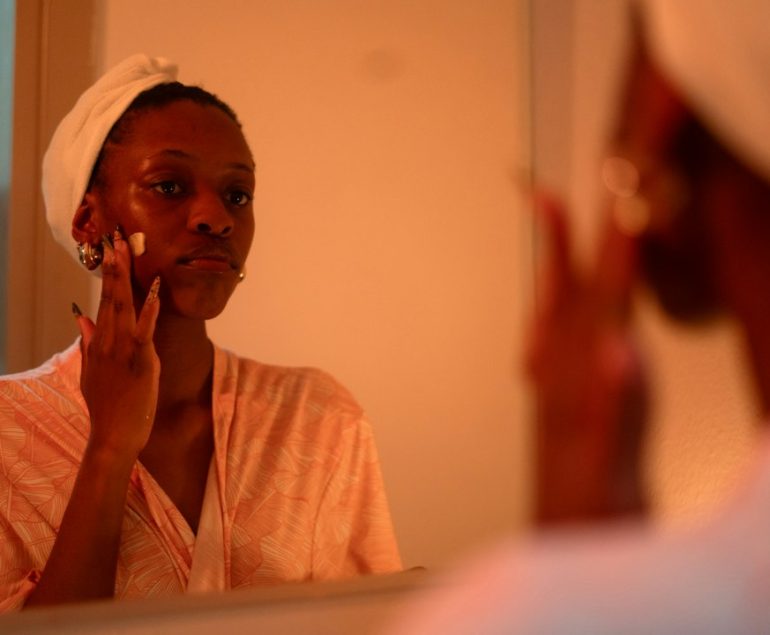
In today’s fast-paced world, it’s easy to get caught up in the hustle and bustle of daily life and forget to take care of one of the most important people: yourself. Self-care is not just a luxury, it’s a necessity. By prioritizing your well-being, you can improve your mental and physical health, increase productivity, and enhance your overall quality of life. But where do you start? Creating a self-care routine can seem daunting, but with a little guidance, you can develop a personalized plan that nourishes your mind, body, and soul. In this comprehensive guide, we’ll explore the world of self-care, providing you with valuable insights, actionable tips, and practical advice to help you establish a routine that works for you.
Understanding the Importance of Self-Care
Self-care is often misunderstood as being selfish or indulgent, but it’s actually a vital investment in your overall well-being. When you take care of yourself, you’re better equipped to handle life’s challenges, build stronger relationships, and achieve your goals. Self-care is not a one-size-fits-all approach; it’s about identifying what works best for you and making it a non-negotiable part of your daily routine. By incorporating self-care into your life, you can experience a range of benefits, including reduced stress and anxiety, improved sleep, and increased self-awareness. So, what exactly is self-care? Simply put, self-care refers to any activity that promotes physical, emotional, or mental well-being. This can include everything from exercise and meditation to reading and spending time in nature.
Building a Self-Care Routine
Creating a self-care routine is all about experimentation and exploration. It’s essential to try out different activities and practices to see what resonates with you. Here are some tips to help you get started:
- Start small: Begin with one or two self-care activities per day, such as taking a few deep breaths, practicing gratitude, or enjoying a warm bath.
- Listen to your body: Pay attention to your physical and emotional needs. If you’re feeling tired, it may be time for a nap or a relaxing walk. If you’re feeling stressed, try engaging in a calming activity like yoga or meditation.
- Schedule it in: Treat self-care as a non-negotiable part of your daily routine, just like brushing your teeth or taking a shower. Set reminders, calendar events, or enlist a self-care buddy to help you stay on track.
- Be consistent: Consistency is key when it comes to self-care. Aim to practice self-care at the same time every day, so it becomes a habitual part of your routine.
- Exercise: yoga, walking, running, swimming, or dancing
- Mindfulness: meditation, deep breathing, or guided relaxation
- Creative expression: painting, drawing, writing, or playing music
- Social connection: spending time with loved ones, joining a club or group, or volunteering
- Personal growth: reading, learning a new skill, or taking online courses
- Introverts: Introverts often recharge by spending time alone. Engage in solo activities like reading, journaling, or practicing yoga.
- Extroverts: Extroverts tend to thrive in social environments. Connect with friends, join a club or group, or attend events that align with your interests.
- Sensory seekers: If you’re someone who craves sensory experiences, try activities like aromatherapy, sound baths, or sensory deprivation tanks.
- Creative types: Creatives often find self-care in expressive activities like art, music, or writing. Make time for these pursuits and explore new forms of creative expression.
- Type-A personalities: If you’re a high achiever, it’s essential to balance your drive with self-care. Prioritize activities that promote relaxation and stress relief, such as meditation or deep breathing exercises.
- Lack of time: Start small and prioritize self-care activities that can be done in short intervals, such as taking a few deep breaths or stretching.
- Self-care guilt: Remember that self-care is not selfish; it’s essential. Reframe your thinking and recognize that taking care of yourself benefits those around you.
- Financial constraints: Explore free or low-cost self-care options like walking, meditation, or reading.
- Motivation: Find a self-care buddy or accountability partner to help you stay motivated and inspired.
- Perfectionism: Let go of the need for perfection and focus on progress, not perfection. Self-care is a journey, and it’s okay to take it one step at a time.
- Self-care is essential for overall well-being and should be prioritized as a non-negotiable part of daily life.
- Experiment with different self-care activities to find what works best for you.
- Consistency and scheduling are crucial for maintaining a self-care routine.
- Recognize and overcome common obstacles like lack of time, self-care guilt, and perfectionism.
- Self-care is a personal and ongoing journey, and it’s okay to take it one step at a time.
Some popular self-care activities include:
Self-Care for Different Personality Types
While self-care is a universal concept, it’s essential to recognize that different personality types may require unique approaches. Here are some self-care tips tailored to different personalities:
Overcoming Self-Care Obstacles
Despite the best intentions, it’s easy to let self-care fall by the wayside. Here are some common obstacles and strategies to overcome them:
In conclusion, creating a self-care routine is a personal and ongoing journey. By understanding the importance of self-care, building a routine that works for you, and overcoming common obstacles, you can cultivate a deeper sense of well-being and happiness. Remember, self-care is not a luxury; it’s a necessity. By prioritizing your own needs and taking care of yourself, you’ll become a more resilient, compassionate, and fulfilled individual. So, take the first step today and start nurturing your mind, body, and soul. With time and practice, you’ll discover that self-care is not just a routine, but a way of life. Key takeaways: