Are you tired of feeling like you’re drowning in a sea of stress and anxiety? Do you often find yourself wondering how to manage stress and regain control over your life? You’re not alone. Stress is an inevitable part of modern life, and it can have serious consequences on our physical and mental well-being if left unmanaged. The good news is that there are many effective stress management techniques that can help you reduce stress, boost your mood, and improve your overall quality of life. In this comprehensive guide, we’ll delve into the world of stress management and explore the best tips and strategies to help you break free from stress and live a happier, healthier life.
Understanding Stress: The Basics
Before we dive into the nitty-gritty of stress management, it’s essential to understand what stress is and how it affects our bodies. Stress is a natural response to a perceived threat or pressure, and it’s designed to help us respond to challenging situations. When we experience stress, our body’s “fight or flight” response is triggered, releasing stress hormones like cortisol and adrenaline into our system. These hormones prepare our body to either fight or flee from the perceived danger, causing a range of physical and emotional symptoms. Chronic stress, however, can have serious consequences, including anxiety, depression, digestive problems, and a weakened immune system. To manage stress effectively, it’s crucial to identify the sources of stress in your life and develop a personalized stress management plan.
Stress Management Techniques: Finding What Works for You
There are many stress management techniques out there, and what works for one person may not work for another. The key is to experiment with different techniques and find what works best for you. Here are some of the most effective stress management techniques:
- Mindfulness and meditation: Mindfulness and meditation are powerful tools for reducing stress and anxiety. By focusing on the present moment and letting go of worries about the past or future, you can calm your mind and reduce stress. You can start with simple mindfulness exercises like deep breathing, body scan, or guided meditation.
- Exercise and physical activity: Regular exercise is a great way to reduce stress and improve your mood. Exercise releases endorphins, also known as “feel-good” hormones, which can help alleviate stress and anxiety. Find an physical activity that you enjoy, whether it’s walking, running, swimming, or dancing, and make it a regular part of your routine.
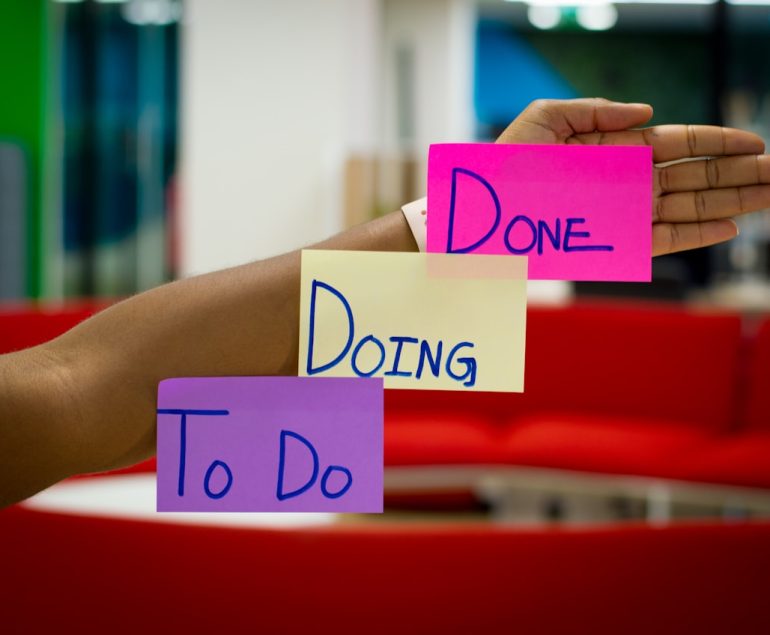
- Time management and prioritization: Poor time management and lack of prioritization can be significant sources of stress. By learning to manage your time effectively and prioritize your tasks, you can reduce stress and feel more in control of your life. Use tools like to-do lists, calendars, and planners to stay organized and focused.
- Social support and connection: Social support and connection are essential for stress management. Surround yourself with positive, supportive people who can help you cope with stress and anxiety. Don’t be afraid to reach out to friends, family, or a therapist when you need help.
- Get enough sleep: Sleep is essential for stress management, and most adults need 7-9 hours of sleep per night. Establish a consistent sleep routine, avoid caffeine and electronics before bedtime, and create a relaxing sleep environment to improve the quality of your sleep.
- Eat a healthy diet: A healthy diet rich in whole foods, fruits, vegetables, and omega-3 fatty acids can help reduce stress and anxiety. Avoid sugary and processed foods that can exacerbate stress and inflammation.
- Take breaks and practice self-care: Taking regular breaks and practicing self-care is essential for stress management. Make time for activities that bring you joy and relaxation, whether it’s reading, listening to music, or taking a relaxing bath.
- Limit technology use: Excessive technology use can be a significant source of stress, especially if you’re constantly connected to work or social media. Set boundaries around your technology use, and make time for digital detox and relaxation.
- Practice gratitude and positive thinking: Focus on the positive aspects of your life, and practice gratitude by keeping a gratitude journal or sharing your gratitude with others.
- Develop a growth mindset: View challenges as opportunities for growth and development, rather than threats to your well-being.
- Learn to say no and set boundaries: Set healthy boundaries with others to protect your time and energy, and learn to say no to requests that drain your resources.
- Seek professional help: If you’re struggling with chronic stress, anxiety, or depression, don’t hesitate to seek professional help. A therapist or counselor can provide you with personalized guidance and support to help you manage stress and improve your mental health.
- Identify the sources of stress in your life and develop a personalized stress management plan
- Experiment with different stress management techniques, such as mindfulness, exercise, and time management
- Make lifestyle changes to reduce stress, such as getting enough sleep, eating a healthy diet, and taking breaks
- Practice gratitude, positive thinking, and self-care to build resilience and overcome stress
- Seek professional help if you’re struggling with chronic stress, anxiety, or depression.
Lifestyle Changes for Stress Reduction
In addition to stress management techniques, making lifestyle changes can also help reduce stress and improve your overall well-being. Here are some lifestyle changes that can help:
Overcoming Stress and Building Resilience
Overcoming stress and building resilience requires a long-term commitment to stress management and self-care. Here are some tips to help you build resilience and overcome stress:
In conclusion, stress management is a journey that requires patience, self-awareness, and a commitment to self-care. By understanding the sources of stress in your life, developing a personalized stress management plan, and making lifestyle changes to reduce stress, you can break free from stress and live a happier, healthier life. Remember, stress management is not a one-size-fits-all approach, and what works for one person may not work for another. Experiment with different techniques, find what works best for you, and don’t be afraid to seek help when you need it. With the right tools and support, you can overcome stress and build resilience, and live a life that’s filled with purpose, joy, and fulfillment.
Key takeaways: