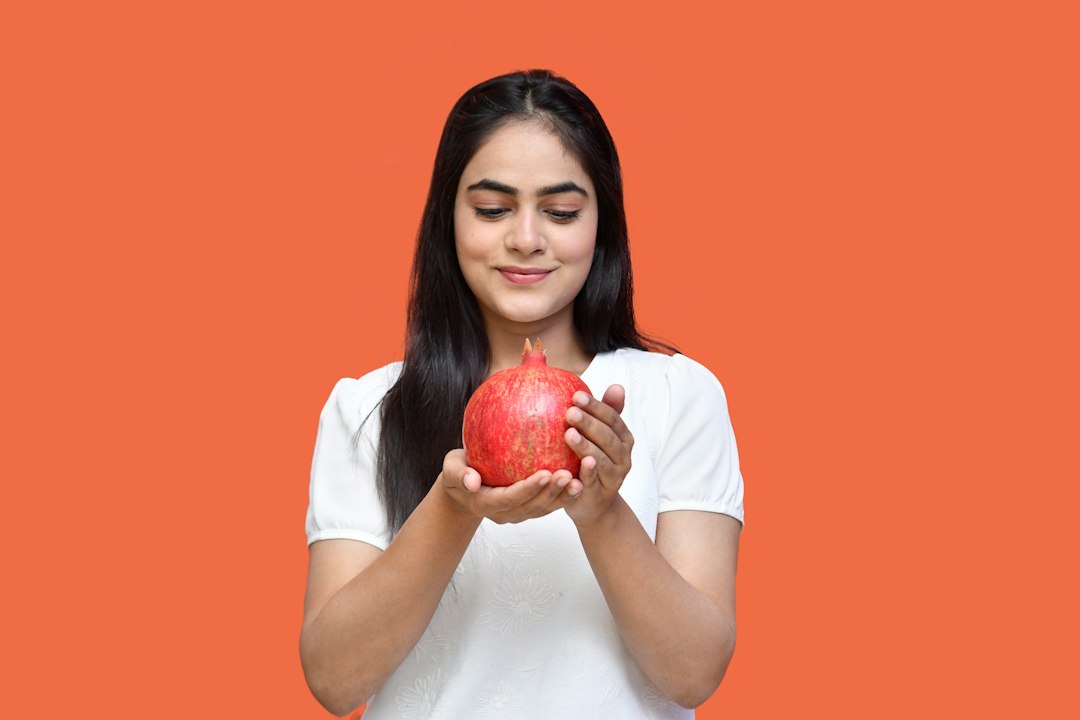
Unlocking Holistic Health: 20 Wellness Blog Ideas to Nourish Your Audience

Are you a health enthusiast looking to share your passion for wellness with the world? Or perhaps you’re a blogger seeking to tap into the ever-growing wellness industry? Whatever your motivation, creating a wellness blog can be a powerful way to connect with like-minded individuals, share valuable knowledge, and promote a culture of self-care. But with so many topics to explore, it can be challenging to know where to start. That’s why we’ve curated 20 wellness blog ideas to inspire and guide you on your content creation journey. From mindfulness and meditation to nutrition and fitness, we’ll delve into the most pressing topics in the wellness space, providing you with actionable tips, expert insights, and SEO-friendly strategies to help your blog thrive.

Section 1: Mindfulness and Mental Health

Mindfulness and mental health are two of the most significant concerns in today’s fast-paced world. With the constant bombardment of social media, work-related stress, and anxiety, it’s no wonder that people are seeking ways to calm their minds and cultivate inner peace. As a wellness blogger, you can play a vital role in promoting mental well-being by sharing mindfulness exercises, meditation techniques, and self-care practices. Here are a few ideas to get you started:

  • “10 Morning Mindfulness Exercises to Boost Your Mood and Energy”
  • “The Benefits of Meditation for Anxiety and Stress Relief”
  • “How to Create a Self-Care Routine for Better Mental Health”
  • “The Power of Gratitude: How Focusing on the Positive Can Transform Your Life”
  • When creating content around mindfulness and mental health, be sure to use relevant keywords like “mindfulness exercises,” “meditation techniques,” and “self-care practices” to improve your blog’s visibility on search engines. You can also incorporate long-tail keywords like “mindfulness for beginners” or “self-care for anxiety” to attract more targeted traffic.

    Section 2: Nutrition and Healthy Eating

    Nutrition and healthy eating are essential components of overall wellness. With the rise of plant-based diets, keto, and other special diets, there’s a wealth of information to explore and share with your audience. As a wellness blogger, you can create content around meal planning, recipe development, and nutrition tips to help your readers make informed choices about their diet. Here are some ideas to consider:

  • “The Benefits of a Plant-Based Diet: How to Get Started and Stay on Track”
  • “10 Healthy Meal Prep Ideas for Busy Weekdays”
  • “The Top 5 Nutrition Mistakes You’re Making (And How to Fix Them)”
  • “How to Create a Balanced Diet: A Beginner’s Guide to Macronutrients and Meal Planning”
  • When writing about nutrition and healthy eating, be sure to incorporate relevant keywords like “plant-based diet,” “meal prep,” and “balanced diet” to improve your blog’s SEO. You can also use keywords like “healthy recipes” or “nutrition tips” to attract more traffic and engagement.

    Section 3: Fitness and Exercise

    Fitness and exercise are crucial for overall wellness, and there’s a wide range of topics to explore in this area. From yoga and Pilates to weightlifting and cardio, you can create content around different types of exercise, workout routines, and fitness tips. Here are some ideas to get you started:

  • “The Benefits of Yoga for Beginners: How to Get Started and Improve Your Practice”
  • “10 High-Intensity Interval Training (HIIT) Workouts for Weight Loss”
  • “The Top 5 Fitness Mistakes You’re Making (And How to Fix Them)”
  • “How to Create a Home Workout Routine: A Guide to Bodyweight Exercises and Resistance Bands”
  • When creating content around fitness and exercise, be sure to use relevant keywords like “yoga for beginners,” “HIIT workouts,” and “home workout routine” to improve your blog’s visibility on search engines. You can also incorporate long-tail keywords like “yoga for weight loss” or “bodyweight exercises for beginners” to attract more targeted traffic.

    Section 4: Self-Care and Productivity

    Self-care and productivity are essential for maintaining a healthy work-life balance and achieving overall wellness. As a wellness blogger, you can create content around self-care practices, productivity tips, and time management strategies to help your readers prioritize their well-being and achieve their goals. Here are some ideas to consider:

  • “The Importance of Self-Care: How to Prioritize Your Well-being in a Busy World”
  • “10 Productivity Tips for Wellness Entrepreneurs: How to Manage Your Time and Energy”
  • “The Top 5 Self-Care Mistakes You’re Making (And How to Fix Them)”
  • “How to Create a Morning Routine for Increased Productivity and Energy”
  • When writing about self-care and productivity, be sure to incorporate relevant keywords like “self-care practices,” “productivity tips,” and “time management strategies” to improve your blog’s SEO. You can also use keywords like “wellness entrepreneurship” or “morning routine” to attract more traffic and engagement.

    Section 5: Sustainable Living and Environmental Wellness

    Sustainable living and environmental wellness are critical components of overall wellness, and there’s a growing interest in eco-friendly practices and sustainable living. As a wellness blogger, you can create content around sustainable living tips, environmental wellness, and eco-friendly products to help your readers reduce their impact on the planet. Here are some ideas to get you started:

  • “10 Simple Swaps for a More Sustainable Lifestyle: How to Reduce Your Waste and Carbon Footprint”
  • “The Benefits of Environmental Wellness: How Nature Can Improve Your Mental and Physical Health”
  • “The Top 5 Eco-Friendly Products for a Healthier Home and Planet”
  • “How to Create a Zero-Waste Home: A Guide to Reducing Your Waste and Living More Sustainably”
  • When creating content around sustainable living and environmental wellness, be sure to use relevant keywords like “sustainable living,” “environmental wellness,” and “eco-friendly products” to improve your blog’s visibility on search engines. You can also incorporate long-tail keywords like “zero-waste living” or “eco-friendly home decor” to attract more targeted traffic.

    In conclusion, creating a wellness blog can be a powerful way to share your passion for health and wellness with the world. By exploring topics like mindfulness, nutrition, fitness, self-care, and sustainable living, you can provide valuable information and inspiration to your audience. Remember to use relevant keywords and SEO-friendly strategies to improve your blog’s visibility and attract more traffic. With these 20 wellness blog ideas, you’ll be well on your way to creating a thriving online community that promotes holistic health and wellness. So why not get started today and unlock the power of wellness blogging?

    Key takeaways:

  • Mindfulness and mental health are critical components of overall wellness
  • Nutrition and healthy eating are essential for maintaining a balanced diet
  • Fitness and exercise can improve overall health and well-being
  • Self-care and productivity are essential for maintaining a healthy work-life balance
  • Sustainable living and environmental wellness are critical for reducing our impact on the planet

By incorporating these topics and ideas into your wellness blog, you’ll be able to create a comprehensive and engaging resource that attracts and inspires your audience. Happy blogging!

Unlocking the Power of Nutrition: A Comprehensive Guide to Achieving Optimal Health

As the old adage goes, “you are what you eat.” The food we consume plays a vital role in determining our overall health and wellbeing. With the rise of chronic diseases like diabetes, heart disease, and obesity, it’s more important than ever to understand the significance of nutrition in maintaining a healthy lifestyle. In this article, we’ll delve into the world of nutrition, exploring the fundamentals, benefits, and practical tips for incorporating healthy eating habits into your daily routine. Whether you’re a health enthusiast or just starting your wellness journey, this comprehensive guide will provide you with the knowledge and tools to unlock the full potential of nutrition.

Understanding the Basics of Nutrition

Before we dive into the nitty-gritty of nutrition, it’s essential to understand the basics. Nutrition refers to the process of consuming and utilizing nutrients from food to maintain optimal health. The human body requires six essential nutrients: carbohydrates, proteins, fats, vitamins, minerals, and water. Each of these nutrients plays a unique role in supporting various bodily functions, from energy production to growth and repair. A balanced diet that includes a variety of whole foods, such as fruits, vegetables, whole grains, lean proteins, and healthy fats, is crucial for providing the body with the necessary nutrients to function properly.

When it comes to nutrition, it’s not just about eating a variety of foods; it’s also about understanding the concept of macronutrients and micronutrients. Macronutrients, including carbohydrates, proteins, and fats, provide energy and support growth and repair. Micronutrients, such as vitamins and minerals, play a vital role in maintaining healthy bodily functions, from immune function to nerve function. A diet that is deficient in essential nutrients can lead to a range of health problems, from fatigue and weakness to impaired cognitive function and increased risk of chronic diseases.

The Benefits of Proper Nutrition

Proper nutrition offers a multitude of benefits, from improving overall health and wellbeing to enhancing physical performance and mental clarity. A well-balanced diet provides the body with the necessary nutrients to function optimally, supporting healthy weight management, reducing the risk of chronic diseases, and boosting energy levels. A diet rich in fruits, vegetables, and whole grains has been shown to reduce the risk of heart disease, type 2 diabetes, and certain types of cancer.

In addition to the physical benefits, proper nutrition also has a profound impact on mental health. A diet that is rich in omega-3 fatty acids, vitamin D, and other essential nutrients has been shown to support healthy mood regulation, reducing the risk of depression and anxiety. Furthermore, a well-nourished brain is better equipped to handle stress, supporting improved cognitive function and mental performance.

Practical Tips for Healthy Eating

Incorporating healthy eating habits into your daily routine can seem daunting, but with a few simple tips and tricks, you can set yourself up for success. Here are some practical tips for healthy eating:

  • Start with breakfast: Beginning your day with a nutritious breakfast sets the tone for healthy eating habits throughout the day. Opt for whole grain cereals, fresh fruits, and lean proteins to provide sustained energy and support weight management.
  • Hydrate adequately: Drinking plenty of water throughout the day is essential for maintaining proper hydration and supporting healthy digestion. Aim for at least eight glasses of water per day, and limit sugary drinks and caffeine.
  • Incorporate a variety of colors: A rainbow of colors on your plate is a great indicator of a balanced diet. Aim to include a variety of fruits and vegetables in your meals, including leafy greens, bell peppers, and citrus fruits.
  • Watch portion sizes: Paying attention to portion sizes is crucial for maintaining a healthy weight and supporting overall health. Use a food scale or measuring cups to measure out servings, and avoid eating in front of screens or while distracted.
  • Limit processed foods: Processed foods are often high in added sugars, salt, and unhealthy fats. Limit your intake of packaged snacks, sugary drinks, and fast food, and opt for whole, unprocessed foods instead.
  • Nutrition and Lifestyle: Finding a Balance

    While nutrition plays a vital role in maintaining optimal health, it’s essential to remember that it’s just one aspect of a healthy lifestyle. Regular physical activity, stress management, and adequate sleep are all crucial for supporting overall wellbeing. Finding a balance between nutrition and lifestyle is key to achieving optimal health.

  • Incorporate physical activity: Regular exercise not only supports weight management and improves physical health but also enhances mental wellbeing. Aim for at least 150 minutes of moderate-intensity exercise per week, and incorporate strength training, high-intensity interval training, and flexibility exercises into your routine.
  • Manage stress: Chronic stress can have a profound impact on overall health, from impairing immune function to increasing the risk of chronic diseases. Engage in stress-reducing activities, such as meditation, yoga, or deep breathing exercises, to support mental wellbeing.
  • Prioritize sleep: Adequate sleep is essential for physical and mental restoration. Aim for 7-9 hours of sleep per night, and establish a consistent sleep routine to support overall health.
  • Conclusion and Key Takeaways

    In conclusion, nutrition is a vital component of maintaining optimal health and wellbeing. By understanding the basics of nutrition, incorporating healthy eating habits into your daily routine, and finding a balance between nutrition and lifestyle, you can unlock the full potential of nutrition. Remember, it’s not just about eating a variety of foods; it’s about providing your body with the necessary nutrients to function properly. Here are the key takeaways from this comprehensive guide to nutrition:

  • A balanced diet that includes a variety of whole foods is crucial for providing the body with the necessary nutrients to function properly.
  • Proper nutrition offers a multitude of benefits, from improving overall health and wellbeing to enhancing physical performance and mental clarity.
  • Incorporating healthy eating habits into your daily routine can seem daunting, but with a few simple tips and tricks, you can set yourself up for success.
  • Finding a balance between nutrition and lifestyle is key to achieving optimal health, and regular physical activity, stress management, and adequate sleep are all crucial for supporting overall wellbeing.

By following these key takeaways and incorporating the principles outlined in this guide, you’ll be well on your way to unlocking the power of nutrition and achieving optimal health. Remember, nutrition is a journey, not a destination, and every small step counts. Start your journey today, and discover the transformative power of nutrition for yourself.

Unlock the Secrets to Sustainable Weight Loss: A Comprehensive Guide to a Healthier You

Are you tired of trying fad diets and quick fixes that promise the world but deliver nothing but disappointment? Do you dream of having a lean, healthy body that exudes confidence and energy? You’re not alone. Millions of people around the world struggle with weight loss, but the good news is that achieving your ideal weight is within reach. In this comprehensive guide, we’ll delve into the world of weight loss, exploring the most effective strategies, tips, and tricks to help you shed those unwanted pounds and maintain a healthy lifestyle.

Understanding Weight Loss: The Basics

Before we dive into the nitty-gritty of weight loss, it’s essential to understand the fundamentals. Weight loss occurs when you create a calorie deficit, meaning you burn more calories than you consume. This can be achieved through a combination of diet, exercise, and lifestyle changes. However, it’s crucial to remember that crash diets and extreme calorie restriction can be detrimental to your health and are often unsustainable. A balanced and nutritious diet, paired with regular physical activity, is the key to successful weight loss.

When it comes to nutrition, focus on whole, unprocessed foods like vegetables, fruits, whole grains, lean proteins, and healthy fats. These foods provide essential nutrients, fiber, and satiety, making it easier to stick to your diet. On the other hand, processed and high-calorie foods can hinder your weight loss efforts, so it’s best to limit or avoid them altogether. Additionally, staying hydrated by drinking plenty of water is vital for overall health and can also help with weight loss.

Creating a Weight Loss Plan: Setting Yourself Up for Success

Now that you understand the basics of weight loss, it’s time to create a personalized plan that suits your needs and lifestyle. Start by setting realistic goals, both short-term and long-term. Aim to lose 1-2 pounds per week for a sustainable weight loss. This may seem slow, but it’s a more maintainable pace that reduces the risk of weight regain.

Next, assess your current diet and physical activity level. Keep a food diary or use a mobile app to track your daily food intake and exercise. This will help you identify areas for improvement and make informed decisions about your diet and workout routine. Consider consulting with a registered dietitian or a healthcare professional to create a tailored meal plan that meets your nutritional needs.

In terms of exercise, aim for at least 150 minutes of moderate-intensity aerobic activity or 75 minutes of vigorous-intensity aerobic activity per week. You can also incorporate strength training, high-intensity interval training (HIIT), and other forms of physical activity to keep your workouts engaging and challenging. Remember to listen to your body and rest when needed, as overexertion can lead to injury or burnout.

Overcoming Obstacles and Staying Motivated

Weight loss is not always a linear process, and it’s common to encounter setbacks and plateaus. To overcome these obstacles, it’s essential to stay motivated and focused on your goals. Find a workout buddy or join a weight loss support group to connect with like-minded individuals who share your struggles and successes.

Celebrate your small victories, even if it’s just a few pounds lost or a new personal best in the gym. This will help you stay positive and encouraged throughout your weight loss journey. Additionally, don’t be too hard on yourself if you slip up – simply get back on track and keep moving forward.

Another crucial aspect of weight loss is stress management. Chronic stress can lead to overeating and weight gain, so it’s essential to find healthy ways to cope with stress, such as meditation, yoga, or deep breathing exercises. Aim for 7-9 hours of sleep per night to help regulate your appetite and support weight loss.

Maintaining Weight Loss: The Long-Term Game

Congratulations – you’ve reached your weight loss goal! Now, it’s time to focus on maintenance. This is often the most challenging part of the journey, as it requires sustained effort and commitment. To maintain your weight loss, continue to prioritize whole, nutritious foods and regular physical activity.

Stay hydrated, get enough sleep, and manage stress to support overall health and well-being. It’s also essential to monitor your progress, tracking your weight, measurements, and body fat percentage regularly. This will help you identify any changes or patterns that may indicate a need to adjust your diet or exercise routine.

Remember, weight loss is not a destination – it’s a journey. It takes time, patience, and perseverance, but the rewards are well worth it. By following the tips and strategies outlined in this guide, you’ll be well on your way to achieving a healthier, happier you.

In conclusion, weight loss is a complex and multifaceted process that requires a comprehensive approach. By understanding the basics of weight loss, creating a personalized plan, overcoming obstacles, and maintaining your progress, you can achieve sustainable weight loss and improve your overall health and well-being. Remember to stay focused, motivated, and patient, and don’t be afraid to seek help when you need it. With the right mindset and strategies, you can unlock the secrets to sustainable weight loss and enjoy a healthier, happier life.

Key takeaways:

  • Create a calorie deficit through a combination of diet and exercise
  • Focus on whole, unprocessed foods and regular physical activity
  • Set realistic goals and track your progress
  • Stay hydrated, get enough sleep, and manage stress
  • Find healthy ways to cope with setbacks and plateaus
  • Prioritize maintenance and make sustainable lifestyle changes

By following these tips and staying committed to your goals, you’ll be on your way to a leaner, healthier, and happier you. So, what are you waiting for? Start your weight loss journey today and unlock the secrets to a healthier, more confident you.

Unlock the Power of Exercise: Transform Your Body, Mind, and Life

Are you tired of feeling sluggish, unmotivated, and stuck in a rut? Do you dream of having more energy, confidence, and a stronger, healthier body? If so, you’re not alone. Millions of people around the world are searching for a way to improve their overall well-being, and the answer is simpler than you might think: exercise. Regular physical activity is a powerful tool that can transform your body, mind, and life in incredible ways. In this comprehensive guide, we’ll explore the numerous benefits of exercise, from weight loss and improved mental health to increased productivity and better sleep.

The Physical Benefits of Exercise: A Stronger, Healthier You

Exercise is often associated with physical health, and for good reason. Regular physical activity can have a profound impact on your body, from weight loss and increased strength to improved cardiovascular health and reduced risk of chronic disease. When you exercise regularly, you can expect to see improvements in your overall physical fitness, including:

  • Weight loss: Exercise helps you burn calories, build muscle, and boost your metabolism, making it easier to lose weight and maintain weight loss over time.
  • Increased strength: Resistance training and other forms of exercise can help you build strong, toned muscles that will make everyday activities easier and more manageable.
  • Improved cardiovascular health: Regular exercise can help lower your blood pressure, improve circulation, and reduce your risk of heart disease, stroke, and other cardiovascular conditions.
  • Enhanced flexibility and mobility: Exercise can help improve your range of motion, reduce stiffness, and make it easier to perform daily activities with ease.
  • In addition to these benefits, exercise can also reduce your risk of chronic diseases, such as diabetes, certain types of cancer, and osteoporosis. By incorporating physical activity into your daily routine, you can take a proactive approach to protecting your health and well-being.

    The Mental and Emotional Benefits of Exercise: A Happier, Healthier You

    While the physical benefits of exercise are well-documented, the mental and emotional benefits are just as significant. Exercise has been shown to have a profound impact on mental health, reducing symptoms of anxiety and depression, improving mood, and enhancing overall well-being. When you exercise regularly, you can expect to see improvements in your mental and emotional health, including:

  • Reduced stress and anxiety: Exercise has been shown to reduce stress and anxiety by releasing endorphins, also known as “feel-good” hormones, which can help calm your mind and body.
  • Improved mood: Regular exercise can help boost your mood, reduce symptoms of depression, and improve overall mental health.
  • Enhanced cognitive function: Exercise has been shown to improve cognitive function, including memory, concentration, and problem-solving skills.
  • Better sleep: Regular physical activity can help improve sleep quality, duration, and depth, leading to better rest and recovery.
  • In addition to these benefits, exercise can also provide a sense of community and social connection, which is essential for mental and emotional well-being. Whether you join a fitness class, workout with a friend, or participate in a recreational sports team, exercise can help you meet new people, build relationships, and feel more connected to others.

    The Productivity and Performance Benefits of Exercise: A More Efficient, Effective You

    Exercise is not just good for your body and mind; it can also have a significant impact on your productivity and performance. When you exercise regularly, you can expect to see improvements in your energy levels, focus, and overall work performance. Here are just a few ways that exercise can boost your productivity and performance:

  • Increased energy: Exercise can help increase your energy levels, making it easier to tackle daily tasks and responsibilities with enthusiasm and motivation.
  • Improved focus: Regular physical activity can help improve your concentration, attention, and overall cognitive function, making it easier to stay focused and on track.
  • Enhanced creativity: Exercise has been shown to boost creativity, improve problem-solving skills, and enhance overall innovation and productivity.
  • Better time management: Exercise can help you develop discipline, self-control, and time management skills, making it easier to prioritize tasks, set goals, and achieve success.
  • In addition to these benefits, exercise can also provide a much-needed break from the demands of work and daily life. By incorporating physical activity into your daily routine, you can reduce stress, improve your mood, and return to your work with renewed energy, focus, and motivation.

    The Long-Term Benefits of Exercise: A Lifetime of Health, Happiness, and Success

    While the benefits of exercise are numerous and well-documented, it’s essential to remember that exercise is a long-term investment in your health, happiness, and success. By incorporating physical activity into your daily routine, you can expect to see significant improvements in your overall well-being, from weight loss and improved mental health to increased productivity and better sleep. Here are just a few ways that exercise can benefit you in the long term:

  • Reduced risk of chronic disease: Regular exercise can help reduce your risk of chronic diseases, such as heart disease, diabetes, and certain types of cancer.
  • Improved mental health: Exercise has been shown to reduce symptoms of anxiety and depression, improve mood, and enhance overall mental well-being.
  • Increased longevity: Regular physical activity can help you live a longer, healthier life, with a reduced risk of premature death and disability.
  • Better overall health: Exercise can help improve your overall health, from cardiovascular health and strength to flexibility and mobility.
  • In conclusion, the benefits of exercise are numerous and well-documented. By incorporating physical activity into your daily routine, you can transform your body, mind, and life in incredible ways. Whether you’re looking to lose weight, improve your mental health, or increase your productivity and performance, exercise is a powerful tool that can help you achieve your goals and live a happier, healthier life. So why not get started today? Find an exercise routine that you enjoy, schedule it into your daily routine, and watch as the benefits of exercise transform your life in amazing ways.

    Key takeaways:

  • Exercise can transform your body, mind, and life in incredible ways.
  • Regular physical activity can improve your physical health, mental health, and overall well-being.
  • Exercise can reduce your risk of chronic disease, improve your mental health, and increase your longevity.
  • Incorporating physical activity into your daily routine can boost your productivity and performance, improve your mood, and enhance your overall quality of life.
  • Exercise is a long-term investment in your health, happiness, and success, and it’s never too late to get started.

Unlocking the Power of Nutrition: A Comprehensive Guide to a Healthier You

As the old adage goes, “you are what you eat.” In today’s fast-paced world, it’s easy to get caught up in the hustle and bustle of daily life and forget about the importance of proper nutrition. But the truth is, a well-balanced diet is the foundation of a healthy and happy life. With so much misinformation out there, it can be overwhelming to know where to start. That’s why we’ve put together this comprehensive guide to nutrition, packed with valuable insights, actionable tips, and expert advice to help you unlock the power of nutrition and achieve optimal well-being.

Understanding the Basics of Nutrition

Before we dive into the nitty-gritty of nutrition, it’s essential to understand the basics. Nutrition refers to the process by which our bodies use food to fuel our daily activities, grow, and repair ourselves. A healthy diet provides the necessary nutrients, vitamins, and minerals to support optimal functioning of our bodily systems. The three main macronutrients are carbohydrates, protein, and fat, which provide energy, build and repair tissues, and regulate various bodily functions, respectively. Additionally, micronutrients like vitamins and minerals play a crucial role in maintaining healthy skin, hair, and eyes, as well as supporting immune function and overall health.

To get started on your nutrition journey, it’s essential to understand your daily nutritional needs. The recommended daily intake of macronutrients varies based on factors like age, sex, weight, and activity level. Generally, the dietary guidelines recommend that adults consume 45-65% of their daily calories from carbohydrates, 10-35% from protein, and 20-35% from fat. It’s also important to stay hydrated by drinking plenty of water throughout the day. Aim to drink at least eight glasses of water per day, and adjust according to your individual needs.

Building a Balanced Diet

A well-balanced diet is one that includes a variety of whole, unprocessed foods from all food groups. This includes fruits, vegetables, whole grains, lean proteins, and healthy fats. Aim to include a rainbow of colors on your plate to ensure you’re getting a broad range of vitamins and minerals. Dark leafy greens like spinach and kale are rich in iron and calcium, while citrus fruits like oranges and grapefruits are high in vitamin C. Berries, such as blueberries and strawberries, are packed with antioxidants and fiber.

In addition to whole foods, it’s also important to limit your intake of processed and packaged foods. These foods are often high in added sugars, salt, and unhealthy fats, which can lead to chronic diseases like obesity, diabetes, and heart disease. When shopping for groceries, opt for fresh, seasonal produce, and choose whole grains over refined or processed options. Some healthy snacks include nuts and seeds, avocado, and Greek yogurt.

Specialized Nutrition Needs

As we age, our nutritional needs change. For example, older adults may require more calcium and vitamin D to support bone health, while pregnant women need additional folate to support fetal development. Additionally, individuals with certain medical conditions, such as celiac disease or diabetes, may require specialized diets to manage their condition. It’s essential to consult with a healthcare professional or registered dietitian to determine your individual nutritional needs.

Athletes and individuals who engage in regular physical activity also have unique nutritional needs. They require more protein to support muscle growth and repair, as well as complex carbohydrates to provide sustained energy. Additionally, they may need to pay attention to their electrolyte intake, particularly sodium and potassium, to prevent dehydration and muscle cramping. Some healthy options for athletes include bananas, dates, and coconut water.

Nutrition and Lifestyle

Nutrition is not just about the food we eat; it’s also about our lifestyle habits. Regular physical activity, stress management, and adequate sleep are all essential components of a healthy lifestyle. Aim to engage in at least 150 minutes of moderate-intensity exercise per week, and incorporate strength training and high-intensity interval training (HIIT) to build muscle and boost metabolism. Additionally, prioritize stress-reducing activities like meditation, yoga, or deep breathing exercises to help manage stress and anxiety.

Getting enough sleep is also crucial for overall health and well-being. Aim for 7-9 hours of sleep per night, and establish a consistent sleep schedule to regulate your body’s internal clock. A healthy lifestyle also includes healthy relationships, social connections, and a sense of purpose and meaning. By prioritizing your overall well-being, you’ll be better equipped to make healthy food choices and maintain a balanced diet.

Conclusion and Key Takeaways

In conclusion, nutrition is a complex and multifaceted field that plays a critical role in our overall health and well-being. By understanding the basics of nutrition, building a balanced diet, and meeting our specialized nutritional needs, we can unlock the power of nutrition and achieve optimal health. Remember to stay hydrated, limit processed foods, and prioritize whole, unprocessed foods from all food groups. Don’t forget to consult with a healthcare professional or registered dietitian to determine your individual nutritional needs, and prioritize lifestyle habits like regular physical activity, stress management, and adequate sleep.

Key takeaways from this comprehensive guide to nutrition include:

  • Eat a variety of whole, unprocessed foods from all food groups
  • Limit processed and packaged foods
  • Stay hydrated by drinking plenty of water
  • Consult with a healthcare professional or registered dietitian to determine your individual nutritional needs
  • Prioritize lifestyle habits like regular physical activity, stress management, and adequate sleep
  • Aim to include a rainbow of colors on your plate to ensure a broad range of vitamins and minerals

By incorporating these tips and principles into your daily life, you’ll be well on your way to unlocking the power of nutrition and achieving a healthier, happier you. Remember, nutrition is a journey, not a destination, and it’s okay to take it one step at a time. Start making small changes today, and watch your health and well-being transform over time.

Unlock the Power of a Personalized Diet Plan: Transform Your Body and Life

Are you tired of feeling like you’re stuck in a rut with your diet? Do you struggle to lose weight, boost your energy, or simply feel like you’re fueling your body with the right foods? You’re not alone. With the overwhelming amount of diet information available, it can be daunting to know where to start. But, what if you could create a personalized diet plan that caters to your unique needs, preferences, and lifestyle? In this comprehensive guide, we’ll explore the world of diet planning, providing you with valuable insights, actionable tips, and expert advice to help you unlock the power of a tailored diet plan.

Understanding Your Dietary Needs

Before we dive into the nitty-gritty of creating a diet plan, it’s essential to understand your dietary needs. This involves considering your age, sex, weight, height, activity level, and any dietary restrictions or preferences you may have. For instance, if you’re a vegan or vegetarian, your diet plan will need to be tailored to ensure you’re getting enough protein, iron, and other essential nutrients. If you’re an athlete or engage in regular physical activity, your diet plan will need to be designed to support your energy needs and aid in muscle recovery.

To get started, take some time to reflect on your eating habits, lifestyle, and health goals. Ask yourself:

  • What are my dietary goals? (e.g., weight loss, improved blood sugar control, increased energy)
  • What are my dietary restrictions or preferences? (e.g., gluten-free, dairy-free, vegan)
  • What is my activity level? (e.g., sedentary, moderately active, highly active)
  • What are my health concerns or medical conditions? (e.g., diabetes, high blood pressure, food allergies)
  • By understanding your unique dietary needs, you’ll be able to create a personalized diet plan that addresses your specific requirements and sets you up for success.

    Creating a Balanced Diet Plan

    A well-balanced diet plan is the foundation of a healthy and sustainable eating approach. It should include a variety of whole, unprocessed foods, such as fruits, vegetables, whole grains, lean proteins, and healthy fats. Aim to include a rainbow of colors on your plate to ensure you’re getting a broad range of vitamins and minerals.

    Here are some tips to help you create a balanced diet plan:

  • Eat a variety of fruits and vegetables: Aim for at least 5 servings a day, including dark leafy greens, citrus fruits, and berries.
  • Incorporate whole grains: Choose whole grains, such as brown rice, quinoa, and whole-wheat bread, instead of refined or processed grains.
  • Include lean protein sources: Opt for lean protein sources, such as poultry, fish, beans, and lentils, to support muscle growth and repair.
  • Healthy fats are essential: Nuts, seeds, avocados, and olive oil are all great sources of healthy fats that support heart health and satisfaction.
  • Stay hydrated: Drink plenty of water throughout the day, aiming for at least 8 cups (64 ounces) daily.
  • In addition to including a variety of whole foods, it’s also important to be mindful of portion sizes and meal frequency. Aim to eat three main meals and one or two snacks per day, spacing out your meals to maintain stable energy levels and support weight management.

    Meal Planning and Preparation

    Meal planning and preparation are essential components of a successful diet plan. By taking the time to plan and prepare your meals, you’ll be able to save time, reduce food waste, and ensure you’re eating a balanced and nutritious diet.

    Here are some tips to help you meal plan and prepare like a pro:

  • Plan your meals in advance: Take some time each week to plan out your meals, considering your schedule, dietary needs, and ingredient availability.
  • Make a grocery list: Write down the ingredients you need to buy and stick to your list to avoid impulse purchases.
  • Prepare meals in bulk: Cook large batches of grains, proteins, and vegetables to use throughout the week.
  • Use a slow cooker or instant pot: These kitchen tools can help you prepare healthy meals quickly and easily, even on busy days.
  • Keep healthy snacks on hand: Stock your pantry and fridge with healthy snack options, such as nuts, fruits, and carrot sticks with hummus.
  • By meal planning and preparing in advance, you’ll be able to save time, reduce stress, and ensure you’re eating a healthy and balanced diet.

    Overcoming Common Diet Plan Challenges

    Sticking to a diet plan can be challenging, especially when faced with tempting foods, emotional eating, or social pressures. Here are some common diet plan challenges and tips to help you overcome them:

  • Emotional eating: Identify your emotional triggers and find healthy ways to cope, such as meditation, exercise, or talking to a friend.
  • Social pressures: Plan ahead for social events, choosing healthy options or bringing a dish to share.
  • Cravings: Find healthy alternatives to your favorite treats, such as fruit or dark chocolate.
  • Lack of motivation: Find a diet buddy or accountability partner to support and motivate you.
  • Plateaus: Mix up your diet plan, trying new foods and recipes to keep things interesting and prevent boredom.
  • By being aware of these common challenges and having strategies in place to overcome them, you’ll be better equipped to stick to your diet plan and achieve your health and wellness goals.

    Conclusion and Key Takeaways

    Creating a personalized diet plan is a powerful way to take control of your health and wellness. By understanding your dietary needs, creating a balanced diet plan, meal planning and preparing, and overcoming common challenges, you’ll be well on your way to achieving your goals.

    Here are the key takeaways from this comprehensive guide:

  • Understand your dietary needs: Consider your age, sex, weight, height, activity level, and dietary restrictions or preferences.
  • Create a balanced diet plan: Include a variety of whole, unprocessed foods, such as fruits, vegetables, whole grains, lean proteins, and healthy fats.
  • Meal plan and prepare: Plan your meals in advance, make a grocery list, and prepare meals in bulk to save time and ensure a healthy diet.
  • Overcome common challenges: Identify your emotional triggers, find healthy alternatives to tempting foods, and find a diet buddy or accountability partner to support and motivate you.

By following these tips and staying committed to your diet plan, you’ll be able to unlock the power of a personalized diet plan and transform your body and life. Remember, a diet plan is not a one-size-fits-all approach; it’s a tailored plan that caters to your unique needs and preferences. So, take the first step today, and start your journey towards a healthier, happier you.

Unlocking the Power of Nature: 5 Proven Ways to Boost Your Health and Wellbeing

As we navigate the complexities of modern life, it’s easy to get caught up in the hustle and bustle and forget about the simple, yet powerful ways to maintain our health and wellbeing. With the constant barrage of processed foods, environmental toxins, and stress, it’s no wonder that many of us are seeking a more natural approach to staying healthy. The good news is that nature has provided us with an abundance of tools to promote health, energy, and vitality. From the food we eat to the air we breathe, incorporating natural elements into our daily lives can have a profound impact on our overall wellbeing. In this article, we’ll delve into the world of natural health and explore five proven ways to boost your health and wellbeing, using the power of nature.

Embracing the Healing Power of Nutrition

When it comes to maintaining optimal health, nutrition plays a critical role. The food we eat provides our bodies with the necessary fuel to function, and a diet rich in whole, nutrient-dense foods can work wonders for our overall wellbeing. Eating a balanced diet that includes plenty of fruits, vegetables, whole grains, and lean proteins can help to support healthy digestion, boost energy levels, and even support mental health. Some of the key nutrients to focus on include omega-3 fatty acids, vitamin D, and antioxidants, which can be found in foods such as salmon, spinach, and berries. By incorporating these foods into our diet, we can help to reduce inflammation, support healthy cell growth, and even reduce the risk of chronic diseases such as heart disease and diabetes.

In addition to focusing on whole foods, it’s also important to be mindful of the foods that can have a negative impact on our health. Processed and packaged foods, which are often high in sugar, salt, and unhealthy fats, can lead to a range of health problems, including obesity, insulin resistance, and digestive issues. By limiting our intake of these foods and instead opting for whole, nutrient-dense options, we can help to support optimal health and wellbeing. Some simple tips for incorporating more whole foods into our diet include meal planning, grocery shopping the perimeter of the store, and cooking at home using fresh, seasonal ingredients.

Harnessing the Power of Herbal Remedies

Herbal remedies have been used for centuries to promote health and wellbeing, and many of these natural remedies are still widely used today. From soothing digestive issues with peppermint tea to reducing stress and anxiety with chamomile, herbal remedies offer a gentle, non-invasive way to support our health. Some of the most popular herbal remedies include turmeric, which has potent anti-inflammatory properties, ginger, which can help to soothe digestive issues, and echinacea, which can help to boost the immune system. By incorporating these herbal remedies into our daily routine, we can help to support optimal health and wellbeing, and even reduce our reliance on pharmaceuticals.

In addition to using herbal remedies as a treatment for specific health issues, many herbs can also be used as a preventative measure. For example, drinking green tea regularly has been shown to have a range of health benefits, including reducing the risk of heart disease and certain types of cancer. Similarly, taking a daily probiotic supplement, which contains live bacteria and yeasts, can help to support healthy digestion and boost the immune system. By incorporating these herbal remedies into our daily routine, we can help to support optimal health and wellbeing, and even reduce our risk of chronic diseases.

Tapping into the Benefits of Mind-Body Therapies

In addition to nutrition and herbal remedies, mind-body therapies can also play a critical role in maintaining optimal health and wellbeing. Techniques such as meditation, yoga, and deep breathing can help to reduce stress and anxiety, promote relaxation, and even support healthy sleep patterns. By incorporating these mind-body therapies into our daily routine, we can help to support optimal health and wellbeing, and even reduce our risk of chronic diseases such as heart disease and depression.

One of the most powerful mind-body therapies is meditation, which has been shown to have a range of health benefits, including reducing stress and anxiety, improving sleep quality, and even boosting the immune system. By taking just a few minutes each day to sit quietly, focus on our breath, and let go of distractions, we can help to calm our minds, reduce stress and anxiety, and promote overall wellbeing. Another powerful mind-body therapy is yoga, which combines physical movement with deep breathing and meditation techniques to promote relaxation, reduce stress, and even support healthy weight management.

Getting Back to Nature: The Importance of Outdoor Activity

In today’s technology-driven world, it’s easy to get caught up in the hustle and bustle of daily life and forget about the importance of spending time outdoors. However, getting back to nature can have a profound impact on our health and wellbeing, from reducing stress and anxiety to boosting mood and energy levels. By incorporating outdoor activities such as walking, hiking, or gardening into our daily routine, we can help to support optimal health and wellbeing, and even reduce our risk of chronic diseases such as heart disease and obesity.

In addition to the physical health benefits of outdoor activity, spending time in nature can also have a profound impact on our mental health and wellbeing. Being in nature has been shown to reduce symptoms of anxiety and depression, improve mood, and even support healthy sleep patterns. By taking a walk in the park, spending time in a garden, or simply sitting outside and enjoying the fresh air, we can help to calm our minds, reduce stress and anxiety, and promote overall wellbeing.

Conclusion: Unlocking the Power of Nature for Optimal Health and Wellbeing

In conclusion, incorporating natural elements into our daily lives can have a profound impact on our health and wellbeing. From the food we eat to the air we breathe, nature has provided us with an abundance of tools to promote health, energy, and vitality. By embracing the healing power of nutrition, harnessing the power of herbal remedies, tapping into the benefits of mind-body therapies, and getting back to nature, we can help to support optimal health and wellbeing, and even reduce our risk of chronic diseases. Some key takeaways from this article include:

  • Eating a balanced diet that includes plenty of whole, nutrient-dense foods can help to support healthy digestion, boost energy levels, and even support mental health.
  • Herbal remedies such as turmeric, ginger, and echinacea can be used to promote health and wellbeing, and even reduce our reliance on pharmaceuticals.
  • Mind-body therapies such as meditation, yoga, and deep breathing can help to reduce stress and anxiety, promote relaxation, and even support healthy sleep patterns.
  • Getting back to nature and incorporating outdoor activities into our daily routine can help to support optimal health and wellbeing, and even reduce our risk of chronic diseases.

By incorporating these natural elements into our daily lives, we can help to unlock the power of nature and promote optimal health and wellbeing. So why not start today? Take a walk in the park, try a new herbal remedy, or simply sit outside and enjoy the fresh air. Your body – and mind – will thank you.

Unlock the Power of a Personalized Diet Plan: Transform Your Body and Mind

Are you tired of feeling sluggish, tired, and unmotivated? Do you struggle with weight loss or weight gain, despite trying countless diets and exercise routines? The truth is, a one-size-fits-all approach to nutrition and wellness simply doesn’t work. That’s why creating a personalized diet plan is the key to unlocking your full potential and achieving the body and health you’ve always desired. In this comprehensive guide, we’ll explore the world of diet planning, providing you with valuable insights, actionable tips, and expert advice to help you succeed on your journey to optimal health.

Understanding Your Nutritional Needs

Before we dive into the nitty-gritty of diet planning, it’s essential to understand your unique nutritional needs. This involves considering several factors, including your age, sex, body type, lifestyle, and health goals. For instance, if you’re an athlete or engage in regular physical activity, your body requires more protein to support muscle growth and repair. On the other hand, if you’re trying to manage a health condition like diabetes or high blood pressure, your diet plan should focus on specific nutrient-dense foods that help regulate blood sugar and blood pressure levels.

To get started, take some time to reflect on your eating habits, lifestyle, and health objectives. Ask yourself:

  • What are my health and wellness goals?
  • What is my current diet like, and what changes do I need to make?
  • Do I have any food allergies or sensitivities?
  • How much time do I have available for meal planning and preparation?
  • By answering these questions, you’ll gain a deeper understanding of your nutritional needs and be better equipped to create a personalized diet plan that suits your unique requirements.

    Creating a Balanced and Sustainable Diet Plan

    A well-crafted diet plan should be balanced, sustainable, and enjoyable. This means incorporating a variety of whole, nutrient-dense foods, including fruits, vegetables, whole grains, lean proteins, and healthy fats. Aim to include a rainbow of colors on your plate to ensure you’re getting a broad range of vitamins and minerals. Some of the best foods for a balanced diet include:

  • Leafy greens like spinach, kale, and collard greens
  • Berries, citrus fruits, and apples
  • Whole grains like quinoa, brown rice, and whole-wheat bread
  • Lean proteins like chicken, fish, and tofu
  • Healthy fats like avocado, nuts, and seeds
  • In addition to incorporating these foods, it’s also important to limit your intake of processed and sugary foods, which can have negative effects on your overall health and wellbeing. Some of the worst offenders include:

  • Sugary drinks like soda and sports drinks
  • Refined grains like white bread and sugary cereals
  • Processed meats like hot dogs and sausages
  • Fried foods and foods high in saturated and trans fats
  • By focusing on whole, nutrient-dense foods and limiting your intake of processed and sugary foods, you’ll be well on your way to creating a balanced and sustainable diet plan that supports your overall health and wellbeing.

    Meal Planning and Preparation Strategies

    Meal planning and preparation are essential components of a successful diet plan. By taking the time to plan and prepare your meals, you’ll be able to save time, money, and stress, while also ensuring that you’re getting the nutrients your body needs. Here are some tips and strategies to help you get started:

  • Plan your meals around seasonal and locally sourced ingredients to ensure freshness and flavor
  • Cook in bulk and portion out individual meals to save time and reduce food waste
  • Incorporate a variety of cooking methods, such as grilling, roasting, and sautéing, to add texture and interest to your meals
  • Use a meal planning app or calendar to stay organized and on track
  • Prep healthy snacks, such as fruits, nuts, and energy balls, to curb cravings and support weight loss
  • Some popular meal planning and preparation strategies include:

  • Batch cooking: cooking large quantities of a single ingredient or meal to use throughout the week
  • Meal prepping: preparing individual meals or components of meals in advance
  • Slow cooking: using a slow cooker to prepare meals that simmer and cook over a long period of time
  • One-pot wonders: cooking meals that can be prepared in a single pot or pan, such as stir-fries and skillet dinners
  • By incorporating these strategies into your diet plan, you’ll be able to save time, reduce stress, and enjoy healthy, delicious meals that support your overall health and wellbeing.

    Overcoming Challenges and Staying Motivated

    Sticking to a diet plan can be challenging, especially when faced with tempting foods, social pressures, and emotional eating. However, by overcoming these challenges and staying motivated, you’ll be able to achieve your health and wellness goals and maintain a healthy, balanced lifestyle. Here are some tips and strategies to help you stay on track:

  • Set realistic and achievable goals, and celebrate your successes along the way
  • Find healthy ways to cope with stress and emotions, such as exercise, meditation, or journaling
  • Surround yourself with supportive people who encourage and motivate you
  • Track your progress and monitor your results, using tools like food diaries or mobile apps
  • Reward yourself with non-food related treats, such as a massage or a new workout outfit
  • Some popular motivation and accountability strategies include:

  • Accountability partner: finding a friend or family member to share your goals and progress with
  • Support groups: joining a community of like-minded individuals who share your health and wellness goals
  • Health coaching: working with a certified health coach to create a personalized diet plan and provide ongoing support and guidance
  • Mobile apps: using apps like MyFitnessPal or Habitica to track your progress and stay motivated
  • By incorporating these strategies into your diet plan, you’ll be able to overcome challenges, stay motivated, and achieve your health and wellness goals.

    Conclusion and Key Takeaways

    Creating a personalized diet plan is a powerful tool for transforming your body and mind. By understanding your unique nutritional needs, creating a balanced and sustainable diet plan, and incorporating meal planning and preparation strategies, you’ll be well on your way to achieving optimal health and wellbeing. Remember to stay motivated and overcome challenges by setting realistic goals, finding healthy ways to cope with stress and emotions, and surrounding yourself with supportive people.

    Key takeaways from this comprehensive guide include:

  • A personalized diet plan should be tailored to your unique nutritional needs and health goals
  • Incorporating a variety of whole, nutrient-dense foods is essential for a balanced and sustainable diet
  • Meal planning and preparation strategies, such as batch cooking and meal prepping, can save time and reduce stress
  • Overcoming challenges and staying motivated requires setting realistic goals, finding healthy ways to cope with stress and emotions, and surrounding yourself with supportive people
  • Tracking your progress and monitoring your results is essential for achieving your health and wellness goals

By following these key takeaways and incorporating the strategies and tips outlined in this guide, you’ll be able to unlock the power of a personalized diet plan and transform your body and mind. Remember to be patient, stay motivated, and celebrate your successes along the way. With time and dedication, you’ll be able to achieve the health and wellbeing you’ve always desired.

Unlock the Power of Physical Activity: How Exercise Can Transform Your Life

Are you tired of feeling sluggish, stressed, and stuck in a rut? Do you want to boost your energy levels, improve your mood, and increase your overall well-being? If so, it’s time to get moving! Exercise is one of the most powerful tools you can use to transform your life, and it’s not just about physical health – it has a profound impact on your mental and emotional well-being too. In this comprehensive guide, we’ll explore the incredible benefits of exercise, from weight loss and improved cardiovascular health to reduced stress and increased productivity. Whether you’re a fitness enthusiast or just starting out, you’ll discover how exercise can help you unlock your full potential and live a happier, healthier life.

The Physical Benefits of Exercise

Regular physical activity is essential for maintaining a healthy body, and the benefits are numerous. Exercise can help you lose weight and maintain weight loss, reduce your risk of chronic diseases like heart disease and diabetes, and even improve your sleep quality. But that’s not all – exercise can also increase your strength and flexibility, improve your balance and coordination, and enhance your overall physical function. Whether you’re looking to improve your athletic performance or simply want to feel more confident and capable in your daily life, exercise is the key.

One of the most significant physical benefits of exercise is its impact on cardiovascular health. Regular physical activity can help lower your blood pressure, improve your circulation, and increase your overall cardiovascular function. This can reduce your risk of heart disease, stroke, and other cardiovascular conditions, and even help you live a longer, healthier life. Exercise can also improve your respiratory function, increasing your lung capacity and overall breathing ability. This can be especially beneficial for people with conditions like asthma or chronic obstructive pulmonary disease (COPD).

In addition to its cardiovascular benefits, exercise can also improve your muscular strength and endurance. Resistance training, such as weightlifting or bodyweight exercises, can help you build strong, lean muscles that will serve you well in all aspects of life. Whether you’re looking to improve your athletic performance, enhance your daily functioning, or simply feel more confident and capable, exercise is the way to go. And don’t forget about the benefits of flexibility and mobility – regular stretching and exercise can help you maintain a full range of motion, reducing your risk of injury and improving your overall quality of life.

The Mental and Emotional Benefits of Exercise

While the physical benefits of exercise are well-documented, the mental and emotional benefits are just as significant. Exercise has been shown to reduce stress and anxiety, improve your mood, and even alleviate symptoms of depression. This is because physical activity releases endorphins, also known as “feel-good” hormones, which can help you feel more relaxed, calm, and focused. Exercise can also improve your self-esteem and body image, helping you feel more confident and comfortable in your own skin.

One of the most significant mental benefits of exercise is its impact on cognitive function. Regular physical activity has been shown to improve memory, concentration, and overall brain function, making it an essential tool for people of all ages. Exercise can even help reduce your risk of age-related cognitive decline, such as Alzheimer’s disease and dementia. And if you’re looking to improve your productivity and focus, exercise is a great way to do it – regular physical activity can help you stay motivated, energized, and focused throughout the day.

In addition to its cognitive benefits, exercise can also improve your emotional well-being. Physical activity has been shown to reduce symptoms of anxiety and depression, improve your mood, and even enhance your overall sense of well-being. This is because exercise provides a healthy outlet for stress and emotions, helping you process and release tension in a positive way. Whether you’re looking to manage stress, improve your mood, or simply feel more grounded and centered, exercise is an excellent choice.

The Social Benefits of Exercise

While many people view exercise as a solo activity, it can also have a significant social impact. Joining a fitness class, sports team, or exercise group can provide a sense of community and connection, helping you meet new people and build meaningful relationships. Exercise can also be a great way to spend time with friends and family, whether you’re going for a hike, playing a sport, or simply taking a walk together. And if you’re looking to meet new people who share your interests, joining a fitness community or exercise group can be an excellent way to do it.

One of the most significant social benefits of exercise is its impact on relationships. Regular physical activity can help you communicate more effectively, build trust and intimacy, and even resolve conflicts in a healthier way. Exercise can also provide a sense of shared purpose and goal-oriented activity, helping you and your partner or friends work together towards a common objective. And if you’re looking to improve your overall social connections, exercise can be a great way to do it – whether you’re joining a fitness class, participating in a recreational sport, or simply attending a fitness event, you’ll have plenty of opportunities to meet new people and build meaningful relationships.

The Long-Term Benefits of Exercise

While the short-term benefits of exercise are significant, the long-term benefits are even more impressive. Regular physical activity can help you maintain a healthy weight, reduce your risk of chronic diseases, and even increase your lifespan. Exercise can also improve your overall quality of life, helping you feel more energetic, confident, and capable. And if you’re looking to invest in your long-term health and well-being, exercise is an excellent choice – it’s a low-cost, high-reward activity that can pay dividends for years to come.

One of the most significant long-term benefits of exercise is its impact on chronic disease prevention. Regular physical activity has been shown to reduce your risk of heart disease, stroke, and diabetes, as well as certain types of cancer. Exercise can also improve your bone density, reducing your risk of osteoporosis and fractures. And if you’re looking to maintain your physical function and mobility as you age, exercise is essential – regular physical activity can help you stay active, independent, and engaged well into old age.

In addition to its physical benefits, exercise can also have a profound impact on your mental and emotional well-being in the long term. Regular physical activity has been shown to reduce symptoms of anxiety and depression, improve your mood, and even enhance your overall sense of purpose and meaning. Exercise can also provide a sense of accomplishment and self-efficacy, helping you feel more confident and capable in all aspects of life. And if you’re looking to invest in your long-term mental and emotional health, exercise is an excellent choice – it’s a natural, effective, and sustainable way to promote overall well-being.

Conclusion and Key Takeaways

In conclusion, exercise is a powerful tool that can transform your life in countless ways. From its physical benefits, such as weight loss and improved cardiovascular health, to its mental and emotional benefits, such as reduced stress and improved mood, exercise is an essential component of a happy, healthy lifestyle. Whether you’re looking to improve your physical function, enhance your mental clarity, or simply feel more confident and capable, exercise is the way to go.

So what are the key takeaways from this comprehensive guide to the benefits of exercise? Here are a few to keep in mind:

  • Exercise is essential for maintaining a healthy body and mind
  • Regular physical activity can reduce your risk of chronic diseases and improve your overall quality of life
  • Exercise can improve your mental and emotional well-being, reducing stress and anxiety and improving your mood
  • Physical activity can provide a sense of community and connection, helping you meet new people and build meaningful relationships
  • Exercise is a long-term investment in your health and well-being, providing benefits that can last a lifetime

Whether you’re a fitness enthusiast or just starting out, we hope this guide has inspired you to get moving and experience the incredible benefits of exercise for yourself. So why not lace up your shoes, grab a friend or family member, and get started today? Your body – and mind – will thank you!

Unlock a Happier, Healthier You: The Ultimate Guide to a Daily Wellness Routine

Are you tired of feeling sluggish, stressed, and rundown? Do you dream of waking up each morning with boundless energy, a clear mind, and a sense of purpose? If so, you’re not alone. In today’s fast-paced world, it’s easy to get caught up in the hustle and bustle of daily life and neglect our own well-being. However, by incorporating a daily wellness routine into your lifestyle, you can take the first step towards unlocking a happier, healthier you. In this comprehensive guide, we’ll explore the importance of daily wellness, and provide you with practical tips and strategies to help you create a routine that nourishes your body, mind, and spirit.

Understanding the Importance of Daily Wellness

Daily wellness is not just about physical health; it’s also about mental and emotional well-being. When we prioritize our wellness, we’re better equipped to handle life’s challenges, build stronger relationships, and pursue our passions with purpose and energy. A daily wellness routine can help you establish healthy habits, improve your self-care, and increase your overall sense of well-being. By incorporating activities that promote physical, mental, and emotional wellness, you can experience a range of benefits, including:

  • Improved sleep quality
  • Increased energy levels
  • Enhanced cognitive function
  • Better mood management
  • Stronger immune system
  • Healthier relationships
  • To get started, it’s essential to understand that daily wellness is a personal and individualized journey. What works for someone else may not work for you, and that’s okay. The key is to experiment, be patient, and find activities that bring you joy and fulfillment.

    Creating a Morning Routine for Success

    Your morning routine sets the tone for the rest of the day. By starting your day with intention and purpose, you can boost your energy, clarity, and motivation. Here are some tips to help you create a morning routine that supports your daily wellness:

  • Wake up 15-30 minutes earlier each day to enjoy a quiet moment of meditation, journaling, or deep breathing
  • Get some natural light exposure to regulate your circadian rhythms
  • Incorporate physical activity, such as yoga or a short walk, to get your blood flowing and energize your body
  • Enjoy a nutritious breakfast that includes whole foods, such as fruits, vegetables, whole grains, and lean proteins
  • Set clear intentions and goals for the day, and take a few minutes to plan and prioritize your tasks
  • Some popular morning routine activities include:

  • Mindfulness meditation: Take a few minutes each morning to focus on your breath, calm your mind, and set intentions for the day
  • Journaling: Write down your thoughts, feelings, and gratitudes to process your emotions, reflect on your experiences, and gain clarity
  • Yoga or stretching: Engage in gentle physical activity to loosen your muscles, improve your flexibility, and balance your energy
  • Nourishing Your Body and Mind

    A daily wellness routine is not just about what you do; it’s also about what you eat. A balanced diet that includes whole, nutrient-dense foods can provide your body with the energy, vitamins, and minerals it needs to function optimally. Here are some tips to help you nourish your body and mind:

  • Eat a variety of colorful fruits and vegetables to provide your body with essential vitamins, minerals, and antioxidants
  • Incorporate whole grains, such as brown rice, quinoa, and whole wheat bread, to provide sustained energy and fiber
  • Choose lean proteins, such as chicken, fish, and tofu, to support muscle growth and repair
  • Healthy fats, such as avocado, nuts, and seeds, can support heart health and satisfy your hunger
  • Stay hydrated by drinking plenty of water throughout the day, and limiting your intake of sugary drinks and caffeine
  • In addition to nutrition, it’s essential to prioritize mental and emotional well-being. This can include activities such as:

  • Reading or listening to books, podcasts, or articles that inspire and educate you
  • Engaging in creative pursuits, such as painting, drawing, or writing, to express yourself and tap into your imagination
  • Practicing self-compassion and self-forgiveness, and treating yourself with kindness and respect
  • Building and maintaining strong, supportive relationships with family, friends, and community
  • Prioritizing Self-Care and Relaxation

    In today’s fast-paced world, it’s easy to get caught up in the hustle and bustle of daily life and neglect our own self-care. However, prioritizing self-care and relaxation is essential for maintaining our physical, mental, and emotional well-being. Here are some tips to help you prioritize self-care and relaxation:

  • Schedule self-care activities into your daily or weekly routine, such as taking a bath, getting a massage, or practicing yoga
  • Set boundaries and learn to say “no” to activities that drain your energy or compromise your values
  • Take breaks and practice self-compassion when you’re feeling overwhelmed or stressed
  • Engage in activities that bring you joy and fulfillment, such as hobbies, creative pursuits, or spending time in nature
  • Some popular self-care activities include:

  • Taking a relaxing bath with essential oils, such as lavender or chamomile, to calm your mind and soothe your muscles
  • Practicing gentle stretches or yoga to release tension and improve your flexibility
  • Reading a book or listening to calming music to quiet your mind and promote relaxation
  • Spending time in nature, whether it’s walking, hiking, or simply sitting in a park or garden, to connect with the natural world and promote a sense of calm
  • Conclusion and Key Takeaways

    Incorporating a daily wellness routine into your lifestyle can have a profound impact on your overall health, happiness, and well-being. By prioritizing physical, mental, and emotional wellness, you can experience a range of benefits, from improved sleep quality and increased energy levels to enhanced cognitive function and better mood management. Remember, daily wellness is a personal and individualized journey, and it’s essential to experiment, be patient, and find activities that bring you joy and fulfillment.

    Key takeaways from this guide include:

  • Start small and be consistent: Begin with one or two activities and gradually build up to a routine that works for you
  • Listen to your body: Pay attention to your physical, mental, and emotional needs, and make adjustments to your routine as needed
  • Prioritize self-care: Schedule self-care activities into your daily or weekly routine, and make time for relaxation and relaxation
  • Be patient and kind: Remember that daily wellness is a journey, and it’s okay to make mistakes or encounter setbacks along the way

By incorporating these tips and strategies into your daily routine, you can unlock a happier, healthier you, and live a life that is filled with purpose, energy, and joy. So why wait? Start your daily wellness journey today, and discover the transformative power of prioritizing your own well-being.