Are you tired of feeling sluggish, run down, and unmotivated? Do you dream of having boundless energy, a strong immune system, and a radiant glow? The good news is that achieving optimal health and wellness is within your reach. By incorporating simple yet powerful habits into your daily routine, you can transform your body, mind, and spirit. In this comprehensive guide, we’ll delve into the essential strategies for staying healthy, from nutrition and exercise to stress management and self-care. So, let’s embark on this journey to wellness together and discover the secrets to a vibrant, healthy life.
Nutrition: The Foundation of Health
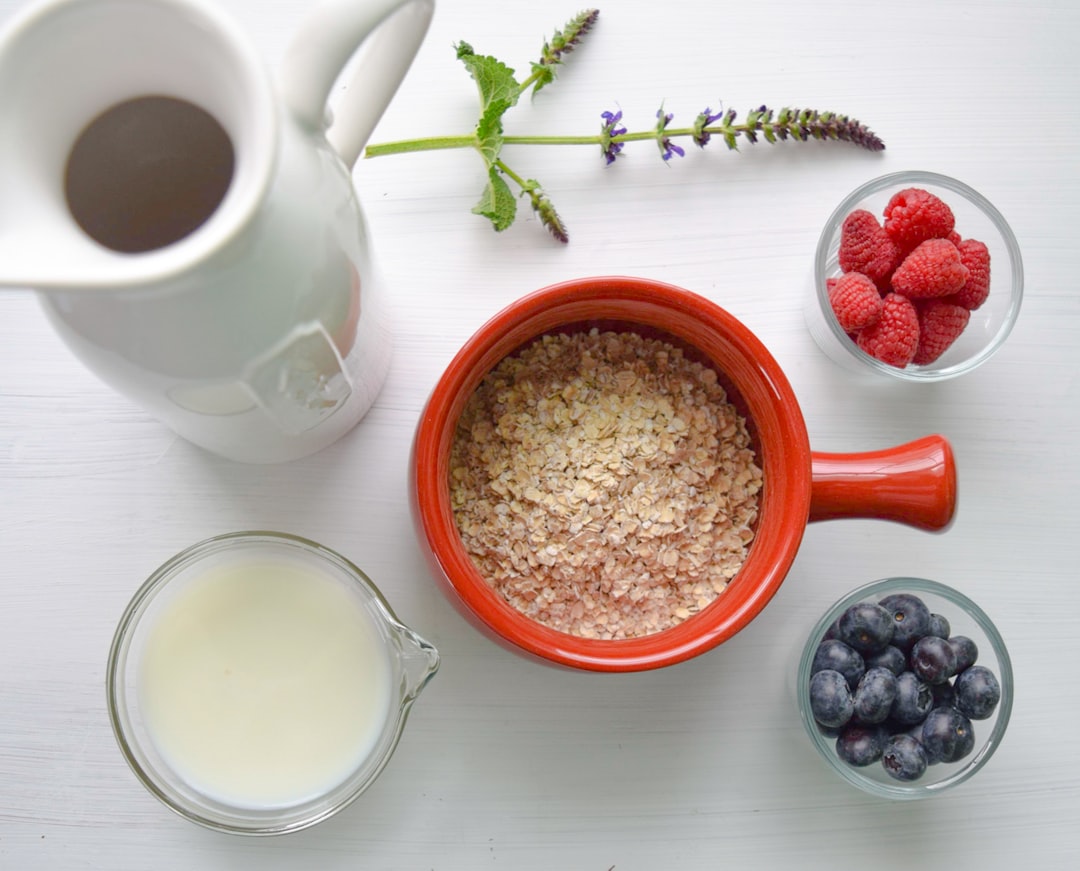
A well-balanced diet is the cornerstone of a healthy lifestyle. The food we eat provides our bodies with the necessary fuel to function optimally, and a nutrient-rich diet can help prevent chronic diseases, boost energy levels, and support mental clarity. So, what are the key principles of a healthy diet? Start by focusing on whole, unprocessed foods like vegetables, fruits, whole grains, lean proteins, and healthy fats. Aim to include a variety of colors on your plate to ensure you’re getting a broad range of vitamins and minerals. Some of the top nutrient-dense foods include leafy greens like kale and spinach, berries, nuts and seeds, and fatty fish like salmon and sardines.
In addition to emphasizing whole foods, it’s essential to limit your intake of sugary drinks, refined carbohydrates, and saturated fats. These unhealthy substances can lead to inflammation, insulin resistance, and an increased risk of chronic diseases like heart disease, diabetes, and certain types of cancer. To make healthy eating easier, consider meal planning and prep, cooking at home using fresh ingredients, and avoiding processed and packaged foods. By making informed food choices, you’ll be well on your way to building a strong foundation for overall health and wellness.
Exercise: The Key to Physical and Mental Vitality
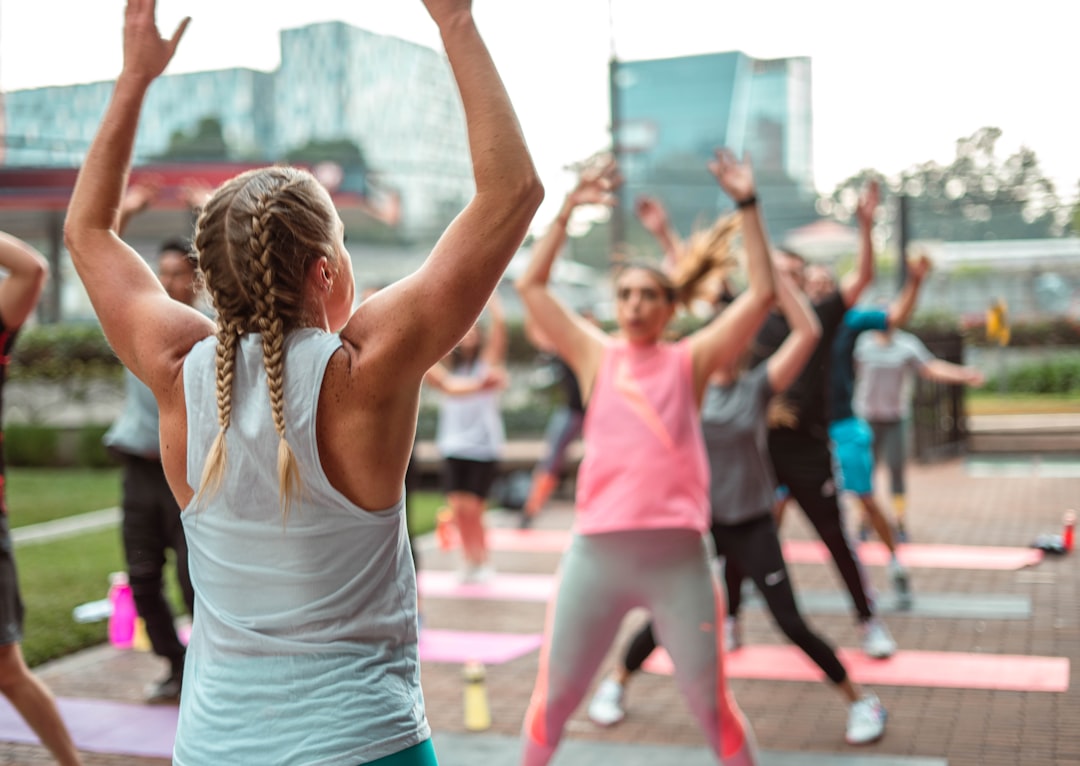
Regular physical activity is a crucial component of a healthy lifestyle, offering a wide range of benefits that extend far beyond physical health. Exercise has been shown to improve mood, reduce stress and anxiety, and even enhance cognitive function. So, what types of exercise are most effective? The good news is that you don’t need to be a fitness enthusiast to reap the rewards of physical activity. Aim for at least 150 minutes of moderate-intensity exercise per week, which can include brisk walking, cycling, swimming, or dancing. You can also incorporate strength training, high-intensity interval training (HIIT), and flexibility exercises like yoga or Pilates to add variety to your routine.
In addition to formal exercise, it’s essential to prioritize everyday movement and reduce sedentary behavior. Take the stairs instead of the elevator, walk to work or school, and engage in household chores or gardening to stay active throughout the day. Remember, every bit counts, and even small increases in physical activity can have a significant impact on your overall health and well-being. By finding exercises you enjoy and making physical activity a non-negotiable part of your daily routine, you’ll be more likely to stick with it and experience the numerous benefits that exercise has to offer.
Stress Management and Self-Care: The Path to Emotional Balance
Chronic stress can have a devastating impact on both physical and mental health, leading to anxiety, depression, and a weakened immune system. That’s why stress management and self-care are essential components of a healthy lifestyle. So, what are some effective strategies for managing stress and promoting emotional balance? Start by prioritizing sleep, aiming for 7-9 hours per night to help regulate your body’s natural rhythms and support overall well-being. Establish a consistent bedtime routine, create a relaxing sleep environment, and avoid screens and stimulating activities before bedtime to improve the quality of your sleep.
In addition to sleep, engage in stress-reducing activities like meditation, deep breathing, or yoga to help calm your mind and soothe your body. Take regular breaks throughout the day to stretch, move your body, and practice mindfulness. Connect with loved ones, build strong social relationships, and prioritize activities that bring you joy and fulfillment. Remember, self-care is not selfish – it’s essential for maintaining your emotional and mental health. By making time for activities that nourish your mind, body, and spirit, you’ll be better equipped to handle life’s challenges and cultivate a deeper sense of purpose and fulfillment.
Mind-Body Connection: The Power of Positive Thinking
The mind-body connection is a powerful force that can either support or undermine our overall health and well-being. By cultivating a positive mindset, practicing gratitude, and reframing negative thoughts, you can harness the power of your mind to promote physical and emotional healing. Start by focusing on the present moment, letting go of worries about the past or future. Practice mindfulness meditation, engage in creative activities like writing or art, and connect with nature to help calm your mind and soothe your body.
In addition to mindfulness, prioritize positive self-talk, affirming your worth, and celebrating your strengths and accomplishments. Surround yourself with supportive people who uplift and inspire you, and avoid negative influences that can drain your energy and erode your confidence. Remember, your thoughts have the power to shape your reality, so choose to focus on the good, cultivate optimism, and trust in your ability to create a healthy, happy life. By harnessing the power of positive thinking, you’ll be better equipped to navigate life’s challenges, build resilience, and achieve your goals.
Conclusion: Key Takeaways for a Healthy Lifestyle
In conclusion, achieving optimal health and wellness requires a holistic approach that incorporates nutrition, exercise, stress management, self-care, and positive thinking. By prioritizing whole, unprocessed foods, engaging in regular physical activity, and managing stress through mindfulness and self-care, you’ll be well on your way to building a strong foundation for overall health. Remember to stay hydrated, get enough sleep, and cultivate a positive mindset to support your physical and emotional well-being. By making informed choices and adopting healthy habits, you’ll be empowered to take control of your health, boost your energy levels, and live a vibrant, fulfilling life.
Key takeaways:
- Focus on whole, unprocessed foods to provide your body with the necessary fuel for optimal health
- Engage in regular physical activity to improve mood, reduce stress, and support physical and mental vitality
- Prioritize stress management and self-care through mindfulness, meditation, and relaxation techniques
- Cultivate a positive mindset by focusing on the present moment, practicing gratitude, and reframing negative thoughts
- Stay hydrated, get enough sleep, and connect with nature to support your overall health and well-being
By incorporating these simple yet powerful habits into your daily routine, you’ll be well on your way to unlocking the secrets to a healthy lifestyle. Remember, every small step counts, and even minor changes can have a significant impact on your overall health and well-being. So, take the first step today, and embark on a journey to wellness that will transform your body, mind, and spirit.