Are you tired of feeling sluggish, bloated, and stuck in a rut? Do you struggle to shed those extra pounds, despite trying every fad diet and quick fix under the sun? It’s time to revolutionize your approach to nutrition and wellness with a customized diet plan that’s tailored to your unique needs and goals. In this comprehensive guide, we’ll delve into the world of personalized nutrition, exploring the benefits, principles, and practical steps to create a diet plan that truly works for you.
Understanding Your Nutritional Needs
Before we dive into the nitty-gritty of diet planning, it’s essential to understand your individual nutritional needs. This involves considering several factors, including your age, sex, weight, height, body composition, and activity level. For instance, if you’re an athlete or engage in regular physical activity, you’ll require more protein to support muscle growth and repair. On the other hand, if you’re looking to manage a health condition, such as diabetes or high blood pressure, your diet plan will need to be tailored to meet specific nutritional requirements.
To get started, it’s a good idea to consult with a healthcare professional or registered dietitian who can help you identify your nutritional needs and create a personalized diet plan. They may recommend keeping a food diary or using a nutrition tracking app to monitor your eating habits and identify areas for improvement. Some popular nutrition tracking apps include MyFitnessPal, Lose It!, and Cron-o-meter. By understanding your nutritional needs and tracking your progress, you’ll be better equipped to make informed decisions about your diet and lifestyle.
Principles of a Healthy Diet Plan
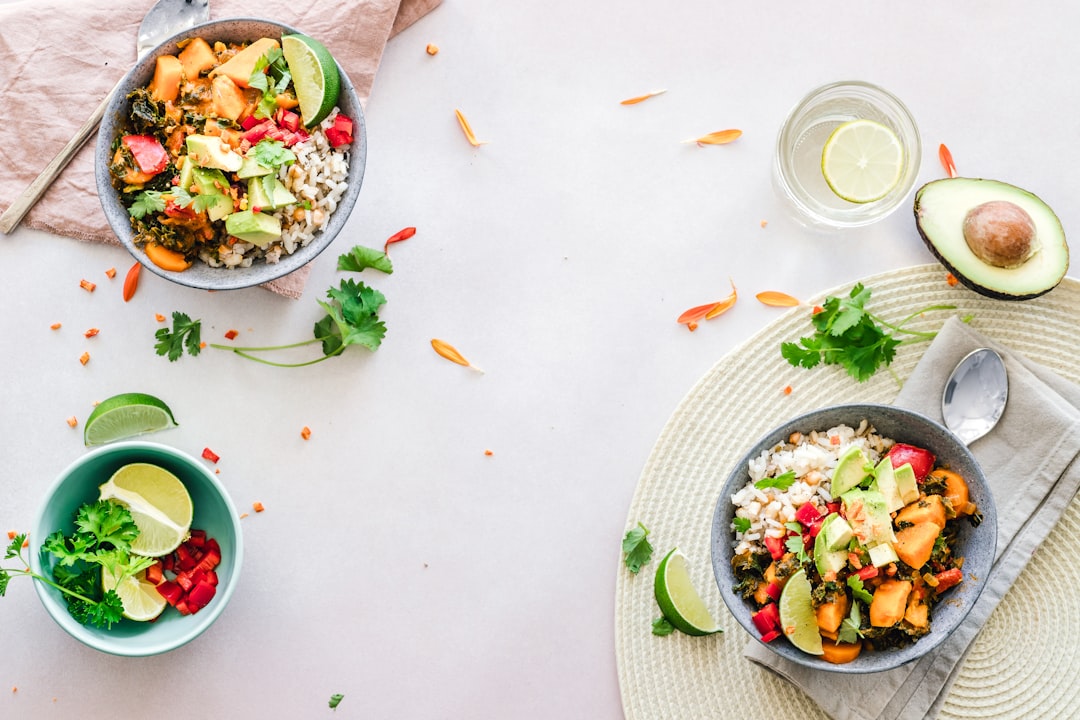
A well-crafted diet plan should be based on sound nutritional principles, including balance, variety, and moderation. This means focusing on whole, unprocessed foods like vegetables, fruits, whole grains, lean proteins, and healthy fats. Aim to include a rainbow of colors on your plate to ensure you’re getting a broad range of essential vitamins and minerals. It’s also important to stay hydrated by drinking plenty of water throughout the day.
In addition to whole foods, a healthy diet plan should also take into account your individual nutritional needs and health goals. For example, if you’re looking to lose weight, you may need to reduce your daily caloric intake and focus on nutrient-dense foods that are low in calories but high in fiber and protein. On the other hand, if you’re trying to build muscle, you may need to increase your protein intake and focus on foods that are rich in healthy fats and complex carbohydrates.
Some key principles to keep in mind when creating a diet plan include:
- Eating regular, balanced meals to maintain stable energy levels and support overall health
- Incorporating physical activity into your daily routine, such as walking, jogging, or weightlifting
- Managing stress and getting adequate sleep to support hormonal balance and weight regulation
- Staying hydrated by drinking plenty of water and limiting sugary drinks
- Limiting your intake of processed and packaged foods, which are often high in added sugars, salt, and unhealthy fats
- What are my health and wellness goals? (e.g., weight loss, improved energy, enhanced athletic performance)
- What are my dietary preferences and restrictions? (e.g., vegetarian, gluten-free, dairy-free)
- What is my lifestyle like? (e.g., busy professional, stay-at-home parent, athlete)
- What are my favorite foods and meal times?
- How much time do I have available for meal planning and preparation?
- Meal planning apps like Plan to Eat, Yummly, and PlateJoy
- Online recipe platforms like Allrecipes, Epicurious, and Food.com
- Nutrition tracking apps like MyFitnessPal, Lose It!, and Cron-o-meter
- Cookbooks and nutrition guides tailored to specific dietary needs and preferences
- Keeping a food diary or using a nutrition tracking app to monitor your progress
- Joining a weight loss support group or online community to connect with others who share similar goals and challenges
- Sharing your goals and progress with a friend or family member to increase accountability and support
- Rewarding yourself for small victories, such as reaching a new personal best or completing a challenging workout
- Focusing on progress, not perfection – remember that setbacks are a normal part of the journey, and that every step forward is a step in the right direction
- Understanding your nutritional needs and tracking your progress is essential to creating a effective diet plan
- A healthy diet plan should be based on whole, unprocessed foods and sound nutritional principles
- Creating a personalized diet plan involves setting clear goals, assessing your lifestyle and preferences, and developing a tailored meal plan
- Maintaining motivation and accountability is crucial to long-term success, and involves tracking your progress, staying connected with a supportive community, and celebrating small victories along the way
By following these principles and tailoring your diet plan to your individual needs and goals, you’ll be well on your way to achieving optimal health and wellness.
Creating a Personalized Diet Plan
Now that we’ve covered the basics of nutritional needs and healthy diet principles, it’s time to create a personalized diet plan that’s tailored to your unique requirements. This involves setting clear goals, assessing your lifestyle and preferences, and developing a tailored meal plan.
To get started, ask yourself the following questions:
Once you’ve answered these questions, you can begin to develop a personalized diet plan that takes into account your unique needs and preferences. This may involve working with a registered dietitian or healthcare professional, or using online resources and meal planning tools to create a customized meal plan.
Some popular meal planning tools and resources include:
By using these tools and resources, you can create a personalized diet plan that’s tailored to your unique needs and goals, and that helps you achieve optimal health and wellness.
Maintaining Motivation and Accountability
Creating a diet plan is just the first step – maintaining motivation and accountability is crucial to long-term success. This involves tracking your progress, staying connected with a supportive community, and celebrating small victories along the way.
Some strategies for maintaining motivation and accountability include:
By maintaining motivation and accountability, you’ll be more likely to stick to your diet plan and achieve your health and wellness goals.
Conclusion and Key Takeaways
Creating a personalized diet plan is a powerful way to transform your body and mind, and achieve optimal health and wellness. By understanding your nutritional needs, following healthy diet principles, and tailoring your diet plan to your unique requirements, you’ll be well on your way to achieving your goals.
Key takeaways from this guide include:
By following these principles and taking a personalized approach to nutrition, you’ll be empowered to take control of your health and wellness, and achieve the body and mind you’ve always desired. Remember to stay flexible, be patient, and celebrate your progress along the way – and don’t be afraid to seek help and support when you need it. With the right mindset and approach, you can unlock the power of a personalized diet plan and transform your life from the inside out.