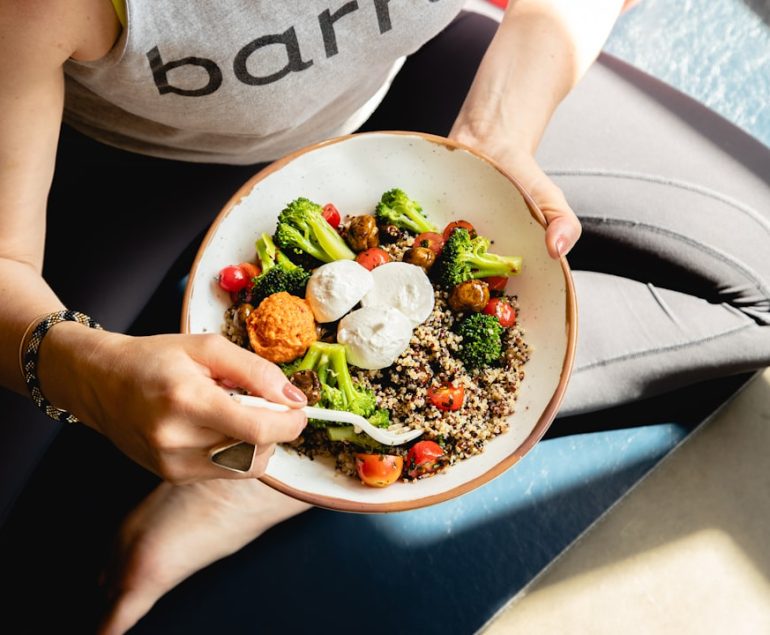
—
Introduction – Why “Another Diet Plan?”
If you’ve ever scrolled through Instagram, YouTube, or a late‑night TV commercial, you’ve probably heard the phrase “diet plan” at least a dozen times. From keto‑crazy fans to fasting fanatics, the market is flooded with quick‑fix promises: “Drop 10 lbs in 7 days!” or “Eat only one meal a day and still feel full!”
But here’s the truth most marketing copy skips: there’s no one‑size‑fits‑all diet that works forever without effort, boredom, or side‑effects. What does work is a personalized, sustainable diet plan that fits your lifestyle, respects your biology, and teaches you how to make healthy choices without counting every single calorie forever.
In this 2,000‑word deep‑dive we’ll unpack everything you need to build a diet plan that actually sticks. You’ll learn:
- How to assess your current eating habits and set realistic goals.
- The science‑backed pillars of a balanced diet (macronutrients, micronutrients, timing, and portion control).
- Step‑by‑step meal‑planning strategies you can implement today—whether you’re a busy professional, a student, or a parent juggling a household.
- Proven tricks for weight loss, muscle gain, or simply feeling more energetic—without starving yourself.
- Specific: “Lose 12 lb of body fat.”
- Measurable: “Drop 1 lb per week.”
- Achievable: Based on your TDEE, a 500‑calorie daily deficit is realistic.
- Relevant: Aligns with your desire to feel more energetic for hiking.
- Time‑Bound: “Reach my target in 12 weeks.”
- Add a scoop of whey or plant‑based protein powder to smoothies.
- Sprinkle hemp seeds or chia on oatmeal.
- Keep pre‑cooked boiled eggs in the fridge for grab‑and‑go snacks.
- 2‑3 servings of fatty fish per week (salmon, mackerel, sardines).
- A tablespoon of walnut oil or a handful of walnuts.
- Algal oil capsules for vegans.
- Keep a reusable bottle on your desk; set a timer to take a sip every 30 min.
- Infuse water with cucumber, lemon, or mint for flavor without calories.
- Start each meal with a glass of water—helps you eat slower and recognize fullness.
- Pre‑Plan: Look up the restaurant menu online and decide on a healthy option before you
Grab a notebook, a glass of water, and let’s design the diet plan that will keep you thriving in 2024 and beyond.
—
1. Foundations First – Understanding Your Body & Setting SMART Goals
1.1 Know Your Numbers (But Don’t Obsess)
Before you write down a grocery list, get a clear picture of where you stand. The most useful baseline metrics are:
| Metric | Why It Matters | How to Measure |
|——–|—————-|—————-|
| Basal Metabolic Rate (BMR) | Calories your body needs at complete rest. | Use an online BMR calculator (input age, gender, weight, height). |
| Total Daily Energy Expenditure (TDEE) | BMR plus activity level; tells you how many calories you actually burn each day. | Multiply BMR by an activity factor (sedentary × 1.2, moderate × 1.55, active × 1.75). |
| Body Composition | Ratio of muscle to fat; more informative than weight alone. | Skinfold calipers, bio‑impedance scales, or a DEXA scan (if accessible). |
| Macronutrient Ratios | Determines how much protein, carbs, and fat you need to support goals. | Calculated from TDEE and goal (e.g., 30 % protein, 40 % carbs, 30 % fat). |
Actionable tip: Write these numbers down in a simple table. You’ll refer to them when you design your meal plan and track progress.
1.2 Set SMART Goals
A vague goal like “lose weight” rarely leads to success. Transform it into a SMART goal:
Write your SMART goal at the top of your diet plan notebook. Review it weekly to stay accountable.
1.3 Choose a Diet Philosophy That Resonates
The best diet plan is the one you can live with. Below is a quick‑scan of popular approaches—pick one that matches your preferences, not the other way around:
| Approach | Core Idea | Typical Macro Split | Who It Suits |
|———-|———–|———————|————–|
| Balanced Mediterranean | Whole foods, olive oil, fish, veggies | 30 % carbs, 30 % protein, 40 % fat | Those who love variety and heart health |
| Low‑Carb / Keto | Reduce carbs, increase fats to induce ketosis | 5‑10 % carbs, 20‑25 % protein, 70‑75 % fat | Fans of steady energy, minimal blood‑sugar spikes |
| Plant‑Based (Vegan/Vegetarian) | Emphasize legumes, nuts, grains, veggies | 45‑55 % carbs, 15‑20 % protein, 25‑35 % fat | Ethical eaters, those seeking high fiber |
| Intermittent Fasting (IF) | Time‑restricted eating windows (e.g., 16/8) | Any macro split, but within eating window | Busy schedules, appetite‑control seekers |
| High‑Protein / Muscle‑Gain | Prioritize protein for muscle synthesis | 35‑40 % protein, 30‑40 % carbs, 20‑30 % fat | Strength‑trainers, active adults |
Actionable tip: Write down the name of your chosen philosophy, a brief “why,” and the macro ratio you’ll aim for. This becomes your guiding compass.
—
2. Building the Blueprint – Meal Planning Made Simple
2.1 The 4‑Step Meal‑Planning Framework
1. Inventory Your Kitchen – List what you already have (canned beans, frozen veggies, spices).
2. Create a Weekly Template – Decide on the number of meals & snacks per day (e.g., 3 main meals + 2 snacks).
3. Batch Cook & Prep – Choose 2–3 “anchor” dishes that can be repurposed (e.g., grilled chicken, roasted vegetables, quinoa).
4. Fill the Gaps with Quick Add‑Ons – Fresh salads, fruit, Greek yogurt, or a protein shake.
Example Template (Monday‑Friday):
| Meal | Protein | Carb | Veggie/Fiber | Healthy Fat |
|——|———|——|————–|————-|
| Breakfast | 2 eggs or 150 g Greek yogurt | 1 slice whole‑grain toast | Spinach or berries | Avocado slice |
| Snack 1 | Handful almonds | — | Apple | — |
| Lunch | Grilled chicken breast | ½ cup brown rice | Mixed greens + olive oil | Olive oil dressing |
| Snack 2 | Cottage cheese | — | Cherry tomatoes | — |
| Dinner | Baked salmon | Sweet potato | Steamed broccoli | Walnut pieces |
2.2 Portion Control Without a Scale
Not everyone loves weighing food. Use visual cues:
| Food Group | Visual Portion Guide |
|————|———————-|
| Protein (meat, fish, tofu) | Palm‑size (≈3‑4 oz) |
| Carbs (rice, pasta, quinoa) | Fist‑size (≈½ cup cooked) |
| Veggies | Two cupped hands (≈2 cups) |
| Fats (nuts, oils) | Thumb‑size (≈1 tbsp) |
Actionable tip: When you first start, take a photo of each plate. Over a week you’ll develop an intuitive sense of portion sizes.
2.3 Smart Grocery Shopping – The “5‑Rule” List
1. Shop the Perimeter First – Fresh produce, meats, dairy, and breads are usually healthier.
2. Pick One New Ingredient – Keeps meals exciting without overwhelming you.
3. Read Labels for Hidden Sugars – Look for “sucrose,” “fructose,” “maltose,” or “high‑fructose corn syrup.”
4. Choose Whole Over Processed – Whole grain pasta vs. instant noodles; steel‑cut oats vs. flavored instant oatmeal.
5. Stick to a List – Prevent impulse buys that derail your diet plan.
Sample Shopping List (Mediterranean‑style, 1‑week)
Proteins: Skinless chicken breast, canned tuna in olive oil, eggs, Greek yogurt, chickpeas.
Carbs: Quinoa, whole‑grain pita, sweet potatoes, brown rice.
Veggies: Baby spinach, cherry tomatoes, bell peppers, zucchini, red onion, garlic.
Fruits: Berries, apples, oranges.
Fats: Extra‑virgin olive oil, olives, almonds, avocado.
Spices: Smoked paprika, oregano, cumin, black pepper, sea salt.
2.4 Timing & Frequency – Does Meal Timing Matter?
Research suggests that consistent eating windows can improve insulin sensitivity and appetite control. Here are three proven patterns:
| Pattern | Typical Window | Best For | Pros |
|———|—————-|———-|——|
| Traditional 3‑Meal | 7 am‑9 am, 12 pm‑2 pm, 6 pm‑8 pm | Those who prefer structure | Simple, fits most work schedules |
| 5‑Meal (Small Snacks) | Every 3‑4 h, start 7 am, finish 9 pm | Active athletes, high‑calorie needs | Keeps metabolism steady, reduces hunger |
| Time‑Restricted (16/8 IF) | Eat between 12 pm‑8 pm | Busy professionals, weight‑loss seekers | May improve fat oxidation, easier calorie control |
Actionable tip: Pick the pattern that aligns with your daily routine and stick to it for at least two weeks before adjusting.
—
3. Nutrition Hacks – Boosting Results Without Extra Work
3.1 Prioritize Protein – The Satiety Superhero
Protein not only preserves muscle during a calorie deficit, it also increases satiety and boosts thermogenesis (calories burned during digestion). Aim for 0.8‑1.0 g per lb of body weight if you’re active; up to 1.2 g per lb for intense strength training.
Quick Protein Boosters:
3.2 Fiber – The Hidden Fat‑Loss Ally
Fiber slows gastric emptying, stabilizes blood sugar, and promotes healthy gut bacteria—all crucial for weight management. Target 25‑35 g of fiber per day.
Fiber‑Rich Foods to Include:
| Food | Fiber (g per serving) |
|——|———————–|
| Lentils (½ cup cooked) | 8 |
| Raspberries (1 cup) | 8 |
| Chia seeds (1 tbsp) | 5 |
| Oats (½ cup dry) | 4 |
| Broccoli (1 cup) | 5 |
Actionable tip: Add 1‑2 tbsp of chia or ground flaxseed to any breakfast or smoothie for an instant fiber boost.
3.3 Healthy Fats – Not the Enemy
Long‑chain omega‑3 fatty acids (EPA/DHA) support heart health, reduce inflammation, and can improve body‑composition outcomes. Include fat sources at each main meal.
Easy Omega‑3 Sources:
3.4 Hydration – The Overlooked Performance Factor
Even mild dehydration can mimic hunger, leading to unnecessary snacking. Aim for ½ oz of water per lb of body weight daily (≈2 L for a 150‑lb adult).
Hydration Hacks:
3.5 Mindful Eating – The Psychology of Food
Studies show that mindful eating can reduce overall calorie intake by up to 15 %. Practice these simple habits:
1. Eliminate Distractions – No phone or TV while eating.
2. Chew Thoroughly – Aim for 20–30 chews per bite.
3. Pause Mid‑Meal – Put your fork down, take a breath, assess hunger.
4. Savor Flavors – Identify sweet, salty, sour, bitter, and umami notes.
Actionable tip: Set a timer for 20 minutes when you sit down to eat. If you’re still finishing after the timer, you probably ate enough.
—